The Easiest Way To Grow Cherry Tomatoes In Pots In Tennessee
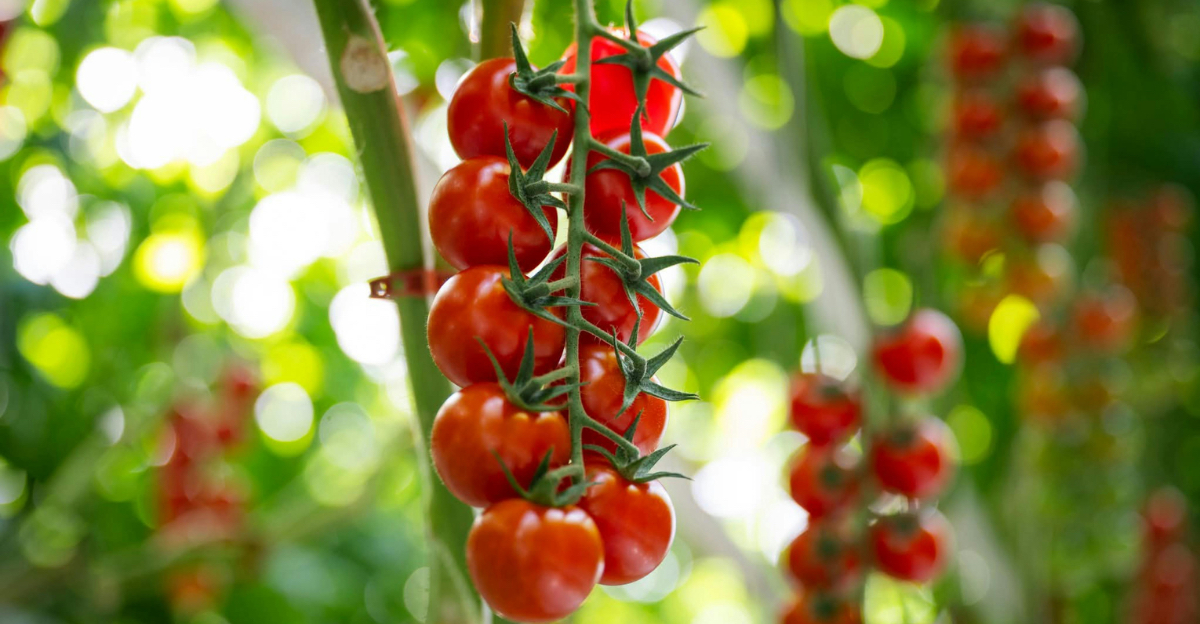
Cherry tomatoes might be small, but the payoff is anything but. A few pots, a sunny spot, and suddenly your porch, balcony, or backyard in Tennessee turns into a mini harvest zone.
The warm summers, long growing seasons, and plenty of sunshine across the state make it a fantastic place to grow fresh, juicy cherry tomatoes without needing a big garden.
You can move them around, protect them from harsh weather, and enjoy a steady harvest of sweet little tomatoes all season long. The best part?
You do not need to be an experienced gardener to make it work.
With the right pot, the right soil, and a little bit of attention, anyone can grow a thriving container tomato plant.
This guide walks you through everything you need to know, step by step, so you can get started with confidence and enjoy fresh tomatoes straight from your own pot.
1. Pick The Right Cherry Tomato Variety For Tennessee
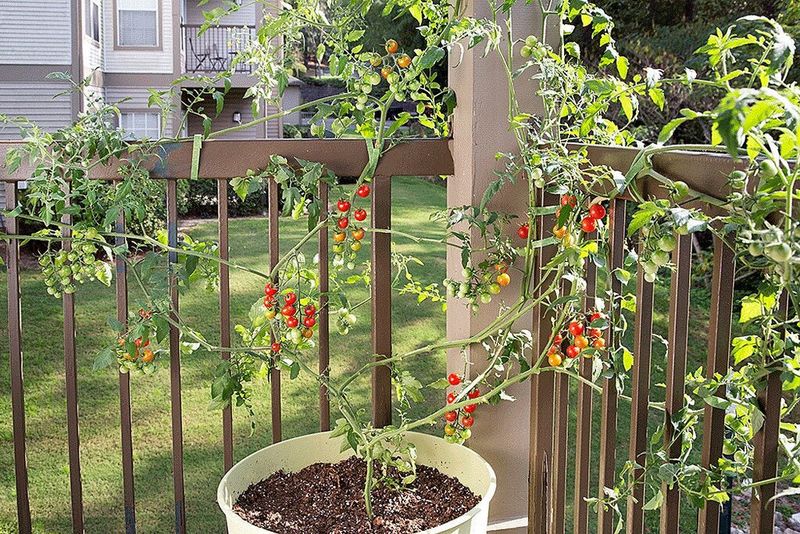
Not all cherry tomatoes are created equal, and picking the right variety can make a huge difference in how well your plants grow in Tennessee’s climate. The good news is that several varieties are perfectly suited to the heat and humidity that comes with a Tennessee summer.
Sun Gold is one of the most popular choices among home gardeners in the state. These orange tomatoes are incredibly sweet and produce fruit in large clusters all season long.
They handle heat well and keep producing even when temperatures climb past 90 degrees.
Sweet 100 is another excellent option that thrives in containers. It grows vigorously and produces hundreds of small red tomatoes from early summer right through fall.
Juliet tomatoes are also worth considering because they are crack-resistant and hold up well during Tennessee’s occasional heavy rain spells.
Tumbling Tom is a variety specifically bred for pots and hanging baskets. Its trailing vines spill beautifully over the edge of a container, making it both productive and attractive.
Black Cherry tomatoes offer a richer, more complex flavor and also perform well in the Tennessee heat when given enough water and sunlight.
2. Choose The Best Pot Size And Material
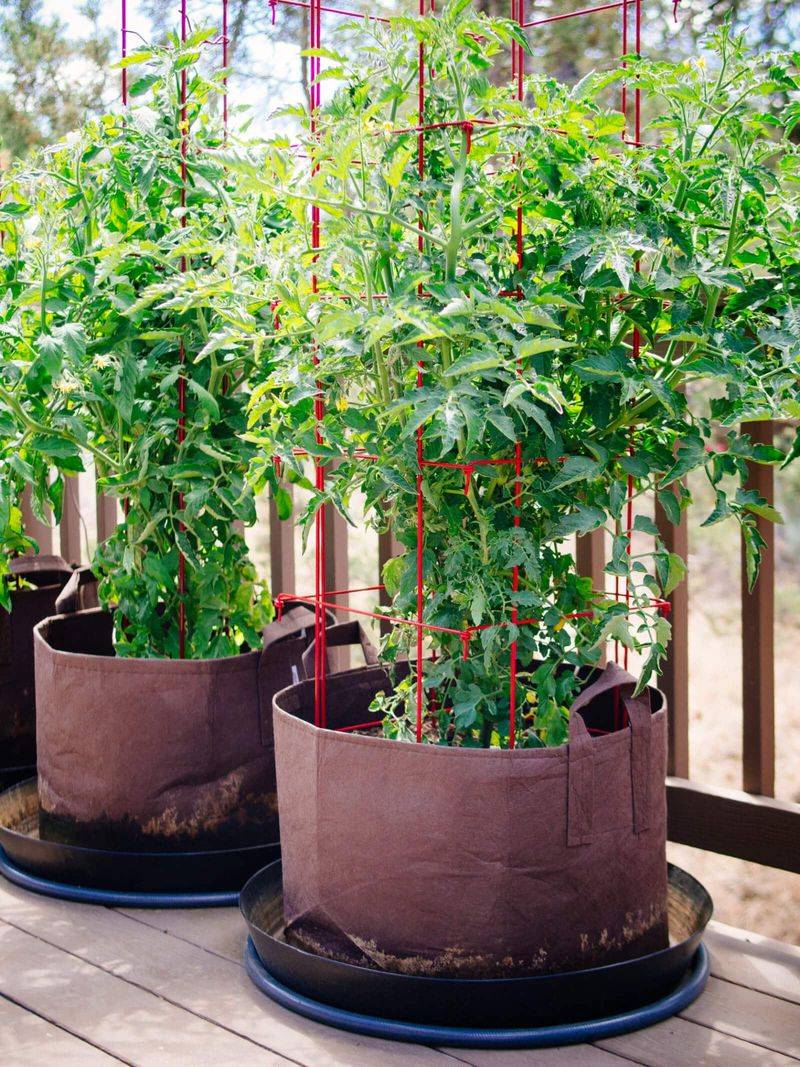
Believe it or not, the pot you choose can make or break your entire cherry tomato harvest. Tomatoes have deep, spreading root systems, and giving them enough room to grow underground is just as important as what happens above the soil.
For cherry tomatoes, you want a pot that holds at least five gallons of soil. Ten to fifteen gallons is even better if you want a bigger, more productive plant.
A pot that is too small will stress the roots, limit growth, and cause the plant to dry out way too fast, especially during hot Tennessee summers.
Terracotta pots look beautiful and allow the soil to breathe, but they dry out quickly in the heat. Plastic or resin containers hold moisture longer and are lighter to move around, which is helpful if you need to shift your plant to catch more sun or protect it from a storm.
Whatever material you choose, drainage holes at the bottom are absolutely non-negotiable. Without proper drainage, water sits at the roots and causes rot.
You can place a layer of gravel at the bottom of your pot to help water move through the soil more freely and keep your plant healthy all season.
3. Use The Right Potting Mix For Big Results
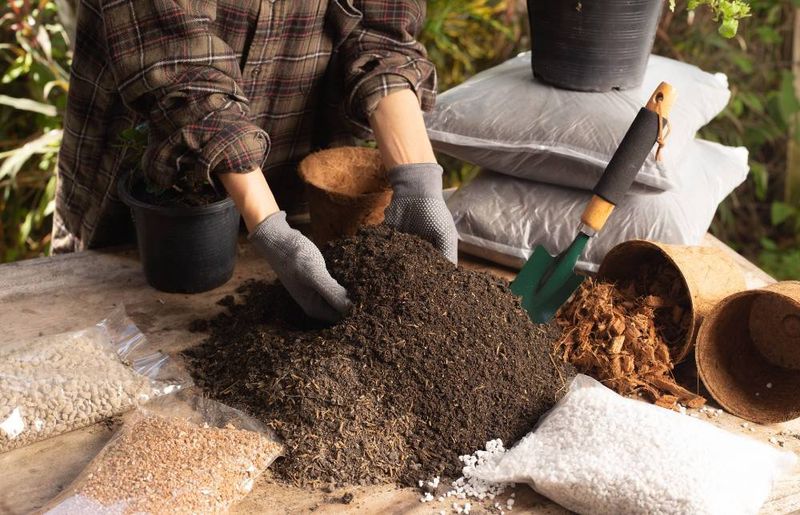
Good soil is the secret weapon of every successful container gardener. Regular garden soil is too heavy for pots, compacts easily, and does not drain well enough to keep tomato roots happy and healthy.
Always start with a high-quality potting mix specifically designed for vegetables or containers. These mixes are lighter, fluffier, and packed with nutrients that your tomato plant will love.
Look for a mix that includes compost, perlite, and coconut coir for the best results.
Adding a slow-release granular fertilizer into your potting mix before planting gives your tomatoes a steady supply of nutrients right from the start. This is especially helpful during the long, warm Tennessee growing season when plants are working hard to produce fruit.
You can also mix in a handful of worm castings to boost soil health naturally. Worm castings improve drainage, add beneficial microbes, and release nutrients slowly over time.
Refresh your potting mix every season because nutrients break down over time and a fresh start gives your new plants the best possible foundation. Never reuse old mix from a plant that had disease issues because problems can carry over and affect your new crop.
4. Find The Sunniest Spot On Your Property
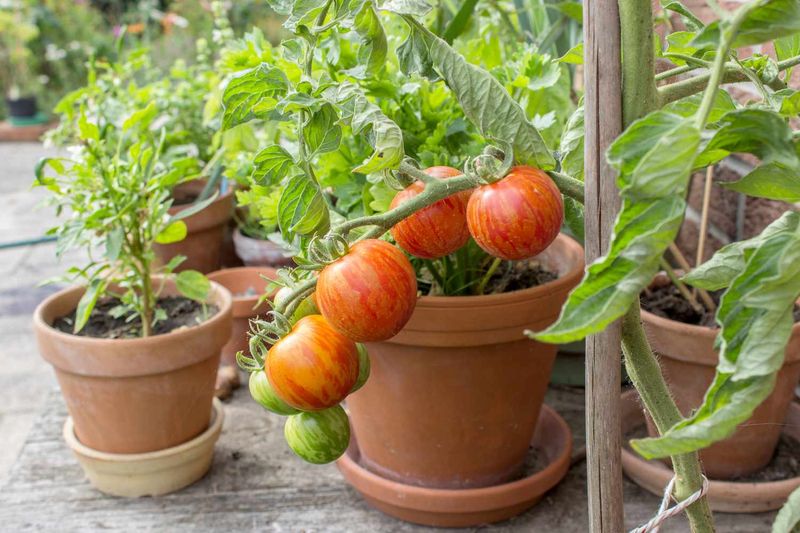
Sunlight is basically tomato fuel, and cherry tomatoes are absolute sun lovers. Without enough direct light, your plants will grow tall and leggy, produce very few flowers, and give you a disappointing harvest no matter how well you water or fertilize them.
Cherry tomatoes need at least six to eight hours of direct sunlight every single day. In Tennessee, that is usually easy to achieve from late spring through early fall.
South-facing patios, decks, and driveways tend to get the most consistent sun throughout the day.
One of the biggest advantages of growing in pots is the ability to move your plants as the seasons change. Early in spring, morning sun spots are perfect.
As summer heats up, you might want to shift your pots slightly to avoid the intense late-afternoon western sun that can scorch leaves during the hottest weeks of a Tennessee summer.
Watch your yard or balcony throughout the day before deciding where to place your containers. Shade from trees, fences, or buildings can sneak up on you.
A spot that looks sunny in the morning might be shaded by noon. Tracking the sunlight patterns before planting saves you a lot of trouble and sets your tomatoes up for a genuinely productive growing season.
5. Water Your Plants The Smart Way
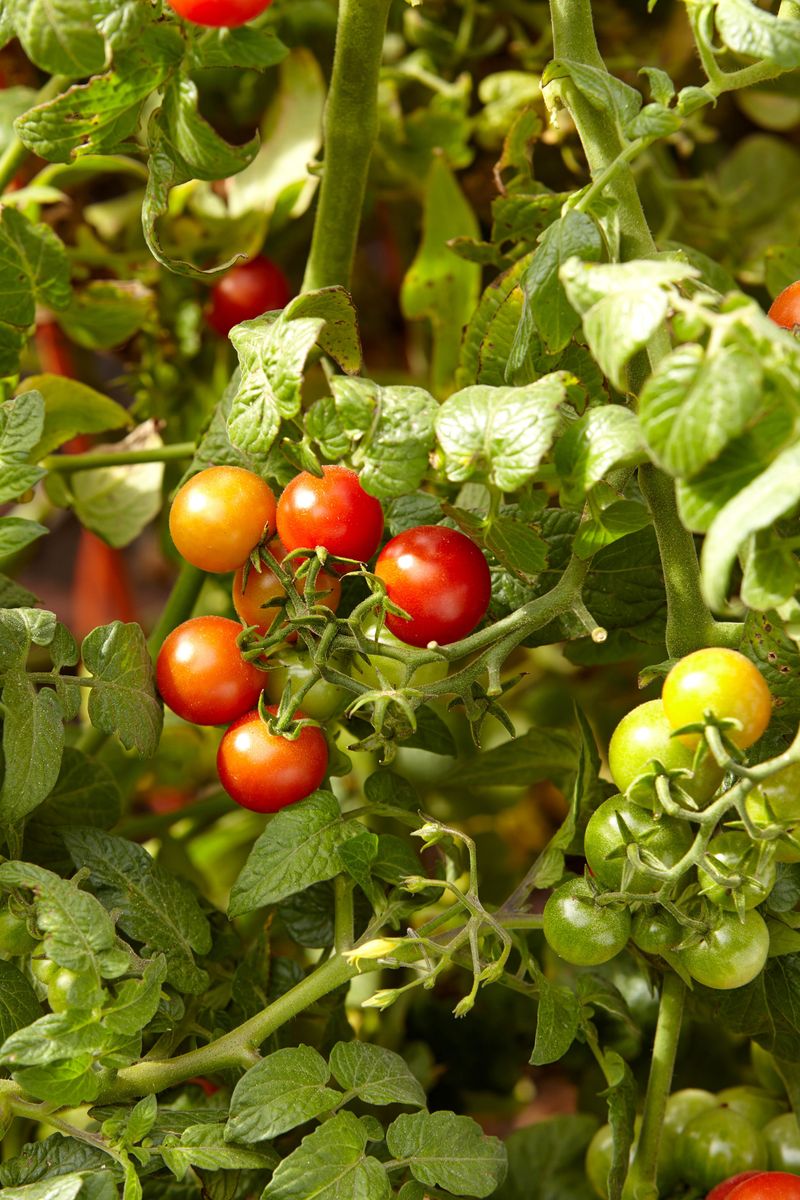
Watering seems simple, but it is actually one of the trickiest parts of growing tomatoes in pots, especially during a sizzling Tennessee summer. Both overwatering and underwatering can cause serious problems, so finding the right balance matters a lot.
Container tomatoes dry out much faster than plants grown in the ground because there is less soil volume to hold moisture. During the hottest months, you may need to water your pots once or even twice a day.
Stick your finger about an inch into the soil before watering. If it feels dry at that depth, it is time to water.
Always water deeply and thoroughly until water drains freely from the bottom of the pot. Shallow watering only wets the top layer of soil, which encourages roots to stay near the surface where they are vulnerable to heat stress.
Deep watering trains roots to grow down into cooler soil.
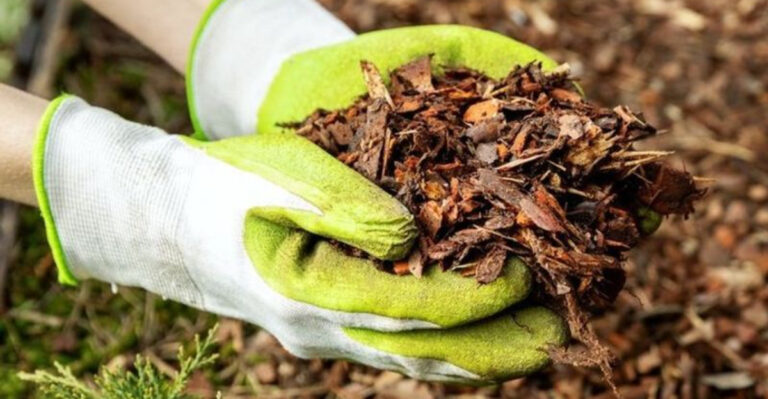
Inconsistent watering is one of the main causes of blossom end rot and cracked tomatoes, which are frustrating problems for any gardener. Using a self-watering pot or adding a layer of mulch on top of the soil helps retain moisture between waterings.
A simple drip irrigation system on a timer can also take the guesswork completely out of your daily watering routine.
6. Feed Your Tomatoes Regularly For A Big Harvest
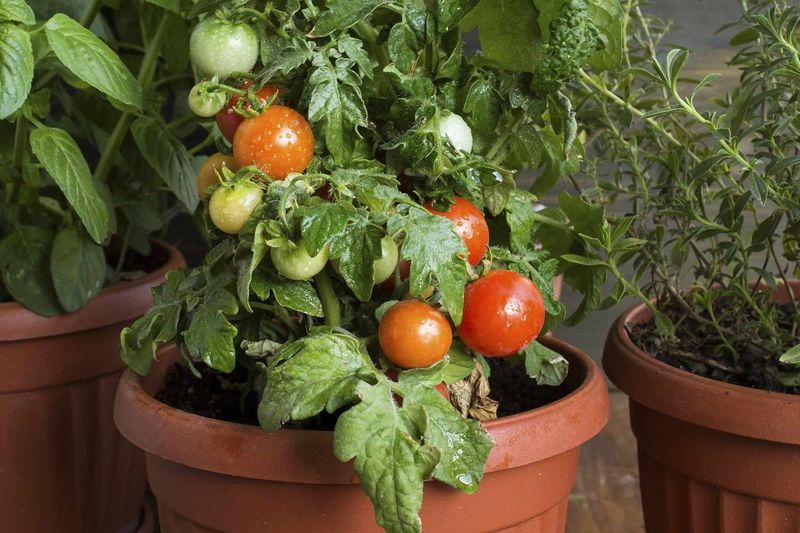
Potted tomatoes are hungry plants, and feeding them the right way is what separates a so-so harvest from an absolutely spectacular one.
Unlike plants grown in garden beds, container tomatoes cannot reach deep into the earth for extra nutrients, so you are their only source of food.
Start fertilizing about two weeks after transplanting your seedlings into their final pot. Use a balanced fertilizer like a 10-10-10 formula to encourage strong roots and healthy green growth early on.
Once flowers start to appear, switch to a fertilizer that is higher in phosphorus and potassium to support fruit development.
Liquid fertilizers work especially well for container plants because they are absorbed quickly and get to the roots fast. Feed your tomatoes every one to two weeks throughout the growing season.
Tomato-specific liquid fertilizers are widely available at garden centers across Tennessee and are a solid investment for any container gardener.
Watch your plant for signs of nutrient deficiency, like yellowing leaves or slow growth. These are signals that your feeding schedule needs an adjustment.
Organic options like fish emulsion or compost tea are also excellent choices that feed plants gently and improve overall soil health inside the container over time without the risk of chemical burn.
7. Support Your Plants With Stakes Or Cages
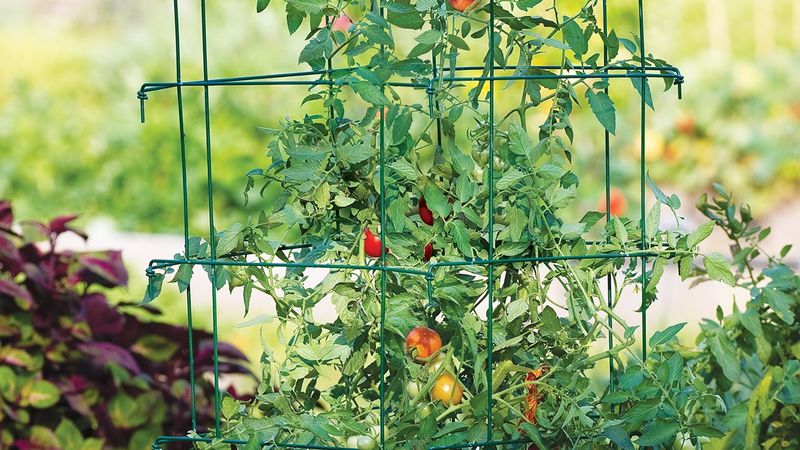
Cherry tomato plants grow fast and can get surprisingly tall and bushy, especially during a long Tennessee growing season.
Without proper support, the weight of the vines and fruit will cause branches to bend, snap, or sprawl all over the ground, making it hard to harvest and easy for disease to set in.
Tomato cages are the most popular support option for container gardening because they are easy to use and provide support from all sides. Place your cage in the pot at the time of planting so you do not disturb the roots later.
As the plant grows, gently guide the stems through the cage openings to keep everything upright.
Bamboo stakes are another simple and affordable option. Push two or three stakes into the soil around the edges of the pot and use soft garden ties or strips of old fabric to loosely secure the main stem as it grows taller.
Avoid tying too tightly because stems need a little room to flex in the breeze.
For trailing varieties like Tumbling Tom, no support is needed at all since the vines naturally spill over the sides of the pot. Regularly checking your supports and adjusting ties every few weeks ensures your plant stays upright and productive all the way through the end of the harvest season.
8. Protect Your Plants From Tennessee Pests And Weather
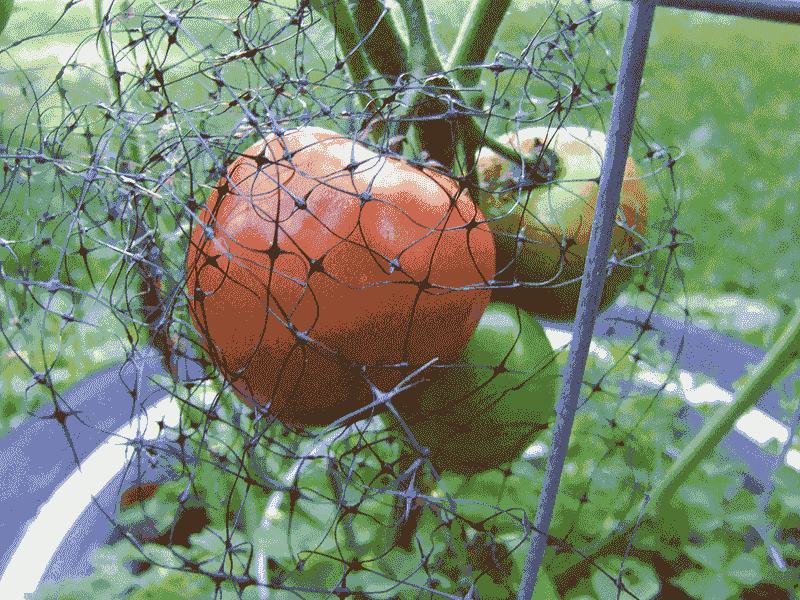
Growing cherry tomatoes in Tennessee means dealing with some very enthusiastic pests and unpredictable weather. The warm, humid climate that makes this state so great for growing tomatoes also makes it an inviting home for bugs, fungi, and other garden challenges.
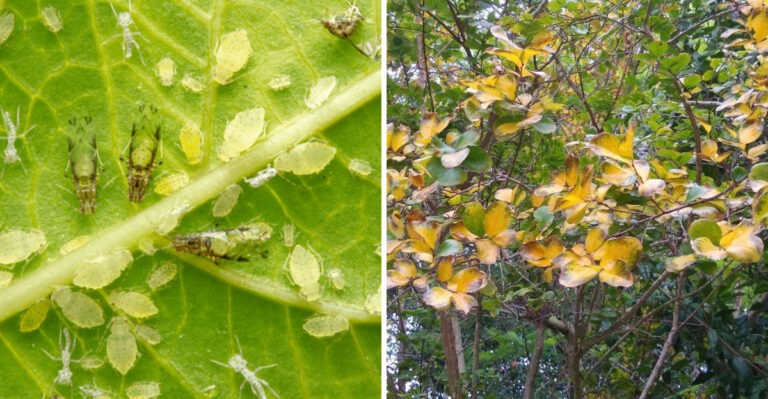
Aphids, hornworms, and whiteflies are the most common pest problems for tomato growers in the state. Check the undersides of leaves regularly for tiny eggs or clusters of insects.
A strong spray of water can knock aphids off plants, and hand-picking hornworms is the most effective way to deal with those large green caterpillars before they strip your plant bare.
Neem oil spray is a fantastic organic solution that handles a wide range of pest and fungal problems without harsh chemicals. Apply it in the early morning or evening to avoid leaf burn from the intense midday sun.
Repeat every seven to ten days as a preventive measure throughout the growing season.
Tennessee weather can also throw curveballs at your garden. Late spring frost, summer heat waves, and heavy thunderstorms can all stress your plants.
Moving pots under an overhang or into a garage during severe weather events protects your investment. Keeping an eye on local weather forecasts and acting quickly when storms roll in can save your entire tomato crop from serious damage.