The Easy Garden Project That Turns A Container Into A Hummingbird Haven In Arizona
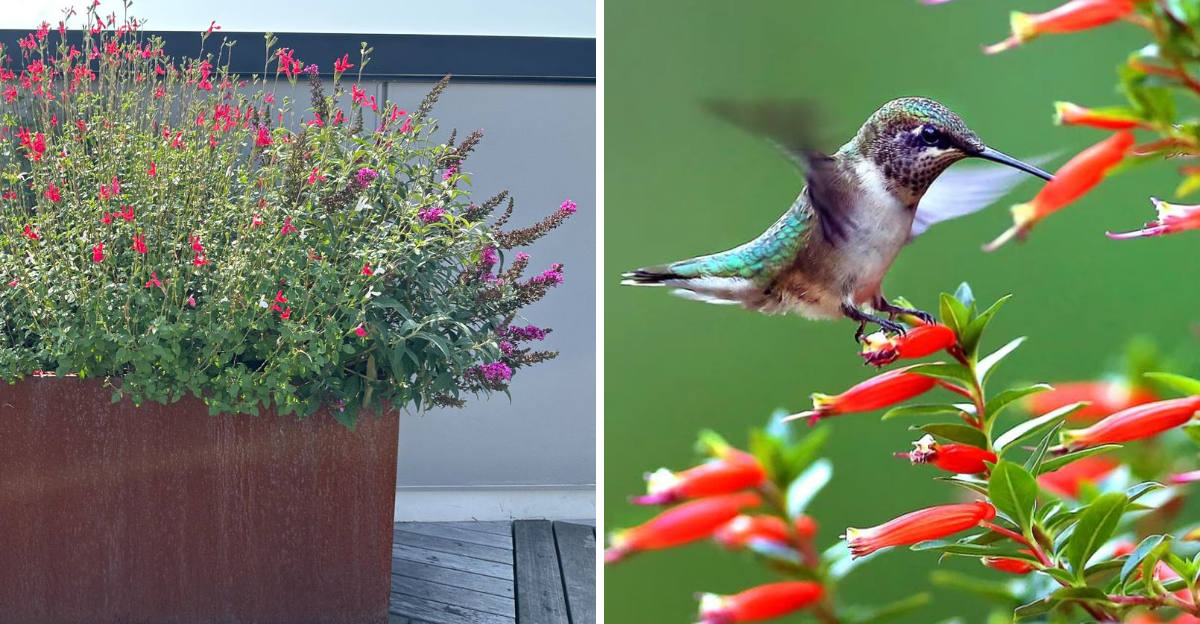
Hummingbirds are some of the most exciting visitors in an Arizona garden. Their quick movements, bright colors, and constant buzzing bring life to patios, balconies, and backyard corners.
The good news is that attracting them does not require a big yard or a complicated garden setup.
Sometimes all it takes is a single well-planted container filled with the right flowers. In Arizona’s climate, many nectar-rich plants grow beautifully in pots and can thrive even in sunny, dry conditions.
When grouped together in one container, they create a small but powerful feeding spot hummingbirds quickly notice.
This simple garden project turns an ordinary container into a colorful hummingbird magnet.
With the right plant choices and a little thoughtful arrangement, even a small patio or entryway can become a lively stop for these fast-moving pollinators as they move through Arizona neighborhoods.
1. Start With A Bright Container That Handles Full Sun
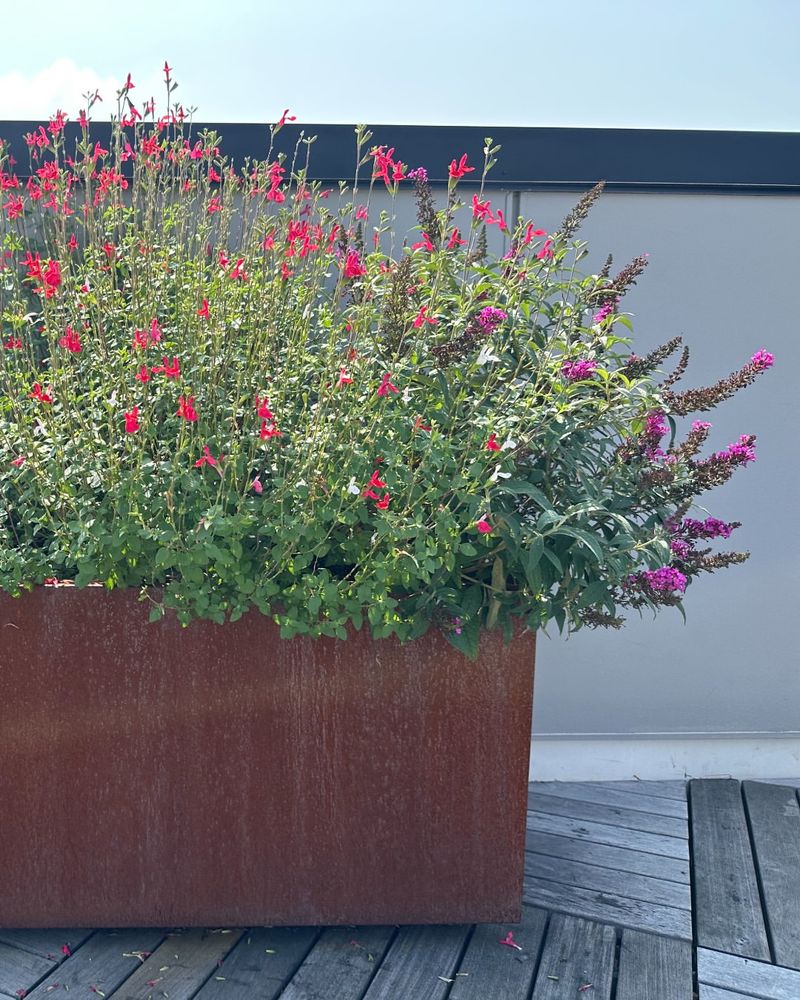
Not every pot can handle an Arizona summer. Out here, containers sit in direct sun for hours, absorbing heat that would crack a cheap plastic pot before the season even gets going.
Choosing the right container from the start saves you a lot of headaches later.
Go with something at least 18 inches wide and 12 inches deep. Hummingbird-friendly plants need room to spread their roots, and a cramped pot means stressed plants and fewer blooms.
Ceramic and thick-walled terracotta both hold up well in the desert heat, though terracotta dries out faster, so keep that in mind.
Drainage holes are non-negotiable. Standing water in a sealed container will rot roots fast, especially when summer rains hit and temperatures stay high.
If you fall in love with a pot that has no holes, drill a few in the bottom yourself before planting.
Darker colored containers absorb more heat, which can cook roots during triple-digit days. Light-colored pots or glazed ceramic reflect some of that heat and keep the soil a bit cooler.
In Arizona, that small difference actually matters.
A container with a wide opening also gives you room to mix several plant varieties, which is exactly what you want when building a hummingbird-friendly setup. Bigger is almost always better when it comes to container gardening in the desert.
Start strong with a solid pot and everything else becomes a whole lot easier from there.
2. Use Fast Draining Potting Soil For Healthy Roots
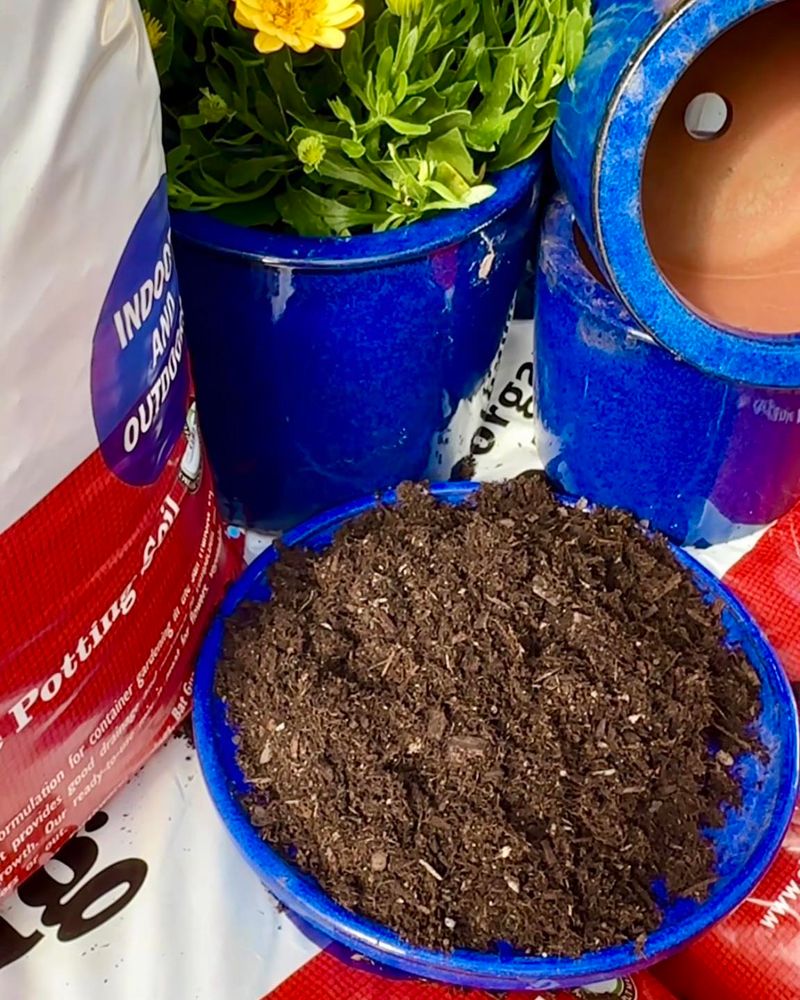
Regular garden soil packed into a container is a recipe for soggy, struggling roots. It compacts quickly, holds too much moisture, and suffocates plants that need air around their roots to stay healthy.
For a hummingbird container garden in Arizona, the soil mix you choose matters more than most people realize.
Pick a potting mix labeled for containers, not one designed for raised beds or in-ground gardens. Container mixes are lighter and allow water to move through more freely.
Adding perlite, which are those small white particles sometimes already blended in, improves drainage even further. A ratio of about 70 percent potting mix to 30 percent perlite works well for most flowering plants used in Arizona hummingbird gardens.
Avoid mixes that advertise moisture retention as a main feature. In a hot desert climate, you actually want the water to drain and then let the top inch or two dry before watering again.
Constant moisture with no drying period encourages fungal problems and root rot, especially during humid monsoon months.
Fill the container to about two inches below the rim. That gap gives you space to water without it spilling straight over the edge before soaking in.
Press the soil down gently after filling, but avoid packing it tight.
Good soil is the foundation of everything in a container garden. Get this part right and your plants will have the best possible start to producing the nectar-rich blooms that keep hummingbirds visiting your Arizona patio all season.
3. Choose Nectar Rich Flowers Hummingbirds Visit Often
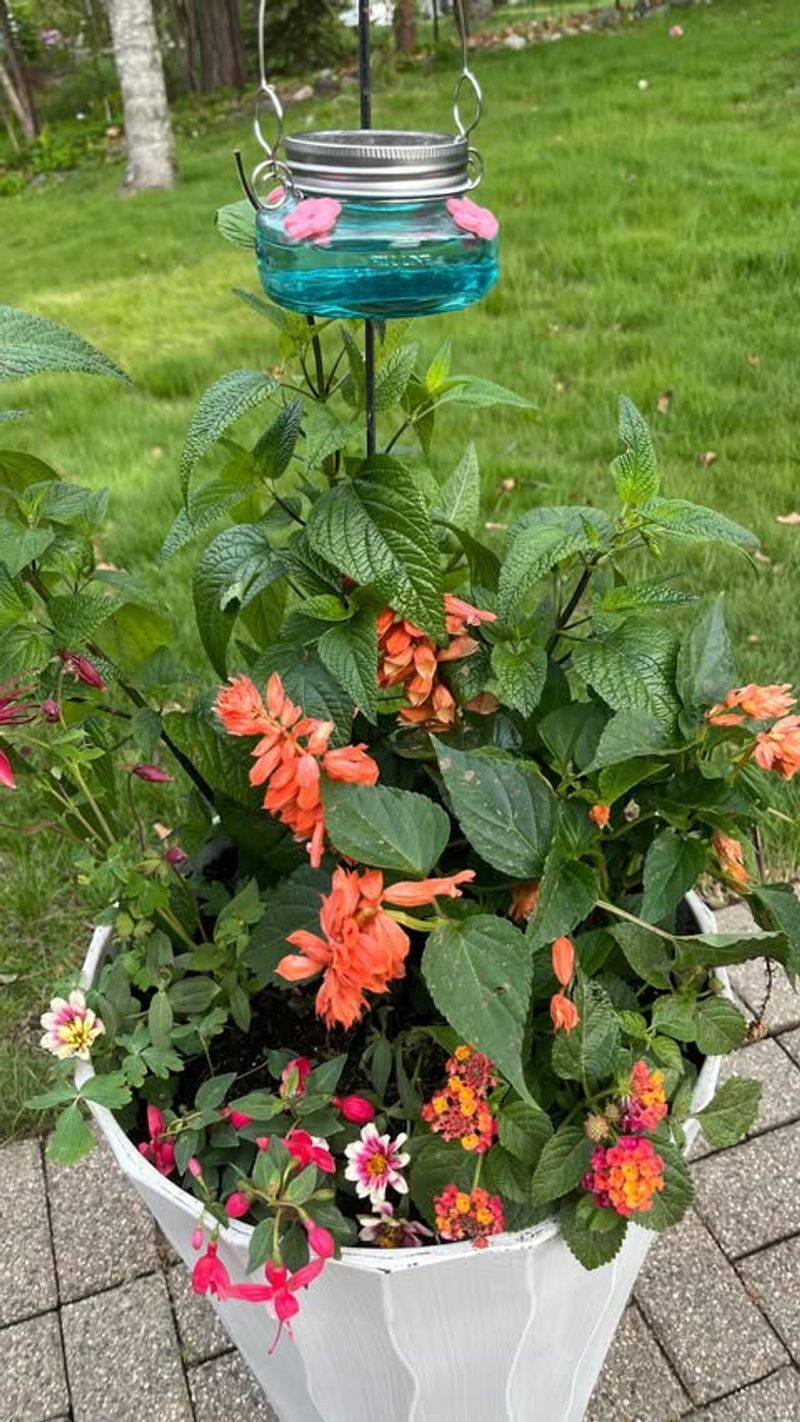
Hummingbirds are not random about which flowers they visit. Tubular-shaped blooms in red, orange, and pink shades are their favorites because the flower shape fits their long beaks perfectly.
Flat or wide-open blooms rarely get a second look from them.
In Arizona, you have some excellent native and adapted options that produce exactly the kind of nectar hummingbirds go after. Chuparosa, which literally translates to hummingbird in Spanish, is a native shrub with bright red tubular flowers that these birds absolutely cannot resist.
Mexican Firecracker is another standout, producing slender orange-red blooms that keep coming back through most of the year in warmer parts of the state.
Red Yucca, or Hesperaloe parviflora, sends up tall spikes of coral-pink flowers that draw hummingbirds in from a distance. It handles full sun and dry conditions without complaint, which makes it a natural fit for an Arizona container setup.
Pair it with lower-growing bloomers to fill in the space around the base of the pot.
Avoid planting flowers that rely on fragrance to attract pollinators. Hummingbirds have almost no sense of smell and are purely drawn in by color and flower shape.
Stick with bright, tubular options and you will see results fast.
Mixing two or three different nectar-rich species in one container creates a longer bloom window, meaning hummingbirds have a reason to stop by your Arizona patio from early spring all the way through fall.
4. Plant Salvia For Long Lasting Blooms
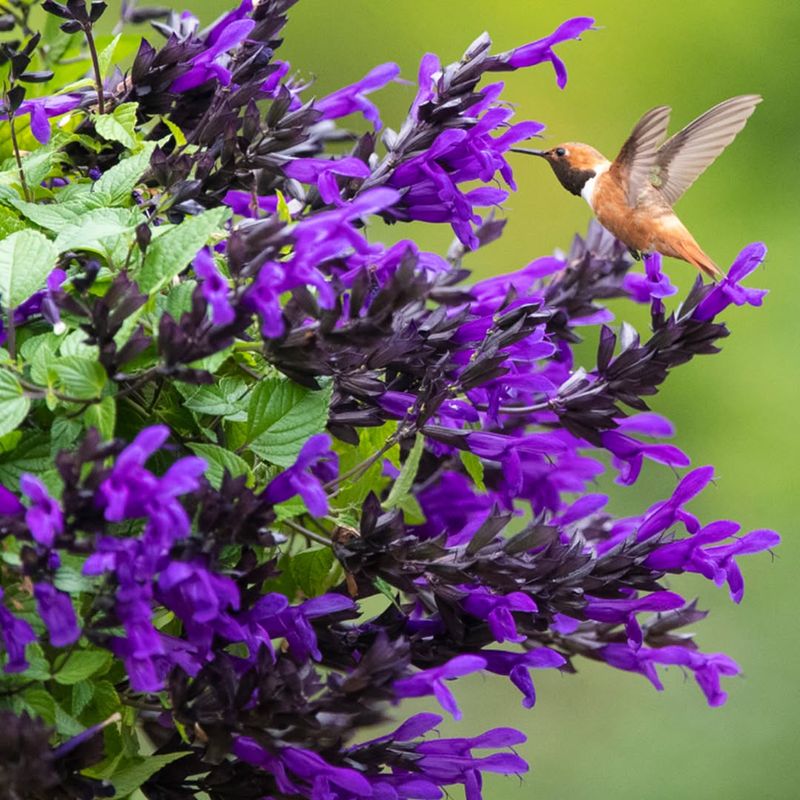
Salvia greggii, commonly called Autumn Sage, earns its place in almost every Arizona hummingbird garden. It blooms for an impressively long stretch, starting in spring and continuing through fall with very little fuss in between.
Hummingbirds zero in on its tubular flowers quickly once they discover the plant.
Colors range from deep red to soft pink, coral, and even white, though the red varieties tend to pull in hummingbirds most reliably.
In a container, Autumn Sage stays manageable in size, usually reaching around two feet tall and wide, which makes it a solid centerpiece plant without overwhelming the pot.
Watering needs are moderate. In Arizona summers, you will likely water every two to three days depending on container size and sun exposure.
Let the soil dry slightly between waterings rather than keeping it constantly wet. Salvia roots prefer a bit of breathing room between drinks.
Trim back the stems by about one-third after each major flush of blooms fades. New growth pushes out quickly and brings a fresh round of flowers with it.
Skipping this step leads to leggy stems and fewer blooms over time, which is exactly what you want to avoid when building a reliable hummingbird stop.
One of the best things about growing Salvia in an Arizona container is how forgiving it is during the hottest weeks of the year.
Even when temperatures push past 110 degrees, a well-watered Salvia keeps producing and keeps hummingbirds coming back to your garden consistently.
5. Add Penstemon For Early Season Nectar
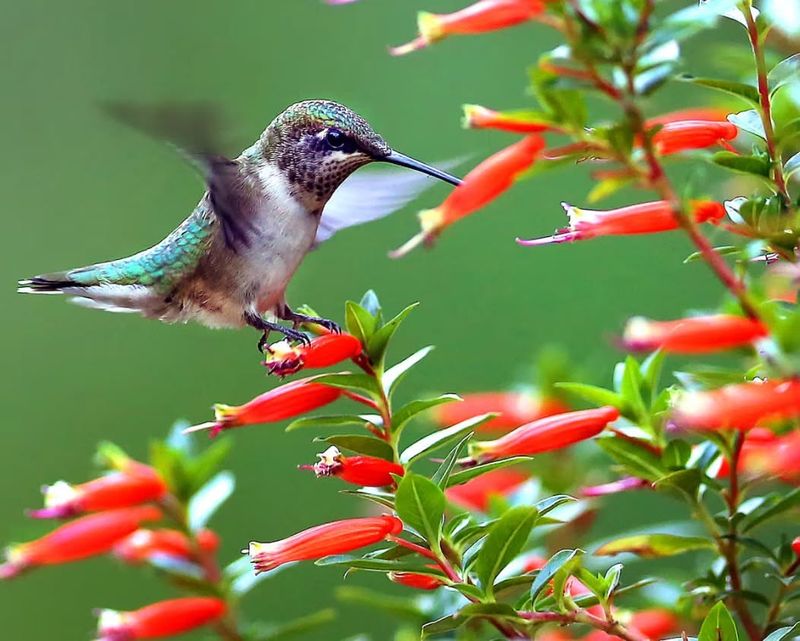
Early spring in Arizona is prime hummingbird migration time, and Penstemon eatonii, known as Firecracker Penstemon, is one of the first plants to deliver nectar when those birds need it most.
Bright red tubular flowers shoot up on tall stalks well before most other plants even think about blooming.
Adding Penstemon to your container gives the whole setup an early-season advantage.
Migrating hummingbirds passing through Arizona in late winter and early spring are actively searching for food sources, and a container packed with red Penstemon flowers is hard for them to miss.
Once they find your garden, they tend to stick around or return on future trips.
In a container, Penstemon grows best with excellent drainage and a slightly lean soil mix. Rich, overly fertilized soil actually encourages leafy growth at the expense of flowers, which is the opposite of what you want.
Hold back on heavy feeding and let the plant focus its energy on blooming.
Penstemon pairs beautifully with Salvia in the same container because their bloom times overlap just enough to create a seamless flow of nectar through spring and into summer. Plant taller Penstemon toward the center or back of the pot with Salvia filling in around it.
Arizona gardeners sometimes overlook Penstemon in favor of flashier imports, but this native performer earns every inch of space it takes up. Reliable, tough, and genuinely loved by hummingbirds, it belongs in any serious hummingbird container garden in the state.
6. Place The Container Where It Gets Plenty Of Sun
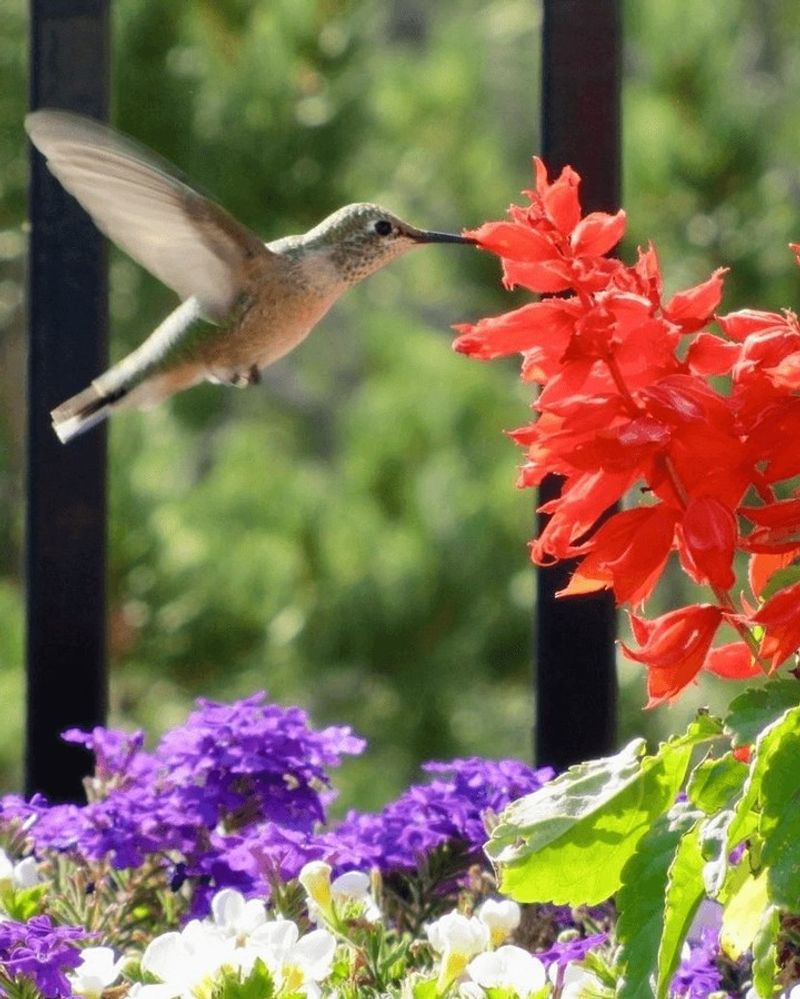
Sunlight placement is one of those decisions that affects everything else in your container garden. Put the pot in the wrong spot and even the best plants will underperform.
Most of the nectar-rich flowers that attract hummingbirds in Arizona need at least six hours of direct sun daily to bloom at full capacity.
South-facing and west-facing walls in Arizona can get brutally hot in summer afternoons. Containers placed right against those walls absorb reflected heat on top of direct sun, which can stress plants even if they are drought-adapted.
A spot that gets strong morning sun and some relief from the harshest afternoon rays tends to work better for container plantings during July and August.
Keep the container visible from a window or seating area if you can. Part of the joy of building a hummingbird garden is actually watching the birds come in.
Placing the pot near a patio chair or within view of a kitchen window lets you enjoy the results without having to go outside every time you want to see what is happening.
Avoid tucking the container into a shaded corner just because the plants technically survive there. Survival and thriving are two different things.
Fewer blooms mean fewer hummingbird visits, and the whole point of this project is to keep those birds coming back regularly.
In most parts of Arizona, an east-facing patio spot hits the sweet spot, delivering strong morning light and protecting plants from the most intense afternoon heat during peak summer months.
7. Keep Flowers Blooming By Removing Spent Blooms
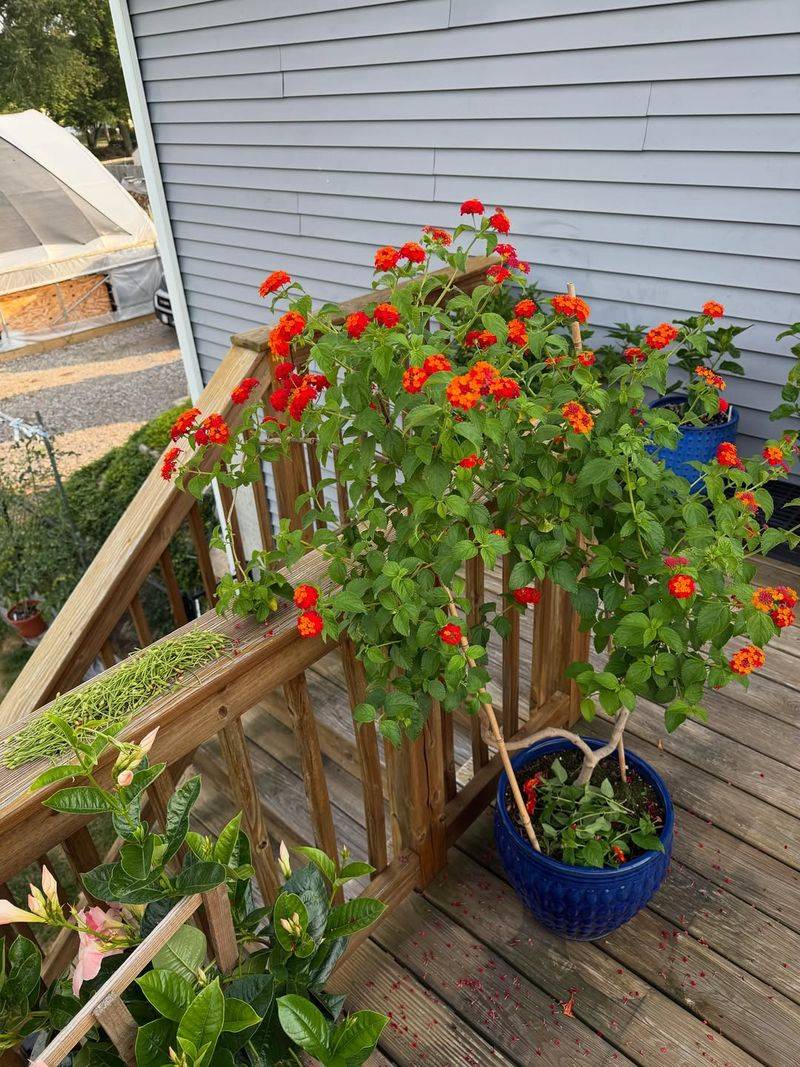
Deadheading sounds more complicated than it is. All it means is pinching or snipping off flowers that have already finished blooming.
Doing this one simple thing on a regular basis pushes the plant to produce new flowers instead of putting energy into forming seeds.
In Arizona heat, plants can move through a bloom cycle faster than they would in cooler climates.
Checking your container every few days during peak growing season keeps you ahead of the spent blooms before they start pulling the plant’s resources away from new flower production.
A quick pass with your fingers or a small pair of scissors takes maybe five minutes.
Focus on Salvia and Penstemon especially, since both respond very well to regular deadheading. After cutting back spent stems, you will often see new flower buds forming within a week or two, especially if the plant is getting consistent water and good sun.
Avoid cutting too deep into woody stems when deadheading. Snip just above a leaf node or a side shoot and the plant will branch out naturally from that point.
Cutting back to bare woody stems can slow regrowth, particularly during the hottest parts of an Arizona summer.
A container garden that gets regular attention stays fuller, healthier, and more attractive to hummingbirds throughout the season. Neglected pots with faded, dried blooms left hanging on the stems send a signal to passing hummingbirds that there is nothing worth stopping for.
Stay consistent with deadheading and your Arizona hummingbird haven will keep delivering results from spring straight into fall.