The 7 Easy Plants That Practically Grow On Their Own In California
Let’s face it: not all of us have hours to spend tending to our gardens. Between work, play, and everything in between, the last thing we want is a yard that requires constant babysitting.
But here are some good news – California has a whole lineup of plants that practically grow themselves!
These low-maintenance beauties are perfect for anyone who loves a lush garden but isn’t into the constant watering, pruning, or coddling.
Just plant them, let them do their thing, and enjoy the beauty without breaking a sweat.
Whether you’re battling the heat or forgetting to water (no judgment here), these plants are tough enough to thrive on their own.
So, if you’re ready to give your gardening gloves a break and still keep a gorgeous garden, these easy-to-care-for picks will take care of everything while you sit back and relax in the sunshine.
1. Society Garlic (Tulbaghia violacea)
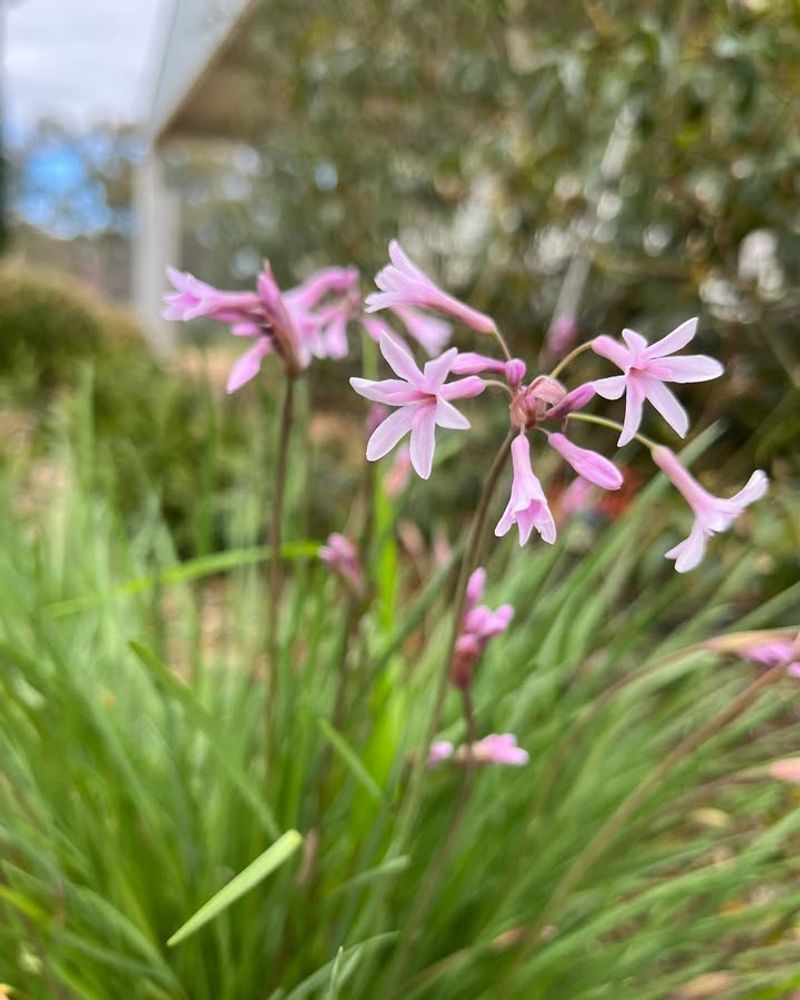
Society Garlic might have the most charming name in the plant world, and it lives up to it. Originally from South Africa, this perennial has found a second home in California, where the warm, sunny climate suits it perfectly.
It forms tidy clumps of slender, grass-like leaves topped with clusters of delicate lavender-purple flowers that bloom from spring all the way into fall.
The flowers have a faint garlic scent when you get close, but it is subtle enough that most people find it pleasant rather than overwhelming. The plant earns its name because, unlike true garlic, it is considered polite enough for polite company.
Deer tend to avoid it, which is a real bonus in many California neighborhoods and hillside communities.
Society Garlic is extremely low-maintenance. It thrives in full sun and handles heat, drought, and poor soil without fuss.
Once it is established in your garden, it rarely needs supplemental watering during California’s dry months. It also spreads slowly over time, gradually filling in gaps in garden borders without becoming invasive.
Dividing the clumps every few years actually helps keep it looking full and vibrant. You can use those divisions to fill other spots in your yard for free.
It pairs beautifully with ornamental grasses and other drought-tolerant plants, creating a layered, textured look that feels effortlessly natural and suited to California’s relaxed outdoor lifestyle.
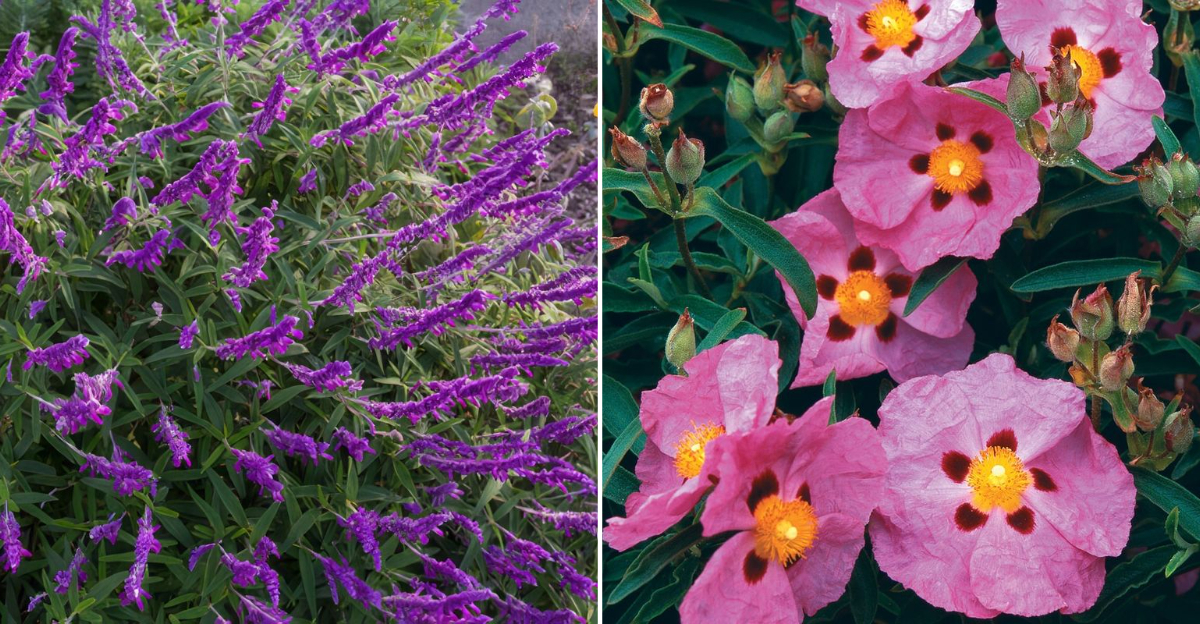
2. Mexican Bush Sage (Salvia leucantha)
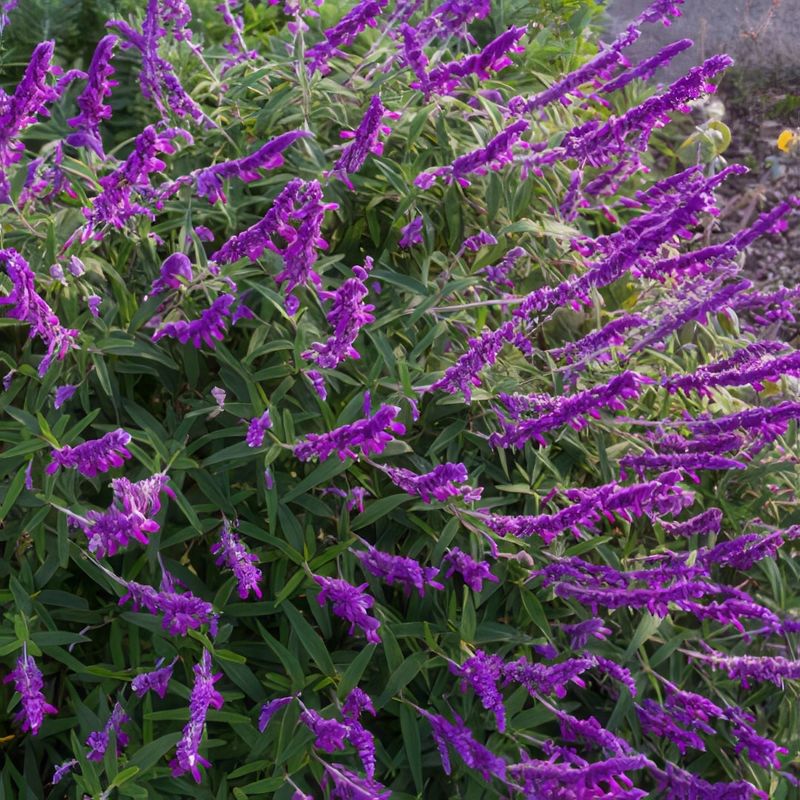
Late summer in California can feel like the garden has given up. Most plants are tired and faded by August.
Mexican Bush Sage, though, is just getting started. This spectacular salvia hits its stride exactly when other plants are winding down, producing long, velvety spikes of purple and white flowers that last from late summer all the way into winter.
It is a real showstopper when little else is blooming.
The fuzzy purple calyxes give the flower spikes a soft, almost touchable texture that looks stunning in garden borders. Butterflies and hummingbirds flock to it, and the silvery-green foliage stays attractive even when the plant is not in bloom.
It has a relaxed, cottage-garden feel that suits California’s outdoor lifestyle perfectly.
Mexican Bush Sage grows quickly and can reach four to five feet tall and wide. It loves full sun and well-drained soil.
Once established, it handles California’s dry summers with very little supplemental water. Cutting it back hard in late winter or early spring encourages fresh, vigorous growth and an even better flower display the following season.
It is not fully frost-hardy in the coldest California zones, but in most coastal and inland areas it comes back reliably year after year. Even in colder spots, the roots often survive and resprout in spring.
For sheer late-season drama and minimal care, Mexican Bush Sage earns a permanent spot in any California garden without question.
3. Ceanothus (California Lilac)
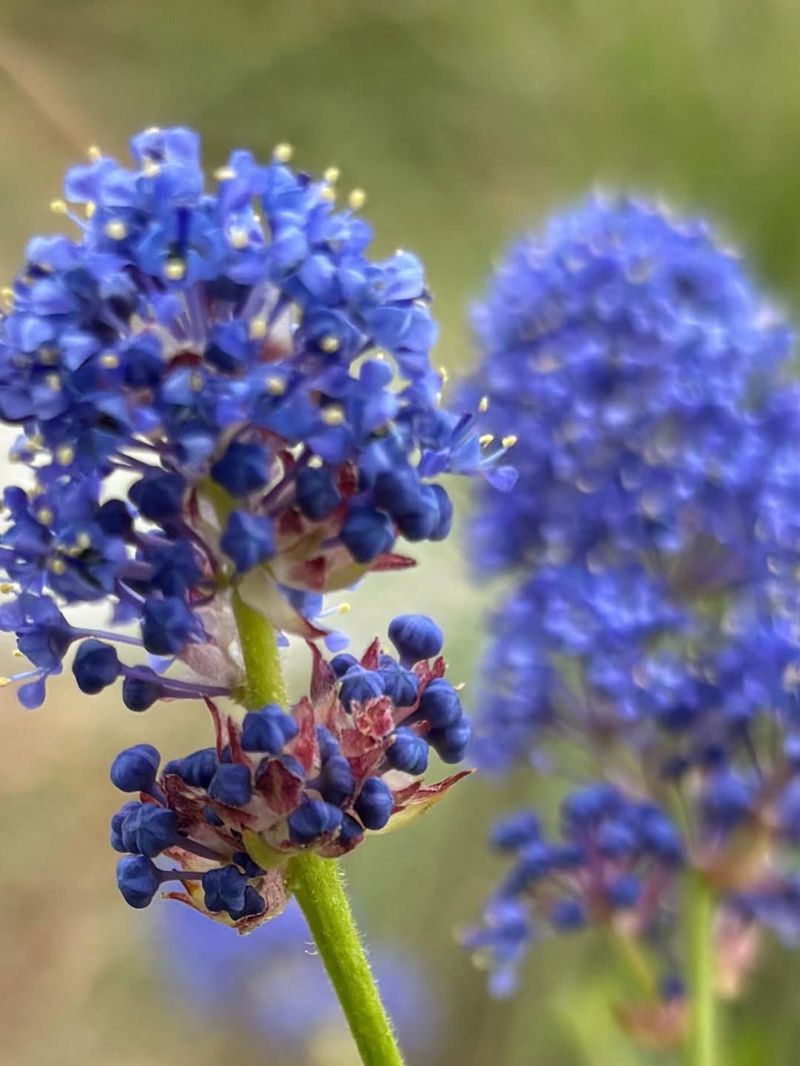
Few plants put on a show quite like Ceanothus. When it blooms in late winter or early spring, it explodes with clusters of tiny flowers in shades of deep blue, lavender, and purple.
It is one of the most jaw-dropping native shrubs you can grow in California, and it asks for almost nothing in return.
Ceanothus loves full sun and well-drained soil. Once it gets established, it handles California’s long dry summers without complaint.
You rarely need to water it after the first year, which makes it a dream plant for busy homeowners or anyone trying to cut back on water use.
It grows quickly and can reach anywhere from two to twelve feet tall, depending on the variety you choose. Smaller types work great as ground covers, while taller ones make excellent privacy screens or hedges.
Bees and butterflies absolutely love the flowers, so your yard becomes a little pollinator paradise.
One thing to keep in mind: Ceanothus does not love being overwatered or planted in heavy clay soil. Good drainage is the key to keeping it happy.
Plant it in a sunny spot, give it a little water during the first season, and then mostly leave it alone. In California, that kind of hands-off approach is exactly what this plant wants.
4. Manzanita (Arctostaphylos)
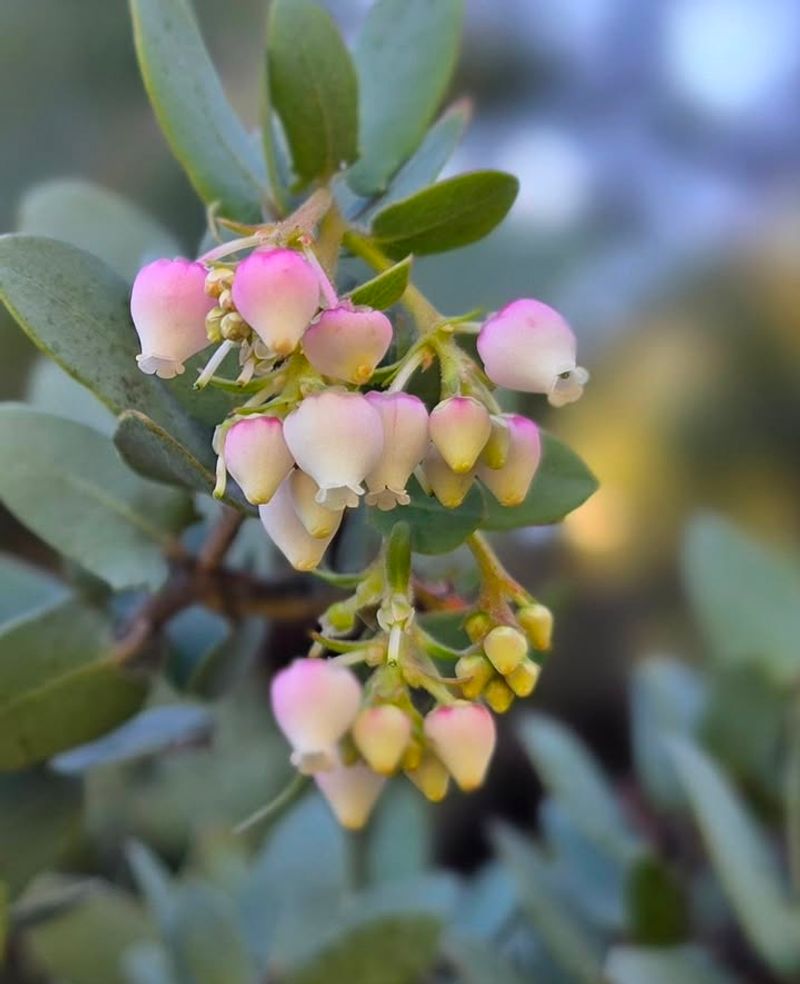
Walk through almost any wild area in California and you will likely spot a Manzanita. That smooth, reddish-brown bark is impossible to miss.
It almost looks polished, like someone took the time to sand it down. This plant has been thriving in California’s rugged landscapes for thousands of years, and it brings that same toughness to your garden.
Manzanita is incredibly drought-tolerant once established. It grows naturally in rocky, poor soil where most other plants would struggle.
That means you do not need to fuss over fertilizing or amending your garden bed much. Just plant it in a sunny spot with good drainage, water it through the first dry season, and watch it settle in.
In late winter and early spring, Manzanita produces clusters of small, bell-shaped flowers that range from white to soft pink. Birds and bees go crazy for them.
After the flowers fade, small berry-like fruits appear that wildlife loves to snack on. The plant gives back to the local ecosystem in a big way.
There are dozens of Manzanita varieties native to California, ranging from low-growing ground covers to large shrubs over ten feet tall. Picking the right size for your space makes all the difference.
Once it is in the ground and established, this plant basically runs itself, making it one of the best choices for a low-effort California garden.
5. Rockrose (Cistus)
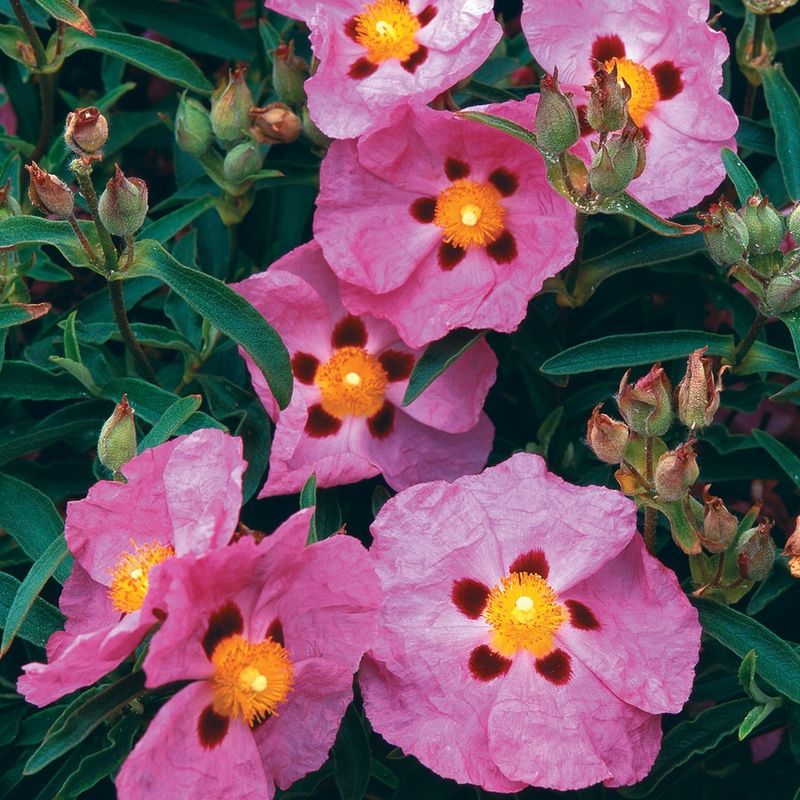
If you have ever driven past a California hillside and noticed cheerful, papery flowers covering a low shrub, there is a good chance you spotted a Rockrose.
This Mediterranean native feels right at home in California’s climate because both regions share hot, dry summers and mild, wet winters.
That compatibility makes Rockrose one of the easiest flowering shrubs you can grow. The flowers are stunning. They look like crinkled tissue paper and come in shades of white, pink, and soft purple, often with a dark center spot.
Each flower lasts only a day, but the plant produces so many blooms that it stays colorful for weeks. It is a cheerful, no-fuss performer that earns its space in any yard.
Rockrose thrives in full sun and well-drained soil. It handles poor, rocky ground without any trouble.
Once established, it needs very little water, which is a huge plus during California’s dry season. Overwatering is actually the biggest mistake people make with this plant, so less really is more here.
It grows to about three to five feet tall and wide, making it a solid choice for slopes, borders, or areas where erosion is a concern. The dense growth also helps block weeds naturally.
Minimal pruning after flowering keeps it tidy, but even without that, Rockrose looks naturally attractive and relaxed throughout the year.
6. Red Yucca (Hesperaloe parviflora)
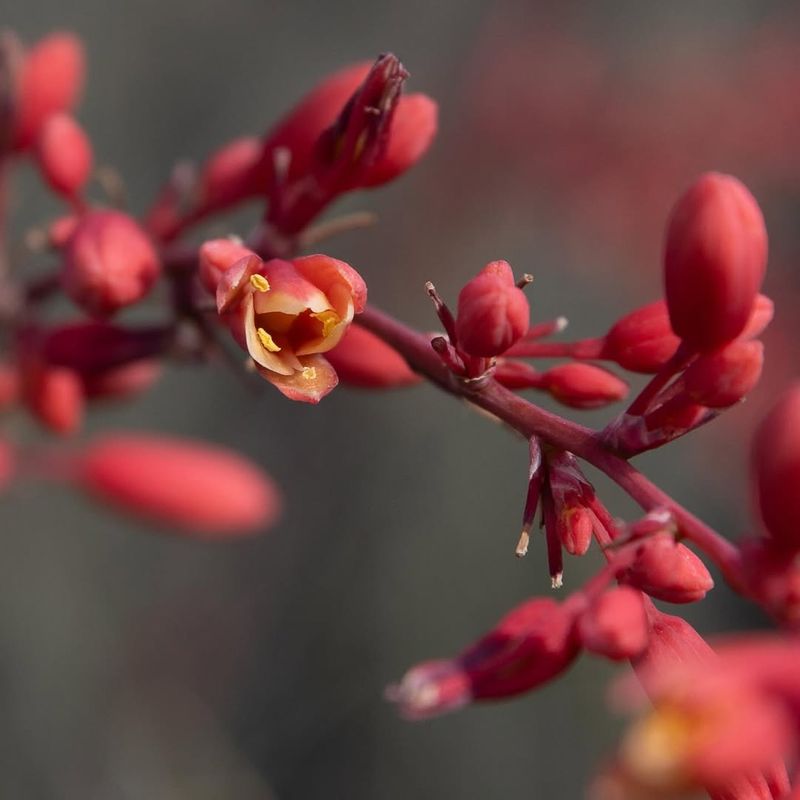
Do not let the name fool you. Red Yucca is not actually a true yucca, but it is every bit as tough and dramatic-looking.
This Texas native has adapted beautifully to California’s dry climate, and it brings a bold, architectural presence to any garden. The long, arching leaves form a graceful fountain shape, and in late spring, tall flower spikes shoot up covered in coral-red tubular blooms.
Hummingbirds are obsessed with Red Yucca. The tubular flowers are perfectly shaped for their long beaks, so planting one near a window or patio gives you a front-row seat to some entertaining wildlife action.
The blooms last for months, giving the plant a long season of visual interest that most other drought-tolerant plants cannot match.
Red Yucca thrives in full sun and well-drained soil. It handles California’s intense summer heat without any complaints.
Once established, it needs almost no supplemental water, making it a top choice for water-wise landscaping throughout the state. It even tolerates some frost, which makes it versatile across different California climate zones.
Maintenance is genuinely minimal. You can trim off the old flower stalks after they fade, and that is about it.
The plant does not spread aggressively, stays tidy on its own, and looks good all year round. For anyone wanting a plant that works hard without demanding much attention, Red Yucca is a reliable, rewarding pick for California gardens.
7. Coreopsis (Tickseed)
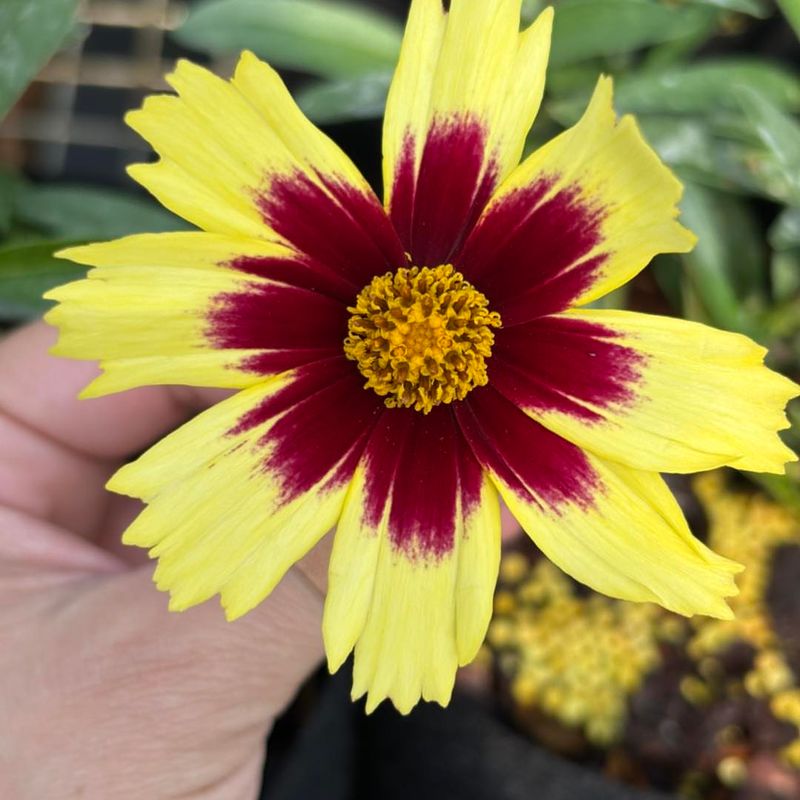
Sunshine in plant form. That is probably the best way to describe Coreopsis. Those bright, cheerful yellow flowers are almost impossible to look at without smiling.
Also known as Tickseed, this perennial is one of the longest-blooming plants you can grow in California, often producing flowers from late spring all the way through early fall with very little effort on your part.
Coreopsis loves full sun and handles heat like a champion. It grows well in sandy, poor, or rocky soil, which means you do not need to do much to prepare your garden bed before planting.
In fact, soil that is too rich can actually make it grow more leaves than flowers, so hold off on heavy fertilizing.
Deadheading, which means removing spent blooms, encourages even more flowers to form. But even if you skip that step, Coreopsis keeps producing blooms reliably.
It is the kind of plant that rewards attention but does not require it. That flexibility makes it popular with gardeners of all experience levels across California.
Most varieties grow between one and three feet tall, making them great for borders, containers, or mixed garden beds. The golden flowers also attract butterflies and bees, adding lively movement to your outdoor space.
Cutting back the plant by about a third in midsummer gives it a fresh burst of energy and often triggers a strong second round of blooming through the rest of the warm season.