The Evening Garden Tradition Pennsylvania Gardeners Follow After Work
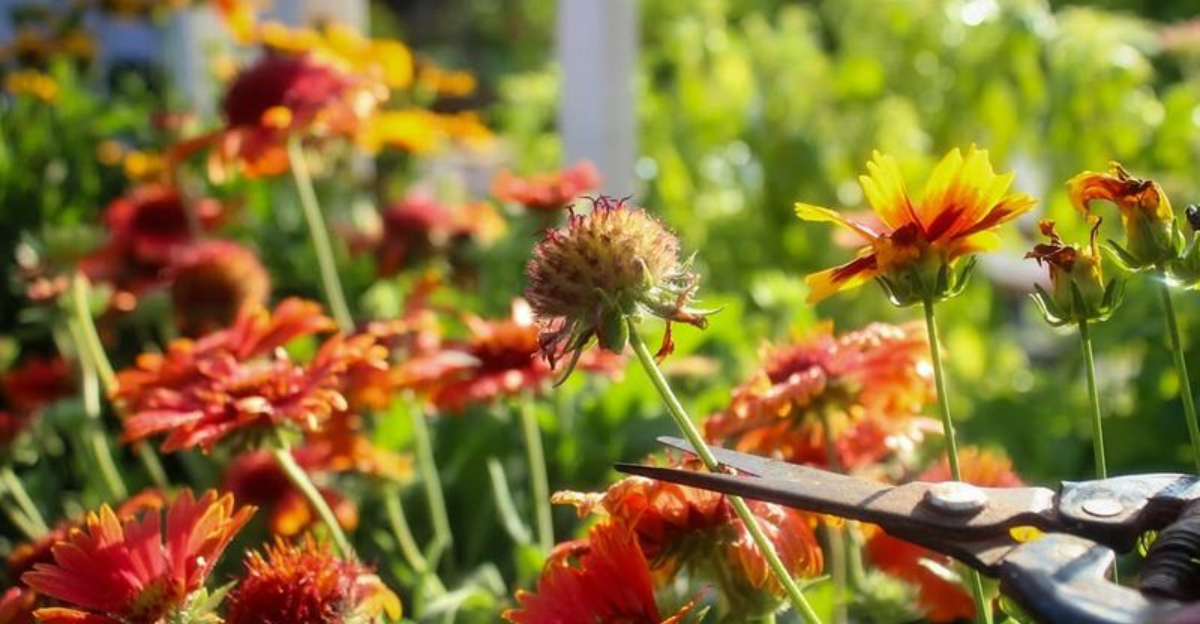
As the workday winds down and the light softens, many Pennsylvania gardeners slip outdoors to ease into the evening.
This quiet garden tradition marks the shift from busy hours to personal time, using nature as a gentle buffer.
A slow walk along the beds, a few minutes of watering, or tidying up fallen leaves helps release the weight of the day.
The garden sets the pace, encouraging steady breaths and an unhurried rhythm.
Evening air feels cooler, sounds turn softer, and colors deepen as the sun sinks low.
These simple moments allow stress to melt away without effort or noise.
Over time, the habit becomes a natural way to reset, giving both mind and body a chance to unwind.
For many gardeners, this peaceful ritual feels like coming home, grounding them after long hours indoors.
By following this evening garden tradition, Pennsylvania homeowners turn the end of each day into a calm, restorative pause before night settles in.
1. Walking Through The Garden With A Cup Of Tea
Nothing beats the feeling of stepping outside after being cooped up all day.
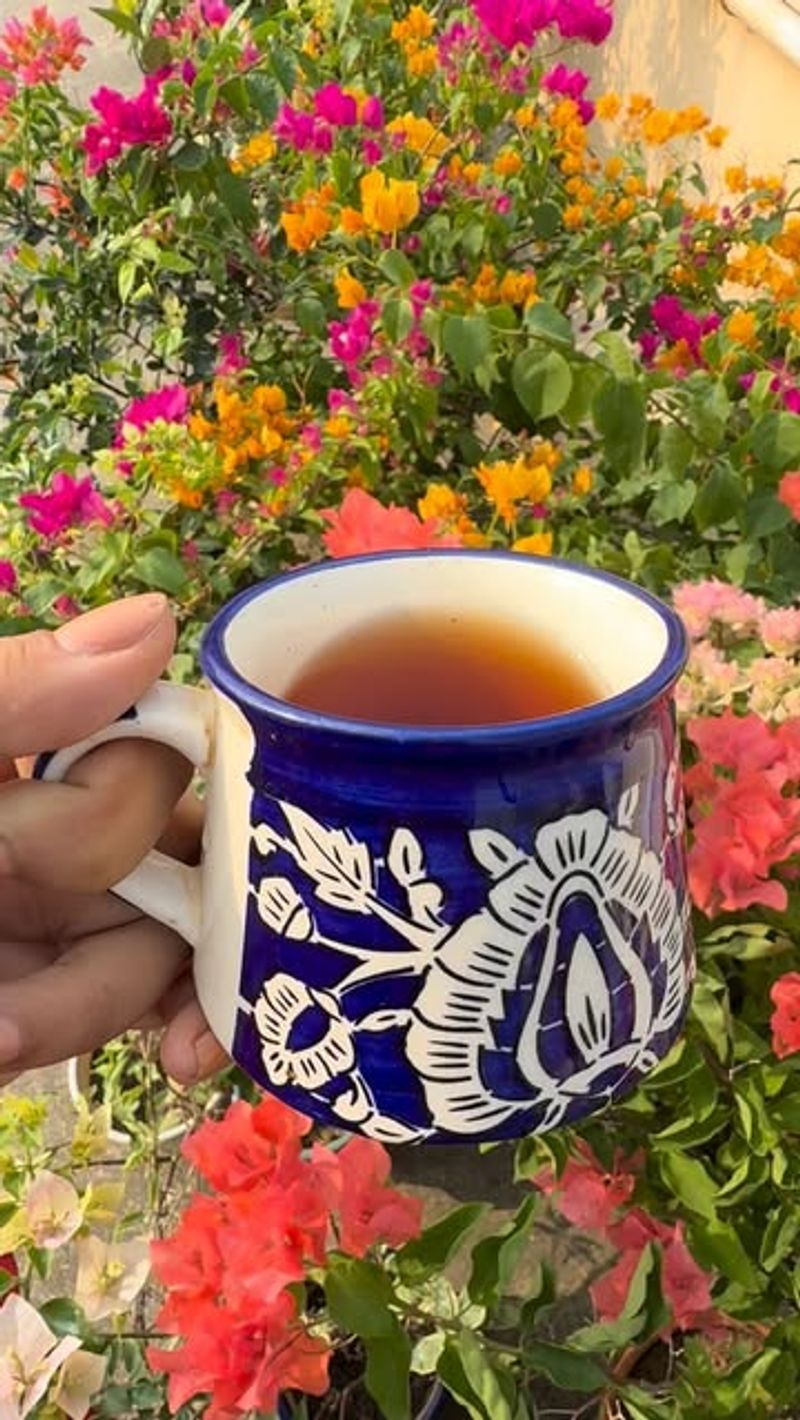
Pennsylvania gardeners often grab their favorite mug and head straight to their garden plots before even changing out of their work clothes.
The warm cup in their hands and the fresh air on their faces create an instant sense of calm that no indoor activity can match.
Walking slowly between rows of plants lets you notice all the little changes that happened during the day.
Maybe your zucchini sprouted new blooms, or the sunflowers grew another inch taller.
These small observations remind you that life keeps moving forward, even when you are stuck in meetings or traffic.
Pennsylvania evenings are particularly beautiful during summer when the light turns golden and everything seems to glow.
This quiet stroll also serves as a mini inspection tour without feeling like work.
You spot any problems early, like thirsty plants or unexpected visitors munching on your lettuce.
But the main goal is not about fixing things or making lists.
It is about being present in the moment and letting your mind wander freely while your body moves gently through your green space.
Many Pennsylvania gardeners say this ritual helps them transition mentally from their professional responsibilities to personal time.
The simple act of observing plants growing at their own pace reminds us that not everything needs to happen quickly.
Sometimes the best productivity is just showing up and appreciating what is already there, growing steadily beneath the Pennsylvania sky.
2. Watering Plants By Hand Instead Of Using Sprinklers
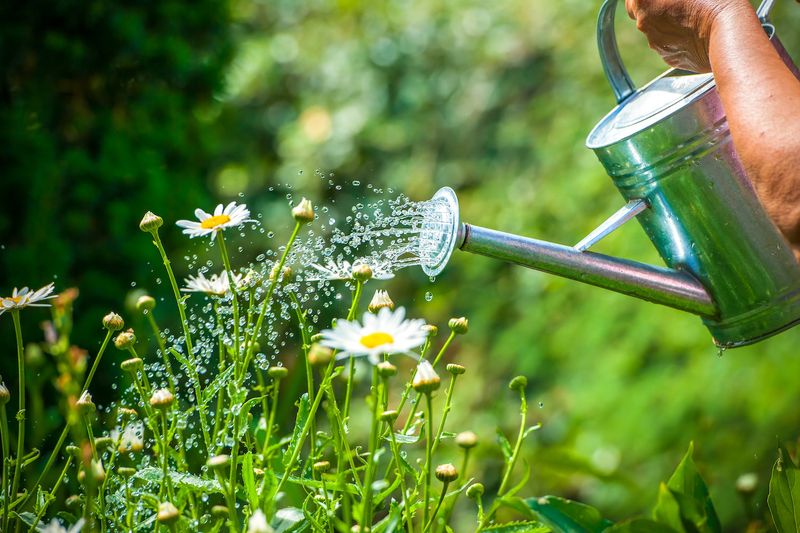
Hand watering might seem old-fashioned when automatic systems exist, but Pennsylvania gardeners swear by this meditative practice.
Holding the hose or watering can gives you direct control and creates a physical connection with each plant.
The repetitive motion of moving from one section to another becomes almost hypnotic, washing away workplace tensions with every splash.
There is something deeply satisfying about watching water soak into thirsty soil.
You can actually see the earth darken as it drinks up the moisture, and sometimes you notice the leaves perking up almost immediately.
This direct feedback loop feels rewarding in a way that programming a timer never could.
Plus, you get to decide exactly how much water each plant receives based on what you observe.
Pennsylvania summers can be unpredictable with their rainfall patterns, so hand watering lets you adjust to current conditions.
Container plants on porches might need daily attention while established perennials can go longer between drinks.
Being hands-on means you will catch drainage problems or notice if certain spots are staying too wet or drying out too fast.
The best part about this evening task is how it forces you to slow down completely.
You cannot rush through watering without making a muddy mess or missing spots.
Your pace naturally matches the speed at which water flows, creating a rhythm that feels almost ceremonial.
Many gardeners in Pennsylvania find this twenty-minute routine clears their mind better than any meditation app ever could.
3. Pulling A Few Weeds While The Soil Is Still Warm
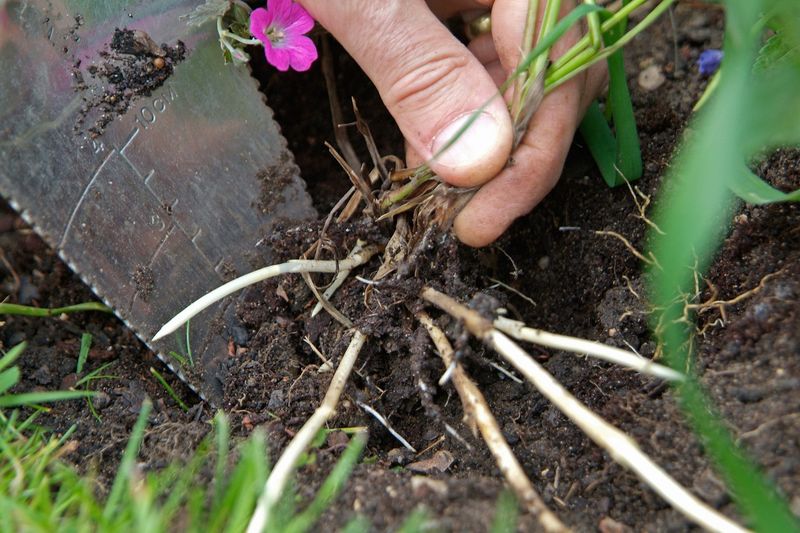
Weeding might sound like a chore, but evening weeding sessions feel completely different from weekend marathon sessions.
Pennsylvania gardeners often spend just ten or fifteen minutes pulling invaders while the day’s warmth still lingers in the soil.
The ground stays soft and workable, making even stubborn dandelions slide out with satisfying ease.
This short burst of effort prevents small problems from becoming overwhelming weekend projects.
Getting down on your knees and working with your hands creates a unique kind of focus.
Your attention narrows to the immediate task of distinguishing friend from foe among the green leaves.
This concentrated effort pushes out worries about emails, deadlines, or tomorrow’s responsibilities.
Before you know it, your mind has quieted down and you have cleared a whole section without even realizing time passed.
There is also something primal and satisfying about removing competitors from your garden territory.
Each weed you pull means more nutrients, water, and space for the plants you actually want to grow.
You can almost feel yourself protecting your vegetable investment with every root you extract.
Pennsylvania soil can be quite fertile, which unfortunately means weeds grow enthusiastically alongside your intentional plantings.
Smart gardeners keep a small bucket or bag nearby for collected weeds, making cleanup quick and easy.
Some even toss certain weeds into compost bins, turning problems into future soil amendments.
The key is keeping these sessions short and pleasant rather than exhausting.
When weeding becomes part of your unwinding routine instead of a dreaded task, your garden stays manageable and your stress levels stay low throughout the growing season.
4. Checking For Ripe Vegetables Ready To Harvest
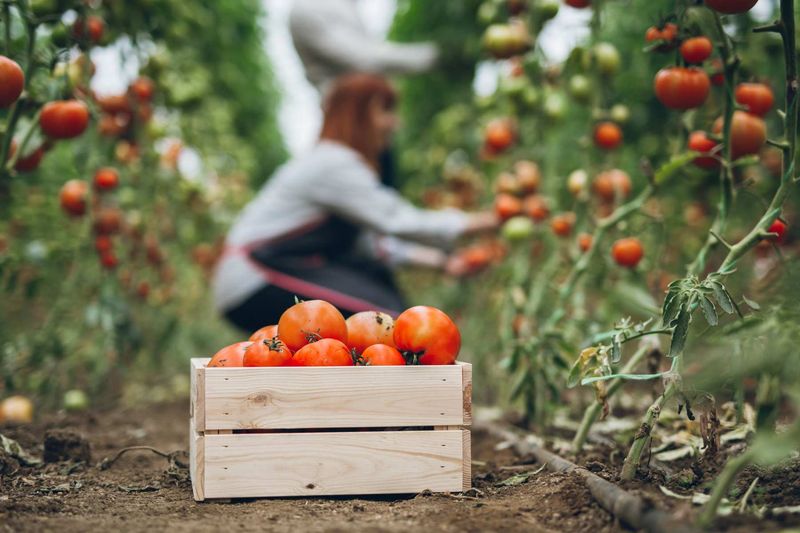
Few things match the excitement of discovering perfectly ripe produce hiding among the leaves.
Pennsylvania gardeners make evening harvest checks part of their daily routine during peak growing season.
Tomatoes, peppers, beans, and zucchini can ripen quickly in summer heat, and checking daily means you catch everything at its absolute best.
Missing even one day might mean overripe squash or vegetables past their prime flavor.
The treasure hunt aspect makes this activity feel more like play than work.
You gently lift leaves, peek under vines, and search through dense foliage for splashes of red, orange, or purple.
Each discovery brings a little thrill of accomplishment and anticipation for dinner.
There is something magical about eating food that was still growing just hours before your meal, with flavors far superior to anything from a grocery store.
Harvesting in the evening also makes practical sense for Pennsylvania gardeners.
The day’s heat has passed, making it more comfortable to crouch and reach into plants.
Vegetables picked in cooler temperatures often store better and maintain their crispness longer than those harvested in blazing afternoon sun.
Plus, you avoid disturbing plants during their active growing hours when photosynthesis is happening.
Many gardeners bring a basket or bowl specifically for this purpose, even if they only expect a handful of cherry tomatoes.
The ritual of gathering your own food connects you to generations of people who depended on their gardens.
This simple act reminds you why you planted everything in the first place.
Walking back to your Pennsylvania kitchen with fresh produce feels like receiving a gift, even though you created it through your own efforts over many weeks.
5. Sitting On The Garden Bench Watching The Sunset
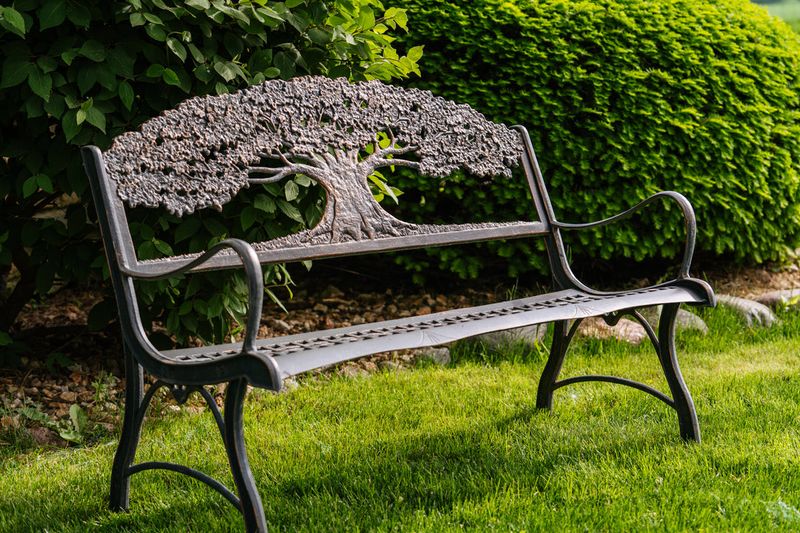
Every serious Pennsylvania gardener eventually adds some kind of seating to their outdoor space.
Whether it is a simple wooden bench, a comfortable chair, or even an upturned bucket, having a spot to sit transforms your garden from workspace to sanctuary.
After completing a few light tasks, settling into your seat and simply watching the sky change colors becomes the perfect ending to your evening routine.
Sunset timing varies throughout the year in Pennsylvania, but the show is always worth catching.
Spring sunsets might happen while you are still in work clothes, while summer evenings stretch long enough for a full garden session before darkness falls.
Autumn brings earlier twilights with spectacular color displays that rival any flower bed.
Watching these natural transitions helps you stay connected to seasonal rhythms that modern life often obscures.
Sitting still in your garden also gives local wildlife confidence to emerge.
Pennsylvania evenings bring out rabbits, birds finishing their last feeding rounds, and sometimes even deer at the edges of properties.
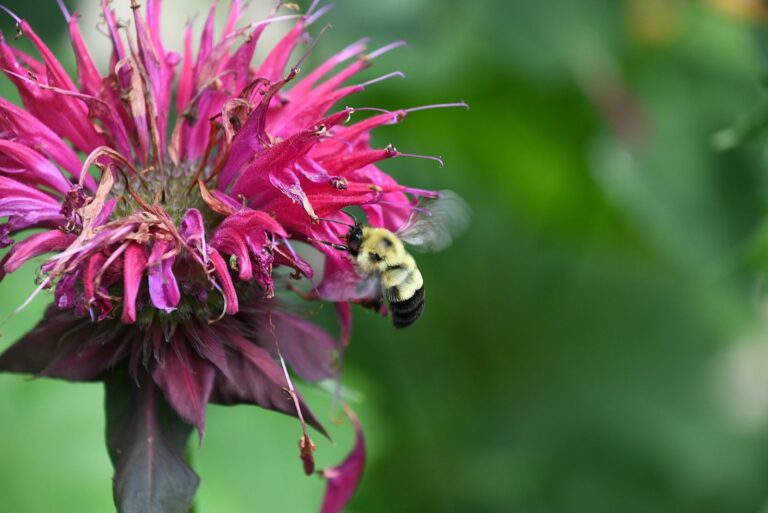
Butterflies and bees make their final visits to flowers before settling down for the night.
Being a quiet observer lets you see the fuller ecosystem your garden supports beyond just the plants you cultivated.
This sitting time is when many gardeners do their best thinking and planning.
Without the pressure of active work, ideas flow naturally about what to plant next season or how to rearrange certain beds.
Some people bring notebooks to jot down observations, while others simply let thoughts come and go without trying to capture them.
The important thing is giving yourself permission to be unproductive and just exist peacefully in the space you have created in your Pennsylvania backyard.
6. Deadheading Flowers To Encourage More Blooms
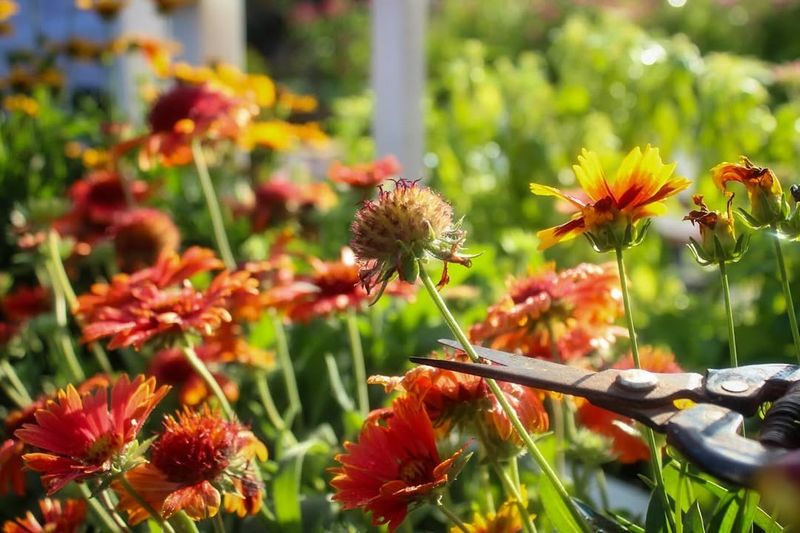
Deadheading sounds technical, but it simply means removing flowers that have finished blooming.
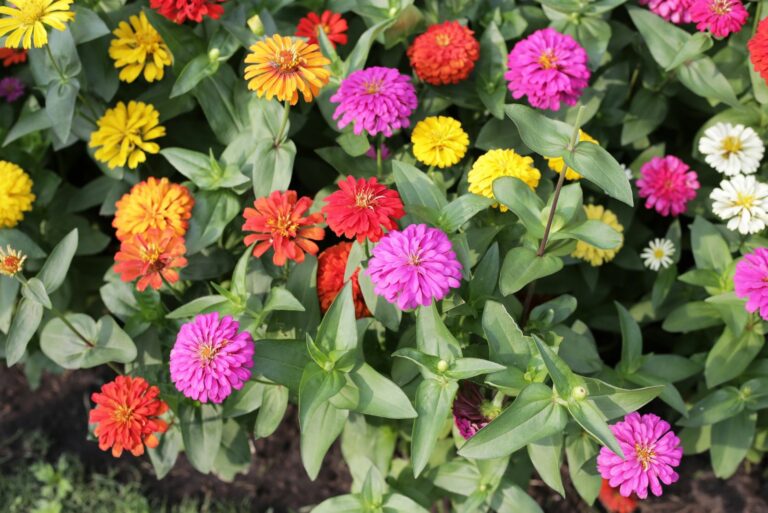
Pennsylvania gardeners incorporate this gentle task into their evening routines because it keeps flower beds looking fresh and actually tricks plants into producing more blooms.
When you snip off spent flowers, the plant redirects energy from seed production back into making new buds.
The result is extended color throughout the growing season.
This activity works particularly well as an unwinding ritual because it requires minimal effort and provides immediate visual results.
You wander through your flower beds with small pruners or just your fingers, pinching off faded blooms.
The motion becomes rhythmic and soothing, almost like grooming a pet.
Unlike weeding or planting, there is no heavy lifting or getting particularly dirty involved.
You can even do it while chatting with neighbors or family members who join you outside.
Different flowers have different deadheading needs, and learning these quirks becomes part of your gardening knowledge.
Petunias need frequent attention while coneflowers can be left alone if you want to feed birds with their seed heads later.
Pennsylvania gardens often feature a mix of annuals and perennials, each with their own maintenance personalities.
Over time, you develop an intuitive sense of what needs attention and what can wait.
Many gardeners find this task particularly meditative because it involves such close attention to individual plants.
You notice subtle color variations, interesting petal patterns, and the architecture of each flower structure.
This detailed observation pulls you completely into the present moment.
By the time you finish a section, you have forgotten whatever was bothering you earlier and your mind feels refreshed and clear under the Pennsylvania evening sky.
7. Making Notes About What Worked And What Did Not
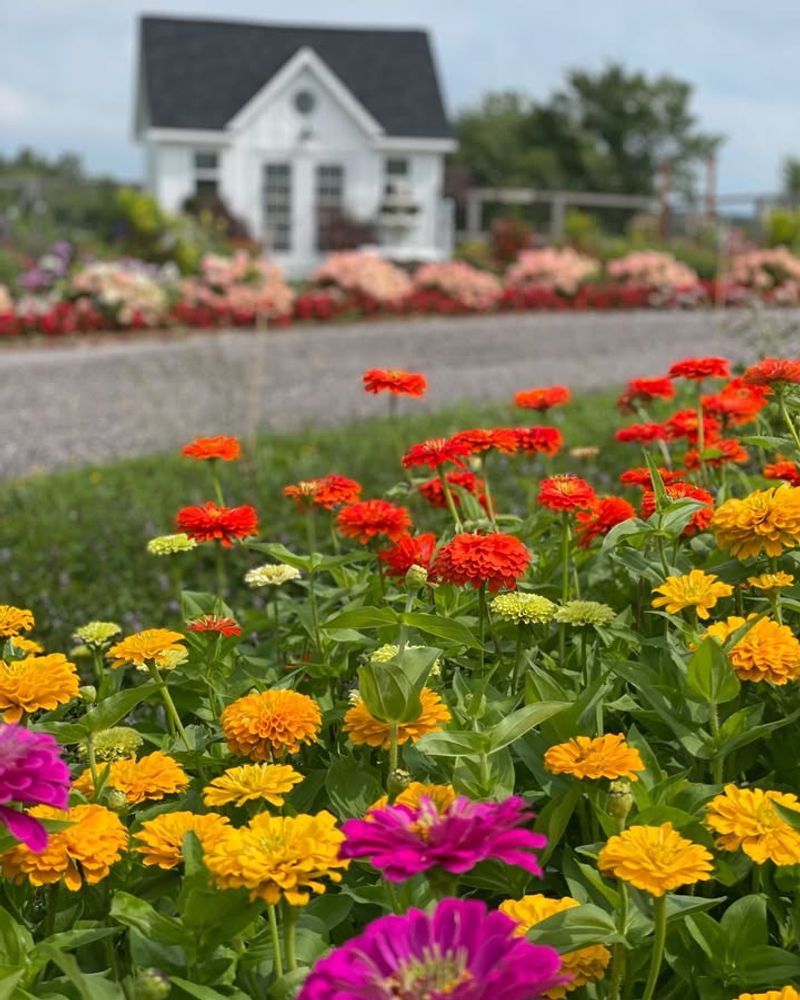
Experienced Pennsylvania gardeners know that memory alone cannot capture all the lessons each season teaches.
Keeping some kind of record, whether a fancy journal or notes on your phone, helps you build on successes and avoid repeating mistakes.
Evening time provides the perfect opportunity to jot down observations while they are fresh in your mind.
What you notice today might seem obvious now but could be completely forgotten by next spring.
Your notes do not need to be elaborate or perfectly organized.
Simple observations like when certain plants started blooming, which varieties produced the most, or where unexpected shade appeared can prove invaluable.
Pennsylvania weather patterns vary enough year to year that tracking planting dates and first frost timing helps you make better decisions.
You might note that the tomatoes in the south bed outperformed those in the north, or that deer avoided certain plant varieties.
This documentation practice also creates a satisfying record of your garden’s evolution over time.
Looking back through previous seasons reminds you how much you have learned and how your space has developed.
You can see patterns emerge about which techniques work best in your specific Pennsylvania microclimate.
Maybe you discover that starting seeds indoors two weeks earlier gives better results, or that a particular fertilizing schedule produces healthier plants.
The act of writing itself serves as reflection time that deepens your connection to your garden.
Putting experiences into words forces you to think more carefully about what you observed.
Some gardeners include sketches, photos, or even pressed flowers in their journals.
Others keep simple lists or bullet points.
The format matters less than the habit of pausing to consider what your garden taught you today before heading inside for the evening.