The 13 Fast-Growing Flowers California Gardeners Should Plant Now
Some gardeners are patient. They plant, they wait, they admire the slow progress. And then there are the rest of us, checking the garden every other day like, “Okay… but where are the flowers?”
That’s where fast-growing blooms come in to save the day. These are the overachievers of the flower world. Give them a little sun, some decent soil, and they’ll take off like they’ve got something to prove.
In California’s spring weather, many of them don’t just grow fast, they race to bloom, filling in empty spots and adding color before you’ve even had time to second guess your planting choices.
They’re perfect for impatient gardeners, last-minute planters, or anyone who just wants their yard to look alive again without a long wait.
If you’re ready for quick color, fuller beds, and that satisfying “wow, that was fast” moment, these flowers are about to become your favorites.
1. Tidy Tips
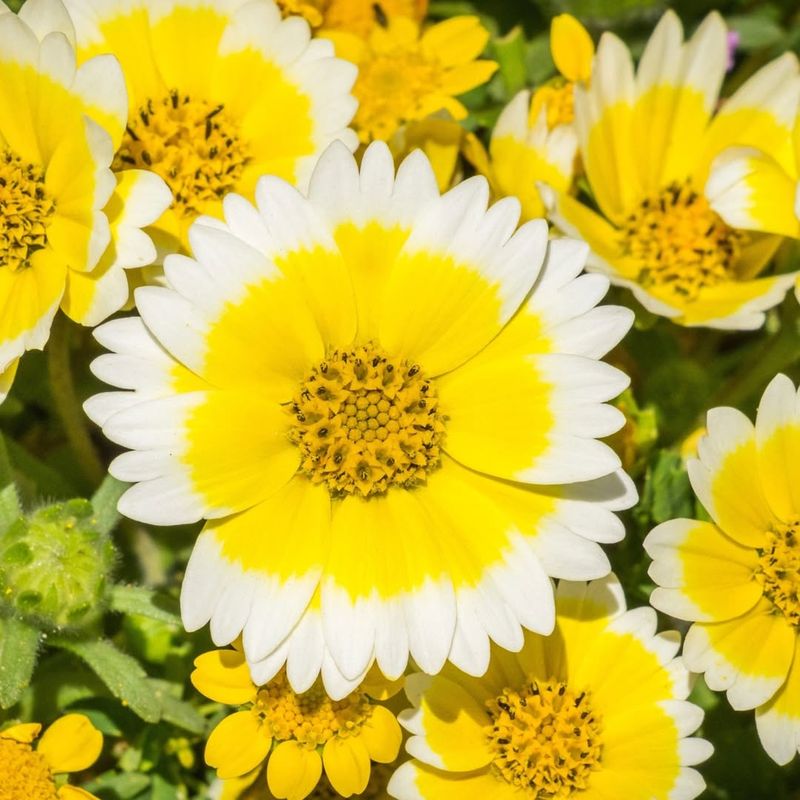
Not every wildflower gets a fun name, but Tidy Tips earns it. Those cheerful yellow petals with crisp white tips look like someone neatly painted the edges by hand.
Native to California, this charming little flower feels right at home in golden, sun-drenched fields and home gardens alike.
Tidy Tips grow fast from seed and can bloom in as little as six to eight weeks. They love full sun and do best in well-draining soil.
You do not need to water them much once they are established, which makes them a smart pick for dry California summers.
Scatter seeds directly in your garden bed in early spring or even late winter. They do not like being transplanted, so sowing straight into the ground works best.
Thin seedlings to give each plant enough room to spread out and show off those lovely blooms.
Bees and butterflies absolutely love Tidy Tips. Planting them near vegetables or fruit trees can help boost pollination across your whole garden.
They also look stunning when mixed with California poppies or phacelia for a wildflower meadow effect that feels truly native and naturally beautiful.
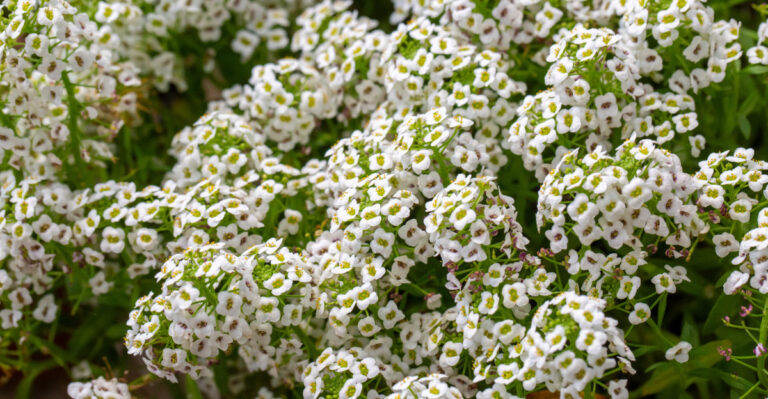
2. Sweet Alyssum
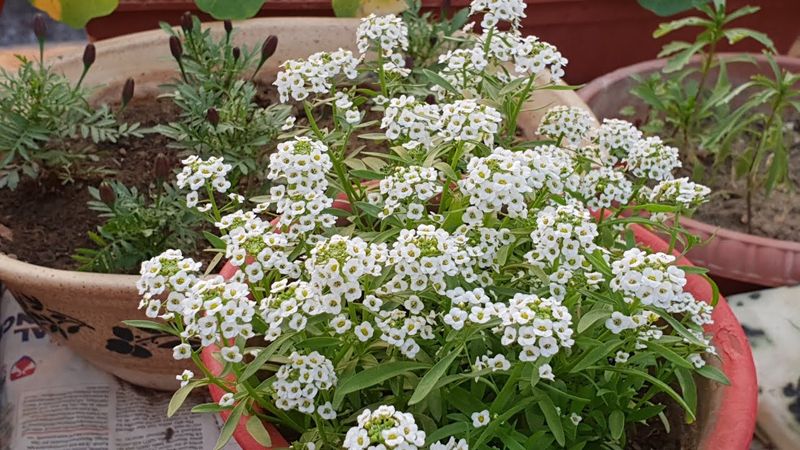
Few flowers can fill a garden with fragrance as quickly and effortlessly as Sweet Alyssum. These low-growing beauties produce dense clusters of tiny blooms that smell faintly of honey.
They germinate in just eight to ten days and can bloom within forty to sixty days, making them one of the fastest performers you can plant in California.
Sweet Alyssum thrives in full sun but can handle a bit of afternoon shade, which is helpful during hot California summers. Plant them along garden borders, in containers, or as a ground cover between taller plants.
They fill in gaps beautifully and keep weeds from taking over.
One of the best things about this flower is how it attracts beneficial insects. Hoverflies and parasitic wasps are drawn to Sweet Alyssum, and those insects help control garden pests naturally.
That makes this plant a smart, low-effort addition to any California vegetable or flower garden.
If blooms slow down during peak summer heat, give the plant a light trim. It will bounce back quickly with a fresh flush of flowers.
White, pink, and purple varieties are all widely available and easy to find at local California nurseries.
3. Calendula
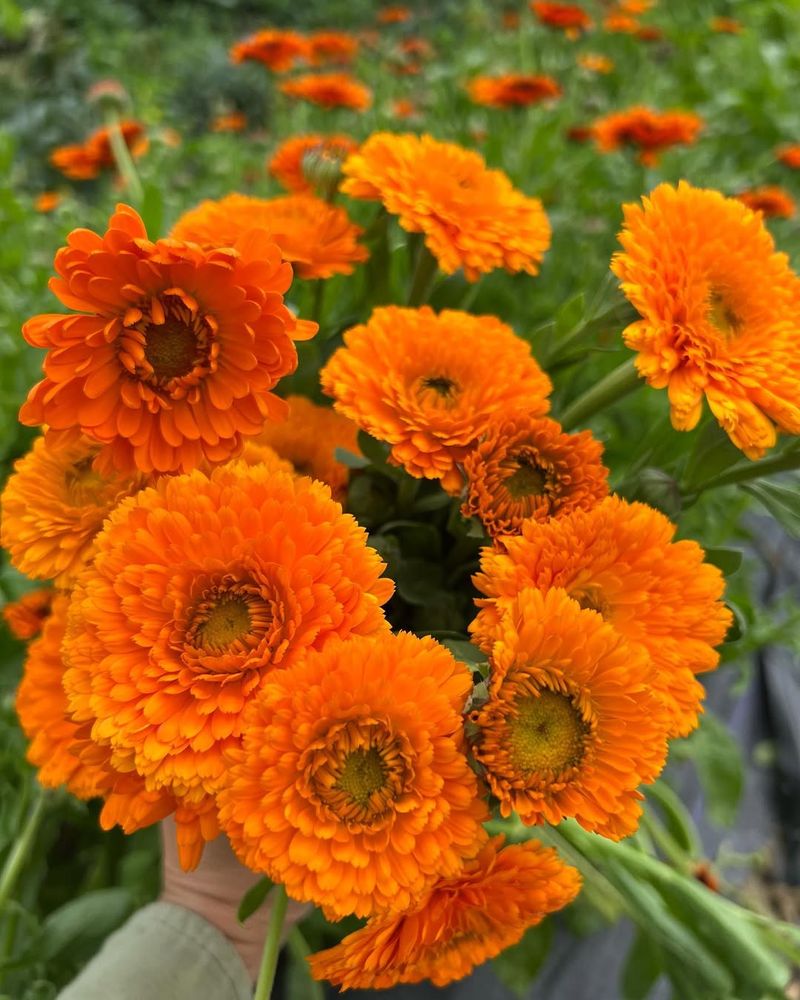
Walk past a patch of Calendula on a sunny morning and you will immediately understand why gardeners have grown it for centuries. The blooms are warm, round, and absolutely glowing in shades of orange, yellow, and gold.
In California, Calendula is practically a year-round flower in mild coastal areas, though it truly shines in spring and fall.
Seeds germinate in about five to seven days and plants bloom in roughly forty-five to sixty days. Calendula prefers cooler temperatures, so planting in early spring or fall gives the best results in most parts of California.
It handles light frost well, which makes it more flexible than many other warm-season flowers.
Beyond its good looks, Calendula is genuinely useful. The petals are edible and have been used in teas, salves, and cooking for generations.
Growing it near vegetables also helps repel aphids and other common garden pests, making it both decorative and practical at the same time.
Deadhead spent blooms regularly to keep new flowers coming. Calendula self-seeds generously, so do not be surprised if it comes back on its own next season.
It is one of those easy, rewarding plants that gives back far more than the effort you put in.
4. Phacelia
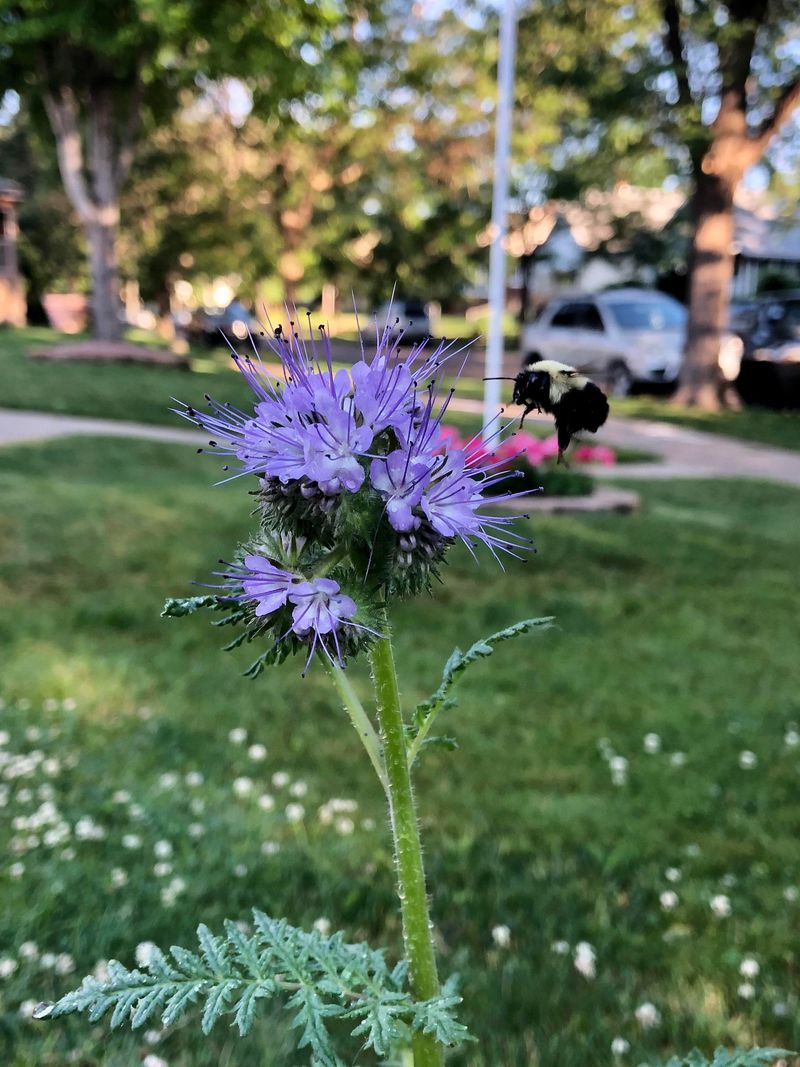
Phacelia might be the most underrated wildflower in California. Those vivid purple-blue blooms are absolutely stunning, and bees go absolutely wild for them.
In fact, beekeepers in Europe actually grow Phacelia specifically to feed honeybees, which tells you just how attractive this flower is to pollinators.
Native to California and the surrounding region, Phacelia grows fast and adapts well to dry, rocky, or poor soils. It prefers full sun and does not need much water once established.
Seeds germinate quickly, often within one to two weeks, and plants can bloom in as little as eight weeks from sowing.
Direct sow seeds into the garden in early spring for best results. Phacelia does not transplant easily, so avoid starting it in pots.
Sprinkle seeds lightly over a prepared bed, press them gently into the soil, and keep them moist until they sprout. After that, this plant mostly takes care of itself.
Mixing Phacelia with other California native wildflowers creates a gorgeous, low-maintenance meadow look. The deep purple-blue color contrasts beautifully with the orange of California poppies and the yellow of Tidy Tips.
It is a showstopper that also does real ecological good in your garden and neighborhood.
5. Lupine (Annual Varieties)
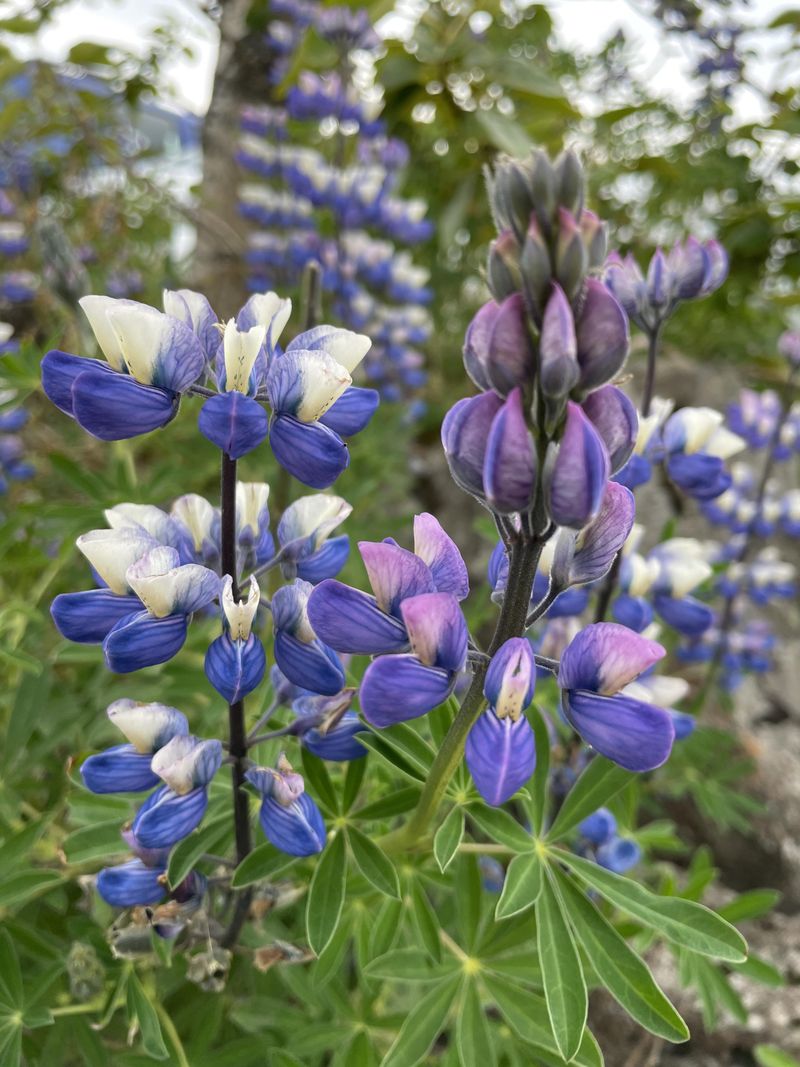
There is something almost magical about a field of Lupines in bloom. Those tall, colorful flower spikes rise up like little towers of purple, pink, blue, and white.
Annual varieties grow quickly from seed and can bloom in about ten to twelve weeks, bringing serious drama to any California garden space.
Lupines prefer well-draining soil and full sun. They actually improve soil quality as they grow because their roots fix nitrogen, a nutrient that helps other nearby plants thrive.
That means planting Lupines is not just beautiful but also genuinely good for your garden soil in the long run.
Soak seeds in water overnight before planting to speed up germination. Direct sow them in early spring when the soil is still cool.
Lupines do not love being moved once they sprout, so choose your planting spot carefully before you get started.
Annual Lupines are a fantastic choice for California coastal gardens and hillside landscapes. They attract hummingbirds, bees, and butterflies with ease.
Once the blooms fade, let some seed pods dry on the plant and scatter seeds naturally for next year. With just a little patience, you can build a stunning Lupine display that grows more beautiful every season.
6. Coreopsis (Annual Types)
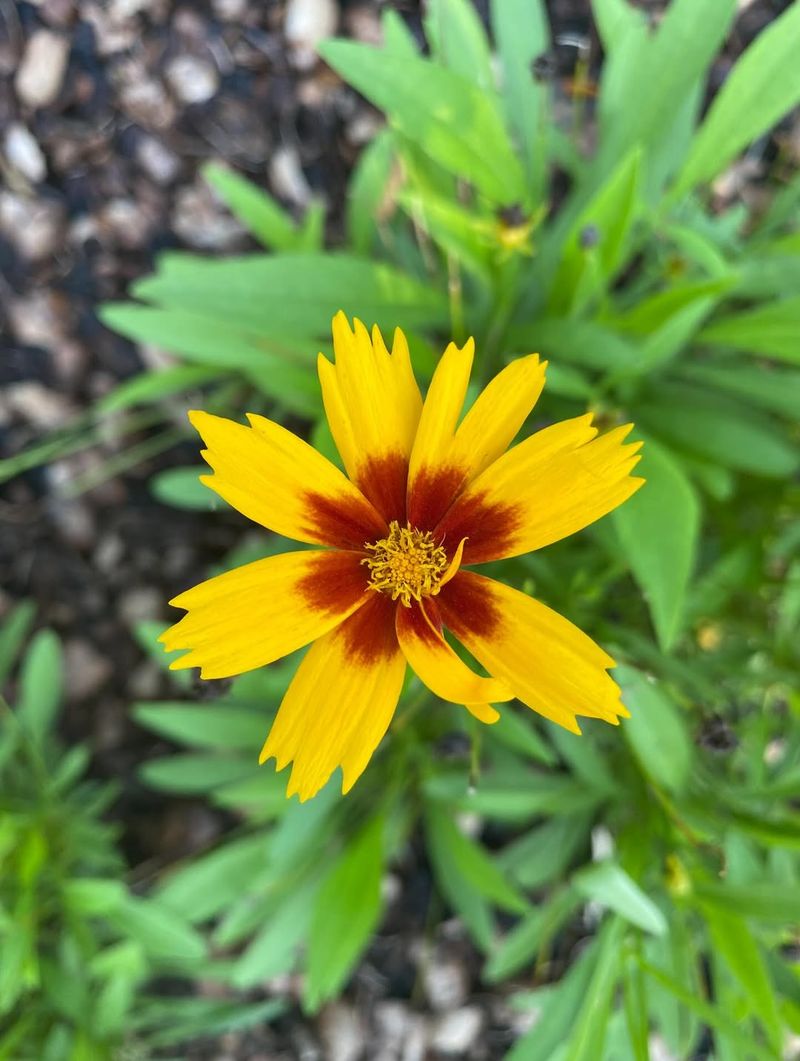
Sunny, cheerful, and nearly impossible to neglect, annual Coreopsis is one of those flowers that just makes a garden feel happy. The golden-yellow blooms look like little bursts of sunshine and keep coming for weeks on end.
In California, where sunshine is practically guaranteed, Coreopsis thrives with very little fuss or special attention.
Annual types grow quickly from seed and typically bloom within fifty to sixty days. They love full sun and well-drained soil.
Once established, they handle heat and drought surprisingly well, which makes them a very practical choice for California gardens where summer water restrictions can be a real concern.
Plant seeds directly in the garden after the last frost, or start them indoors a few weeks early for a head start. Thin seedlings to about twelve inches apart so each plant has room to bush out.
Regular deadheading keeps the flowers coming strong all season long without much extra effort on your part.
Coreopsis pairs wonderfully with other warm-colored flowers like Zinnias and Nasturtiums. Butterflies are especially fond of the blooms.
If you want a garden that looks like a professional designed it but requires minimal upkeep, annual Coreopsis is one of the smartest choices you can make right now in California.
7. California Poppy
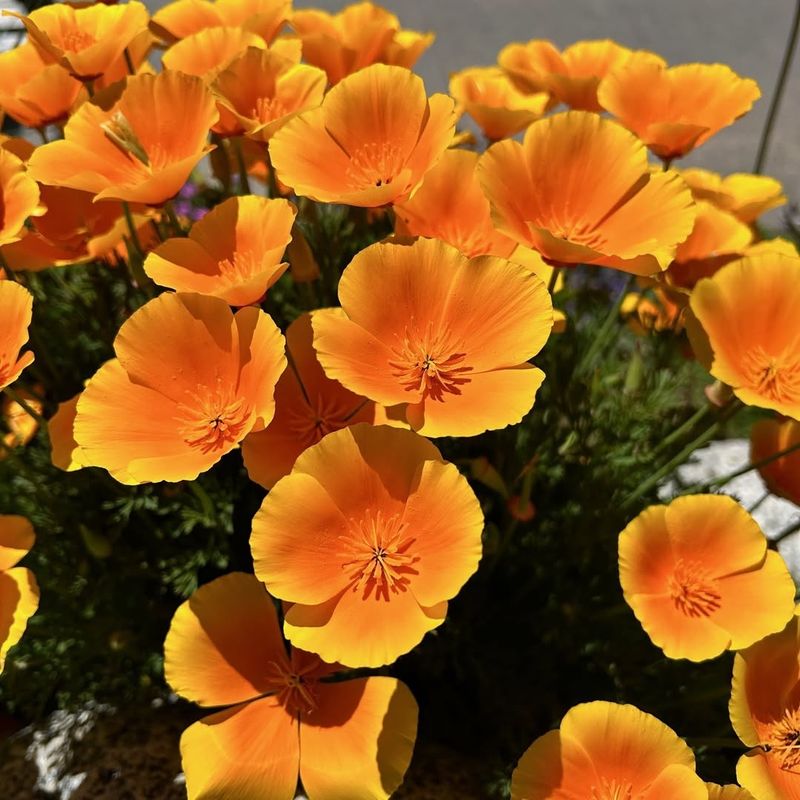
No flower says California quite like the California Poppy. It is literally the state flower, and for very good reason.
Those silky, glowing orange petals open wide in the sunshine and close up at night or on cloudy days, almost like they are paying attention to the weather around them.
California Poppies are remarkably fast growers. They germinate in about one week and can bloom in as little as six weeks from seed.
They thrive in full sun and actually prefer poor, dry soil over rich, heavily watered garden beds. Overwatering is one of the few ways to get this plant off track.
Scatter seeds directly on the soil surface in fall or early spring. Do not cover them deeply since they need light to germinate well.
Once they sprout, thin them out slightly but do not worry too much. California Poppies are naturally good at self-spacing and will fill in beautifully on their own.
These poppies self-seed generously, so once you plant them, they tend to come back year after year without replanting. They are drought-tolerant, low-maintenance, and absolutely stunning in mass plantings.
Every California garden, no matter the size, deserves at least one big patch of these glowing native blooms.
8. Baby Blue Eyes
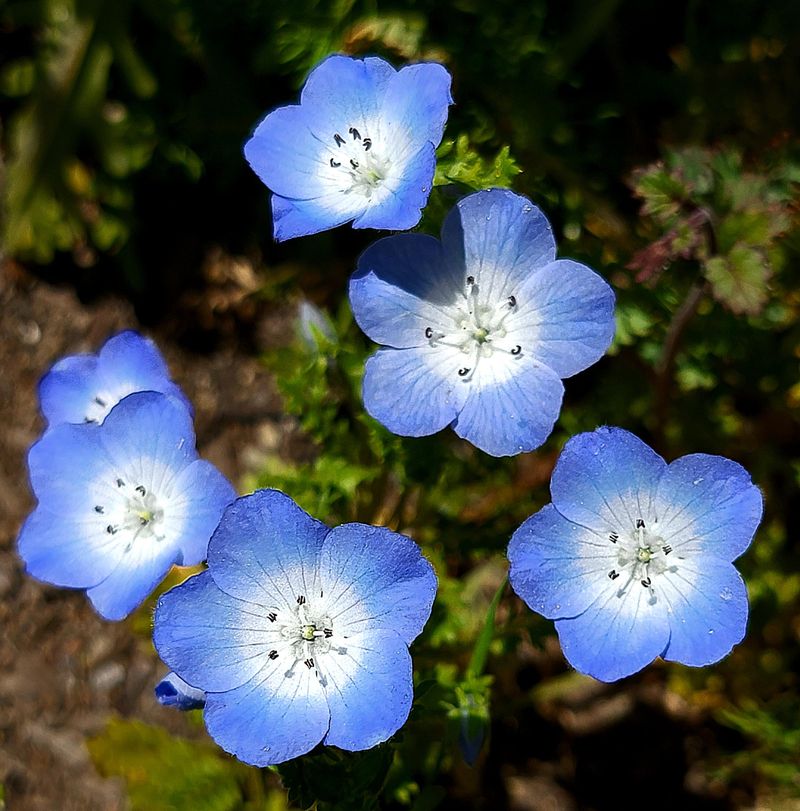
Imagine a soft carpet of sky-blue flowers with tiny white centers spread across your garden floor. That is exactly what Baby Blue Eyes delivers every spring, and it does so with almost no effort required from the gardener.
This native California wildflower has one of the most soothing color palettes of any fast-growing flower you can plant.
Baby Blue Eyes germinate quickly in cool soil and bloom in as little as eight weeks from seed. Unlike many flowers on this list, they actually prefer partial shade, which makes them perfect for spots under trees or along the north side of a fence or building where other flowers struggle to grow.
Sow seeds directly in the ground in fall or very early spring. They prefer moist, well-draining soil and cool temperatures to get started.
Once the weather heats up in summer, they naturally wind down, but by then they will have already put on a gorgeous springtime show.
Baby Blue Eyes look absolutely wonderful when planted alongside California Poppies. The blue and orange combination is striking and very on-brand for a California native garden.
They also attract small native bees that are important pollinators for the broader local ecosystem throughout the growing season.
9. Clarkia (Farewell-to-Spring)
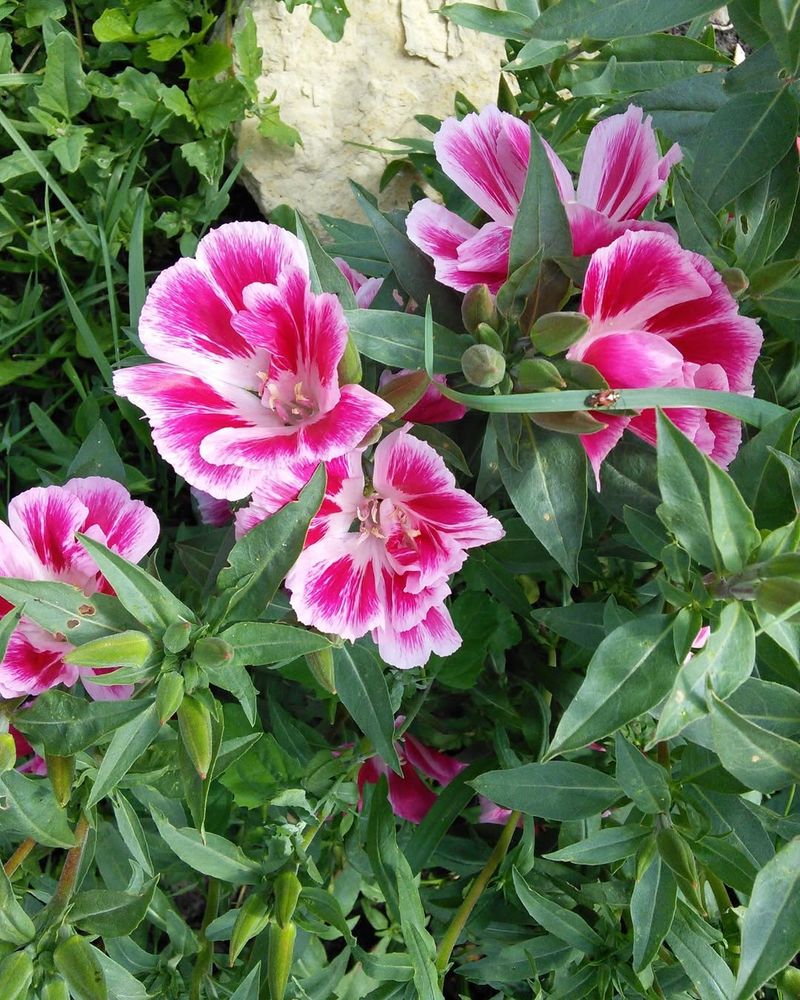
The name Farewell-to-Spring sounds a little bittersweet, but this flower is actually pure joy. Clarkia blooms in late spring and early summer just as many other wildflowers are finishing up, so it beautifully extends the color season in California gardens.
The cup-shaped flowers come in shades of pink, lavender, red, and white, often with contrasting markings at the center.
Clarkia grows quickly from seed and typically blooms within eight to ten weeks. It prefers full sun to partial shade and does well in lean, well-draining soil.
Like many California natives, it actually performs better without heavy fertilizing or constant watering once it gets going.
Direct sow seeds in fall or early spring for best results. Clarkia does not respond well to transplanting, so sowing directly into the garden bed is the recommended approach.
Thin seedlings to about six to eight inches apart to give them proper growing room and airflow.
This flower is a magnet for native bees and hummingbirds. It grows well along roadsides, in meadow gardens, and in traditional flower beds alike.
Clarkia is also a wonderful cut flower, lasting several days in a vase. Growing it in California feels like honoring the land and its natural botanical heritage at the same time.
10. Cosmos
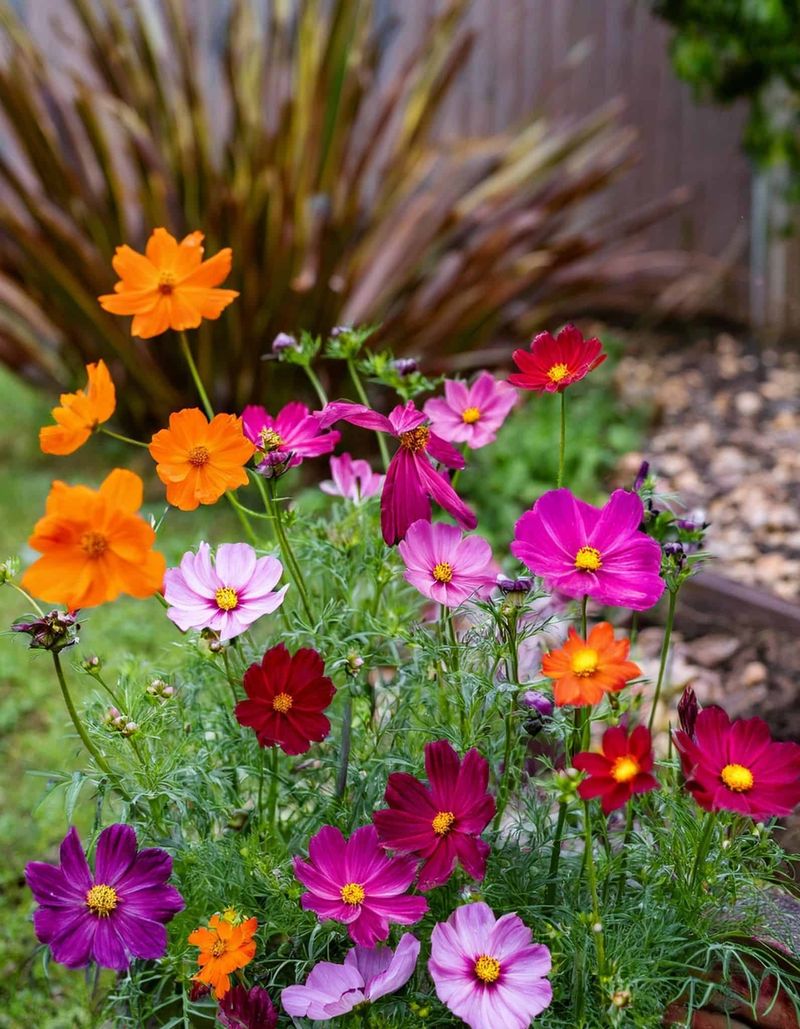
Cosmos are the kind of flowers that sway gently in a breeze and make a garden look effortlessly romantic.
The feathery foliage and daisy-like blooms in shades of pink, white, red, and magenta create a soft, airy texture that pairs well with almost anything else growing nearby.
And in California, they grow incredibly fast.
Cosmos germinate in just five to seven days and bloom in about fifty to sixty days from seed. They love heat and full sun, which California delivers in abundance throughout the summer.
One of their best qualities is that they actually bloom better in poor soil. Too much fertilizer leads to lots of leaves and fewer flowers.
Sow seeds directly in the garden after the last frost date in your area of California. Space them about twelve to eighteen inches apart.
Cosmos can get tall, sometimes reaching four to six feet, so plant them toward the back of a border where they will not shade out shorter plants in front.
Butterflies, bees, and birds are all drawn to Cosmos. They are also excellent cut flowers that brighten up any indoor space.
If you let a few seed heads dry out at the end of the season, Cosmos will often self-sow and return next year with zero extra effort from you.
11. Zinnias
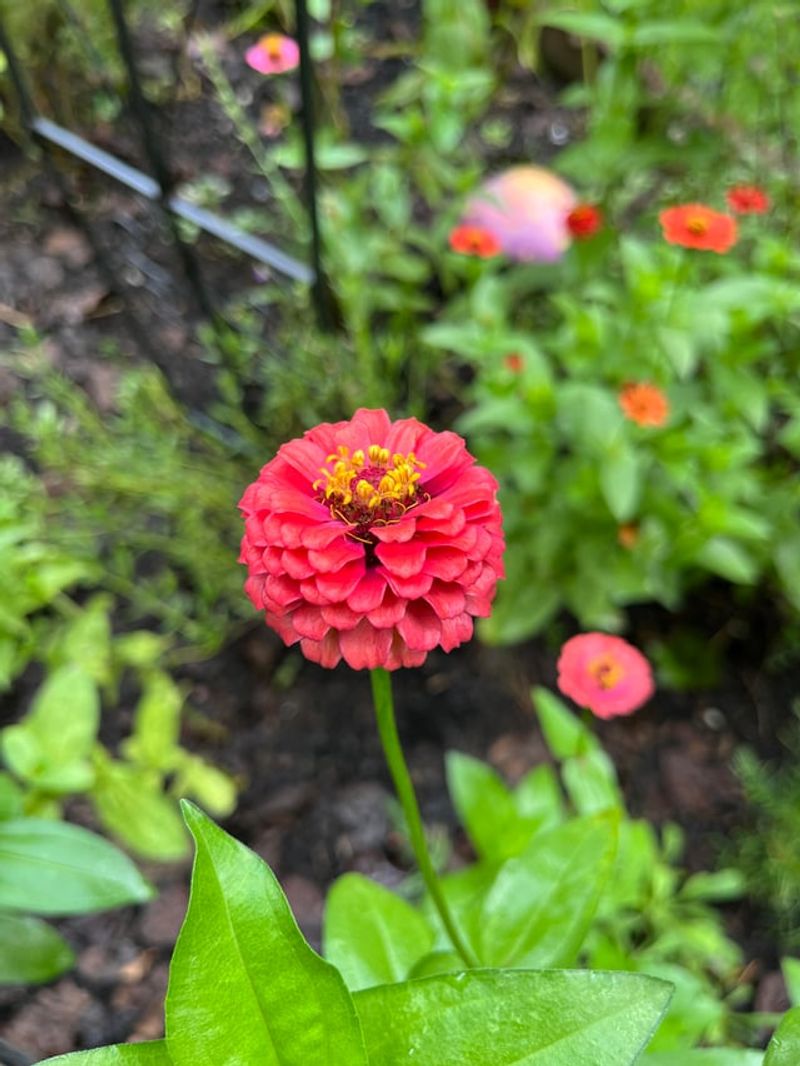
Bold, bright, and practically unstoppable in the California heat, Zinnias are a summer garden favorite for very good reasons. They come in almost every color imaginable, from fire-engine red and deep magenta to soft cream and coral.
Few flowers can match their ability to keep producing vivid blooms week after week through the hottest months of the year.
Zinnias germinate in about five to seven days and bloom in fifty to sixty days from seed. They thrive in full sun and well-drained soil.
The hotter the California summer gets, the happier Zinnias tend to be, making them an ideal choice for inland valleys and warmer regions of the state.
Start seeds directly in the garden once nighttime temperatures stay above fifty degrees Fahrenheit. Space plants about six to twelve inches apart depending on the variety.
Zinnias do not love having wet leaves, so water at the base of the plant rather than overhead to keep foliage dry and healthy.
Butterflies absolutely flock to Zinnias, making them a top pick for pollinator gardens across California. Deadhead regularly to encourage continuous blooming through fall.
They also make stunning cut flowers. A mason jar full of fresh Zinnias from your own garden is one of summer’s simple, satisfying pleasures.
12. Nasturtiums
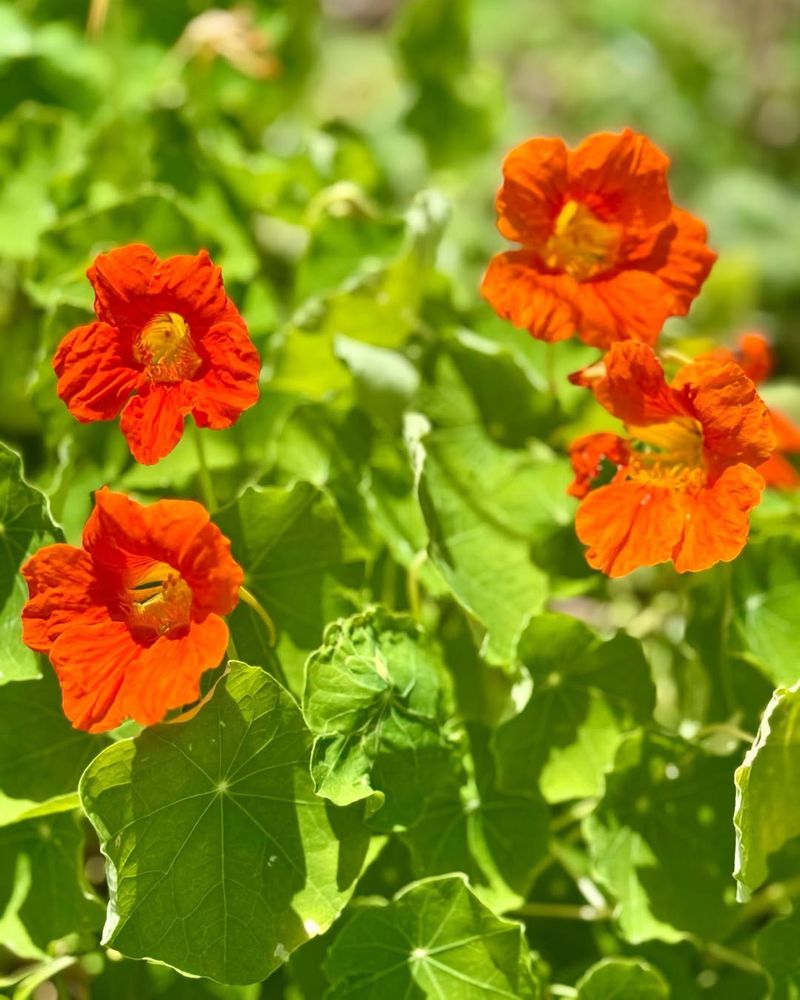
Nasturtiums have a personality all their own. They sprawl, they climb, they tumble over garden edges with a cheerful kind of chaos that somehow always looks intentional.
The round, lily-pad-like leaves and vivid blooms in orange, yellow, and red make them one of the most visually interesting fast-growing flowers you can plant anywhere in California.
They germinate in seven to ten days and bloom in about thirty-five to fifty days, which puts them among the fastest bloomers on this entire list. Nasturtiums prefer full sun and actually do best in poor to average soil.
Rich, fertilized soil tends to produce more leaves than flowers, so hold back on feeding them too much.
Both the flowers and leaves of Nasturtiums are edible and have a peppery, slightly spicy flavor. Toss them in salads, use them as a garnish, or add them to summer drinks for a pop of color.
Growing something beautiful that you can also eat feels like a real garden win.
Nasturtiums also act as a trap crop for aphids, drawing pests away from more vulnerable vegetables nearby.
Plant them around tomatoes, squash, or cucumbers in your California garden and let them do double duty as both a decorative and protective planting companion all season long.
13. Sunflowers (Dwarf Or Annual Types)
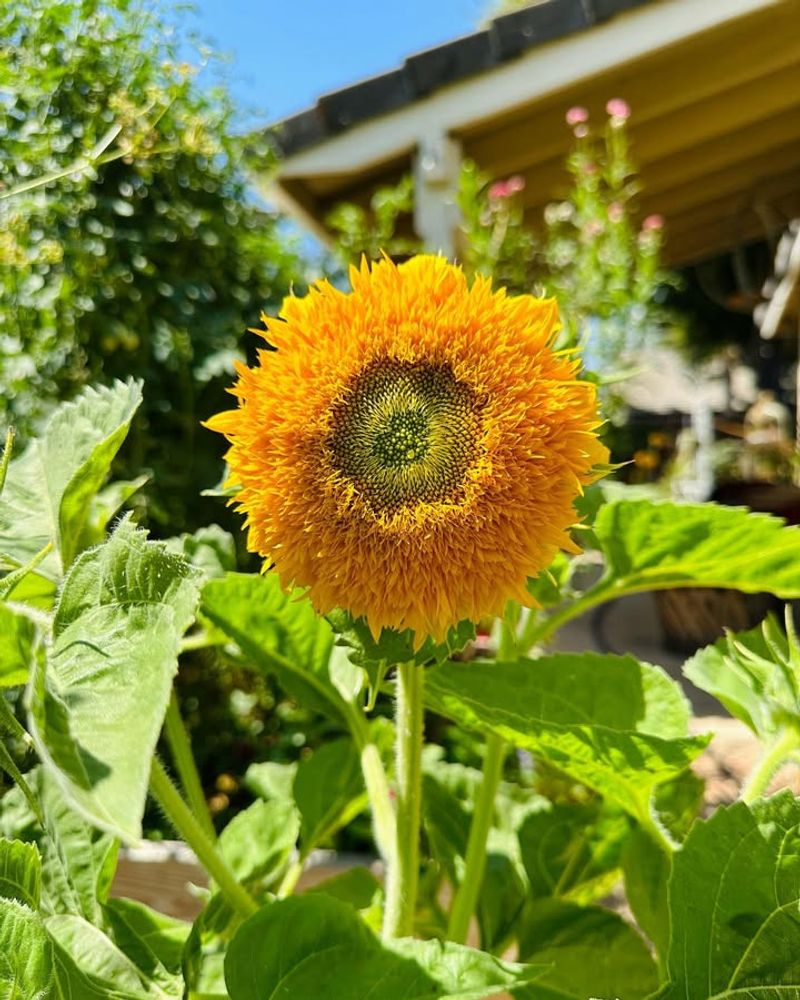
Few things in a garden are as instantly cheerful as a Sunflower in full bloom. Dwarf and annual varieties are especially well-suited for California home gardens because they fit into smaller spaces and grow fast enough to reward your patience very quickly.
Some compact varieties bloom in as little as fifty to sixty days from seed.
Sunflowers love full sun and warm soil, two things California provides in generous supply. Direct sow seeds about one inch deep and six to twelve inches apart depending on the variety.
They germinate in seven to ten days and grow quickly once the warm weather settles in. Water deeply but infrequently to encourage strong root development.
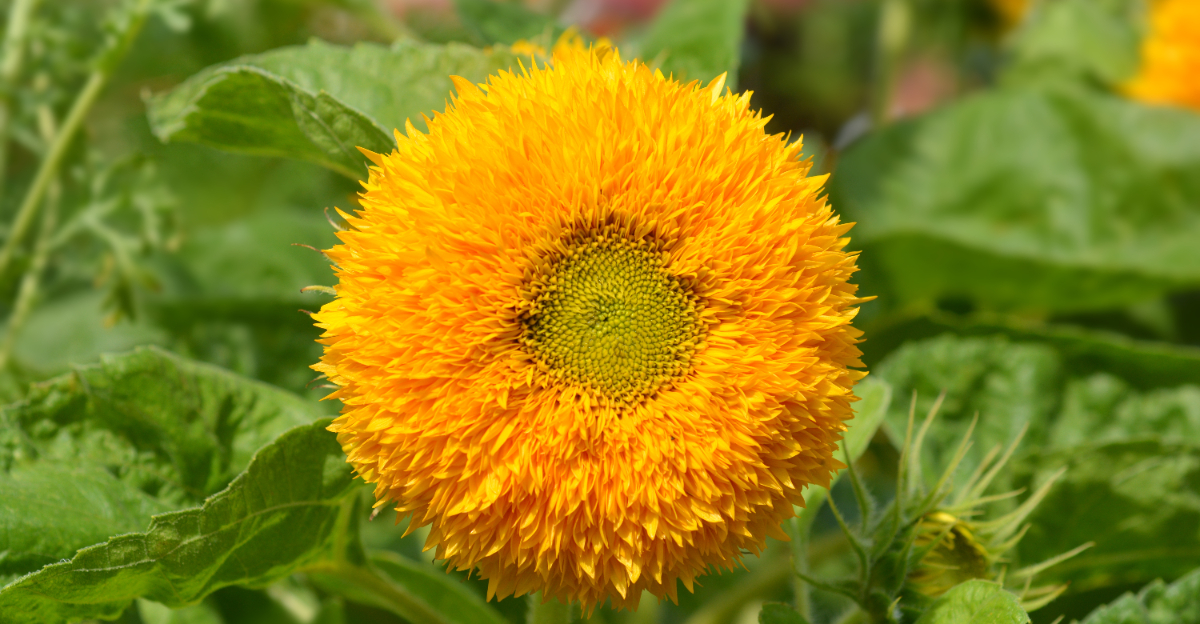
Dwarf varieties like Teddy Bear, Little Becka, and Music Box stay under two feet tall, making them excellent for container gardens, front borders, and patio planters.
They produce multiple blooms per plant rather than just one large head, which means you get more color for your effort and space.
Birds, bees, and butterflies are all drawn to Sunflowers throughout the season. At the end of the season, leave a few seed heads on the plant for local birds to enjoy.
Growing Sunflowers in California is a genuinely feel-good gardening experience that works for beginners and experienced gardeners alike.