The Fast Growing Flowers Georgia Gardeners Plant In Early Spring
Early spring in Georgia brings a quiet shift in the garden. Beds that looked empty through winter suddenly feel full of possibility, and many gardeners start thinking about flowers that won’t take forever to show results.
Some varieties move quickly once planted, pushing out fresh growth and color while the season is just getting started. That early burst can make a garden feel alive again in a matter of weeks.
Choosing the right fast-growing flowers helps borders, containers, and garden beds look lively much sooner than expected.
For anyone eager to see color return after winter, these are the kinds of flowers that Georgia gardeners often plant first when spring finally begins.
1. Sweet Alyssum Fills Beds Fast With Tiny Fragrant Blooms
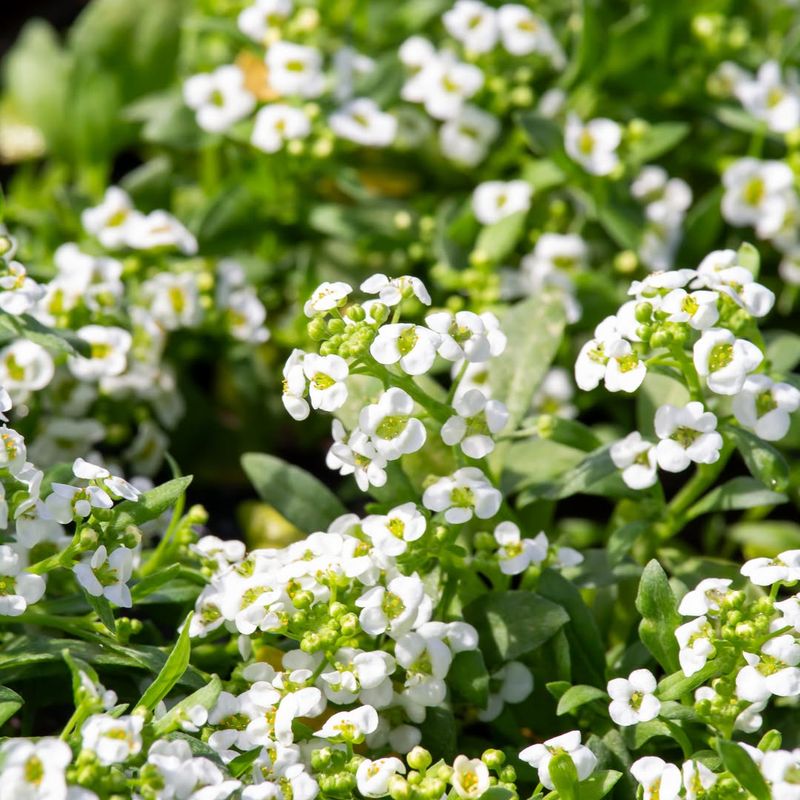
Few flowers cover bare ground faster than sweet alyssum, and Georgia’s mild early spring is just the push it needs to explode into bloom.
Scatter seeds along the edges of a bed or between stepping stones, and within a couple of weeks you will see a carpet of tiny white, purple, or pink clusters forming.
No thinning required, no special soil prep needed.
Alyssum has a honey-like scent that gets stronger on warm afternoons, which is one reason people keep planting it year after year. It pulls in bees and small beneficial insects before most other flowers have even opened.
Plant it near vegetables or other flowering plants and it practically works as a free pest management tool.
In Georgia, you can get seeds in the ground as early as late February in the southern part of the state, and by mid-March across most of the rest of it. Alyssum tolerates a light frost without much damage, which makes it one of the earliest flowers you can safely direct sow.
Trim it back if it starts looking scraggly mid-season and it will bounce back with fresh growth. Keep the soil slightly moist at first, and after that it needs very little attention to keep performing.
Once it settles in, sweet alyssum keeps blooming steadily through spring and often continues into early summer in Georgia gardens.
2. Calendula Produces Bright Flowers Early In The Season
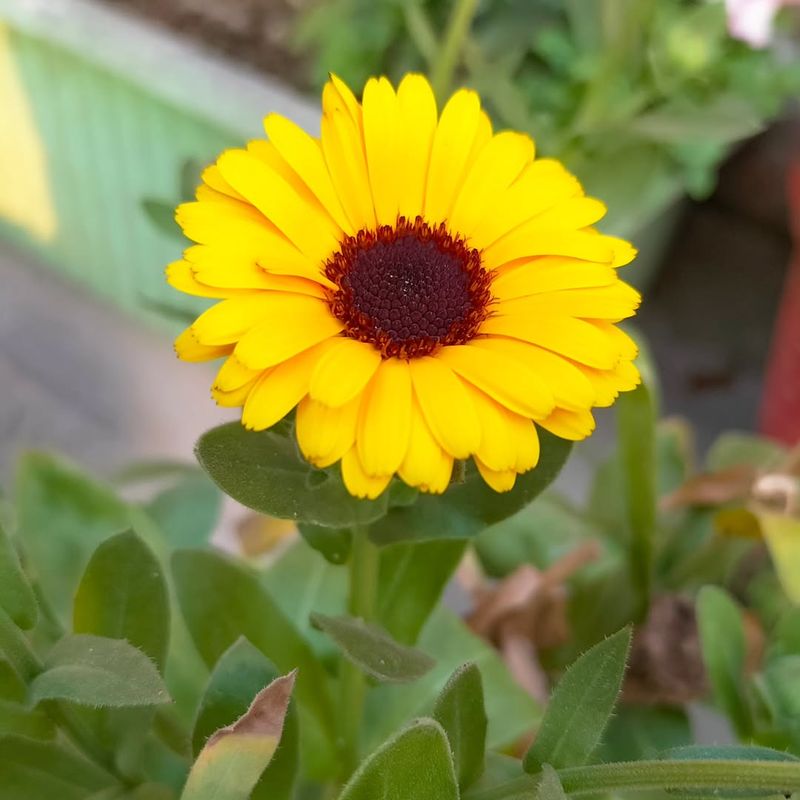
Calendula is one of those flowers that looks like full summer even when it is still technically spring. The blooms come in deep orange, golden yellow, and creamy white, and they open up fast once daytime temps start hitting the mid-50s.
Georgia gardeners in the northern counties can start seeds indoors in late January and move them outside in March without much drama.
What makes calendula worth growing is how long the flowers keep coming. Snip the spent blooms off every few days and the plant just keeps pushing out new ones.
Skip deadheading and production slows down noticeably, so keep a pair of scissors nearby when you walk through the garden.
Calendula also handles Georgia’s unpredictable early spring weather better than most annuals. A cold snap that dips into the upper 20s will not take it out as long as the plants are hardened off properly.
Direct sow into the garden about six weeks before your last expected frost date, or transplant seedlings started indoors. Rich, well-drained soil gives the best results, but calendula is not picky.
It will grow in average garden soil as long as it gets full sun for most of the day. Compact varieties work well in containers too, which is handy if your in-ground space is limited.
Calendula also attracts pollinators early in the season, bringing bees into the garden while many other plants are still getting started.
In Georgia gardens, the flowers often continue well into early summer before the stronger heat slows them down.
3. Bachelor’s Buttons Bring Quick Blue Color To Spring Beds
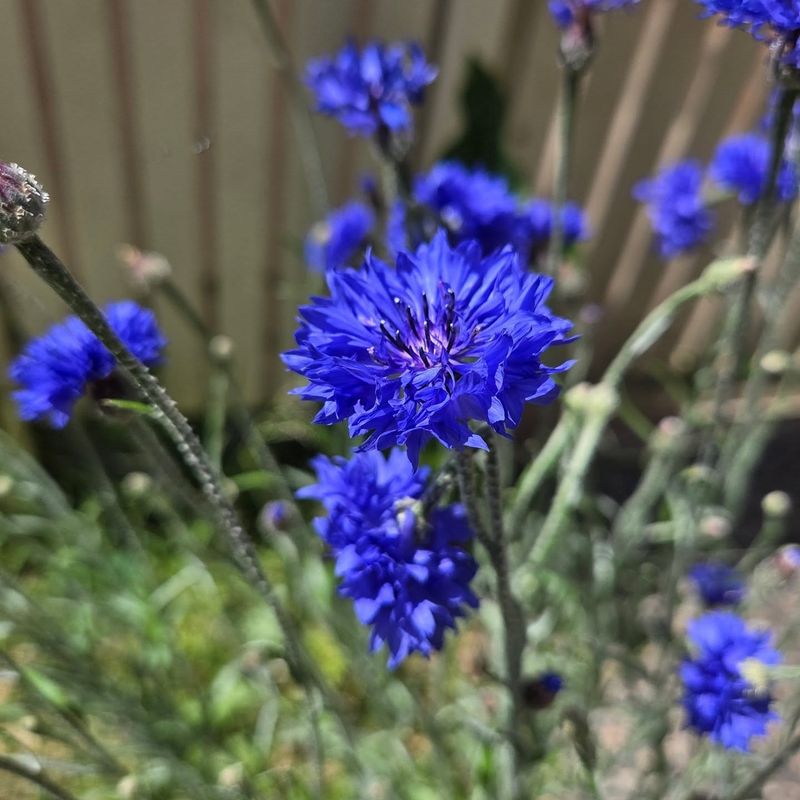
Blue flowers are genuinely hard to find in the spring garden, and bachelor’s buttons fill that gap better than almost anything else. Direct sow these seeds in early March across most of Georgia and they will be blooming by late April without any coddling.
The plants grow fast, stand upright on their own, and produce those classic cornflower-blue blooms that look sharp against green foliage.
Cold soil does not bother bachelor’s buttons at all. Actually, a little chill helps germination along, which is why early planting works so well in Georgia.
Sow them directly where you want them to grow because they do not transplant easily once they have a root system going.
Press the seeds lightly into the soil surface and keep the area moist until you see sprouts, usually within ten days.
Beyond the standard blue, you can find varieties in purple, pink, and white, but the blue ones remain the most popular by a wide margin. They reach about eighteen inches tall and hold their color well even in Georgia’s warming late-spring sun.
Deadhead regularly to extend the bloom period, because once a plant goes fully to seed it slows down fast. Pair them with calendula or alyssum for a colorful early-season combination that fills beds quickly and stays interesting for weeks.
Bachelor’s buttons also make excellent cut flowers, holding their color well in simple garden bouquets. If a few blooms are left to mature at the end of the season, the plants often reseed themselves and return the following spring.
4. Petunias Start Blooming Early And Keep Going For Months
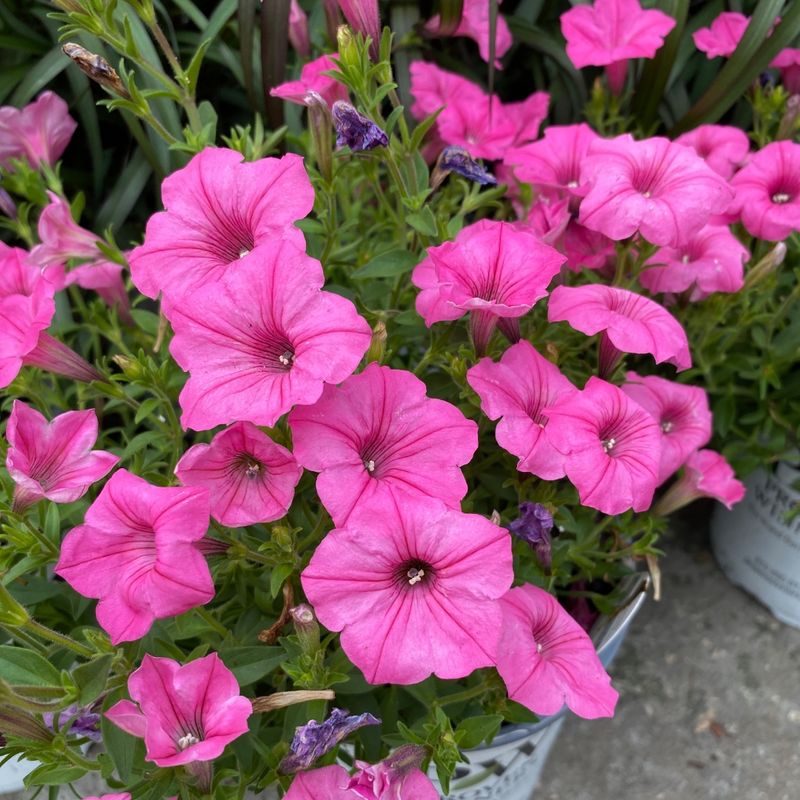
Petunias are the workhorses of the spring flower garden, and Georgia’s climate suits them almost perfectly from March through early summer. Start with transplants from a local nursery and they will be in full bloom within days of going in the ground.
Pick up a six-pack in late February or early March and you are already ahead of most of your neighbors.
Wave petunias spread horizontally and fill a wide area quickly, which makes them ideal for covering large beds without spending a fortune on plants. Mounding varieties work better in containers or window boxes where you want a more compact look.
Either way, they need full sun to perform at their best, so skip shady spots in your yard if you want real flower power.
Feeding petunias every two weeks with a water-soluble fertilizer makes a noticeable difference in how many blooms they carry.
Without regular feeding, especially in Georgia’s sandy or clay-heavy soils, they start looking thin and pale by May.
Pinch back leggy stems in late spring to keep the plants full and bushy rather than stretched out. Petunias handle Georgia’s humidity reasonably well, though good air circulation helps reduce fungal issues during wet stretches.
With a little consistent care, a flat of petunias planted in March can stay colorful and full all the way into October.
5. Snapdragons Add Upright Color Early In The Season
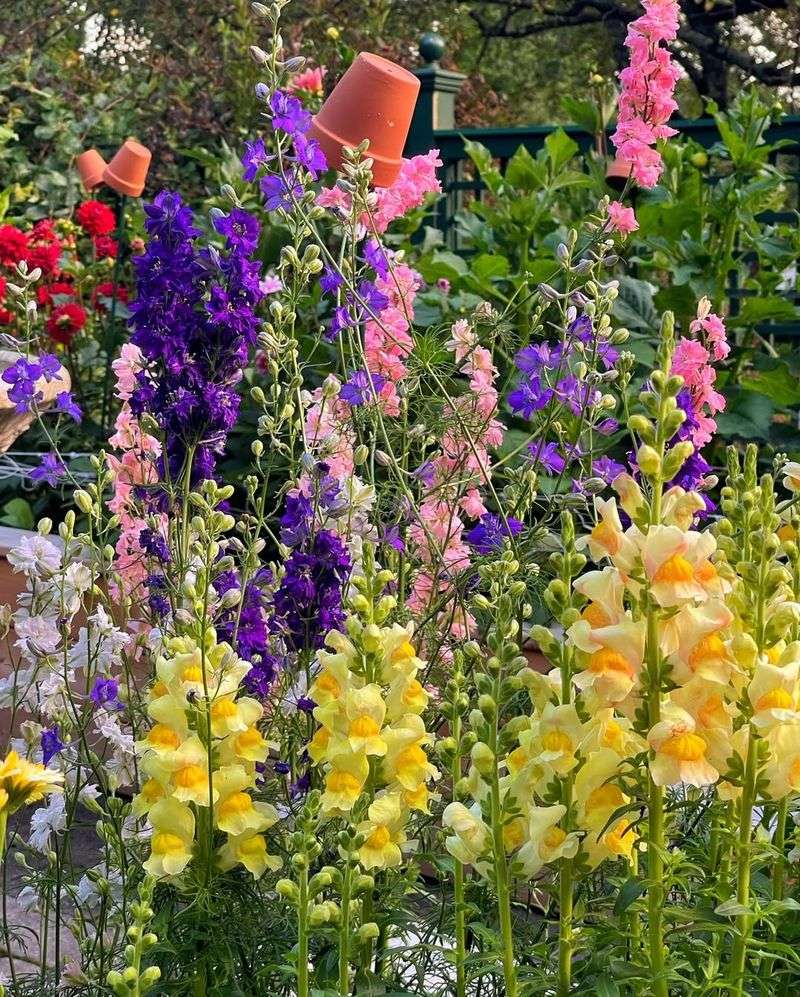
Snapdragons are built for cool weather, and early spring in Georgia is their sweet spot. Plant transplants in late February or early March and they hit their stride right when the rest of the garden is still waking up.
The tall flower spikes come in just about every color you can imagine, and they bring a vertical element to beds that low-growing flowers simply cannot provide.
Kids love them because the individual blooms open and close like a mouth when squeezed, which makes them fun beyond just the visual appeal. Beyond that novelty, snapdragons are serious cut flowers that hold up well in a vase for over a week.
Planting a row near the back of a bed gives you both garden color and fresh-cut blooms for the house.
In North Georgia, snapdragons can handle light frost without serious damage, which is a real advantage during those unpredictable March cold snaps that roll through the mountains.
South Georgia gardeners can push the planting date even earlier, sometimes getting transplants in the ground in mid-February.
Deadhead the spent spikes by cutting back to a side shoot and the plant will send up new flower stems quickly.
They tend to slow down once summer heat arrives, but by then other warm-season flowers have taken over and the snapdragons have already earned their keep.
6. Pansies Continue Blooming Strong As Spring Begins
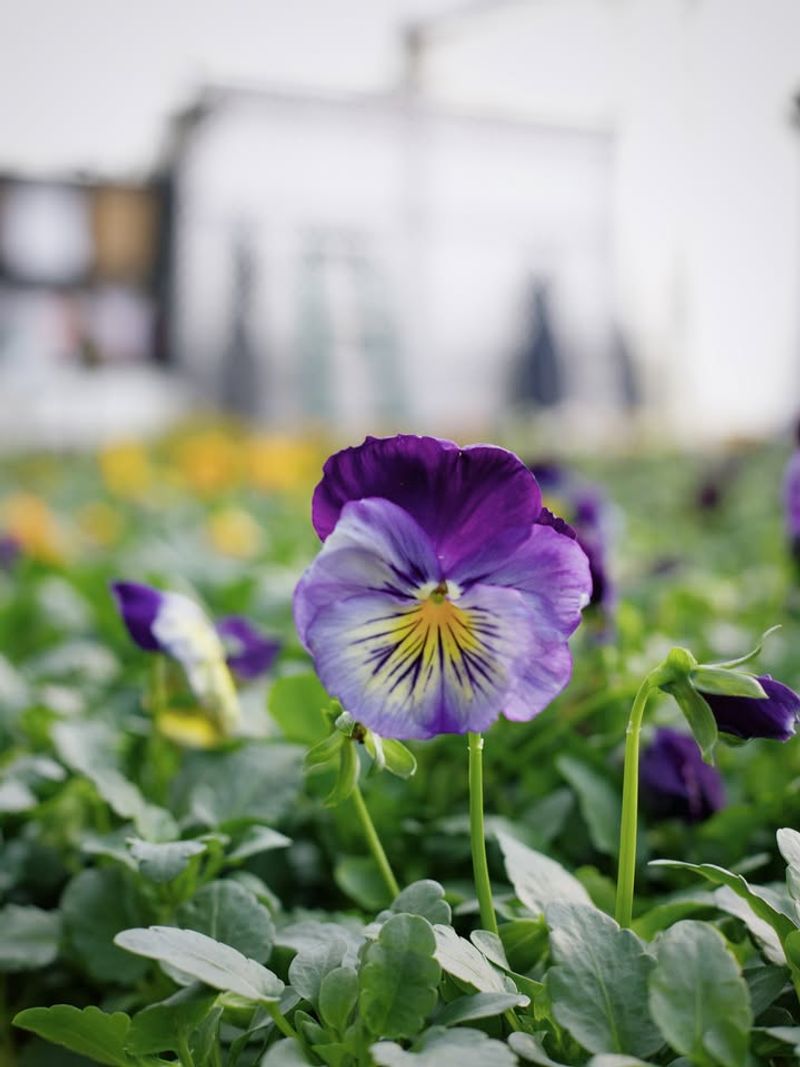
Pansies are often the very first color Georgia gardeners see after a long winter, and that reputation is well earned. Plant them in late winter and they will be covered in blooms by the time most people are just starting to think about their spring garden.
Those cheerful face-like markings on each flower make them instantly recognizable, and the color range is genuinely impressive.
What surprises a lot of people is how tough pansies actually are. Temperatures dropping into the low 20s will cause them to wilt and look finished, but once the temperature climbs back up they recover and resume blooming like nothing happened.
Georgia gardeners in the northern mountains have seen pansies bounce back from hard freezes that would have finished off most other flowers.
For the best results, plant pansies in a spot that gets morning sun and some afternoon shade, especially in South Georgia where midday heat arrives earlier in the season. Rich, well-draining soil and consistent moisture keep them blooming longer.
Feed them every few weeks with a balanced fertilizer to maintain strong growth and heavy flower production.
As temperatures push into the upper 70s and 80s in late spring, pansies naturally wind down, which is the perfect time to swap them out for heat-tolerant summer annuals.
Until then, no other flower gives Georgia gardens that early burst of reliable, cheerful color.
7. Dianthus Brings Early Fragrance And Fast Spring Color
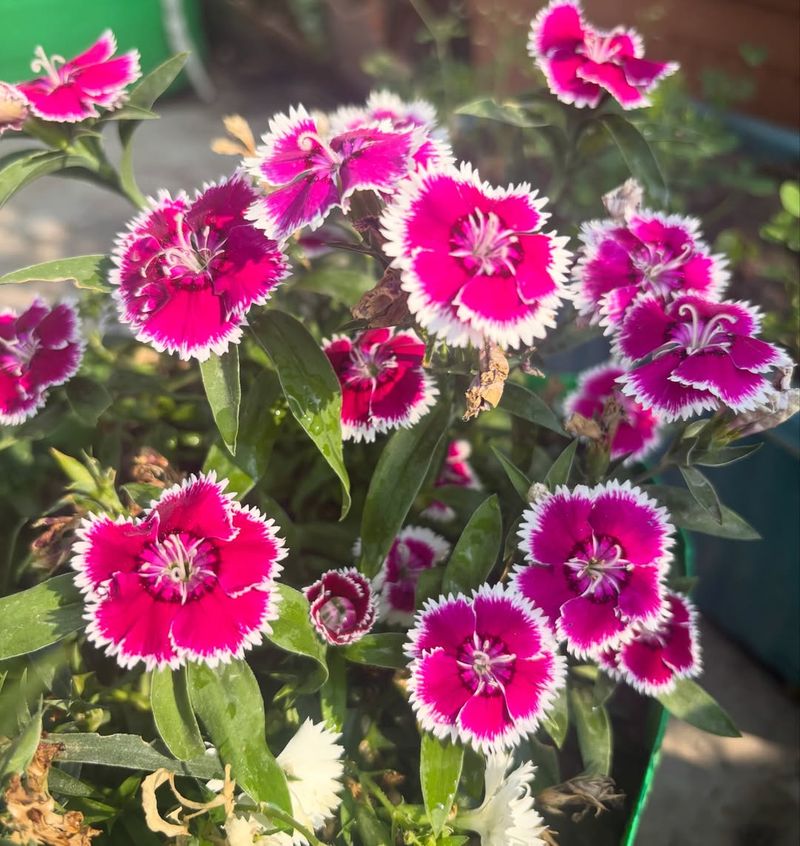
Crack open the soil in early March, pop in a few dianthus transplants, and you will have fragrant, colorful blooms within a couple of weeks.
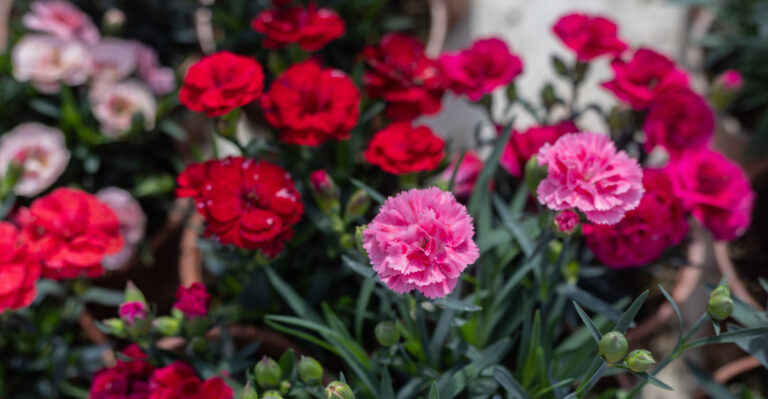
That spicy, clove-like scent is one of the reasons dianthus has been a garden favorite for centuries, and in Georgia’s mild spring air it carries across the yard on even a light breeze.
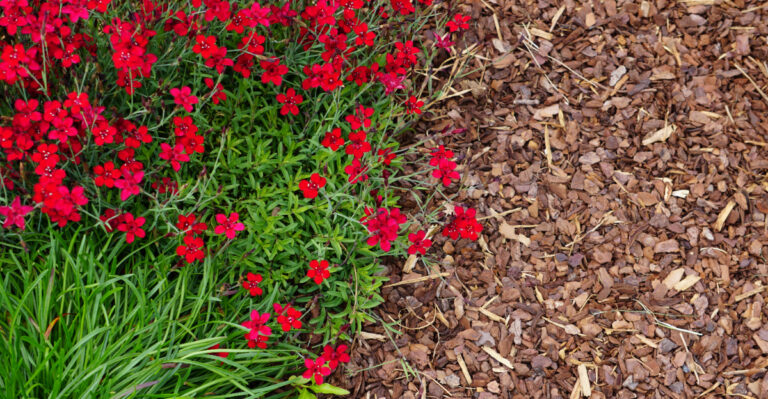
Colors range from deep red to bright pink to soft white, often with contrasting centers or fringed edges.
Dianthus handles Georgia’s variable spring temperatures without flinching. A late cold snap that would stress out other annuals barely slows it down.
Plant in full sun for the strongest performance, though a little afternoon shade in the southern part of the state helps extend the bloom period as temperatures rise.
Compact varieties like Telstar or Amazon stay tidy in the front of a border, while taller cutting types work well mid-bed or in containers. Deadhead spent blooms promptly because letting flowers go to seed signals the plant to slow production.
Well-drained soil is more important than soil richness for dianthus, so if your Georgia garden has heavy clay, amend with some coarse sand or compost before planting.
With proper drainage and full sun, dianthus will keep producing fresh flowers from early spring well into May, making it one of the longer-performing cool-season flowers available to Georgia gardeners.
8. Verbena Starts Blooming Early And Spreads Quickly
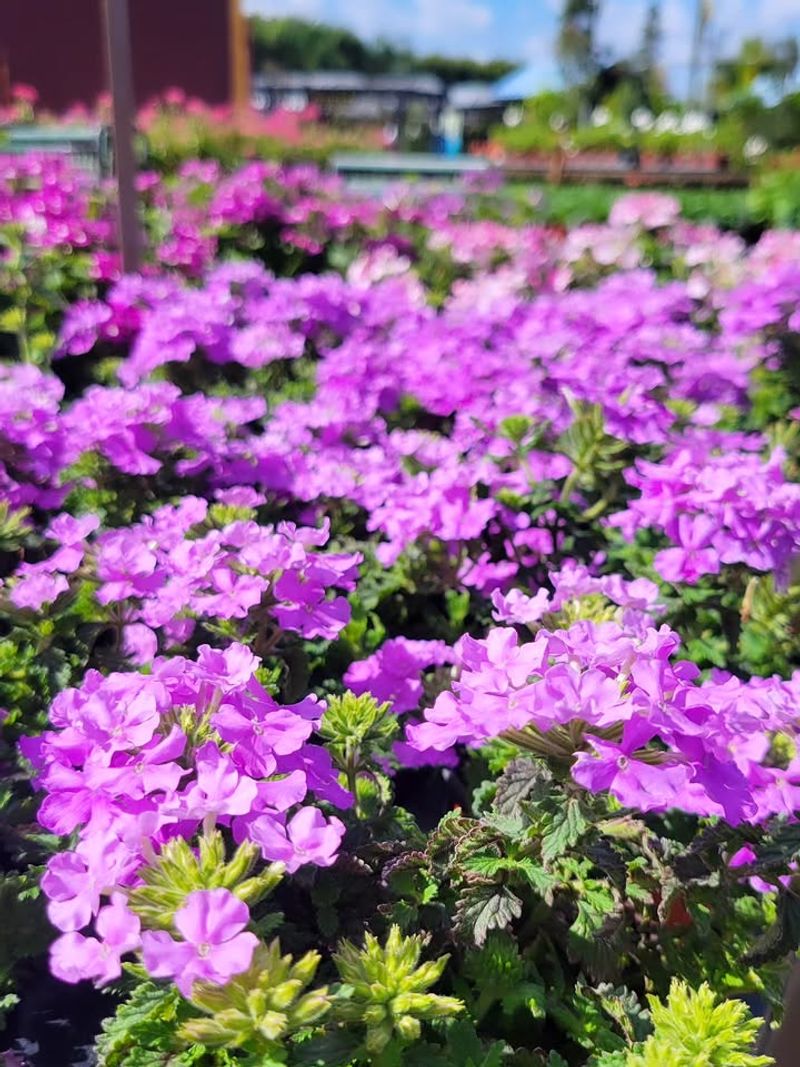
Verbena hits the ground running. Put transplants in the garden in early March across most of Georgia and they will be spreading and blooming before the month is out.
The clusters of small flowers come in purple, red, pink, coral, and white, and the plants have a trailing habit that fills in horizontal space faster than most other spring annuals.
Full sun is non-negotiable for verbena. Stick it in a shady or partly shaded spot and it gets leggy, produces fewer blooms, and becomes more prone to powdery mildew during Georgia’s humid spring stretches.
Give it a sunny, open location with good air circulation and it will reward you with dense, colorful growth that looks great in beds, borders, and hanging baskets alike.
One practical tip: verbena does not like sitting in wet soil. In areas of Georgia with heavy spring rainfall, plant it in raised beds or containers where drainage is reliable.
Water at the base of the plant rather than overhead to keep the foliage dry and reduce disease pressure. Fertilize lightly every two to three weeks to keep flowers coming without pushing too much soft, disease-prone growth.
Trim back stems that start looking bare in the center and the plant will fill back in with fresh growth and new blooms. For fast, spreading color in a sunny Georgia spring garden, verbena is hard to beat.