The February Care Guide For Cactus And Succulents In Arizona
Is February really a quiet month for cactus and succulents in Arizona, or is more happening than it seems?
Even when growth looks slow, these plants are already responding to subtle changes in light and temperature.
Arizona’s late winter brings longer days and mild warmth that gently wake cactus and succulents from their resting phase.
This is when small care adjustments matter most, because plants are preparing for active growth without the pressure of extreme heat.
Ignoring them now can lead to stress later, once temperatures climb fast. February care isn’t about heavy watering or major changes.
It’s about timing, restraint, and understanding how desert plants transition between seasons. A little attention now helps cactus and succulents stay compact, healthy, and better prepared for the intense conditions that spring and summer will bring.
1. Why February Isn’t As Quiet For Cactus And Succulents As It Looks
February isn’t a fully dormant month for cactus and succulents in Arizona, even though many plants appear unchanged on the surface.
Day length begins increasing noticeably, and light intensity shifts in subtle ways that plants can sense long before visible growth starts.
These small environmental changes signal the end of deep dormancy, but conditions are still unstable enough to prevent full activation. At the same time, temperatures in Arizona remain inconsistent.
Warm afternoons can push plants slightly out of rest, while cold nights pull them back into a protective state. This back-and-forth creates internal stress, especially for species that rely on consistent seasonal cues to regulate growth cycles.
Plants may look firm and unchanged, but internally they are adjusting water movement, cell pressure, and energy use in response to these fluctuations. February also sits between two risk periods.
The danger of hard winter cold hasn’t fully passed, yet the preparation phase for spring has already begun. This overlap is why damage can occur even when nothing looks immediately wrong.
Tissue that softens, discolors, or weakens during this transition often does so quietly, with symptoms appearing days or weeks later. Because cactus and succulents evolved to respond precisely to seasonal signals, this in-between phase plays a major role in how well they handle the months ahead.
The way plants move through February often determines whether they enter spring strong and stable or already stressed before growth truly begins.
2. Water Sparingly While Growth Is Still Slow
Most cacti and succulents across Arizona remain in a state of semi-dormancy throughout February.
Their root systems barely absorb moisture during this period, making overwatering the biggest threat to their survival.
Plants sitting in cold, wet soil develop root rot faster than you might imagine. Check soil moisture by sticking your finger two inches deep into the growing medium.
If you feel any dampness at all, skip watering entirely. Established outdoor cacti in Arizona might not need a single drink all month, relying instead on occasional winter rain.
Container plants dry out faster than in-ground specimens, but they still require far less water than during summer months. A light watering once every three to four weeks proves sufficient for most potted succulents.
Early morning watering gives excess moisture time to evaporate before cold evening temperatures arrive. Watch for signs of thirst like slight wrinkling or softness, but don’t confuse these symptoms with cold damage.
Shriveled plants in February might actually be protecting themselves from frost rather than crying out for water. Adding moisture to cold-stressed plants often makes their condition worse.
Indoor succulents near sunny windows in heated Arizona homes might need slightly more frequent watering than outdoor specimens. However, even these plants grow slowly during February’s shorter days.
Reduce your normal watering schedule by at least half compared to spring and summer routines. Rain gauges help track natural precipitation that counts toward your plants’ water needs.
February occasionally brings winter storms to Arizona, and these rainfall events might provide all the moisture your desert plants require until March temperatures climb consistently higher.
3. Check Drainage Before Spring Watering Increases
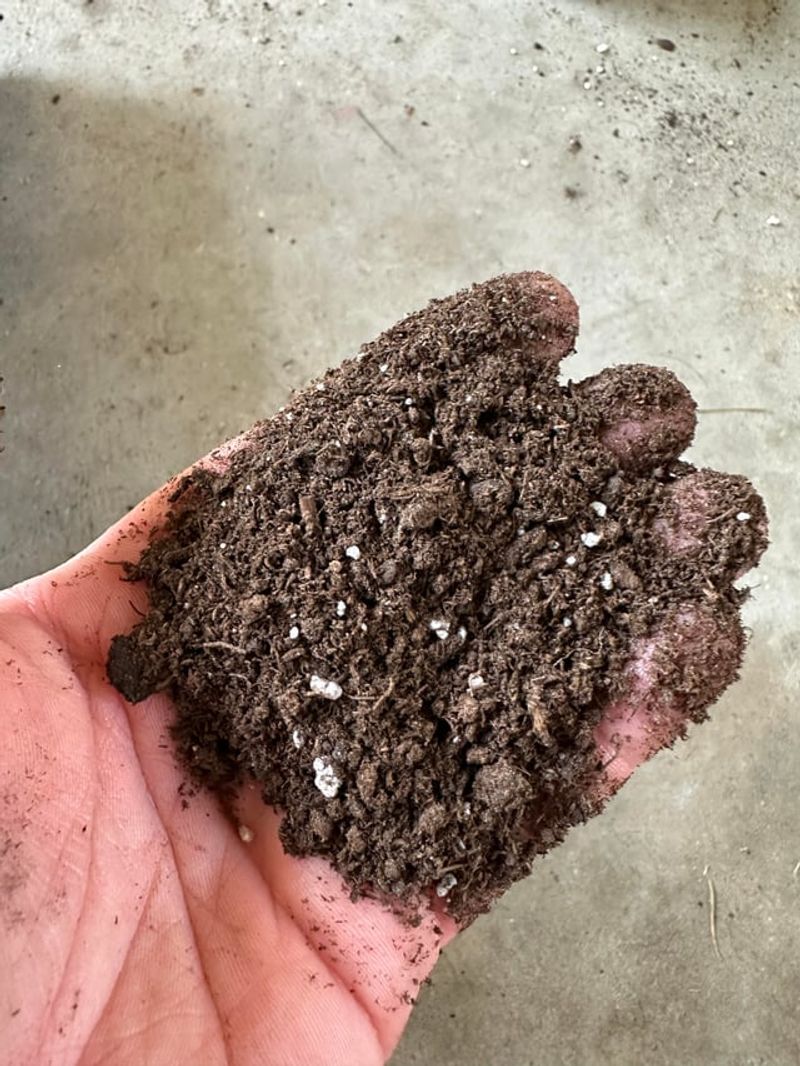
February offers the perfect opportunity to inspect and improve drainage before spring growth begins.
Poor drainage causes more succulent losses than any other single factor, especially when combined with Arizona’s occasional winter rains and fluctuating temperatures.
Now is the time to address any issues you’ve noticed. Examine container drainage holes to ensure they haven’t become blocked with roots, soil, or debris.
Tip pots slightly to see if water flows freely from the bottom. Cacti and succulents need fast-draining soil that allows water to pass through quickly rather than pooling around roots.
In-ground plantings throughout Phoenix, Tucson, and other Arizona cities should show no signs of standing water after irrigation or rain. If puddles form around your plants and linger for more than an hour, the soil composition needs improvement.
Adding pumice, perlite, or coarse sand increases drainage in heavy clay soils common across parts of Arizona. Raised beds and berms provide excellent solutions for areas with naturally poor drainage.
Building up the planting area even six inches makes a significant difference in how quickly water moves away from sensitive roots. February’s cooler weather makes this physical work more comfortable than attempting it during summer heat.
Test your potting mix by watering thoroughly and observing how quickly moisture disappears from the surface. Quality succulent soil should dry noticeably within a day or two, even during February’s cooler conditions.
Mixes that stay soggy need amendment with additional drainage materials. Replace old, compacted soil in containers that have housed the same plants for several years.
Potting medium breaks down over time, losing its drainage properties and potentially harboring disease organisms. Fresh soil sets your collection up for success as growing season approaches.
4. Hold Off On Fertilizing Until Temperatures Warm
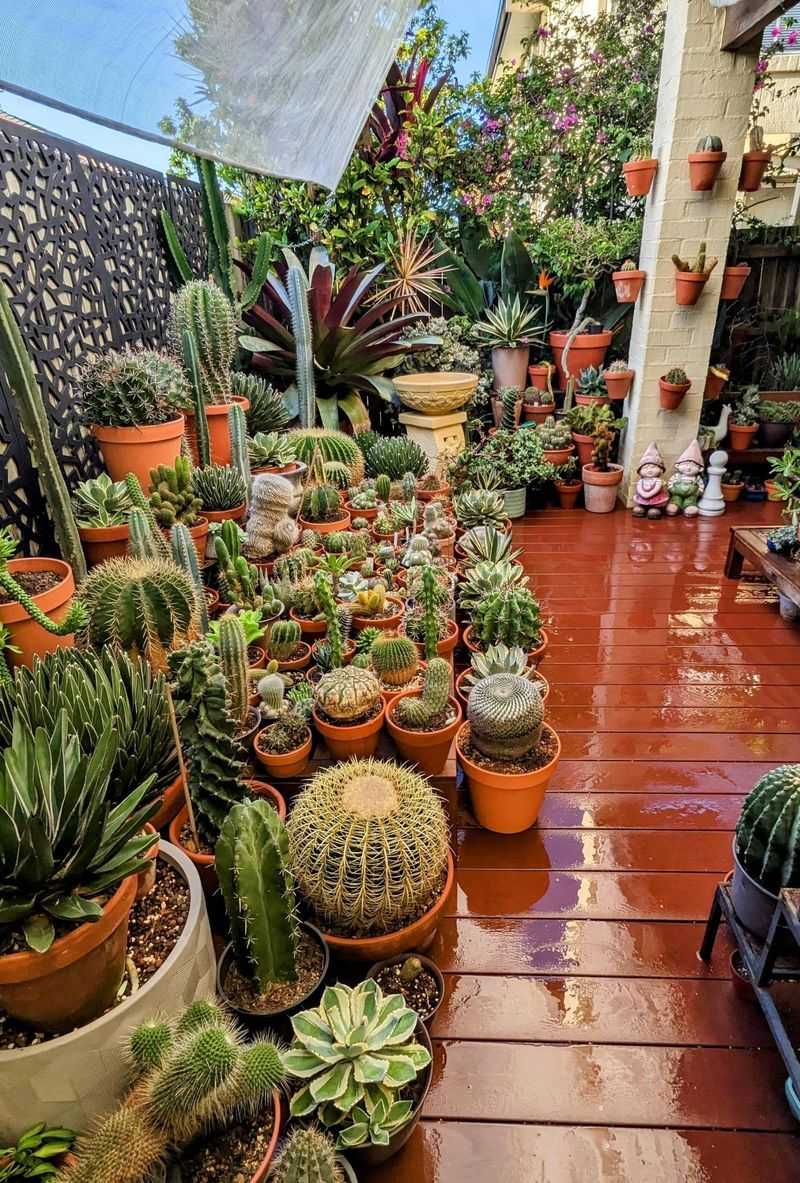
Fertilizer applications during February waste money and potentially harm your dormant cacti and succulents. Plants simply cannot use supplemental nutrients when they’re not actively growing.
Unused fertilizer salts accumulate in soil, creating chemical imbalances that stress roots once growth resumes.
Arizona’s February temperatures don’t provide the consistent warmth that triggers active growth in most succulent species.
Nighttime lows keep plants in a holding pattern where they focus on survival rather than producing new leaves or stems. Adding fertilizer during this dormant phase makes no sense from a plant biology perspective.
Wait until nighttime temperatures consistently stay above 50 degrees Fahrenheit before considering any fertilizer application. For most Arizona locations, this happens sometime in March or early April.
Your plants will show visible signs of new growth when they’re ready to benefit from supplemental feeding. Look for emerging flower buds, fresh leaf growth, or plumping stems as signals that dormancy is ending.
These physical changes indicate that root systems have activated and can absorb nutrients. Jumping the gun by fertilizing too early provides no benefit whatsoever.
If you’re eager to prepare for spring, spend February researching the best fertilizer formulations for cacti and succulents instead. Look for products with lower nitrogen ratios and higher phosphorus and potassium levels.
A balanced formula like 2-7-7 or similar works well for most species. Organic options like worm castings or compost tea can be prepared in advance and stored until weather warms.
These gentle fertilizers release nutrients slowly, making them forgiving choices for gardeners across Phoenix, Tucson, and surrounding Arizona communities. Having supplies ready means you can feed plants promptly when they signal readiness for nutrients.
5. Inspect For Cold Damage And Soft Spots
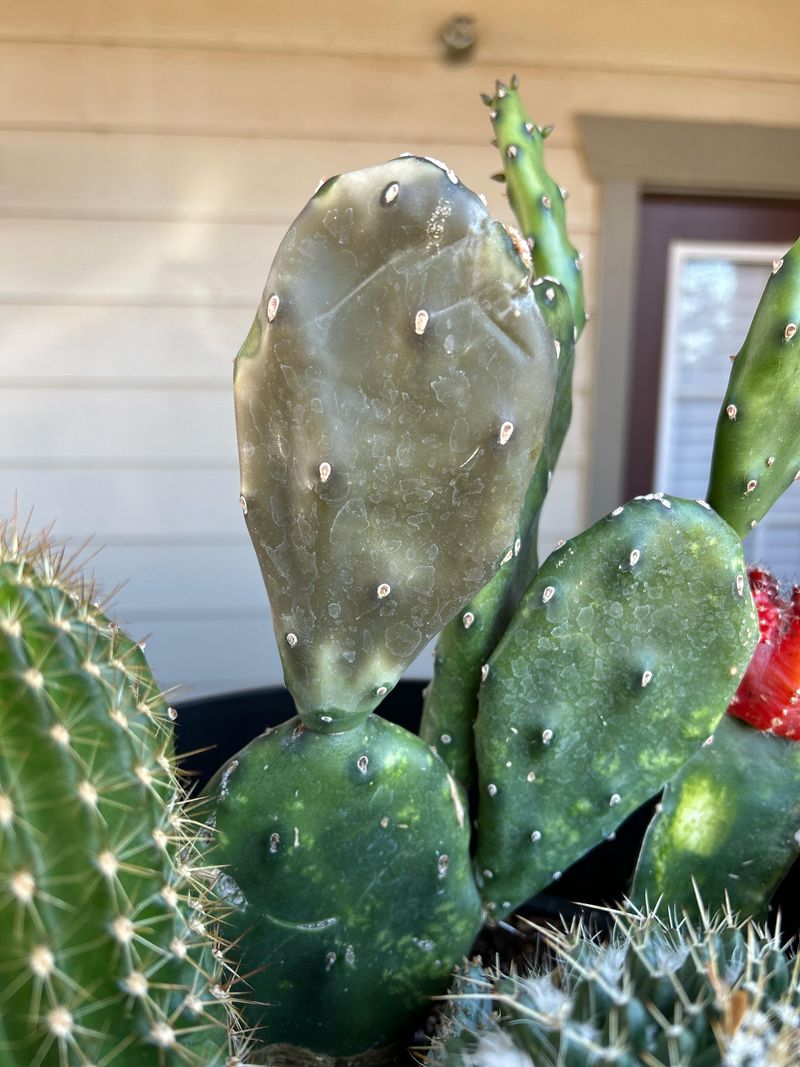
Regular inspections throughout February help you catch problems before they spread through your collection. Cold damage doesn’t always show immediately after a frost event.
Sometimes symptoms take days or even weeks to become visible, making consistent monitoring essential for Arizona gardeners.
Look for discolored patches on leaves and stems, particularly areas that appear translucent, mushy, or darker than normal.
Frost-damaged tissue often turns black or brown as cells rupture and decay. Soft, squishy spots indicate serious problems that require immediate attention to prevent spread.
Gently squeeze stems and leaf bases to check for firmness. Healthy cacti and succulents feel solid and turgid, while damaged plants develop a soft, water-soaked texture.
Early detection allows you to remove affected parts before rot travels into the main plant body. Use clean, sharp pruning shears or a knife to cut away damaged tissue.
Make cuts well into healthy growth, removing all discolored or soft material. Sterilize your cutting tools between plants using rubbing alcohol or a diluted bleach solution to prevent disease transmission.
Allow cut surfaces to dry and callus before exposing plants to any moisture. This healing process typically takes several days to a week, depending on the size of the wound and Arizona’s humidity levels.
Callused cuts resist infection far better than fresh, open wounds. Some cold damage affects only the outer skin while leaving inner tissue viable.
These plants might look terrible but can recover with proper care. Remove the damaged outer layer carefully, and the plant may produce new growth from healthy tissue underneath once temperatures warm in March and April across Arizona.
6. Delay Repotting Until Consistent Warm Weather
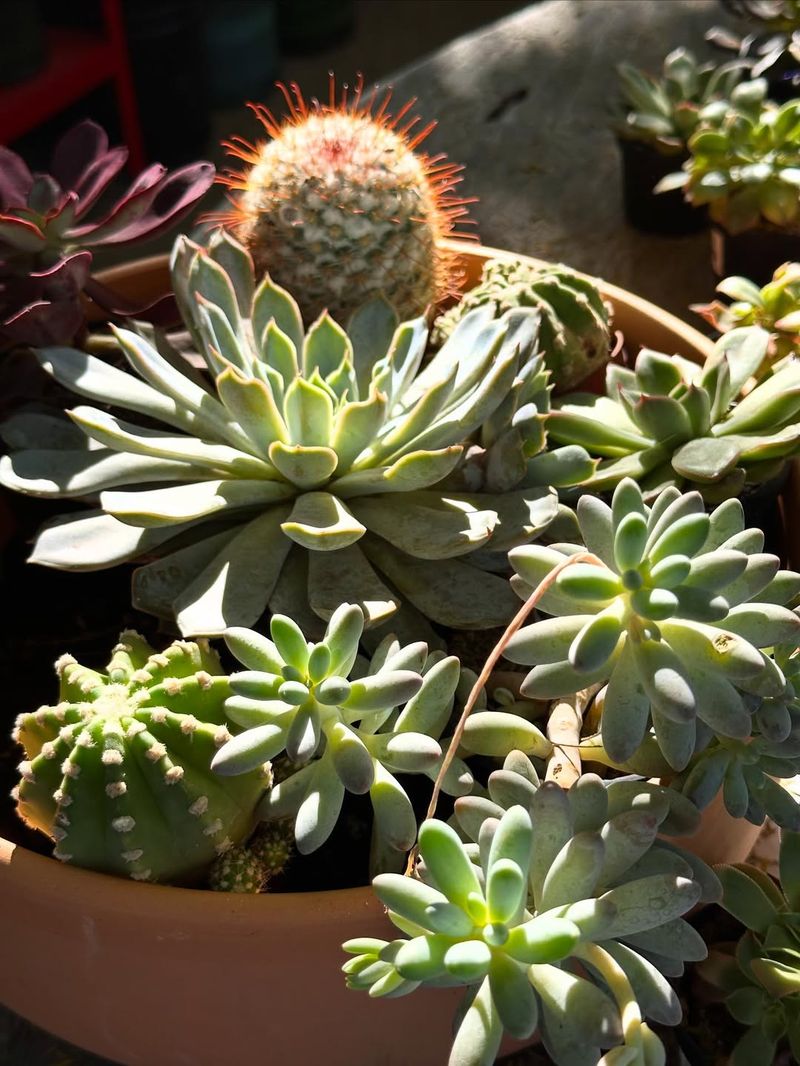
Repotting during February ranks among the worst timing mistakes you can make with cacti and succulents in Arizona.
Disturbing roots while plants remain dormant prevents proper recovery and invites rot issues.
Transplanting stresses plants even under ideal conditions, and February’s cool temperatures make successful establishment nearly impossible. Root systems need warm soil to heal from transplant damage and begin exploring new growing medium.
February soil temperatures across most of Arizona stay too cool to encourage root activity. Damaged roots sitting in cold, moist soil almost inevitably develop fungal or bacterial infections.
Mark containers that need repotting so you remember which plants require attention when spring arrives. Take photos or make notes about why each plant needs transplanting, whether due to overcrowding, poor soil, or container damage.
This preparation means you can act quickly once conditions improve. If a pot breaks or a plant absolutely must be moved during February, disturb the root ball as little as possible.
Slip the entire root mass into a new container without breaking up soil or trimming roots. Water sparingly after this emergency repotting, giving just enough moisture to settle soil around roots.
Spend February gathering supplies for spring repotting sessions instead. Stock up on appropriate-sized containers, quality cactus potting mix, and drainage amendments like pumice or perlite.
Having everything ready means you can repot efficiently when March or April temperatures signal the right timing. Research the specific needs of plants you plan to repot so you understand their preferred soil types, container sizes, and care requirements.
Different succulent families have varying preferences, and matching your approach to each plant’s needs improves success rates significantly throughout the Phoenix, Tucson, and broader Arizona growing regions.
7. Gradually Increase Sun Exposure As Days Lengthen
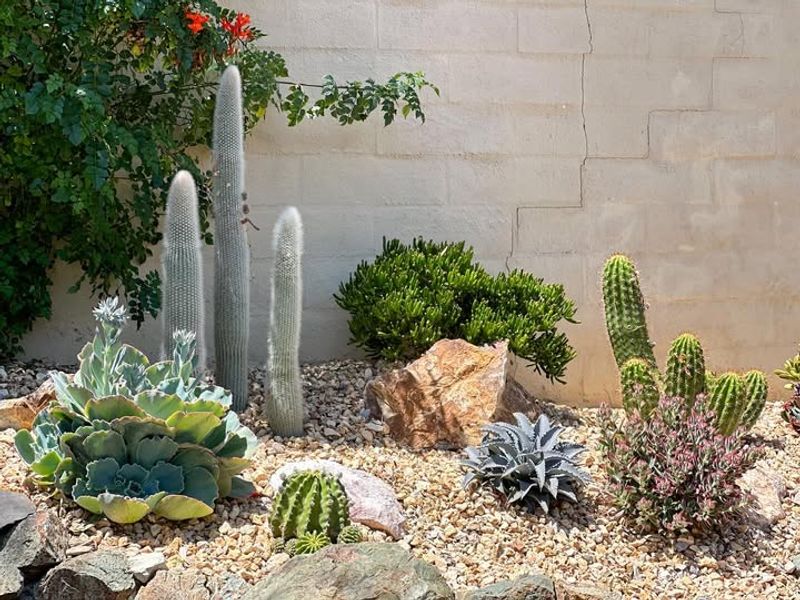
Day length increases noticeably throughout February as Arizona moves toward spring. Your cacti and succulents respond to these longer days by slowly waking from winter dormancy.
Adjusting their sun exposure gradually prevents sunburn while encouraging healthy color and compact growth.
Plants that spent winter in protected locations or under shade cloth can handle slightly more direct sun as the month progresses.
Move containers a few feet at a time toward brighter spots rather than making dramatic changes all at once. Sudden exposure to intense Arizona sun causes scarring even on desert-adapted species.
Watch for signs of sun stress like bleaching, yellowing, or brown patches on the sunny side of plants. These symptoms indicate you’ve increased light too quickly.
Move affected plants back to slightly shadier conditions and slow down your transition timeline. South and west-facing locations receive the most intense sun in Arizona gardens.
Plants destined for these hot spots need especially gradual acclimation. Consider using temporary shade during the brightest afternoon hours for the first few weeks after moving plants to sunnier positions.
Indoor succulents near windows also benefit from increased light as days lengthen. Rotate pots regularly to ensure all sides receive equal sun exposure and prevent lopsided growth.
Clean window glass to maximize light transmission, as dust and grime can block significant amounts of beneficial rays. Some species actually develop better color and form with increased sun exposure during late winter and early spring.
Echeverias, sedums, and many other succulents show enhanced reds, purples, and blues when given appropriate light levels.
February’s gentler sun provides the perfect opportunity to enhance these beautiful stress colors without risking permanent damage to your Phoenix or Tucson collection.