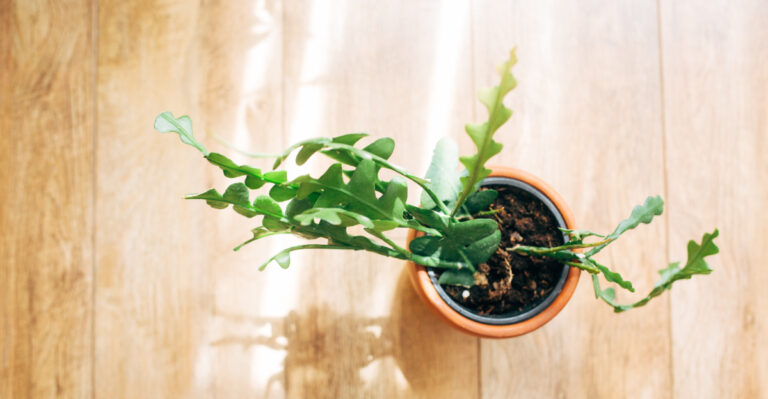
The February Care Steps That Keep Arizona Fishhook Cactus Healthy
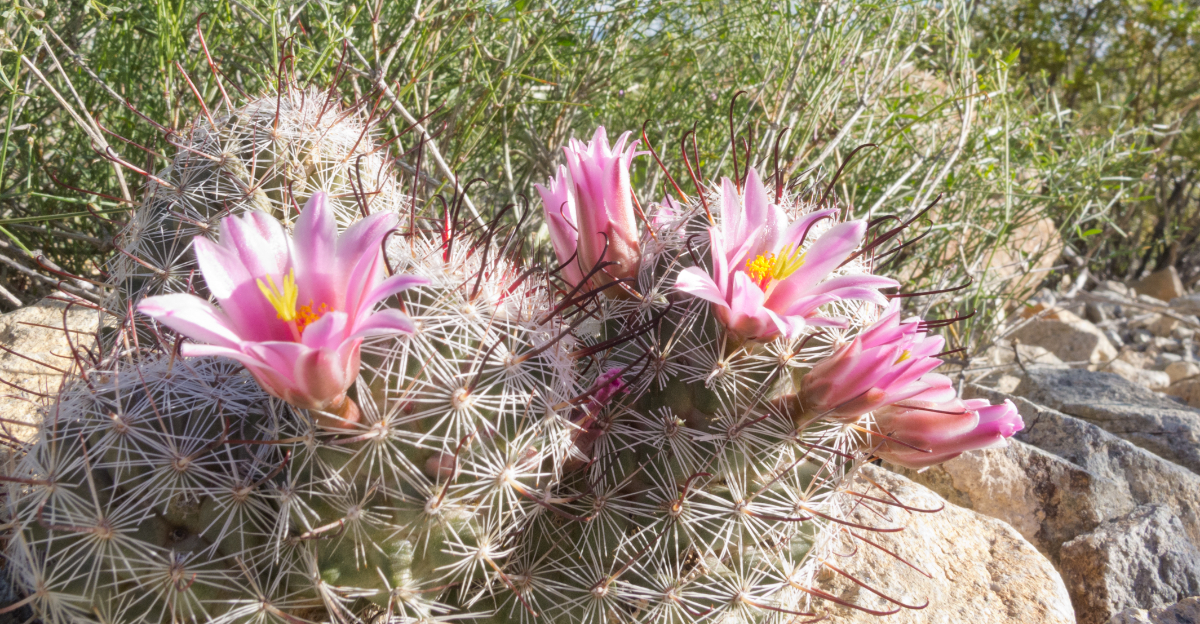
February can be tricky for an Arizona fishhook cactus because the days start to warm up while the nights still dip lower than you expect.
You might look at it and assume it is ready for more water or even fertilizer, especially when the sun feels stronger and the desert seems to be waking up.
That early warmth can be misleading. This is the month when small mistakes quietly cause rot, stress, or stalled growth later in spring.
Paying attention now keeps your cactus steady instead of shocked by sudden changes.
A fishhook cactus does not need much in February, but it does need the right balance. Too much water, too much handling, or sudden exposure shifts can undo months of healthy growth.
The right care this month sets the stage for strong flowering and clean, compact growth once true spring arrives.
1. Check Soil Moisture Before Even Thinking About Water
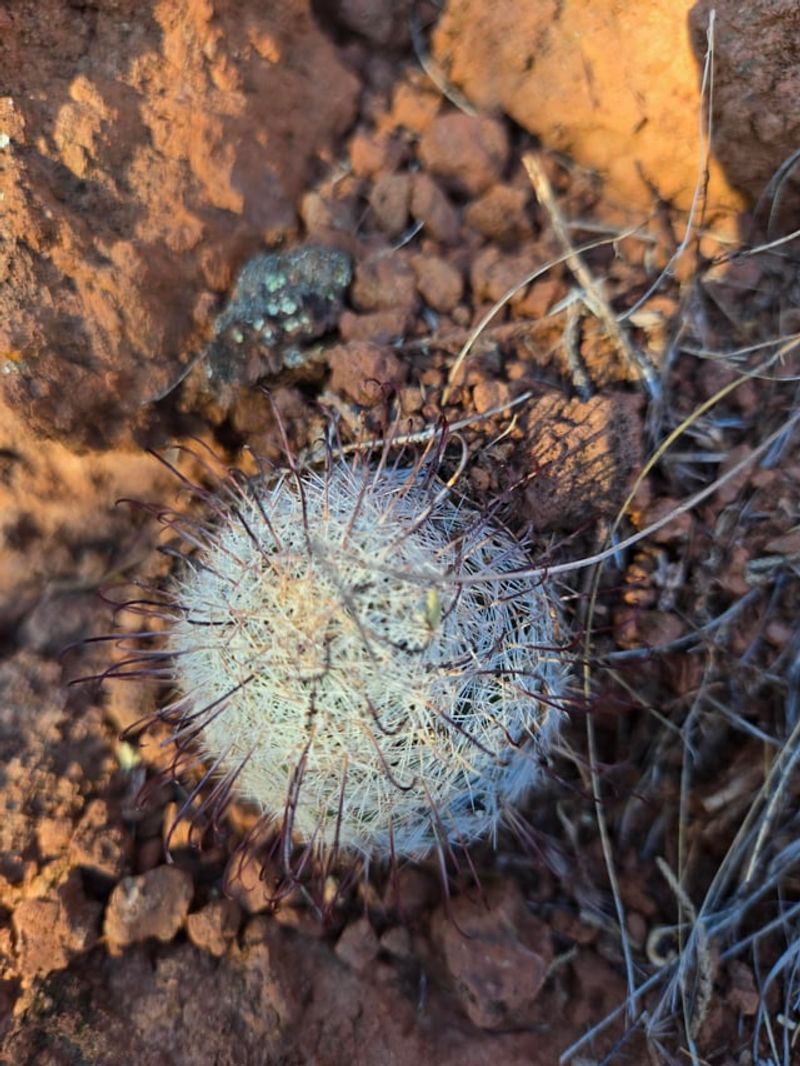
Your Arizona Fishhook Cactus barely drinks anything during February because it is dormant and conserving energy. Watering on a schedule during this month is one of the fastest ways to create problems.
The roots sit idle, not actively pulling moisture from the soil like they do in summer.
Push your finger about two inches into the soil before you even consider adding water. If you feel any dampness or coolness, leave the plant alone.
Desert cacti evolved to survive months without rain, and your Fishhook is built for this exact situation.
Arizona winters can bring surprise moisture from rain or even snow in higher areas, which means outdoor plants might already have enough water. Indoor plants in heated homes dry out faster, but they still need far less water than during active growth.
Check the soil every two weeks rather than watering automatically.
When the soil feels bone dry all the way down and the plant has been dry for at least a week, you can give it a light drink. Use about one-quarter of the water you would normally use in summer.
The goal is to barely moisten the soil, not soak it through.
Overwatering during dormancy causes the roots to sit in cold, wet soil where rot develops quickly. This is especially risky in Arizona during February when nighttime temperatures drop and the plant cannot process excess moisture.
Always err on the side of too dry rather than too wet during this rest period.
2. Protect From Unexpected Frost In Higher Elevations
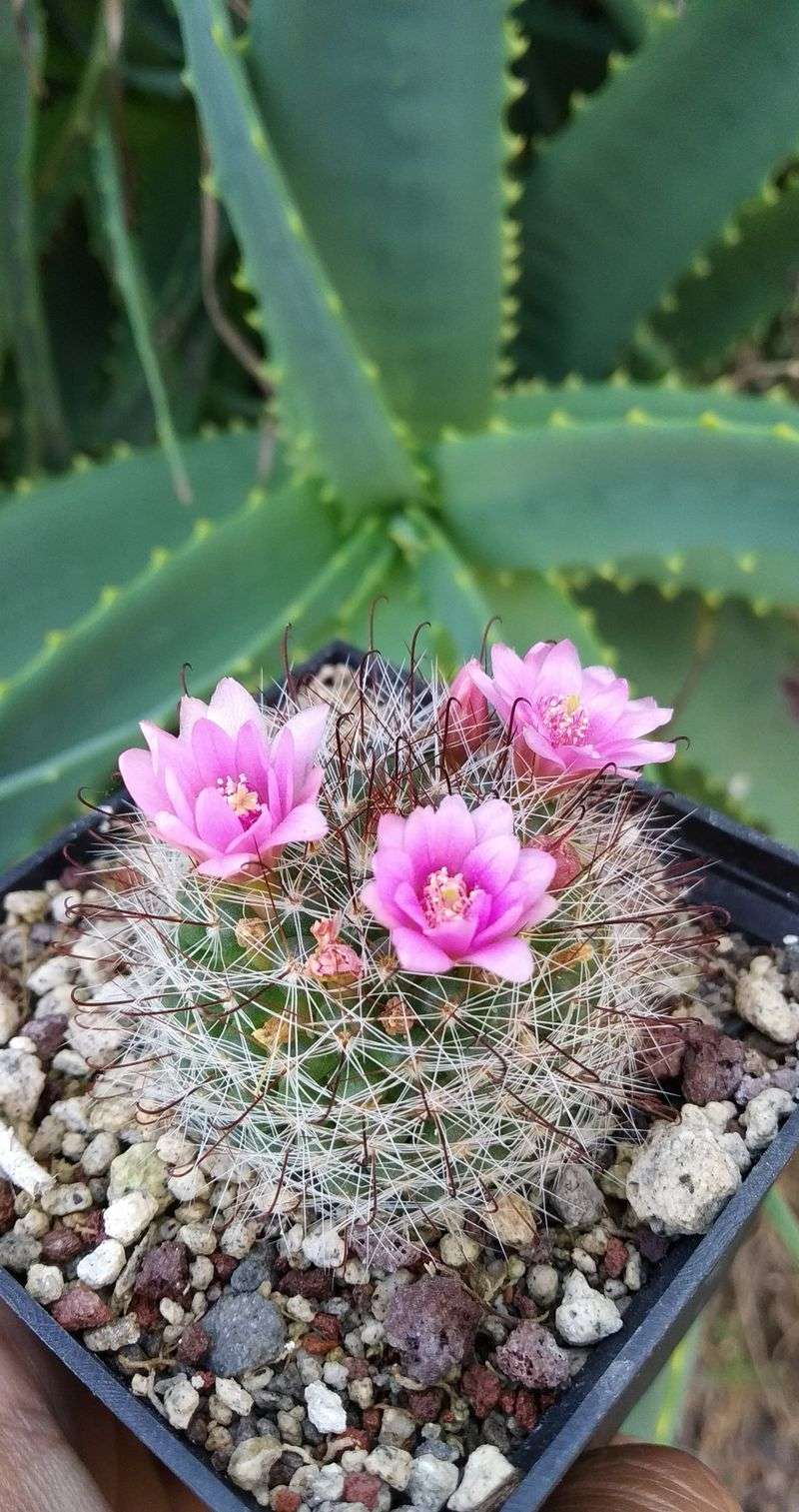
Elevation makes a huge difference in Arizona during February. Areas like Flagstaff, Prescott, and even parts of Phoenix can experience sudden frost that catches cacti off guard.
Your Fishhook Cactus can handle brief cold snaps, but prolonged freezing temperatures cause damage to the flesh that shows up later as scarring or soft spots.
Watch the weather forecast closely throughout the month, especially when cold fronts move through the state. Nighttime temperatures below 32 degrees Fahrenheit require action.
If your cactus lives outdoors, cover it with frost cloth or a breathable blanket before sunset on cold nights.
Plastic tarps or solid covers trap moisture and can actually make things worse by creating condensation. Frost cloth allows air circulation while providing several degrees of protection.
Remove the cover once morning temperatures rise above freezing so the plant does not overheat under the fabric.
Container plants have an advantage because you can move them to a protected spot like a covered patio or garage for the night. Even a few feet closer to a warm wall can provide enough shelter to prevent frost damage.
Ground-planted cacti in Arizona need more planning since they cannot be relocated.
Higher elevation gardeners should consider permanent cold protection like planting near south-facing walls or under roof overhangs. These spots stay several degrees warmer and shield the cactus from the worst of February’s cold.
Desert plants are tough, but they still need help during unusual weather events.
3. Keep It In Full Sun But Watch For Cold Wind Exposure
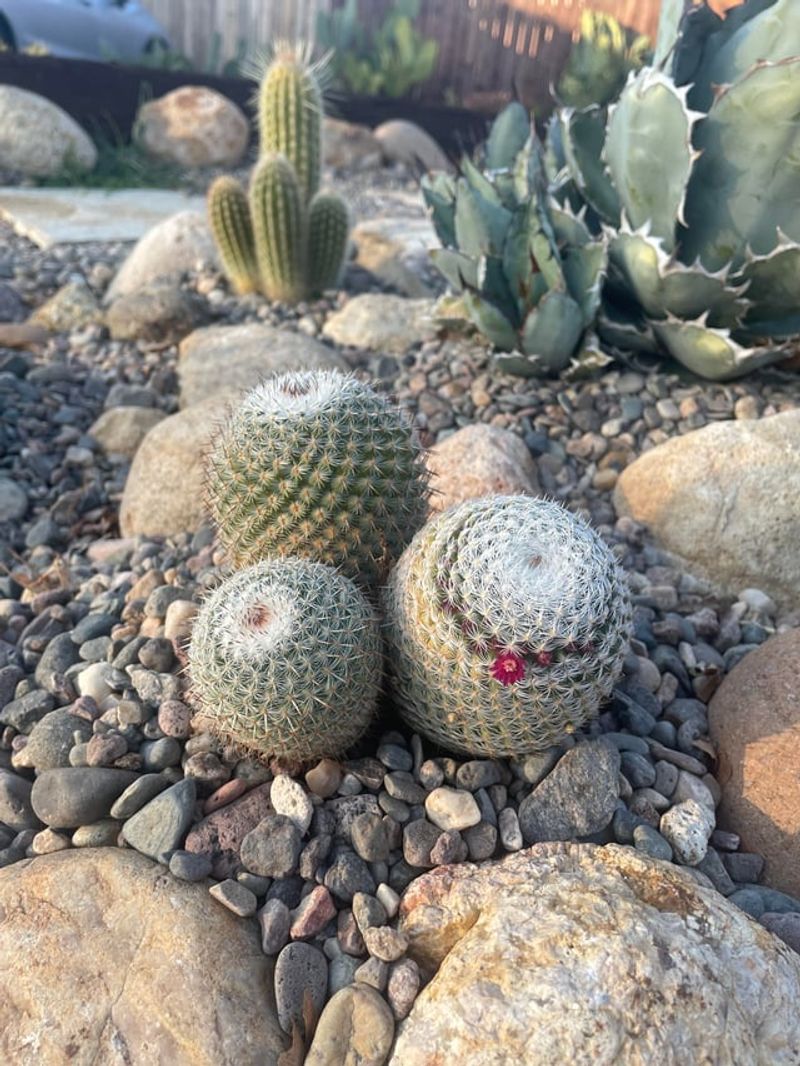
Sunlight remains critical even during dormancy because your Fishhook Cactus still needs energy for basic functions. Arizona winters deliver plenty of bright days, and your plant should receive at least six hours of direct sun.
Indoor plants need a south-facing window where light streams in unfiltered.
Cold wind creates a different problem than cold temperatures alone. February brings gusty conditions across Arizona, especially in open desert areas and mountain passes.
Wind strips moisture from the cactus body and chills it faster than still air would, creating stress even when actual temperatures stay above freezing.
Position outdoor plants where they receive morning and midday sun but have some protection from harsh north or west winds. A rock wall, fence, or larger plant can serve as a windbreak without blocking necessary light.
The goal is shelter, not shade.
Indoor plants near windows can experience cold drafts that create similar problems. Check for air leaks around window frames and avoid placing your cactus directly against cold glass on freezing nights.
A few inches of space makes a significant difference in how much cold reaches the plant.
Arizona’s high desert areas face the strongest winds during winter months, so gardeners in places like Tucson and Phoenix should pay extra attention to wind patterns.
Your Fishhook Cactus can handle tough conditions, but combining cold wind with bright sun can cause one side of the plant to become stressed while the other thrives.
Balance is everything during February’s unpredictable weather.
4. Skip Fertilizer Until Active Spring Growth Begins
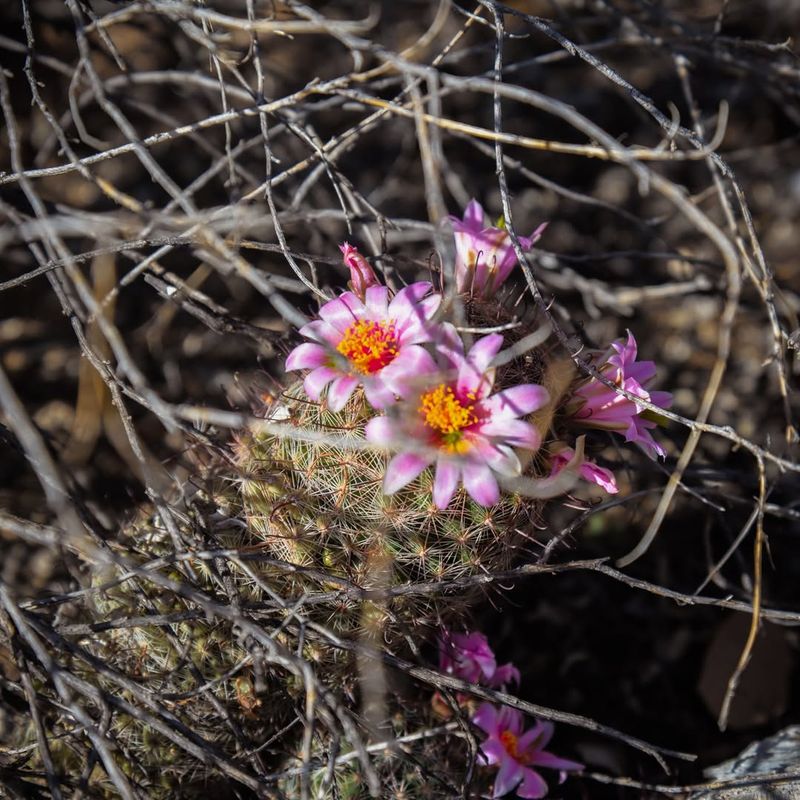
Feeding a dormant cactus ranks among the most common mistakes February gardeners make. Your Arizona Fishhook Cactus has shut down its growth systems for winter, which means it cannot use nutrients you add to the soil.
Unused fertilizer either washes away or builds up as salts that can burn roots once the plant wakes up.
Think of your cactus like a hibernating animal that does not eat while resting. Adding fertilizer now is like leaving food in front of something that cannot digest it.
The plant will not thank you for the extra effort, and you might create problems that take months to fix.
Arizona’s warm February days sometimes trick people into thinking spring has arrived early. Even if you see a few warm weeks, your Fishhook Cactus remains dormant until consistent warmth and longer daylight hours trigger new growth.
This typically happens in late March or April across most of the state.
Wait until you see clear signs of active growth before reaching for fertilizer. New growth appears as fresh green tissue at the top of the plant or new areoles forming along the ribs.
Once you spot this, you can begin a light feeding schedule using a diluted cactus fertilizer.
Using fertilizer too early forces the plant to process nutrients when it should be resting, which weakens it rather than strengthening it. Arizona gardeners who skip February feeding see healthier spring growth because the plant emerges from dormancy naturally.
Patience pays off with desert plants that operate on their own internal schedule rather than ours.
5. Inspect For Winter Rot At The Base
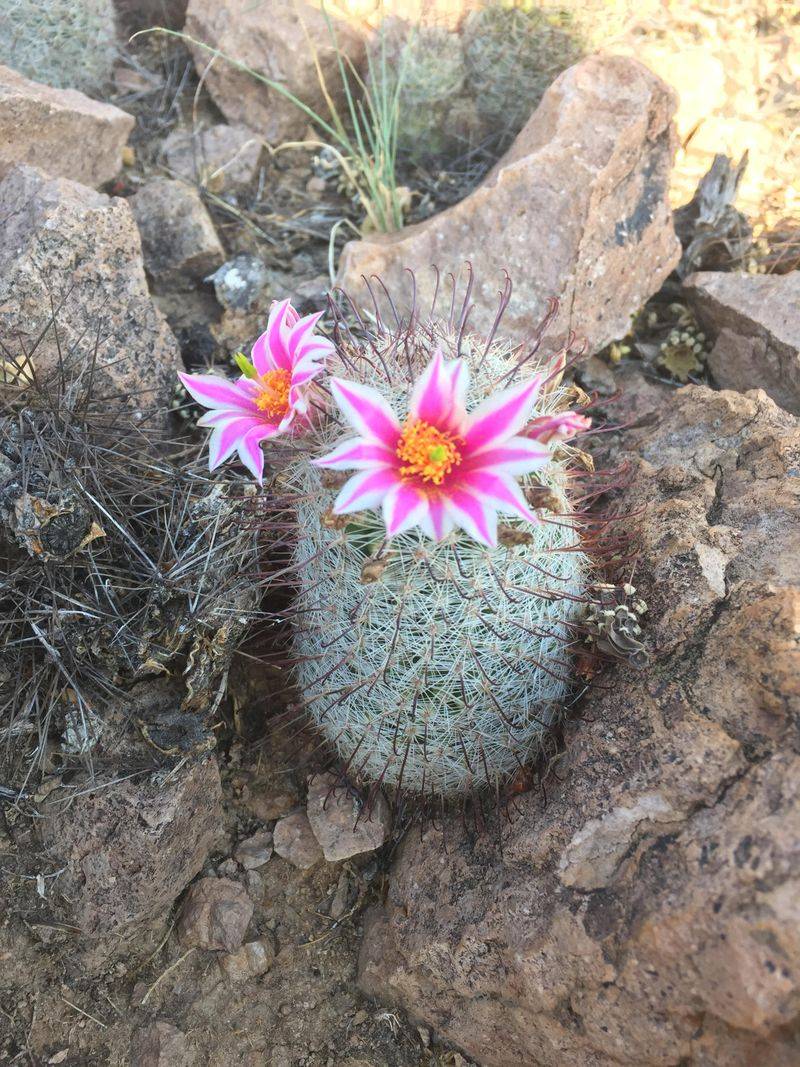
Rot sneaks up on cacti during winter because it develops slowly in cool conditions. Your Arizona Fishhook Cactus can harbor rot at the base for weeks before you notice something is wrong.
February is the perfect time to check because catching problems early means you can still save the plant.
Get down at soil level and examine where the cactus meets the ground or pot surface. Healthy tissue feels firm and looks consistent in color.
Soft spots, discoloration, or areas that feel mushy signal trouble brewing beneath the surface.
Winter rot usually starts from too much moisture combined with cool temperatures that slow the plant’s natural defenses. Arizona’s occasional winter rains can saturate soil that takes weeks to dry out when the cactus is not actively drinking.
Container plants with poor drainage face the same risk if water sits at the bottom of the pot.
If you spot suspicious areas, gently press the tissue with your finger. Healthy cactus flesh springs back, while rotting tissue stays indented or feels squishy.
Brown or black discoloration spreading upward from the base means rot is advancing and needs immediate attention.
Catching rot early lets you cut away affected tissue and let the plant heal. Waiting until spring means the damage spreads further as temperatures warm and bacterial activity increases.
Arizona gardeners should inspect their Fishhook Cactus at least twice during February, especially after rain or unusually cold periods. A quick check takes only a minute but can save months of regrowth if you catch problems before they become serious.
6. Make Sure The Pot Or Soil Drains Fast After Rain
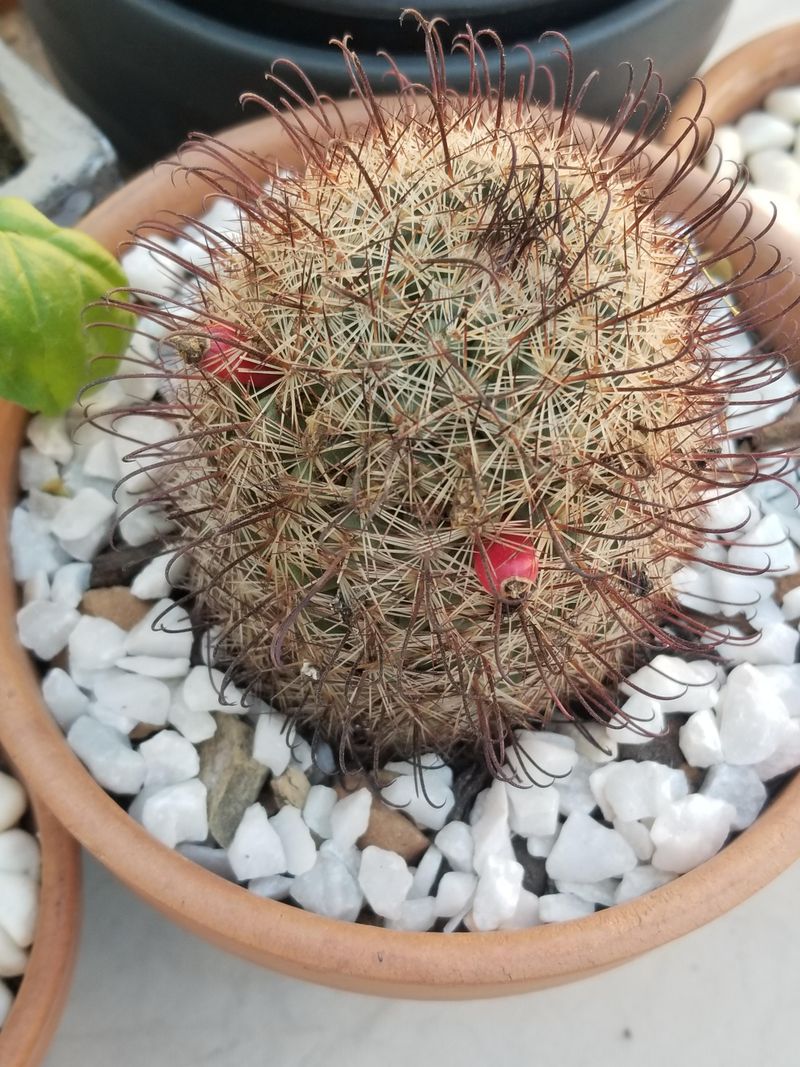
Drainage becomes absolutely critical during Arizona’s winter months when your Fishhook Cactus cannot process water quickly. Rain that would evaporate in summer sits in the soil for days or weeks during February’s cooler temperatures.
Standing water around dormant roots creates the perfect environment for rot and fungal problems.
Test your drainage by watering the plant lightly and watching how long it takes for water to disappear from the surface. Properly mixed cactus soil should absorb water within seconds and drain completely through the pot in under a minute.
Anything slower needs improvement before the next rain arrives.
Arizona’s native soil varies dramatically by region, from heavy clay in some valleys to pure sand in desert washes. If your Fishhook Cactus grows in the ground, the surrounding soil must drain as well as a container mix would.
Amend heavy soil with pumice, coarse sand, or decomposed granite to speed drainage.
Container plants need pots with multiple drainage holes that actually work. Check that holes are not blocked by roots or debris, and make sure your pot sits on feet or risers rather than flat on a surface.
Elevating the pot lets gravity pull water through and prevents it from sitting in a puddle underneath.
After February rains, check your cactus within 24 hours to ensure the soil has dried at the surface. If you still see moisture pooling or the soil feels soggy, you have a drainage problem that needs fixing immediately.
Arizona’s dry climate usually helps, but winter is the exception when slow drainage can cause fast damage.
7. Leave The Spines And Body Undisturbed During Dormancy
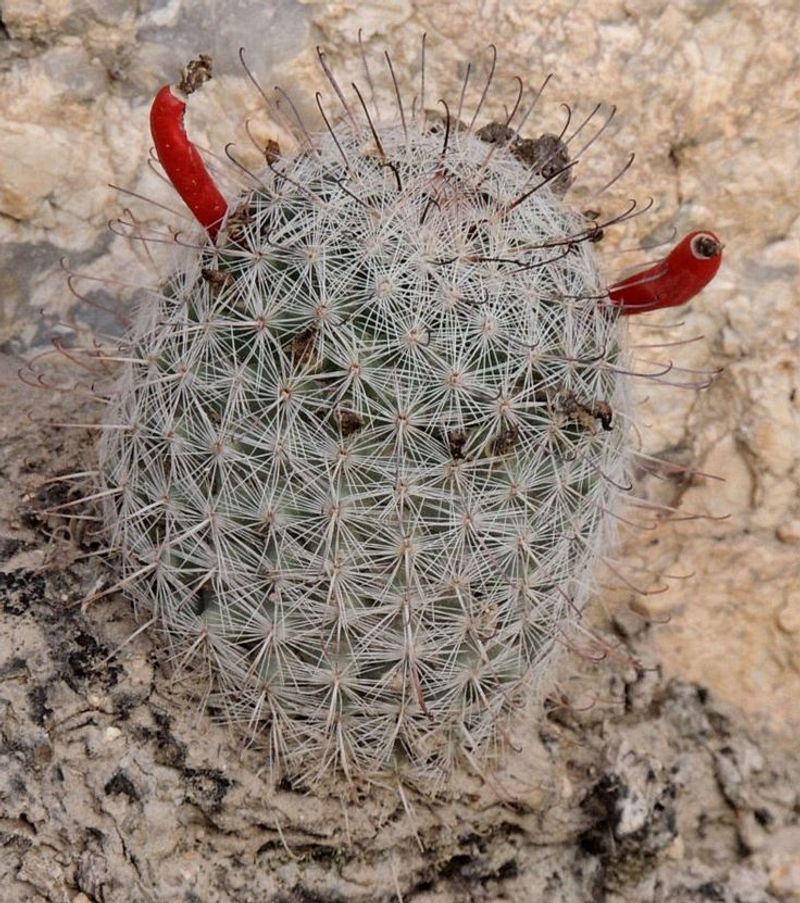
Dormancy means your Fishhook Cactus needs to be left completely alone except for basic monitoring. The plant has entered a rest state where it heals slowly and conserves all its energy.
Touching, moving, or manipulating the cactus during February interrupts this rest period and can cause stress that shows up as poor growth later.
Arizona gardeners sometimes feel tempted to clean off dust, remove old spines, or reposition plants during winter when other garden tasks slow down. Resist this urge with your Fishhook Cactus.
Even gentle handling can break tiny root hairs or disturb the plant’s internal processes.
The spines on your cactus serve important functions year-round, including providing shade and protecting the body from temperature extremes. February’s combination of bright sun and cold nights means those spines work overtime.
Removing damaged or broken spines creates entry points for disease and removes protection the plant needs right now.
If your cactus needs repotting or major position changes, wait until active growth resumes in spring. Moving a dormant plant shocks the roots and forces it to adapt when it should be resting.
Arizona’s mild February weather makes it seem like a good time for garden projects, but your cactus disagrees.
Simply observe your plant during this month rather than interacting with it. Take photos to track its condition, check for problems from a distance, and let it rest undisturbed.
The hands-off approach during dormancy leads to vigorous growth when spring arrives because the plant spent its energy on internal processes rather than recovering from unnecessary disturbances.