The 12 Flood-Resistant Perennials Louisiana Gardeners Rely On Every Rainy Season
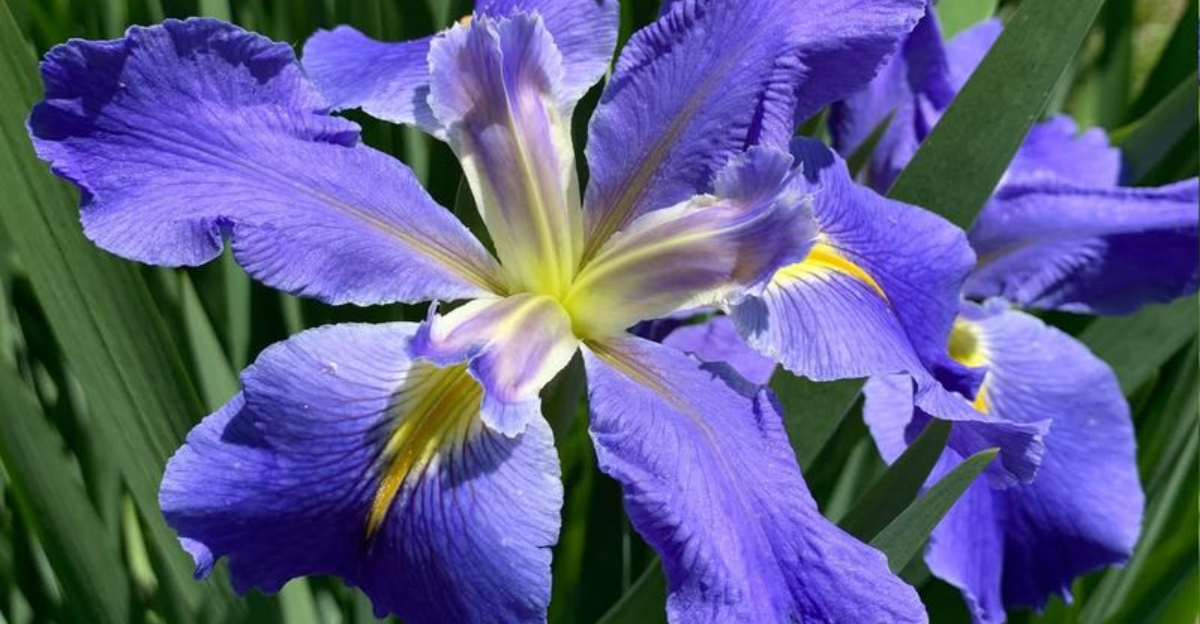
Louisiana gardens face unique challenges when heavy rains arrive and floodwaters rise above the soil line each year during storm season.
Smart gardeners across the state have learned which perennial plants can handle soggy conditions and still produce beautiful blooms year after year.
These tough plants don’t just survive wet weather but actually thrive in saturated soil where other garden favorites would struggle badly.
Choosing flood-resistant perennials means less replanting work for you and a garden that stays colorful even during the rainiest months ahead.
1. Swamp Milkweed
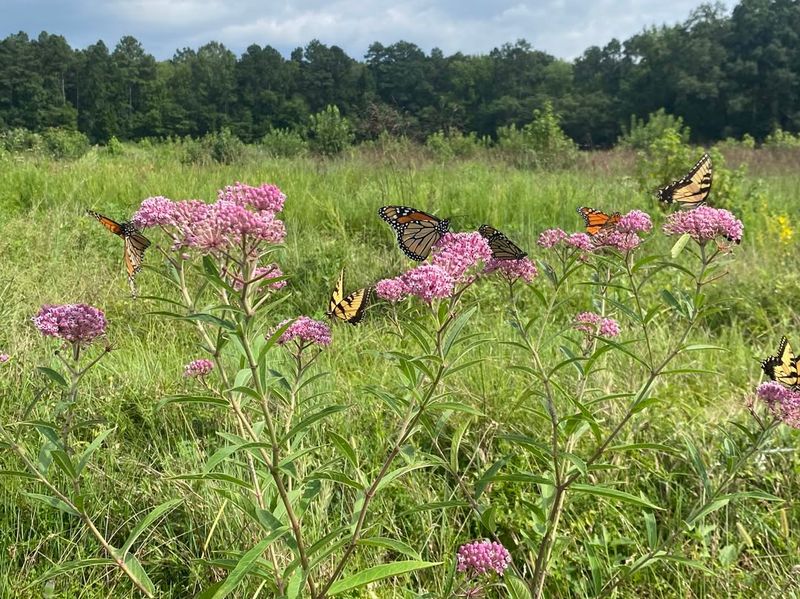
Butterflies flock to this native beauty when its pink blooms open up during summer months across gardens throughout Louisiana and neighboring states.
Swamp Milkweed earned its name because it naturally grows in marshes, ditches, and areas where water pools after big rainstorms hit.
Gardeners appreciate how this perennial bounces back quickly even after spending days submerged under several inches of standing floodwater from storms.
Monarch butterflies depend on milkweed species for laying eggs, making this plant essential for supporting important pollinators in your backyard space.
The clusters of fragrant flowers range from dusty pink to mauve, creating eye-catching displays that last several weeks during peak season.
Plant it in full sun where soil stays consistently moist, and watch it reach heights between three and four feet tall.
This Louisiana favorite requires minimal care once established and will spread gradually to fill in bare spots in your wet garden areas.
Seed pods form after flowers fade, splitting open in fall to release fluffy seeds that float away on gentle breezes across yards.
2. Louisiana Iris
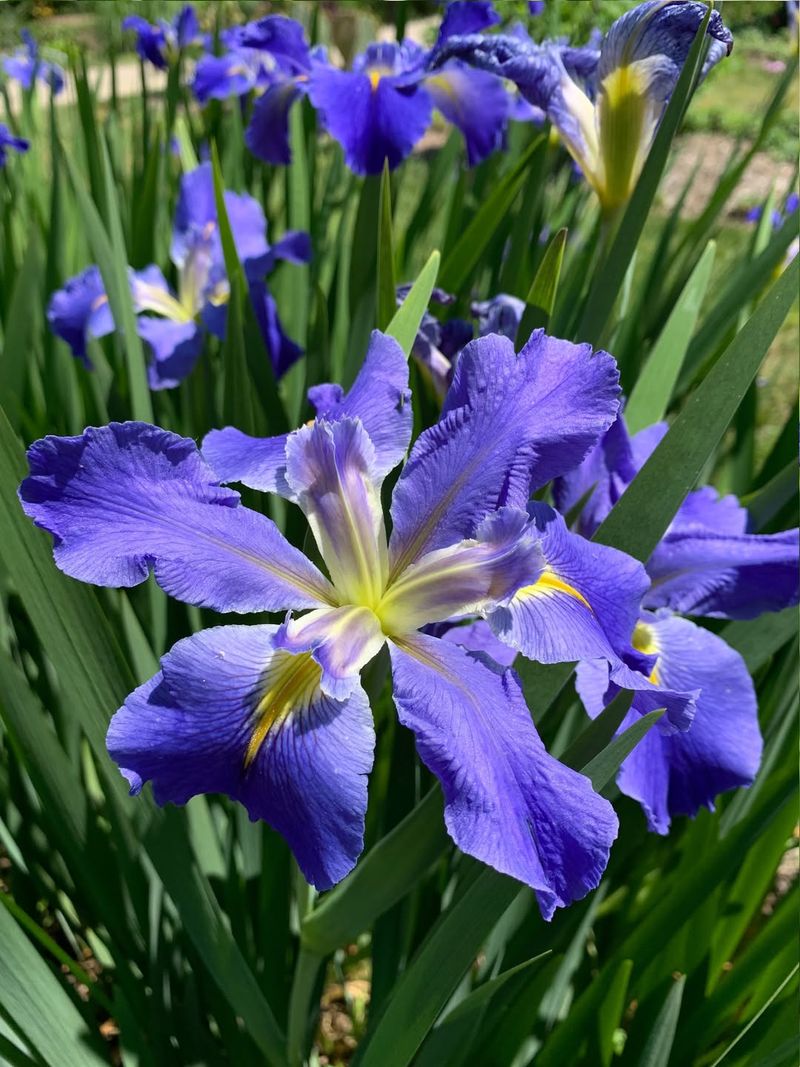
Named after the state itself, this iris species showcases some of the most spectacular color combinations found anywhere in American wetland gardens today.
Five different wild species combine to create modern hybrids that display petals in purple, red, yellow, white, and nearly every shade imaginable.
Louisiana Iris plants actually prefer having their roots in water, making them perfect for areas that flood regularly during spring and summer.
Blooms appear in late spring, transforming soggy garden spots into stunning displays that rival any fancy flower show you might attend elsewhere.
These perennials grow from rhizomes that spread slowly over time, forming larger clumps that produce more flowers with each passing growing season.
Gardeners in flood-prone areas find these iris varieties far more reliable than bearded types that rot quickly when soil stays too wet.
Plant them along pond edges, in rain gardens, or anywhere water collects after storms pass through your neighborhood or rural property.
The sword-shaped foliage stays attractive even after flowering ends, providing vertical interest in landscape beds throughout the entire warm weather season.
3. Pickerelweed
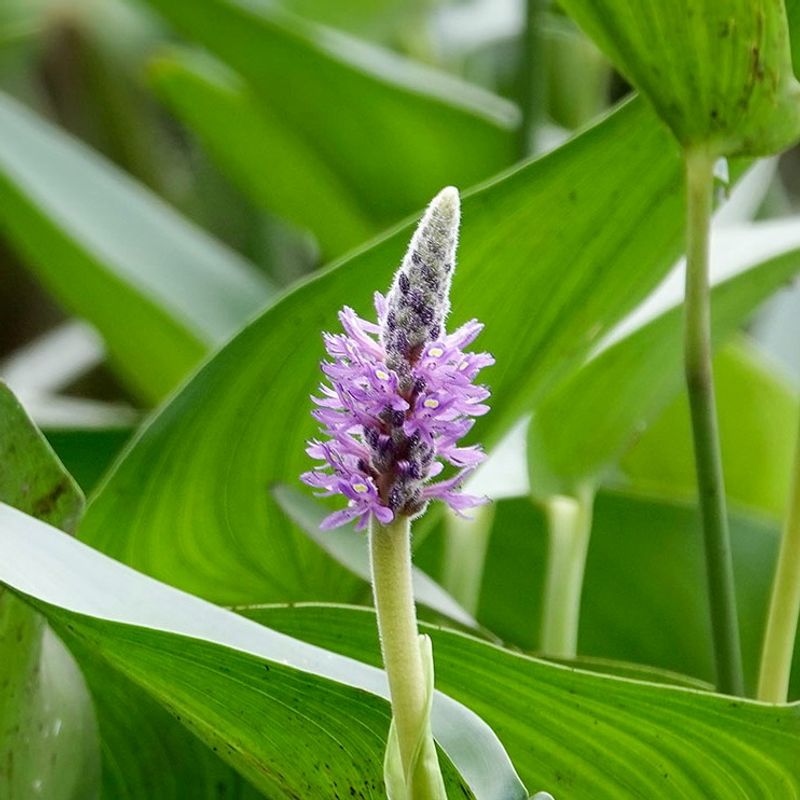
Spikes of violet-blue flowers rise above heart-shaped leaves, creating a striking aquatic display that attracts bees and beneficial insects all summer long.
Pickerelweed grows naturally in shallow water along bayous and streams throughout Louisiana, proving its ability to handle extreme moisture conditions without problems.
This perennial can grow directly in standing water up to six inches deep, making it ideal for garden areas that flood repeatedly.
The glossy green foliage emerges early in spring, providing habitat and cover for frogs, dragonflies, and other beneficial creatures in your yard.
Each flower spike blooms for several weeks, and new spikes continue forming throughout summer, ensuring constant color in your wettest garden spots.
Louisiana gardeners often plant Pickerelweed in containers submerged in small ponds or along the edges of water features for easy maintenance.
Seeds form after flowering and provide food for waterfowl and other wildlife that visit your property during migration or nesting seasons each year.
This tough native plant requires no fertilizer and virtually no care once established, making it perfect for low-maintenance landscape designs everywhere.
4. Cardinal Flower
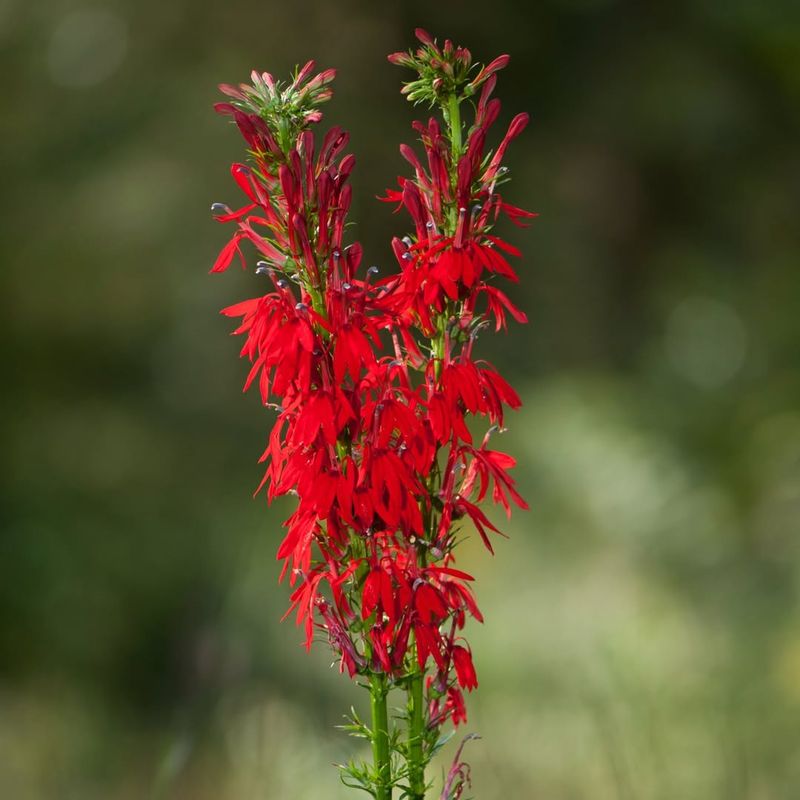
Hummingbirds can spot the brilliant scarlet blooms from impressive distances, zooming straight to these nectar-rich flowers for their favorite sweet meal daily.
Cardinal Flower produces some of the most intensely red blooms found in any North American native plant, creating dramatic focal points everywhere.
Growing naturally along stream banks and in wet meadows, this perennial proves itself capable of surviving floods that would drown less adapted species.
Flower spikes reach two to three feet tall, rising above rosettes of dark green leaves that stay attractive throughout the entire growing period.
Blooming occurs in mid to late summer when many other perennials have finished flowering, providing important color when gardens need it most.
Louisiana gardeners plant Cardinal Flower in partial shade where afternoon sun won’t scorch the foliage, especially in southern parts of the state.
The tubular flowers open from bottom to top along each spike, extending the blooming period for several weeks of continuous hummingbird entertainment.
This short-lived perennial self-seeds readily in moist soil, ensuring new plants appear each year to replace older ones that naturally fade away.
5. Blue Flag Iris
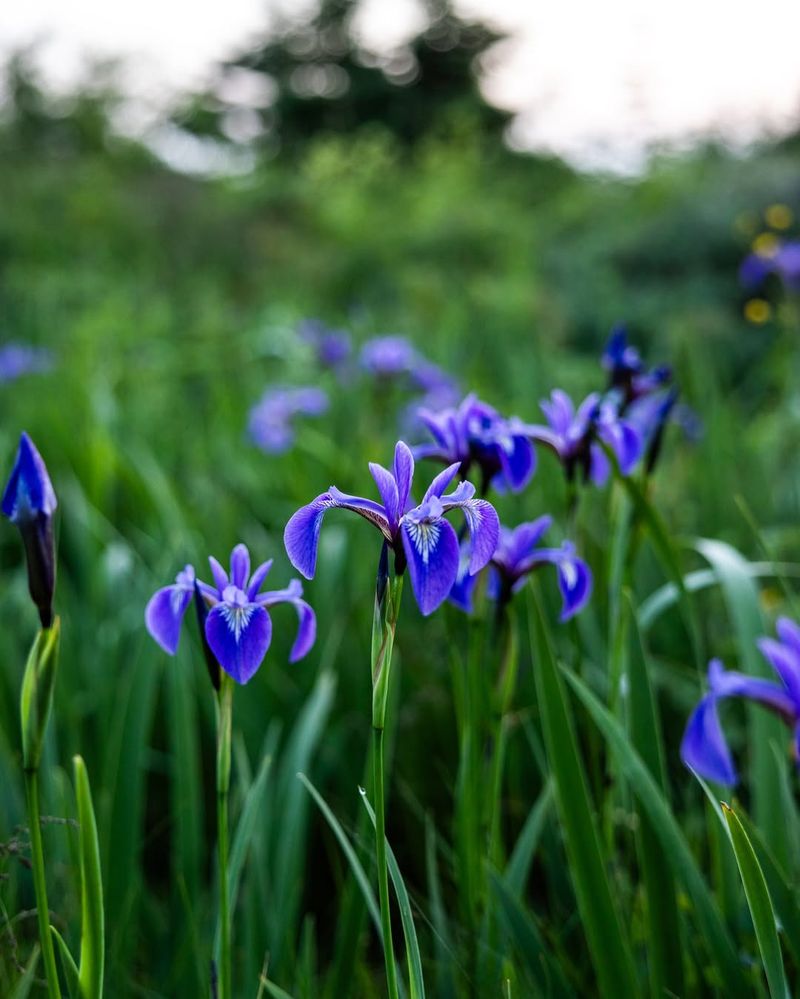
Elegant violet-blue petals marked with yellow and white create classic iris flowers that have graced American wetlands for thousands of years naturally.
Blue Flag Iris thrives in areas where water stands for extended periods, making it perfect for Louisiana gardens that experience regular seasonal flooding.
This native species grows wild in marshes and along waterways throughout the eastern United States, proving its incredible adaptability to wet conditions.
Flowers appear in late spring, providing important early-season color when gardens are just beginning to wake up from winter dormancy periods everywhere.
The rhizomes spread slowly to form attractive clumps that increase flower production each year, rewarding patient gardeners with bigger and better displays.
Plant Blue Flag Iris in full sun to partial shade, choosing spots where soil stays consistently moist or even slightly submerged year-round.
Narrow blade-like foliage provides vertical texture in garden beds even after blooming ends, complementing other perennials with different leaf shapes and textures.
This tough iris requires almost no maintenance once established, resisting common pests and diseases that trouble other ornamental plants in southern landscapes.
6. Joe Pye Weed
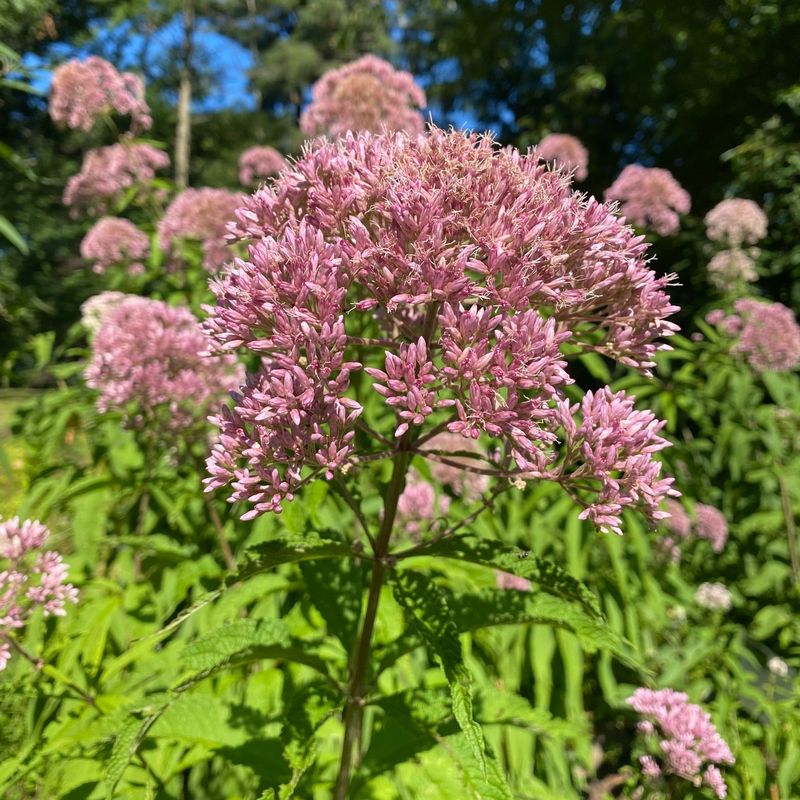
Towering stems reach heights of five to seven feet, creating impressive vertical accents that transform ordinary wet spots into dramatic garden features.
Joe Pye Weed blooms in late summer when most other perennials have finished, providing crucial nectar sources for butterflies preparing for fall migration.
The large dome-shaped flower clusters appear in shades of dusty rose and mauve, attracting dozens of butterfly species including swallowtails and monarchs.
Louisiana gardeners value this native plant for its ability to handle both flooding and occasional drought once roots establish deeply in the ground.
Vanilla-scented flowers fill the air with subtle fragrance on warm evenings, adding another sensory dimension to your outdoor living spaces.
Plant it at the back of borders where its impressive height won’t shade out shorter companions growing nearby in your landscape design.
The sturdy stems rarely need staking even in windy conditions, standing strong through summer thunderstorms that flatten less robust perennials quickly.
Seed heads remain attractive through winter, providing food for birds and architectural interest when other plants have gone completely dormant until spring.
7. Marsh Hibiscus
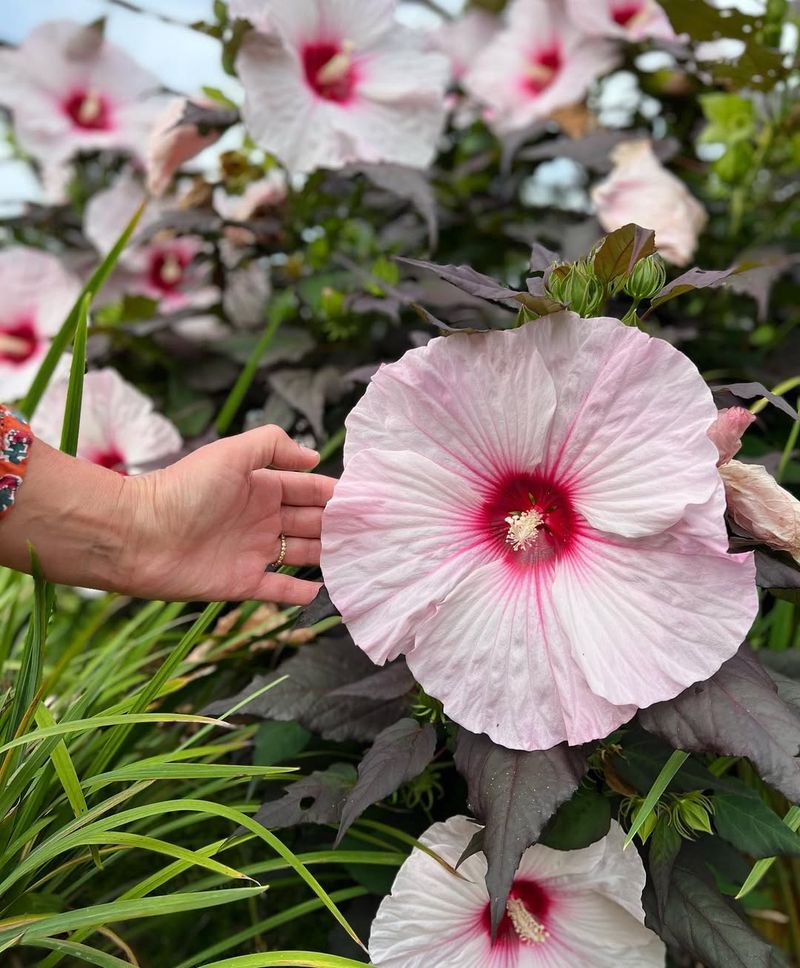
Dinner-plate sized blooms measuring up to eight inches across make this native hibiscus one of the most show-stopping perennials for wet Louisiana gardens.
Marsh Hibiscus produces flowers in shades of pink, white, and red, often with contrasting centers that create stunning focal points anywhere.
Each individual bloom lasts only one day, but plants produce so many buds that fresh flowers open daily throughout the entire summer.
Growing naturally in coastal marshes and along river edges, this perennial proves its exceptional tolerance for saturated soil and periodic flooding conditions.
Louisiana gardeners appreciate how this plant emerges late in spring, avoiding confusion about whether it survived winter when other perennials already show growth.
Plant Marsh Hibiscus in full sun where it receives at least six hours of direct light daily for maximum flower production and healthiest growth.
The large leaves provide bold texture in garden designs, creating interesting contrast when planted alongside fine-textured companions like ornamental grasses or ferns.
This carefree perennial requires no deadheading or special care, rewarding even novice gardeners with spectacular results in challenging wet locations throughout the region.
8. Obedient Plant
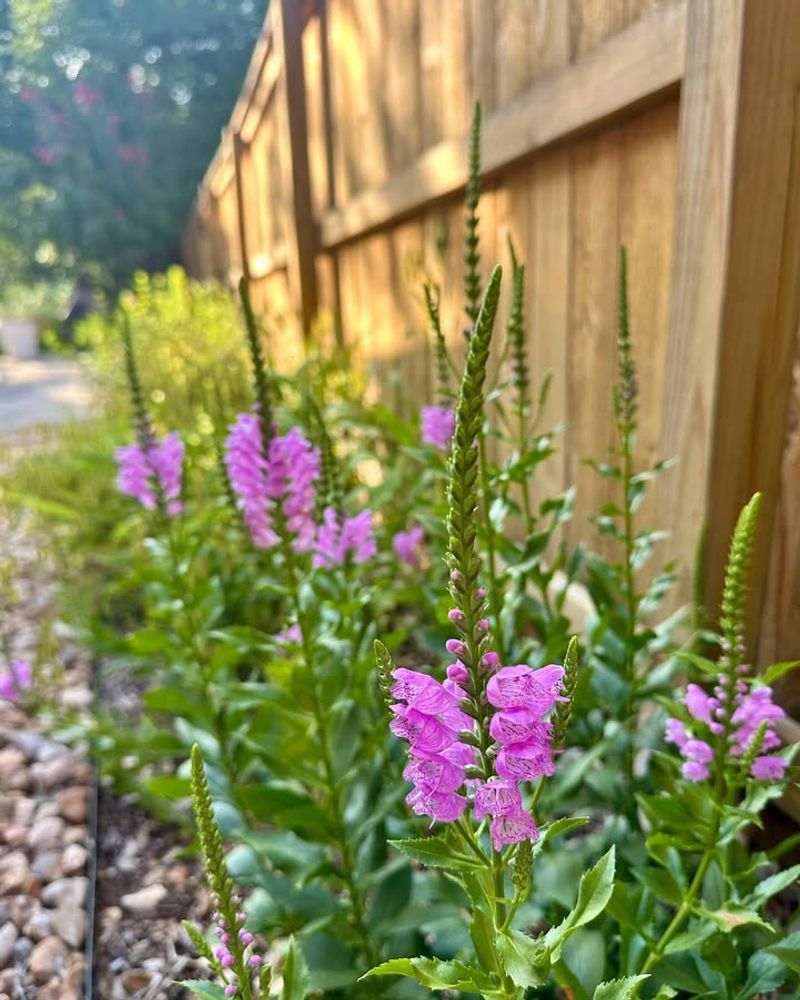
Tubular flowers arranged in neat rows along square stems can be pushed gently to new positions, staying put wherever you move them.
Obedient Plant earned its charming name from this unusual characteristic, entertaining children and curious visitors who discover this fun interactive garden feature.
Blooming occurs in late summer through fall, providing important color when many Louisiana gardens begin looking tired from summer heat and humidity.
The pink, purple, or white flowers attract hummingbirds and long-tongued bees that can reach the nectar hidden deep inside each tubular bloom.
Growing naturally in moist meadows and along stream banks, this native perennial handles flooding with ease, bouncing back quickly after water recedes.
Louisiana gardeners sometimes find this plant spreads vigorously through underground rhizomes, filling in bare spots but occasionally requiring control in smaller spaces.
Plant it in areas where you want coverage and don’t mind its enthusiastic spreading habit, or grow it in containers to limit expansion.
The upright stems reach two to four feet tall, creating vertical interest without requiring staking even during windy weather or heavy rain events.
9. Cinnamon Fern
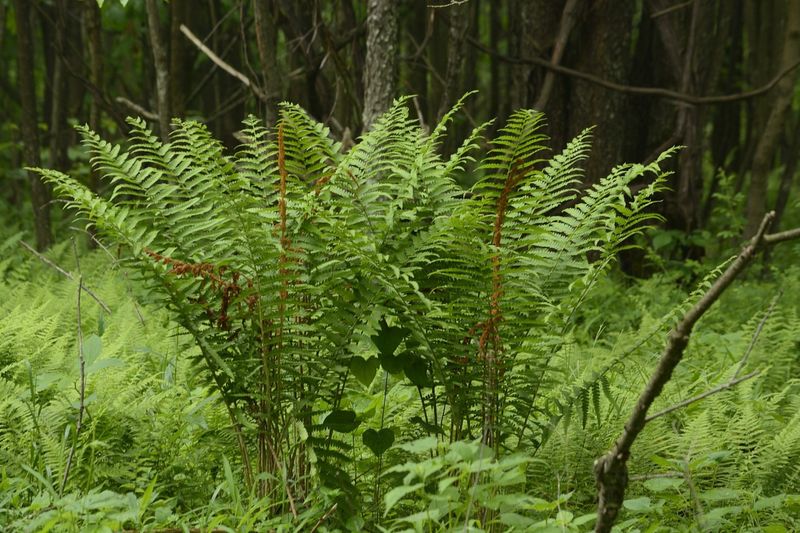
Bright green fronds unfurl like fiddle heads in early spring, creating lush tropical-looking displays in shady spots where few flowering plants succeed.
Cinnamon Fern gets its name from the distinctive rust-colored fertile fronds that emerge from the center of each plant in mid-spring season.
Growing naturally in swamps and wet woodlands throughout Louisiana, this native fern proves its exceptional ability to tolerate saturated soil conditions year-round.
The sterile fronds form a vase-shaped clump reaching three to four feet tall, providing bold texture that contrasts beautifully with fine-leaved companions.
Louisiana gardeners value this fern for bringing life to deeply shaded areas under trees where grass refuses to grow and flowers struggle.
Cinnamon Fern requires no fertilizer and virtually no care once established, making it perfect for low-maintenance landscapes throughout the entire region.
The fronds turn golden bronze in fall before fading away, adding seasonal interest to shady garden spots during autumn months each year.
Plant it in consistently moist to wet soil enriched with organic matter, spacing clumps three feet apart for best growth and visual impact.
10. River Oats
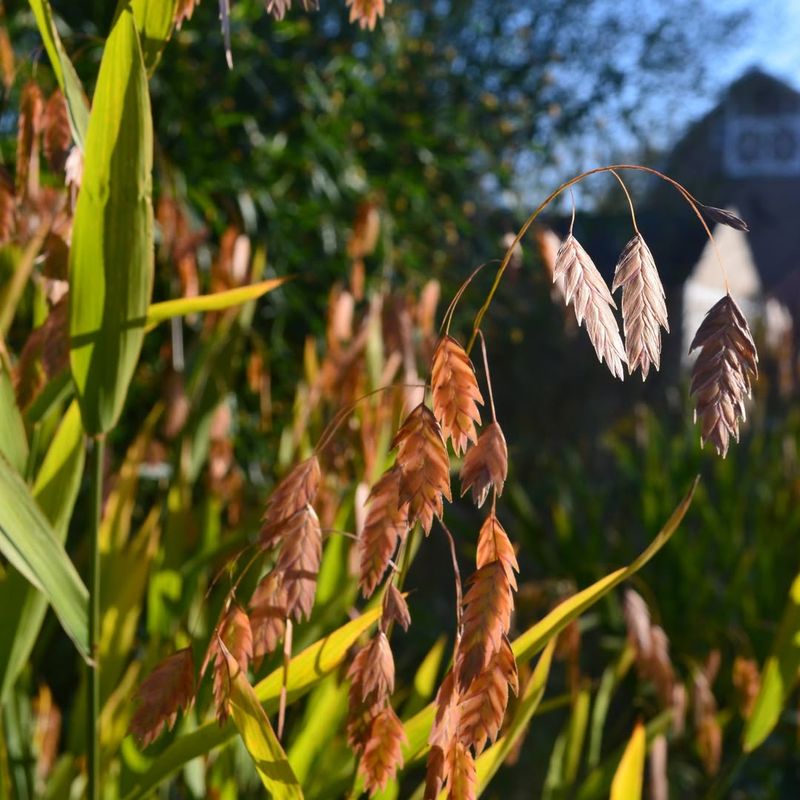
Bamboo-like foliage and distinctive flat seed heads create movement and sound in gardens, rustling musically with every breeze that passes through them.
River Oats produces drooping seed heads that dangle from arching stems like decorative ornaments, adding unique interest to wet garden areas everywhere.
Growing naturally along stream banks and in bottomland forests, this native grass demonstrates remarkable tolerance for both flooding and occasional dry spells.
The seed heads emerge green in summer, gradually turning bronze and copper as fall approaches, providing changing seasonal color without extra effort.
Louisiana gardeners appreciate how this grass grows in shade, unlike most ornamental grasses that demand full sun for best performance and appearance.
Birds enjoy the nutritious seeds throughout fall and winter, making this plant valuable for wildlife-friendly landscape designs in both urban and rural settings.
River Oats spreads slowly by rhizomes and self-seeding, filling in bare spots without becoming aggressively invasive like some non-native ornamental grasses do.
The seed heads remain attractive through winter, catching snow and frost for beautiful seasonal displays until spring growth begins again each year.
11. Spider Lily
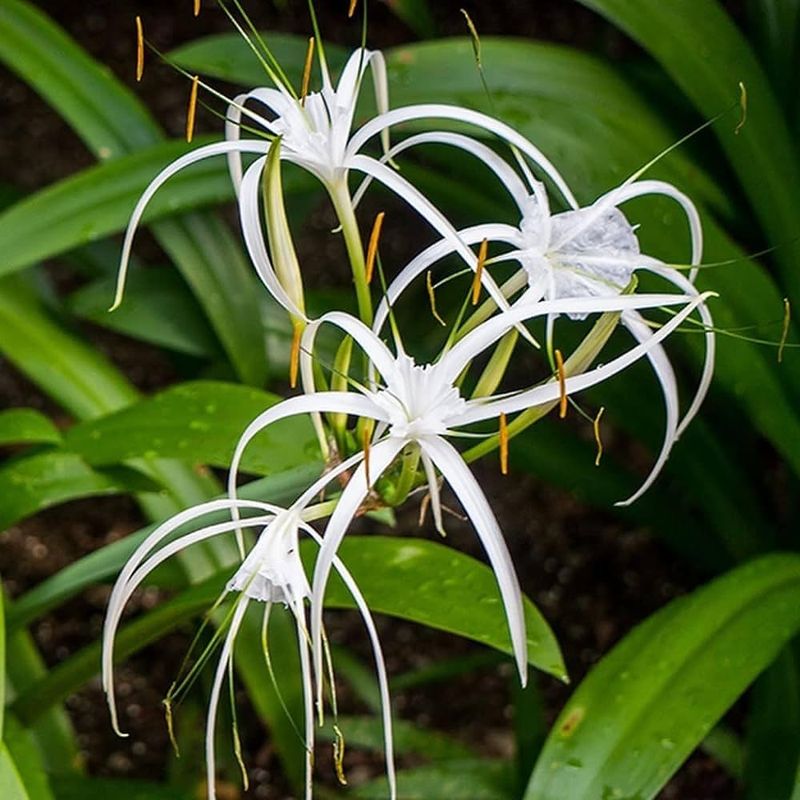
Exotic white flowers with long spidery petals appear suddenly in late summer, rising on leafless stems like ghostly apparitions in the landscape.
Spider Lily grows from bulbs that remain dormant underground for months before sending up dramatic flower stalks seemingly overnight after summer rains arrive.
Native to wet areas throughout the southeastern United States, these bulbs actually thrive in locations that flood periodically during rainy seasons each year.
The fragrant white blooms often appear before the foliage emerges, creating surprising displays in spots that looked completely bare just days earlier.
Louisiana gardeners treasure these unusual perennials for their ability to naturalize in wet areas, forming larger colonies that produce more flowers annually.
Each flower lasts only a few days, but multiple blooms open in succession, extending the flowering period for several weeks during late summer.
Plant bulbs in spring or early summer in locations where soil stays moist, spacing them about six inches apart for best visual effect.
The strap-like foliage appears after flowering and persists through fall, gathering energy from the sun to fuel next season’s spectacular bloom display.
12. Lizard’s Tail
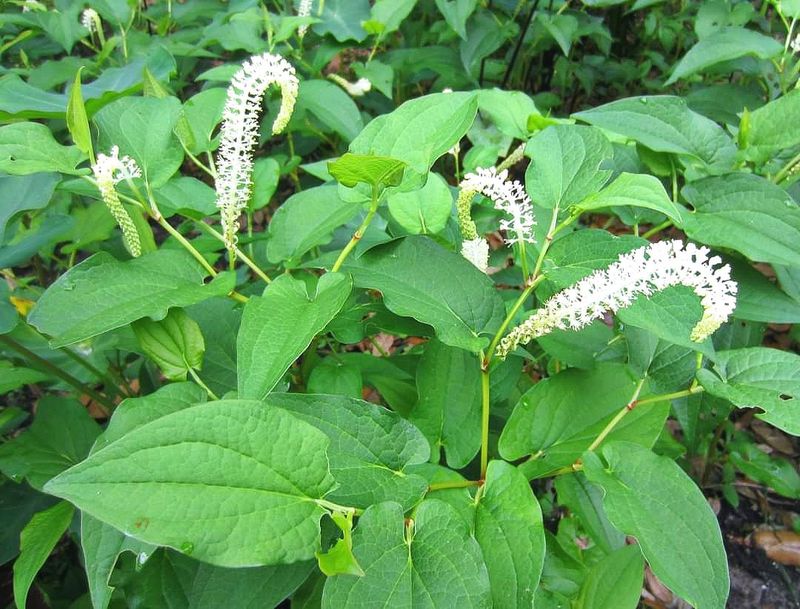
Curved white flower spikes resemble their namesake reptile appendages, drooping gracefully above heart-shaped leaves in wet garden spots throughout the growing season.
Lizard’s Tail grows naturally in swamps, marshes, and along stream edges where water stands or flows slowly, proving its exceptional flood tolerance.
The fragrant flowers bloom throughout summer, attracting bees and other pollinators to gardens even in locations most flowering plants cannot tolerate successfully.
Louisiana gardeners plant this native perennial in areas that stay wet year-round, including shallow water up to several inches deep beside ponds.
Heart-shaped leaves create dense groundcover that helps prevent erosion along slopes and banks where water runoff causes problems during heavy rain events.
This low-maintenance perennial spreads by rhizomes to form colonies, filling in bare muddy spots that would otherwise remain unattractive empty spaces.
The flowers produce small fruits that provide food for waterfowl and other wildlife visiting your property during migration or throughout the entire year.
Plant Lizard’s Tail in sun to partial shade where soil remains constantly saturated, and watch it transform problem areas into beautiful wetland gardens.