The Flower-Filled Front Yard Trend Growing Fast In Indiana
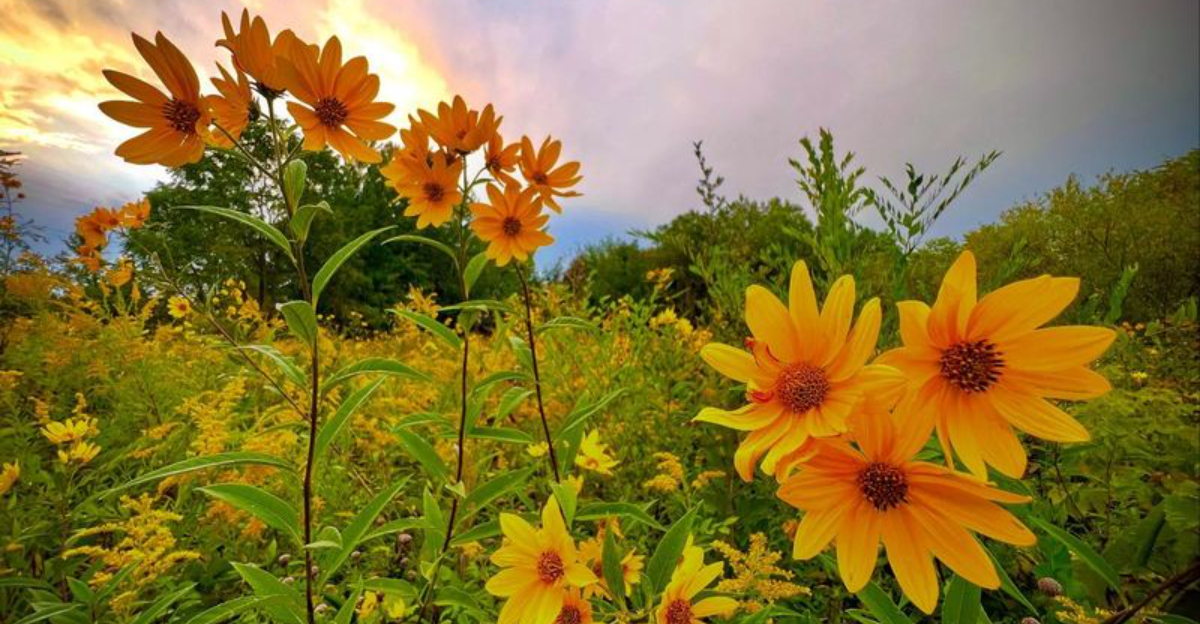
Front yards across Indiana are transforming into colorful gardens that catch everyone’s eye as they drive or walk by.
More homeowners are ditching traditional grass lawns and planting vibrant flowers that bloom throughout the seasons.
This growing trend is changing neighborhoods into beautiful outdoor spaces filled with native plants, wildflowers, and pollinator-friendly blooms.
From small towns to bigger cities in Indiana, flower-filled front yards are becoming the new normal, and there are some important facts you should know about this exciting movement.
Native Plants Are Leading The Movement
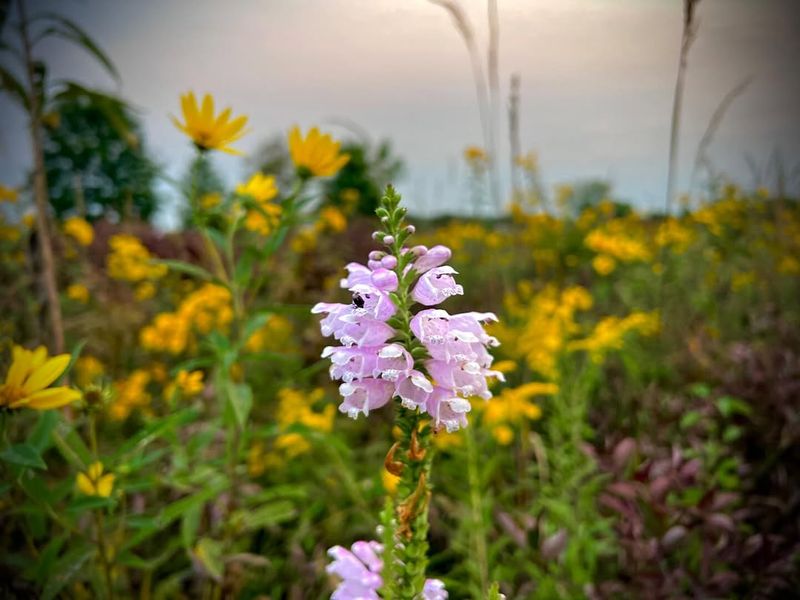
Homeowners throughout Indiana are choosing native plants because they thrive naturally in the local climate without much fuss.
Purple coneflowers, black-eyed Susans, and wild bergamot are popping up everywhere because they need less water and fertilizer than traditional lawn grass.
Native species have deep roots that help prevent soil erosion and filter rainwater before it reaches local streams and rivers.
These plants evolved alongside Indiana’s weather patterns, so they handle hot summers and cold winters without special protection or care.
Wildlife benefits tremendously since native flowers provide food and shelter that local insects, birds, and butterflies recognize and depend on.
Garden centers across Indiana now dedicate entire sections to native plants because demand has skyrocketed in recent years.
Choosing native varieties means your front yard becomes part of a larger ecosystem that supports biodiversity.
Many neighborhoods in Indiana are seeing clusters of native plant gardens that create wildlife corridors connecting different green spaces.
This approach reduces maintenance time while creating stunning displays that change with each season.
Native plants represent a smart, sustainable choice that benefits both your property and the environment.
Pollinator Gardens Are Gaining Popularity
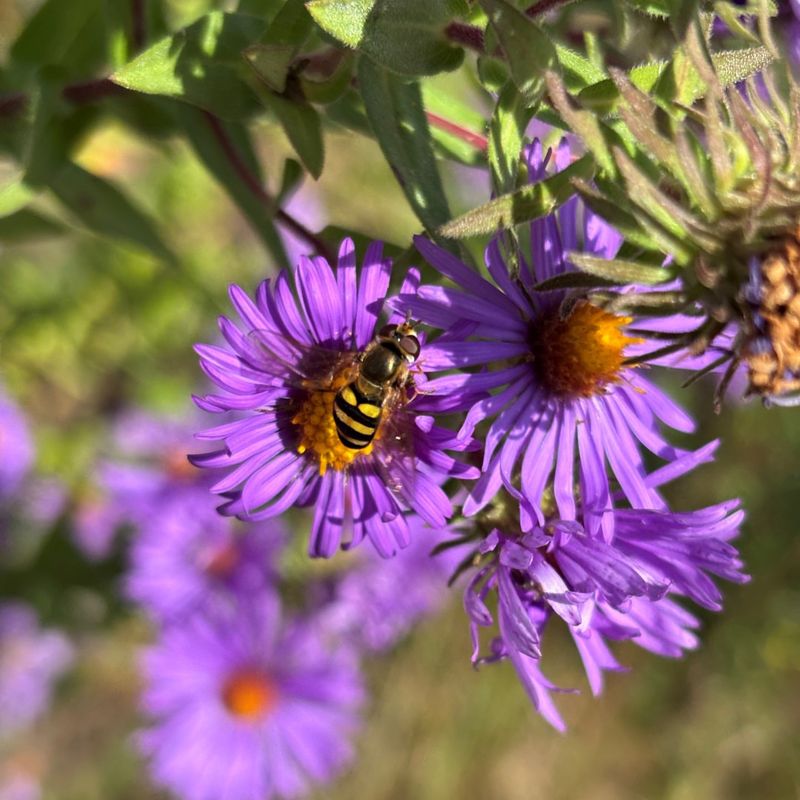
Butterfly bushes, milkweed, and bee balm are showing up in front yards as residents become more aware of declining pollinator populations.
Creating spaces specifically designed to attract bees, butterflies, and hummingbirds has become a badge of honor for environmentally conscious homeowners.
These gardens provide essential nectar and pollen sources that pollinators need to survive and reproduce successfully.
Indiana gardeners are learning which flower colors and shapes attract different pollinators, making their plant selections more strategic and purposeful.
Monarch butterflies particularly benefit from milkweed plants, which serve as the only food source for their caterpillars.
Front yard pollinator gardens often feature blooms that open at different times, ensuring food is available from early spring through late fall.
Local garden clubs and extension offices offer workshops teaching Indiana residents how to design effective pollinator habitats.
Children love watching butterflies and bees visit the flowers, making these gardens excellent outdoor classrooms for families.
Many communities now participate in pollinator pathway projects that connect individual gardens into larger networks across Indiana.
This trend combines beauty with purpose, transforming ordinary yards into vital conservation spaces.
Lawn Alternatives Save Time And Resources
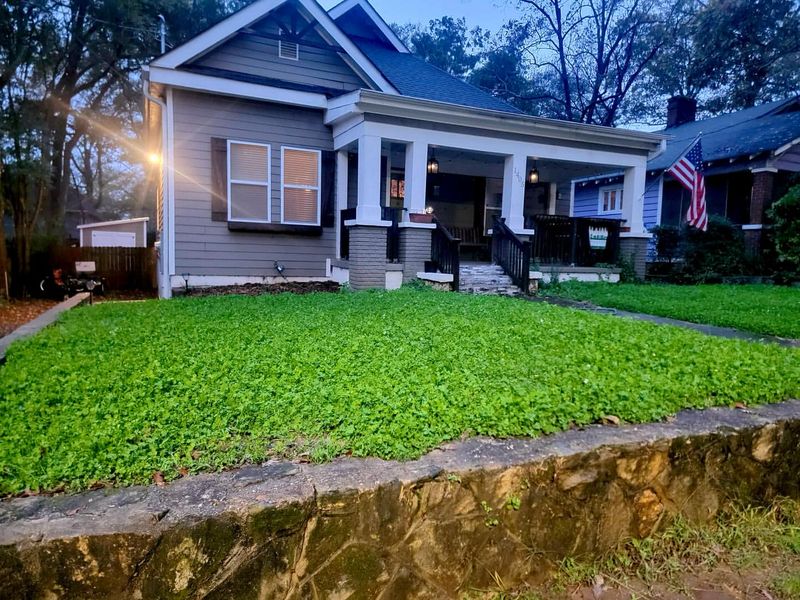
Traditional grass lawns require constant mowing, watering, and chemical treatments that consume countless hours and dollars each year.
Flower-filled alternatives dramatically reduce these demands while creating more interesting and colorful landscapes throughout Indiana.
Clover, creeping thyme, and other ground covers stay low without mowing and actually improve soil health over time.
Water bills drop significantly because most flowering plants need far less irrigation than thirsty turf grass during Indiana’s sometimes dry summers.
Eliminating or reducing lawn areas means less gasoline consumption from mowers and fewer emissions polluting the air.
Homeowners report spending weekends enjoying their yards instead of maintaining them, which improves quality of life considerably.
Fertilizer and pesticide use decreases when diverse plantings replace monoculture lawns, protecting groundwater and nearby waterways.
Many Indiana municipalities are updating ordinances to allow and even encourage lawn alternatives in residential areas.
Initial installation requires some effort, but established flower gardens practically take care of themselves compared to traditional lawns.
This practical approach appeals to busy families and retirees alike who want beautiful yards without endless maintenance.
Property Values Are Showing Positive Impact
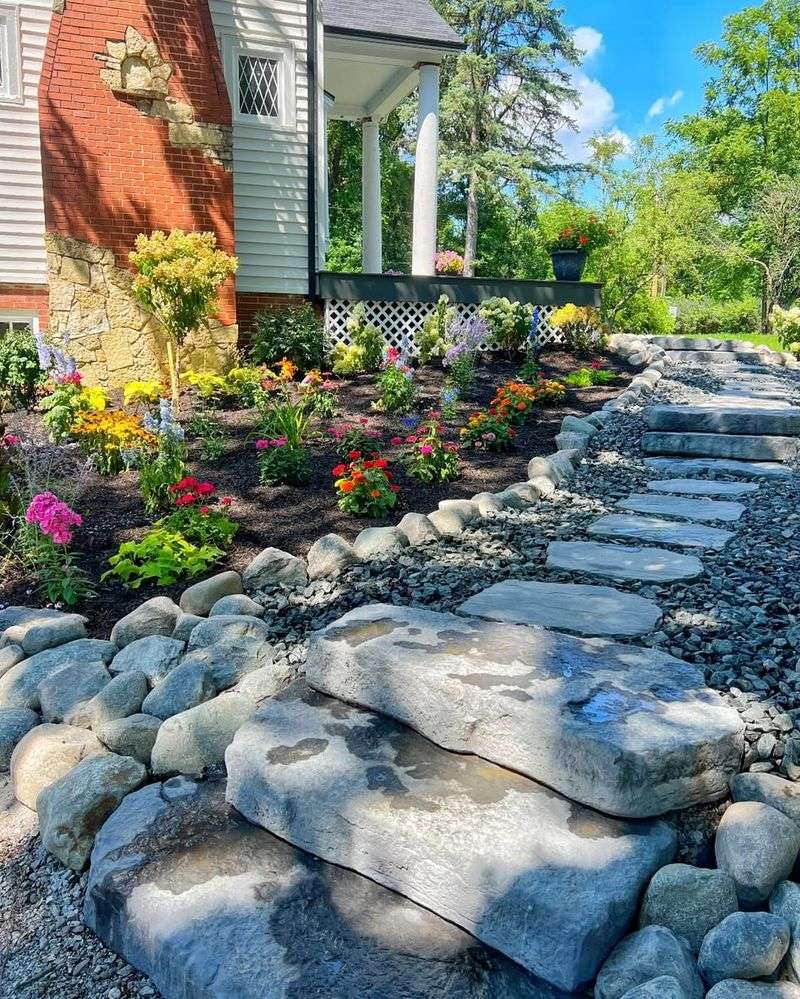
Real estate agents across Indiana notice that homes with thoughtfully designed flower gardens often attract more buyers and higher offers.
Curb appeal gets a major boost when colorful blooms replace plain grass, making properties stand out in competitive housing markets.
Well-maintained flower gardens signal to potential buyers that homeowners care about their property and the surrounding neighborhood.
Appraisers sometimes add value for professional landscaping that includes diverse plantings and attractive hardscaping features.
Neighborhoods where multiple homes embrace this trend often see overall property values rise as the area becomes more desirable.
Buyers increasingly seek eco-friendly features, and pollinator gardens check that box while providing visual appeal throughout the seasons.
Front yard gardens create memorable first impressions that help homes sell faster than similar properties with standard lawns.
Investment in quality plants and design typically returns multiples when homeowners decide to sell their Indiana properties.
Local landscapers report increased requests for consultations on converting lawns to flower gardens before listing homes for sale.
This trend proves that environmental benefits and financial gains can go hand in hand for Indiana homeowners.
Community Support Networks Are Forming
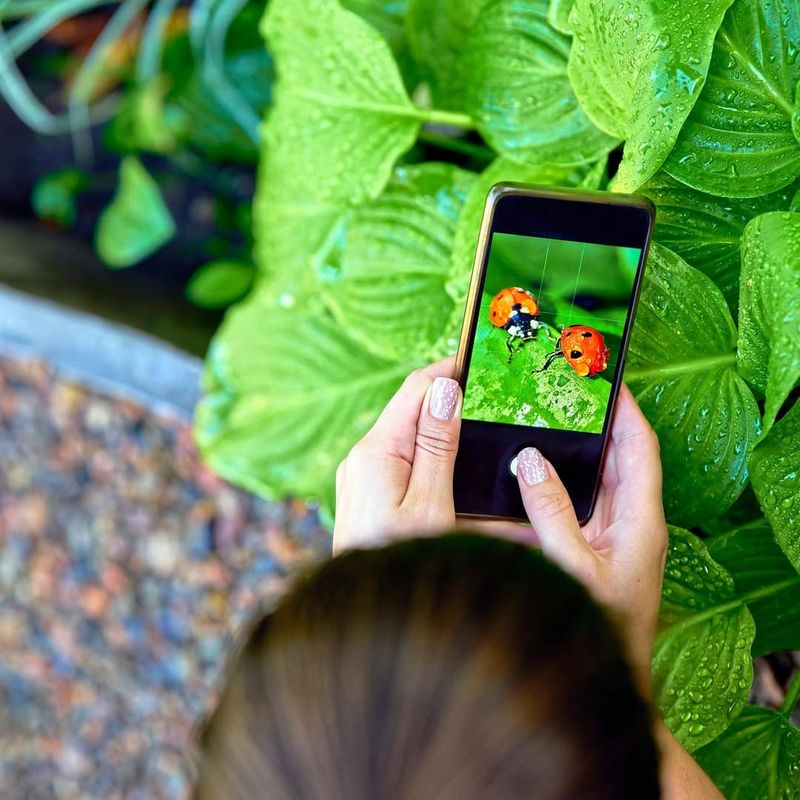
Garden clubs and neighborhood groups throughout Indiana are organizing plant swaps where members exchange seeds, cuttings, and advice freely.
Social media groups dedicated to Indiana gardening have exploded in popularity, connecting thousands of flower enthusiasts across the state.
Experienced gardeners mentor newcomers, sharing knowledge about what grows best in specific Indiana regions and soil types.
Community garden tours showcase successful front yard transformations, inspiring others to start their own flower-filled projects.
Local libraries host seed libraries where residents can borrow seeds, grow plants, and return seeds from their harvest for others.
Neighborhood challenges encourage friendly competition for the most colorful displays, bringing communities closer together through shared interests.
Extension offices provide free soil testing and personalized recommendations to help Indiana gardeners succeed with their planting plans.
Online forums buzz with questions and answers about pest management, plant identification, and seasonal care specific to Indiana’s climate.
These support networks make the transition from lawn to flower garden less intimidating for people who lack gardening experience.
Collective knowledge sharing accelerates the trend’s growth as success stories spread through connected communities across Indiana.
Seasonal Color Extends Beyond Spring
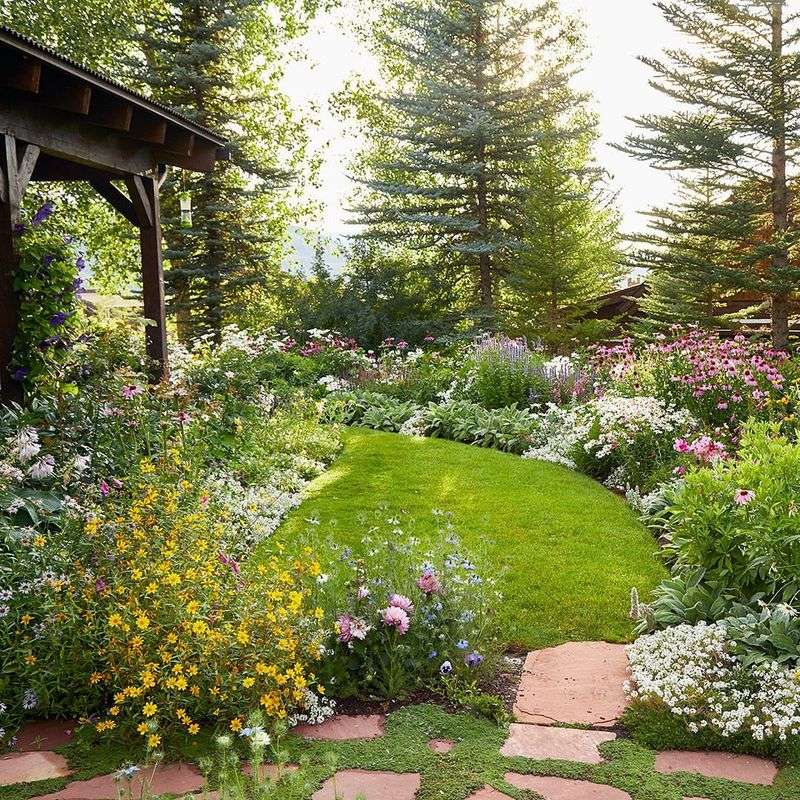
Smart plant selection ensures Indiana front yards display color from early spring bulbs through late-falling asters and ornamental grasses.
Tulips and daffodils kick off the growing season, followed by peonies and irises that bridge into summer’s abundance.
Black-eyed Susans, coneflowers, and daylilies dominate the hot months, providing reliable color even during Indiana’s most challenging weather.
Fall brings a second wave of interest with sedums, mums, and native asters that bloom when most lawns turn brown.
Winter interest comes from ornamental grasses, seed heads, and evergreen groundcovers that provide structure when other plants rest.
Layering plants with different bloom times creates a constantly changing display that keeps neighbors and passersby interested year-round.
This approach eliminates the boom-and-bust cycle where yards look great in June but boring by August.
Indiana gardeners are learning to appreciate each season’s unique beauty rather than expecting continuous summer-style blooms.
Careful planning makes four-season interest achievable even in small front yard spaces with limited planting areas.
Extended color periods mean more enjoyment from your investment in plants and garden design throughout the entire year.
Water Management Benefits Are Significant
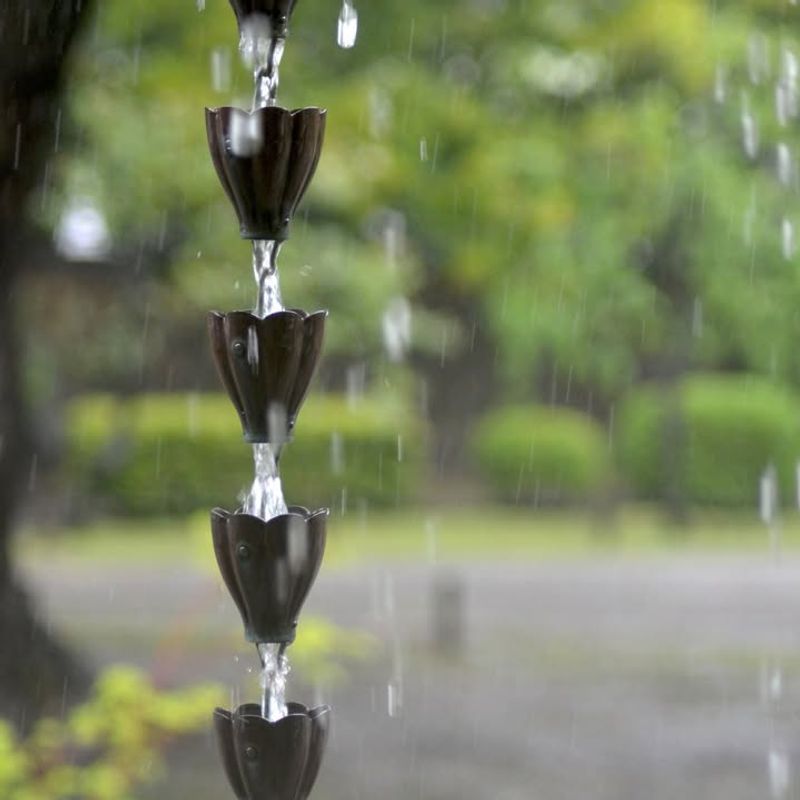
Heavy rains can overwhelm Indiana’s stormwater systems, but front yard flower gardens act like natural sponges that absorb excess water.
Deep-rooted perennials create channels in the soil that allow rainwater to infiltrate slowly instead of running off into streets.
Rain gardens positioned in low spots capture runoff from roofs and driveways, filtering pollutants before water reaches local streams.
Plants selected for these areas tolerate both wet and dry conditions, making them perfect for Indiana’s variable precipitation patterns.
Reduced runoff means less erosion, fewer flooded basements, and decreased strain on municipal water treatment facilities.
Native plants with extensive root systems can absorb thousands of gallons of water that would otherwise contribute to flooding problems.
Many Indiana towns offer rebates or incentives for homeowners who install rain gardens or other water-management landscaping features.
These gardens typically feature beautiful plants like blue flag iris, cardinal flower, and swamp milkweed that thrive in moist conditions.
Neighborhoods with multiple rain gardens experience noticeably less standing water after storms compared to areas with traditional lawns.
This environmental benefit often goes unnoticed but makes a real difference in community flood resilience across Indiana.
Lower Maintenance Costs Add Up Over Time
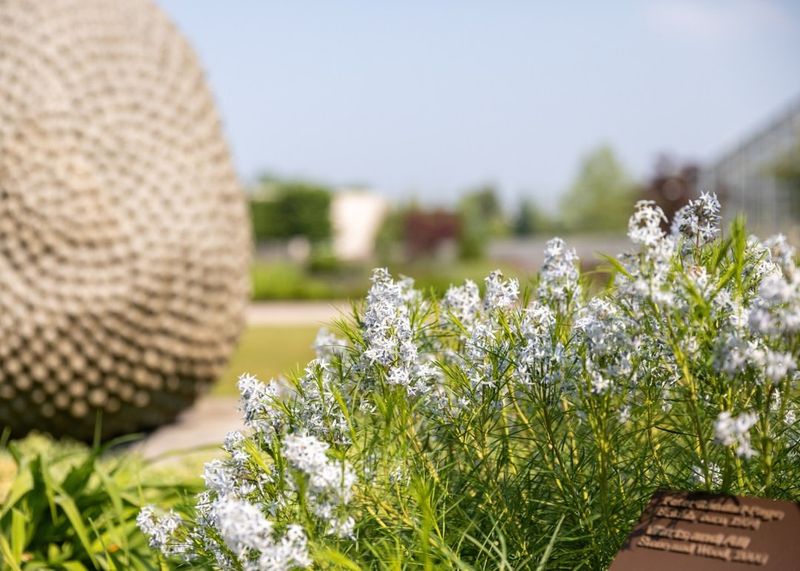
Once established, perennial flower gardens cost significantly less to maintain than traditional lawns that demand constant inputs and attention.
Gasoline expenses disappear when you no longer need to run a mower every week throughout Indiana’s growing season.
Fertilizer and pesticide purchases drop dramatically since diverse plantings resist pests naturally and enrich soil through their own growth cycles.
Water bills shrink because native and adapted plants survive on natural rainfall after their first year in the ground.
Equipment maintenance and replacement costs vanish when mowers, edgers, and trimmers become unnecessary for your front yard space.
Professional lawn care services charge hundreds or thousands annually, while established flower gardens need only occasional weeding and mulching.
Initial investment in plants and soil preparation pays for itself within a few years through eliminated ongoing expenses.
Indiana homeowners often redirect saved money toward other home improvements or family activities they enjoy more than yard work.
Mulching flower beds once or twice yearly prevents weeds and retains moisture, requiring far less time than weekly mowing schedules.
Long-term financial benefits make flower-filled front yards an economically smart choice for budget-conscious Indiana families.
Wildlife Habitat Creation Matters Locally
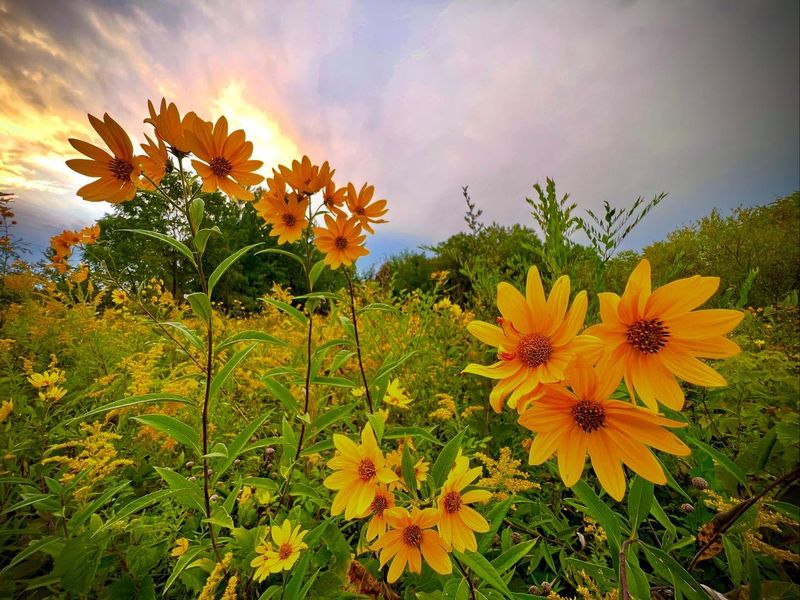
Songbirds that once struggled to find food in suburban Indiana neighborhoods now flock to front yards filled with seed-producing flowers.
Goldfinches love coneflower seeds, while hummingbirds visit tubular flowers like cardinal flower and bee balm throughout the summer months.
Beneficial insects such as ladybugs and lacewings find shelter in diverse plantings, helping control pest populations naturally without chemicals.
Small mammals like rabbits and chipmunks benefit from the cover and food sources that varied plantings provide year-round.
Creating habitat corridors through connected gardens allows wildlife to move safely between larger natural areas in Indiana’s increasingly developed landscape.
Bird watching becomes a daily entertainment option when your front yard attracts dozens of species throughout different seasons.
Children develop appreciation for nature by observing the constant activity that flower gardens bring right outside their windows.
Native plant gardens support entire food webs, from caterpillars eating leaves to birds eating those caterpillars to feed their young.
Every front yard converted to flowers adds another piece to Indiana’s wildlife conservation puzzle, making a collective difference.
Watching nature thrive in your own yard creates connections to the environment that inspire further conservation efforts.
Educational Opportunities Grow With Gardens
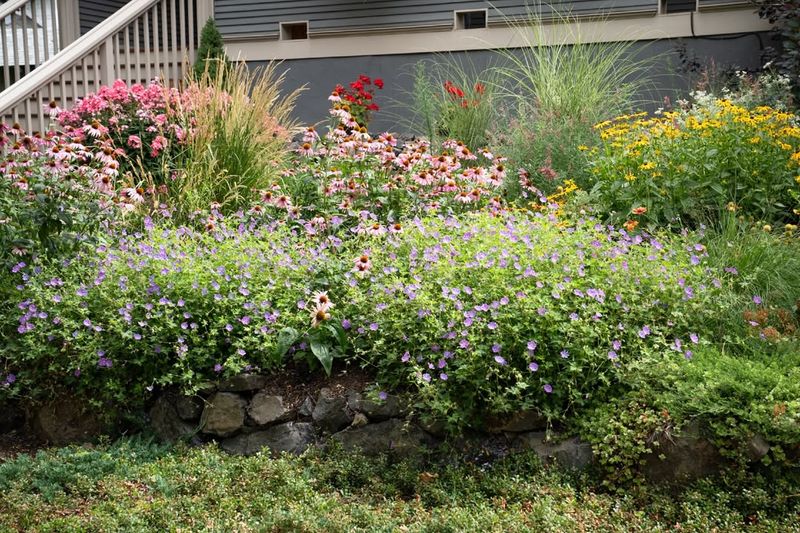
Front yard flower gardens become living classrooms where children learn about plant life cycles, insect behavior, and ecological connections firsthand.
Watching seeds sprout and grow into flowering plants teaches patience and responsibility while building scientific observation skills.
Identifying different butterflies, bees, and birds visiting the garden encourages research and develops genuine curiosity about the natural world.
Seasonal changes become obvious and meaningful when you observe plants responding to temperature shifts and daylight variations throughout Indiana’s year.
Families bond over shared gardening projects, creating memories while learning together about soil health, composting, and sustainable practices.
Schools throughout Indiana are incorporating pollinator gardens into science curricula, inspired by successful residential examples in their communities.
Neighbors often stop to ask questions about plants, creating opportunities to share knowledge and build relationships across property lines.
Master gardener programs report increased enrollment as more Indiana residents want formal training to improve their flower gardening skills.
Mistakes become learning opportunities rather than failures, teaching problem-solving and adaptability in a low-stakes outdoor environment.
These educational benefits extend far beyond gardening itself, fostering environmental stewardship that influences decisions throughout life.