The 8 Flowers Ohio Gardeners Plant For Good Luck Each Spring
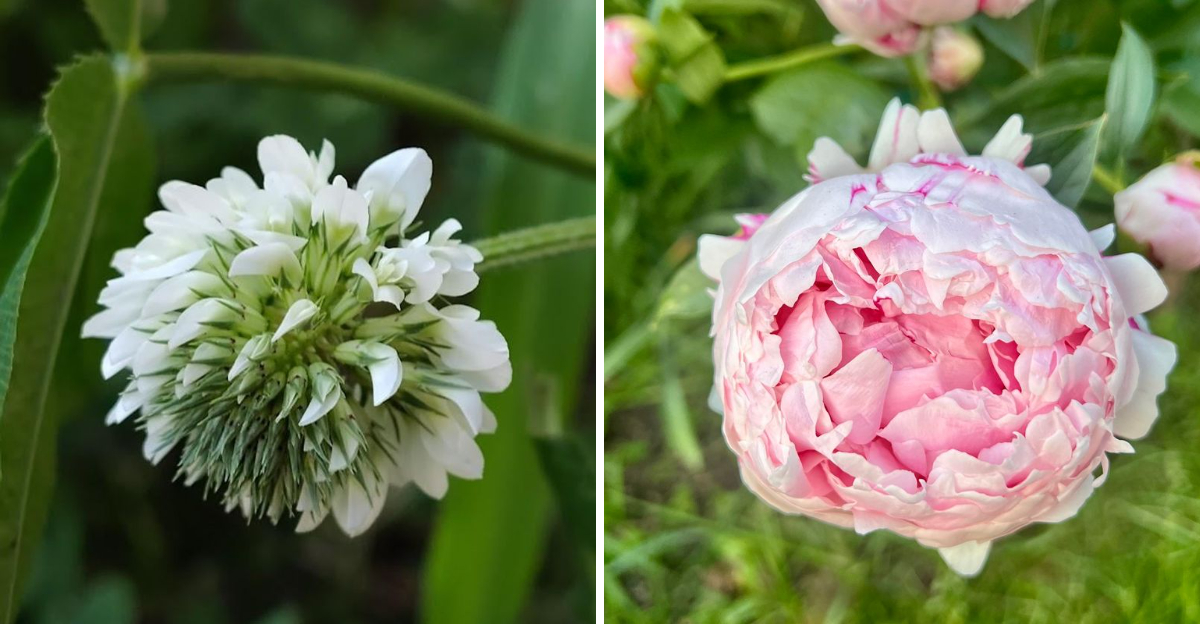
Every spring, Ohio gardeners rush back outside with shovels, seed packets, and big hopes for the season ahead. Along with planning colors and bloom times, many people also choose flowers that carry symbolic meaning tied to good fortune, happiness, and fresh starts.
These plants won’t magically change your life, but they’ve earned a special place in gardens because of long-standing traditions, folklore, and the positive feelings they bring to outdoor spaces. Bright blooms, strong growth habits, and reliable performance make them favorites year after year.
Planting them becomes part of a seasonal ritual that marks new beginnings and optimism after a long winter. If you enjoy gardening with purpose and love adding meaning to what you grow, these spring flowers offer both beauty and tradition in one simple step.
1. Clover Has Been A Traditional Symbol Of Good Luck For Centuries
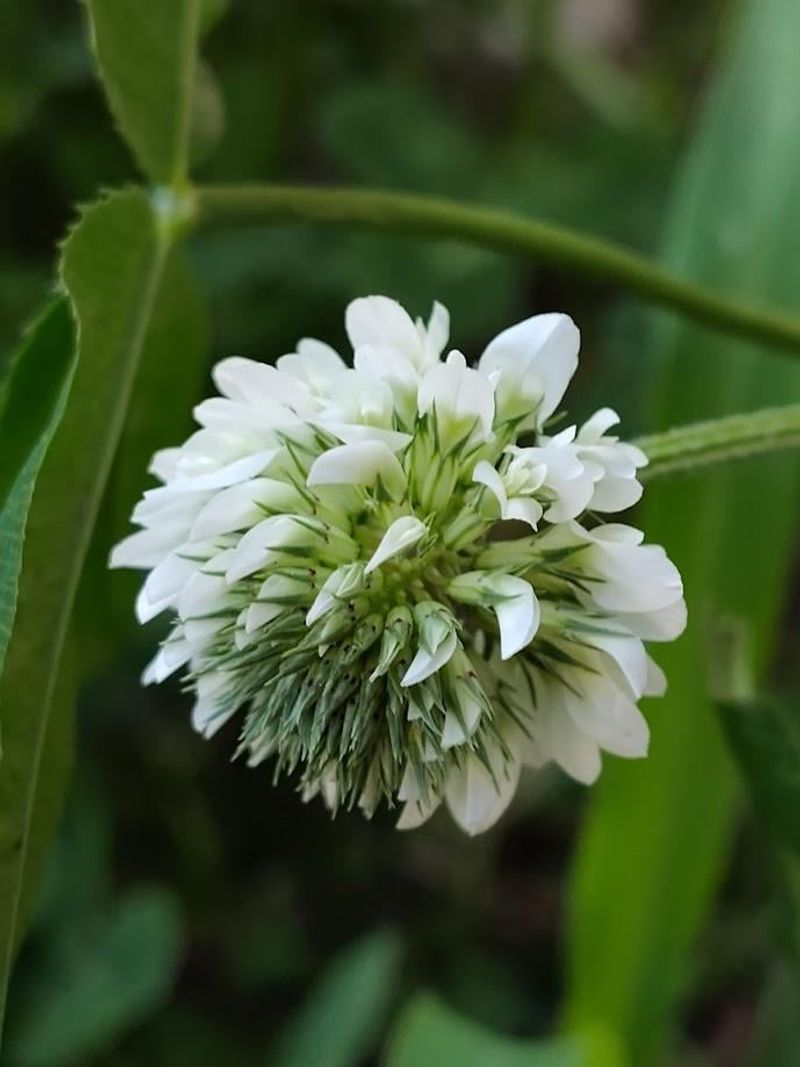
You notice white clover spreading across your lawn in early April, its tiny blooms opening just as the soil warms enough to work. Many Ohio homeowners treat clover as a weed, but gardeners who understand its symbolism welcome it as a living charm for luck and abundance.
The four-leaf variety remains rare, but even the common three-leaf clover carries meaning rooted in Irish folklore and Christian tradition.
Clover thrives in Ohio because it tolerates clay soil, moderate shade, and fluctuating spring moisture. It fixes nitrogen naturally, improving soil health while requiring almost no maintenance.
Gardeners in northern Ohio see blooms later than those in the southern counties, but clover adapts to regional timing without much fuss.
Plant clover in areas where grass struggles, or mix it into wildflower patches for ground coverage that stays green through summer heat. Seeds germinate best when soil temperatures reach 50 degrees, usually mid-April in central Ohio.
Scatter seeds lightly, rake them in gently, and water until established.
Clover attracts pollinators early in the season when other flowers are still establishing. Homeowners often notice bees working the blooms by late morning, a sign that your garden supports beneficial insects.
The plant self-seeds, returning year after year without replanting, which makes it a practical choice for low-maintenance landscapes that still honor tradition.
2. Lily Of The Valley Represents Happiness And Good Fortune
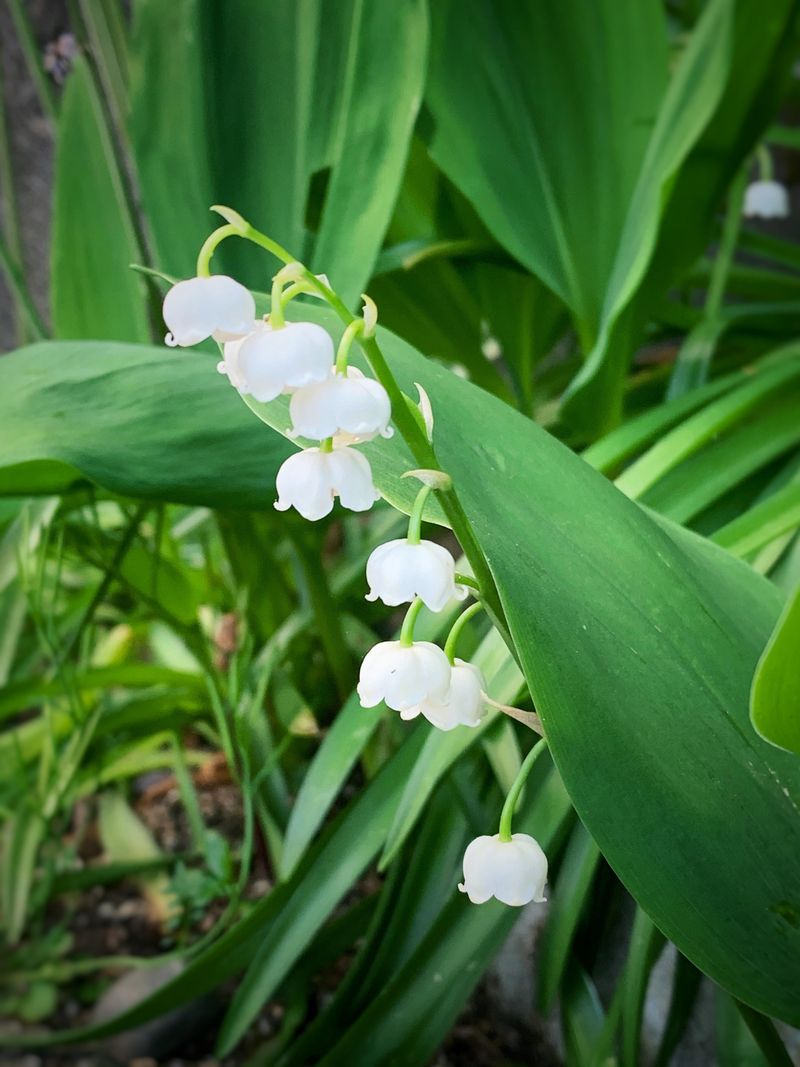
Walk through a shaded corner of your yard in late April, and you might catch the sweet scent of lily of the valley before you see its delicate white bells. This flower appears in Ohio gardens where homeowners value both beauty and symbolic meaning.
European tradition links lily of the valley to happiness, good fortune, and the return of joy after winter.
The plant prefers partial to full shade, making it ideal for spots under mature trees or along north-facing walls. Ohio soil with decent organic content supports healthy growth, though the plant tolerates clay if you amend it with compost.
Northern Ohio gardeners see blooms in early May, while southern regions often enjoy flowers by mid-April.
Space rhizomes about six inches apart in early spring, planting them just below the surface. Water regularly during the first season to help roots establish.
Once settled, lily of the valley spreads steadily, forming dense mats that suppress weeds and provide consistent spring color. Keep in mind lily of the valley is toxic to pets and people if ingested, so placement matters in family yards.
Gardeners appreciate how this flower returns reliably each year without much intervention. The blooms last about two weeks, and the foliage stays green through summer, providing ground coverage in shaded areas where grass fails.
You can cut stems for indoor arrangements, bringing both fragrance and tradition into your home during Ohio spring celebrations.
3. Peonies Are Linked To Prosperity And Abundance
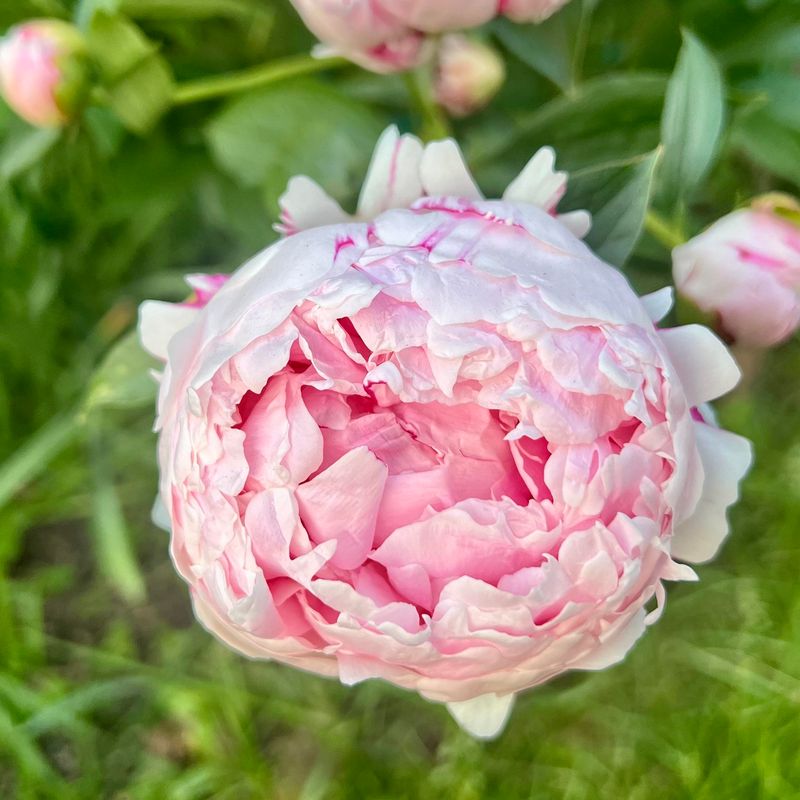
Peonies push through Ohio soil in early March, their red shoots emerging like small fists reaching for sunlight. By late May, those same shoots transform into lush plants crowned with blooms so full they sometimes need support to stay upright.
Asian and European cultures associate peonies with prosperity, abundance, and good fortune in marriage, making them a favorite for homeowners who plant with intention.
These flowers thrive in Ohio because they need cold winters to set buds properly. They prefer full sun and well-drained soil, though they tolerate clay if you mix in compost before planting.
Northern Ohio gardeners see blooms in early June, while central and southern regions enjoy flowers by late May.
Plant peony roots in fall, positioning the eyes no more than two inches below the soil surface. Deeper planting delays blooming or prevents it entirely, a common mistake among new gardeners.
Space plants three feet apart to allow air circulation, which reduces fungal issues during humid Ohio summers.
Established peonies live for decades, often outlasting the gardeners who planted them. Homeowners notice ants crawling on buds in spring, but these insects cause no harm and simply feed on nectar.
Cut blooms last over a week indoors, filling rooms with fragrance and visual abundance that reflects the prosperity these flowers symbolize.
4. Daffodils Signal Fresh Starts And Positive Energy
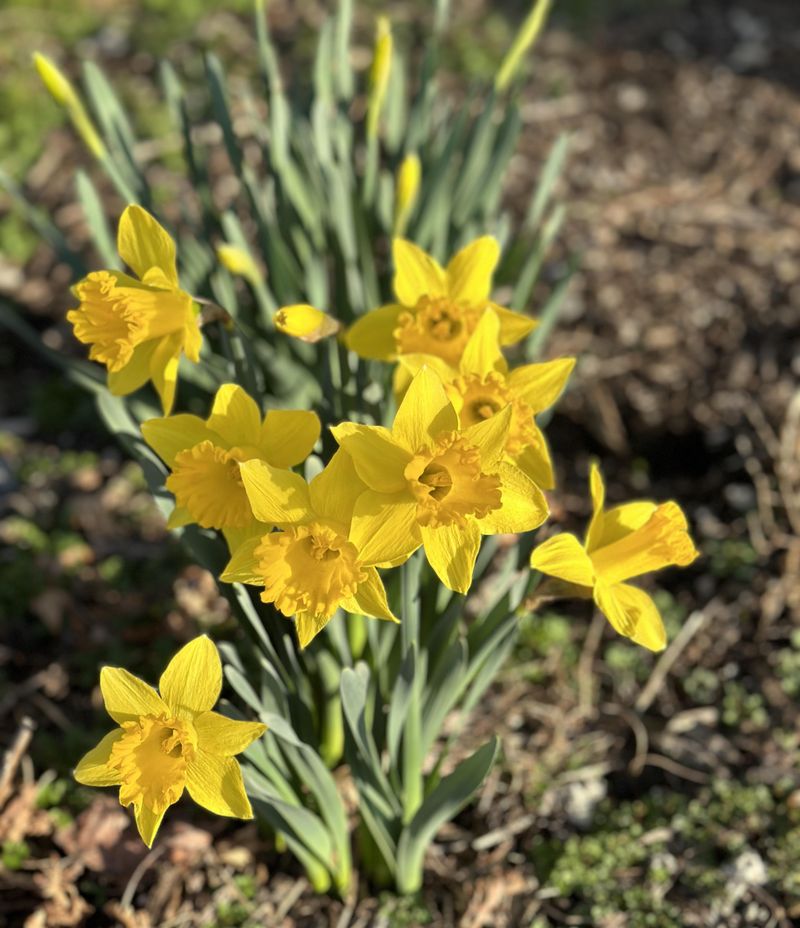
Daffodils break through cold early-spring soil in Ohio, sometimes pushing up through late snow in March. Their bright yellow blooms signal the true start of spring, and gardeners across the state plant them not just for color but for the positive energy and fresh beginnings they represent.
Welsh and English folklore connects daffodils to renewal and good fortune, especially when the first bloom appears.
These bulbs thrive in Ohio because they tolerate cold, resist pests, and naturalize easily. They prefer full sun to partial shade and well-drained soil, though they adapt to clay if water does not pool.
Northern Ohio sees blooms in mid-April, while southern counties enjoy flowers by late March.
Plant bulbs in fall, setting them four to six inches deep and spacing them four inches apart.
Group them in clusters rather than straight lines for a natural look that mimics how they spread in the wild.
Water after planting, then let winter moisture do the rest.
Daffodils multiply over time, forming dense clumps that produce more blooms each year.
Homeowners notice deer and rabbits avoid them, unlike tulips, which makes daffodils a reliable choice for rural properties.
Leave foliage in place after blooms fade, allowing leaves to gather energy for next year. This simple step ensures your daffodils return stronger, bringing fresh starts and positive energy each Ohio spring.
5. Hyacinths Are Associated With Joy And Renewal
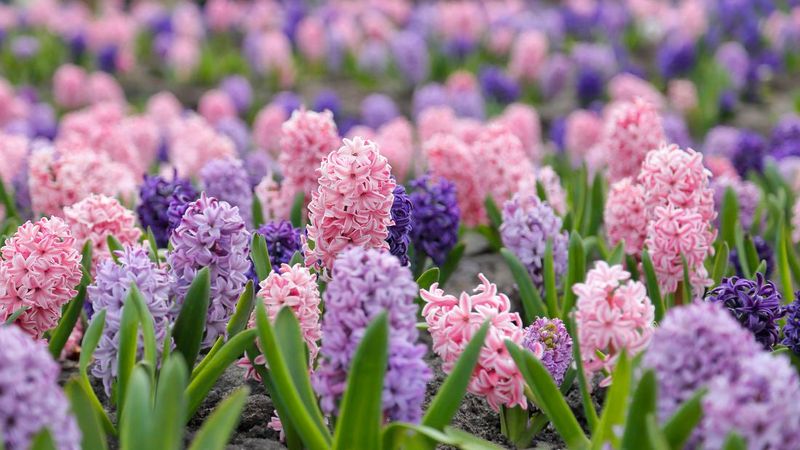
Step outside on a mild April morning, and the scent of hyacinths reaches you before you see their colorful spikes lining your garden path. These flowers bloom early in Ohio, their dense clusters of purple, pink, white, or blue florets filling the air with fragrance.
Greek mythology links hyacinths to rebirth and joy, and gardeners plant them to celebrate spring renewal and invite happiness into their spaces.
Hyacinths perform well in Ohio because they need cold dormancy to bloom properly. They prefer full sun to partial shade and soil that drains well, though they tolerate clay if you add compost.
Northern Ohio gardeners see blooms in late April, while central and southern regions enjoy flowers by early April.
Plant bulbs in fall, setting them six inches deep and spacing them four inches apart. Group bulbs by color for bold visual impact, or mix them for a cottage garden feel.
Water after planting, then let natural rainfall carry them through winter.
Hyacinths bloom for about two weeks, their fragrance strongest on warm, sunny days. Homeowners often plant them near entryways or patios where the scent enhances outdoor living spaces.
After blooms fade, let foliage remain until it yellows naturally. This allows bulbs to store energy for next season, ensuring your hyacinths return each spring with the same joyful presence and renewing fragrance.
6. Tulips Represent Hope And New Beginnings
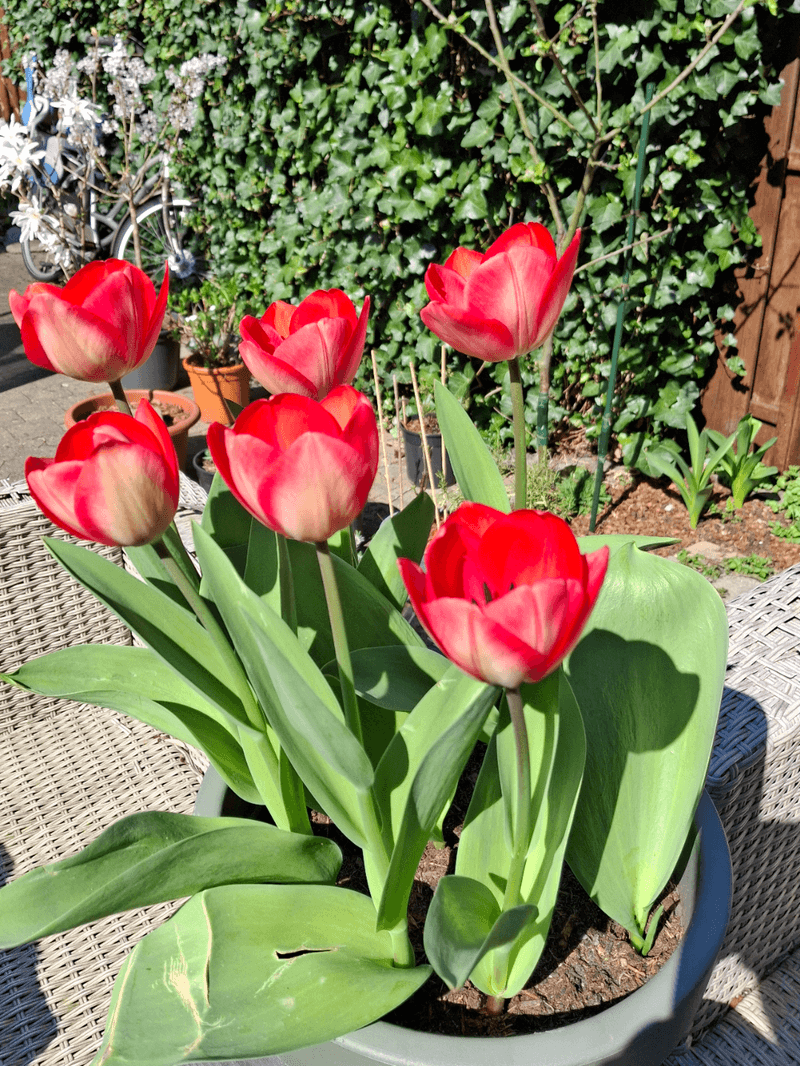
Tulips emerge in Ohio gardens by early April, their pointed leaves pushing through mulch and soil with determination. By mid-April, those leaves give way to blooms in nearly every color imaginable, each one a symbol of hope and new beginnings.
Dutch and Turkish traditions connect tulips to prosperity and fresh starts, making them a natural choice for homeowners who plant with both beauty and meaning in mind.
These bulbs thrive in Ohio when conditions align with their needs. They prefer full sun and well-drained soil, struggling in heavy clay that stays wet.
Northern Ohio gardeners see blooms in late April, while southern counties enjoy flowers by early April. Tulips bloom once per season each year, putting on a show that lasts about two weeks.
Plant bulbs in fall, setting them six to eight inches deep and spacing them four inches apart. Choose early, mid, and late-season varieties to extend bloom time across several weeks.
Water after planting, then let winter cold trigger the growth cycle.
Tulips face challenges from deer, rabbits, and squirrels, so many Ohio gardeners plant them in protected areas or use barriers. Homeowners notice tulips sometimes decline after the first year, especially in warmer microclimates.
Treating them as annuals or replanting every few years keeps displays vibrant. Despite these quirks, tulips remain beloved for their bright colors and the hopeful energy they bring to Ohio spring gardens.
7. Marigolds Have Long Been Associated With Protection And Blessings
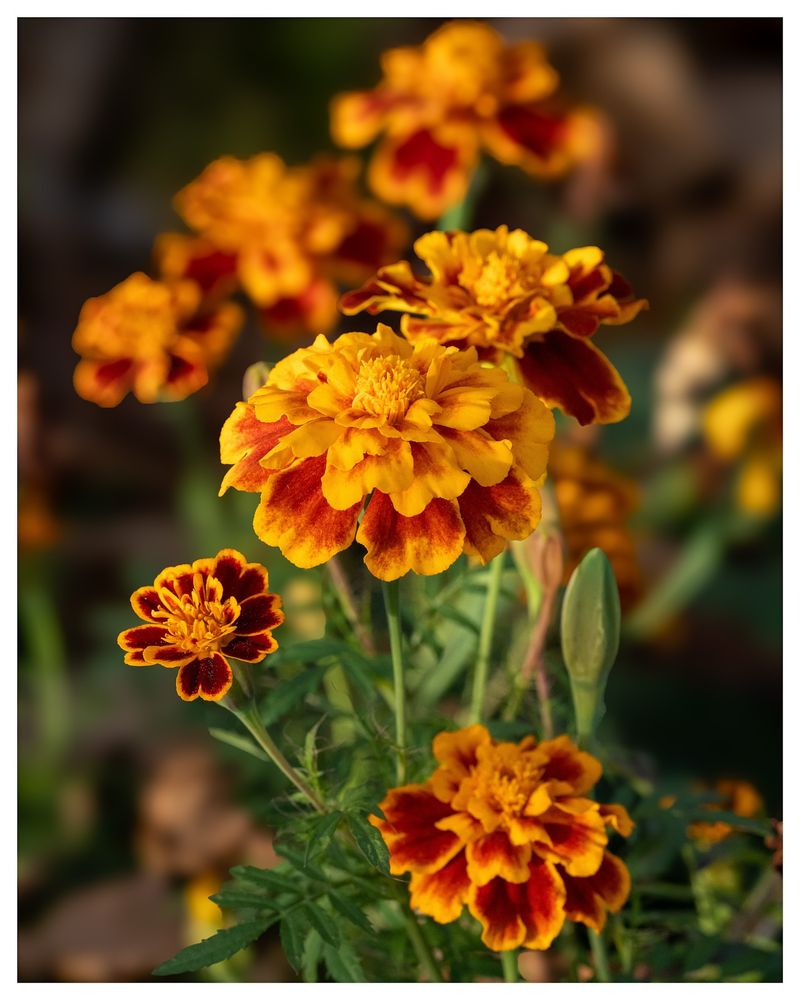
Marigolds brighten Ohio gardens from late spring through fall, their bold orange and yellow blooms standing out against green foliage. Gardeners plant them after the last frost, usually mid-May in northern Ohio and early May in southern counties.
Mexican and Indian traditions link marigolds to protection, blessings, and warding off negative energy, making them a meaningful addition to gardens designed with intention.
These annuals thrive in Ohio because they tolerate heat, drought, and poor soil once established. They prefer full sun and well-drained conditions, though they adapt to clay if it does not stay waterlogged.
Marigolds bloom continuously from late spring until frost, providing color long after spring bulbs fade.
Start seeds indoors six weeks before the last frost, or direct sow after soil warms to 60 degrees. Space plants eight to twelve inches apart, depending on variety.
Water regularly during establishment, then reduce frequency as plants mature. Marigolds self-seed in favorable conditions, returning year after year without replanting.
Homeowners notice fewer pests in vegetable gardens where marigolds grow nearby. Some marigold varieties may help reduce certain garden pests, adding practical value to their symbolic meaning.
Deadhead spent blooms to encourage more flowers, or let some mature and drop seeds for next season. Marigolds offer both protection and blessings, combining folklore with real benefits that Ohio gardeners appreciate throughout the growing season.
8. Iris Symbolize Wisdom Strength And Spring Renewal
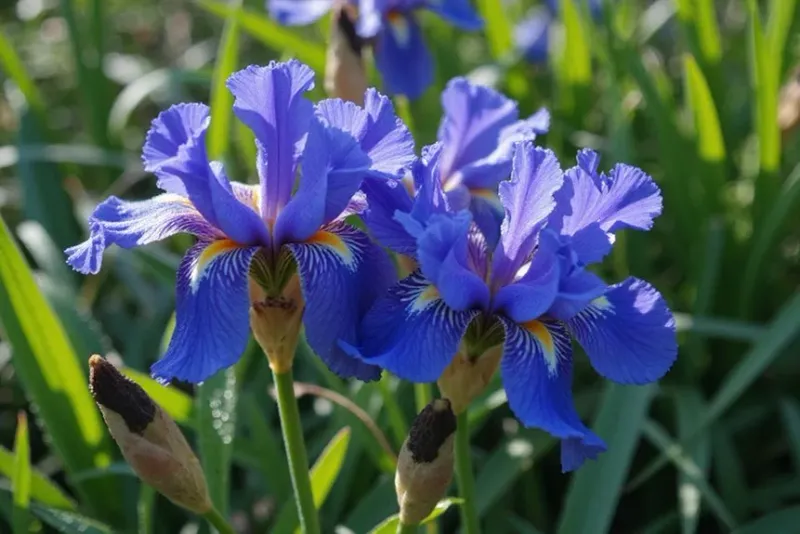
Iris blooms open in Ohio gardens by late May, their intricate petals unfolding in shades of purple, blue, yellow, and white. These flowers stand tall on sturdy stems, their presence commanding attention in any landscape.
Greek mythology names the iris after the goddess of the rainbow, linking it to wisdom, strength, and messages between earth and sky. Ohio gardeners plant iris to honor these qualities and mark spring renewal with flowers that return reliably each year.
Iris thrive in Ohio because they tolerate clay soil better than many perennials, though they prefer well-drained conditions. They need full sun to bloom heavily, producing fewer flowers in shade.
Northern Ohio sees blooms in early June, while central and southern regions enjoy them by late May.
Plant rhizomes in late summer, positioning them just below the soil surface with roots spread out. Space them twelve to eighteen inches apart to allow air circulation, which prevents rot.
Water during establishment, then reduce frequency as plants mature. Iris tolerate drought once established, making them low-maintenance choices for busy homeowners.
Gardeners notice iris multiply quickly, forming dense clumps that need dividing every three to four years. Divide in late summer after blooms fade, replanting healthy rhizomes and discarding old, woody sections.
This simple maintenance keeps plants vigorous and blooming abundantly, ensuring your iris continue symbolizing wisdom, strength, and renewal in your Ohio spring garden.
Whether planted for tradition, beauty, or both, these flowers bring color and seasonal joy to Ohio gardens – even if the “luck” comes mostly from the gardener’s care.