The 10 Flowers That Give California Gardens That Magical Glow
There is something special about a garden that seems to shimmer when the light hits just right. In California, that glow is not an accident.
It is all about choosing flowers that catch the sun, reflect soft evening light, and almost sparkle at dusk. The right blooms can turn an ordinary yard into something that feels straight out of a storybook.
With golden afternoons, coastal breezes, and warm evenings, California gardens are the perfect stage for luminous petals and silvery foliage. Some flowers shine brightest in full sun.
Others come alive as twilight settles in, practically lighting up the landscape on their own. A few even have pale blooms that seem to float in the dark.
If you want your garden to feel dreamy, radiant, and impossible to ignore, these glowing beauties are ready to steal the spotlight and transform your space into pure magic.
1. California Poppy
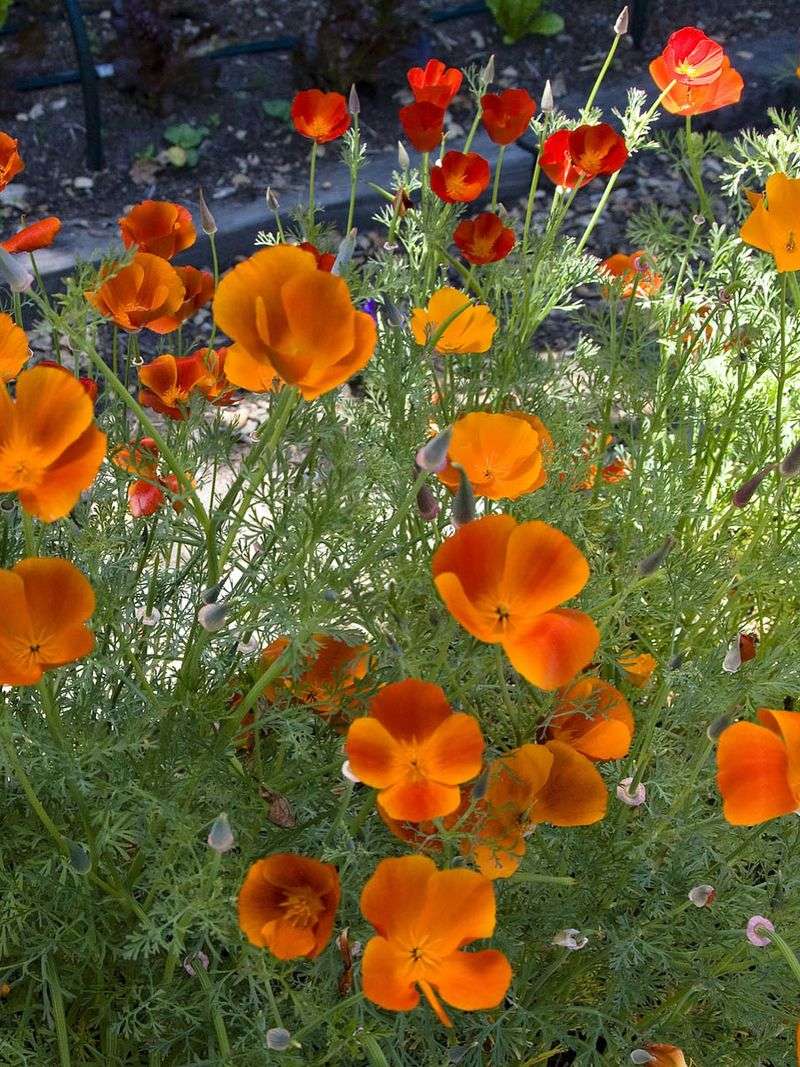
Few flowers capture the spirit of California quite like the poppy. Officially the state flower, this bright orange bloom has been painting California hillsides for centuries.
It grows wild along roadsides, in meadows, and in home gardens across the state.
What makes the California poppy so special is how easy it is to grow. Just scatter the seeds in a sunny spot, water lightly, and watch the magic happen.
These flowers thrive in poor, dry soil, which makes them perfect for low-water gardens throughout California.
The blooms open wide in the morning sun and close at night or on cloudy days. That daily rhythm gives your garden a lively, natural feel.
They come in shades of orange, yellow, red, and cream, so you have plenty of color options to work with.
Pollinators like bees and butterflies absolutely love them. Planting poppies helps support local wildlife while adding bold color to your yard.
Once established, they reseed themselves year after year, giving you a reliable, low-maintenance splash of color every spring.
2. Bougainvillea
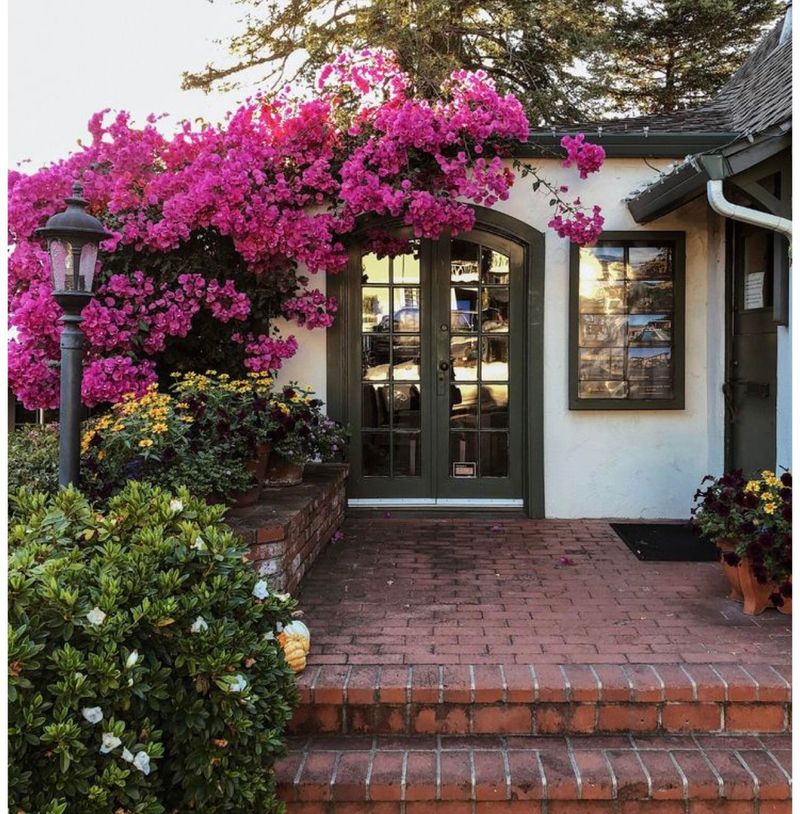
Walk through almost any neighborhood in Southern California and you will spot bougainvillea cascading over fences, walls, and trellises in stunning shades of magenta, purple, orange, and red. This vine is bold, dramatic, and completely at home under the California sun.
Technically, those colorful parts are not petals but bracts, which are modified leaves that surround tiny white flowers in the center. That detail surprises a lot of gardeners.
The showy bracts last for months, giving you long-lasting color from spring through fall.
Bougainvillea loves heat and drought conditions, making it one of the most practical flowering plants in California. Once established, it needs very little water.
Plant it in a sunny spot with well-draining soil and give it something to climb, and it will reward you with a jaw-dropping display season after season.
Pruning keeps it manageable and actually encourages more blooms. Just be careful of the thorns when you trim.
For anyone wanting a statement plant that looks like it belongs on a postcard from the California coast, bougainvillea is the answer.
3. Lavender
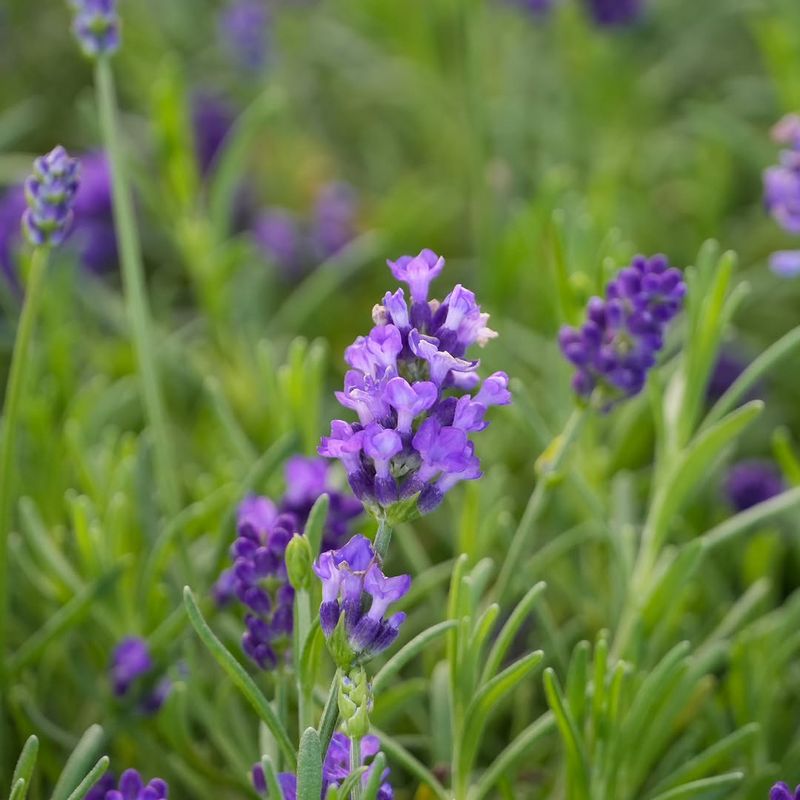
There is something deeply calming about a lavender plant swaying in a warm California breeze.
The soft purple flower spikes, the silvery-green leaves, and that unmistakable fragrance all work together to create a garden moment that feels almost magical. Lavender is both beautiful and useful, which is a rare combination.
California’s climate is ideal for lavender, especially in coastal and inland regions where summers are warm and winters are mild.
Spanish lavender and English lavender are two popular varieties that do especially well across the state. Both are drought-tolerant once established, making them a smart water-wise choice.
Bees and butterflies swarm lavender plants, which is great news for your garden’s overall health. Planting lavender near vegetables or fruit trees can boost pollination and improve your harvest. It also acts as a natural pest deterrent for some common garden bugs.
Harvest the flower spikes when they are just starting to open. Dry them in small bundles and use them to freshen up your home or make homemade sachets.
Lavender is one of those plants that keeps on giving long after the growing season ends in your California garden.
4. Kangaroo Paw
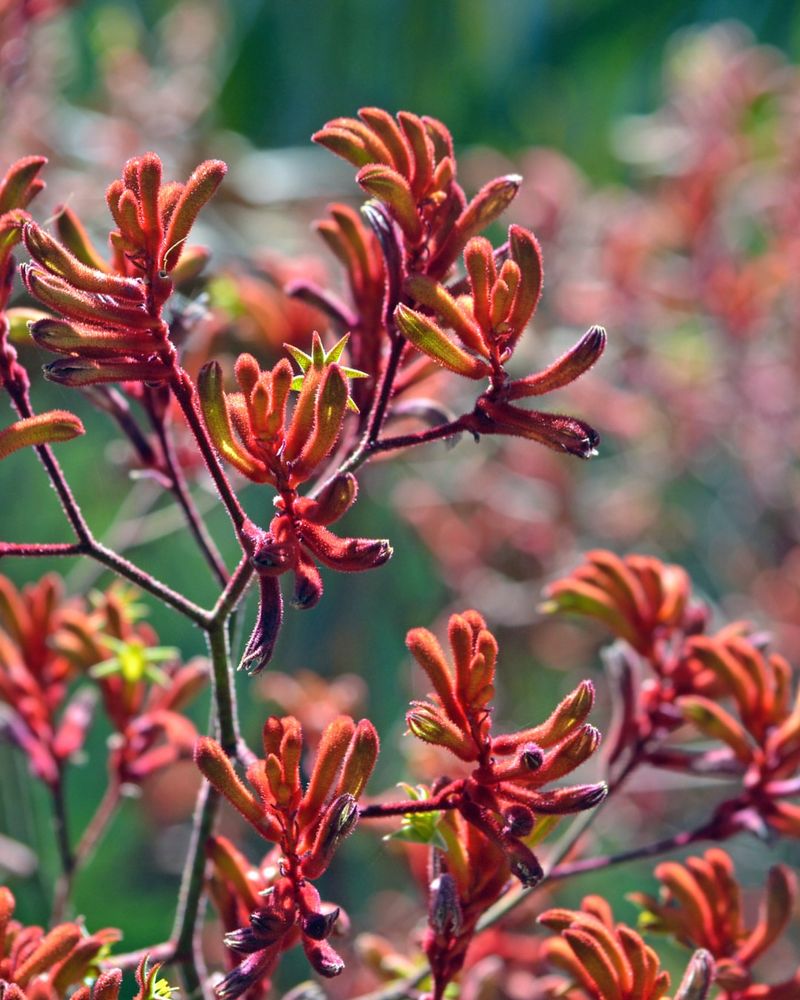
Originally from Australia, kangaroo paw has found a second home in California gardens, and it fits right in. The tubular flowers look almost like little fuzzy paws reaching out from tall, arching stems.
That quirky shape is what makes this plant so eye-catching and fun to grow.
Kangaroo paw loves full sun and dry conditions, which lines up perfectly with California’s long, warm summers. It handles drought well and does not need a lot of fussing once it gets settled in.
Plant it in well-draining soil and give it room to spread, and it will thrive with minimal care.
The flowers come in red, orange, yellow, pink, and burgundy, so there are plenty of ways to mix them into your garden color scheme. Hummingbirds are big fans of the tubular blooms and will visit regularly, bringing even more life and movement to your outdoor space.
Cut the flower stems back after blooming to encourage fresh growth. Kangaroo paw looks fantastic in garden borders, raised beds, and even large containers on patios.
For a California garden with a slightly exotic flair, this plant delivers in a big way.
5. Blanket Flower
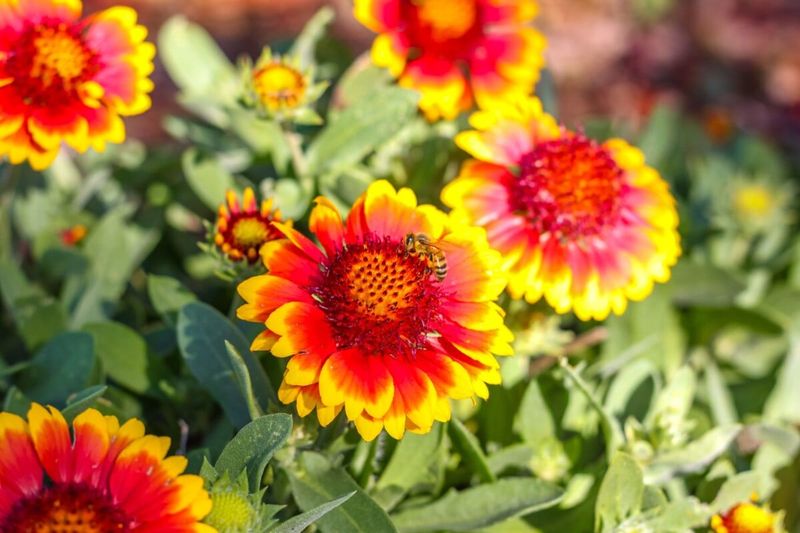
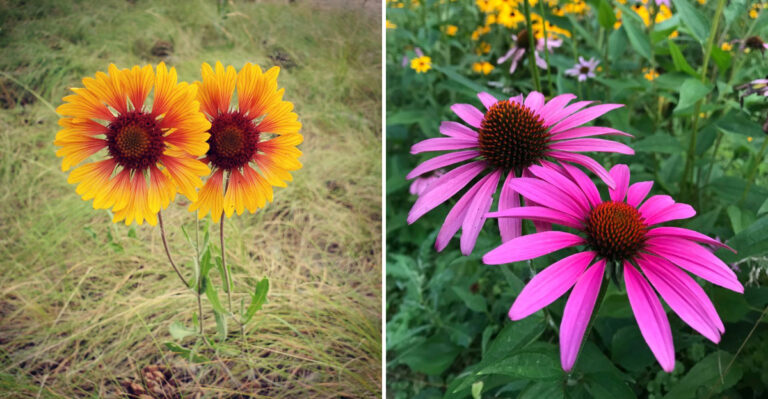
Blanket flower gets its name from the colorful patterns made by Native American blankets, and one look at the blooms makes that connection completely clear. The daisy-like flowers feature bold rings of red, orange, and yellow that radiate out from a dark center.
They are cheerful, warm, and almost impossible to ignore.
This flower is a fantastic choice for California gardens because it loves heat and tolerates drought very well. It blooms from late spring all the way into fall, giving you months of nonstop color.
Few flowers work as hard or as long as blanket flower does through the California summer.
Plant it in full sun with well-draining soil and it will reward you generously. Deadheading the spent blooms regularly encourages the plant to keep producing fresh flowers.
Even without deadheading, blanket flower keeps going, but a little attention goes a long way.
Butterflies and bees visit the blooms constantly throughout the season. Blanket flower works beautifully in mixed borders, wildflower meadows, and cottage-style gardens.
It also makes a great cut flower for bringing some California garden warmth inside your home.
6. Mexican Sunflower
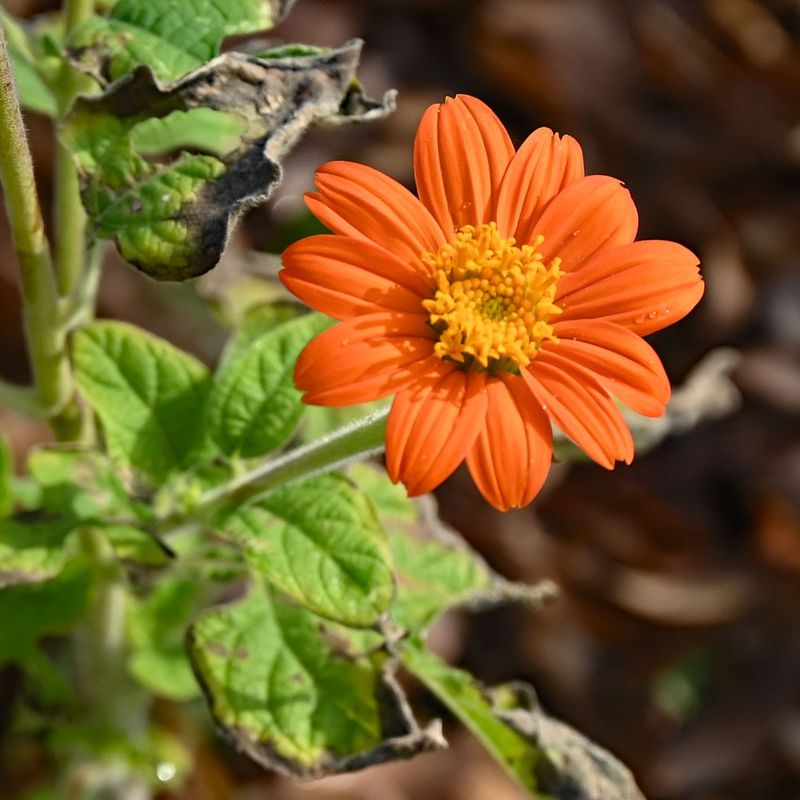
If you want a flower that makes a statement, Mexican sunflower is your answer. These tall, fast-growing plants can reach six feet or more and produce brilliant orange blooms that glow like small suns from midsummer through fall.
In a California garden, they are absolutely stunning. Mexican sunflower loves the heat, which makes it perfectly suited to California’s warm inland valleys and sun-drenched backyards.
Plant the seeds directly in the ground after the last frost and they will take off quickly. Rich soil and regular watering help them reach their full impressive height.
The blooms attract butterflies in huge numbers. If you have ever wanted a butterfly garden, planting a row of Mexican sunflowers is one of the fastest ways to make it happen.
Monarchs, swallowtails, and painted ladies are all drawn to the nectar-rich flowers.
Because of their height, Mexican sunflowers work best at the back of a garden bed where they can serve as a dramatic backdrop for shorter plants.
Pair them with purple or blue flowers for a color combination that looks incredible in the California sunshine. They also make bold, long-lasting cut flowers for indoor arrangements.
7. Golden Coreopsis
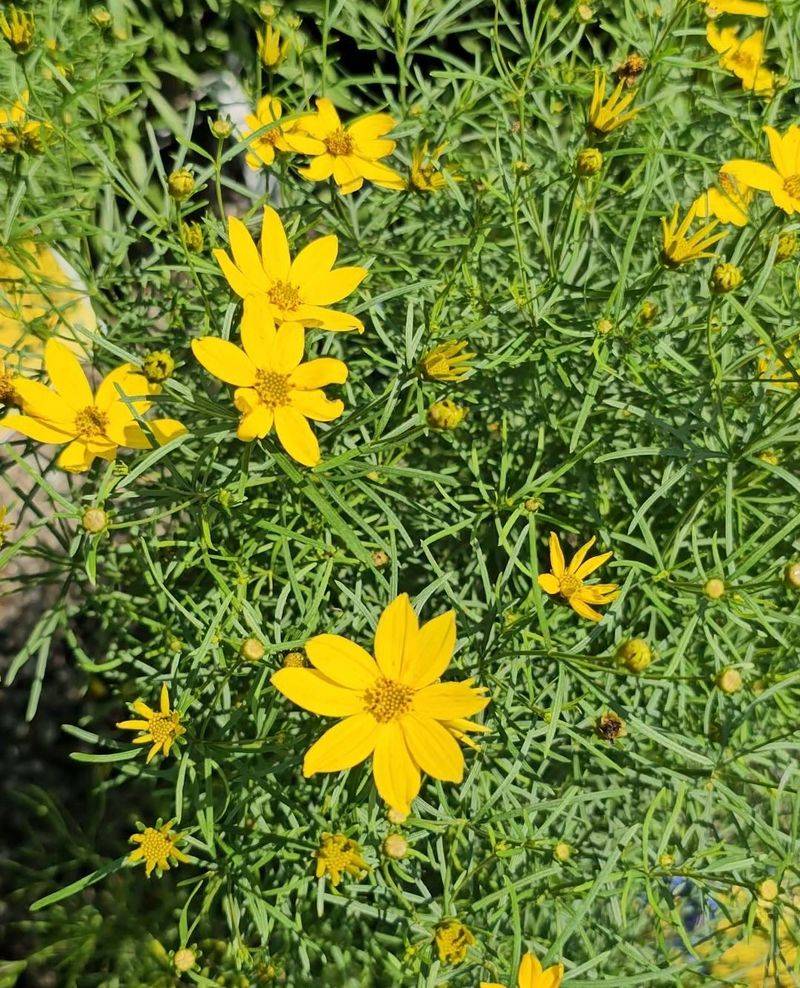
Golden coreopsis is the kind of flower that makes a garden feel genuinely alive. The small, bright yellow blooms cover the plant in a cheerful wave of color that lasts from spring through summer.
In California, where sunshine is practically a way of life, coreopsis fits right in.
Also known as tickseed, coreopsis is one of the easiest flowers to grow in California. It tolerates poor soil, drought, and heat without complaint.
Once it gets established, it practically takes care of itself, which makes it a favorite among gardeners who want great color without a lot of work.
The flowers attract bees and butterflies throughout the blooming season. Planting coreopsis near vegetable gardens is a smart move because it draws in pollinators that help improve your harvest.
It also adds a natural, meadow-like beauty to any garden space.
Regular deadheading keeps the blooms coming in strong waves. There are also varieties with red, pink, and bicolor flowers if you want to mix things up.
Golden coreopsis looks beautiful planted in drifts or masses, creating a sea of yellow that practically glows under the warm California sun.
8. African Daisy
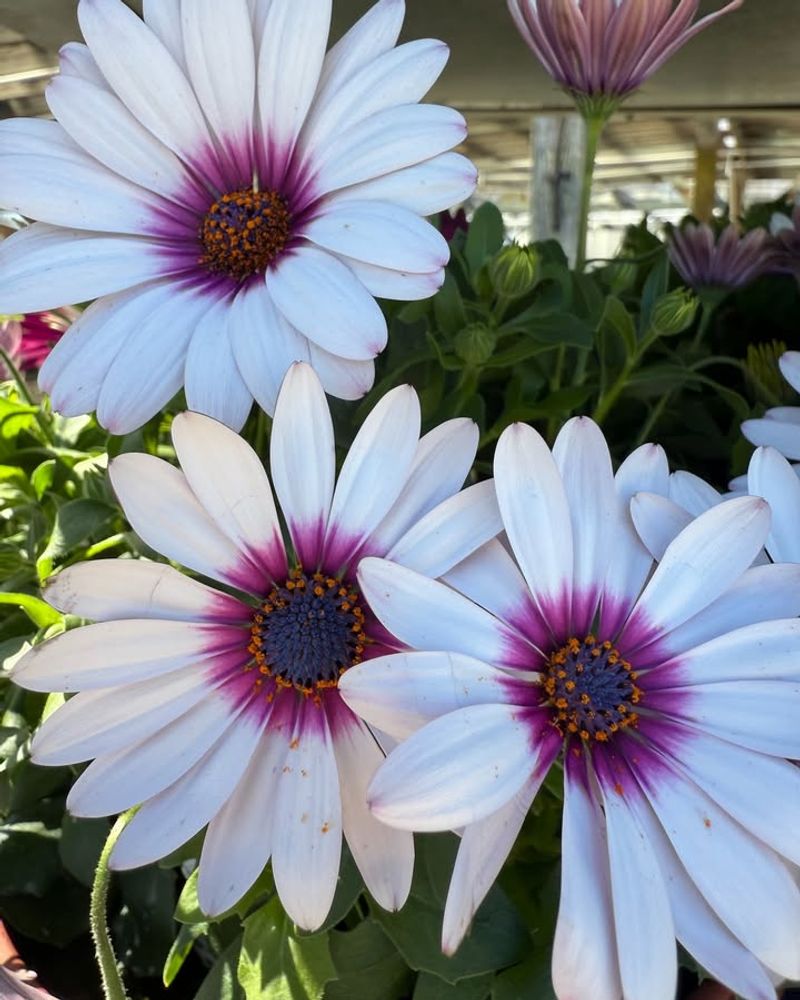
African daisy brings a burst of color to California gardens that is hard to match. The flowers come in shades of orange, purple, pink, yellow, and white, often with contrasting centers that make each bloom look like a tiny piece of art.
They are cheerful without being over the top.
One fun fact about African daisies: the flowers close at night and on cloudy days, just like California poppies. That built-in response to light makes them feel almost alive in a garden.
On a bright California morning, watching them open up is genuinely satisfying.
African daisies prefer cool to mild temperatures, which makes them ideal for California’s fall, winter, and early spring growing seasons. In coastal California, they can bloom almost year-round.
Inland gardeners often treat them as cool-season annuals and replant each fall for a fresh display.
Plant them in full sun with well-draining soil and water consistently but not excessively. They do not like soggy roots.
African daisies look beautiful in garden borders, containers, and hanging baskets. Their long bloom period and wide color range make them one of the most versatile and rewarding flowers you can grow in a California garden.
9. Angel’s Trumpet
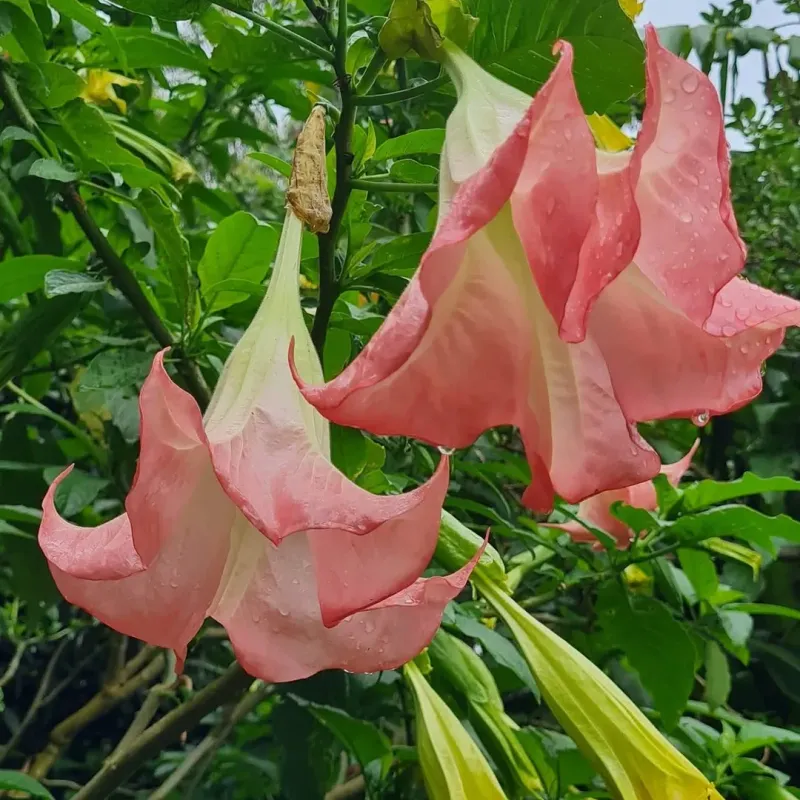
Few plants command attention quite like angel’s trumpet. The enormous, pendulous blooms hang down like elegant bells and can grow up to twelve inches long.
In a California garden, a mature angel’s trumpet plant stops people in their tracks. It is that dramatic and that beautiful.
The flowers release a powerful, sweet fragrance in the evening that carries across an entire garden. Sitting outside on a warm California night near a blooming angel’s trumpet is one of those simple pleasures that is hard to forget.
The scent is rich, tropical, and deeply memorable.
Angel’s trumpet grows best in warm, sheltered spots with rich, moist soil. It loves full sun to partial shade and benefits from regular feeding during the growing season.
In frost-free parts of California, it can grow into a large shrub or small tree over several years.
Note that all parts of this plant are toxic if eaten, so keep it away from areas where small children or pets roam freely. With proper placement, angel’s trumpet is a showstopper that adds a lush, tropical atmosphere to any California outdoor space.
It pairs beautifully with bold tropical foliage plants for a garden that feels truly extraordinary.
10. Whirling Butterflies
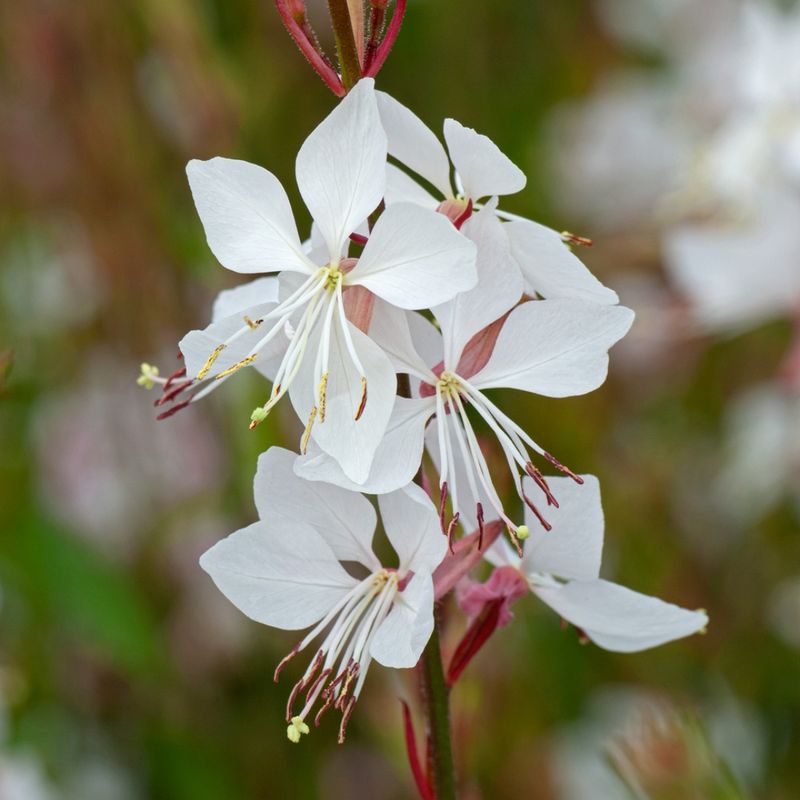
These flowers brings a soft, weightless radiance to California gardens that feels almost unreal in the best way. Its delicate white to blush pink blooms hover on long, slender stems, dancing nonstop in the breeze like tiny wings catching sunlight.
In the bright wash of a California afternoon, the petals seem to flicker and gleam, creating a gentle halo effect that lightens up the entire planting bed.
As the sun dips lower, those airy blossoms take on an almost luminous quality, standing out against deeper greens and casting a subtle glow that makes the garden feel alive after hours.
This plant thrives in heat and handles dry conditions beautifully once established, making it a natural fit for water wise landscapes that still crave romance and movement.
Tucked among ornamental grasses or woven through perennial borders, Whirling Butterflies adds softness without bulk and sparkle without flash. It is the kind of flower that does not demand attention but effortlessly steals it.