The Fragrant Flower Trend Transforming Michigan Yards
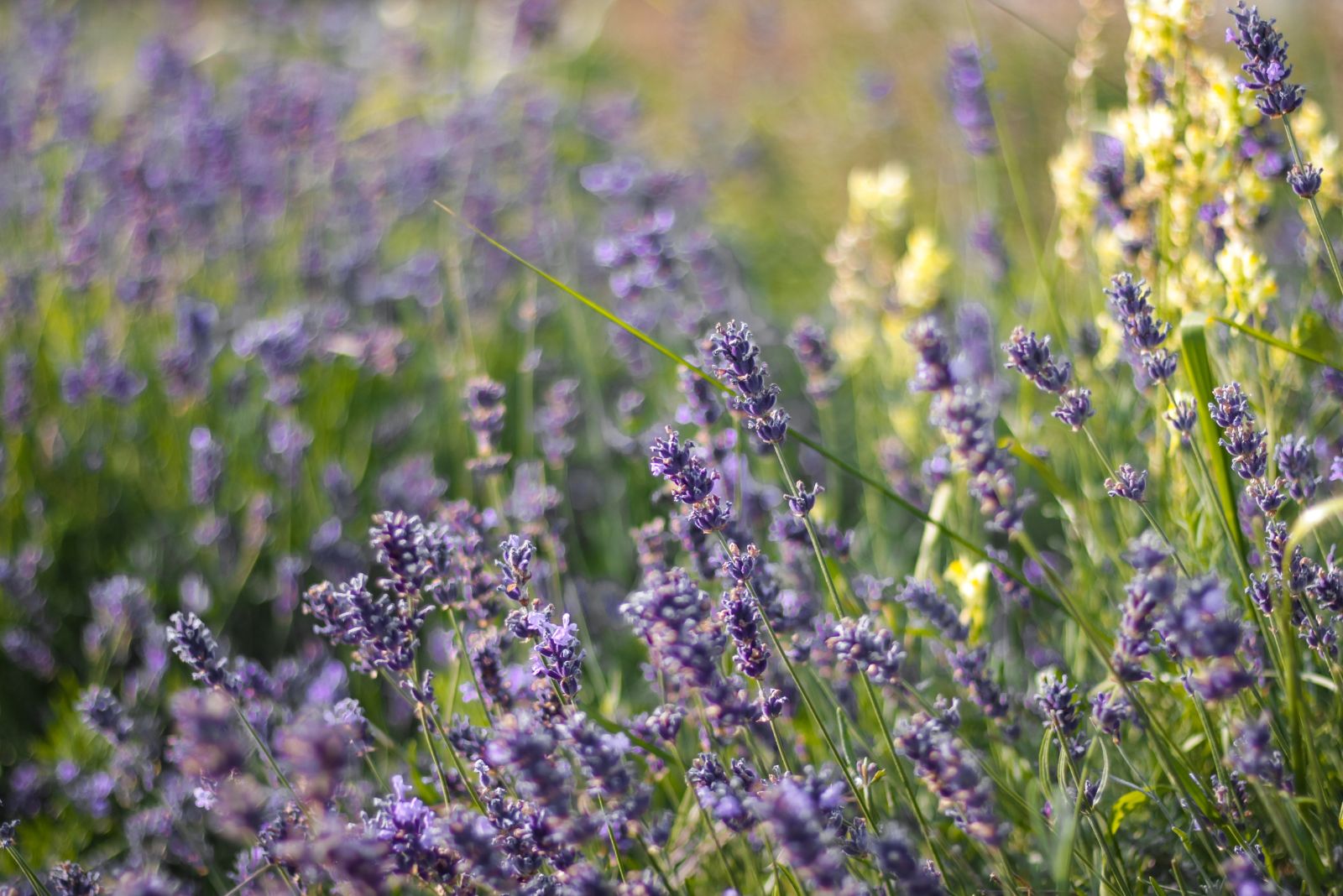
Michigan yards are getting a fresh twist, and fragrant flowers are leading the way.
As spring and summer roll in, these blooms do more than add color, they fill the air with scents that turn ordinary outdoor spaces into feel-good retreats.
A soft breeze can carry sweet notes across a lawn, making time outside more inviting from morning to evening.
Homeowners are discovering that fragrance adds another layer of enjoyment, changing how a yard feels as much as how it looks.
These flowers thrive in Michigan’s changing seasons, standing strong through cool nights and warm days.
Their scents spark memories, lift moods, and invite people to slow down and savor the moment.
From front walkways to backyard corners, fragrant blooms are shaping spaces that feel warm and welcoming.
This growing trend shows that beauty is not just seen but experienced, and Michigan yards are becoming places where scent and style work hand in hand.
1. Natural Stress Relief Right Outside Your Door
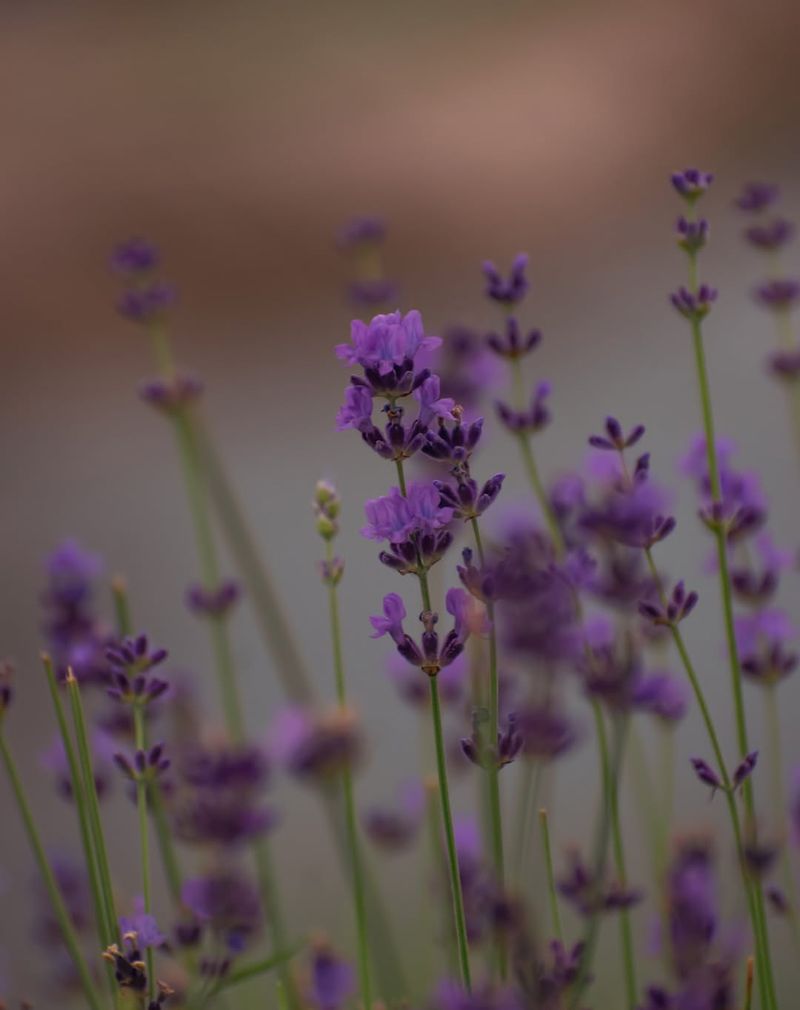
Imagine stepping into your backyard after a tough day and being greeted by the calming scent of lavender or sweet roses.
Michigan homeowners are realizing that fragrant flowers offer more than just visual beauty, they provide genuine mental health benefits.
Scientific studies show that pleasant floral scents can lower stress hormones, reduce anxiety, and improve overall mood within minutes of exposure.
Many families across Michigan are creating what experts call “scent gardens” specifically designed for relaxation.
These outdoor spaces feature benches surrounded by aromatic plants like honeysuckle, jasmine, and peonies.
Parents report that their children play more calmly in these areas, while adults find them perfect for morning coffee or evening unwinding.
The connection between smell and memory makes these gardens even more special.
When you plant fragrant flowers in your Michigan yard, you’re creating lasting memories tied to those wonderful scents.
Years later, catching a whiff of the same flower can transport you back to happy summer evenings spent with loved ones.
Michigan’s moderate summers provide ideal conditions for most scented blooms to release their full fragrance potential.
Unlike hotter climates where extreme heat can diminish flower scents, our state offers that perfect balance.
Gardeners in Grand Rapids, Ann Arbor, and throughout Michigan are discovering that their fragrant plantings smell even better than expected, making the stress-relief benefits that much stronger for everyone who visits their yards.
2. Supporting Michigan’s Struggling Pollinator Populations
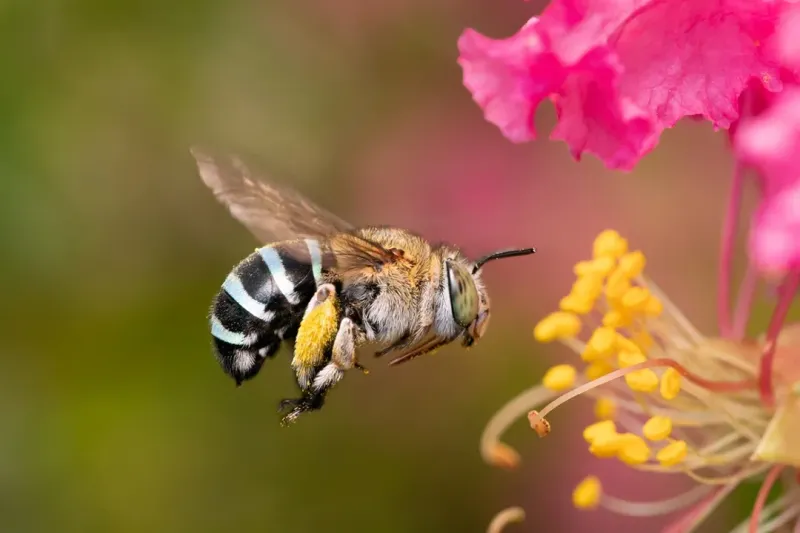
Bees, butterflies, and other pollinators face serious challenges across Michigan, with habitat loss threatening their survival.
Fragrant flowers act like bright neon signs to these essential creatures, guiding them to the nectar and pollen they desperately need.
The stronger the scent, the easier it becomes for pollinators to locate food sources from impressive distances.
Michigan gardeners who plant aromatic varieties like bee balm, catmint, and sweet alyssum notice immediate increases in pollinator activity.
These busy visitors don’t just help your flowers, they also pollinate vegetable gardens, fruit trees, and neighboring plants throughout your community.
One fragrant garden can support dozens of pollinator species throughout the growing season.
Native Michigan bees particularly appreciate scented flowers because they evolved alongside these plants over thousands of years.
When you choose native fragrant species like wild bergamot or Michigan lily, you’re providing exactly what local pollinators need most.
Conservation groups across the state encourage homeowners to include at least some native aromatic plants in their landscapes.
Children find pollinator gardens especially fascinating because the constant activity creates a living classroom right at home.
Watching bumblebees work through fragrant blooms or monarch butterflies visiting scented milkweed teaches kids about nature’s interconnected systems.
Michigan families report that their fragrant flower gardens spark curiosity and environmental awareness in young people, creating the next generation of conservation-minded citizens who understand why protecting pollinators matters for everyone’s future.
3. Increasing Property Values With Sensory Appeal
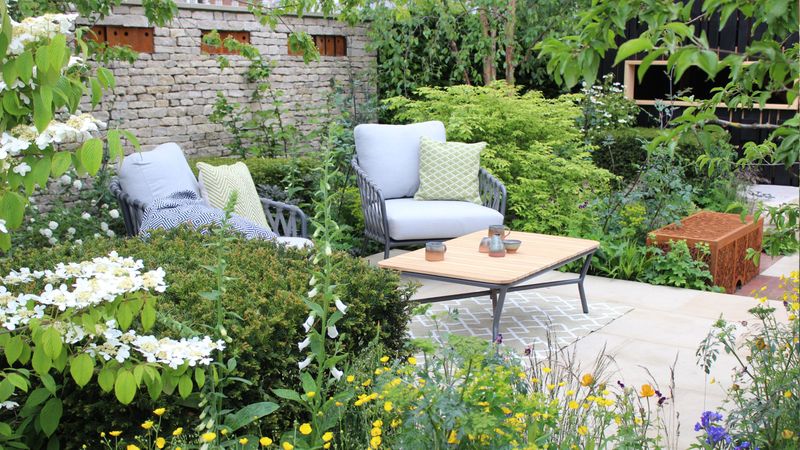
Real estate agents throughout Michigan report that homes with well-designed fragrant gardens sell faster and command higher prices than similar properties without them.
Potential buyers remember houses that engage multiple senses, and a yard filled with sweet-smelling flowers creates powerful positive impressions during showings.
This sensory experience makes properties stand out in competitive markets like Ann Arbor, Birmingham, and Traverse City.
Professional landscapers now regularly recommend fragrant plantings near entryways, along walkways, and around outdoor living spaces.
When visitors approach a Michigan home and smell blooming lilacs or sweet peas, they immediately feel welcomed before even reaching the front door.
This emotional response translates directly into perceived home value, with some appraisers noting that exceptional landscaping can add thousands to a property’s worth.
Fragrant gardens also extend usable outdoor space by making yards more inviting.
Michigan homeowners discover that family and friends want to spend more time outside when pleasant scents fill the air.
Patios surrounded by aromatic roses or decks near flowering tobacco plants become favorite gathering spots, effectively adding functional square footage to your property without expensive construction projects.
The investment required for fragrant plantings remains surprisingly modest compared to other home improvements.
A few well-placed perennials like phlox, dianthus, or scented geraniums cost less than a hundred dollars but provide years of enjoyment and property value enhancement.
Michigan gardeners appreciate that these plants multiply over time, making your initial investment even more worthwhile as your fragrant garden expands naturally.
4. Michigan’s Perfect Climate For Scented Blooms
Something special happens when Michigan’s climate meets fragrant flowers, they thrive in ways that surprise even experienced gardeners.
Our state’s cold winters provide the necessary dormancy period that many scented perennials require to bloom vigorously each spring.
Peonies, one of the most fragrant flowers available, actually need Michigan’s freezing temperatures to produce their spectacular scented blooms come June.
The moderate humidity levels found across much of Michigan help flowers release their fragrances without the scents becoming overwhelming or fading too quickly.
In drier climates, many aromatic plants struggle to maintain their scent intensity, while extremely humid regions can make fragrances feel heavy and cloying.
Michigan hits that sweet spot where lilacs, mock orange, and sweet autumn clematis smell absolutely perfect.
Our extended spring season allows fragrant bulbs and early bloomers to really shine.
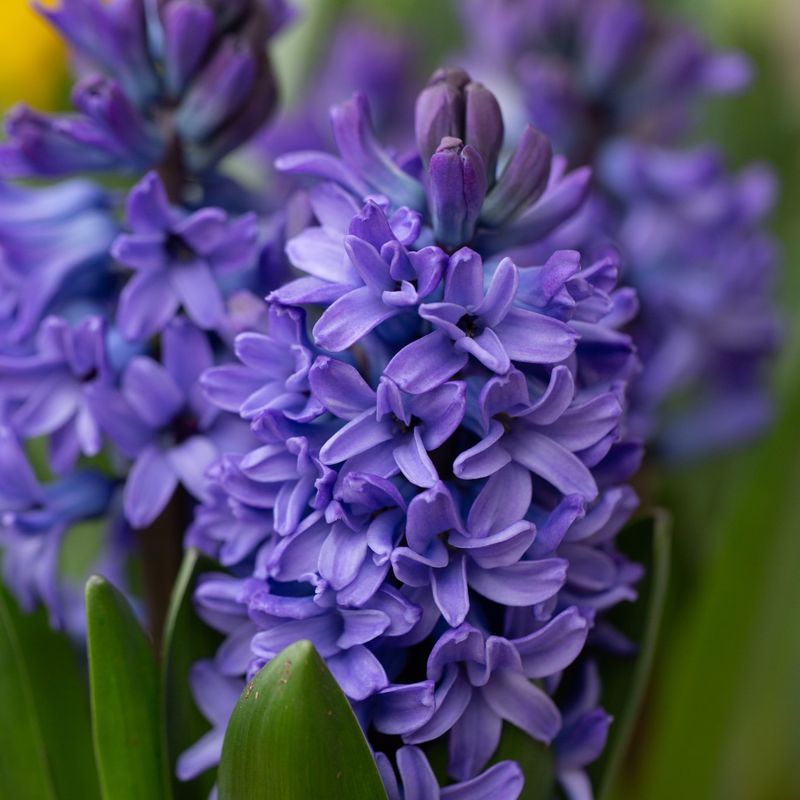
Hyacinths, one of spring’s most powerfully scented flowers, perform beautifully throughout Michigan because our gradual warm-up prevents them from blooming and fading too quickly.
Gardeners in Lansing, Kalamazoo, and across the state enjoy weeks of intoxicating fragrance from these early treasures.
Even Michigan’s sometimes unpredictable weather patterns benefit fragrant gardens in unexpected ways.
The occasional summer rain shower intensifies flower scents, creating those magical moments when your entire yard smells incredible after a gentle storm passes through.
Many Michigan residents specifically plan their evening outdoor activities around these post-rain periods when their fragrant plantings smell their absolute best and the air feels fresh and alive.
5. Creating Chemical-Free Natural Air Fresheners

Growing awareness about synthetic fragrance chemicals has Michigan families seeking healthier alternatives, and fragrant gardens provide the perfect solution.
Instead of plug-in air fresheners or scented candles containing questionable ingredients, homeowners can simply open windows to let natural flower scents drift indoors.
This practice, popular throughout Europe for centuries, is gaining enthusiastic followers across Michigan neighborhoods.
Certain aromatic plants work exceptionally well for this purpose.
Sweet peas planted near bedroom windows fill rooms with their gentle perfume on summer mornings.
Night-blooming flowers like nicotiana or evening primrose release their strongest scents after sunset, creating naturally fragranced sleeping spaces without any artificial products.
Michigan gardeners report sleeping better when their bedrooms smell like real flowers rather than synthetic substitutes.
The cost savings add up quickly when you replace purchased air fresheners with garden-grown alternatives.
A packet of sweet pea seeds costs just a few dollars but provides months of natural fragrance, while plug-in refills need constant replacement.
Families throughout Michigan appreciate this economical approach that also reduces plastic waste and exposure to potentially harmful chemicals.
Bringing cut flowers indoors extends the benefits even further.
Arrangements of fragrant roses, stock, or freesias can scent entire rooms for days, and unlike artificial options, their fragrance changes subtly as the flowers age.
Michigan residents love displaying these homegrown bouquets in kitchens, bathrooms, and living areas, knowing exactly where the pleasant scents originated and feeling proud of their gardening accomplishments while enjoying completely natural aromatherapy benefits.
6. Building Stronger Community Connections Through Gardens
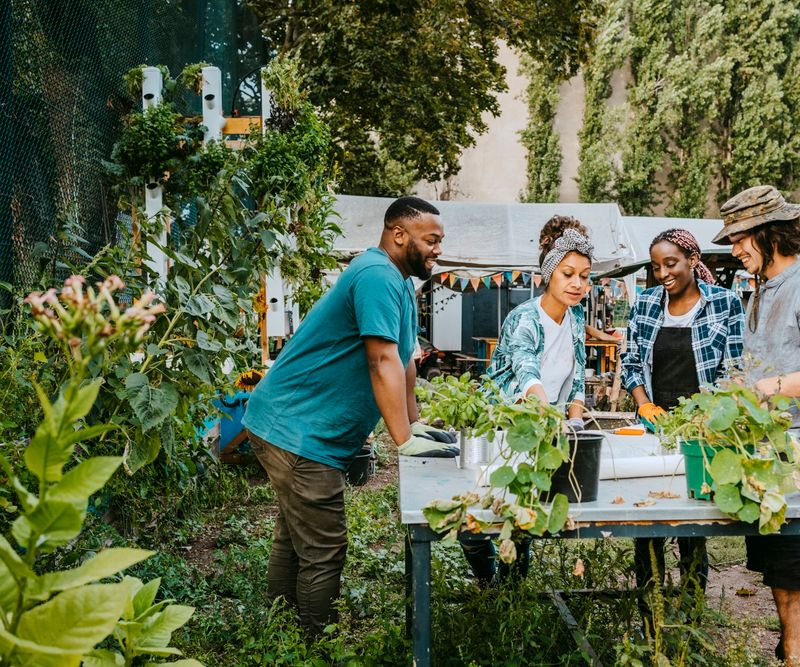
Walk through any Michigan neighborhood with blooming fragrant gardens and you’ll notice something wonderful, people actually stop and talk to each other.
Spectacular scented plantings naturally draw neighbors outside, creating conversation opportunities that strengthen community bonds.
Passersby often pause to compliment beautiful gardens, leading to friendly exchanges about gardening tips, plant varieties, and shared local pride.
Many Michigan communities now organize fragrant garden tours where residents open their yards to neighbors.
These events, popular in places like Birmingham, East Lansing, and Holland, celebrate local gardening achievements while inspiring others to create their own aromatic landscapes.
Participants exchange cuttings, seeds, and advice, building networks of gardening friends who support each other throughout the growing season.
Schools across Michigan are incorporating fragrant gardens into their outdoor classrooms, teaching children about plants while creating beautiful spaces that entire communities enjoy.
Parent volunteers, local businesses, and gardening clubs often contribute plants, labor, and expertise to these projects.
The resulting gardens become sources of neighborhood pride that bring people together for planting days, maintenance workdays, and harvest celebrations.
Fragrant community gardens in urban Michigan areas like Detroit and Flint are transforming vacant lots into gathering places that smell as wonderful as they look.
These shared spaces allow apartment dwellers without yards to grow aromatic flowers while connecting with neighbors who share their interests.
The simple act of tending fragrant plants side by side creates friendships that extend beyond the garden, strengthening the social fabric of Michigan communities in meaningful and lasting ways.
7. Year-Round Interest With Sequential Fragrant Blooming
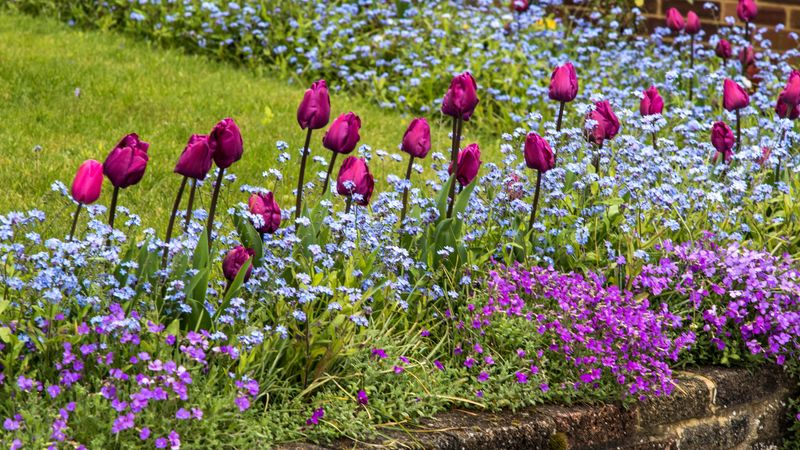
Smart Michigan gardeners are discovering that careful plant selection creates fragrant gardens with something blooming from early spring through late fall.
This sequential approach means your yard never goes through those boring periods where nothing interesting happens.
Instead, as one fragrant flower fades, another takes its place, keeping your landscape exciting and aromatic for seven or eight months each year.
Spring kicks off with intensely fragrant bulbs like hyacinths and daffodils, followed quickly by lilacs that define Michigan springtime for many residents.
As these fade, peonies and roses take center stage in June, filling early summer with their classic scents.
July and August bring phlox, flowering tobacco, and heliotrope, while September offers the spicy fragrance of autumn clematis and late-blooming roses.
This extended season of fragrance keeps Michigan yards feeling alive and dynamic.
Families look forward to each new bloom period, marking the passage of seasons by which flowers currently scent their outdoor spaces.
Children particularly enjoy this natural calendar, learning to associate specific scents with different times of year and developing deeper connections to Michigan’s seasonal rhythms.
Planning a sequential fragrant garden requires some research but pays enormous dividends in enjoyment.
Michigan gardeners can consult local nurseries, university extension offices, or experienced neighbors to select plants that will provide continuous fragrance in their specific region.
Once established, these carefully planned gardens require no more maintenance than traditional landscapes but offer dramatically more sensory interest throughout Michigan’s growing season, making every month special.