The 9 Fragrant Flowers That Thrive In Oregon Gardens
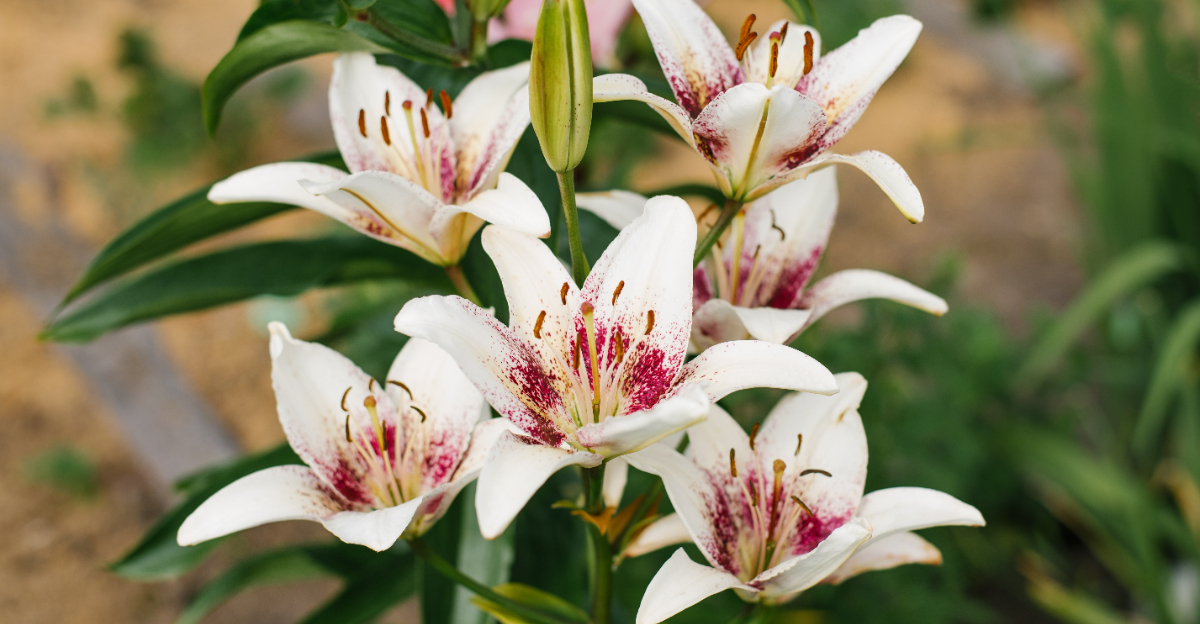
Stepping outside on a warm Oregon evening is much better when the air smells like more than just damp mulch and fresh-cut grass.
Most of us pick plants based on how they look in a pot at the garden center, but the best yards appeal to your nose too.
Our local climate is a great match for some of the most aromatic blossoms you can find. You can turn a basic backyard into a sensory retreat by placing a few fragrant choices near a window or your favorite patio chair.
These plants take advantage of our mild temperatures and rich soil to fill the air with scents that carry across the whole neighborhood. You do not need a professional greenhouse to get that high-end perfume.
A few specific varieties make your outdoor space feel like a total escape every time a breeze kicks up. It is a simple way to upgrade your garden experience.
1. Lavender
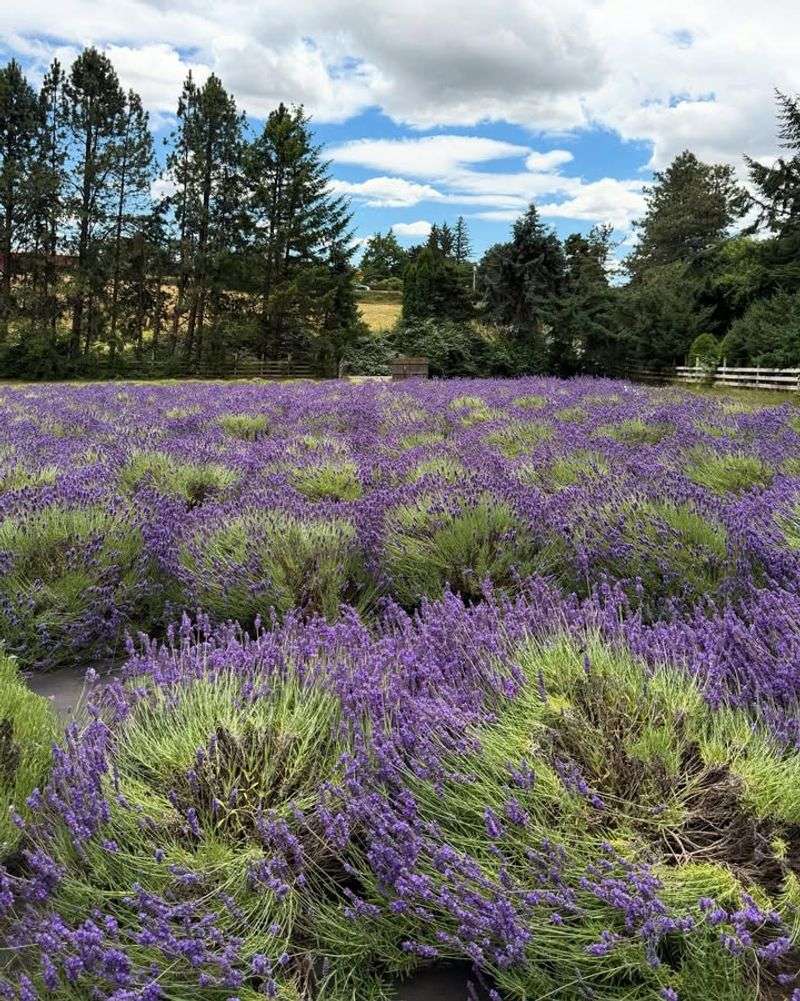
Few plants capture the spirit of a relaxed Oregon summer quite like lavender. The silver-green stems, the buzzing bees, and that unmistakable clean, herbal scent make it one of the most beloved garden plants in the Pacific Northwest.
Oregon’s sunny summers and well-drained soils in regions like the Willamette Valley are practically made for this Mediterranean beauty.
Lavender thrives in full sun and needs at least six hours of direct light each day. Plant it in a raised bed or on a slope where water drains away quickly, because soggy roots are its biggest weakness.
English lavender varieties like ‘Hidcote’ and ‘Munstead’ are especially well-suited to Oregon’s climate and tend to be hardier through cooler winters.
Once established, lavender is remarkably low-maintenance. Trim it back by about one-third after the first bloom to encourage a second flush of flowers.
Harvest the stems when about half the buds are open and hang them upside down to dry. Dried lavender keeps its scent for months and makes wonderful sachets, wreaths, and homemade gifts.
Plant it along a sunny walkway and enjoy that gorgeous fragrance every time you brush past.
2. Lilac
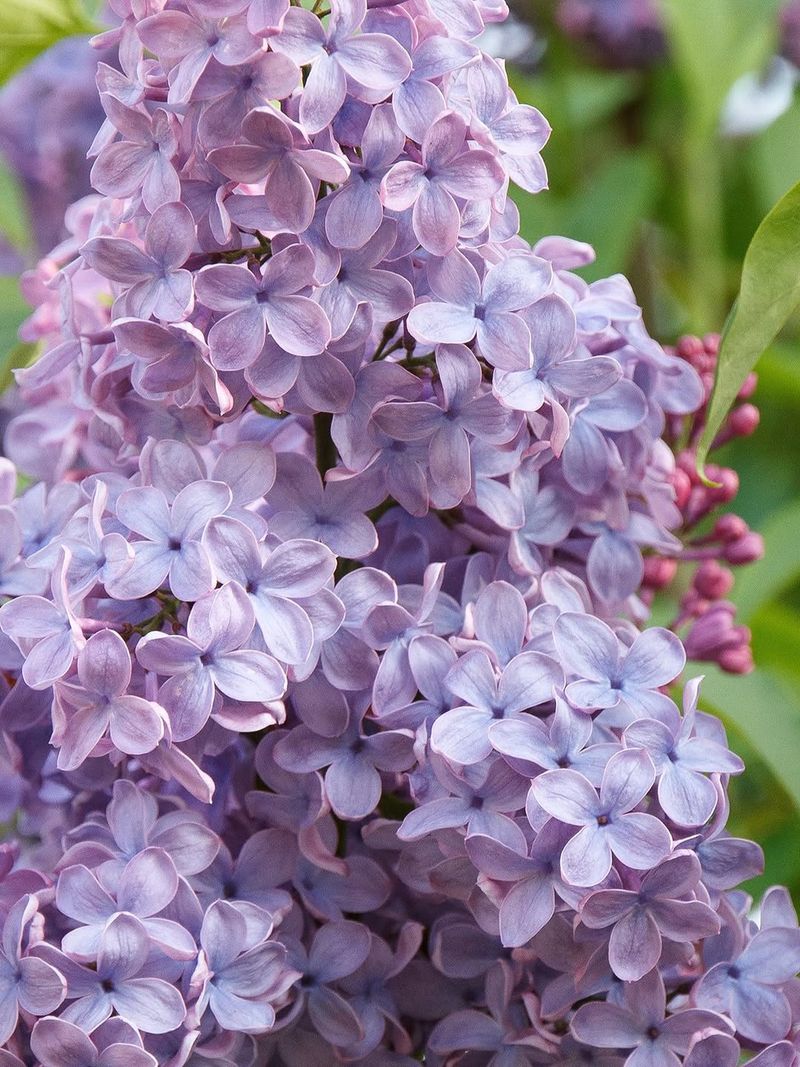
There is something almost nostalgic about the smell of lilacs in spring. That rich, sweet, powdery fragrance has a way of stopping people mid-stride and pulling them straight back to a childhood memory.
In Oregon, lilacs bloom beautifully in April and May, turning neighborhoods into something out of a storybook.
Lilacs love full sun and well-drained soil. They are tough, long-lived shrubs that can thrive for decades with very little fuss.
The classic purple Syringa vulgaris is a popular choice, but varieties like ‘Josee’ are especially exciting because they rebloom later in the season, giving Oregon gardeners an extended window of fragrance.
Plant lilacs where they will get at least six hours of sun daily. They do not love Oregon’s wet, heavy clay soils, so amend your planting area with compost and ensure drainage is solid.
Prune old wood right after flowering to keep the shrub vigorous and blooming well year after year. A lilac planted near a bedroom window or back porch will fill the air with fragrance on warm spring evenings, making it one of the most rewarding additions to any Oregon garden.
3. Rose
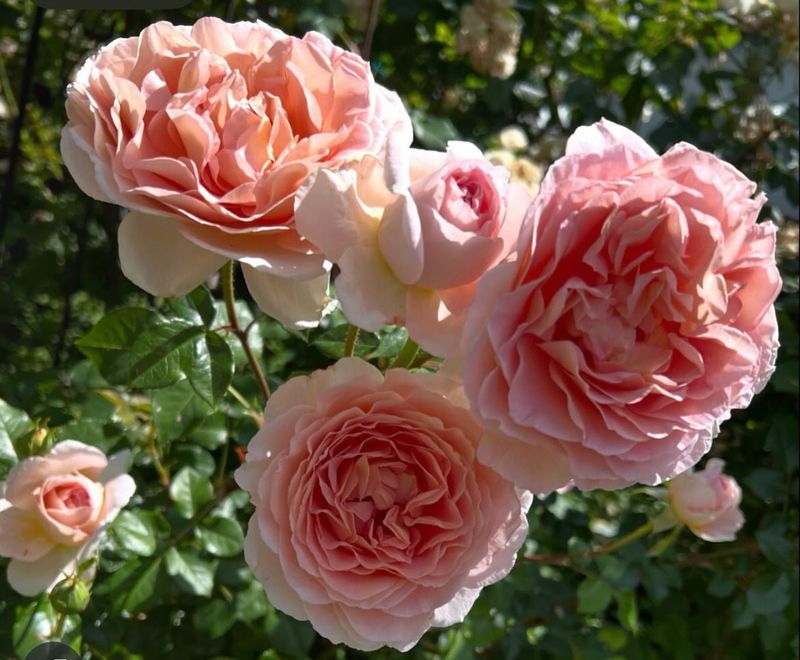
Portland did not earn the nickname ‘City of Roses’ by accident. Roses absolutely flourish in Oregon’s climate, and with thousands of varieties available, there is a perfect rose for every garden style and space.
From climbing roses draping over a fence to compact shrub roses tucked into a border, the options are endless and the fragrance is extraordinary.
Old garden roses and David Austin English roses are particularly prized for their strong, complex scents. Varieties like ‘Gertrude Jekyll’ and ‘Munstead Wood’ produce blooms that smell like a classic perfume counter in the best possible way.
Oregon’s cool nights and mild summers help roses develop deeper color and stronger fragrance than they would in hotter climates.
Plant roses in a spot with at least six hours of full sun. Feed them with a balanced fertilizer in spring and again mid-summer.
Good air circulation between plants helps prevent the fungal diseases that Oregon’s wet springs can sometimes encourage. Deadhead spent blooms regularly to keep new flowers coming all season long.
Roses are a little more work than some garden plants, but the payoff of standing in your Oregon garden surrounded by that heavenly scent makes every bit of effort completely worth it.
4. Daphne
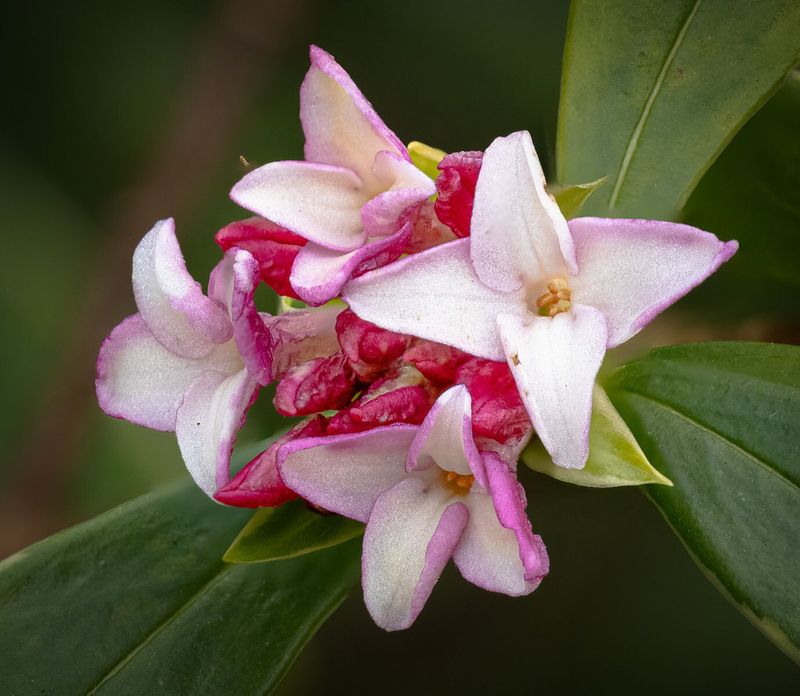
Walk past a daphne on a quiet February morning in Oregon and you will stop dead in your tracks. The fragrance is shockingly powerful for such a small, unassuming shrub.
Sweet, rich, and almost tropical, the scent of Daphne odora hits you from several feet away and lingers in the cool winter air long after you have moved on.
Daphne blooms in late winter to early spring, often while the rest of the Oregon garden is still brown and bare. That alone makes it priceless.
It stays compact and evergreen, which means it looks tidy and attractive all year round. The clusters of pink-rimmed white flowers are delicate and elegant against the glossy dark leaves.
This shrub prefers partial shade and excellent drainage. Oregon’s rainy season can cause problems if the roots sit in waterlogged soil, so choose a raised spot or amend with grit and compost before planting.
One important tip: plant it where you want it and leave it alone. Daphne strongly dislikes being moved once established.
Place it near a front door, a garden gate, or a well-used path so the incredible fragrance greets you every single day during those late-winter Oregon mornings.
5. Jasmine
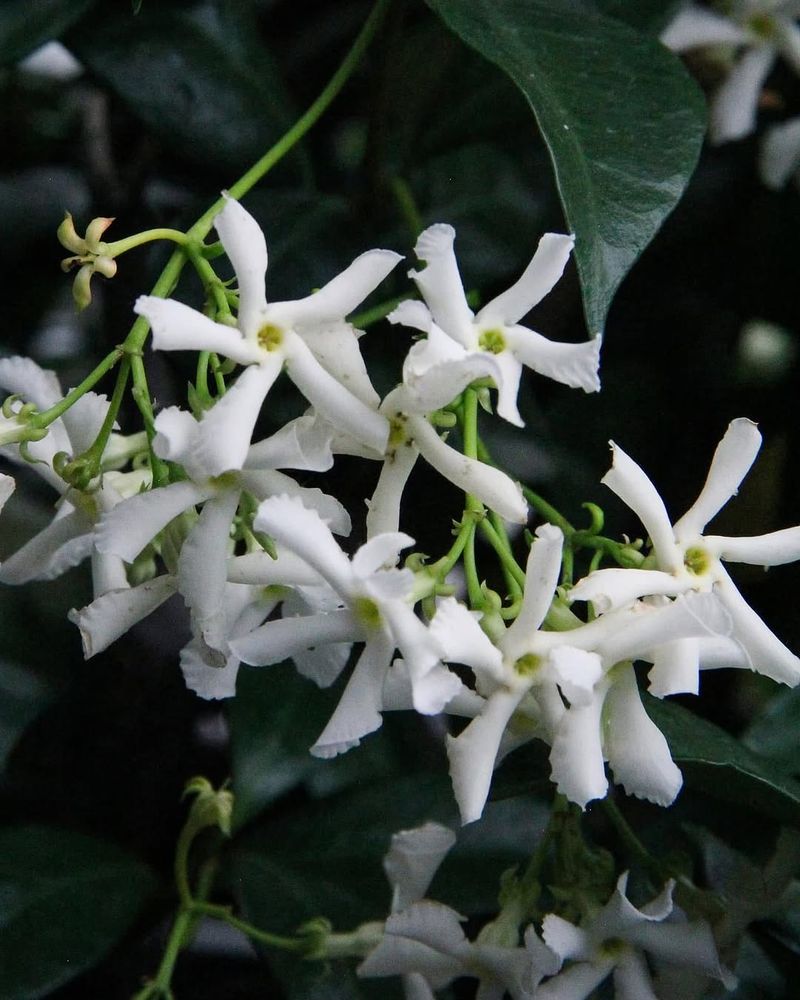
When the sun starts to set and the air cools down, jasmine puts on its best performance. The fragrance intensifies in the evening, turning a quiet Oregon patio into something that feels almost magical.
Star jasmine and common jasmine both grow well in Oregon’s milder regions, especially west of the Cascades where winters stay relatively gentle.
Jasmine is a climber at heart. Give it a trellis, an arbor, or a fence and it will scramble upward, covering structures in glossy green leaves and masses of small white flowers.
The blooms are tiny but their scent is enormous, sweet and exotic, carrying across the garden on warm summer breezes. It is a wonderful choice for framing a garden entrance or shading a pergola.
Plant jasmine in full sun to partial shade and water consistently through Oregon’s dry summer months. Mulch the base well to retain moisture and protect roots during colder spells.
In colder parts of Oregon, growing jasmine in a large container that can be moved into a sheltered spot during harsh weather is a smart strategy. Prune lightly after flowering to keep it tidy and encourage fresh growth.
Few plants deliver such a dramatic sensory experience for relatively modest care requirements.
6. Garden Phlox
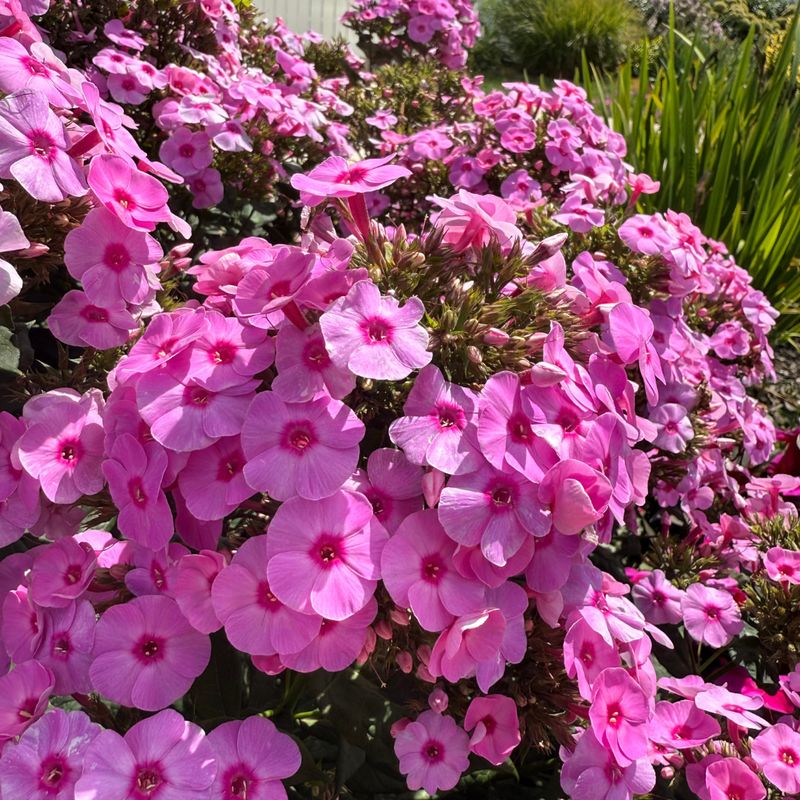
Bold, cheerful, and sweetly fragrant, garden phlox is one of those mid-summer powerhouses that makes an Oregon garden feel fully alive. The tall flower clusters come in shades of pink, white, lavender, and red, and they carry a soft, honey-like scent that attracts butterflies and hummingbirds all season long.
Once you grow it, you will wonder how your garden ever looked complete without it.
Phlox paniculata, the tall garden variety, grows well throughout Oregon in full sun to light shade. It prefers rich, moist, well-drained soil and benefits from regular watering during the dry Oregon summers.
Good air circulation is key to keeping powdery mildew at bay, which can be an issue in humid conditions. Choose mildew-resistant varieties like ‘David’ or ‘Robert Poore’ for the best results.
Plant phlox in groups of three or more for the most dramatic effect. Deadhead the spent flower heads to encourage a second wave of blooms later in the season.
Divide clumps every three years or so to keep plants vigorous and blooming strongly. Garden phlox pairs beautifully with coneflowers, black-eyed Susans, and ornamental grasses in an Oregon summer border, creating a colorful and fragrant display that lasts from July well into September.
7. Sweet Alyssum
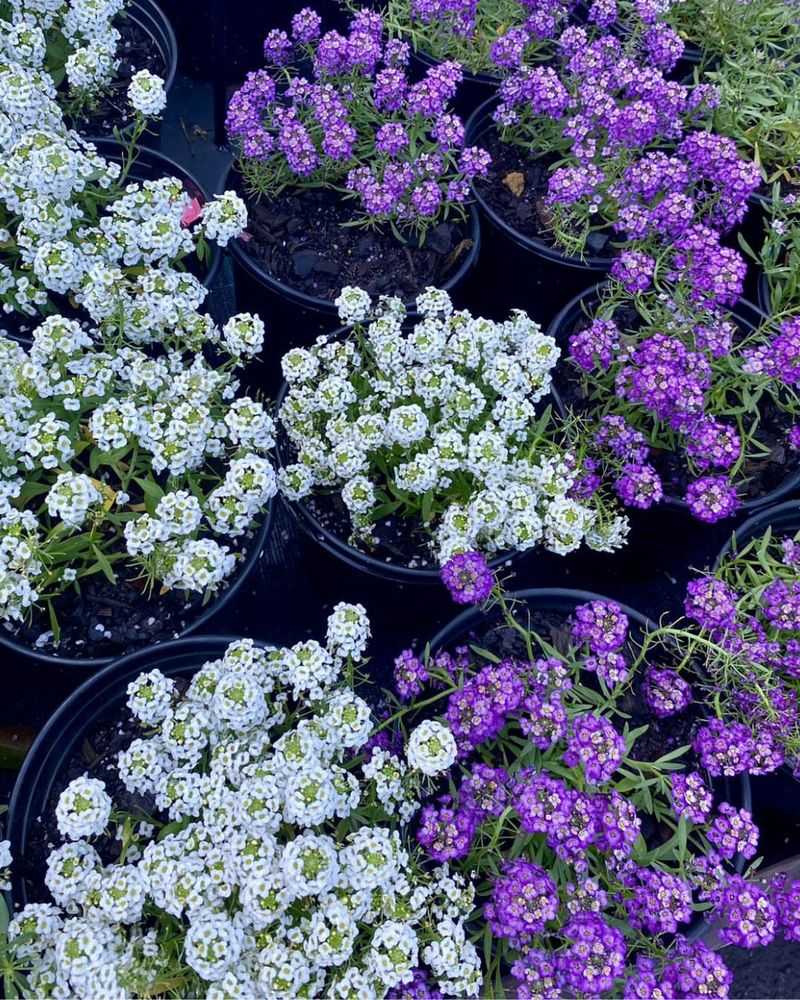
Small but seriously fragrant, sweet alyssum is one of those plants that punches way above its weight. The tiny white, pink, or purple flowers form dense, cloud-like mats close to the ground and release a sweet, honey-like scent that is surprisingly strong for such a petite plant.
In Oregon, it thrives in the cool seasons of spring and fall, making it a fantastic choice for extending garden interest beyond the peak summer months.
Sweet alyssum is incredibly easy to grow. Scatter seeds directly onto prepared soil in early spring or late summer and water gently.
The seeds germinate quickly and plants fill in fast, making them excellent for edging beds, filling gaps between stepping stones, or softening the edges of containers. They also work beautifully as a low-growing companion for taller plants in an Oregon cottage garden.
In Oregon’s moderate climate, sweet alyssum often self-seeds, meaning it comes back year after year with almost no effort on your part. Shear plants back by about half if they get leggy in summer heat, and they will rebound quickly with a fresh flush of flowers and fragrance.
Plant it generously along pathways or near seating areas where that gentle honey scent can be fully appreciated during cool Oregon mornings and evenings.
8. Peony
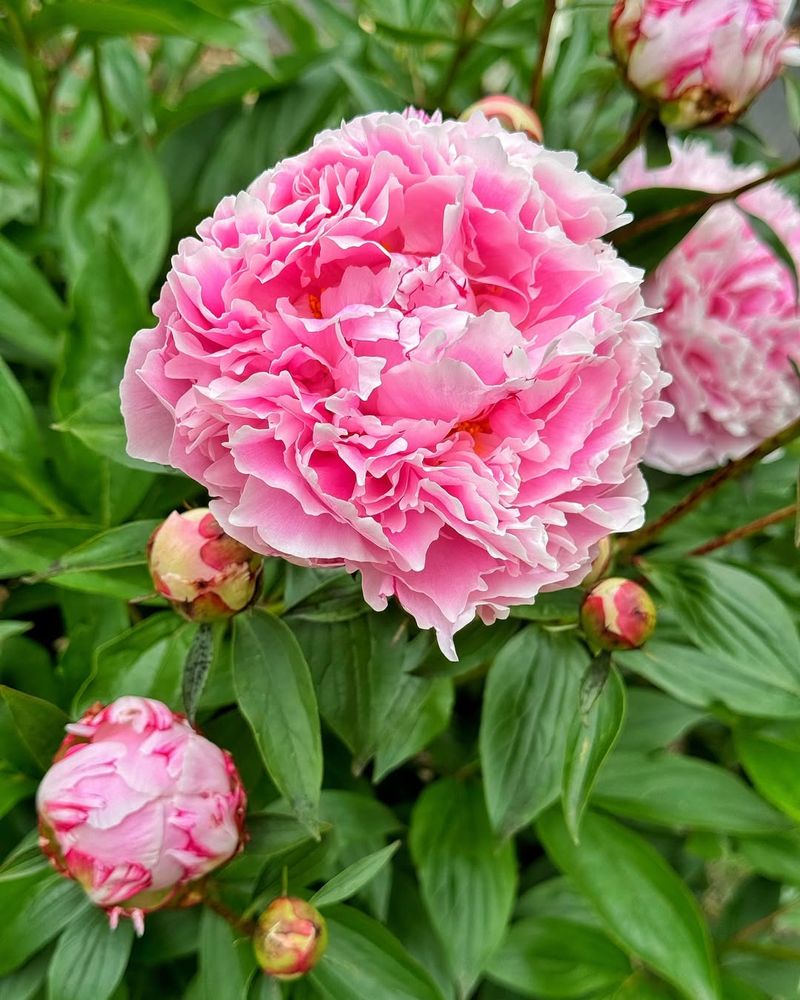
Peonies are the showstoppers of the spring garden, and Oregon’s climate suits them perfectly. The blooms are enormous, layered, and absolutely breathtaking, and many varieties carry a rich, rosy fragrance that feels luxurious and old-fashioned in the very best way.
People often plant a peony and then discover it becomes the most talked-about plant in their entire Oregon garden.
Herbaceous peonies thrive in Oregon’s cool winters, which actually help them bloom more abundantly. They need a period of cold dormancy to set their flower buds properly, so Oregon’s seasonal temperatures work in your favor.
Plant them in full sun with rich, well-drained soil and make sure the eyes, those reddish buds at the base, sit no more than one to two inches below the soil surface. Planting too deep is the most common reason peonies fail to bloom.
Once established, peonies are extraordinarily long-lived. Some plants bloom reliably for fifty years or more without being divided or moved.
Feed with a low-nitrogen fertilizer in early spring and support the heavy blooms with peony rings or stakes to keep them upright after Oregon’s spring rains. Cut a few stems for indoors and the fragrance will fill every room in the house for days.
9. Oriental Lily
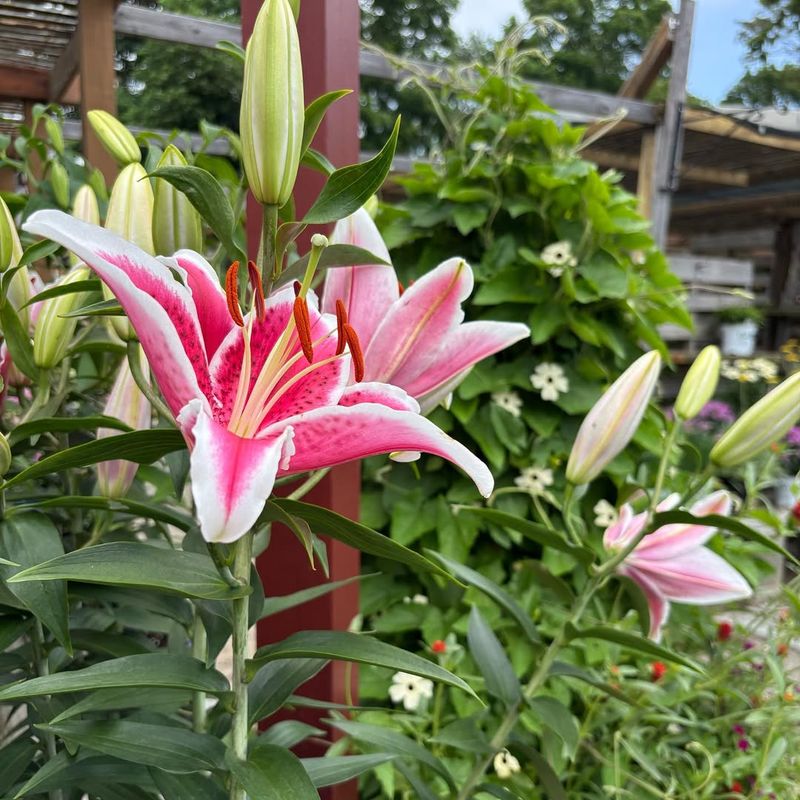
If you have ever walked past a blooming Oriental lily and felt momentarily dizzy from the scent, you are not imagining things. These are among the most intensely fragrant flowers in the entire plant world.
The blooms are massive, trumpet-shaped, and often spectacularly marked with spots, streaks, and gradients of pink, white, and deep crimson. In Oregon, they hit their peak in mid to late summer, carrying the garden forward after spring flowers have faded.
Oriental lilies grow from bulbs planted in fall or early spring. They prefer a sunny spot with well-drained, slightly acidic soil, which Oregon’s naturally acidic ground often provides.
Plant bulbs about three times as deep as their diameter, and mulch well to keep the roots cool and moist through Oregon’s warm summer months. They grow tall, sometimes reaching four to six feet, so planting near a fence or among sturdy perennials helps keep them upright.
Varieties like ‘Stargazer,’ ‘Casa Blanca,’ and ‘Black Beauty’ are reliable performers in Oregon gardens and produce blooms that last for weeks. Avoid wetting the foliage when watering to reduce the risk of fungal issues.
Cut stems for the house when just one or two buds have opened and the whole arrangement will be filling your Oregon home with fragrance within hours.