The 9 Frost-Tough Vegetables That Thrive In Oregon Gardens
Oregon gardens don’t take a break when frost arrives, they just change pace. While tender summer crops like tomatoes and peppers retreat at the first chill, a whole group of cold-hardy vegetables keeps thriving through frosty mornings and crisp nights.
These frost-tough crops often taste sweeter after a light freeze and develop stronger, more resilient leaves that shrug off cold snaps.
Even if you’ve struggled with early-season frost in the past, planting these vegetables gives your garden a boost when other crops are slowing down.
From leafy greens to hearty roots, they’re built to handle our cooler climate and keep your harvest going longer than you might expect.
With the right varieties, simple care, and a little attention to timing, your garden can stay productive and vibrant through the colder months.
Let’s explore nine frost-tough vegetables that do especially well in Oregon, helping you enjoy fresh, flavorful produce well beyond the typical growing season.
1. Garlic
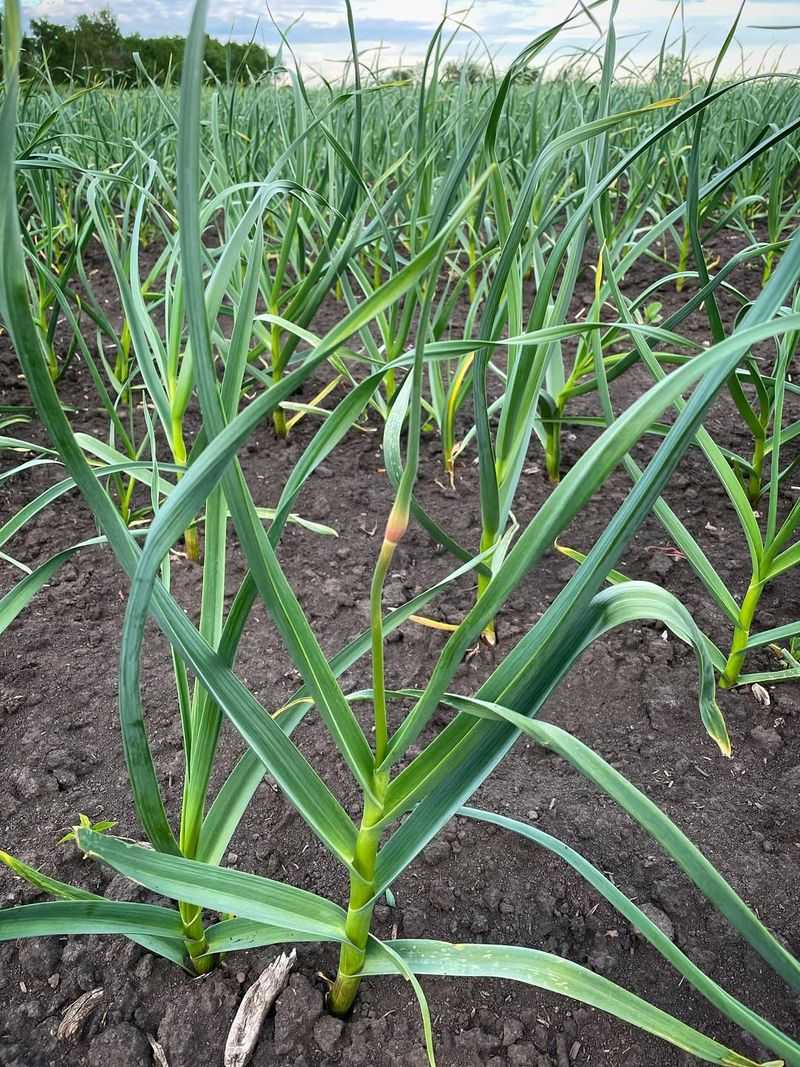
Walk through your garden bed after a cold snap and you’ll spot those slender green shoots standing tall while everything else looks wilted. That’s garlic doing what it does best, ignoring the chill and building strength underground.
Cold weather doesn’t slow it down; instead, it triggers the bulb-splitting process that gives you those perfect cloves come harvest time.
The secret lies in how garlic uses cold as a signal. When temperatures drop, the plant focuses energy on root development rather than top growth.
Those roots dig deep, anchoring the plant and gathering nutrients even when frost coats the soil surface.
Your garlic needs well-drained soil more than anything else during cool weather. Soggy ground combined with freezing nights can rot bulbs faster than any pest.
Mulching around the shoots helps regulate soil temperature and keeps moisture levels steady. Raised beds work beautifully because they drain quickly after rain and warm up faster when the sun appears.
2. Leeks
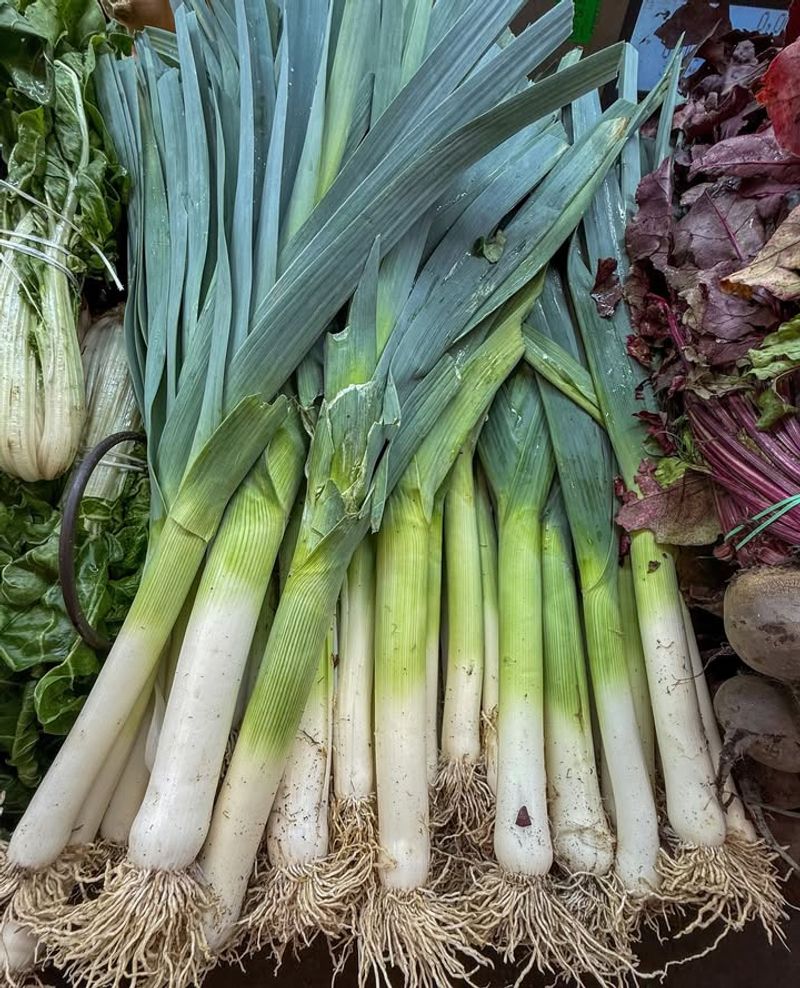
Picture a vegetable that actually gets more tender and sweet when frost hits, that’s the magic leeks bring to your cool-season garden. Most crops panic when ice forms, but leeks respond by converting starches into sugars, protecting their cells from freeze damage.
This natural antifreeze process is exactly why fall-grown leeks taste so much better than summer ones.
Their thick, upright leaves shed water beautifully, preventing the rot problems that plague other vegetables during Oregon’s wet, cold stretches. The white shanks stay firm underground, protected by layers of tightly wrapped leaves that insulate like a winter coat.
Hilling soil around the base as they grow creates longer white portions and adds extra frost protection. You can harvest leeks all through cool weather, just pull what you need and leave the rest standing.
They’ll wait patiently in the garden, getting sweeter with each frosty night, ready whenever your soup pot calls.
3. Arugula
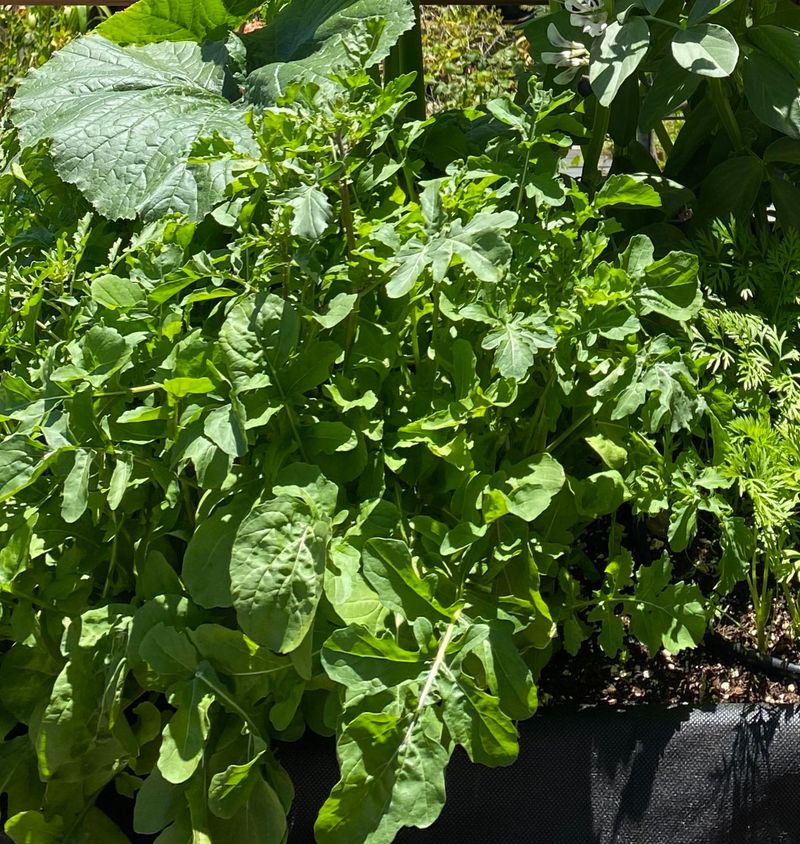
Some mornings you’ll find your lettuce looking sad and droopy after a cold night, but right next to it, arugula leaves stand crisp and perky. This peppery green has a frost tolerance that surprises new gardeners every season.
Light freezes don’t damage the leaves, they actually improve the flavor, mellowing that sharp bite into something more complex and interesting.
Arugula grows fast even when temperatures hover in the low 40s, a time when most salad greens stall completely. The leaves develop thicker cell walls in cold weather, giving them that satisfying crunch that makes fresh salads worth eating even when it’s chilly outside.
Keep soil evenly moist but not waterlogged during cool stretches. Arugula’s shallow roots need consistent moisture to keep producing tender leaves, but sitting in cold, wet soil invites problems.
Covering plants with row fabric during hard freezes extends your harvest window by several weeks, giving you fresh greens when grocery store prices climb.
4. Radishes
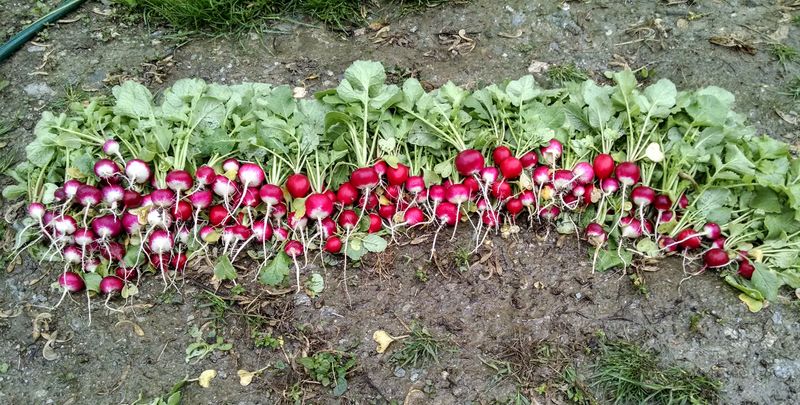
Nothing beats the satisfaction of pulling crisp radishes from cold soil when your neighbors think the growing season ended weeks ago. These quick-growing roots laugh at frost, developing their best flavor when nights turn cold and days stay cool.
Warm weather makes radishes woody and hot, but cold temperatures keep them crunchy and mildly spicy, exactly what you want.
Radishes mature fast, often ready to harvest before the hardest freezes arrive. But even if frost catches them, the roots stay firm underground while the tops might look a bit wilted.
That’s normal, the plant protects what matters most, keeping the edible root safe beneath the soil surface.
Thin seedlings properly so each radish has room to form a nice round bulb. Crowded radishes stay small and tough, regardless of temperature.
A light layer of straw mulch insulates the soil just enough to prevent hard freezing, letting you harvest radishes even when the ground feels cold to the touch. Containers work great too, especially on covered porches where they’re shielded from wind.
5. Turnips
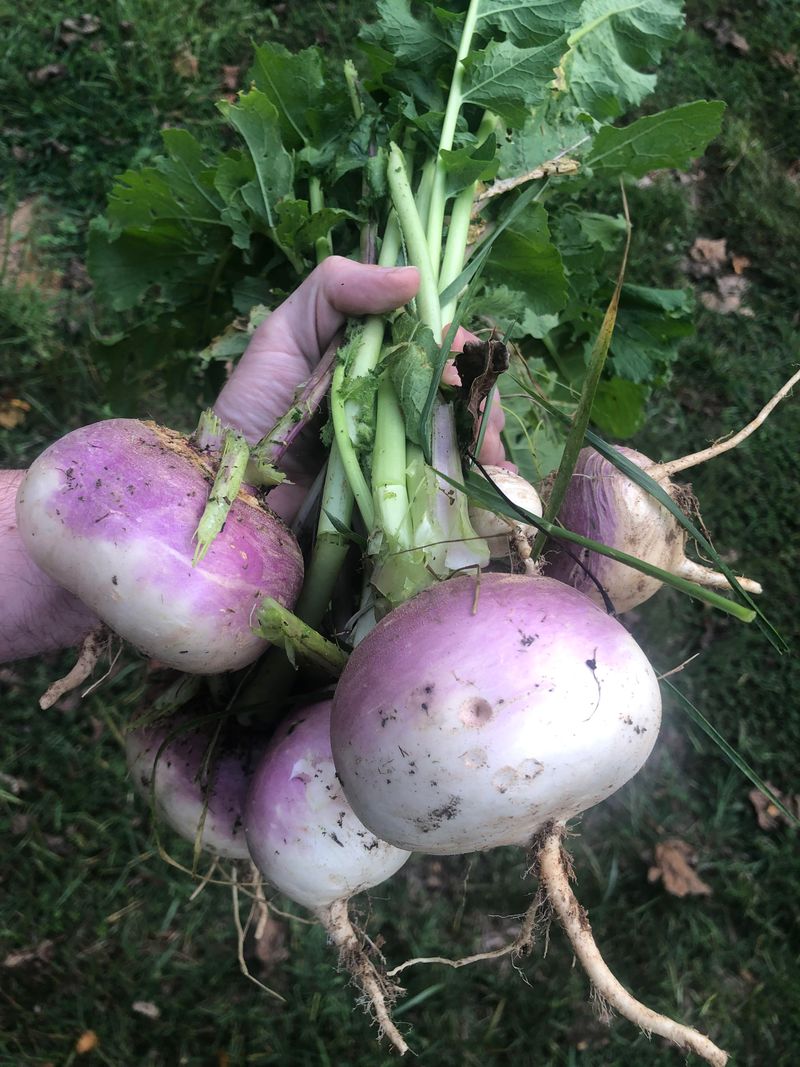
When frost warnings fill the forecast, turnips just settle in deeper. Cold weather triggers something special in these hardy roots, their flavor transforms from sharp and bitter to sweet and mild.
That first hard frost is like flipping a switch, converting starches into sugars that make turnips taste completely different than their warm-weather counterparts.
Both the roots and the greens handle cold beautifully. While the bulbs grow underground, protected from direct frost exposure, the leafy tops can withstand surprising amounts of cold before showing damage.
Even if the leaves get nipped, the roots keep developing, storing energy for your table.
Turnips prefer consistent moisture during cool weather, but they’re forgiving if you miss a watering. Their deep taproots reach moisture that surface-rooting crops can’t access.
Mulching around plants helps maintain even soil temperature and prevents that freeze-thaw cycle that can crack roots.
Harvest when they’re tennis-ball sized for the best texture, larger turnips can get woody, especially if they’ve been through multiple freeze cycles without protection.
6. Parsnips
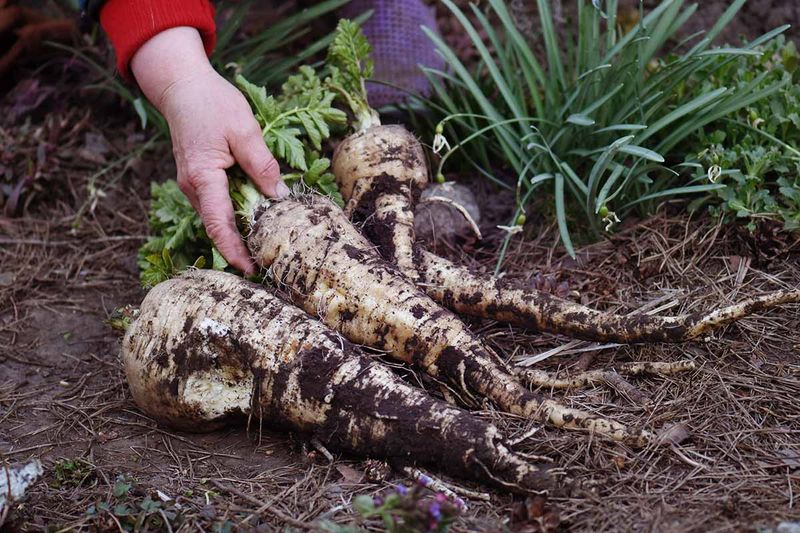
Here’s a vegetable that refuses to taste good until frost arrives, parsnips actually need cold weather to develop their signature sweetness. Before temperatures drop, they’re starchy and bland, hardly worth the garden space.
But after several hard frosts, those same roots transform into something special, developing a nutty-sweet flavor that makes roasted vegetables sing.
Parsnips take their time, growing slowly through cool weather while building sugars deep in those long taproots. The leaves might wither back when hard freezes hit, but underground, the roots stay perfectly preserved, waiting for you to dig them.
Some Oregon gardeners leave parsnips in the ground all through cold weather, harvesting only what they need.
Deep, loose soil makes the biggest difference with parsnips. Their roots want to grow straight down, and compacted or rocky soil forces them to fork and twist.
Raised beds filled with fluffy soil work beautifully. Mark where you’ve planted them – those seeds take forever to sprout, and you’ll forget where they are otherwise.
Mulch heavily once the tops wither back to make digging easier when the ground gets cold.
7. Fava Beans
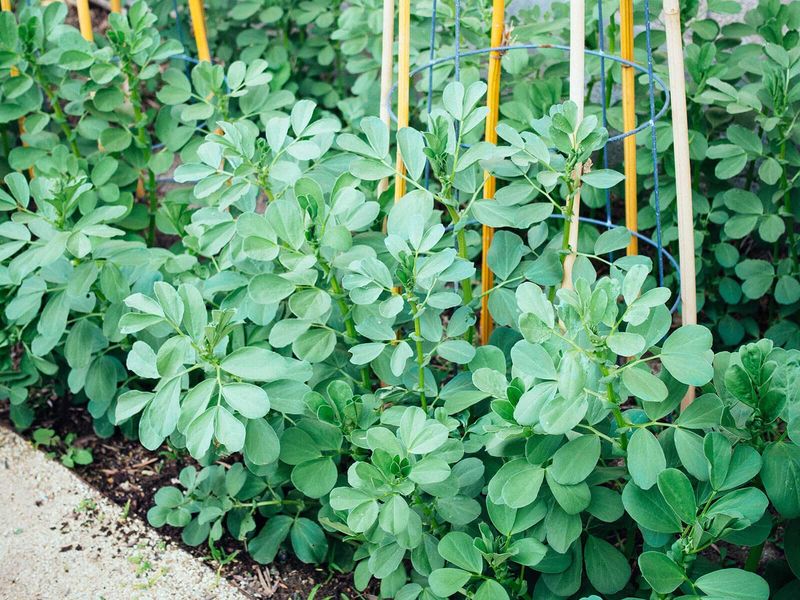
Most beans shiver at the first hint of frost, but fava beans stand strong, their sturdy stalks and thick leaves shrugging off cold that would destroy their warm-weather cousins.
These old-world legumes were bred for cool climates, and Oregon’s chilly, wet conditions suit them perfectly.
Light frosts don’t even slow them down, the plants keep flowering and setting pods while temperatures hover just above freezing.
Fava beans fix nitrogen in the soil even during cold weather, improving your garden bed while they grow. Their deep roots break up compacted soil and reach moisture other plants can’t access.
The flowers attract early-season pollinators who appreciate any blooms during cold stretches.
Support plants with stakes or trellising as they grow tall and top-heavy, especially important when wind combines with cold rain.
Pinch off the top growth once pods start forming, this concentrates the plant’s energy into filling out beans rather than making more flowers.
Mulch around the base helps keep roots warm and prevents soil from splashing onto lower leaves during heavy rains, reducing disease pressure when conditions stay damp and cool.
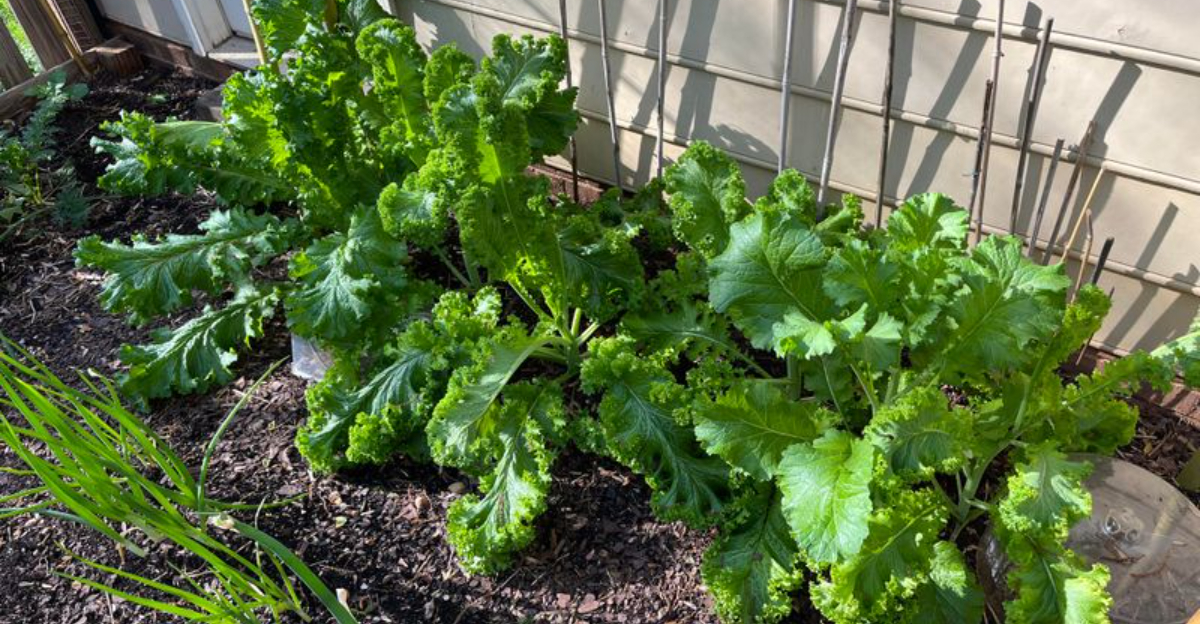
8. Mustard Greens
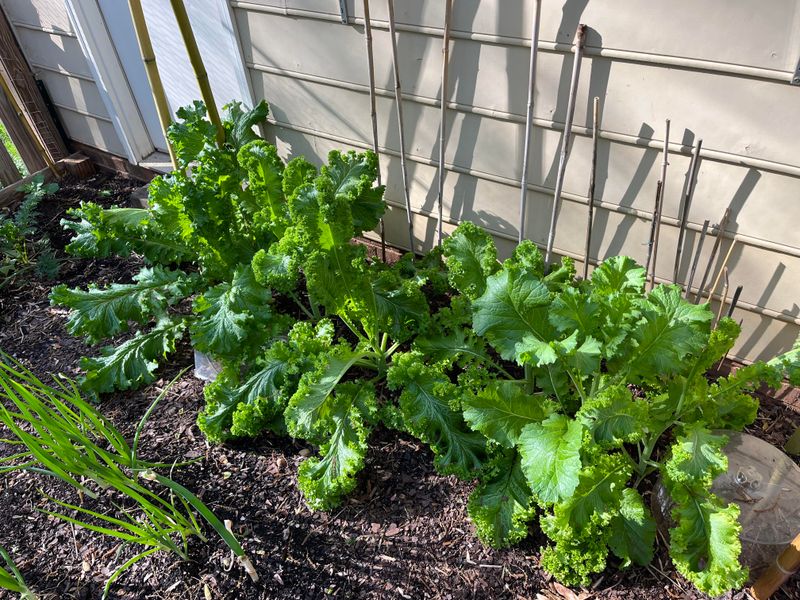
Ever notice how mustard greens get more flavorful and less bitter after cold nights? Frost works like a magic seasoning, taming that sharp mustard punch into something more balanced and complex.
The leaves toughen up in cold weather too, developing thicker cell walls that give them better texture whether you’re eating them raw or cooked.
These greens grow aggressively even when temperatures drop, putting out new leaves faster than you can harvest them. A light frost might wilt the outer leaves temporarily, but they perk back up once the sun warms things up.
The plant’s growing center stays protected, continuously producing fresh, tender leaves from the middle while older outer leaves shield it from the worst cold.
Cut leaves regularly to encourage more growth and prevent the plant from bolting, though cold weather delays that flowering instinct considerably.
Mustard greens handle containers beautifully, making them perfect for porch gardens where you can move them under cover during the hardest freezes.
They need decent drainage, wet feet in cold soil leads to rot faster than any frost damage would.
9. Rutabaga
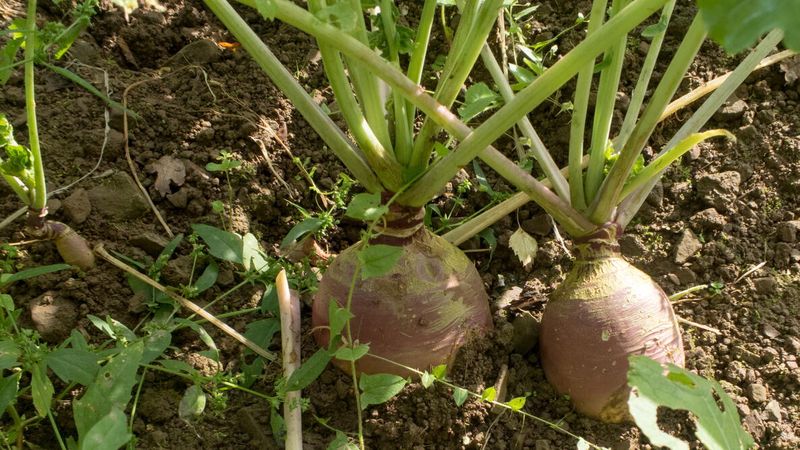
Rutabagas might be the toughest vegetable in your Oregon garden, sitting in cold, wet soil without complaint while lesser crops rot away. These purple-topped roots were developed in harsh northern climates, so Oregon’s cool, damp conditions feel like home.
Frost sweetens them just like it does turnips, but rutabagas take it further, developing a rich, almost buttery sweetness that makes them worth the wait.
The roots grow large and store beautifully, both in the ground and after harvest. Many gardeners leave rutabagas in the garden bed through cold weather, digging them as needed.
The tops wither back when hard freezes hit, but the roots stay firm underground, insulated by soil and mulch.
Give rutabagas plenty of space, they grow bigger than turnips and need room for those large roots to develop properly. Consistent moisture matters more than temperature, so water during dry spells even when it’s cold outside.
A thick mulch layer protects roots from the hardest freezes and makes digging easier when the ground gets cold. Harvest before the soil freezes solid, or mark their location so you can find them later when the ground thaws.