The Garden Layout Taking Off In Washington For Its Photo-Worthy Look
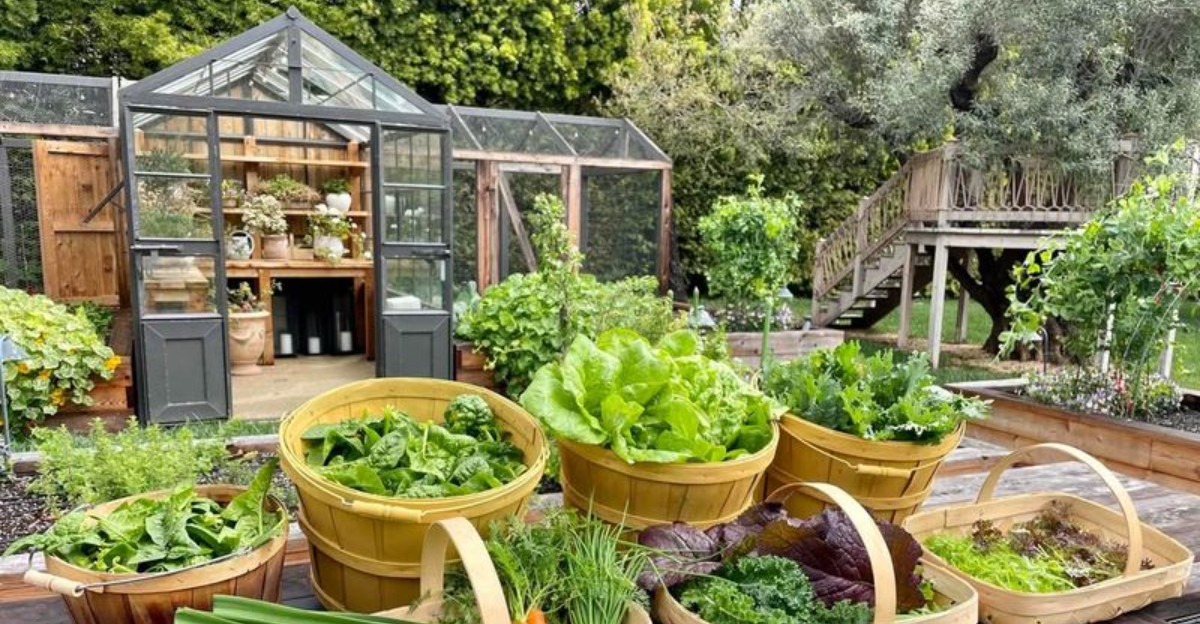
Garden lovers in Washington are having a moment right now, and a certain layout keeps popping up because it instantly gives any yard that clean, photo-worthy look everyone loves.
You see how the paths, plant shapes, and soft layers come together so naturally, and it makes the whole space feel calm in a way you want to copy at home.
It’s one of those ideas that sticks with you after just one glimpse, and you’ll probably catch yourself imagining how it could fit into your own yard.
1. Pacific Northwest Native Plant Gardens
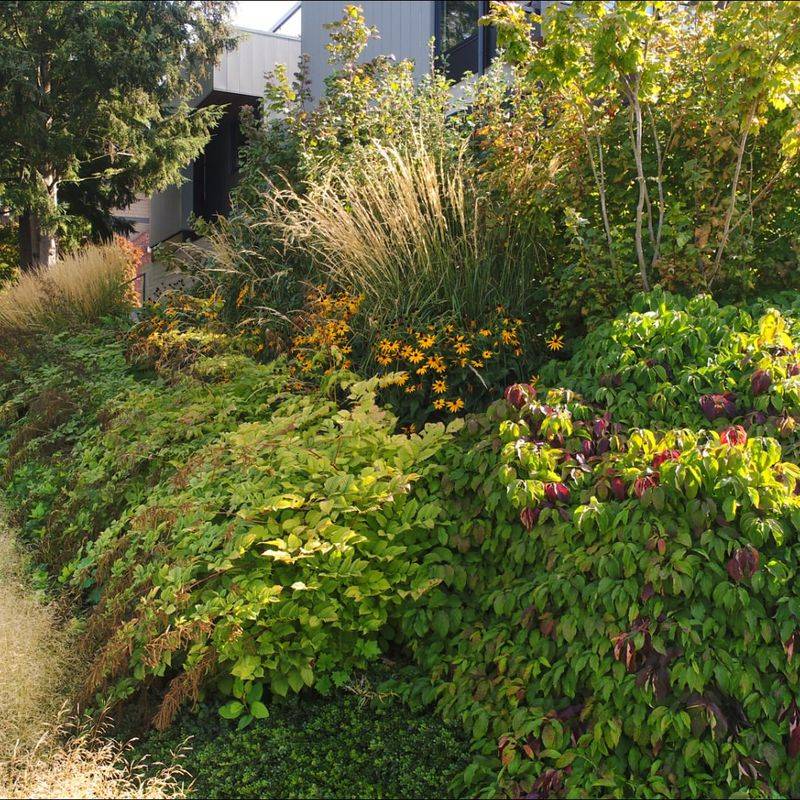
Native plant gardens celebrate the natural beauty that Washington is famous for while requiring minimal maintenance once established in your yard.
Sword ferns create dramatic texture alongside vibrant Oregon grape, while salal adds year-round greenery that photographers love capturing in different seasons.
Red flowering currant bursts with pink blooms each spring, attracting hummingbirds that add movement and life to every garden photograph you take.
Arranging plants in naturalistic clusters rather than rigid rows mimics how vegetation grows wild throughout forests across the beautiful Pacific Northwest.
Gravel pathways winding through native plantings create visual interest and invite viewers to imagine walking through your stunning Washington garden space.
These gardens thrive in local climate conditions without excessive watering, making them both eco-friendly and budget-conscious for homeowners throughout the state.
Seasonal changes bring new photo opportunities as different plants bloom, change color, or produce berries that birds eagerly visit for food.
Photographers appreciate the authentic Northwest aesthetic that native gardens provide, making your outdoor space instantly recognizable and regionally appropriate for sharing.
2. Geometric Raised Bed Vegetable Gardens
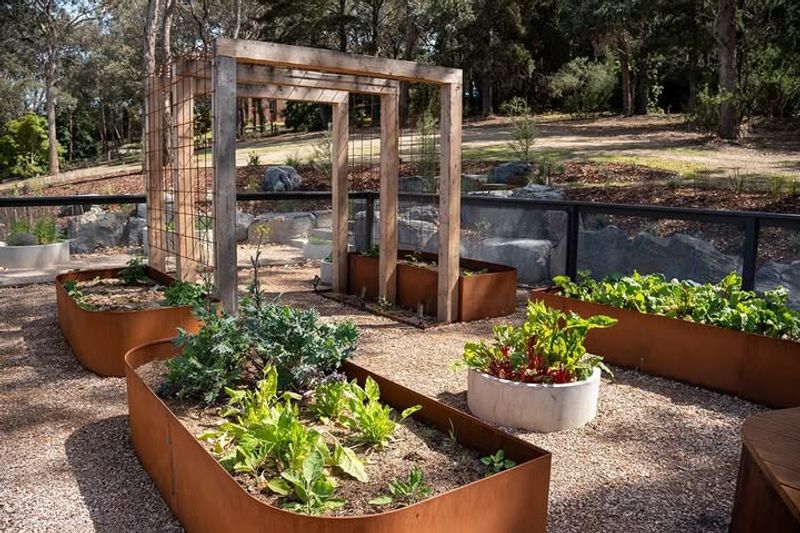
Raised bed gardens arranged in geometric patterns transform functional vegetable growing into an architectural statement that looks incredible from every angle imaginable.
Cedar wood frames create clean lines and natural tones that complement Washington landscapes while providing excellent drainage for healthy plant growth year-round.
Organizing vegetables by color and height within each bed creates visual rhythm that makes even practical gardening look like intentional art.
Alternating beds of leafy greens, vibrant tomatoes, and purple cabbage produces a patchwork effect that photographs beautifully from ground level or above.
Neat pathways covered with wood chips or gravel between beds provide walking space while enhancing the organized aesthetic that modern gardeners adore.
Marigolds and nasturtiums planted along bed edges add pops of orange and yellow while naturally deterring pests from your precious vegetable crops.
Vertical trellises for beans and cucumbers add height variation that creates depth in photos and maximizes growing space in compact Washington yards.
This layout proves that productive gardens can be just as photogenic as purely ornamental spaces when designed with intention and visual balance.
3. Cottage-Style Flower Gardens
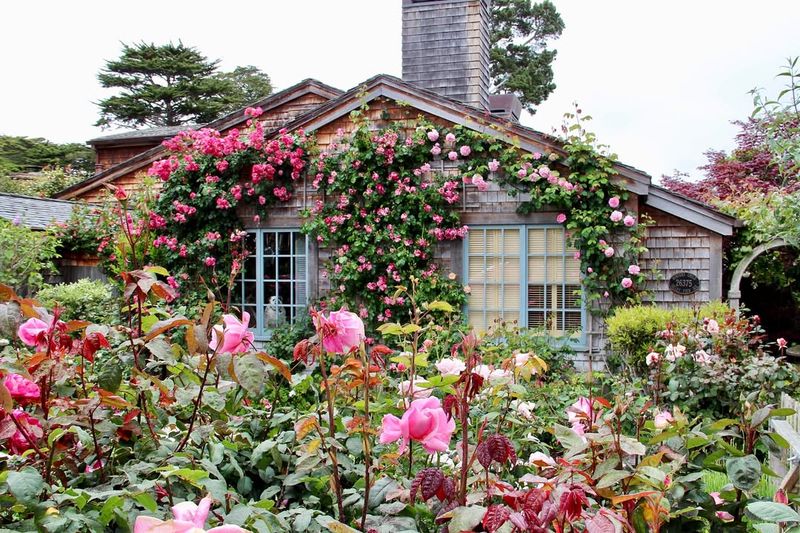
Cottage gardens embrace romantic abundance with layers of colorful flowers that bloom successively throughout the growing season in beautiful Washington neighborhoods.
Delphiniums reach skyward with spires of blue and purple while foxgloves add vertical drama that draws the eye upward through your garden.
Roses climbing over arbors and fences create classic focal points that never go out of style for garden photography and landscape design.
Lavender borders release fragrance when brushed against and provide soft purple hues that contrast beautifully with pink and white flowering perennials nearby.
Allowing plants to self-seed and mingle creates the pleasantly chaotic look that defines cottage style gardens throughout Washington and beyond.
Stone pathways barely visible beneath overflowing blooms invite exploration and provide perfect foreground elements for capturing depth in garden photographs successfully.
White picket fences or rustic wooden gates frame views and add nostalgic charm that resonates with viewers seeking peaceful garden inspiration online.
This timeless layout thrives in Washington climate where consistent moisture supports lush growth and extended blooming periods that photographers eagerly document.
4. Modern Minimalist Zen Gardens
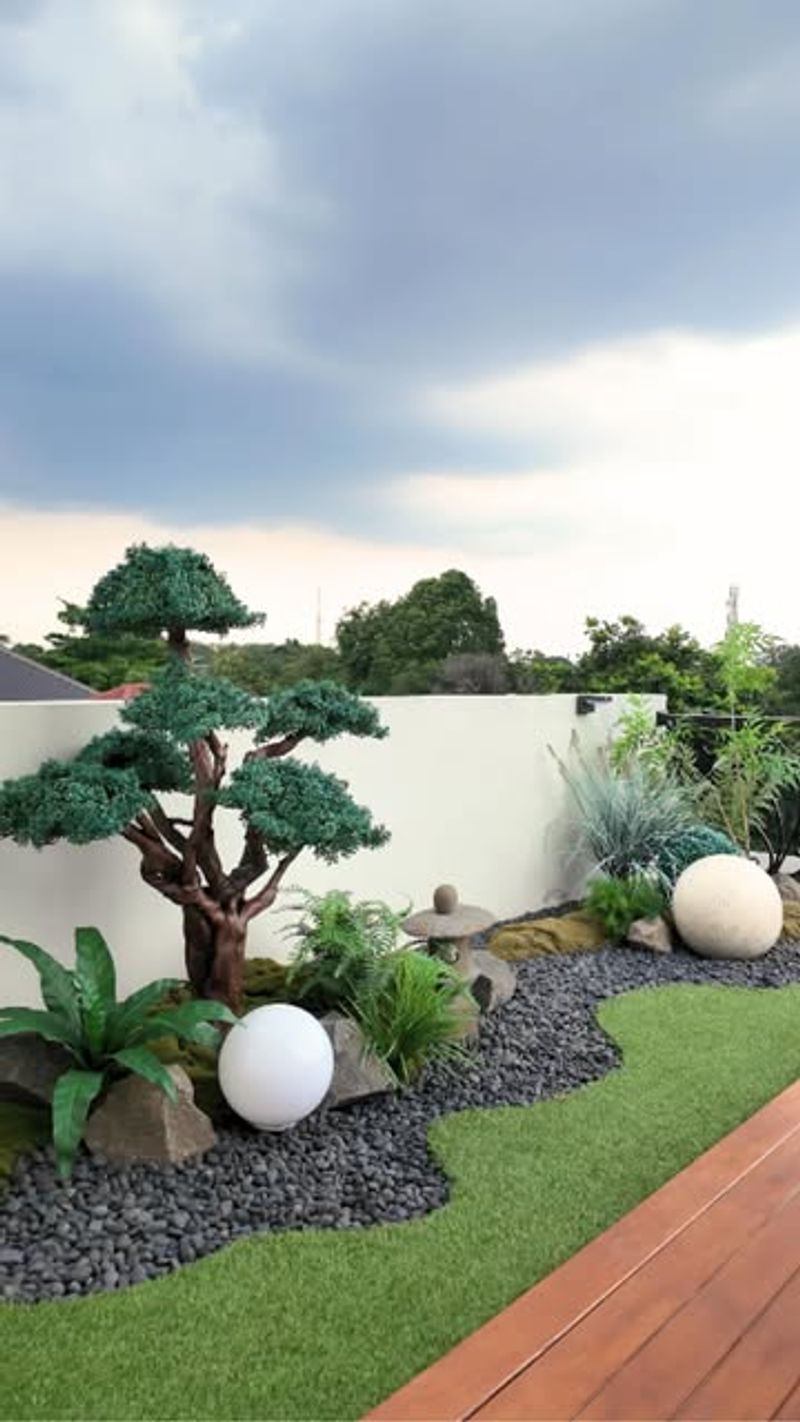
Zen-inspired gardens strip away excess to highlight essential elements like stone, gravel, and carefully chosen plants that create meditative spaces throughout Washington.
Raked gravel patterns symbolize flowing water and provide texture that changes with light throughout the day, offering endless photographic possibilities for homeowners.
Large river rocks positioned as sculptural elements become focal points that anchor compositions and add timeless beauty to your outdoor meditation space.
Japanese maples provide seasonal color transitions from spring green to autumn crimson without overwhelming the restrained aesthetic that defines Zen design principles.
Bamboo water features add gentle sound and movement while maintaining the natural materials palette that works harmoniously in Pacific Northwest garden settings.
Low boxwood hedges define spaces without blocking sightlines, creating subtle boundaries that organize the garden while preserving its open, peaceful feeling overall.
Negative space becomes as important as planted areas, allowing the eye to rest and creating balance that translates beautifully in photographs.
Washington homeowners appreciate how these gardens provide year-round visual interest with minimal maintenance while offering calming retreats from busy modern life.
5. Woodland Shade Gardens
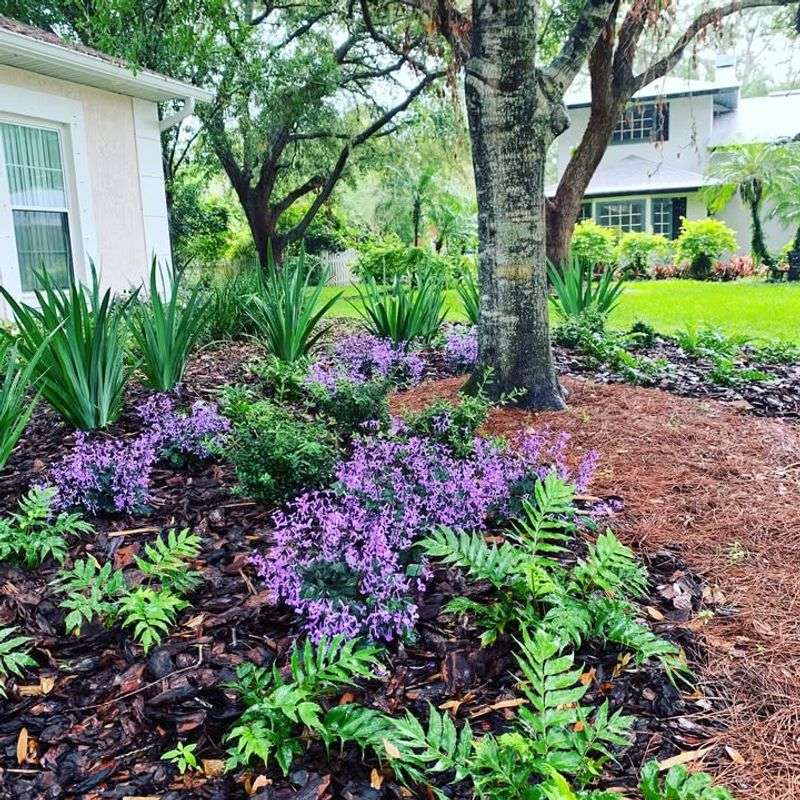
Shade gardens transform challenging low-light areas beneath mature trees into enchanting spaces that showcase plants perfectly adapted to Washington forest conditions.
Hostas display incredible leaf variety from chartreuse to deep blue-green, creating living tapestries that look stunning even without flowers present.
Bleeding hearts dangle their distinctive pink and white heart-shaped blooms in spring, adding whimsical charm that photographers find irresistible to capture.
Native trilliums emerge each spring with three-petaled white flowers that signal the arrival of warmer weather throughout forests and gardens statewide.
Layering ferns at different heights mimics natural forest understory while creating depth and texture that makes shade gardens feel lush and full.
Bark mulch pathways blend seamlessly with the woodland aesthetic while suppressing weeds and retaining moisture that shade-loving plants require for thriving.
Moss-covered logs placed strategically add natural seating and habitat for beneficial insects while enhancing the authentic forest feel in your Washington yard.
Dappled sunlight filtering through tree canopies creates magical lighting conditions that make shade gardens especially photogenic during morning and evening hours daily.
6. Mediterranean Drought-Tolerant Gardens
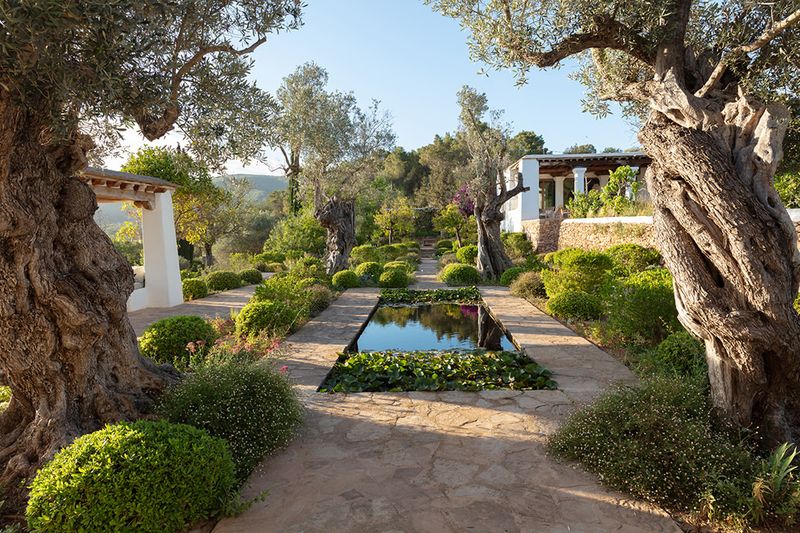
Mediterranean gardens bring sun-loving plants and warm-climate aesthetics to drier regions of Washington, particularly thriving in areas east of the Cascade Mountains.
Lavender fields in shades of purple create waves of color and fragrance that attract pollinators while requiring minimal water once established properly.
Rosemary grows into substantial shrubs that serve dual purposes as attractive evergreen structure and culinary herbs for your kitchen cooking needs.
Olive trees add sculptural trunks and silvery foliage that catches light beautifully, creating Mediterranean atmosphere even in Washington wine country settings.
Ornamental grasses like feather reed grass and blue fescue sway gracefully in breezes, adding movement that brings garden photographs to life.
Succulents in terracotta pots clustered on patios provide architectural interest while celebrating water-wise gardening principles that benefit our environment significantly.
Decomposed granite pathways in warm tones complement the plant palette while providing excellent drainage that these drought-adapted plants prefer for growth.
This layout proves especially popular in eastern Washington where summer heat and lower rainfall make Mediterranean plants logical and beautiful landscaping choices.
7. Formal Symmetrical Gardens
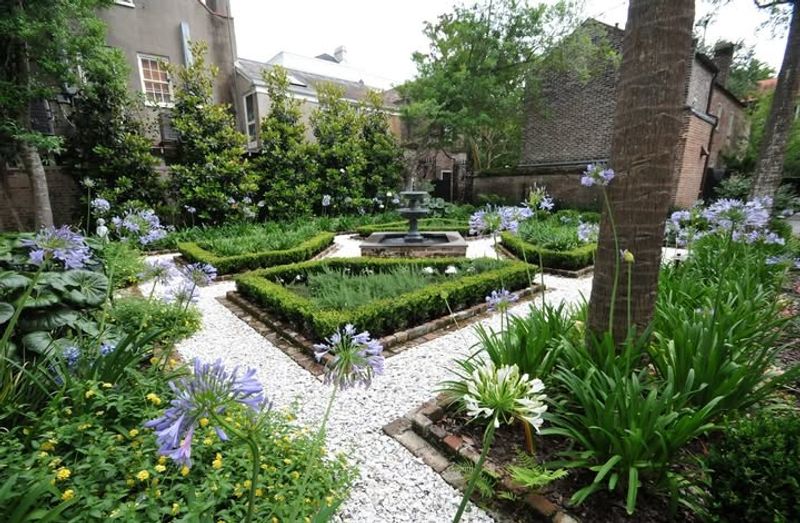
Formal gardens employ symmetry and geometric precision to create orderly outdoor spaces that photograph beautifully from aerial perspectives and ground-level views alike.
Boxwood hedges trimmed into perfect rectangles and spheres provide evergreen structure that looks immaculate throughout all four seasons in Washington gardens.
Central focal points like fountains or sundials anchor the design while drawing the eye to the garden center in photographs and reality.
Mirror-image rose beds flanking central pathways double the visual impact while creating balance that feels inherently satisfying to viewers of all ages.
Brick pathways laid in herringbone or basket-weave patterns add intricate detail at ground level that rewards close examination in detailed garden photography.
Topiary spheres positioned at regular intervals along pathways provide rhythm and repetition that guides visitors through the space with intentional pacing always.
Seasonal bedding plants changed throughout the year maintain color while preserving the formal structure that defines this classic garden style perfectly.
Washington estates and larger properties particularly suit formal layouts where space allows the full symmetrical design to be appreciated from various vantage points.
8. Wildflower Meadow Gardens
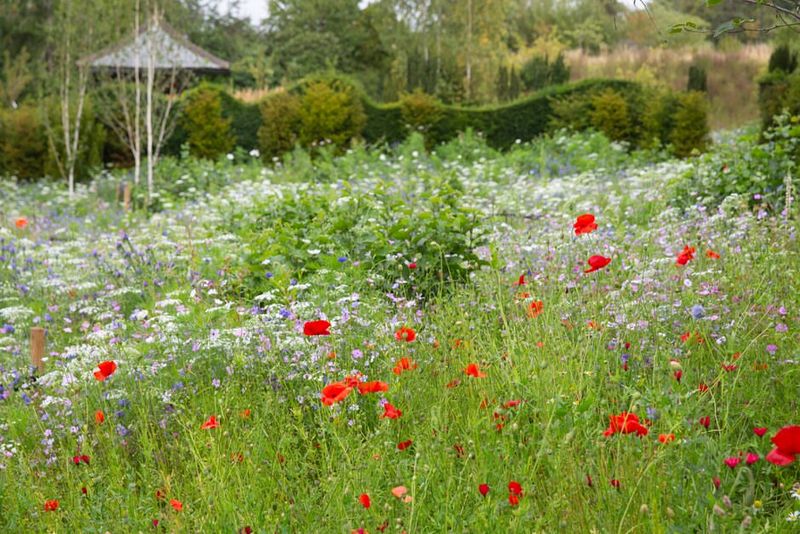
Wildflower meadows capture the carefree beauty of natural landscapes while supporting pollinators and requiring far less maintenance than traditional lawn areas.
Lupines create stunning purple spires that are iconic to Washington landscapes, making meadow gardens feel authentically connected to regional natural beauty.
Indian paintbrush adds brilliant red-orange accents that pop against green grasses and blue skies in photographs taken during peak blooming seasons.
Black-eyed Susans provide cheerful yellow blooms from summer through fall, ensuring your meadow remains photogenic for months rather than just weeks.
Allowing grasses to grow tall between flowers creates movement and texture that makes meadow gardens feel alive and dynamic in every breeze.
Mowed pathways winding through the meadow provide access for viewing and photography while emphasizing the wild character of unmowed flowering areas.
Meadow gardens require just one or two mowings per year after establishment, freeing Washington homeowners from weekly lawn maintenance routines forever.
This layout transforms underutilized lawn areas into ecological havens that look spectacular in photos while benefiting local wildlife and reducing environmental impact.
9. Vertical Living Wall Gardens
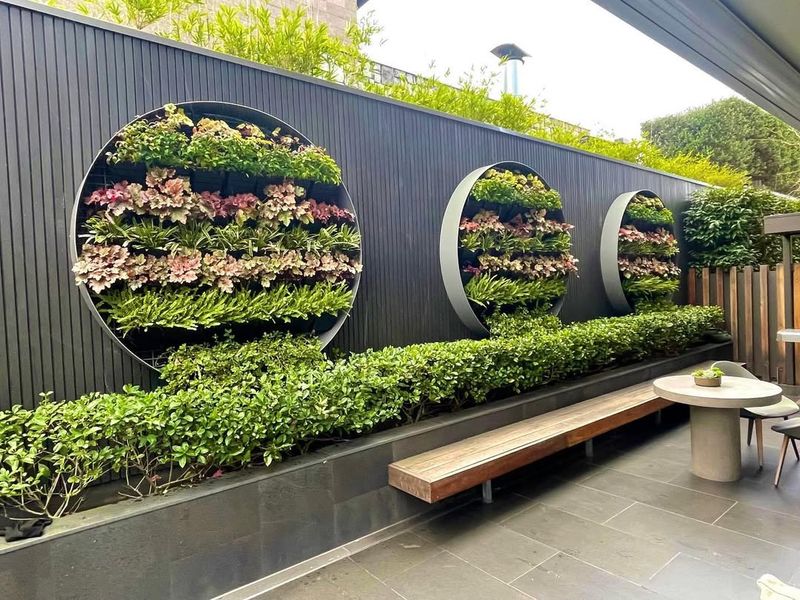
Vertical gardens maximize limited space in urban Washington settings while creating stunning living art installations that become instant focal points worth photographing.
Modular planting systems allow homeowners to arrange pockets of soil vertically on walls, transforming blank surfaces into lush green tapestries.
Combining ferns, succulents, and trailing plants creates texture variation from top to bottom while accommodating different light and moisture conditions naturally.
Integrated drip irrigation systems keep vertical plantings healthy without requiring daily hand-watering, making this dramatic look surprisingly practical for busy homeowners.
Seattle and other Washington cities embrace vertical gardens as solutions for greening dense urban environments where ground space remains extremely limited.
These installations provide insulation benefits by shading walls in summer while adding humidity and filtering air around outdoor living spaces year-round.
Seasonal plant changes allow you to refresh the vertical garden appearance while maintaining the structural framework that supports your living wall design.
Photographing vertical gardens from angles that emphasize their height creates dramatic images that showcase innovative approaches to gardening in modern settings.
10. Edible Landscape Gardens
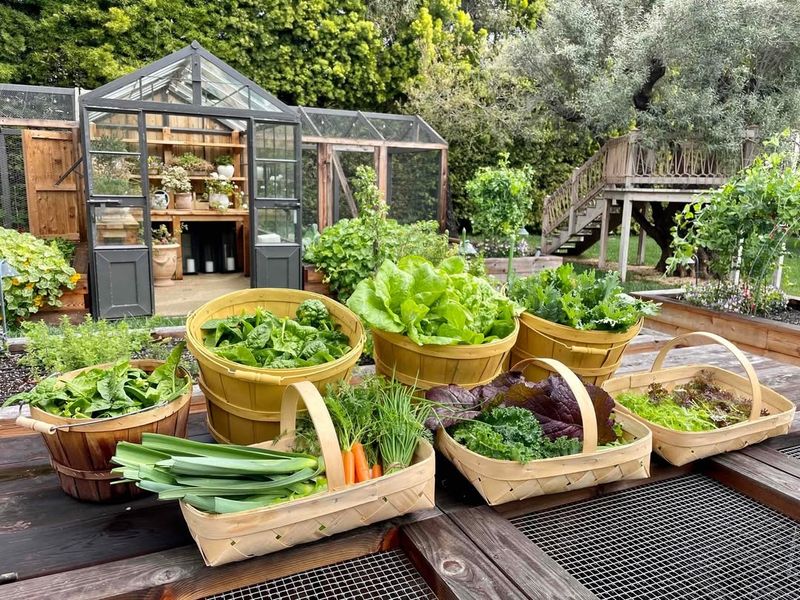
Edible landscapes blend food production with ornamental beauty, proving that gardens can feed families while looking absolutely gorgeous for photographs and visitors.
Espaliered fruit trees trained flat against fences or walls save space while creating living artwork that produces apples, pears, or cherries annually.
Berry bushes like blueberries and currants offer spring flowers, summer fruit, and autumn foliage that provide visual interest throughout Washington growing seasons.
Interplanting vegetables among ornamental flowers confuses pests while creating unexpected color combinations that make edible gardens look intentionally designed rather than purely functional.
Herb borders featuring purple basil, variegated sage, and flowering chives add fragrance and culinary value while contributing beautiful textures to garden edges.
Decorative borders around raised beds using recycled materials or painted wood transform practical growing spaces into charming garden features worth photographing repeatedly.
Small greenhouses or cold frames extend the growing season in Washington while adding architectural elements that enhance garden structure and visual appeal.
This approach resonates with homeowners seeking self-sufficiency without sacrificing the beautiful outdoor spaces they want to enjoy and share with others proudly.