The 7 Gardening Mistakes Georgia Gardeners Should Watch For In March
March can trick even experienced Georgia gardeners. Warm afternoons make the garden look ready for everything at once, and it is easy to rush outside and start planting, pruning, and cleaning up the yard.
That excitement is part of the season, but this month also brings a few common mistakes that quietly cause trouble later.
Small missteps now can slow plant growth, weaken new plantings, or create extra work once spring fully settles in.
A garden often performs best when a few early-season habits are handled carefully. Paying attention to what not to do in March can protect plants, save time, and help the entire yard move into the growing season much more smoothly.
1. Planting Warm Season Vegetables Too Early
Warm March days in Georgia can make you feel like summer is already knocking at the door. But soil temperatures tell a different story.
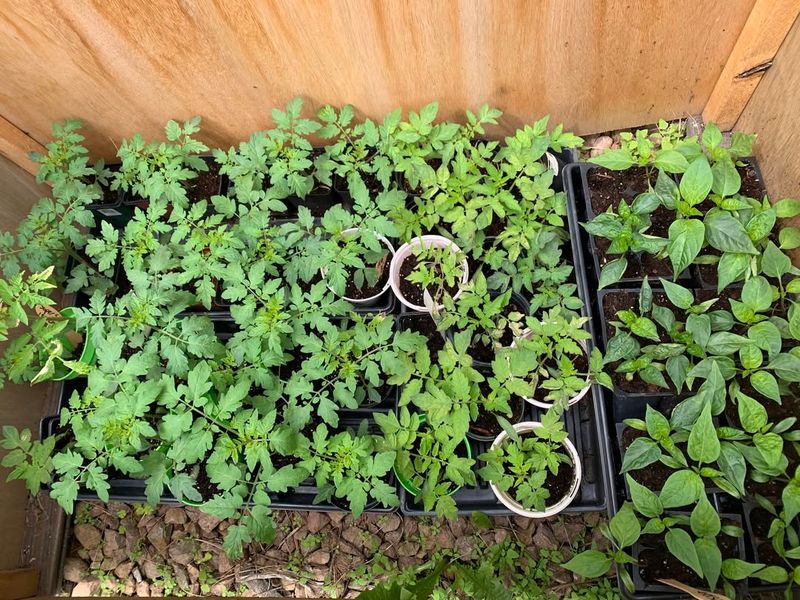
Tomatoes, peppers, squash, and eggplant need soil that’s consistently at or above 60°F before they go in the ground. Planting before that threshold is met will stall growth and stress young plants in ways that take weeks to recover from.
Grab an inexpensive soil thermometer and check your beds in the morning, not just midday when the surface warms up fast. Georgia’s Piedmont and northern mountain areas can stay cool well into mid-March, even when air temps feel pleasant.
Coastal and south Georgia gardeners have a bit more flexibility, but even there, a cold snap can roll through and catch tender transplants off guard.
A lot of gardeners in Georgia rush because they see neighbors putting things in the ground or they spot transplants at the garden center. Garden centers stock early to sell, not necessarily because it’s the right time to plant.
Waiting even one extra week for the soil to warm properly will produce stronger, faster-growing plants than anything you’d gain by jumping the gun.
If you absolutely can’t wait, use black plastic mulch to warm soil a week or two before planting, and keep row covers ready for overnight protection when temperatures are expected to dip below 50°F.
Healthy transplants placed into warm soil establish roots much faster and start growing right away instead of sitting still for weeks.
In Georgia’s long growing season, waiting for the right soil temperature almost always leads to better harvests later on.
2. Pruning Spring Flowering Shrubs At The Wrong Time
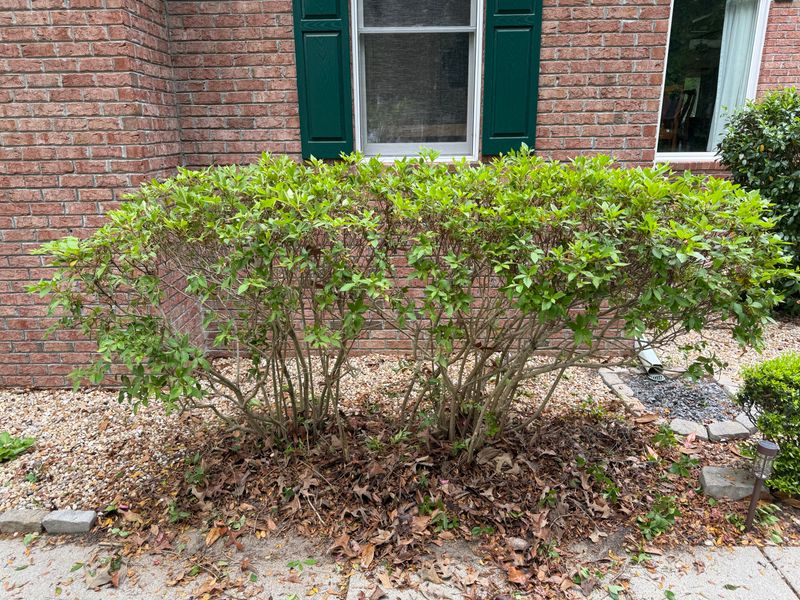
Azaleas are practically a symbol of Georgia spring, and cutting them at the wrong time is one of the most common mistakes homeowners make every year.
Spring-blooming shrubs like azaleas, forsythia, quince, and loropetalum set their flower buds during the previous fall.
Prune them in late winter or early spring and you’re removing the very blooms you’ve been waiting all year to see.
March is the time to hold off on those shrubs entirely. If they need shaping or size reduction, wait until after they finish blooming, usually by late April or early May in most parts of Georgia.
That window after bloom gives you enough time to prune and still allows the plant to set new buds before fall arrives.
Summer-blooming shrubs are a different story. Crape myrtles, butterfly bush, and abelia all bloom on new wood, meaning growth that comes this season.
Pruning those in early March actually encourages more vigorous flowering. Roses also benefit from pruning now, cutting back to healthy outward-facing buds before new growth gets too far along.
Knowing which shrubs bloom on old wood versus new wood is the key to getting timing right. A quick search for the specific plant will tell you everything you need.
One wrong cut on an azalea won’t hurt the plant long-term, but you’ll be looking at a season without flowers, and in Georgia, that’s a real shame.
If shaping is needed, light pruning right after the blooms fade keeps the shrub tidy without sacrificing next year’s flowers.
Paying attention to bloom timing helps Georgia gardeners enjoy a full, colorful spring instead of wondering where the flowers went.
3. Ignoring Late Frost Protection For Tender Plants
Georgia’s average last frost date varies more than most people realize. North Georgia near the mountains can see frost through mid-April, while Atlanta sits around mid-March, and south Georgia gardeners near Valdosta may be clear by late February.
Treating Georgia like one uniform climate is a fast way to lose plants you worked hard to grow.
Even after your area’s average last frost date passes, cold snaps still happen. Weather patterns in March are notoriously unpredictable across the state.
A warm week can lull you into a false sense of security, and then a Canadian air mass drops temperatures into the upper 20s overnight. Tender annuals, freshly planted herbs, and any warm-season transplants you’ve already put out are all vulnerable.
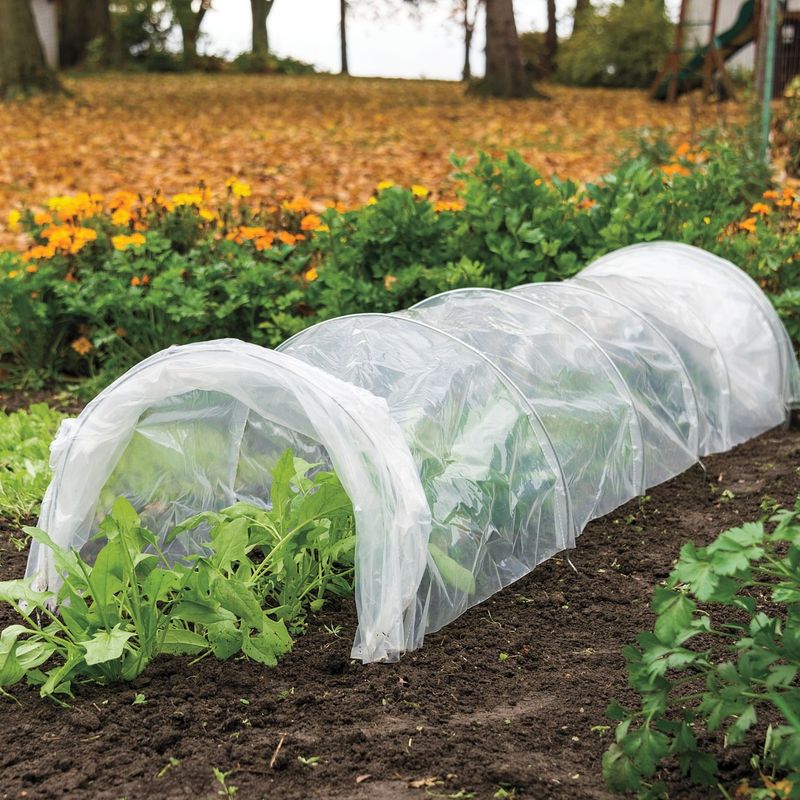
Keeping a stash of frost cloth or lightweight row covers on hand costs very little and can save an entire bed of plants. Draping covers over plants before sunset traps ground heat and keeps temperatures a few degrees warmer underneath.
Old bedsheets work in a pinch, though they’re heavier and don’t breathe as well as purpose-made fabric. Plastic sheeting should never touch foliage directly since it transfers cold rather than insulating.
Check the extended forecast every few days throughout March and keep an eye on nighttime lows.
A quick alert on your phone for frost warnings in your specific Georgia county goes a long way toward staying ahead of late-season cold events that catch gardeners off guard every single year.
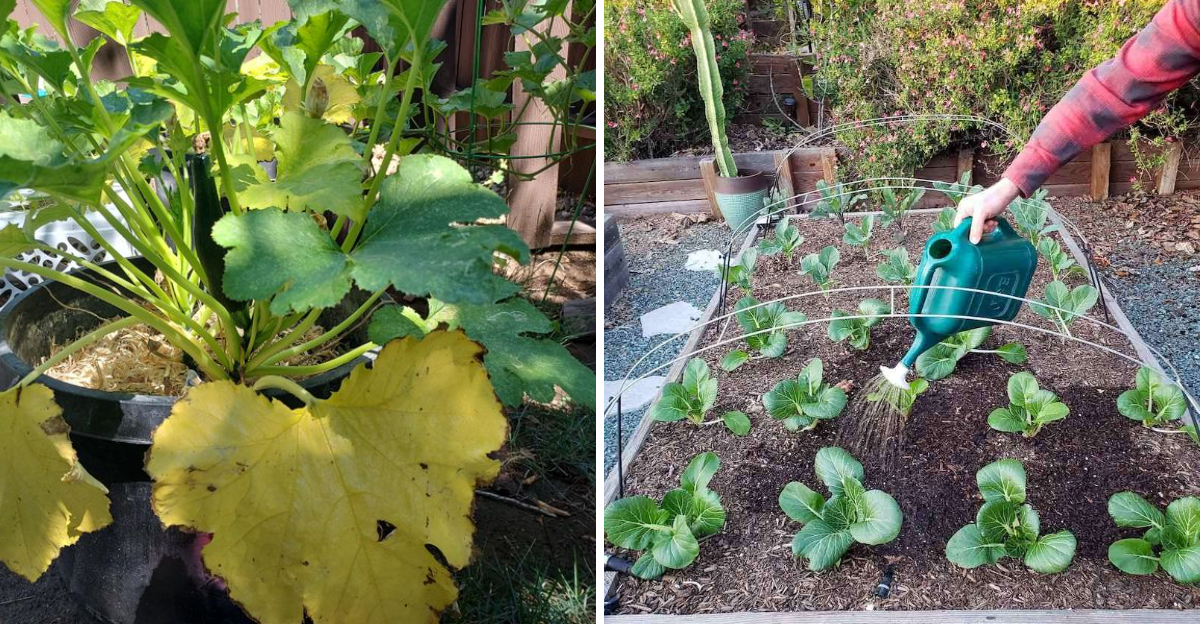
4. Overwatering Garden Beds As Spring Rains Increase
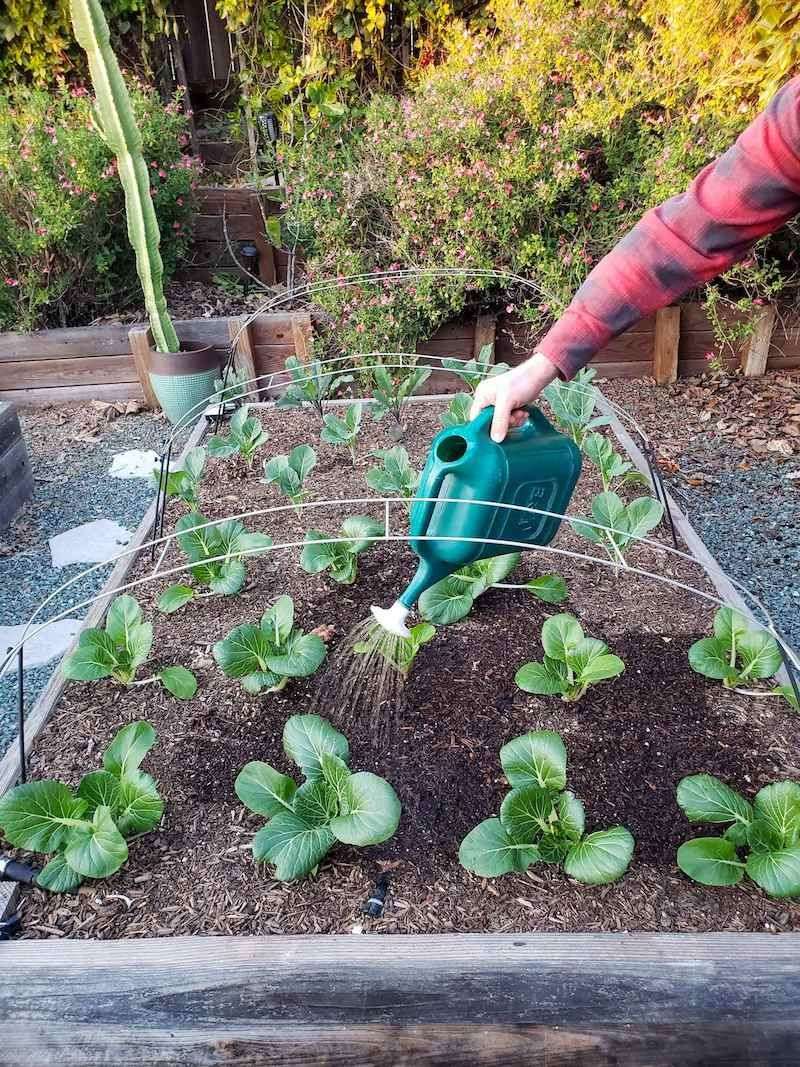
March in Georgia usually comes with a noticeable uptick in rainfall, and that shift catches a lot of gardeners still running their irrigation schedules from the dry winter months.
Overwatering is one of the quietest problems in the garden because the damage happens underground before you see anything wrong above the soil surface.
Roots sitting in saturated soil can’t access oxygen, and they begin to break down. Plants start looking wilted or yellowed even though the soil is wet, which tricks gardeners into watering even more.
By the time you figure out what’s happening, root damage may already be significant. Raised beds drain better than in-ground beds, but even they can stay too wet if rain keeps coming and you’re adding irrigation on top of it.
The fix is simple but requires a habit change. Stick your finger two inches into the soil before you water anything.
If it feels damp, skip the watering session. Install a basic rain gauge in your yard so you know exactly how much rain your garden received each week.
Most established vegetable beds in Georgia need about one inch of water per week total, including rainfall. If rain covered that, irrigation should stop.
For newer transplants, check soil moisture more frequently since their root systems are shallow and conditions change faster.
Adjusting your irrigation controller or simply turning it off during Georgia’s rainier spring weeks prevents a problem that’s much easier to avoid than to fix after the fact.
5. Skipping Early Weed Control Before Growth Takes Off
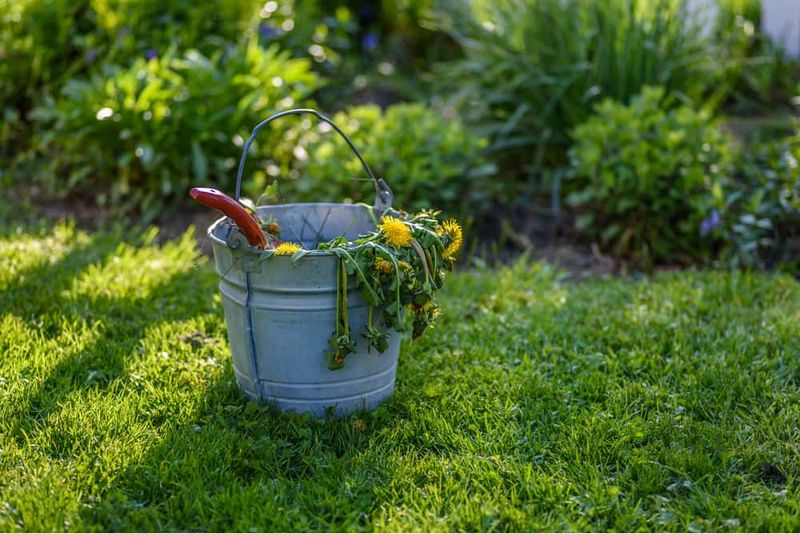
Weeds in March look harmless. They’re small, scattered, and easy to ignore when there’s so much else going on in the garden.
But skipping early weed control in Georgia is a decision you’ll regret by April, when warm temperatures and spring rains turn a manageable problem into a full-scale invasion.
Common Georgia spring weeds like chickweed, henbit, bittercress, and wild onion are already actively growing in March. Many of them go to seed quickly once temperatures rise.
A single bittercress plant can scatter hundreds of seeds across your beds before you’ve even noticed it. Getting those weeds out while they’re young and before they set seed is the most effective weed management strategy you can use all season.
Hand-pulling small weeds is easy and satisfying when they’re tiny. Use a hoe or hand cultivator to disturb the soil surface between rows and cut weed seedlings off at the root before they establish.
Applying a two-to-three inch layer of mulch after weeding blocks light from reaching the soil and slows down the next wave of germination significantly. Pre-emergent herbicides are another option for areas where you aren’t planting seeds directly.
Corn gluten meal works as an organic pre-emergent, though it needs to be applied before weed seeds sprout to be effective. In Georgia’s climate, that window arrives earlier than most gardeners expect.
Tackling weeds in March takes maybe twenty minutes, but skipping it can add hours of hard work to your spring and summer routine.
Regular quick checks every week or two keep new seedlings from gaining a foothold.
Staying ahead of weeds in March makes the rest of the growing season in a Georgia garden far easier to manage.
6. Applying Fertilizer Before Plants Begin Active Growth
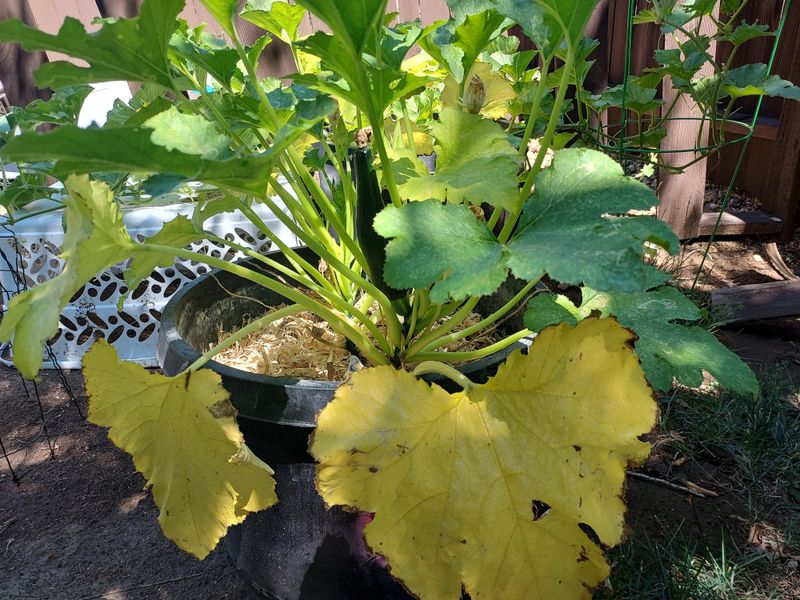
Fertilizer sitting in cold soil doesn’t do what you hope it will. Early March in Georgia can still bring cool nights and soil temperatures that haven’t quite woken up yet, especially in the northern part of the state.
Applying fertilizer before plants are actively growing means nutrients can leach away with spring rains before roots are even ready to absorb them.
Nitrogen is the biggest concern. It moves through soil quickly, and if plants aren’t pulling it up through active root growth, it washes out of the root zone and into groundwater.
You end up spending money on fertilizer that never benefits your garden while potentially contributing to runoff issues in Georgia’s waterways. Slow-release granular fertilizers help reduce this risk, but timing still matters.
Watch the plants themselves for the best cue on when to feed. Once you see consistent new growth pushing out, that’s the signal that the plant is ready to use what you give it.
For cool-season vegetables like lettuce, kale, and broccoli already growing in your Georgia garden, a light feeding in early March is fine since they’re actively growing in cooler conditions.
Warm-season crops and ornamentals should wait until mid-to-late March at the earliest in most parts of Georgia, and even later in the northern counties.
Soil testing through the University of Georgia Extension service is a smart move before you fertilize anything. It tells you exactly what your soil needs instead of guessing, which saves money and prevents over-fertilizing that can burn young roots.
Once soil temperatures begin rising and plants start pushing steady new growth, fertilizer can finally do the job it is meant to do.
Waiting just a couple of weeks often leads to stronger plants and far better results across a Georgia garden.
7. Starting Seeds Indoors Too Late For Spring Planting
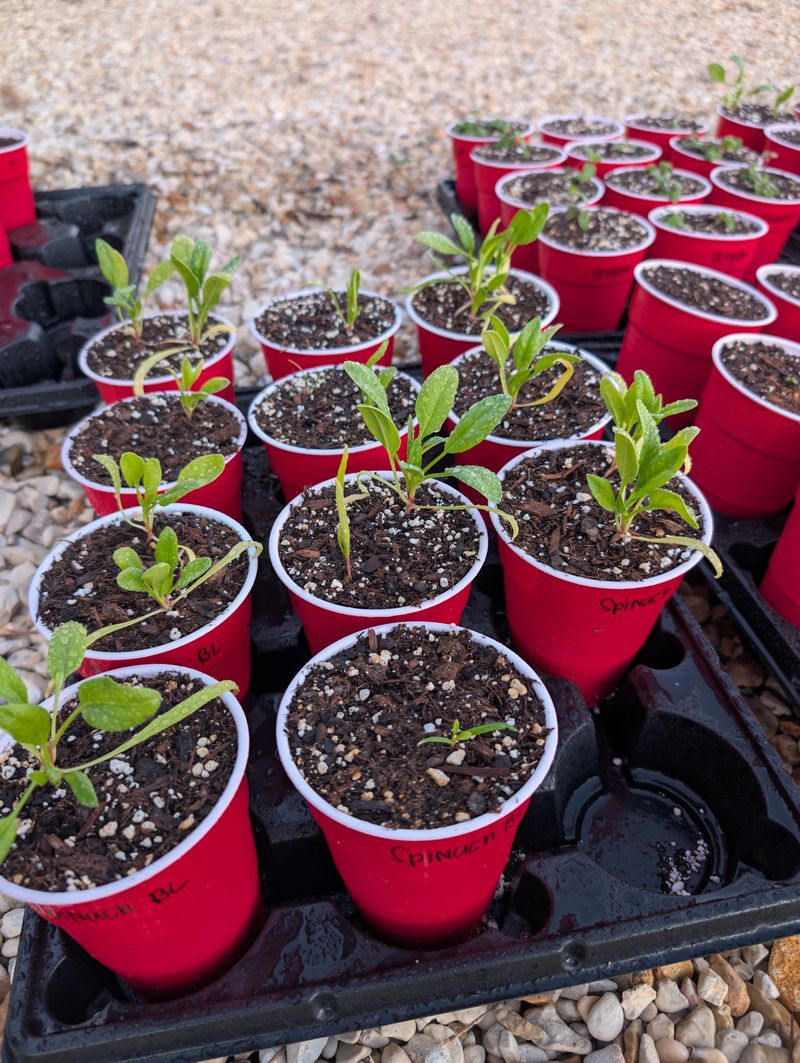
Timing seed starting indoors is one of those things that sounds simple until you miss the window and realize your transplants aren’t ready when the garden is.
In Georgia, warm-season crops like tomatoes and peppers need to be started indoors six to eight weeks before your expected last frost date.
For Atlanta-area gardeners, that means seeds should be going into trays by mid-to-late January at the latest.
If it’s already March and you haven’t started tomatoes or peppers indoors yet, those transplants won’t be ready for the garden until late May or even June. You’ll still get a harvest, but you’re cutting into your growing window significantly.
Georgia summers get brutally hot fast, and tomatoes especially struggle to set fruit when daytime temperatures stay above 90°F consistently. Starting late means your plants hit that heat wall sooner.
For gardeners who missed the early window, purchasing transplants from a local nursery or farmers market is a practical solution. Georgia has a strong network of small plant growers who produce quality transplants suited to local conditions.
Alternatively, focus March seed starting on crops with shorter lead times like cucumbers, squash, and melons, which only need three to four weeks indoors before transplanting. Herbs like basil can be direct-seeded outside once soil warms.
Keep a simple calendar on the fridge with seed starting dates tied to your specific Georgia county’s frost dates.
It takes five minutes to set up and prevents the frustration of watching your planting season slip by while seedlings are still too small to go outside.