The Gorgeous Hydrangea Alternative That Thrives Without Fuss In Michigan Gardens
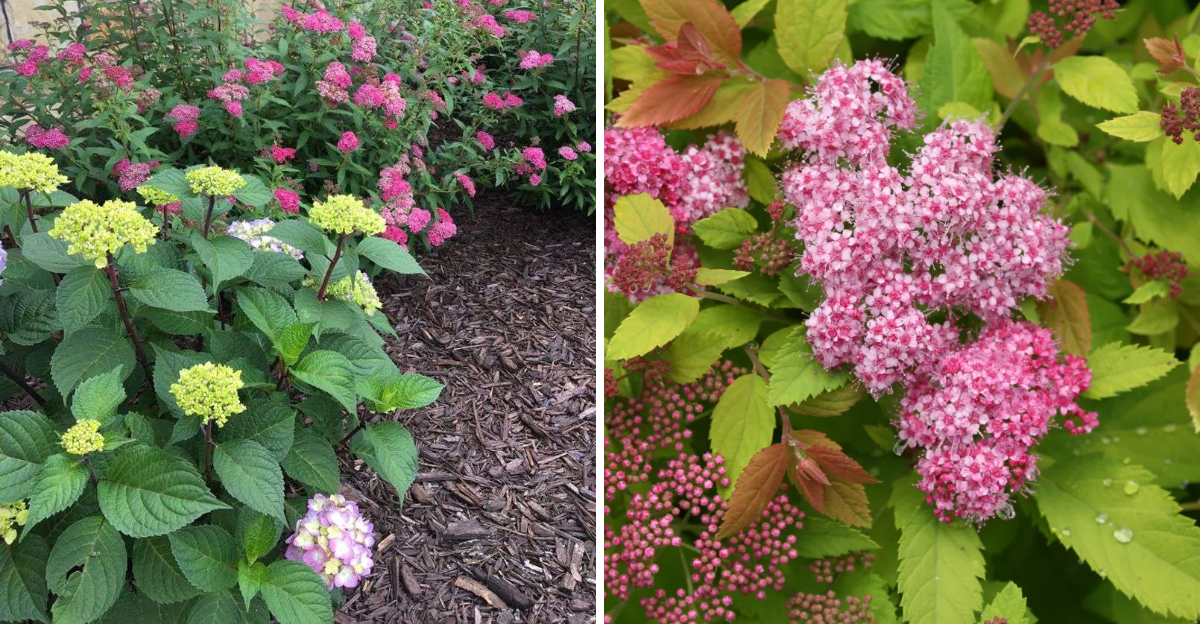
Many Michigan gardeners know the frustration of hydrangeas that seem to demand perfect care, ideal weather, and constant attention just to bloom well. If conditions are not quite right, they can quickly become more work than reward.
That is why more gardeners are turning to spirea, a dependable shrub that delivers consistent beauty without the stress.
With its clouds of delicate flowers, tidy growth, and hardy nature, spirea fits easily into Michigan landscapes and busy schedules alike.
Unlike fussier shrubs, spirea adapts well to local conditions and asks for very little once established. It handles cold winters, rebounds in spring, and keeps your garden looking lively through the growing season.
Whether used in borders, mixed plantings, or as a soft flowering hedge, it adds structure and charm without constant upkeep. For gardeners who want reliable color, easy care, and a landscape that feels effortless, spirea offers a refreshingly simple and beautiful solution.
Why Spirea Is A Top Hydrangea Alternative For Michigan Gardens
Many gardeners fall for hydrangeas only to watch them struggle through Michigan winters. Spirea changes that story completely. These hardy shrubs sail through Zone 4 temperatures without batting an eye, returning each spring ready to put on a show.
Unlike hydrangeas that demand acidic soil and consistent moisture, spirea adapts to whatever your yard offers. Clay soil? No problem.
Sandy patches? Works fine. This flexibility means you spend less time amending beds and more time enjoying your garden.
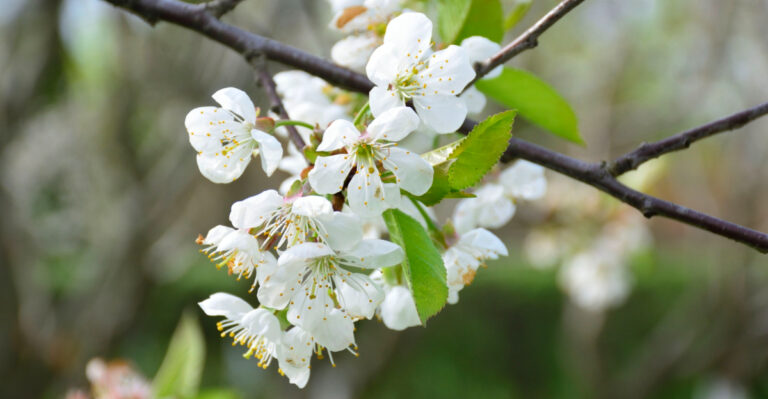
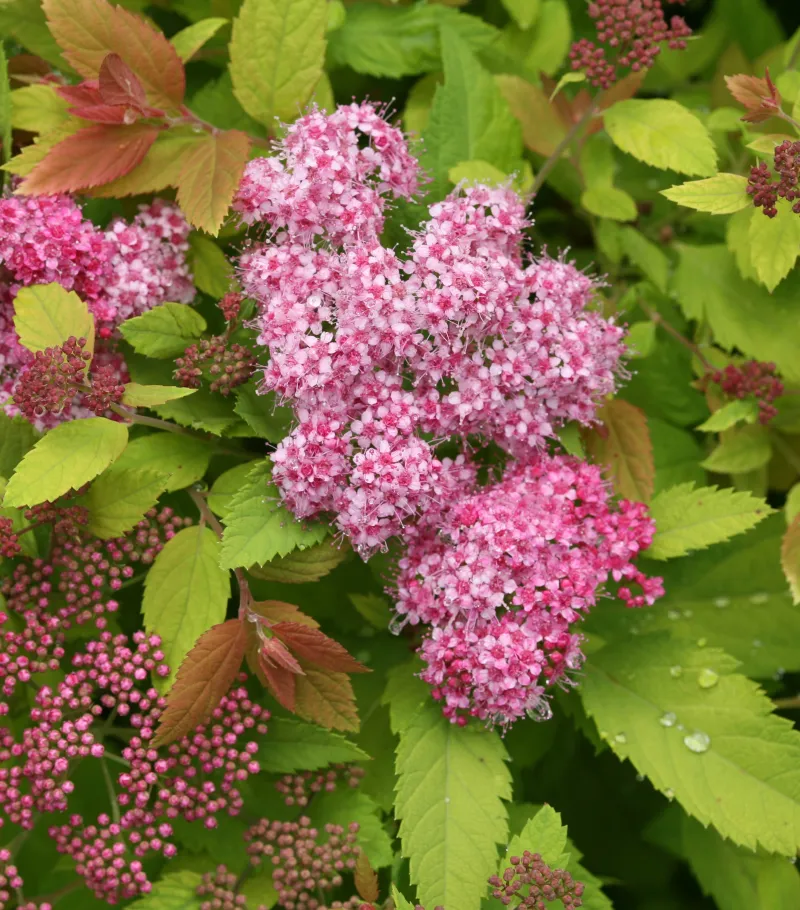
The blooms arrive in waves, covering branches in frothy clusters that look stunning from spring into summer.
Maintenance becomes almost nonexistent once plants settle in. You won’t need special fertilizers or constant watering schedules. A little mulch and occasional trimming keep spirea looking sharp.
The shrubs naturally form attractive mounds without requiring extensive shaping or training.
Cold hardiness extends beyond simple survival. Spirea actually thrives in northern climates, producing abundant flowers year after year. While hydrangeas might bloom sporadically after harsh winters, spirea delivers reliable color.
Flower buds form on new growth, so even if winter damages older wood, fresh stems produce plenty of blossoms. This dependability makes spirea the go-to choice for Michigan gardeners who want beauty without babying their plants.
Your neighbors will ask for your secret, but the answer is simply choosing the right shrub from the start.
Spirea’s Bloom Season Extends Color Beyond Hydrangea
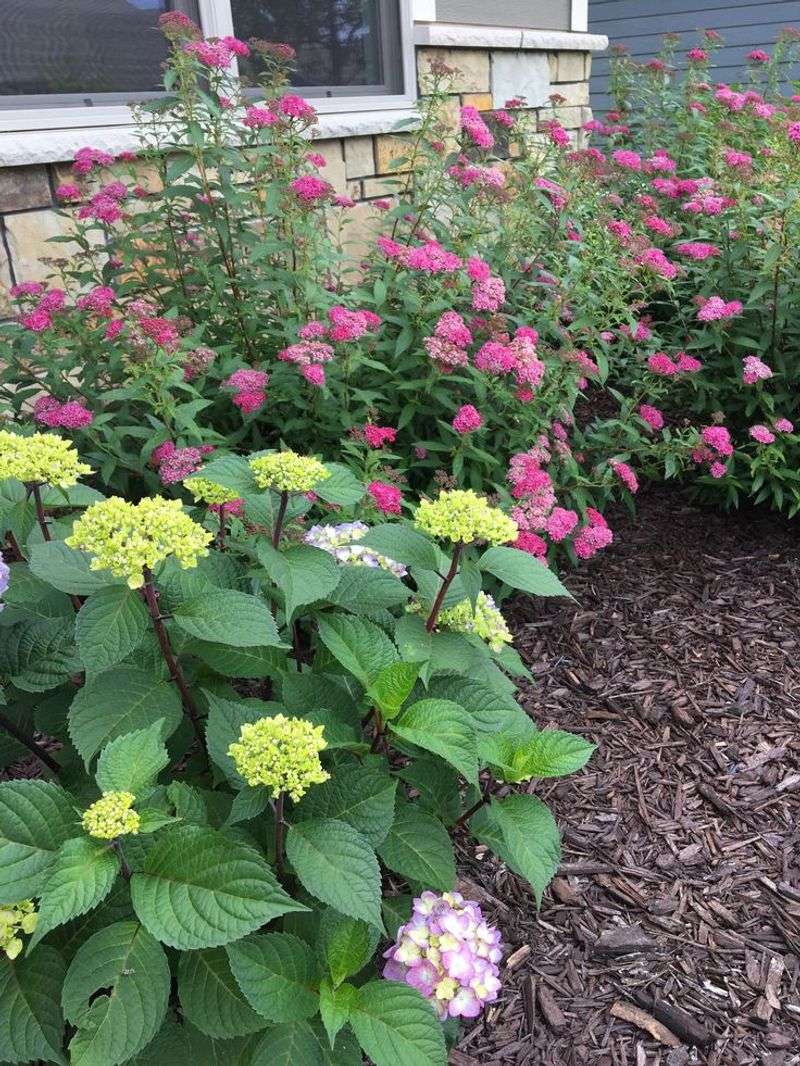
Spring arrives with a burst of color when spirea begins its flowering display. Branches transform into cascades of blooms that catch every eye passing by. The show starts earlier than many hydrangeas, giving your garden a head start on seasonal beauty.
Flowers cluster so densely they nearly hide the foliage beneath.
Different varieties stretch the bloom window remarkably well. Bridal wreath types open their white flowers in May, while summer-blooming spireas carry color into July. This extended timeline means something is always happening in your landscape.
When spring bulbs fade and before summer perennials peak, spirea fills the gap beautifully.
Each bloom cluster lasts several weeks under good conditions. Cool spring weather prolongs the display, letting you enjoy flowers longer than expected. The blossoms hold up well in rain and wind, unlike more delicate flowers that shatter in storms.
Even as individual flowers fade, new buds continue opening along the stems. Pairing early and late varieties creates months of continuous color.
Plant a bridal wreath spirea near a Goldflame or Anthony Waterer, and you’ll have blooms from May through August. This succession keeps gardens interesting without requiring dozens of different plants.
The overlapping bloom times also ensure pollinators find food throughout the growing season, supporting beneficial insects when they need it most.
Tolerates Full Sun And Partial Shade
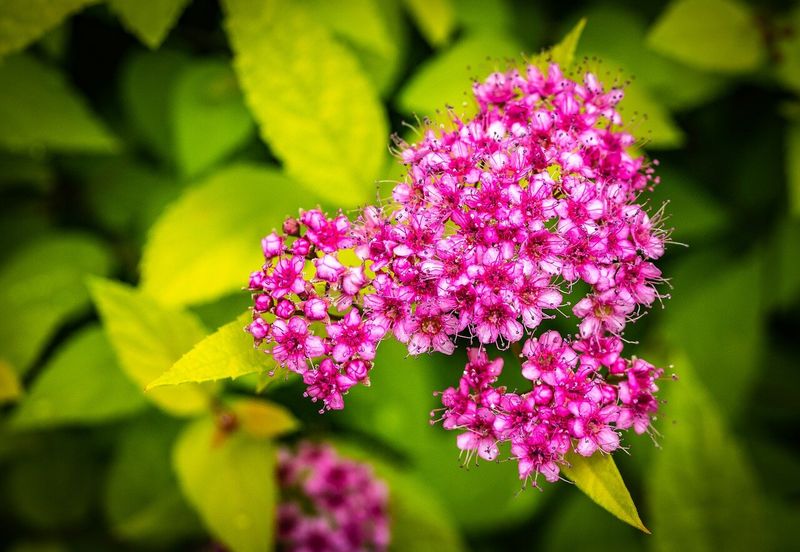
Finding the perfect spot for plants can feel like solving a puzzle. Spirea makes placement decisions much easier with its flexible light requirements. Full sun locations produce the most abundant blooms, but plants still perform admirably with just four to six hours of direct light.
This adaptability opens up placement options throughout your yard. That tricky spot on the east side of your house? Spirea handles morning sun and afternoon shade beautifully. The north side with dappled light filtering through trees?
Plants grow well there too. This versatility means you can tuck spirea into spots where finicky hydrangeas might sulk or refuse to bloom properly.
Flower production does vary somewhat with light levels. Full sun sites yield the heaviest bloom coverage, creating those stunning floral displays you see in garden catalogs.
Partial shade reduces flower numbers slightly but produces perfectly healthy plants with attractive foliage.
The trade-off often works in your favor, especially in hot, dry summers when shade protection prevents stress.
Foliage also responds to light conditions in interesting ways. Some varieties develop richer leaf colors in full sun, while others maintain better green tones with afternoon shade.
Gold-leafed types can scorch in intense afternoon sun, making partial shade ideal for those cultivars.
This range of responses lets you fine-tune placements based on your specific microclimate and aesthetic goals for each garden area.
Adapts To A Wide Range Of Soil Types
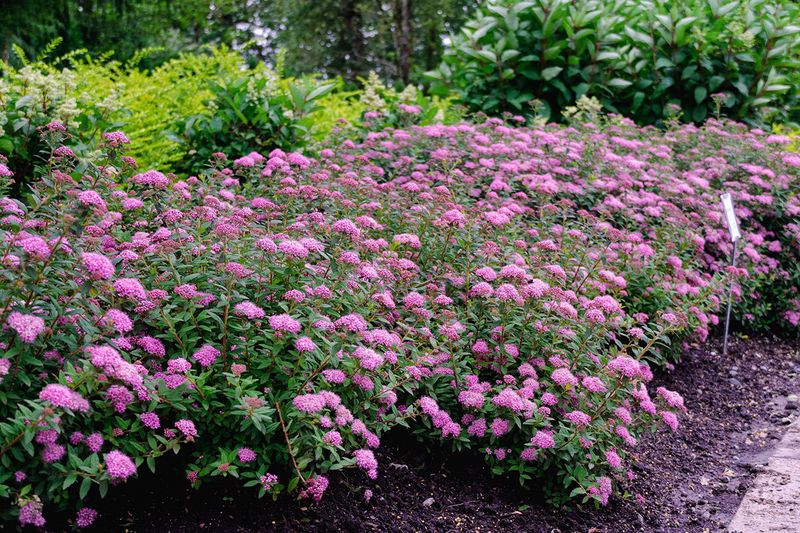
Soil anxiety keeps many gardeners from trying new plants. Spirea removes that worry entirely. These shrubs grow happily in everything from heavy clay to sandy loam, asking only for reasonable drainage.
You won’t need pH test kits or bags of expensive amendments to get started.
Michigan soils vary tremendously from one yard to the next. Some neighborhoods have dense clay that holds water for days. Others feature sandy soil that drains almost too quickly.
Spirea handles both extremes without complaint, though it prefers something in between. Average garden soil with some organic matter works perfectly.
Moisture requirements stay moderate once plants establish roots. Unlike hydrangeas that wilt dramatically if they miss a watering, spirea tolerates brief dry spells. Mature plants develop extensive root systems that tap into deeper soil moisture.
This drought tolerance proves especially valuable during Michigan’s occasional summer dry stretches when watering restrictions might apply.
Fertilizer needs remain minimal throughout the growing season. A spring application of balanced fertilizer or compost provides enough nutrients for excellent growth and flowering.
Over-fertilizing actually causes problems, producing excessive leafy growth at the expense of blooms.
The low-input nature of spirea fits perfectly with modern sustainable gardening practices. You save money on soil products while growing healthier plants that don’t depend on constant feeding.
Natural soil biology supports spirea just fine, creating a more balanced garden ecosystem overall.
Requires Little Pruning Or Grooming
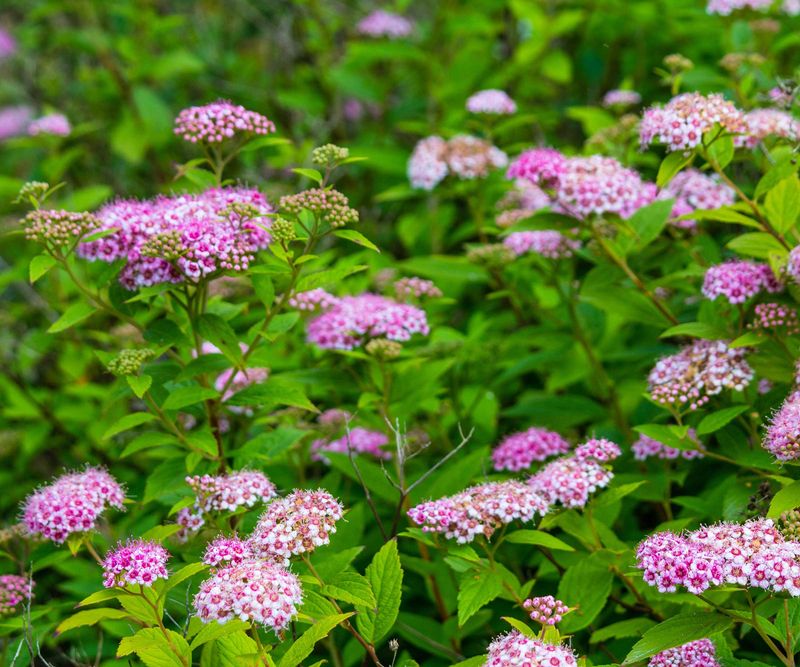
Weekend mornings feel precious when you’re juggling busy schedules. Spirea respects your time by needing minimal pruning attention. These shrubs naturally form attractive shapes without constant trimming and training.
A quick cleanup once or twice yearly keeps plants looking their best.
Timing pruning correctly depends on which type you’re growing. Spring-blooming varieties like bridal wreath need trimming right after flowers fade, since they bloom on old wood. Summer bloomers flower on new growth, so you can prune them in late winter or early spring.
Either way, the process takes just minutes per plant using basic hand pruners.
Removing spent flower clusters improves appearance but isn’t strictly necessary. Many gardeners skip deadheading entirely and still enjoy beautiful plants. The shrubs naturally drop old blooms and continue growing without intervention.
This forgiving nature means you won’t ruin plants by forgetting to prune or by cutting at the wrong time.
Rejuvenation pruning helps maintain vigor in older specimens. Cutting one-third of the oldest stems to ground level every few years encourages fresh growth from the base. This gradual renewal keeps plants productive without the shock of severe cutbacks.
Branches removed during pruning make excellent material for forcing indoor blooms in late winter.
Simply cut stems, bring them inside, and watch buds open in a vase, giving you early flowers while tidying your shrubs at the same time.
Resistant To Many Common Garden Pests
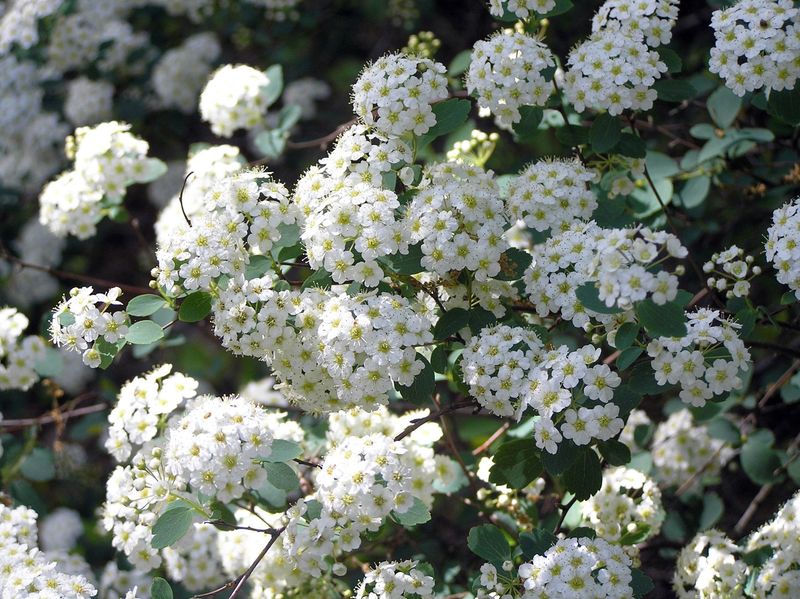
Gardening joy fades quickly when insects attack your favorite plants. Spirea offers welcome relief from constant pest battles. These shrubs show remarkable resistance to common garden insects that plague other flowering shrubs.
You’ll rarely see the aphid infestations or beetle damage that affect so many landscape plants.
Leaf quality remains excellent throughout the growing season. While roses nearby might show black spot or powdery mildew, spirea foliage typically stays clean and healthy.
This disease resistance means you can skip preventive spraying programs that other shrubs require. The time and money saved adds up significantly over a growing season.
Occasional aphids might appear on tender new growth in spring. A strong spray from the garden hose usually handles these minor invasions without needing insecticides.
Beneficial insects like ladybugs and lacewings often arrive naturally to control any pests that do appear. This biological balance works best when you avoid broad-spectrum pesticides that harm helpful bugs along with problem ones.
Deer resistance varies somewhat by variety and local deer populations. In areas with heavy deer pressure, spirea isn’t completely immune but gets browsed less than many alternatives.
Hungry deer in winter might nibble branch tips, but damage rarely threatens plant health. The tough nature of spirea means it bounces back quickly even after occasional animal browsing.
This resilience gives you one less thing to worry about in the landscape, letting you focus on enjoying your garden rather than defending it constantly.
Offers Attractive Foliage Even When Not Blooming
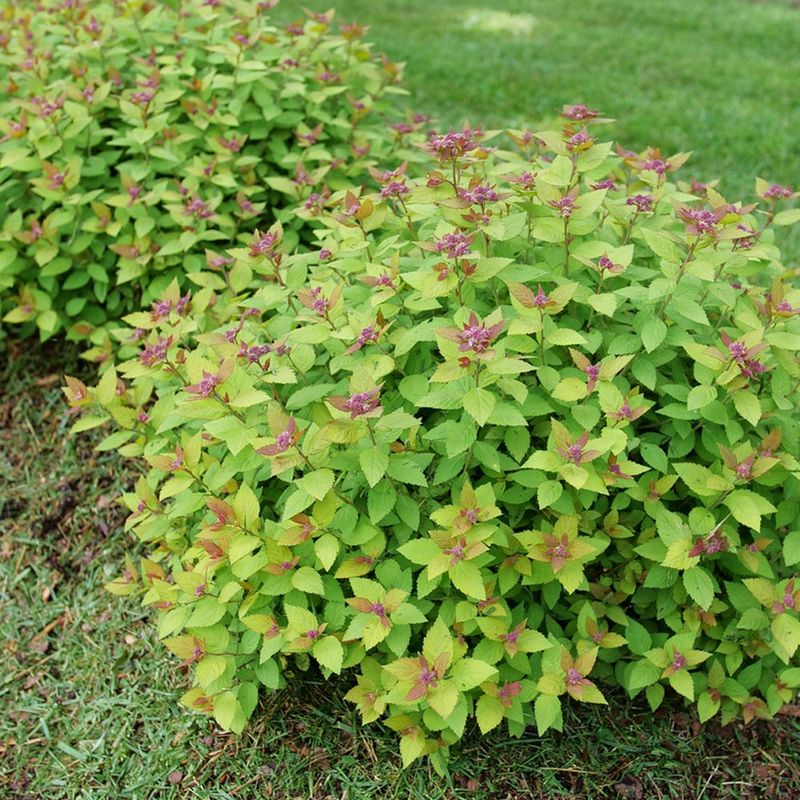
Flowers steal the spotlight, but foliage carries the show for months. Spirea delivers outstanding leaf interest that extends value far beyond bloom time.
Many varieties offer colored foliage that changes with the seasons, creating a dynamic display from spring through fall. This extended appeal makes spirea a true four-season plant.
Goldflame spirea emerges with brilliant orange-red new growth in spring. Leaves mature to golden yellow, then develop orange tints again in fall. This color progression provides constant visual interest even when flowers finish.
The bright foliage lights up shady corners and contrasts beautifully with darker green plants nearby.
Burgundy-leafed varieties like Magic Carpet maintain deep purple tones all summer. The dark foliage makes pink flowers pop with extra intensity. These colored-leaf types work wonderfully in mixed borders, acting as anchor plants that tie different elements together.
The foliage color remains strong even in partial shade, though full sun intensifies the hues.
Leaf texture adds another dimension to garden design. Small, finely cut foliage on some varieties creates a delicate, almost fern-like appearance. Larger-leafed types offer bolder texture that reads well from a distance.
This variety lets you choose plants that complement your existing landscape style. Fall color on green-leafed varieties ranges from yellow to orange-red, providing a final seasonal flourish.
Even after leaves drop, the attractive branching structure adds winter interest, especially when covered with snow or frost crystals.
Supports Pollinators With Nectar-Rich Flowers
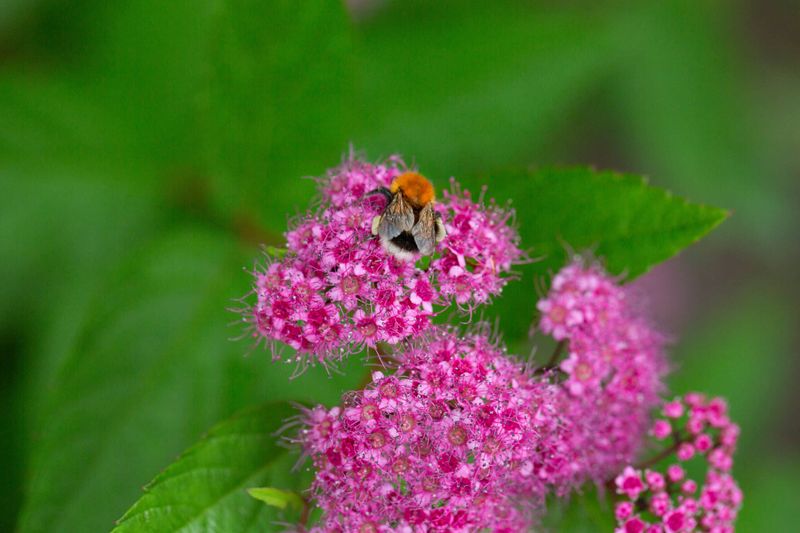
Creating habitat for beneficial insects matters more than ever. Spirea serves as a pollinator magnet when in bloom, supporting bees, butterflies, and other helpful garden visitors.
The abundant small flowers pack together in clusters that provide easy landing platforms and generous nectar rewards. Watching the insect activity on blooming spirea brings gardens to life.
Native bees particularly appreciate spirea blooms. These important pollinators often go unnoticed compared to honeybees, but they’re crucial for garden and wild plant reproduction.
Bumblebees work spirea flowers enthusiastically, their fuzzy bodies collecting pollen as they move from cluster to cluster. Small native bees also visit frequently, benefiting from the accessible flower structure.
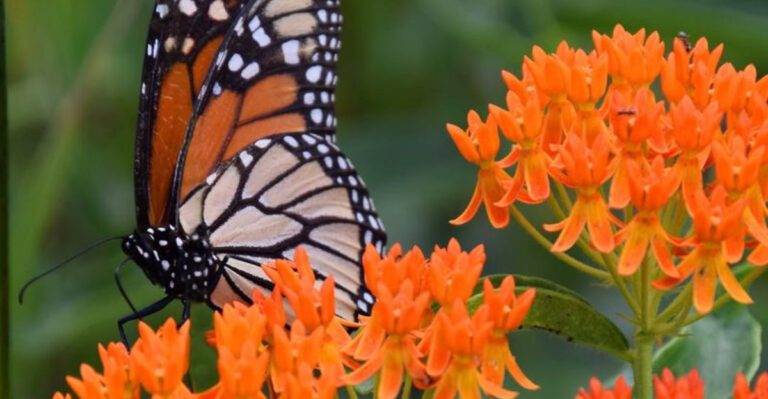
Butterfly species find spirea blooms irresistible during their active seasons. Swallowtails, fritillaries, and skippers all visit regularly when flowers are open. Providing this nectar source helps support butterfly populations that face increasing habitat pressures.
The more pollinator-friendly plants you include, the more diverse and resilient your local ecosystem becomes.
Planting spirea near vegetable gardens improves pollination for food crops. The shrubs attract and sustain beneficial insects that then visit nearby tomatoes, beans, and squash. This spillover effect boosts vegetable yields while reducing pest problems.
Predatory insects attracted to spirea flowers also hunt garden pests like aphids and caterpillars.
The ecological benefits extend far beyond the beauty of the shrub itself, making spirea a valuable contributor to overall garden health and productivity.
Combines Well With Other Landscape Plants
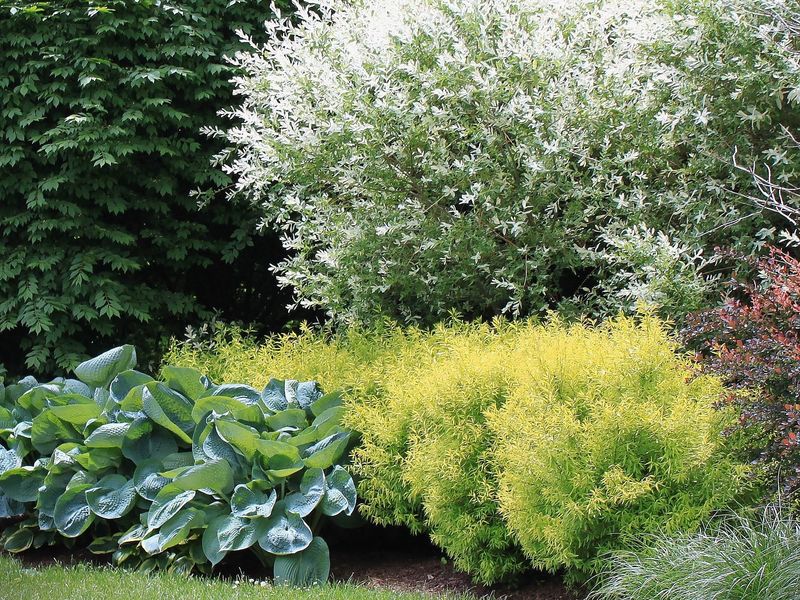
Garden design becomes easier when plants play nicely together. Spirea excels as a team player in mixed plantings, complementing rather than competing with neighboring plants.
The moderate size and rounded form fit naturally into borders without overwhelming smaller companions or getting lost among larger shrubs.
Pairing spirea with spring bulbs creates beautiful layered displays. Daffodils and tulips bloom at ground level while spirea branches arch overhead, maximizing flower impact in limited space.
As bulb foliage yellows and fades, growing spirea leaves hide the declining bulb leaves naturally. This succession keeps beds attractive throughout the season without extra effort.
Perennial combinations offer endless possibilities with spirea as an anchor plant. Purple coneflowers, black-eyed Susans, and daylilies all work beautifully alongside spirea varieties.
The shrub provides structure and permanence while perennials add seasonal color changes.
Mixing bloom times ensures something is always flowering in the planting area. Foundation plantings benefit from spirea’s manageable size and attractive form. Unlike overgrown junipers that eventually block windows, spirea stays in bounds with minimal pruning.
Placing spirea near building corners softens harsh architectural lines while maintaining clear sight lines.
The shrubs also work well in informal hedges or mass plantings, creating flowing drifts of color. Spacing plants three to four feet apart allows them to grow together into a unified mass while maintaining good air circulation.
This versatility makes spirea adaptable to virtually any landscape style or planting scheme you envision.
Thrives In Cold Winters And Short Growing Seasons
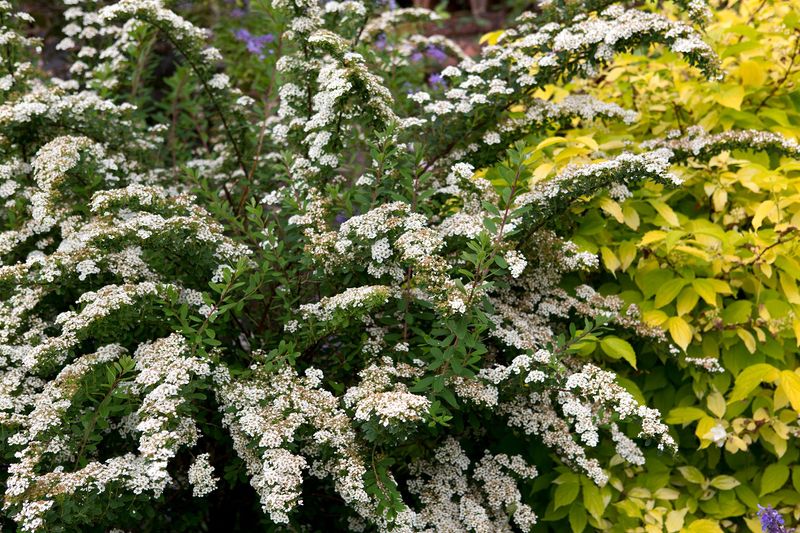
Northern gardening presents unique challenges that eliminate many popular shrubs. Spirea thrives where others fail, handling Michigan winters with remarkable toughness.
Cold tolerance extends reliably into USDA Zone 4, meaning temperatures of negative thirty degrees Fahrenheit won’t faze established plants. This hardiness guarantees reliable performance year after year.
Winter damage rarely occurs on properly sited spirea plants. Buds remain protected on stems, ready to burst open when spring warmth arrives. Unlike some hydrangeas that lose flower buds to winter cold, spirea blooms dependably regardless of winter severity.
This reliability removes the disappointment of waiting all year for flowers that never appear.
Short growing seasons actually suit spirea perfectly. Plants leaf out quickly in spring, taking advantage of every warm day. Rapid early growth allows plenty of time for flower development before summer heat arrives.
The compact growing season also means spirea hardens off properly before fall frosts, ensuring good winter preparation.
Snow cover provides natural insulation for spirea roots and lower branches. Rather than causing damage, heavy snow actually protects plants from extreme temperature swings. Branches flex under snow weight and spring back when it melts, rarely breaking.
This resilience makes spirea ideal for areas with significant snowfall. Climate variability becomes less concerning when you grow plants adapted to your region.
Spirea evolved to handle cold winters and short summers, making it perfectly suited to Michigan conditions without requiring any special protection or coddling.