The Green Roof Trend Reshaping Cities Across Illinois

Green roofs are taking over rooftops across Illinois, turning plain buildings into unexpected little patches of greenery.
Every new setup brings a softer look to the city, cutting through all that gray with something that actually feels alive.
It’s a shift you notice right away, like the whole skyline suddenly decided to breathe a bit easier.
1. Cooling Down Urban Heat Islands

City neighborhoods often feel like ovens during summer because concrete and asphalt absorb heat all day long.
Green roofs in Illinois communities work like natural air conditioners by using plants to cool buildings through a process called evapotranspiration, where water evaporates from leaves.
Chicago’s City Hall installed a famous green roof that drops rooftop temperatures by about thirty degrees compared to traditional black tar roofs nearby.
Buildings with plant-covered tops require less energy for cooling systems, which saves money on electricity bills throughout hot Illinois summers when air conditioners usually run constantly.
Neighborhoods across Springfield and Peoria are noticing temperature differences as more buildings adopt this cooling strategy for their communities and residents.
Lower temperatures mean people feel more comfortable walking outside during warm weather, making streets more pleasant for everyone enjoying outdoor activities and neighborhood gatherings.
The cooling effect spreads beyond individual buildings, helping entire city blocks feel fresher and more livable during scorching summer days when heat becomes unbearable.
2. Managing Stormwater Runoff Naturally
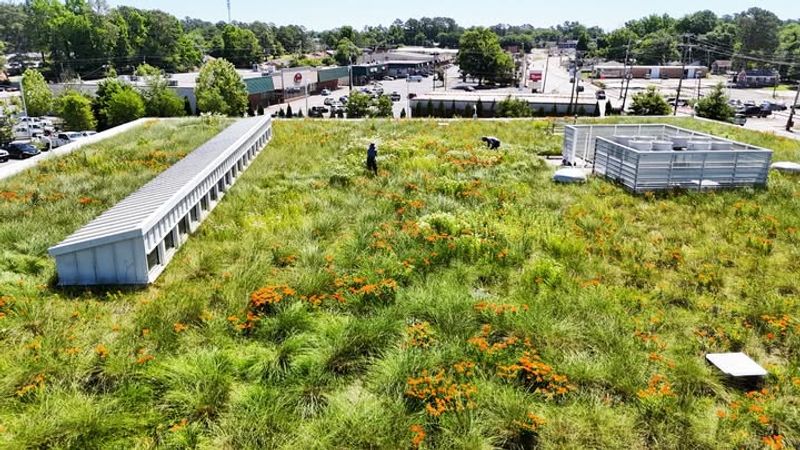
Heavy rainstorms cause major flooding problems in Illinois cities when water rushes off rooftops and pavement into already overwhelmed sewer systems that cannot handle the volume.
Plant-covered roofs act like giant sponges, soaking up rainwater before it becomes runoff that floods streets and basements throughout residential and commercial neighborhoods.
A typical green roof can absorb fifty to ninety percent of rainfall during storms, holding water in soil and plant roots instead of sending everything rushing downward.
Rockford and Aurora are installing these systems on public buildings to reduce flooding risks during severe weather events that have become increasingly common recently.
The plants slowly release stored water back into the atmosphere through their leaves, preventing sudden surges that overload drainage systems and cause expensive infrastructure damage.
Cities across Illinois save millions of dollars by avoiding costly sewer system upgrades when buildings help manage water naturally through rooftop gardens and vegetation.
Cleaner rivers and streams result because less polluted runoff washes chemicals and trash into waterways that supply drinking water for communities statewide.
3. Creating Habitats for Urban Wildlife
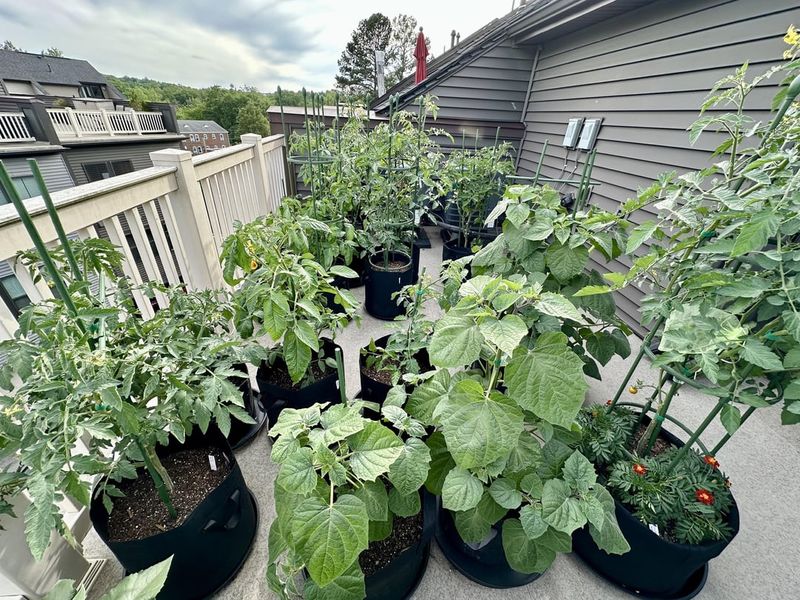
Birds, butterflies, and beneficial insects struggle to find homes in cities where concrete and buildings replace natural spaces that once provided food and shelter.
Rooftop gardens in Illinois offer safe havens for creatures seeking refuge from busy streets below, creating miniature ecosystems high above the urban landscape.
Naperville and Champaign have documented dozens of bird species visiting green roofs, including robins and sparrows that nest among the grasses and flowering plants there.
Native wildflowers planted on rooftops attract pollinators like bees and butterflies, which are essential for helping gardens and parks throughout the state remain healthy and productive.
These elevated habitats connect fragmented green spaces across cities, allowing wildlife to move between parks and natural areas without crossing dangerous roads filled with traffic.
Building owners often add small water features and specific plants chosen to support local species, making rooftops valuable conservation tools for protecting Illinois biodiversity.
Children and adults enjoy watching nature from windows, learning about local wildlife without leaving the city or traveling to distant natural preserves far from home.
4. Improving Air Quality Throughout Cities
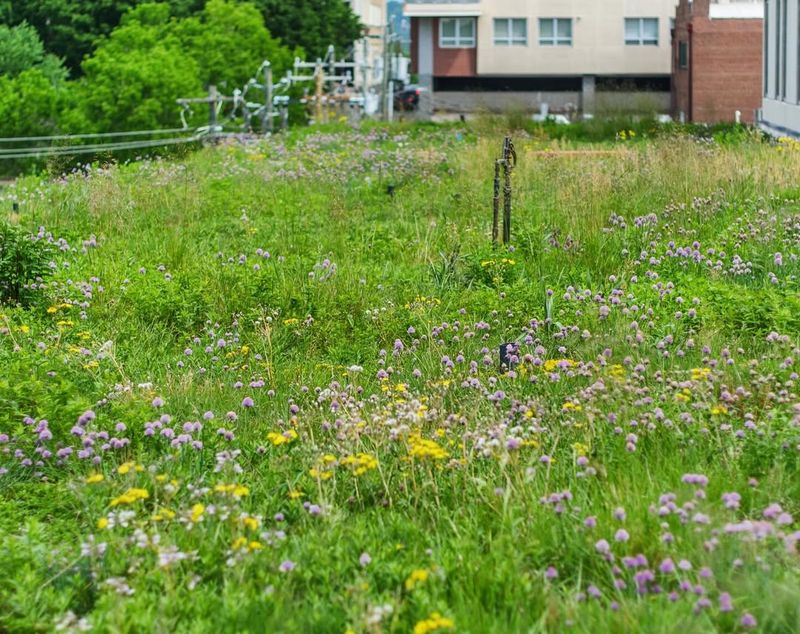
Vehicle exhaust and industrial emissions create smoggy conditions in Illinois cities, making breathing difficult for people with asthma and other respiratory health concerns.
Plants growing on rooftops filter harmful pollutants from the air, trapping dust particles and absorbing carbon dioxide while releasing fresh oxygen that everyone needs.
A single square foot of green roof vegetation can remove about forty grams of air pollutants annually, which adds up significantly across large buildings.
Chicago leads Illinois with hundreds of green roof installations that collectively clean millions of cubic feet of air each year, benefiting residents throughout the metropolitan area.
Bloomington and Decatur are encouraging property owners to add rooftop gardens specifically to combat air quality problems affecting their communities during high pollution days.
Cleaner air means fewer hospital visits for breathing problems, especially among children and elderly residents who are most vulnerable to pollution-related health issues.
Plants also reduce greenhouse gases contributing to climate change, helping Illinois cities meet environmental goals while creating healthier living conditions for current and future generations.
5. Extending Roof Lifespan Significantly
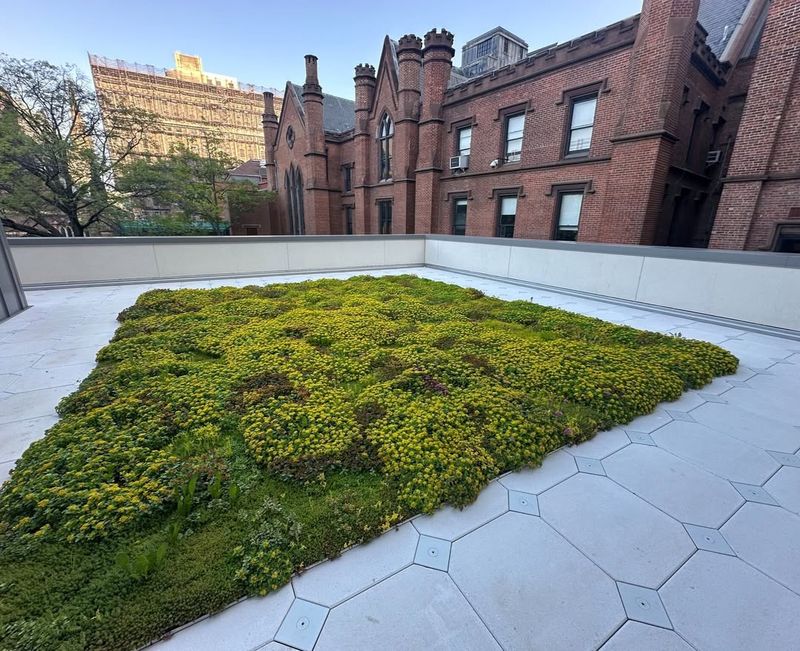
Traditional roofing materials deteriorate quickly under constant exposure to harsh Illinois weather, including blazing summer sun, freezing winter temperatures, and damaging ultraviolet radiation.
Green roofs protect underlying waterproof membranes from weather extremes by shielding them with layers of soil and vegetation that block direct sunlight and temperature fluctuations.
Studies show plant-covered roofs last twice as long as conventional roofs, sometimes exceeding forty years before requiring major repairs or complete replacement work.
Building owners in Evanston and Oak Park appreciate reduced maintenance costs because protected roofing materials crack and degrade much more slowly than exposed surfaces.
Soil and plants create a stable temperature environment for roofing membranes, preventing the expansion and contraction cycles that cause traditional roofs to develop leaks.
Fewer roof replacements mean less construction waste filling Illinois landfills, making green roofs an environmentally responsible choice that benefits both building owners and communities.
Long-term savings offset higher initial installation costs, making these systems financially smart investments for property owners planning to keep buildings for many decades.
6. Reducing Building Energy Consumption
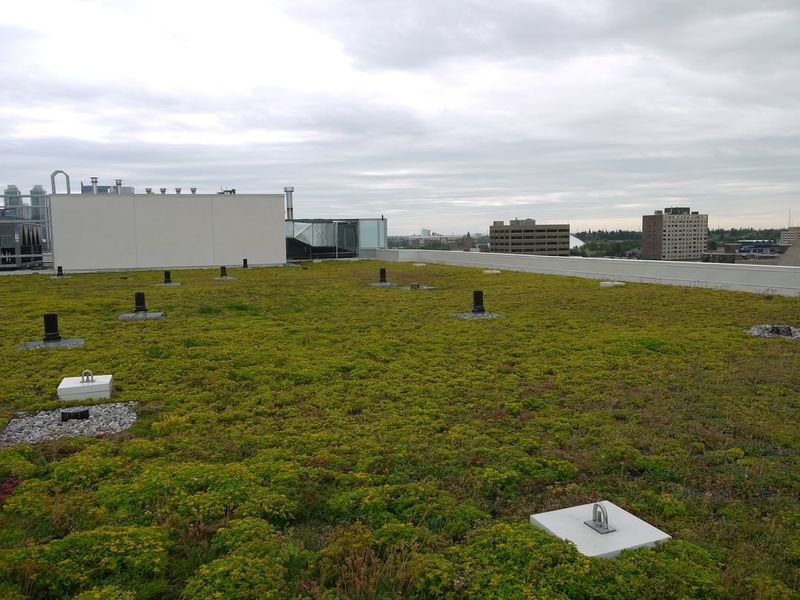
Heating and cooling expenses represent the largest portion of utility bills for most Illinois buildings, especially during extreme seasonal temperature swings common throughout the state.
Vegetation and soil on rooftops provide excellent insulation, keeping buildings warmer during frigid winters and cooler during sweltering summers without requiring additional energy usage.
Property owners in Joliet and Elgin report energy savings of fifteen to thirty percent after installing green roofs, significantly reducing monthly electricity and natural gas expenses.
Lower energy consumption means power plants burn less fossil fuel, reducing pollution and helping Illinois meet renewable energy goals established by state environmental regulations.
The insulating effect works both ways: plants keep heated air inside during winter months while blocking hot sun from warming buildings during summer afternoons.
Businesses and homeowners appreciate smaller utility bills that free up money for other expenses, making green roofs practical financial decisions beyond their environmental benefits.
Reduced energy demand during peak usage times helps prevent power grid overloads and blackouts that sometimes occur during extreme weather events affecting Illinois communities.
7. Boosting Property Values and Appeal
Homebuyers and commercial tenants increasingly seek properties with sustainable features that demonstrate environmental responsibility and offer tangible benefits for occupants and surrounding neighborhoods.
Buildings with green roofs in Illinois cities command higher sale prices and rental rates because these features are seen as desirable amenities by environmentally conscious buyers.
Real estate agents in Schaumburg and Arlington Heights actively market green roof properties, knowing they attract premium offers from buyers willing to pay extra for sustainability.
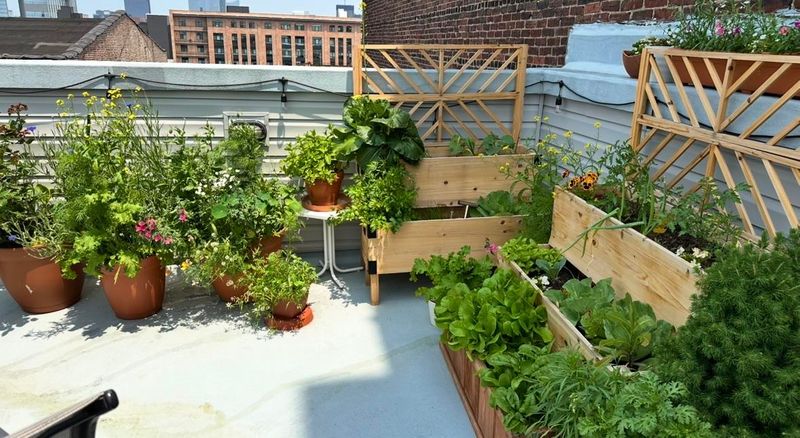
Beautiful rooftop gardens create usable outdoor spaces where residents and workers can relax, garden, or socialize, adding functional square footage to otherwise wasted roof areas.
Companies located in green buildings report better employee satisfaction and easier recruitment because workers appreciate environmentally friendly workplaces with access to nature and outdoor spaces.
Property tax incentives offered by some Illinois municipalities make green roof installations more affordable while increasing overall property values beyond the investment cost required upfront.
Attractive rooftop gardens improve building aesthetics and neighborhood character, making entire districts more appealing to visitors, residents, and businesses considering relocation to the area.
8. Providing Community Gathering Spaces
Urban residents often lack accessible green spaces where they can escape crowded streets and enjoy nature without traveling long distances to suburban parks or forest preserves.
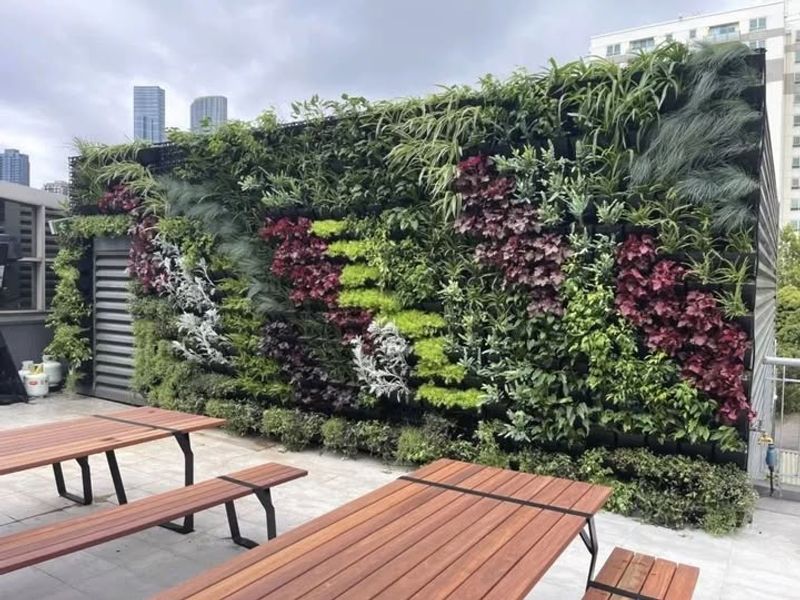
Rooftop gardens across Illinois transform unused roof areas into community gathering spots where neighbors meet, children play safely, and residents grow vegetables in shared gardens.
Springfield and Carbondale have created public rooftop parks on municipal buildings, offering free access to green spaces that host concerts, yoga classes, and educational programs regularly.
These elevated spaces provide peaceful retreats from noisy streets below, giving city dwellers opportunities to relax among plants and enjoy fresh air without leaving their neighborhoods.
Community gardens on rooftops allow apartment residents without yards to grow tomatoes, herbs, and flowers, fostering connections between neighbors who share gardening tips and harvests.
Schools in Illinois are installing educational green roofs where students learn about plants, insects, and environmental science through hands-on experiences right on their building tops.
Social connections strengthen when people gather in shared green spaces, building neighborhood relationships that make communities safer, friendlier, and more resilient during challenging times.
9. Supporting Local Food Production
Fresh, locally grown food often travels hundreds of miles to reach Illinois grocery stores, consuming fuel and losing nutritional value during transportation from distant farms.
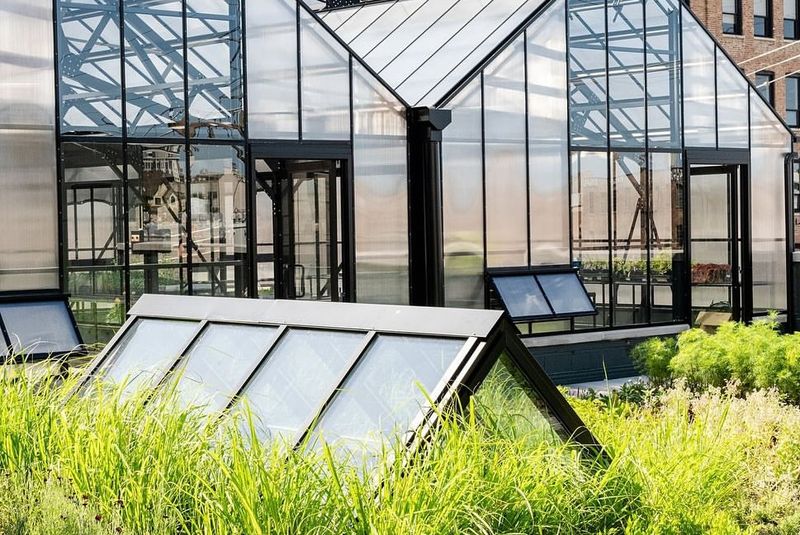
Rooftop farms in Chicago and other Illinois cities grow vegetables, herbs, and even fruits right where people live and work, providing ultra-fresh produce to nearby restaurants and markets.
Urban agriculture on rooftops creates jobs while teaching valuable skills about sustainable farming practices that can be applied in communities throughout the state and beyond.
Restaurants feature rooftop-grown ingredients on menus, appealing to customers who value knowing exactly where their food comes from and supporting local environmental sustainability efforts.
Food grown on buildings reduces transportation pollution while ensuring residents have access to nutritious vegetables even in neighborhoods lacking traditional grocery stores with fresh produce.
Educational programs in Urbana and Normal teach residents how to maintain rooftop gardens, spreading knowledge about urban farming that participants share with friends and family members.
Locally grown food strengthens community resilience by reducing dependence on distant supply chains that can be disrupted during emergencies, ensuring Illinois cities maintain food security.