The Harmful Pest Making A Big Appearance In South Carolina This Year
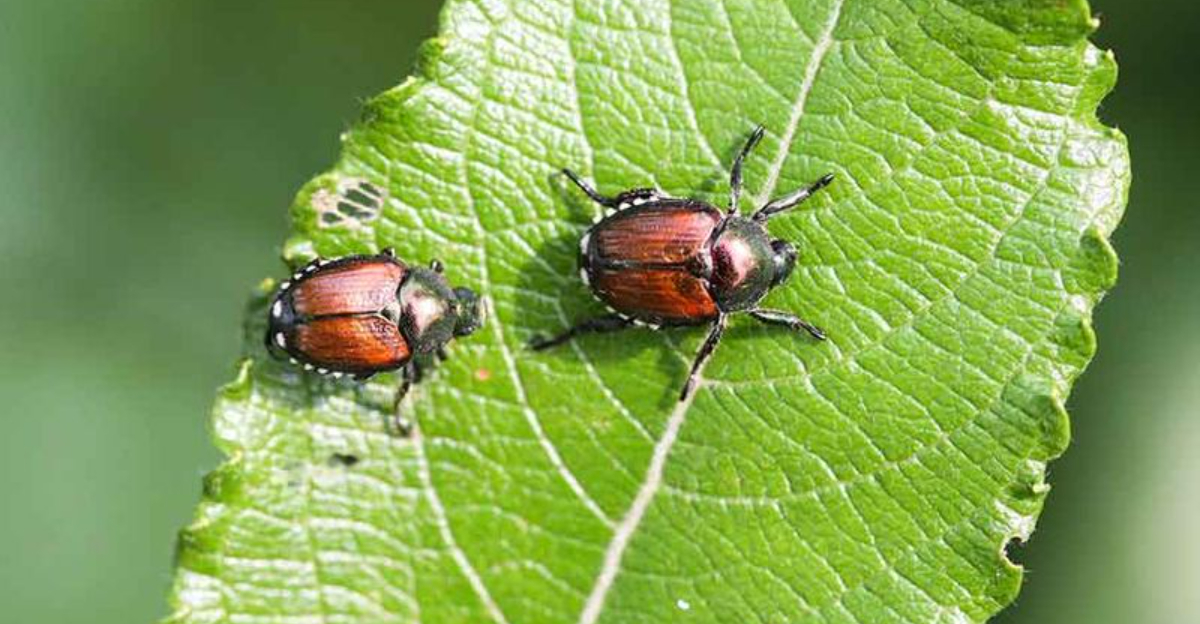
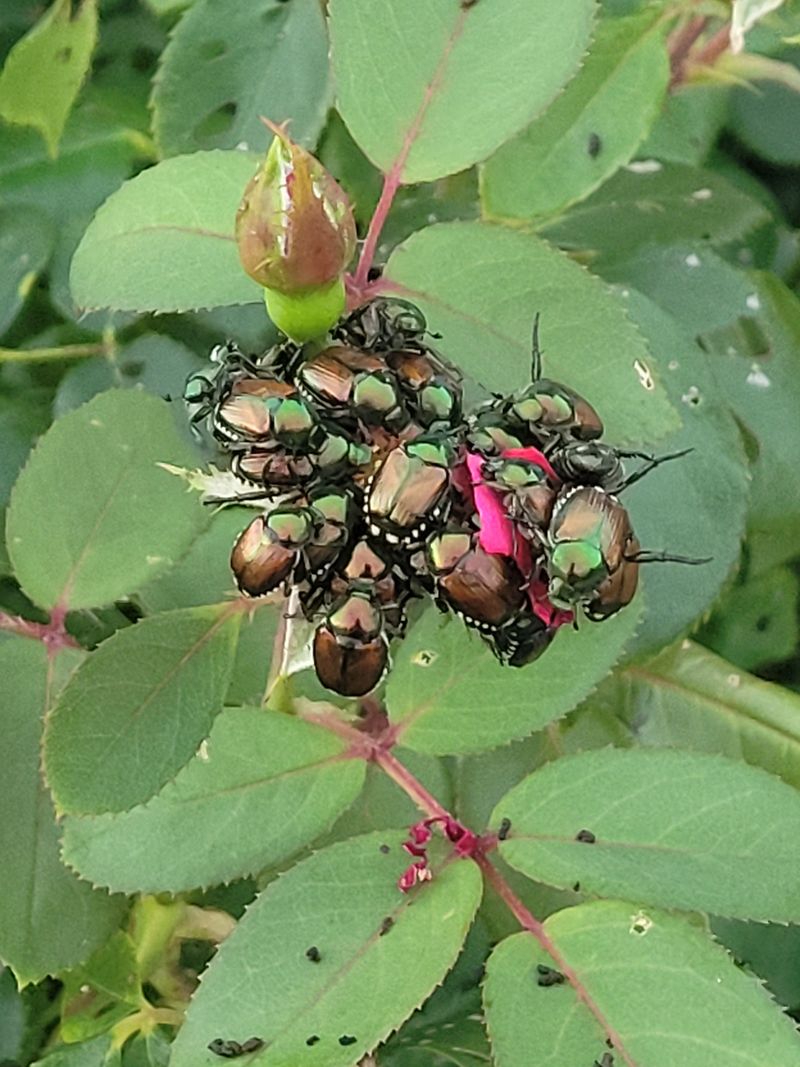
Japanese beetles are making a huge appearance across South Carolina this year, and you notice their impact fast because they never arrive quietly once they show up.
You start spotting the telltale leaf damage before you even see the beetles themselves, and that’s when you realize how quickly they can take over a yard.
It’s one of those pests that demands attention early, and you might catch yourself checking your plants a little more often just to stay ahead of them.
1. Warmer Winter Temperatures Helped Grubs Survive
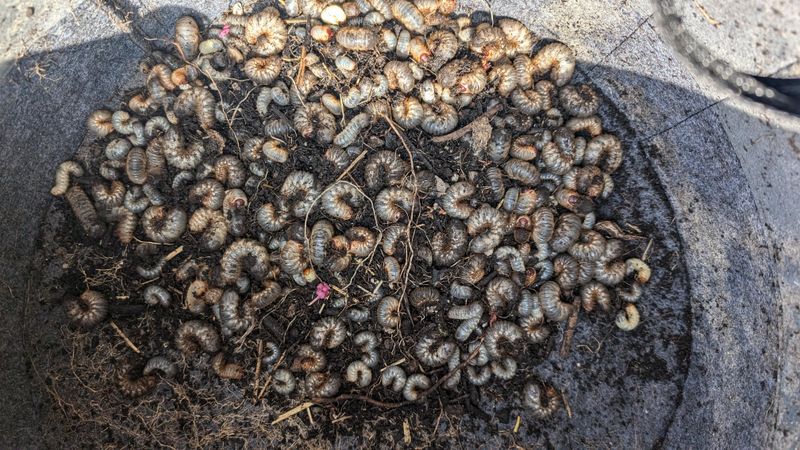
Mild winter conditions across South Carolina allowed more beetle larvae to survive underground instead of freezing during cold snaps this past season.
Grubs typically burrow deep into soil to escape harsh temperatures, but warmer weather meant they stayed closer to the surface throughout winter.
This increased survival rate translated directly into more adult beetles emerging when spring and summer arrived in the state recently.
Scientists have observed that even a few degrees of temperature difference can dramatically impact overwintering success rates for these invasive insects statewide.
When frost levels remain shallow and brief, grubs continue feeding on grass roots instead of entering dormancy for extended periods.
South Carolina experienced one of its warmest winters on record, creating perfect conditions for beetle larvae to thrive underground effortlessly.
Homeowners who monitor soil temperatures noticed unusually active grub populations even during January and February months across various counties.
This early activity signaled trouble ahead as spring approached and adult beetles prepared to emerge from their underground development stages successfully.
2. Spring Rains Created Ideal Breeding Conditions
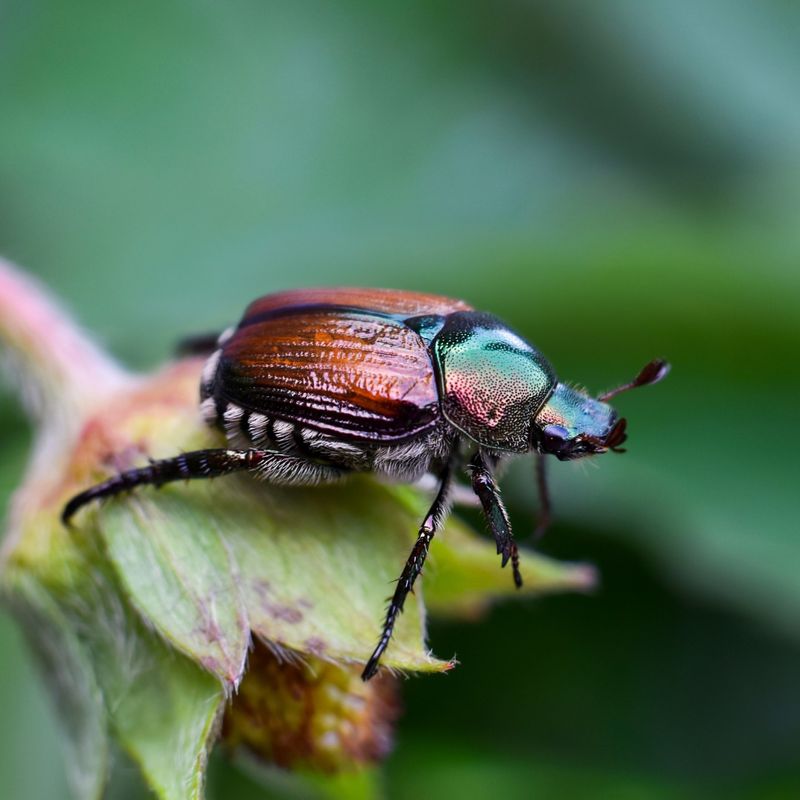
Above-average rainfall during spring months provided Japanese beetles with perfect moisture levels for laying eggs and supporting larval development throughout South Carolina.
Female beetles prefer moist soil for depositing their eggs because it helps the young grubs survive and feed more easily.
When soil stays consistently damp, egg survival rates skyrocket, leading to exponential population growth in just one generation cycle statewide.
Many South Carolina counties received nearly double their normal precipitation amounts between March and May, saturating lawns and garden beds perfectly.
This created an environment where female beetles could lay up to sixty eggs each without worrying about drought conditions threatening survival.
Gardens, golf courses, and residential lawns all became prime real estate for beetle reproduction during this exceptionally wet period recently.
Experts note that moisture not only helps eggs hatch but also keeps young grubs hydrated as they feed on roots.
South Carolina’s spring weather essentially rolled out the red carpet for these destructive insects to multiply rapidly and aggressively everywhere.
3. Abundant Host Plants Attracted More Beetles
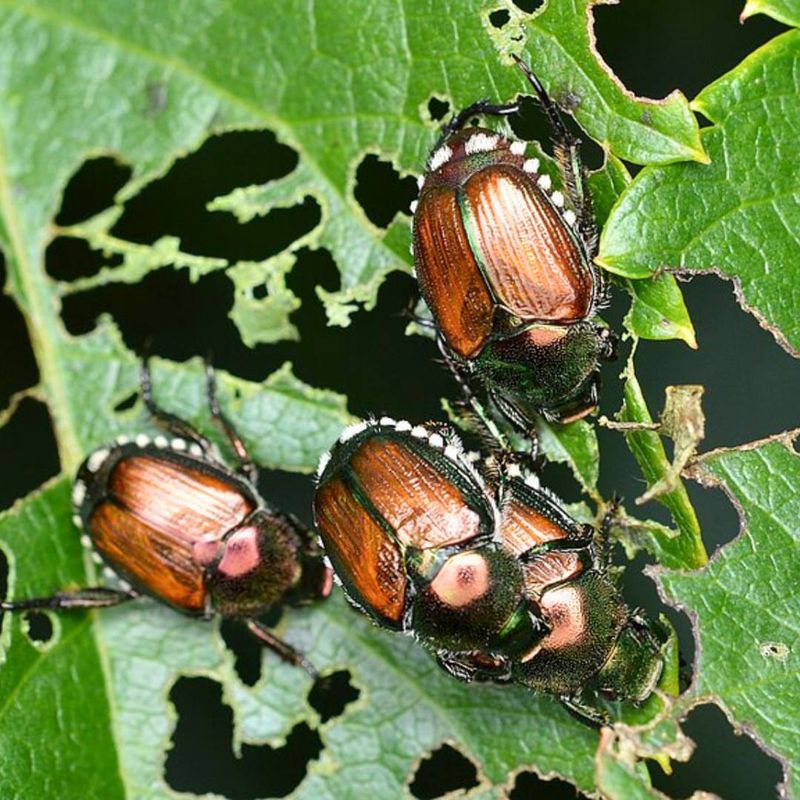
South Carolina landscapes feature hundreds of plant species that Japanese beetles find absolutely irresistible, drawing them in from surrounding areas like magnets.
Roses, grapes, fruit trees, and ornamental shrubs all produce the aromatic compounds that beetles use to locate their favorite feeding spots.
When neighborhoods plant these attractive species extensively, they essentially create buffet zones that concentrate beetle populations in residential areas dramatically.
Landscaping trends in South Carolina have increasingly favored lush gardens filled with flowering plants and fruit-bearing trees that beetles adore immensely.
Crepe myrtles, hibiscus, and raspberry bushes have become particularly popular in recent years, providing endless food sources for hungry beetles.
Each plant releases chemical signals that beetles can detect from considerable distances, effectively advertising their presence to hungry insects everywhere.
Agricultural areas growing soybeans, corn, and other crops also contribute to the problem by supporting large beetle populations nearby continuously.
Once beetles finish feeding in farm fields, they naturally migrate toward residential gardens in South Carolina towns and cities seeking new meals.
4. Reduced Natural Predator Populations
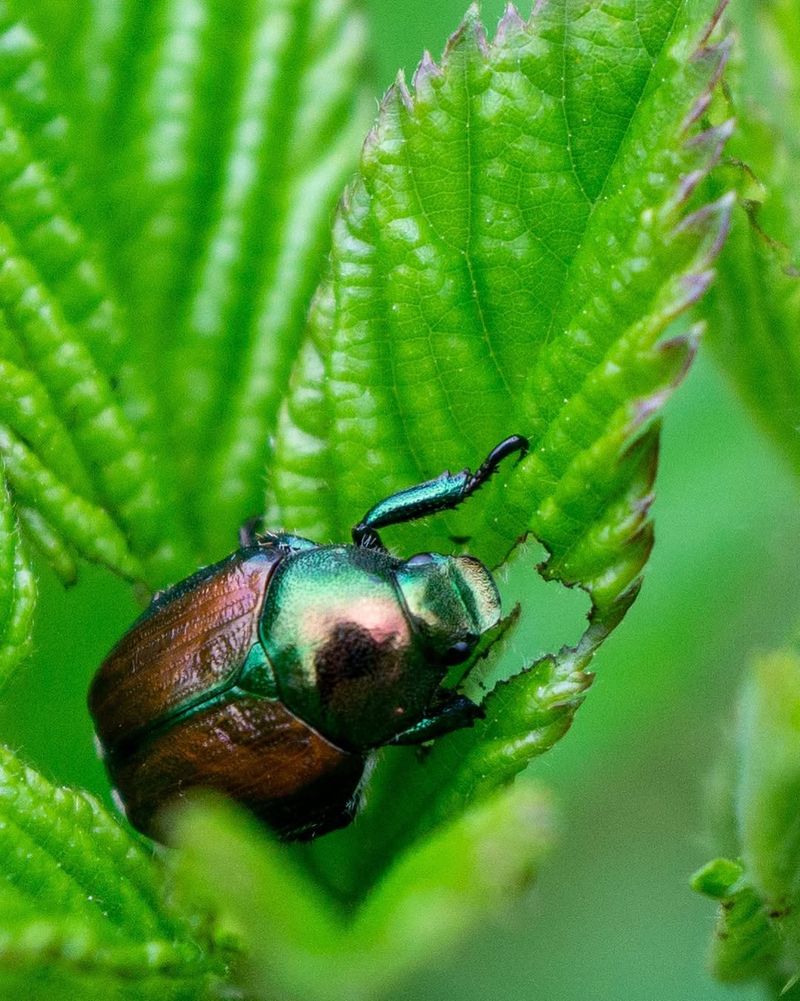
Birds, parasitic wasps, and other natural enemies that normally keep Japanese beetle numbers in check have declined across South Carolina recently.
Habitat loss, pesticide use, and environmental changes have reduced populations of beneficial insects and animals that prey on beetles naturally.
Without these natural controls, beetle populations explode unchecked, leading to the massive infestations residents are witnessing across the state currently.
Robins, starlings, and other insect-eating birds traditionally consume large quantities of beetle grubs from lawns during their feeding routines daily.
However, suburban development and reduced nesting sites have caused bird populations to drop in many South Carolina communities over recent years.
Fewer birds mean more grubs survive to become adult beetles, creating a vicious cycle that worsens each generation progressively.
Parasitic wasps and flies that naturally attack beetle larvae have also suffered from widespread insecticide applications in agricultural and residential settings.
South Carolina gardeners unknowingly harm these helpful species when they spray broad-spectrum chemicals, removing one of nature’s best beetle defenses completely.
5. Urban Heat Islands Extended Activity Periods
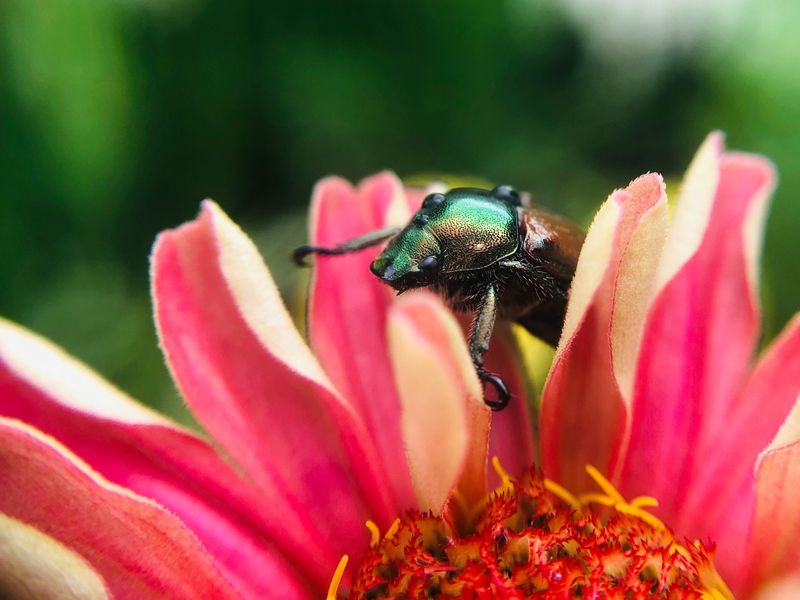
Cities and developed areas in South Carolina generate significantly higher temperatures than surrounding rural regions, extending the active feeding season for beetles.
Concrete, asphalt, and buildings absorb and radiate heat, creating microclimates where beetles remain active longer into evening hours daily.
These urban heat islands essentially give beetles extra time each day to feed, reproduce, and cause damage throughout metropolitan areas.
Charleston, Columbia, and Greenville all experience temperature increases of five to ten degrees compared to nearby countryside locations during summer months.
Japanese beetles thrive in these warmer conditions, becoming more aggressive feeders and producing larger populations within city limits across the state.
The extended warm periods also allow beetles to complete their life cycles faster, potentially squeezing in additional generations annually.
Suburban neighborhoods with extensive hardscaping and reduced tree cover suffer particularly severe infestations because temperatures remain elevated throughout the day constantly.
South Carolina homeowners in these heat-affected areas notice beetles feeding actively even during typically cooler morning and evening hours regularly.
6. Soil Conditions Favored Grub Development
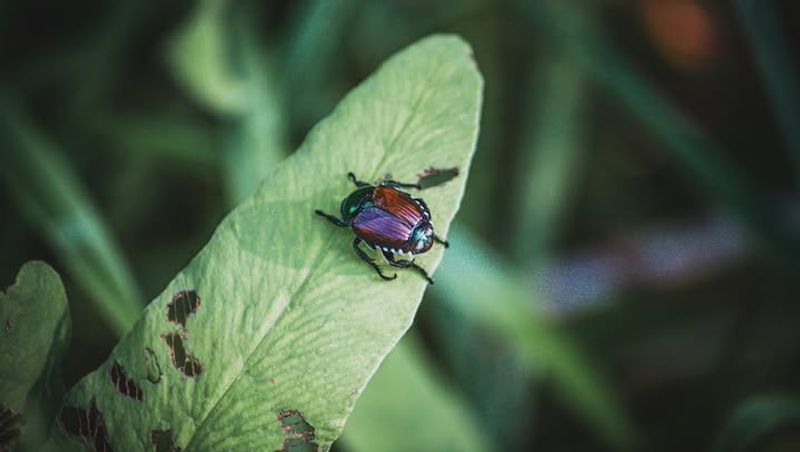
Loamy, well-drained soils common throughout South Carolina provide optimal conditions for Japanese beetle grubs to grow strong and healthy underground successfully.
These soil types retain enough moisture to keep grubs hydrated while allowing adequate oxygen penetration for their respiratory needs perfectly.
Grubs feeding in these ideal conditions grow larger, develop faster, and emerge as robust adults ready to reproduce immediately.
South Carolina’s natural soil composition includes plenty of organic matter that supports healthy grass root systems, which happen to be grubs’ primary food source.
Lawns fertilized regularly create even more nutritious roots, essentially fattening up grubs before they transform into adult beetles each season.
Golf courses, parks, and residential yards all contribute to this problem by maintaining lush turf that grubs find delicious.
Clay-heavy soils in some South Carolina regions actually protect grubs by making it harder for predators to reach them underground efficiently.
The state’s varied soil types generally favor beetle development regardless of specific composition, contributing to widespread population increases across diverse landscapes.
7. Agricultural Practices Supported Beetle Populations
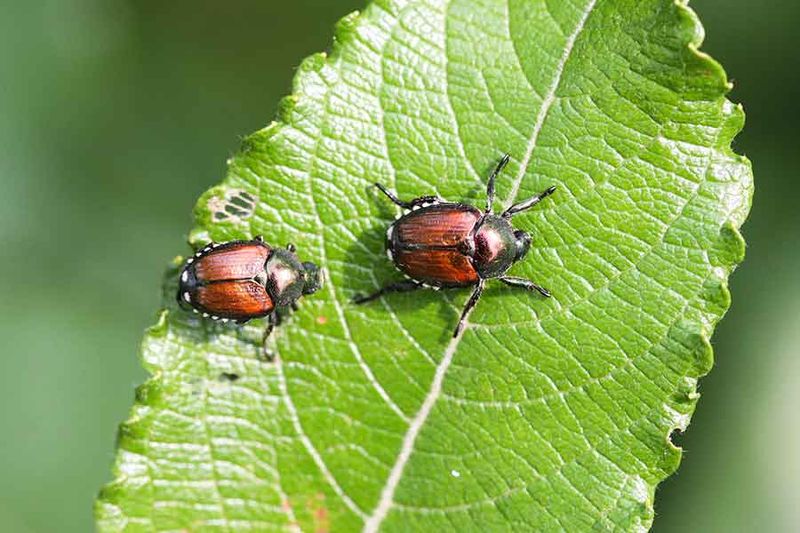
Farming methods used across South Carolina often inadvertently create perfect habitats for Japanese beetles to thrive in agricultural landscapes extensively.
Crop rotation patterns, irrigation schedules, and field management techniques can all contribute to increased beetle populations when not carefully planned.
Many farms provide continuous food sources and breeding grounds that support beetles throughout their entire life cycle without interruption.
Soybean and corn fields in South Carolina are particularly attractive to adult beetles, which feed heavily on leaves and silks.
After feasting in agricultural areas, beetles migrate to nearby residential neighborhoods, spreading the infestation beyond farm boundaries into communities.
Irrigation systems used on farms also maintain the moist soil conditions that female beetles need for successful egg-laying activities.
Some South Carolina farmers have reduced tillage practices to improve soil health, but this can accidentally protect overwintering grubs from exposure.
Conventional plowing would normally disturb and expose grubs to predators and harsh conditions, but conservation tillage leaves them undisturbed underground safely.
8. Reduced Pesticide Restrictions in Certain Areas
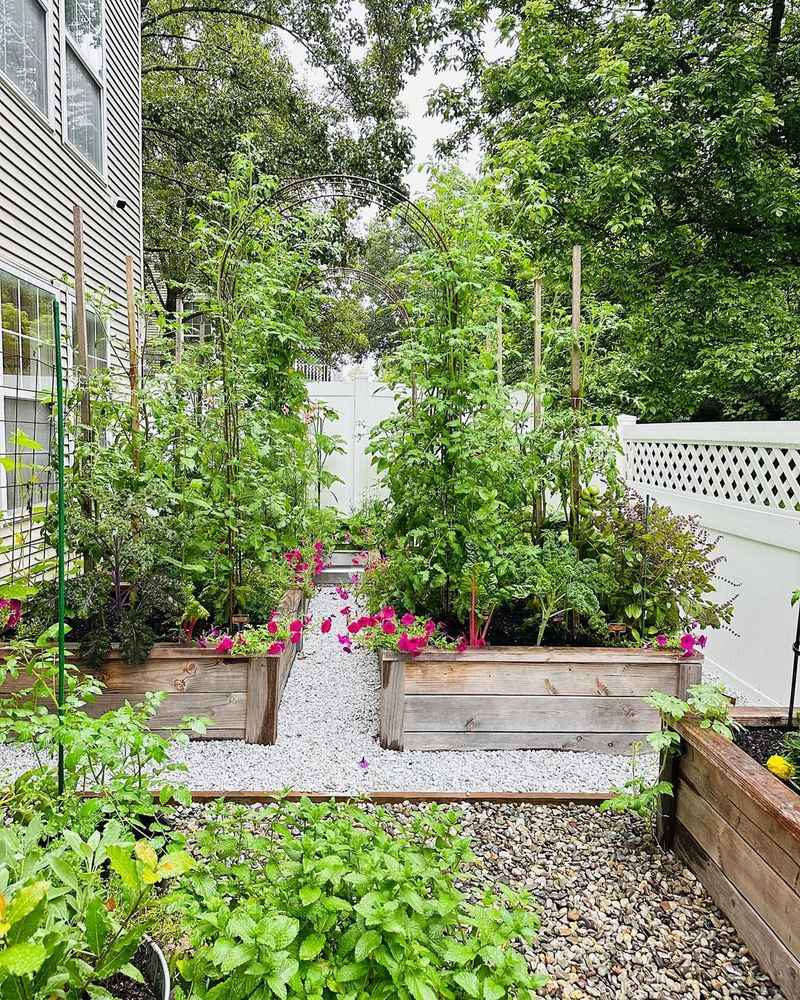
Changes in pesticide regulations and application practices across some South Carolina regions have inadvertently allowed beetle populations to rebound significantly.
When communities reduce or eliminate broad-spectrum insecticide use for environmental reasons, beetle numbers can increase without chemical controls limiting them.
While reducing pesticides benefits many beneficial insects, it also removes one barrier that previously kept Japanese beetle populations somewhat contained.
Many South Carolina municipalities have adopted pollinator-friendly landscaping policies that restrict insecticide use in public spaces like parks and roadsides.
These well-intentioned programs protect bees and butterflies but also allow beetles to establish strong populations in these protected areas.
Beetles breeding in pesticide-free zones then spread to surrounding properties, overwhelming private gardens and landscapes across entire neighborhoods.
Organic gardening trends have also grown popular in South Carolina, with homeowners avoiding synthetic chemicals in favor of natural pest control.
Without chemical interventions, beetle populations can explode rapidly before organic methods like handpicking and biological controls become effective enough statewide.
9. Climate Patterns Aligned With Beetle Life Cycles
Weather conditions throughout South Carolina this year perfectly synchronized with critical stages of Japanese beetle development, maximizing their reproductive success.
Cool, moist springs followed by warm, dry summers create ideal conditions for eggs, grubs, and adults at precisely the right times.
When climate patterns align this favorably, beetle populations can increase exponentially in just one season across the entire state.
Adult beetles emerged earlier than usual in South Carolina due to warm May temperatures, giving them extra weeks to feed and reproduce.
This head start meant females could lay more eggs over an extended period, directly increasing the number of grubs.
Timing matters enormously for beetle success, and this year’s weather provided perfect conditions at every developmental stage sequentially.
Summer heat arrived consistently without extreme temperature spikes that might have stressed beetles or reduced their activity levels throughout South Carolina.
Moderate temperatures kept adults feeding aggressively on plants while maintaining soil conditions favorable for egg hatching and grub survival simultaneously everywhere.
10. Increased Interstate Commerce Spread Beetles

Growing trade and transportation networks have inadvertently transported Japanese beetles into new South Carolina areas where they previously had limited presence.
Nursery plants, soil, and landscaping materials shipped from infested regions often carry beetle eggs or grubs hidden within them.
When these materials arrive at garden centers, construction sites, or residential properties, they introduce beetles to fresh territories with abundant resources.
South Carolina’s booming construction industry imports massive quantities of sod, topsoil, and ornamental plants from various states and regions regularly.
Inspection protocols may miss hidden grubs in soil or roots, allowing beetles to establish populations in previously unaffected neighborhoods.
Once introduced, beetles quickly spread to adjacent properties, creating new infestation hotspots across the state that expand outward continuously.
Homeowners purchasing plants from big-box stores or online retailers unknowingly bring beetles home in container soil quite frequently nowadays.
South Carolina’s popularity as a retirement and relocation destination has increased landscaping material imports, accidentally facilitating beetle spread throughout communities statewide.