The Hidden Benefits Of Planting Lavender In Your California Front Yard
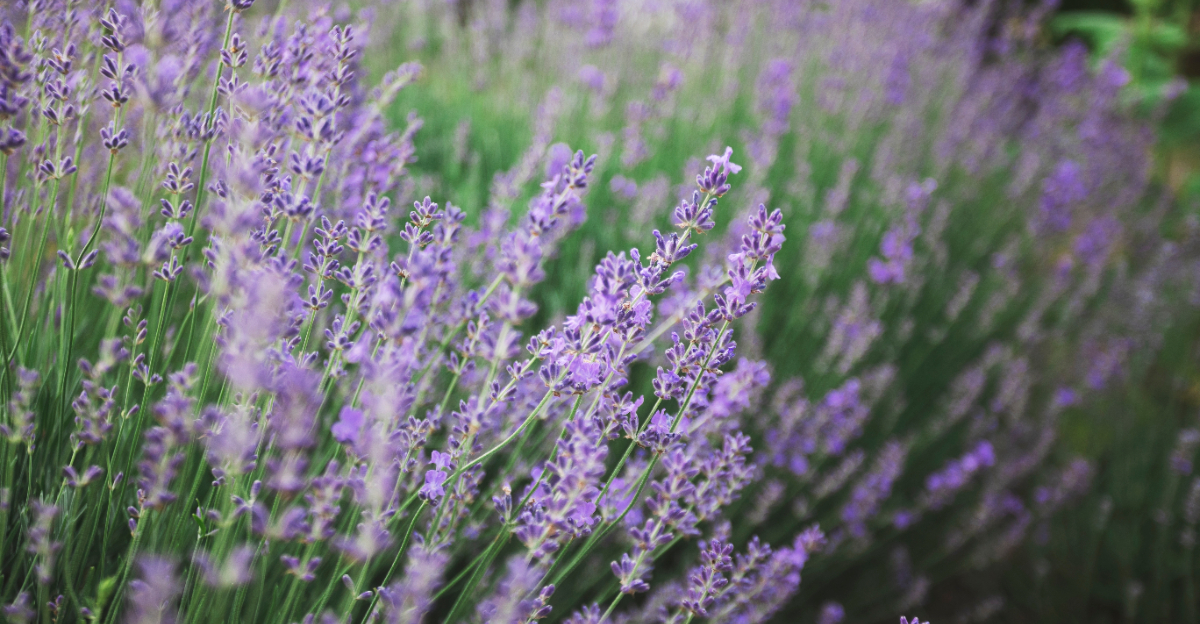
Lavender has long been admired for its soft purple blooms and calming fragrance, but in California front yards it offers far more than simple curb appeal.
This Mediterranean native fits naturally into the state’s climate, thriving in sunny spots where many other plants struggle.
Once established, it asks for very little water or maintenance, making it a smart choice for homeowners who want a beautiful landscape without constant upkeep.
Planting lavender near walkways, driveways, or entry paths adds a welcoming sensory touch to your yard.
The scent releases when the sun warms the flowers or when someone brushes past the foliage, creating a gentle fragrance that greets visitors before they even reach the front door.
The plants also attract helpful pollinators like bees and butterflies, bringing a bit of life and movement to the garden.
Beyond the visual charm, lavender can serve practical purposes in a front yard landscape. Its compact shape works well as a low hedge, border, or accent plant, helping define paths and garden beds while still looking relaxed and natural.
With its drought tolerance and long blooming season, lavender quietly delivers both beauty and resilience in California gardens.
1. Why Lavender Works So Well In California
California’s sunny weather and dry summers are basically made for lavender. This plant originally comes from the Mediterranean region, where the climate is very similar to what we have here in Southern and Central California.
Long, warm days and low rainfall are exactly what lavender needs to thrive.
Most plants struggle when water is scarce, but lavender actually prefers it that way. Once it gets settled into your front yard, it can handle dry spells without much help from you.
That makes it a smart choice in a state where water conservation really matters.
The soil in many parts of California also works well for lavender. It likes sandy or rocky soil that drains quickly, and many California gardens naturally have that kind of ground.
You do not need to add a lot of fancy amendments to get it growing strong.
Lavender also handles California’s heat without wilting or looking worn out. While other plants fade in the summer sun, lavender stays full and colorful.
Planting it in your California front yard means you get a reliable, beautiful plant that actually enjoys your local conditions instead of just surviving them.
2. The Best Lavender Types For Your Region
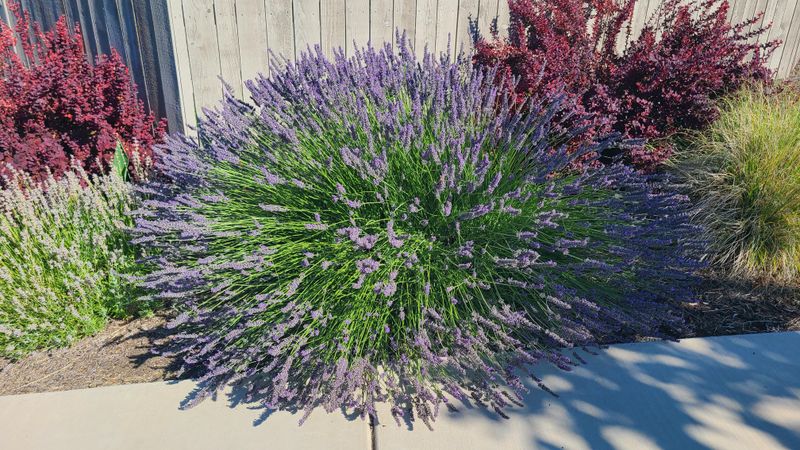
Not all lavender is the same, and picking the right type for your part of California can make a big difference. There are dozens of varieties out there, but a few stand out as especially great choices for California front yards.
English lavender, also called Lavandula angustifolia, is one of the most popular. It produces classic purple spikes and handles cooler coastal California climates well.
Varieties like Hidcote and Munstead are compact, easy to manage, and bloom beautifully every season.
Spanish lavender, or Lavandula stoechas, is another strong performer. It has fun little petal tufts on top of each bloom that look almost like bunny ears.
This type loves the heat and does especially well in inland California areas where temperatures climb high in summer.
For gardeners in warmer zones, French lavender is worth trying too. It blooms for a longer stretch of the year, which means more color and fragrance near your front door.
Lavandin hybrids like Grosso and Provence are also excellent choices because they grow large, smell amazing, and are extremely tough plants for California conditions.
3. A Front Yard Look That Always Feels Fresh
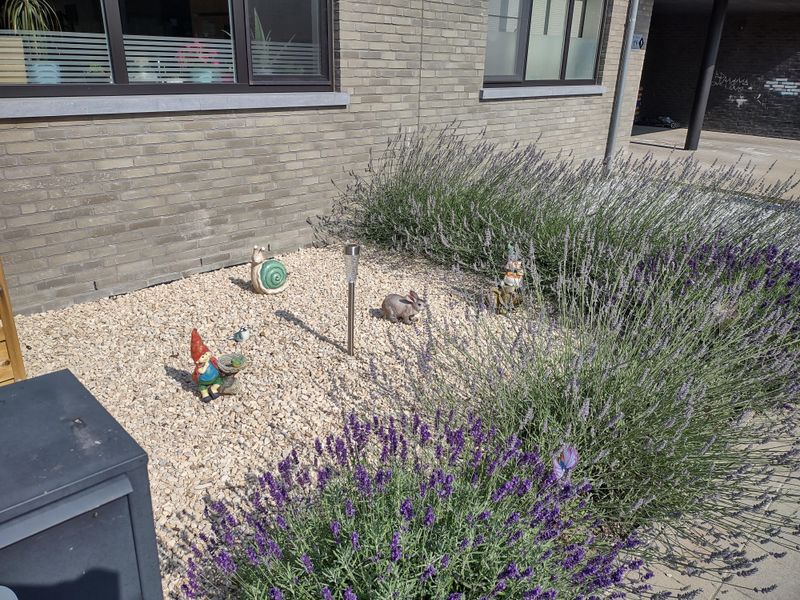
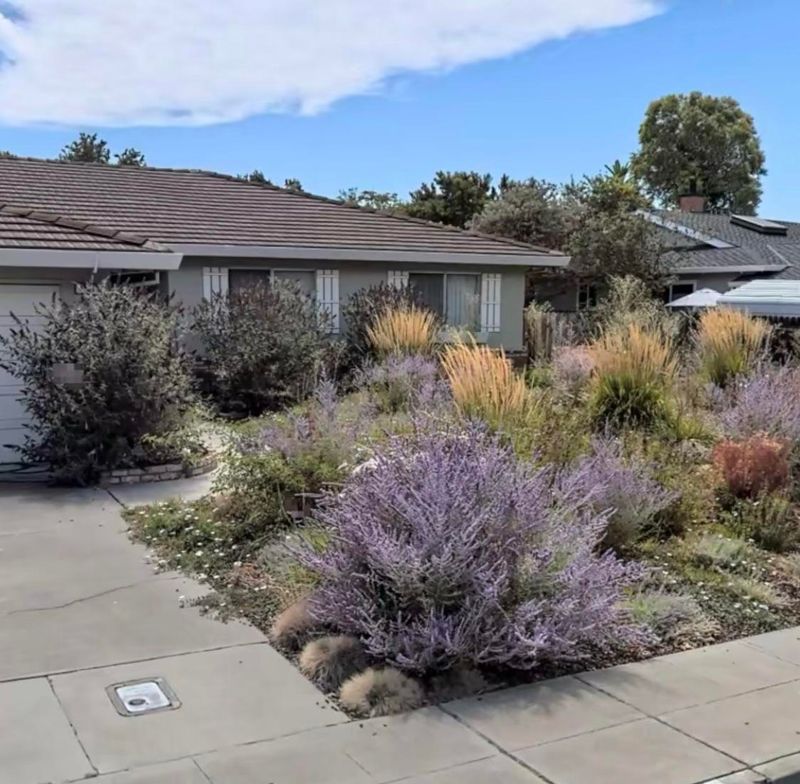
Walking up to a front yard full of lavender just feels good. The soft purple color pairs nicely with almost any home style, whether your house is modern, craftsman, or traditional.
It creates a calm and welcoming look that makes guests feel at ease before they even reach the door.
Lavender works especially well as a border plant along pathways or fences. Planting it in neat rows gives your front yard a clean, organized appearance.
You can also mix it with other drought-tolerant plants like rosemary, salvia, or ornamental grasses to create a layered, textured look.
Even when lavender is not in full bloom, the silvery-green foliage still looks attractive. Many California homeowners love that lavender keeps its shape and color year-round without much effort.
That means your curb appeal stays strong in every season, not just during the blooming months.
Real estate experts often point out that well-landscaped front yards can increase a home’s value. A thoughtfully planted lavender garden signals to neighbors and visitors that you care about your property.
It is one of those small investments that pays off in both beauty and home value over time.
4. A Natural Boost For Bees And Butterflies
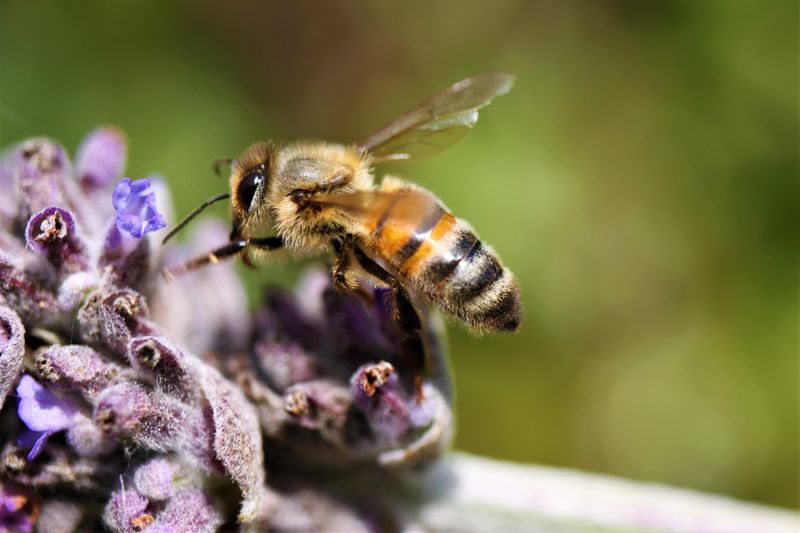
Few plants attract pollinators as reliably as lavender does. On a warm California afternoon, a blooming lavender plant can be buzzing with bees and fluttering with butterflies within minutes.
It is like a free outdoor nature show happening right in your front yard.
Bees are especially drawn to lavender’s nectar-rich flowers. Honeybees, bumblebees, and native California bee species all visit lavender regularly.
By planting it, you are directly supporting bee populations that are essential for pollinating fruits, vegetables, and wildflowers throughout your neighborhood.
Butterflies also love lavender. Species like the Western Tiger Swallowtail and the Painted Lady are commonly spotted visiting lavender gardens across California.
Watching them float from flower to flower is one of those simple joys that makes spending time in your front yard so enjoyable.
Supporting pollinators is not just good for wildlife. It also helps your entire garden grow better.
When bees and butterflies visit your front yard regularly, they pollinate nearby flowers and plants too. Planting lavender is one of the easiest ways to give back to California’s local ecosystem while also making your outdoor space more lively, colorful, and full of natural energy every single day.
5. That Clean, Calming Scent Near The Door
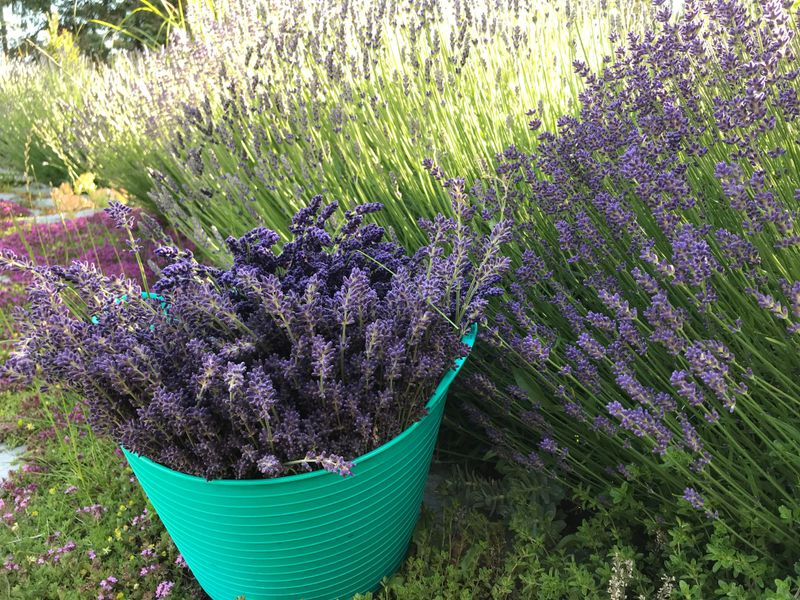
There is something special about walking up to your front door and being greeted by the scent of fresh lavender. It is one of those smells that instantly makes you feel calm and relaxed, even after a long, stressful day.
Many California homeowners say it is one of their favorite things about having lavender near the entrance.
Lavender’s fragrance is not just pleasant for people. It also works as a natural deterrent against mosquitoes, flies, and moths.
Planting it close to your front door means fewer bugs hovering around the entryway, which is a genuine bonus during warm California evenings when you want to leave the door open.
Aromatherapy experts have long used lavender essential oil to reduce anxiety and improve sleep. Having the real plant right outside your home means you get those calming benefits every time you step outside.
No candles or diffusers needed.
You can even cut a few stems and bring them inside. Fresh lavender in a small vase on a kitchen counter or nightstand fills a room with a clean, soothing fragrance.
Growing lavender in your California front yard gives you a renewable, natural source of one of the world’s most beloved and recognizable scents.
6. Less Water, Less Fuss, More Flowers
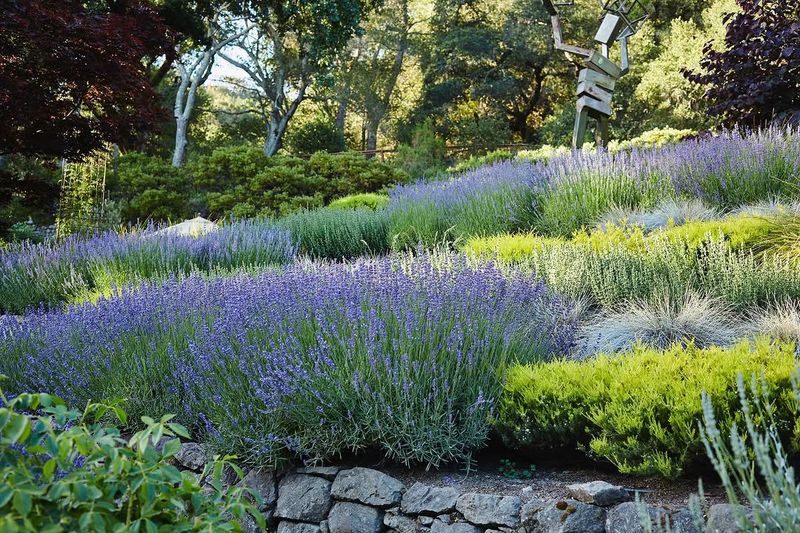
Water bills in California can get expensive, especially during dry summers. Lavender is one of the best plants you can choose if you want a beautiful front yard without using a lot of water.
Once established, it needs very little irrigation to stay healthy and bloom consistently.
Most lavender varieties only need watering every one to two weeks during the growing season. In cooler months or after rain, you can skip watering altogether.
Compare that to a traditional grass lawn, which needs watering several times a week, and the savings really add up over time.
Lavender also requires minimal fertilizing. In fact, too much fertilizer can actually make it produce fewer flowers.
It thrives in lean soil, which means you spend less time and money on garden products. Just plant it in a sunny spot with good drainage and let California’s natural conditions do most of the work.
Weeding around lavender is also simpler than many other plants. Its dense growth and strong fragrance help suppress weeds naturally.
For busy homeowners across California who want a yard that looks great without constant maintenance, lavender is honestly one of the most practical and rewarding choices available in any local nursery today.
7. Easy Pruning That Keeps It Full And Blooming
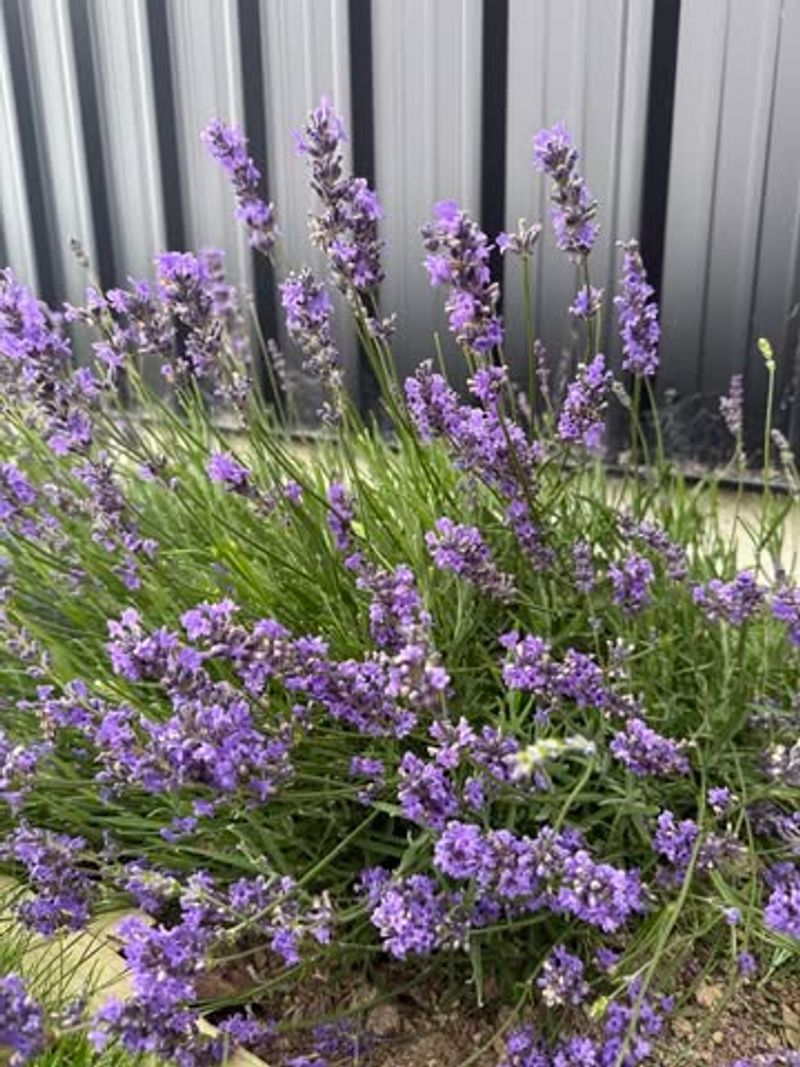
One of the most common worries new lavender growers have is pruning. It sounds complicated, but it is actually one of the easiest garden tasks you will do all year.
A quick trim once or twice a year keeps your lavender looking full, tidy, and ready to bloom again.
The best time to prune lavender in California is right after the main bloom period ends, usually in late summer. Cut the plant back by about one-third, removing spent flower stalks and some of the leafy growth.
Avoid cutting into the woody base, because that part of the plant does not regrow easily.
A second light trim in early spring, just before new growth starts, also helps shape the plant and encourage bushier growth. Think of it like giving your lavender a fresh haircut before the season gets going.
It takes about ten minutes per plant and makes a noticeable difference.
Skipping pruning for too long causes lavender to become woody and sparse in the center. Regular trimming prevents that from happening and keeps your California front yard looking lush and vibrant.
With just a pair of clean garden shears and a little time, you can keep lavender blooming beautifully for many years to come.
8. Common Mistakes That Make Lavender Struggle
Even in perfect California sunshine, lavender can run into trouble if a few key things go wrong. The good news is that most common mistakes are easy to avoid once you know what to watch for.
Understanding these pitfalls saves you time, money, and frustration in the garden.
Overwatering is the number one problem for lavender in California. Many gardeners assume that more water means healthier plants, but lavender actually suffers in soggy soil.
Roots sitting in wet ground can rot quickly, causing the plant to turn yellow and stop growing. Always let the soil dry out completely between waterings.
Poor drainage is closely related to overwatering. If your front yard has heavy clay soil, water tends to pool around the roots instead of draining away.
Mixing in coarse sand or planting lavender in raised beds or on a slight slope can solve this problem effectively.
Planting in too much shade is another common error. Lavender needs at least six to eight hours of direct sunlight each day to bloom well.
In California, most front yards get plenty of sun, but spots blocked by large trees or walls can limit light enough to reduce flowering significantly. Choose your planting spot carefully and your lavender will reward you with years of beautiful blooms.