The Hidden Detail Ohio Gardeners Should Check On Plant Labels
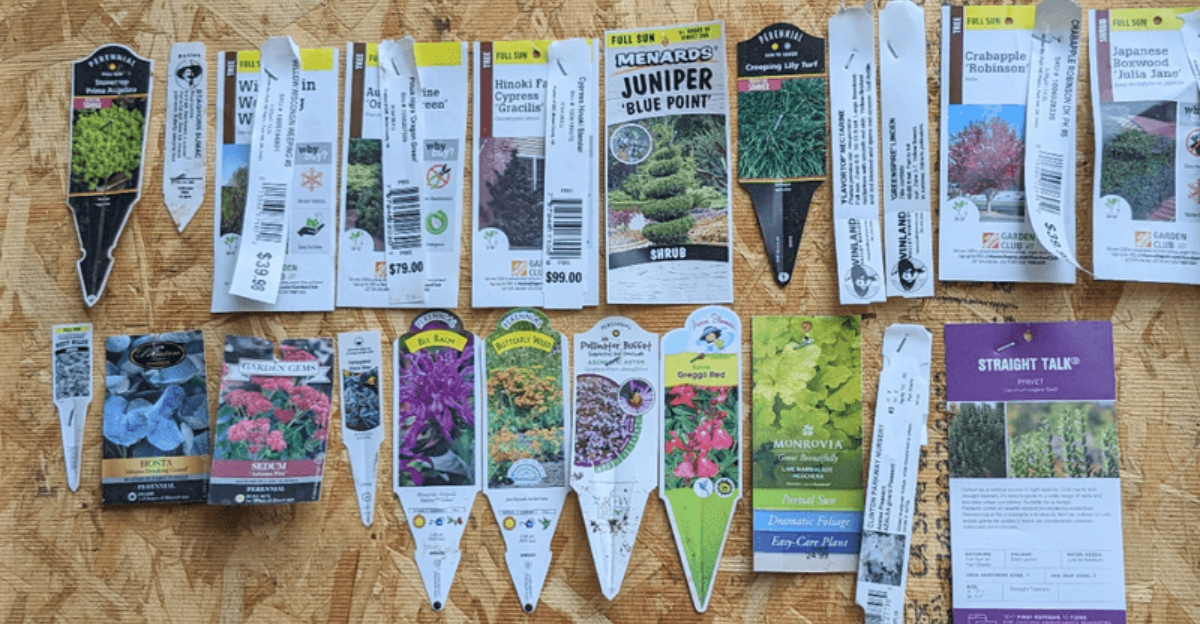
It is easy to grab a plant, glance at the tag, and toss it in the cart without a second thought, but that small label often holds the detail that makes or breaks success in an Ohio garden.
Beyond the color photo and basic care tips, there is one line many people overlook, and it quietly determines how well that plant will handle local winters, summer humidity, and everything in between.
Miss it, and you might end up with something that struggles, fades out, or never quite settles in. Catch it, and you set yourself up for stronger growth, better blooms, and far fewer surprises.
That overlooked detail is not flashy, but it is one of the smartest things to check before any plant goes home.
1. “Hardy To Zone 5” Doesn’t Always Mean What You Think
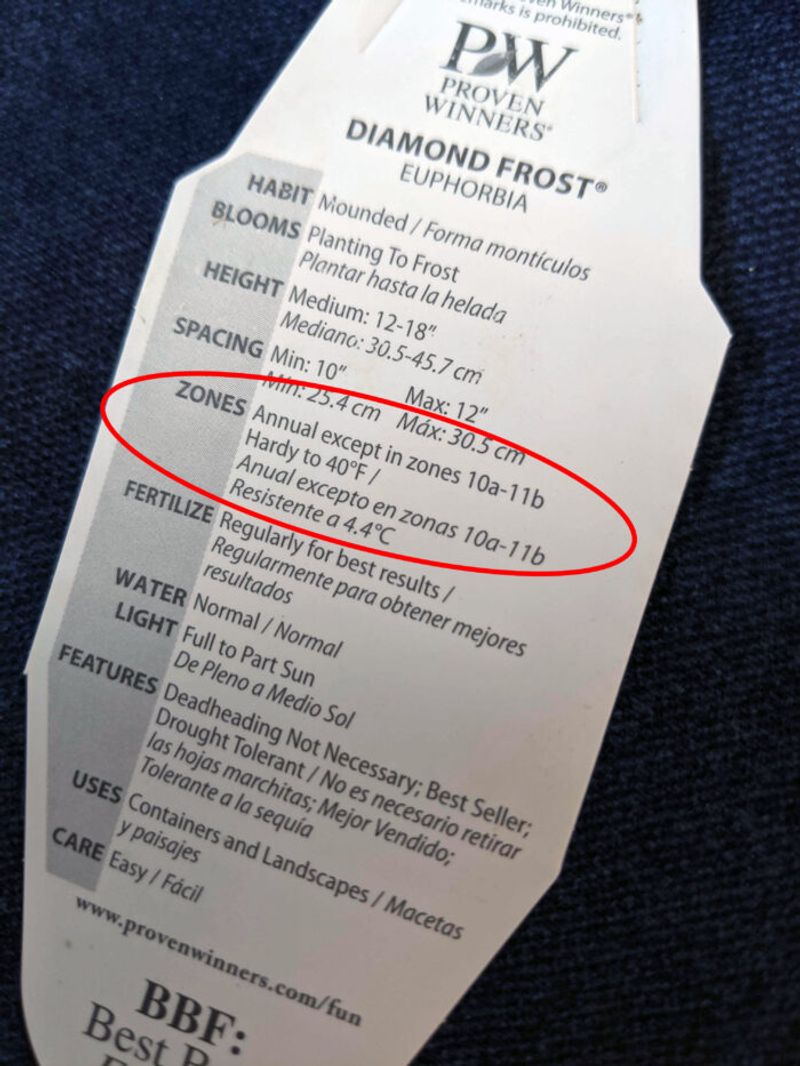
Plenty of Ohio gardeners have bought a plant confidently, only to find a sad, empty spot in the garden the following spring. The phrase “Hardy to Zone 5” sounds like a promise, but it is really more of a general guideline.
The USDA Plant Hardiness Zone Map is based almost entirely on average annual minimum winter temperatures, which means it only tells part of the story.
Ohio sits mostly in Zones 5b through 6b, depending on the region. Northern Ohio near Lake Erie tends to run cooler, while southern Ohio can push into warmer zone territory.
But even within those zones, what actually happens to a plant over winter depends on a lot more than just how cold the air gets.
Freeze-thaw cycles are a big deal in Ohio. When temperatures swing above and below freezing repeatedly throughout winter and early spring, plant roots can get heaved right out of the ground.
Soil moisture levels matter too, because waterlogged roots are far more vulnerable to cold injury than roots in well-drained soil. Wind exposure can strip moisture from stems and buds, causing damage that has nothing to do with the thermometer.
Ohio State University Extension points out that microclimates, local soil conditions, and even the timing of the first hard freeze all influence whether a plant actually survives.
A plant rated for Zone 5 might struggle in a low-lying Ohio yard that collects cold air, even if the official zone suggests it should be fine.
So when you see “Hardy to Zone 5” on a tag, treat it as a starting point, not a guarantee. Matching a plant to your specific yard conditions takes a little more digging than just checking the zone number.
2. Roots May Survive, But The Top Growth Might Not Come Back

Walking out to your garden in late March and seeing nothing but bare stubs poking out of the ground can feel discouraging.
Before you give up on a plant entirely, it helps to understand that for many perennials, the root system and the above-ground stems have very different tolerances for cold.
Some plants are what gardeners call “root hardy” in Ohio. The underground portion survives the winter just fine, but the top growth, meaning the stems, leaves, and sometimes even the flower buds, may not make it through a harsh Ohio winter or a late-season freeze.
Plants like butterfly bush, which is sometimes listed as a perennial for Zone 5, frequently behave this way in Ohio gardens. The roots hold on, but gardeners often end up cutting back a lot of withered wood before new growth emerges from the base in spring.
Salvias, certain ornamental grasses, and some tender perennials can show the same pattern. They look completely finished by February, yet push up fresh growth once soil temperatures warm.
Knowing this helps you resist pulling a plant out too early in the season, which is a mistake many gardeners make in Ohio’s unpredictable spring.
Ohio State University Extension recommends waiting until you see clear signs of new growth before deciding a plant has not made it through winter. Gently scratching the stem with a fingernail can also reveal green tissue underneath if the plant is still alive.
Top growth damage does not always mean the whole plant is lost.
Reading the label with this distinction in mind changes how you plan your garden. A plant that loses its top each winter still provides seasonal interest and value, as long as you know what to expect going in.
3. Why Some “Perennials” Quietly Act Like Annuals In Ohio
Not every plant wearing the “perennial” label will actually come back year after year in your Ohio garden. It sounds frustrating, and honestly, it is a source of confusion for gardeners at every experience level.
The word perennial technically means a plant lives for more than two years, but that definition is tied to the climate where the plant is rated to survive.
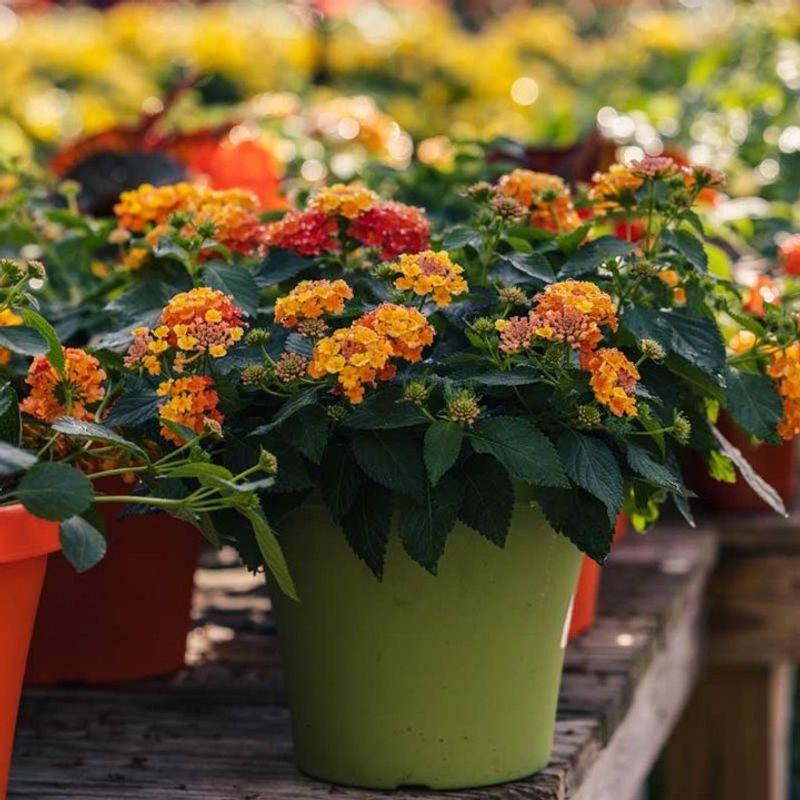
Some plants are perennials in Georgia or the Carolinas but behave like annuals in Ohio. Lantana is a classic example.
In warmer southern states, it comes back reliably each spring. In most of Ohio, however, it rarely survives the winter and is typically treated as an annual bedding plant.
The same goes for certain types of verbena, pentas, and even some lavender varieties that are not cold-hardy enough for Ohio winters.
Garden centers sometimes carry these plants without making the distinction obvious. A tag might say “perennial” with a zone range that starts at Zone 7 or 8, which is well above Ohio’s typical range.
If you are shopping quickly and only spot the word “perennial,” it is easy to assume the plant will return next year in your Ohio yard.
The fix is simple once you know what to look for. Check the full zone range on the label, not just the category.
If the lowest zone listed is higher than your local zone, plan to treat that plant as a seasonal annual or bring it indoors before frost.
Ohio State University Extension and local master gardener resources can help you identify which “perennials” are reliable in your part of the state. Growing annuals on purpose is a perfectly good choice.
Being surprised by one is a different story.
4. Microclimates Can Make Or Break Winter Survival
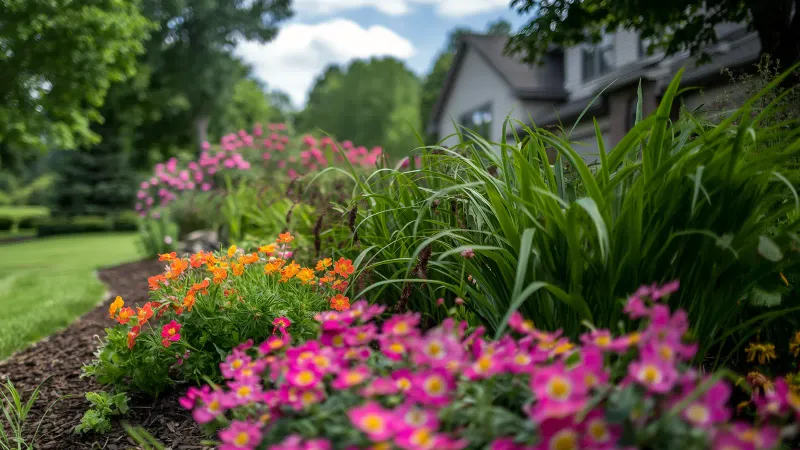
Your neighbor grows a plant that the label says should not survive Ohio winters, yet it comes back beautifully every spring. Meanwhile, yours planted across the yard struggles every year.
The difference often comes down to something called a microclimate, and it is one of the most underappreciated factors in gardening.
A microclimate is a small area where conditions differ noticeably from the surrounding environment. South-facing walls are one of the best examples.
Brick or stone walls absorb heat during the day and release it slowly overnight, creating a warmer pocket that can effectively push a planting spot one zone warmer than the official rating for your area.
Plants tucked against a south-facing foundation in Columbus or Cincinnati may survive winters that would take out the same plant in an exposed front yard just a few feet away.
Wind exposure works in the opposite direction. An open, unprotected hillside or corner of a yard where wind whips through regularly can make conditions feel much colder than the zone map suggests.
Wind pulls moisture from plant tissue and accelerates temperature drops, both of which increase the risk of cold injury.
Snow cover is another underrated factor. A consistent blanket of snow insulates the soil and root zone, keeping temperatures more stable than bare, frozen ground.
In Ohio, where snowfall can be unpredictable, plants in exposed areas may experience more dramatic soil temperature swings than those in sheltered spots.
Urban areas also tend to run slightly warmer than surrounding rural zones due to what scientists call the urban heat island effect.
Cleveland and Columbus gardeners in denser neighborhoods may find they can push zone boundaries slightly compared to gardeners in open countryside nearby.
5. That Tiny Zone Range On The Tag Tells A Bigger Story
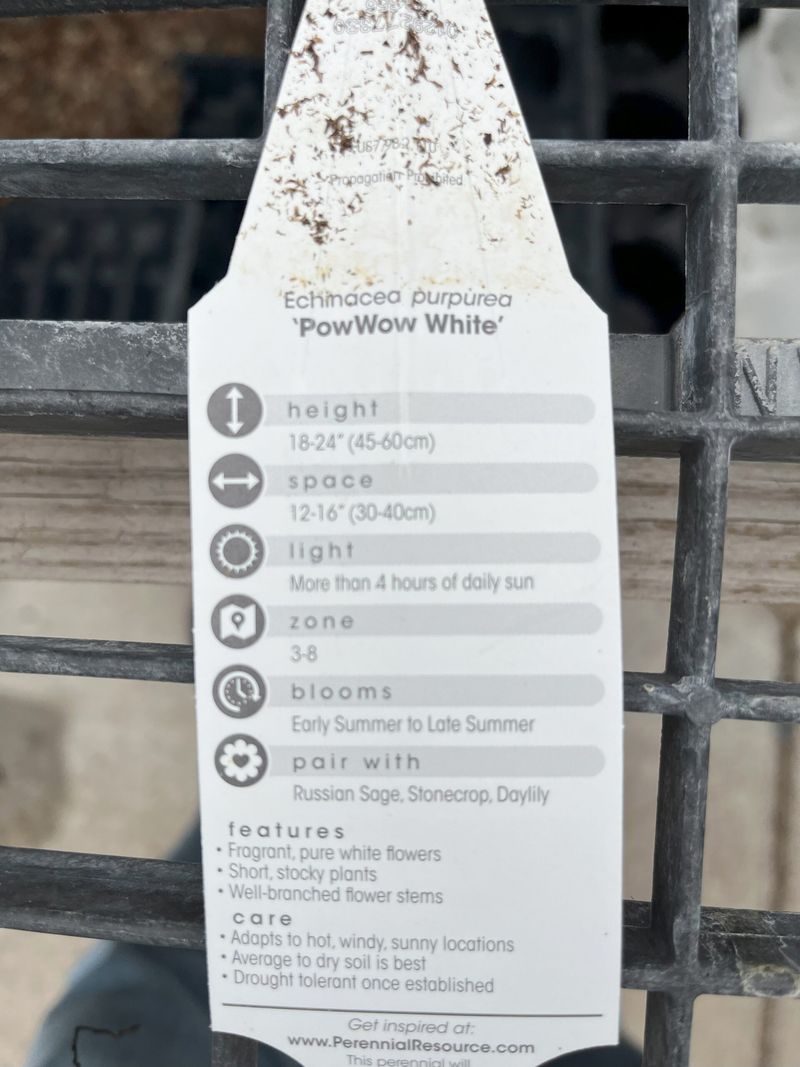
Most plant tags include a zone range rather than a single number, and that range carries more information than many gardeners realize. A tag reading “Zones 5-9” tells you the plant can tolerate the cold of Zone 5 and the heat of Zone 9.
For Ohio gardeners, being at the lower end of that range is a very different experience than being comfortably in the middle.
When Ohio falls right at the bottom of a plant’s zone range, that plant is essentially living at its limit. It can survive, but it may not thrive the way the catalog photo suggests.
Growth might be slower, flowering could be reduced, and a particularly harsh winter or a late-season cold snap might push the plant past what it can handle. Being at the edge of a zone range means there is little buffer when conditions turn rough.
Compare that to a plant with a zone range of “Zones 4-8.” In Ohio’s Zone 5 or 6, that plant sits comfortably within its tolerance range, giving it room to handle unusual cold spells without serious setbacks.
Choosing plants that are rated two zones colder than your local zone is a strategy some experienced gardeners use to build a more resilient garden.
The upper end of the range matters too, especially as Ohio summers have trended warmer in recent decades. Plants that top out at Zone 6 or 7 may struggle during extended summer heat even if they handle Ohio winters just fine.
Reading the full zone range takes only a few extra seconds at the garden center. That small habit can make a real difference in which plants reward you with reliable performance year after year instead of leaving you guessing each spring.
6. Container Plants Face A Much Colder Reality In Winter
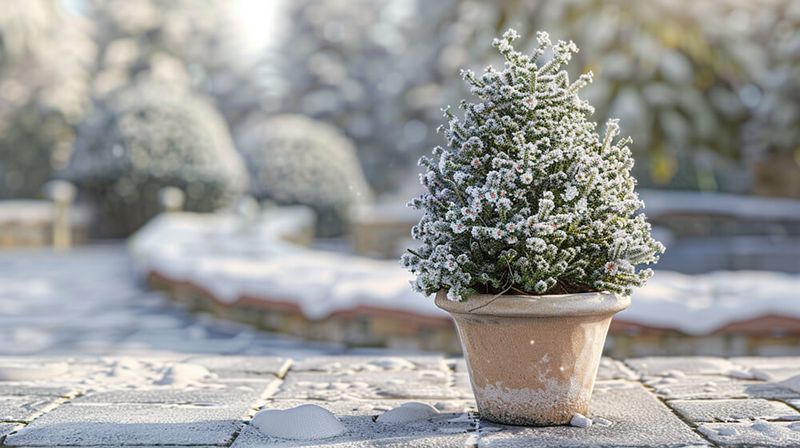
Buying a plant rated for Zone 5 and popping it into a decorative container on your Ohio patio feels like a safe choice. The zone matches, so everything should be fine, right?
Unfortunately, container plants face a much harsher winter reality than their in-ground counterparts, and the plant label rarely explains this.
When a plant grows in the ground, the surrounding soil acts as insulation. Soil temperatures at root depth stay far more stable than air temperatures, often staying several degrees warmer than the air overnight.
Container plants do not have that protection. The roots inside a pot are surrounded on all sides by thin walls of ceramic, plastic, or wood, and those materials offer very little insulation against cold air.
Horticulture experts generally suggest that a plant in a container behaves as though it is one or even two zones colder than the same plant in the ground. So a plant rated for Zone 5 in a container in Ohio’s Zone 5b is essentially being asked to survive Zone 3 or 4 conditions at its roots.
That is a significant difference, and many plants simply cannot manage it without some help.
Ohio winters also bring freeze-thaw cycles that are especially damaging to containers. Water in the potting mix expands when it freezes, which can crack pots and damage root systems repeatedly over a single winter season.
Options for protecting container plants in Ohio include moving pots into an unheated garage or basement, wrapping containers with burlap or bubble wrap, or grouping pots together in a sheltered spot to reduce heat loss.
Some gardeners sink containers into the ground for winter, giving the roots the insulation benefit of surrounding soil.
A little planning before the first frost can make a big difference in what survives to grow again next year.
7. When Nursery Labels Don’t Match Ohio Conditions Exactly

Plant labels are written to sell plants across a wide market, not to give a detailed report on how a specific variety will perform in your particular Ohio county. That is not a criticism of nurseries, it is just the reality of how the industry works.
Labels are designed to be broadly accurate across a large geographic area, which means the details do not always line up perfectly with Ohio’s specific conditions.
A plant might be labeled for Zones 5-9 based on trials conducted in the Pacific Northwest or the mid-Atlantic, where winters are cold but often drier and less prone to Ohio’s particular brand of freeze-thaw stress.
Humidity levels, soil types, and the timing of temperature swings all vary significantly by region, and none of that nuance fits on a two-inch tag.
Some retailers also source plants from wholesale growers in warmer states, meaning the plants have been raised in milder conditions and may need extra time to acclimate before facing an Ohio winter.
A plant that spent its first growing season in Georgia is not as hardened to cold as one that started life in a northern Ohio greenhouse.
Ohio State University Extension is one of the best resources for checking whether a plant that sounds good on a label will actually perform well in your part of the state.
Their plant selector tools and local fact sheets account for Ohio-specific conditions in a way that a general label simply cannot.
Talking to staff at locally owned Ohio nurseries is another reliable strategy. Experienced local growers often know which plants on their shelves are truly dependable in your area and which ones are a bit of a gamble.
That kind of local knowledge is worth more than any label.
8. The Other Label Details You Should Never Skip
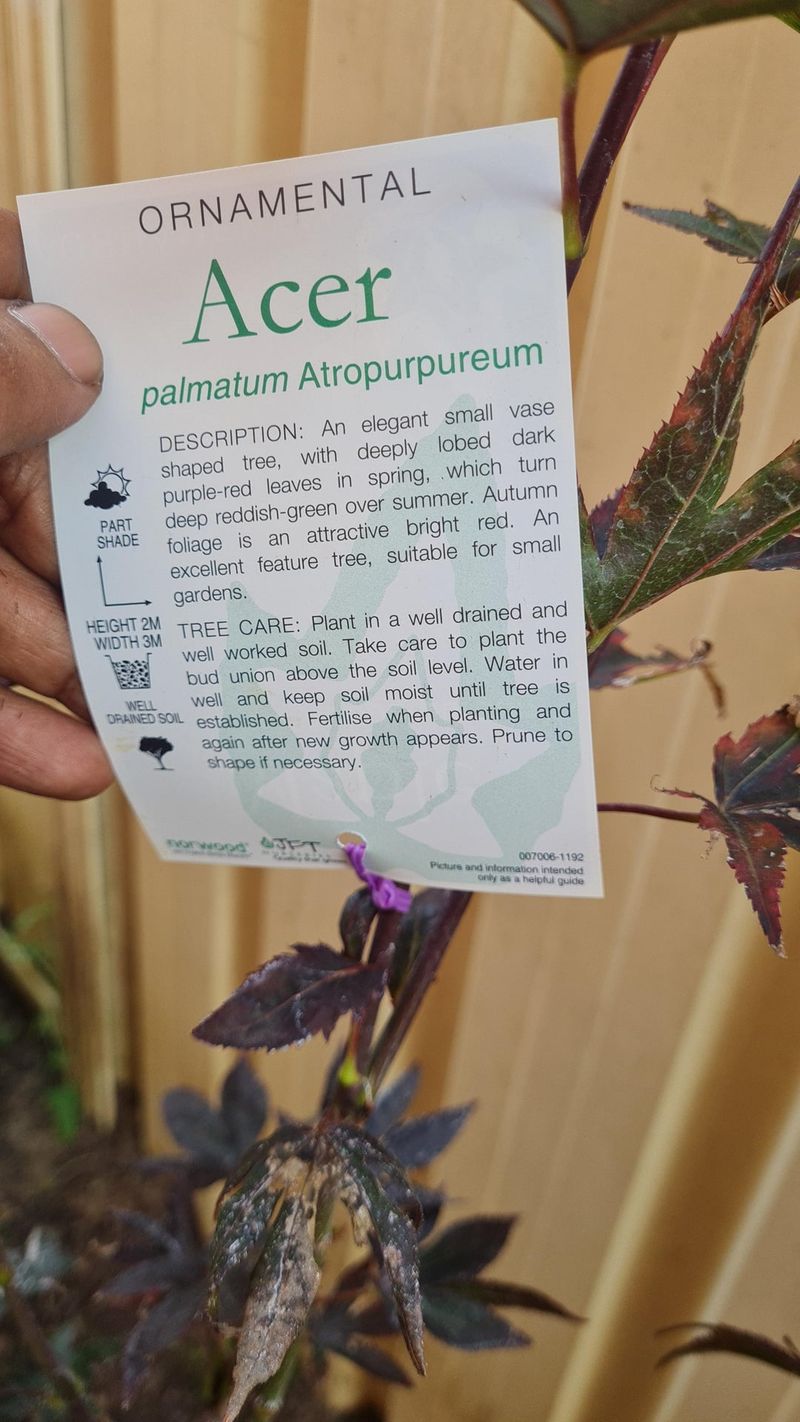
Hardiness zone gets most of the attention when it comes to plant labels, and for good reason. But the other details printed on that small tag are just as capable of making or breaking your garden success.
Skipping over them is a common shortcut that tends to cause problems later in the season.
Sunlight requirements are one of the most frequently misread details. Full sun means at least six to eight hours of direct sunlight each day.
Part shade means three to six hours. Planting a full-sun perennial in a spot that only gets four hours of light will not cause it to collapse immediately, but it will likely produce fewer flowers, weaker stems, and more susceptibility to disease over time.
In Ohio, where tree canopy and house shadows shift with the seasons, it pays to observe how much sun a spot actually gets before planting.
Mature size and spacing are two details that gardeners often underestimate at planting time. A shrub that looks tidy in a one-gallon pot might reach six feet wide within a few years.
Crowded plants compete for water and nutrients, and poor air circulation in dense plantings increases the risk of fungal diseases, which are already a concern in Ohio’s humid summers.
Watering needs matter more than many gardeners expect, especially during Ohio’s occasional summer dry spells. Drought-tolerant plants and moisture-loving ones rarely thrive side by side without extra management.
Soil pH preferences are another label detail worth noting. Many native Ohio plants prefer slightly acidic to neutral soil, but some popular ornamentals need specific conditions that may not match your yard without amendments.
Taken together, all of these label details connect back to the same goal: choosing plants that genuinely suit your specific Ohio garden rather than hoping for the best each season.