The Hidden Reason Some Oregon Perennials Grow Smaller Each Year
At first, it is easy to brush off. A perennial comes back in spring, but it looks a little thinner. Fewer blooms. Shorter stems.
The next year, it shrinks again. Before long, a plant that once anchored your Oregon garden barely makes an impression.
It is tempting to blame bad weather or assume the plant is just aging out. Oregon’s soggy winters and dry summers can certainly stress certain varieties.
But when perennials steadily decline in size, there is often a quieter issue happening below the surface.
Many gardeners overlook this hidden factor because the plant is still technically alive. It returns each year, just smaller and less impressive.
The good news is that once you identify what is really going on, you can often reverse the trend. A simple change in care or timing can restore vigor and bring those once-lush perennials back to their full potential.
Waterlogged Winter Roots
Oregon winters are famously wet, and that moisture does not always drain the way you hope. When water sits around the roots of your perennials for weeks at a time, it slowly suffocates them.
Roots need both water and oxygen to stay healthy, and waterlogged soil cuts off that air supply completely.
Over time, roots that spend too long in standing water become weak and damaged. They lose their ability to absorb nutrients efficiently.
The plant responds by putting out less growth each spring, and you end up with a noticeably smaller plant than the year before.
The fix starts with understanding your yard’s drainage patterns. Watch where water collects after a heavy rain.
Raised beds, amended soil with compost, or even just relocating plants to higher ground can make a huge difference. Adding gravel or perlite to heavy clay soil also helps water move through faster.
Many Oregon gardeners swear by building simple French drains in problem areas. Your perennials will reward better drainage with noticeably stronger growth, bigger clumps, and more blooms each season.
Slow Soil Compaction
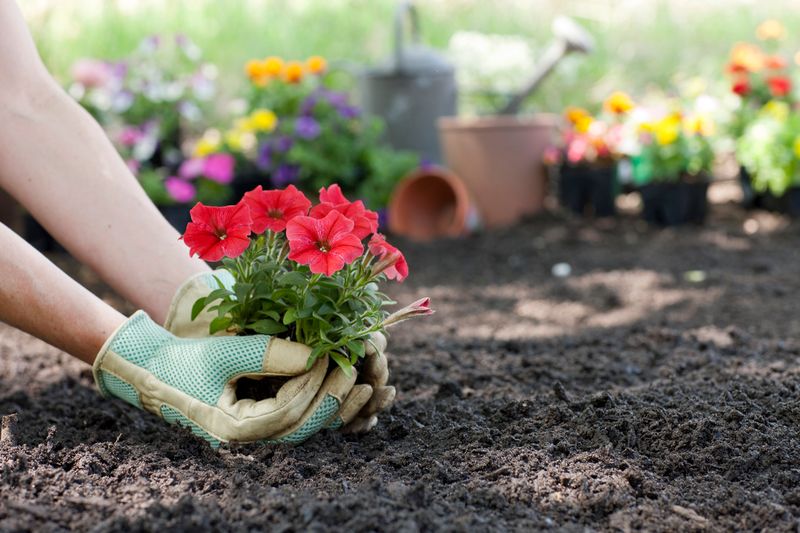
Soil compaction is one of those sneaky problems that builds up gradually and is easy to overlook. Every time you walk across your garden beds, the soil gets a little more packed down.
Over years, it becomes so dense that roots simply cannot push through it anymore.
In Oregon, where clay soils are common in the Willamette Valley and surrounding areas, compaction happens faster than you might expect. Dense soil also drains poorly, which doubles the trouble for your perennials during rainy seasons.
Plants stuck in compacted ground cannot spread their roots wide enough to gather the water and nutrients they need.
Breaking up compacted soil does not have to be a huge project. A simple garden fork pushed in and gently rocked back and forth every foot or so can open up air pockets without disturbing roots too much.
Adding a thick layer of compost each fall and letting earthworms do their work over winter is another great strategy. Avoid walking in planting beds by setting up stepping stones or defined pathways.
Over one or two seasons, loosened soil makes a visible difference in how big and healthy your perennials grow.
Nutrients Quietly Running Out
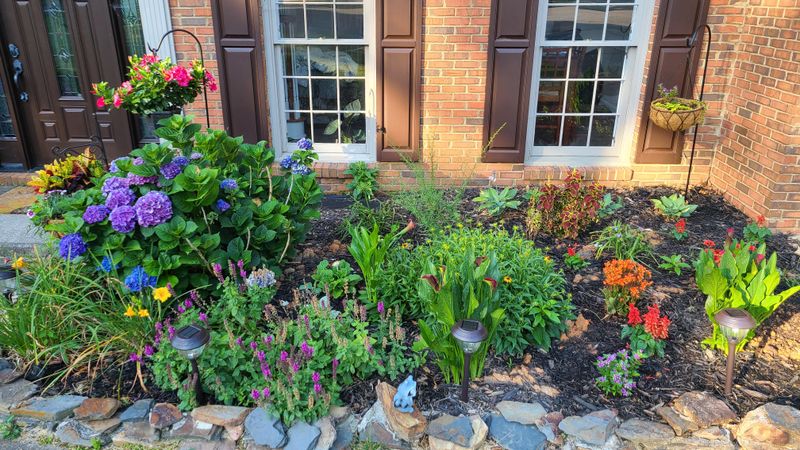
Perennials pull nutrients from the soil every single growing season. Unlike annual plants that you replace each year, perennials stay in the same spot for years, quietly depleting the minerals around them.
Most gardeners do not realize that soil fertility drops steadily without regular replenishment.
Nitrogen, phosphorus, and potassium are the big three nutrients plants need most. When any of them run low, growth slows down noticeably.
Leaves may turn pale or yellowish, blooms get smaller, and the overall plant shrinks back a little more each spring. In Oregon’s rainy climate, nutrients also wash out of the soil faster than in drier regions.
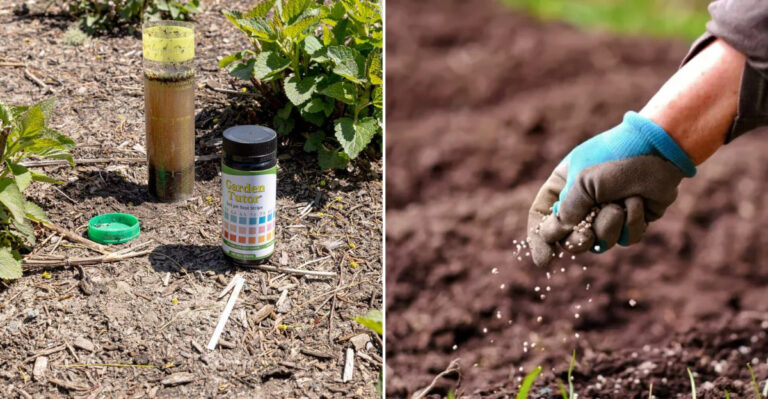
The good news is that fixing nutrient depletion is straightforward and affordable. A simple soil test from your local Oregon State University Extension office can tell you exactly what your garden is missing.
From there, adding compost every spring, using a balanced slow-release fertilizer, or working in aged manure gives your plants a reliable nutrient boost. Mulching with organic material also feeds the soil slowly as it breaks down.
Consistent feeding keeps perennials vigorous, full-sized, and blooming beautifully year after year without much extra effort on your part.
Overcrowded Clumps That Need Dividing
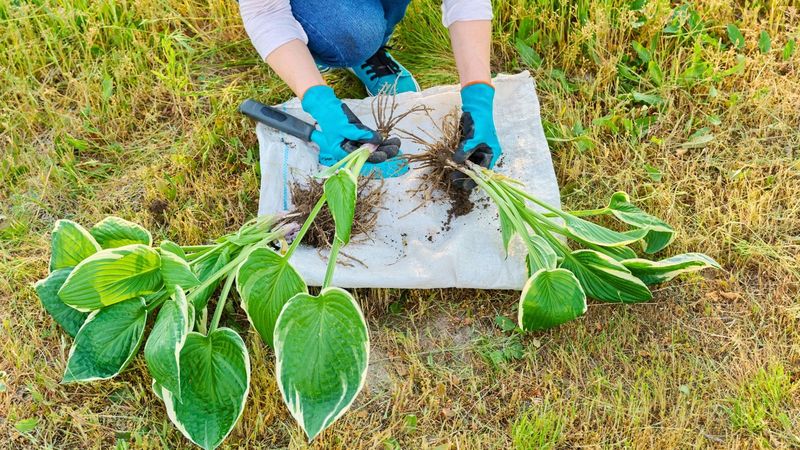
Perennials are incredible plants because they spread and multiply over time. But that growth eventually becomes a problem.
When a clump gets too large, the plants in the center start competing fiercely with each other for water, nutrients, and light. The center of the clump often weakens first, leaving a hollow ring of struggling growth.
Many popular Oregon garden perennials, including hostas, daylilies, and ornamental grasses, need dividing every three to five years to stay at their best.
Without division, the whole clump gradually shrinks in vigor even as it grows in size. Blooms get fewer and smaller, and the foliage looks less full and healthy.
Dividing perennials is easier than most people think. Early spring, just as new growth emerges, is usually the best time in Oregon.
Dig up the whole clump, use a sharp spade or garden fork to separate it into smaller sections, and replant the healthy outer divisions. Compost or discard the tired center portions.
Water the new divisions well and add a light layer of mulch. Within one season, divided plants typically bounce back with noticeably stronger, fuller growth and far more blooms than the overcrowded original clump ever produced.
Relentless Slug Damage
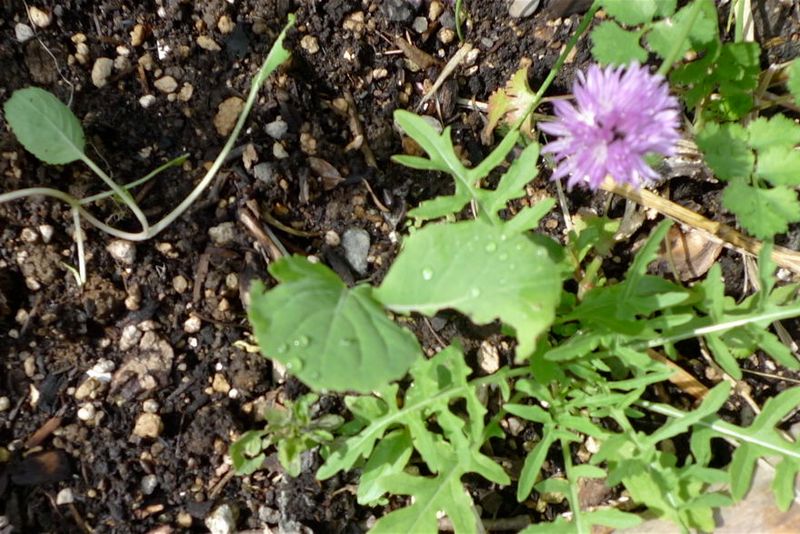
Oregon is practically paradise for slugs. The wet, mild climate of the Pacific Northwest creates perfect conditions for these slimy little plant-eaters to thrive all year long.
Most gardeners spot the holes in leaves and blame other insects, never realizing how much slug feeding is quietly stressing their perennials season after season.
Slugs do not just chew holes in leaves. They target new growth most aggressively, which means they hit plants hardest right when they are trying to build up energy for the season.
Young shoots get eaten before they can fully develop, and the plant ends up putting out weaker, smaller growth as a result. Over several years, repeated slug damage genuinely reduces a plant’s overall size and health.
Controlling slugs in Oregon takes a consistent effort. Iron phosphate-based slug bait is safe for pets, wildlife, and beneficial insects, and it works very well.
Copper tape around raised beds creates a barrier slugs avoid. Removing hiding spots like boards, dense mulch near crowns, and debris piles also reduces slug populations dramatically.
Going out at night with a flashlight and hand-picking slugs sounds old-fashioned, but it is surprisingly effective. Consistent slug management helps your perennials grow to their true potential without constant setbacks.
Summer Drought Stress
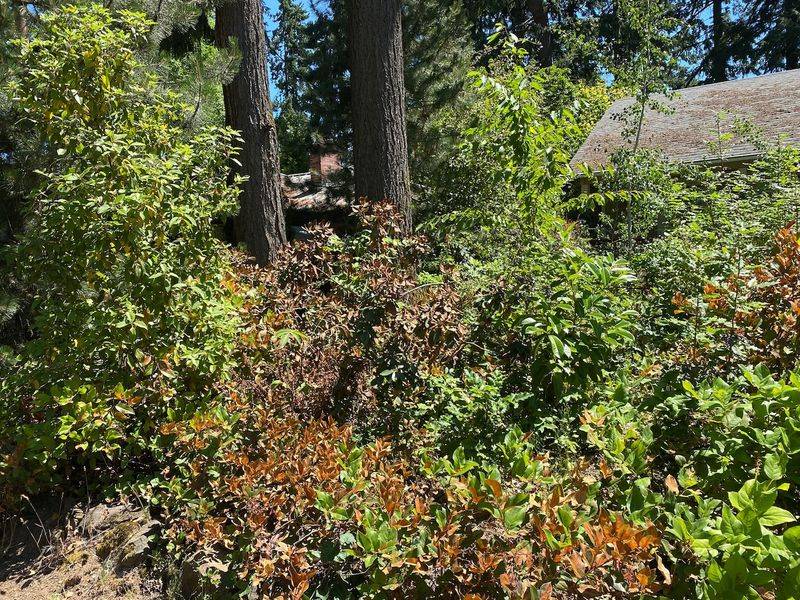
People often think of Oregon as a rainy state, and the winters certainly are. But summers in Oregon, especially east of the Cascades and even in the Willamette Valley, can get surprisingly dry and hot.
Many perennials planted in Oregon are adapted to consistent moisture, and summer drought hits them harder than most gardeners expect.
When a plant goes through drought stress repeatedly, it responds by pulling back. It produces fewer leaves, smaller blooms, and shallower roots.
Each year of stress leaves the plant a little less capable than before. After several dry summers without enough irrigation, a once-impressive perennial can look like a fraction of its former self.
Deep, infrequent watering is far more effective than light daily sprinkling. Watering deeply once or twice a week encourages roots to grow down where moisture stays longer.
Soaker hoses and drip irrigation are excellent tools that deliver water directly to the root zone without waste. Applying a two to three inch layer of mulch around plants dramatically reduces moisture loss from the soil surface.
Choosing drought-tolerant varieties suited to Oregon’s summer dry spells is also a smart long-term strategy. Small changes in your watering approach can make a noticeable difference in plant size and vigor.
Hidden Root Rot
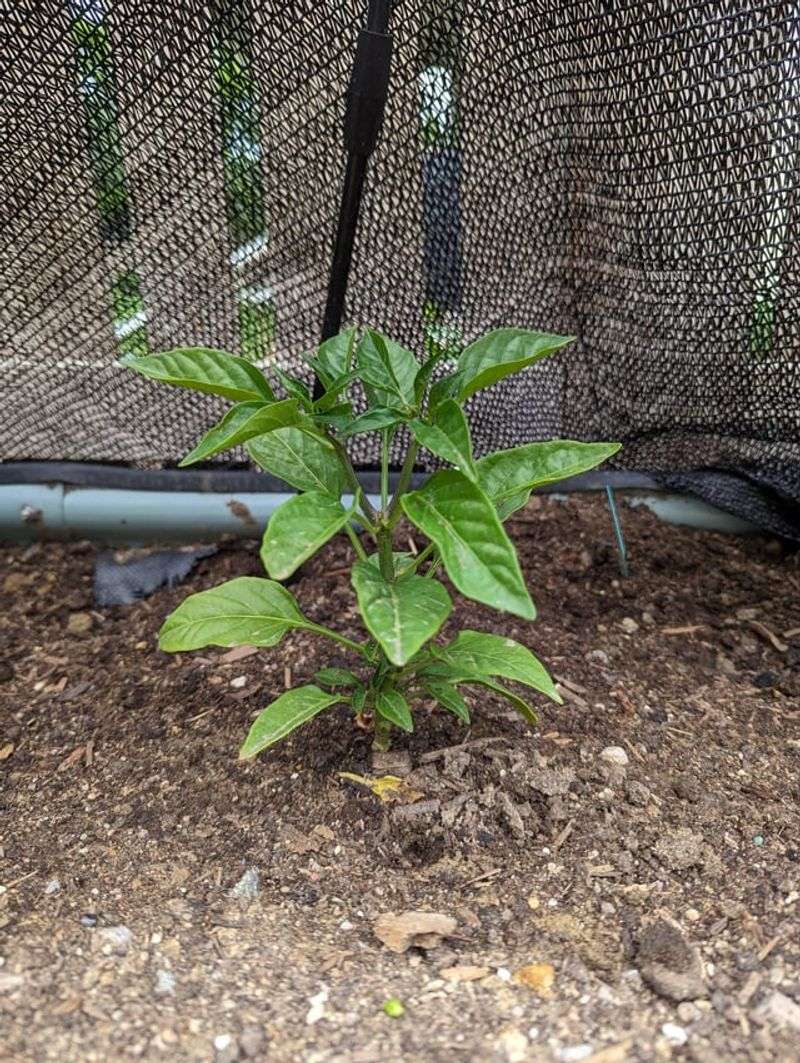
Root rot is a silent problem that hides underground until the damage is already serious. It is caused by fungal pathogens that thrive in consistently wet, poorly drained soil, making it especially common in Oregon’s rainy western regions.
By the time you notice your plant shrinking above ground, the roots below may already be badly damaged.
The tricky part about root rot is that it mimics other problems. A plant with rotting roots looks like it needs more water because it wilts easily.
Gardeners often water more in response, which makes the rot spread faster. The cycle continues season after season, and the plant gets smaller and weaker each year without an obvious explanation.
Catching root rot early gives plants a real chance at recovery. Gently dig around the base of a struggling plant and check the roots.
Healthy roots are firm and white or tan. Rotted roots are dark, soft, and may smell unpleasant.
Trim away the damaged sections with clean tools, dust the cuts with powdered sulfur or cinnamon as a natural antifungal, and replant in fresh well-draining soil. Improving drainage in that spot is essential to prevent the problem from returning.
Many Oregon gardeners find that switching to raised beds solves recurring root rot for good.
More Shade Than You Realize
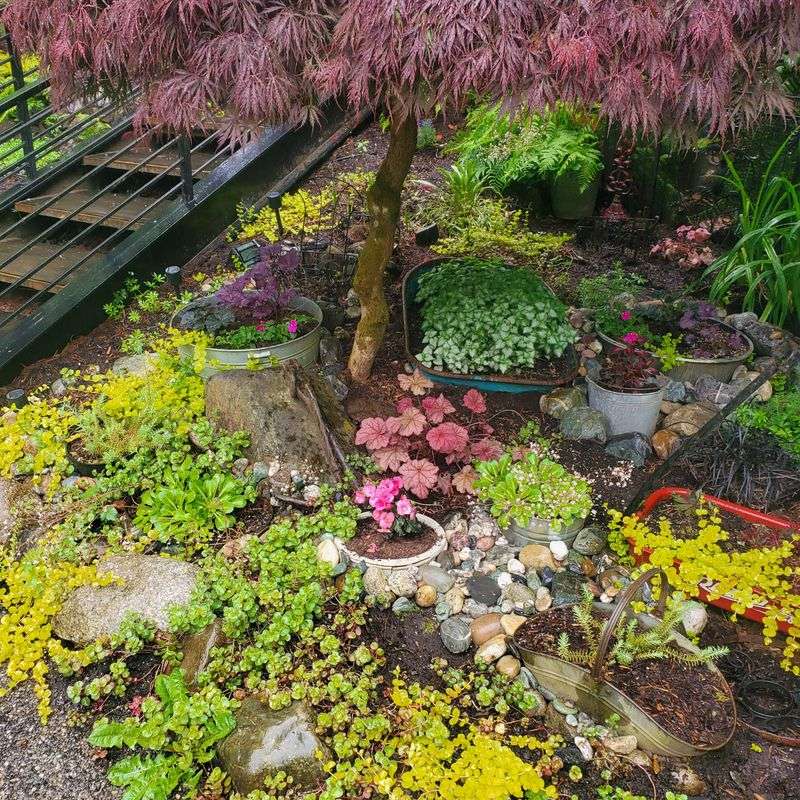
Trees grow slowly, but they grow steadily. A garden that was sunny and bright when you first planted your perennials ten years ago may now be partially shaded for much of the day.
This shift happens so gradually that most gardeners never connect it to their shrinking plants.
Sun-loving perennials that end up in too much shade respond in predictable ways. They stretch toward the light, producing tall but weak stems.
Blooms become sparse and small. The plant puts less energy into root growth and more into reaching upward, leaving it less anchored and less vigorous overall.
Year after year, the plant slowly declines without any obvious sign of disease or pest damage.
Walk through your Oregon garden at different times of day and note where shadows fall in late spring and summer when the sun is at its highest. You may be surprised by how much has changed.
Trimming lower branches on nearby trees and shrubs can open up significant light for plants below. Relocating shade-intolerant perennials to sunnier spots is often the most practical solution.
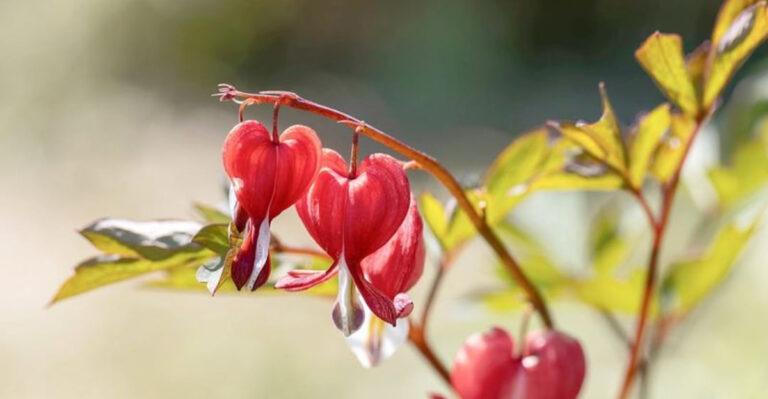
Replacing them with shade-tolerant varieties like astilbe, bleeding heart, or Pacific Coast iris is another great option well-suited to Oregon’s diverse garden conditions. Matching plants to their actual light environment makes an enormous difference.