The Hidden Ways Birds Improve Oregon Garden Health
Birds are doing a lot more in your Oregon garden than պարզապես looking cute on a branch.
While you sip your coffee and admire the view, they are busy working behind the scenes, hunting pests, spreading seeds, and keeping the whole space in better balance. Think of them as tiny feathered gardeners who never take a day off.
Chickadees, finches, swallows, and other local favorites snack on insects that would happily chew through your plants. Fewer pests means healthier leaves, stronger growth, and less need for intervention.
Some birds even help pollinate flowers and move seeds around, quietly shaping a more diverse and resilient garden.
The more welcoming your yard is to birds, the more benefits you will notice. A lively mix of song, motion, and natural pest control can transform an ordinary garden into a thriving, self supporting ecosystem full of life and energy all year long.
Nature’s Pest Control Crew
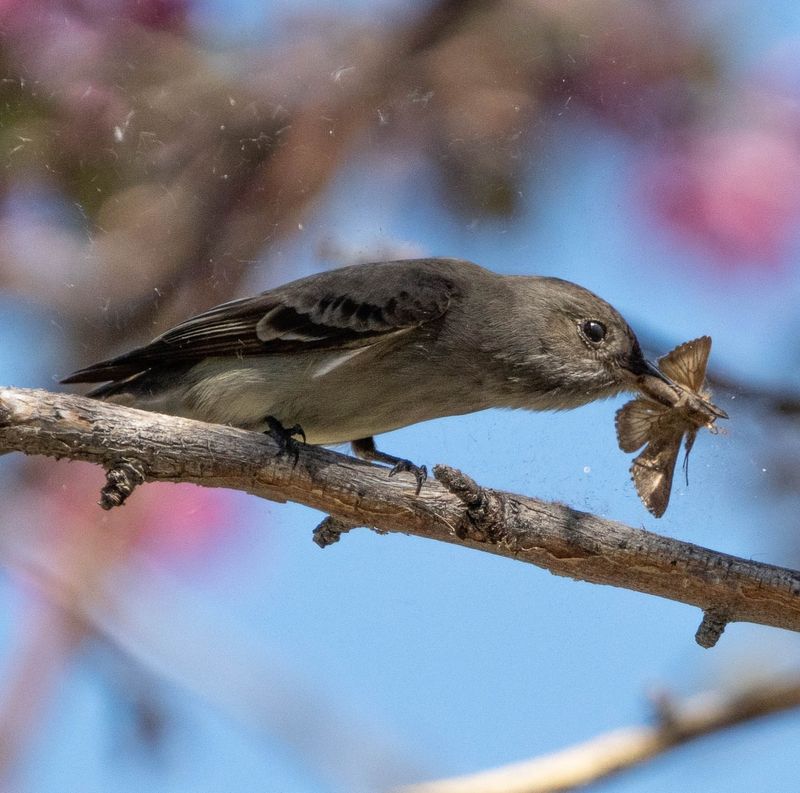
Walk through an Oregon garden on a summer morning, and you might spot a chickadee or nuthatch hopping along branches, pecking at bark and leaves. They are not just exploring.
They are hunting insects, larvae, and eggs that would otherwise damage your plants.
Birds like warblers, wrens, and swallows consume thousands of insects every single day. Aphids, caterpillars, beetles, and whiteflies are all on the menu.
A single barn swallow can eat up to 850 insects per day, which means a small flock offers serious protection for your garden beds.
In Oregon, where wet springs encourage slug and insect populations to explode, having birds around makes a real difference. Robins are especially great at pulling up grubs and worms after rain.
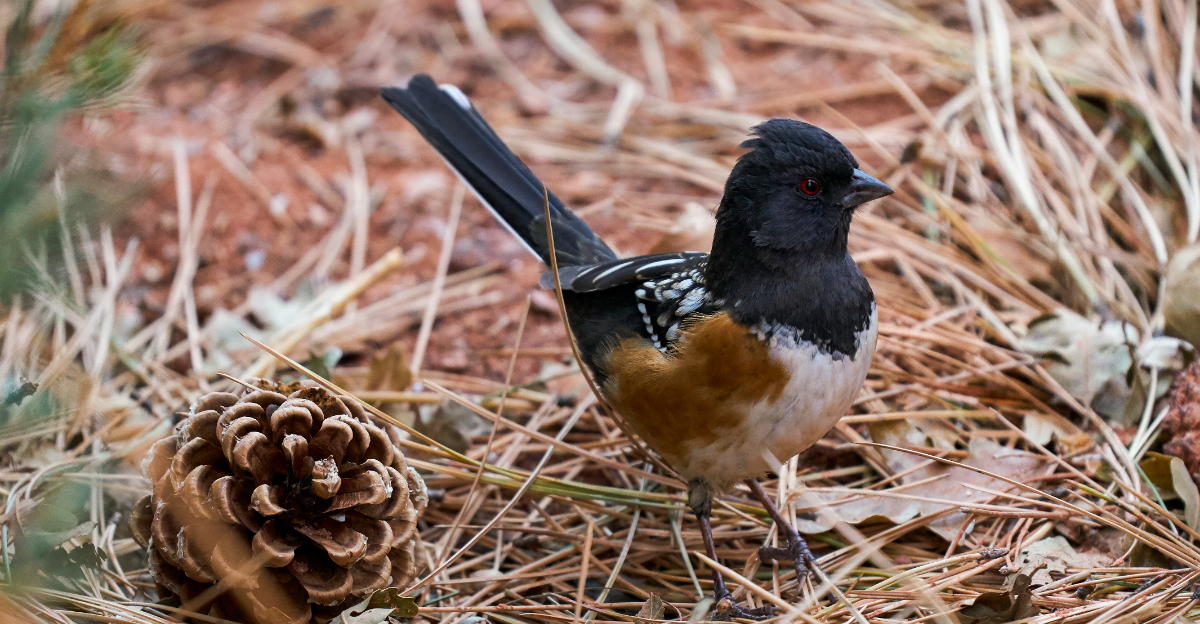
Spotted towhees scratch through leaf litter hunting for hidden bugs.
Instead of reaching for chemical sprays, let your bird visitors handle the heavy lifting. Planting native shrubs and trees gives birds a place to hunt, nest, and rest.
Adding a birdbath nearby keeps them coming back. Over time, your garden will have fewer pest problems and healthier plants because birds are doing what they have always done best.
Seed Spreaders At Work
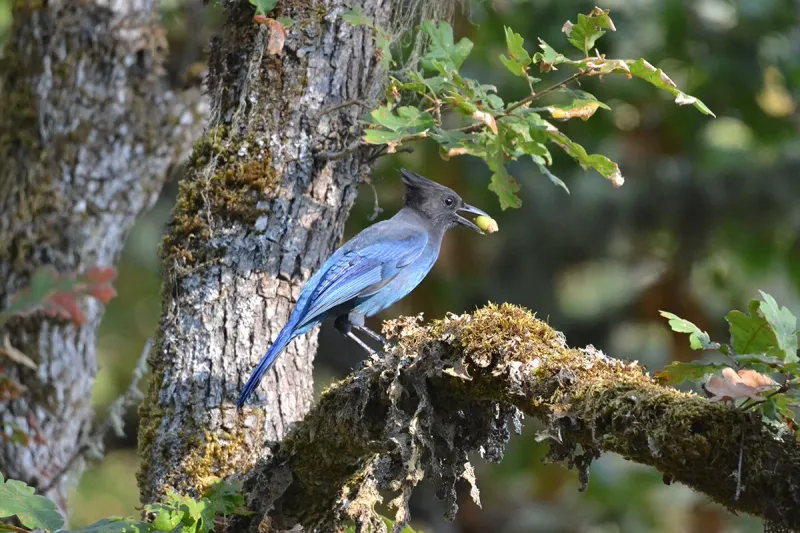
Some of the most important gardening work in Oregon happens completely by accident. Birds eat berries and seeds, fly across the yard, and deposit those seeds in new spots through their droppings. Before long, a plant shows up somewhere you never planted it.
This process, called seed dispersal, helps native plants spread naturally across your garden and into nearby wild spaces. Cedar waxwings are especially good at this.
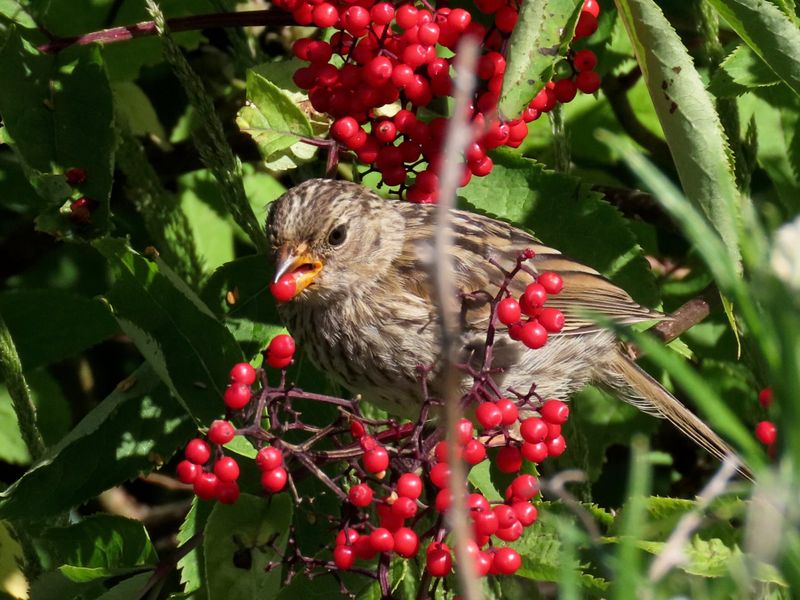
They travel in flocks and feast on berries from Oregon grape, elderberry, and serviceberry, spreading seeds far and wide as they move through the landscape.
Jays, particularly Steller’s jays and scrub jays, are famous for burying acorns and other seeds as food storage. They forget many of these stashes, and those forgotten seeds often sprout into new trees and shrubs.
In Oregon’s forests and gardens, jays have played a huge role in planting oak trees for centuries.
For gardeners who want more native plants without spending extra money, encouraging seed-spreading birds is a smart move. Plant fruiting natives like red elderberry or twinberry to attract these helpful visitors.
You might be surprised by the new plants that pop up naturally in your garden over the seasons.
Pollination You Didn’t Notice
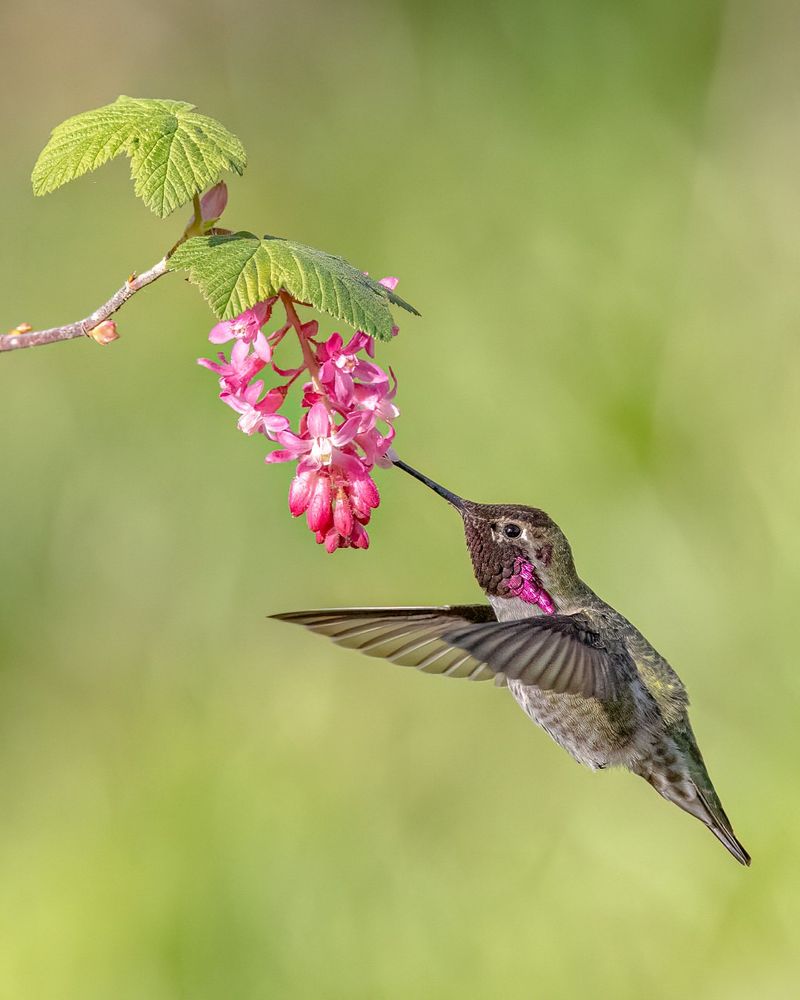
Most people think of bees when they hear the word pollination, but birds are quiet pollinators too. Hummingbirds are the most well-known bird pollinators in Oregon, and they visit flowers constantly during the warm months.
Rufous hummingbirds and Anna’s hummingbirds are both common in Oregon gardens. They hover near tubular flowers, sipping nectar and picking up pollen on their heads and bills.
As they move from flower to flower, they transfer that pollen and help plants produce fruit and seeds.
Some flowering plants in Oregon, like red columbine, salvia, and penstemon, are shaped specifically to attract hummingbirds. Their long, tube-shaped blooms are perfect for a hummingbird’s slender bill.
Planting these natives gives hummingbirds exactly what they need while also boosting pollination in your garden.
Even larger birds occasionally brush against flowers while foraging and accidentally carry pollen from one plant to another. While this happens less often than with hummingbirds, it still adds to the overall pollination activity in your yard.
Keeping a variety of flowering natives in your Oregon garden throughout the season ensures pollinators, both winged and feathered, always have something to visit.
Soil Life Gets A Boost
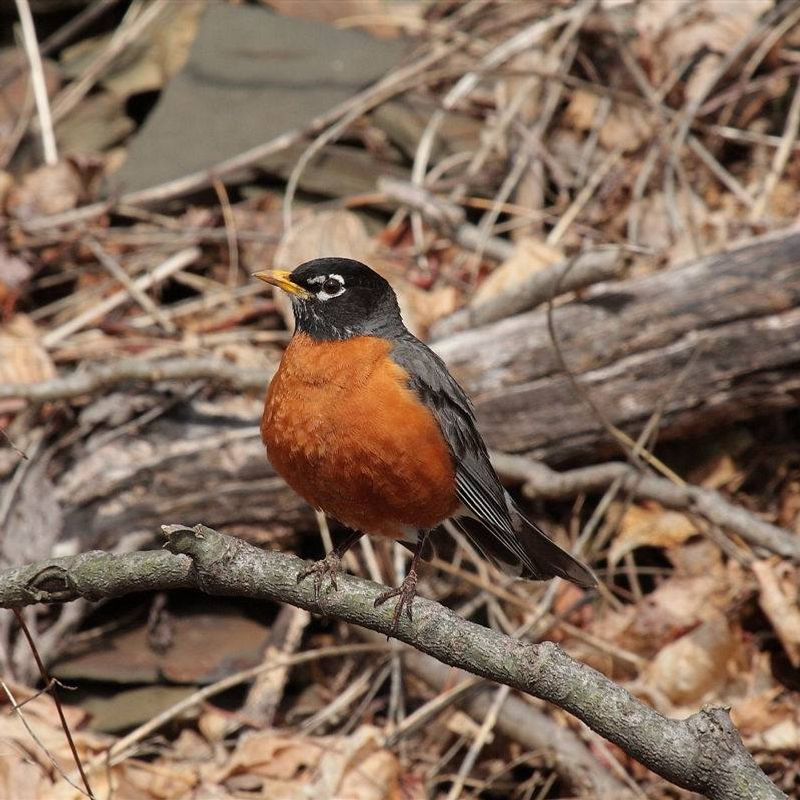
Healthy soil is the foundation of any great garden, and birds play a surprising role in keeping that soil alive and active. When robins, thrushes, and other ground-feeding birds poke around in the dirt, they are doing more than searching for food.
Their pecking and scratching loosens compacted soil, allowing air and water to move through more easily. This small but constant disturbance helps beneficial microbes and insects thrive deeper in the ground.
Better soil structure means plant roots can grow stronger and reach nutrients more efficiently.
In Oregon, where heavy winter rains can compact garden beds, this natural aeration is especially helpful. Birds that forage on the ground after a rain shower are essentially giving your soil a light tilling without any tools required.
Varied thrushes and American robins are among the most active ground foragers in Pacific Northwest gardens.
Encouraging ground-feeding birds is easy. Avoid using harsh pesticides that reduce the worm and insect populations they depend on.
Leave a section of your garden slightly mulched with leaf litter, since birds love rooting through it for bugs. Over time, your soil will stay looser, more alive, and far more productive thanks to your feathered garden helpers.
Balancing The Garden Ecosystem
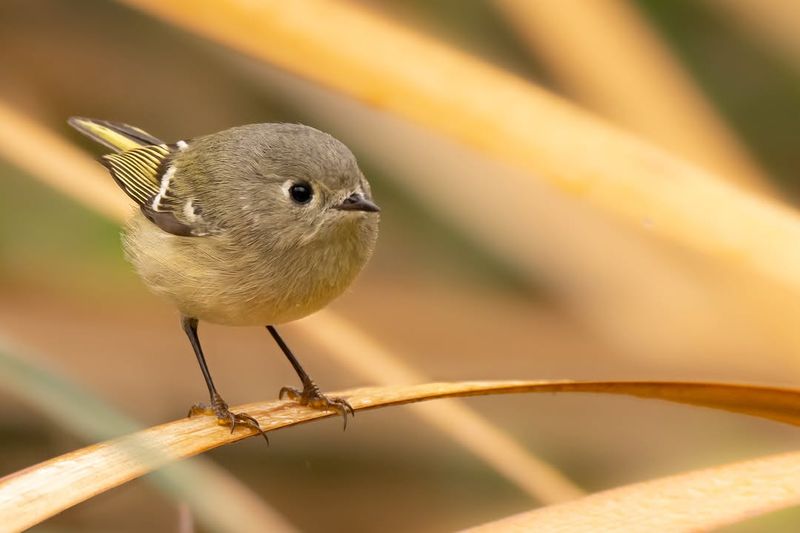
A garden without balance is a garden that struggles. Too many of one insect, not enough of another, and suddenly plants are stressed and yields drop.
Birds act as natural regulators, helping keep populations of insects, rodents, and even other birds in check.
Raptors like Cooper’s hawks and sharp-shinned hawks hunt smaller birds and rodents that might otherwise overrun a garden. Owls, including the barn owl and great horned owl, help manage vole and mouse populations that chew on plant roots and bulbs at night.
Oregon gardeners who live near open fields or forest edges are especially likely to benefit from these natural hunters.
Smaller birds play their part too. Insect-eating species keep caterpillar and beetle populations from exploding during warm months.
When one pest starts to surge, birds often respond by spending more time in the affected area, naturally bringing numbers back down before serious damage occurs.
Creating a layered garden with tall trees, mid-level shrubs, and low ground cover invites a wider variety of birds to take up residence. Each layer attracts different species, and together they form a working team that keeps your Oregon garden running smoothly.
Biodiversity in the garden always starts with welcoming more birds.
Cleaning Up Garden Debris
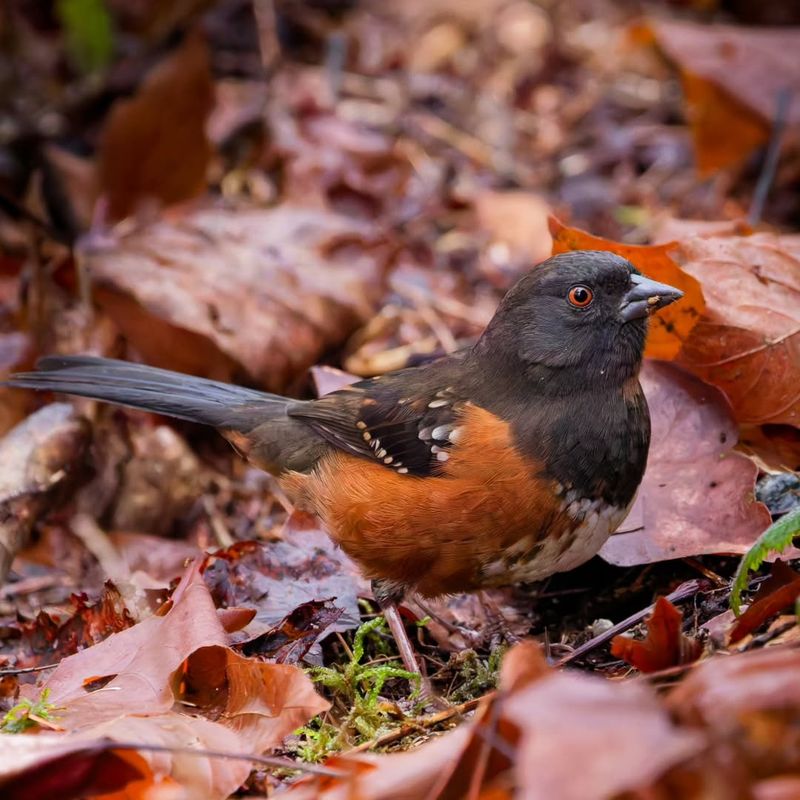
Not every garden helper looks glamorous doing their job. Spotted towhees, dark-eyed juncos, and song sparrows spend a lot of time scratching through leaf piles and garden debris, and they are actually doing your garden a huge favor.
Fallen leaves, rotting wood, and organic matter on the ground can harbor pests and fungal issues if left undisturbed. Birds that scratch and peck through this debris break it apart, expose hidden insects, and speed up the natural decomposition process.
This keeps your garden floor healthier and reduces the chances of mold or pest buildup in damp Oregon winters.
Ground-foraging birds also help mix organic matter into the top layer of soil as they scratch around. This light mixing improves the breakdown of leaves and plant material into usable nutrients.
It is a gentle, continuous composting process happening right in your garden without any effort on your part.
To encourage these helpful cleaners, avoid raking every single leaf out of your garden beds. Leaving a natural layer of leaf litter gives birds something to work with and provides habitat for the insects they eat.
A messier garden corner is actually a more productive one when birds are involved in the cleanup crew.
Natural Fertilizer From Above
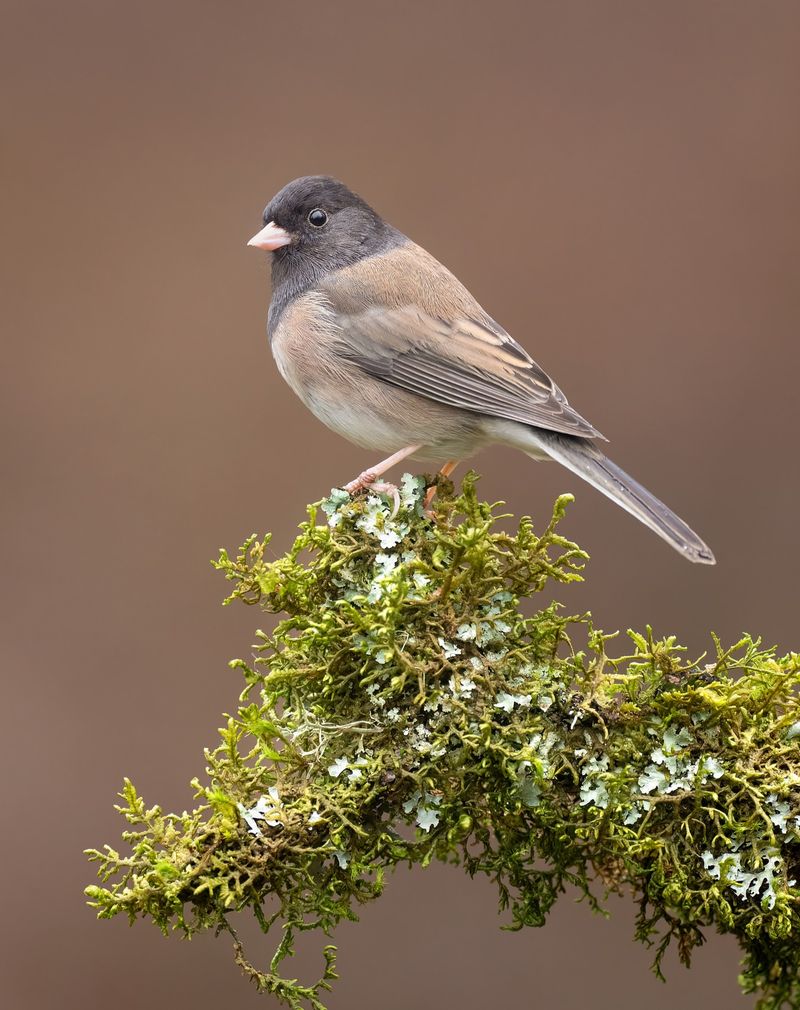
It might not be the most glamorous topic, but bird droppings are genuinely good for your garden. Bird waste is rich in nitrogen, phosphorus, and potassium, which are the three key nutrients that plants need most to grow strong and healthy.
When birds perch on branches, fences, or garden stakes, their droppings fall directly into your garden beds. Over time, this adds a light but consistent dose of natural fertilizer to your soil.
Unlike synthetic fertilizers, bird droppings break down slowly and release nutrients gradually, which is gentler on plant roots and soil biology.
In Oregon, where gardeners often deal with nutrient-depleted soils from heavy rainfall washing away minerals, every natural nutrient source helps.
Birds that visit regularly, especially those that roost in trees above garden beds, can make a noticeable difference in plant vitality over a growing season.
You do not need to do anything special to benefit from this natural fertilizer. Simply attracting more birds to your garden through native plants, water sources, and shelter will increase the amount of natural nutrient input your soil receives.
It is a completely free, zero-effort fertilizer delivery system that has been working in Oregon gardens long before anyone invented a bag of store-bought plant food.
Early Warning For Pest Surges
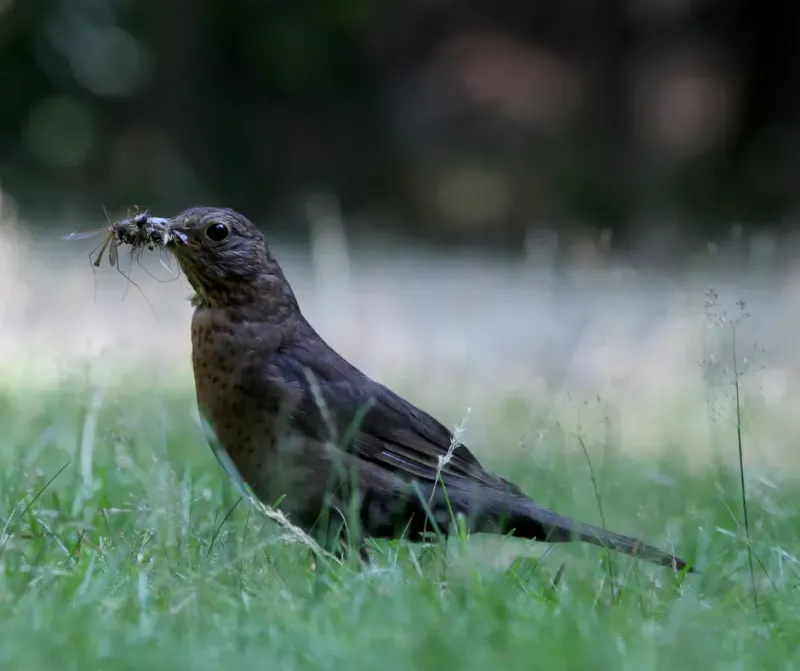
Experienced Oregon gardeners know that bird behavior can tell you a lot about what is happening in your garden before you even spot a problem yourself. Birds are incredibly sensitive to changes in insect populations, and they react fast.
When a pest population starts to build up in one area, birds often flock to that spot and feed heavily.
If you notice several birds suddenly spending a lot of time in one corner of your garden, it is worth taking a closer look at the plants there. You might catch a caterpillar infestation or aphid colony early, before it spreads.
This early warning behavior is especially useful in Oregon during late spring and early summer, when warm temperatures cause insect populations to surge quickly.
Paying attention to where birds are concentrating their feeding gives you a head start on managing problems before they get out of hand.
Think of birds as your garden’s free monitoring system. Keep a casual eye on where they gather and how long they stay in certain spots.
A sudden increase in bird activity near your tomatoes or squash is a signal worth investigating. Catching pest problems early means less stress for your plants and less work for you in the long run.
More Birds, Healthier Garden
Every benefit listed above gets stronger when more birds visit your garden. The good news is that attracting birds to an Oregon garden is not complicated, and the results show up quickly once you make a few simple changes.
Start by planting native species. Oregon natives like red flowering currant, camas, Oregon grape, and native grasses provide food, shelter, and nesting spots that local birds recognize and seek out.
Native plants also support the insects that birds eat, creating a full food chain right in your backyard.
Add a clean water source. A simple birdbath with fresh water changed every few days will bring in far more bird visitors than almost anything else.
Birds need water for drinking and bathing year-round, and Oregon winters can make natural water sources scarce. Placing the birdbath near shrubs gives smaller birds a quick escape route if a predator shows up.
Reduce or eliminate pesticide use. Chemical sprays reduce the insect populations that birds depend on, which drives birds away from your garden.
The fewer chemicals you use, the more birds will stay. Over time, a bird-friendly Oregon garden becomes a self-regulating system where nature does most of the work for you, and your plants thrive because of it.