The Houseplant With The Cool Name That Handles Low Light In Georgia Homes
Some houseplants become favorites because they are easy to care for, while others stand out because their name instantly catches people’s attention. This one manages to do both.
Its unusual name often sparks curiosity, and it has quietly earned a reputation as one of the most dependable plants for homes where sunlight is limited.
Many Georgia homes have areas that never receive strong, direct light. Living rooms, hallways, and shaded corners can feel a little empty when most houseplants struggle to stay healthy there.
Finding greenery that can handle those conditions makes a big difference for anyone who wants plants indoors without constantly worrying about lighting.
This low light tolerant houseplant has become a reliable choice for those spaces, bringing steady growth and a fresh touch of green even in parts of the home where sunlight is softer.
1. Raven ZZ Plant Handles Low Light Better Than Most Houseplants
Not many houseplants can pull off looking dramatic and being genuinely easy to care for at the same time. The Raven ZZ plant manages both without breaking a sweat.
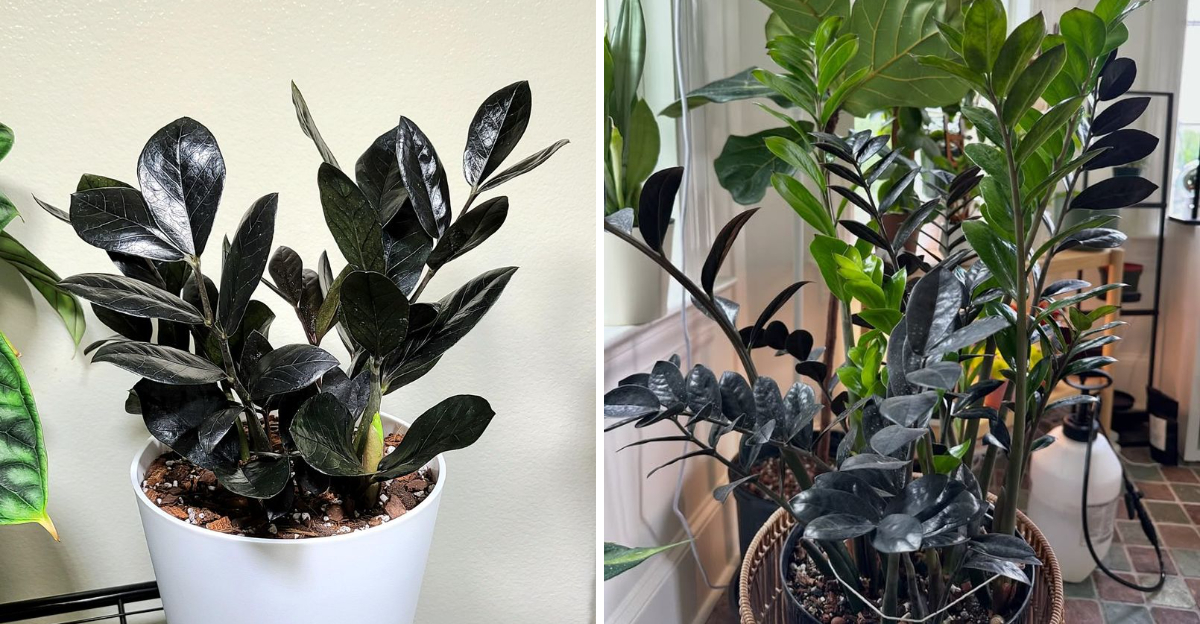
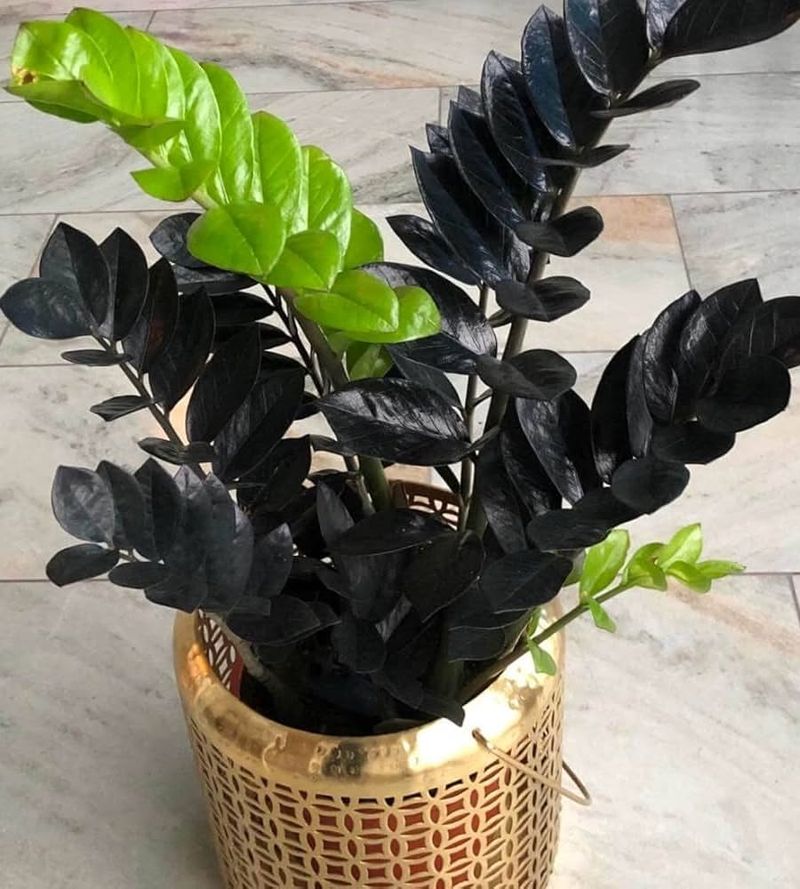
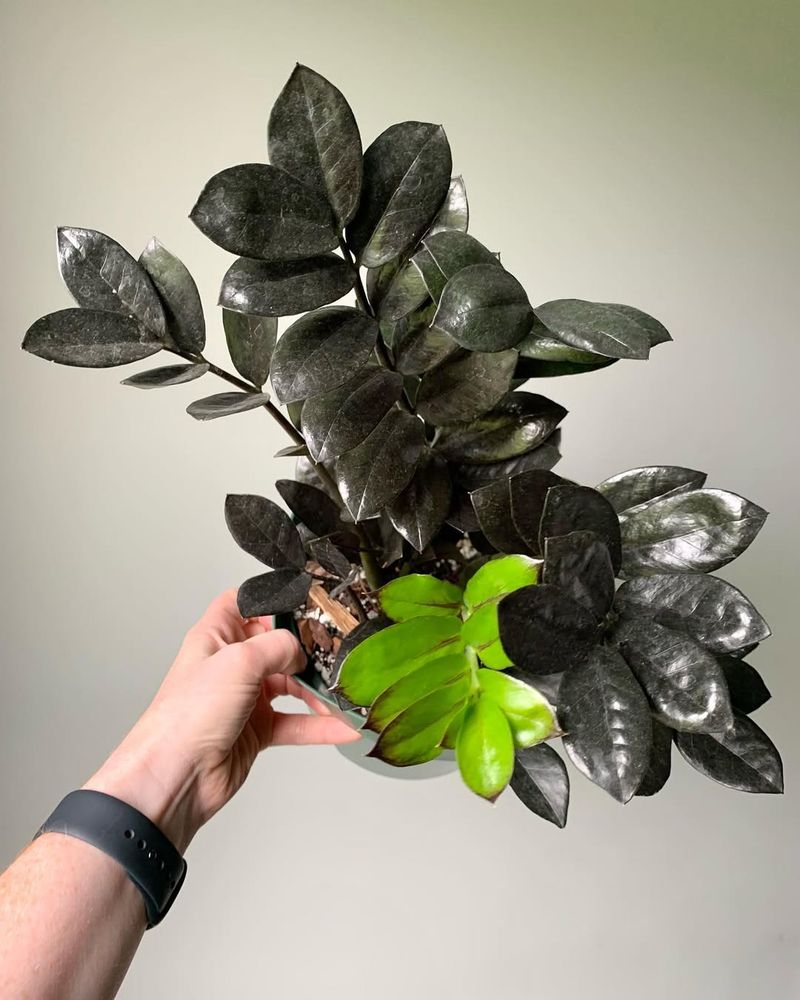
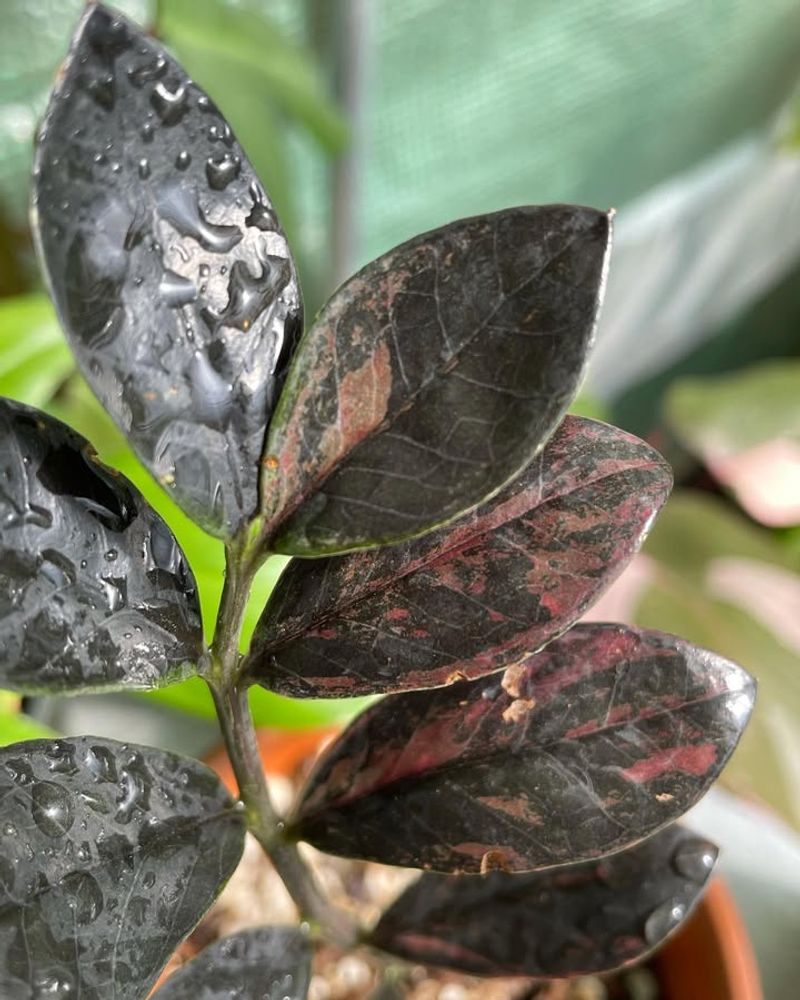
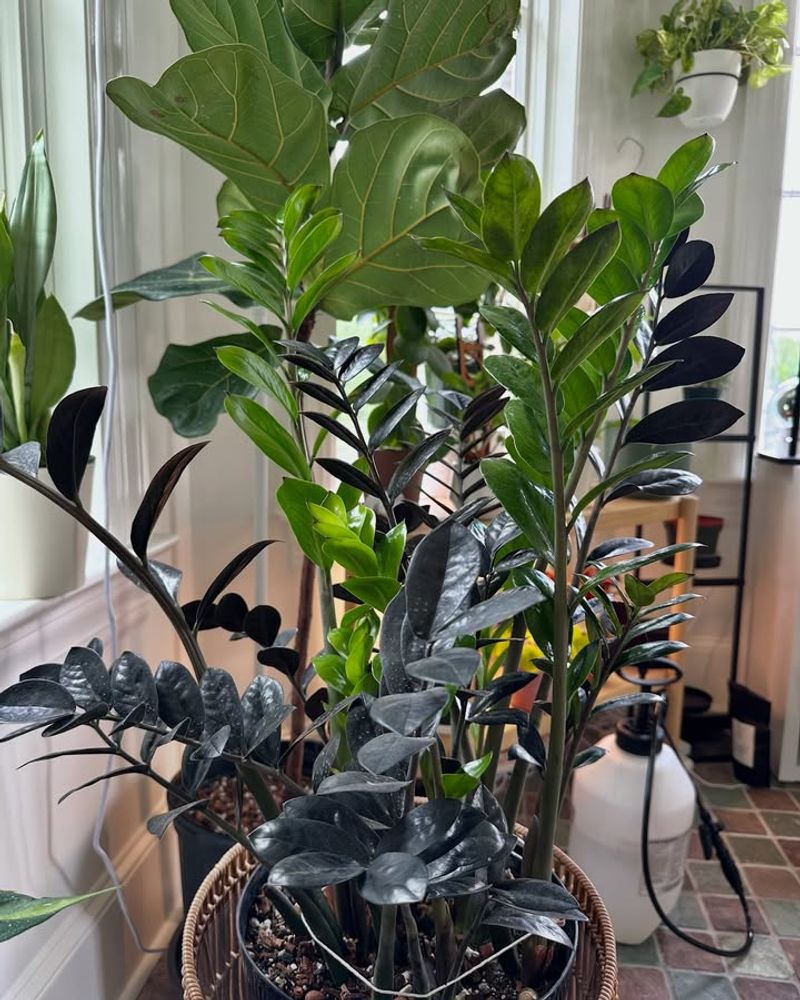
Its deep purple-black leaves give it a bold, almost mysterious look that catches your eye the moment you walk into a room.
The Raven ZZ thrives in exactly those spots. It stores water and energy in its thick rhizomes underground, so it keeps going even when light levels drop way down.
Georgia homeowners especially love how it fits into shaded living rooms, dim hallways, and offices with small windows.
You do not need to fuss over it. No grow lights, no special setups, no rotating schedules every other day.
Just place it in a low-light corner and let it do what it does naturally.
Bright spots will cause leaf color to fade slightly, which is the opposite of what most people expect. Keeping it in lower light actually helps preserve that striking dark coloring that makes the plant stand out.
For anyone in Georgia dealing with limited indoor light, this plant is a genuinely solid choice that rewards patience over constant attention.
2. Bright Indirect Light Helps The Plant Grow Stronger
Here is something most people get backwards with the Raven ZZ plant. Low light keeps it alive, but bright indirect light is where it actually starts to grow with purpose.
There is a real difference between surviving and actually putting out new leaves regularly.
Filtered light coming through a sheer curtain, or a spot a few feet back from a south or east-facing window, gives the plant exactly what it needs to push out fresh growth.
In Georgia, spring and summer sun can be intense, so keeping the plant out of direct rays is important.
Direct afternoon sun will scorch those dark leaves fast.
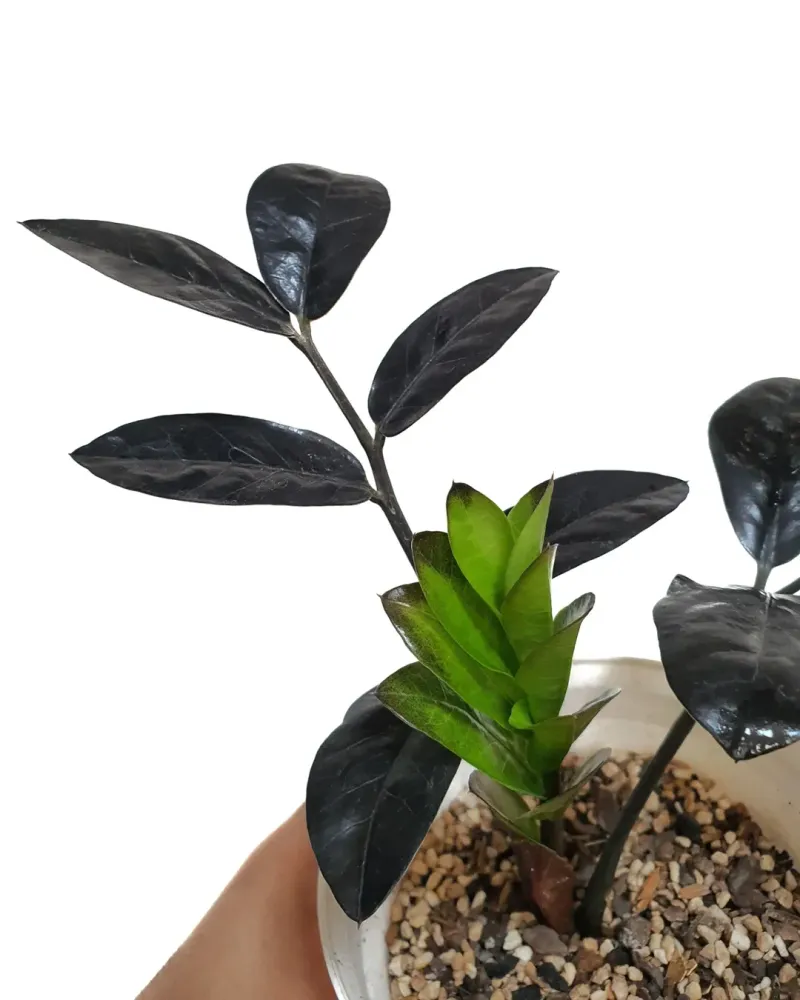
New leaves on the Raven ZZ start out bright lime green when they first emerge, which surprises a lot of people seeing it for the first time. Over a few weeks, they slowly deepen into that signature near-black purple color.
Getting enough indirect light speeds up that color development noticeably.
Placing it near a window that gets morning light works well in most Georgia homes. Morning sun is gentler and less harsh than the intense afternoon sun that hits hard during Georgia summers.
A few hours of that soft morning brightness makes a visible difference over a growing season.
Rooms with skylights or high windows that let in diffused light are another great option. The plant responds by growing more upright and producing stems that stay firm rather than leaning toward the light source out of desperation.
3. Letting The Soil Dry Slightly Between Watering Prevents Root Issues
Overwatering is hands down the fastest way to run into trouble with a Raven ZZ plant. Roots sitting in wet soil for too long will begin to rot, and by the time you notice something is wrong, the damage is usually already done.
Getting the watering schedule right from the start saves a lot of headaches.
The general rule is simple. Stick your finger about two inches into the soil before you water.
If it still feels damp, walk away and check again in a few days. If it feels dry all the way down, go ahead and water thoroughly until it drains out the bottom.
In Georgia, humidity levels shift quite a bit between seasons. Summer humidity can slow down how fast the soil dries out, which means you might water less frequently than you expect.
During dry winter months when heating systems pull moisture from indoor air, the soil can dry out faster than usual.
Every three to four weeks is a reasonable starting point for most Georgia homes, but reading the soil directly is always more reliable than following a fixed calendar. Different pot sizes, soil types, and room temperatures all affect how fast the soil loses moisture.
Root rot from overwatering is far more common with this plant than underwatering ever is. The thick rhizomes underground hold onto water reserves, so the plant can handle going a bit longer between waterings without showing any visible stress.
Lean toward less water rather than more.
4. Well Drained Potting Mix Keeps Roots Healthy Indoors
Soil choice matters more than most people realize when it comes to keeping a Raven ZZ plant healthy long term. Regular all-purpose potting soil holds moisture too long and creates exactly the kind of soggy conditions that cause root problems.
Swapping it out for something better draining pays off quickly.
A mix designed for cacti or succulents works well as a base. Blending it with extra perlite improves drainage even further and keeps the soil structure loose enough for roots to breathe.
Some Georgia gardeners add a small amount of coarse sand to the mix as well, which helps with aeration in humid months.
Choosing a pot with drainage holes is non-negotiable. No matter how good your soil mix is, water pooling at the bottom of a sealed pot will cause problems eventually.
Terra cotta pots are a popular choice because the porous material allows some moisture to evaporate through the sides.
Repotting every two to three years is usually enough for this plant. It does not mind being slightly root-bound, and moving it into a much larger pot too soon can actually slow growth because the extra soil holds more moisture than the roots can use up quickly.
When you do repot, spring is the best time in Georgia. The plant is coming out of its slower winter period and will adjust more easily to a new container.
Brush off old soil gently from the rhizomes and inspect them before placing the plant into fresh mix.
5. Occasional Pruning Helps Control Height And Shape
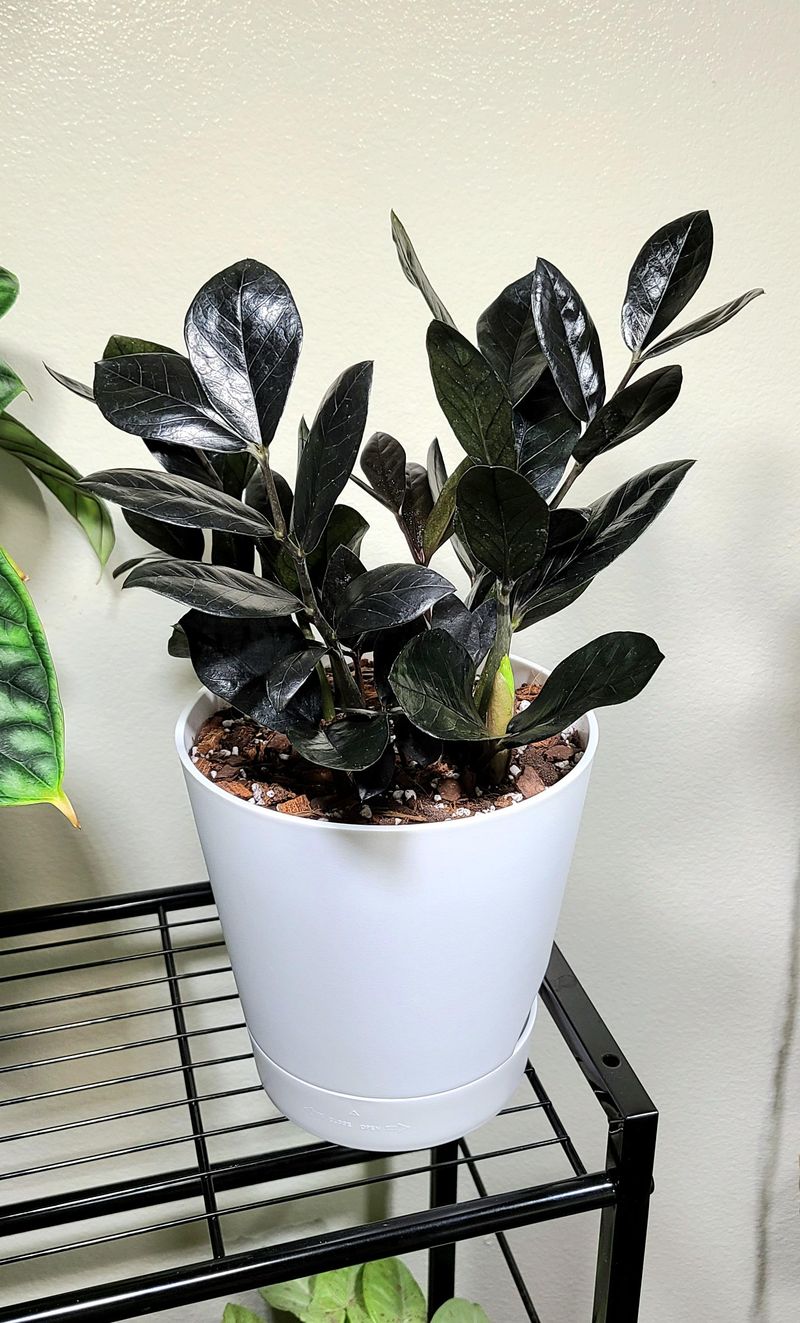
Left completely alone, a Raven ZZ plant will eventually get tall and a little unruly. Stems can stretch out and lean in different directions, especially if the plant is not getting even light.
A little pruning here and there keeps it looking neat without stressing the plant at all.
Sharp, clean scissors or pruning shears are all you need. Cutting back stems that have grown too long or removing any that look weak encourages the plant to put energy into the remaining healthy growth.
Always cut close to the base of the stem rather than leaving a short stump behind.
In Georgia homes where indoor space is limited, keeping the height in check matters. A Raven ZZ can reach three feet tall or more over several years if left untrimmed.
Pruning it back when it starts pushing past a comfortable height keeps it proportional to its pot and the room around it.
Yellowing stems or leaves that show up from time to time are completely normal. Removing them promptly not only keeps the plant looking good but also prevents any potential spread of issues to healthier stems nearby.
Do not leave damaged growth on the plant longer than necessary.
Spring is a good window for any significant trimming in Georgia. The plant is gearing up for its more active growing period, so it will bounce back faster than if you prune during the slower winter months.
Light shaping throughout the year is fine anytime you notice a stem going rogue.
6. Rotating The Pot Encourages Even Growth
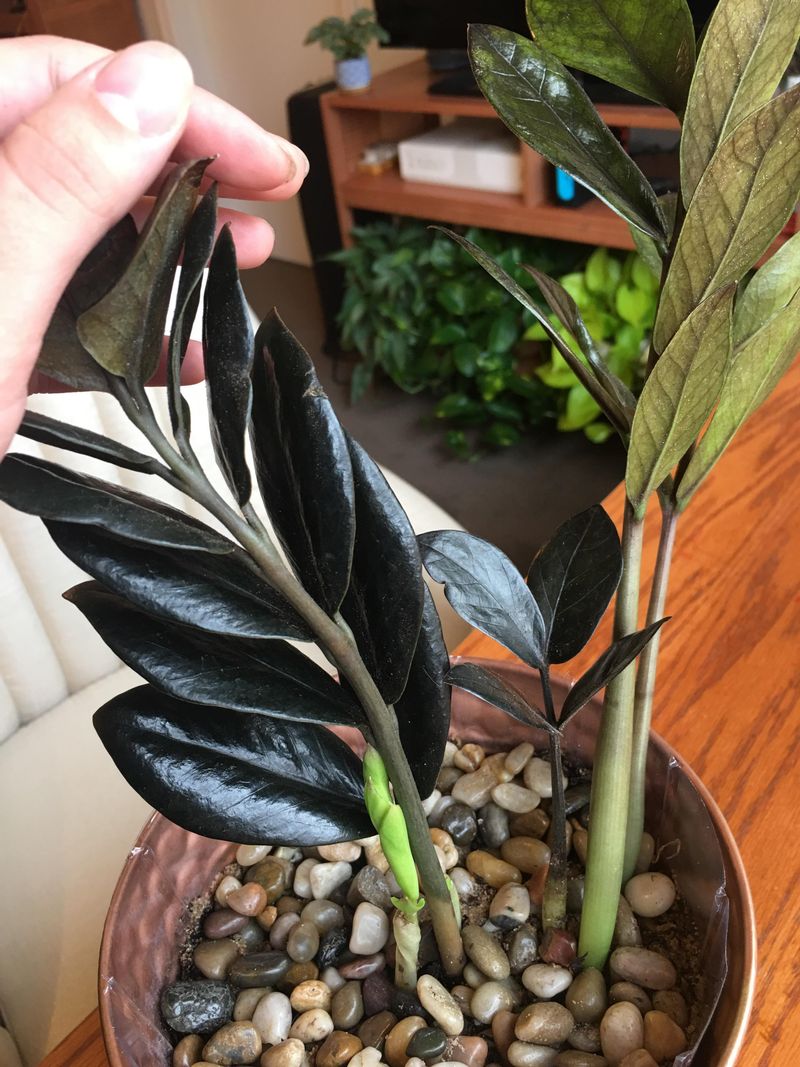
Plants always lean toward light, and the Raven ZZ is no different. Even in a low-light room, whatever light source exists will pull the stems in that direction over time.
Left in the same position for months, the plant starts to look lopsided and uneven, with one side growing noticeably fuller than the other.
Rotating the pot a quarter turn every couple of weeks is an easy fix. It takes about five seconds and makes a real difference in how the plant develops over a growing season.
Every side gets its fair share of available light, and the stems stay upright and balanced.
Georgia homes that rely on artificial lighting in certain rooms benefit from this practice even more. Overhead bulbs and lamps create uneven light patterns that the plant will chase aggressively if given the chance.
Regular rotation keeps growth centered and the overall shape tidy.
Some people put a small piece of tape on the pot to mark which side was facing the light source last. It sounds overly simple, but it genuinely helps you remember to rotate consistently rather than guessing.
Small habits like this add up to a healthier looking plant over time.
Do not rotate immediately after watering. Moving a freshly watered pot risks disturbing the roots before the soil has had a chance to settle.
Wait a day or two after watering before turning the pot. Consistency matters more than perfection here, so even rotating once a month beats never rotating at all.
7. Dust Free Leaves Help The Plant Use Available Light Better
Dusty leaves are a quiet problem that builds up slowly and gets overlooked easily.
A thin layer of dust sitting on those glossy dark leaves blocks light from reaching the surface, which makes it harder for the plant to absorb what little light is available in a low-light Georgia home.
Wiping the leaves down with a soft damp cloth every few weeks takes almost no time. Work gently from the base of each leaf toward the tip, supporting the leaf with your other hand so you are not putting pressure on the stem.
Avoid using any leaf shine products, which can clog the small pores the plant uses to breathe.
In Georgia, homes with central air conditioning can circulate a surprising amount of dust, especially during summer months when the system runs constantly.
Rooms with ceiling fans or air vents nearby tend to collect dust on plant leaves faster than other spots in the house.
Clean leaves also make it easier to spot early signs of pest activity. Spider mites and scale insects are small and can be missed when leaves are coated in dust.
Keeping the surface clean gives you a much clearer view of what is happening on the plant.
Giving the plant an occasional rinse in a shower or bathtub is another option. Let the water run gently over the leaves, then move the plant to a spot where it can drain and dry before putting it back in its usual place.
Georgia summers are a perfect time to do this outdoors on a mild morning.