The Houseplant With The Cool Name That Thrives Even In Low Light In Michigan Homes
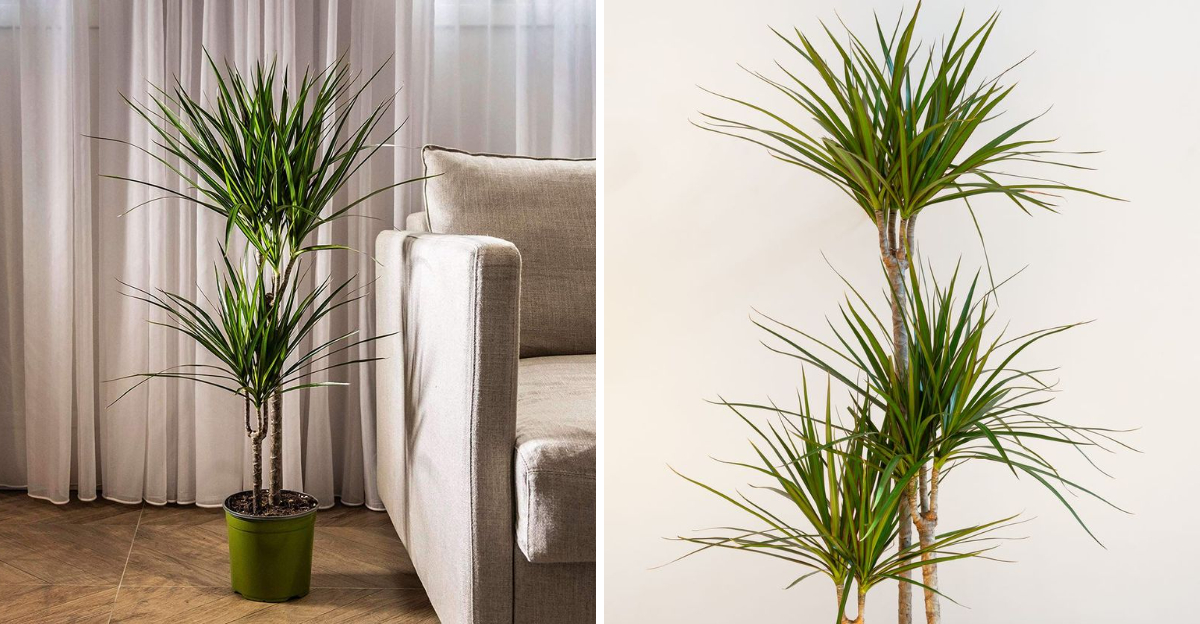
Many people in Michigan love to keep a special plant called the Madagascar Dragon Tree in their homes. This plant is easy to spot because it has long thin leaves that spread out like a small palm tree.
Its scientific name is Dracaena marginata. While that name is a bit of a mouthful, most people just call it a Dragon Tree because it looks so cool.
This plant is a great choice for Michigan because it is very tough. Our winters can be very long and dark, but this tree does not mind the low light at all.
It stays green and healthy even when the sun hides for weeks. It is also very simple to care for, so you do not need to be an expert to keep it alive.
If you want to add some life to your room, this plant is a perfect pick. It brings a tropical feeling into your house even when it is snowing outside.
The Madagascar Dragon Tree Comes From A Tropical Island
Picture a warm, sun-drenched island in the Indian Ocean, filled with exotic wildlife and dense tropical forests. That is exactly where the Madagascar Dragon Tree calls home.
Dracaena marginata is native to Madagascar and the surrounding islands, where it grows naturally in open forests and scrublands with filtered light and well-drained soil.
In its natural habitat, this plant can grow surprisingly tall, reaching up to 4 to 6 meters over many years.
It thrives in warm, humid conditions that Michigan’s outdoor climate simply cannot offer, especially during the brutal winter months when temperatures drop well below freezing.
Because of that, Michigan residents grow this tropical beauty indoors, where it adapts beautifully to controlled home environments. The plant’s tropical roots actually explain a lot about its personality.
It loves warmth, dislikes soggy soil, and prefers gentle, filtered light rather than harsh direct sun.
Bringing a piece of Madagascar into your Michigan living room is honestly one of the most effortless ways to add exotic flair to your space. The name alone sparks curiosity, and the plant delivers on that intrigue every single day.
For anyone who loves the idea of a low-maintenance tropical plant that looks like it belongs in a jungle, this is a perfect match.
It Handles Low Indoor Light Well
One of the biggest reasons Michigan homeowners love this plant is simple: it does not demand a sun-soaked windowsill to survive.
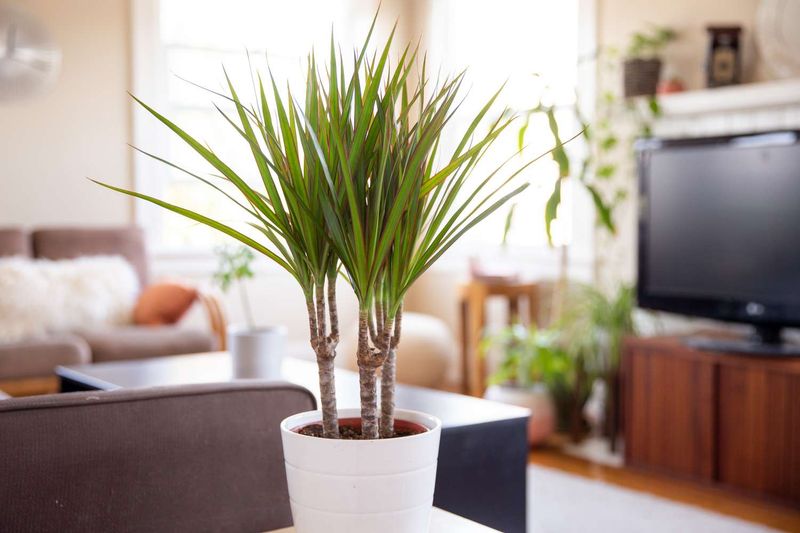
The Madagascar Dragon Tree is genuinely comfortable in low to moderate indoor light, which makes it a fantastic option for apartments, offices, and rooms that do not get a lot of natural sunshine.
During Michigan’s long winter months, daylight hours shrink dramatically, and many houseplants struggle because of it. The Madagascar Dragon Tree, however, keeps right on growing without complaint.
While it does grow best in bright, indirect light, it handles dimmer conditions far better than most tropical plants.
One thing to keep in mind is that very low light over a long period can cause the plant to grow a bit leggy or sparse. Rotating it toward a brighter spot occasionally, even just a few feet closer to a window, can make a noticeable difference in how full and lush it looks.
For Michigan homes where winter light feels like a distant memory from October through March, having a plant that genuinely adapts is a game-changer. Place it near an east or north-facing window and watch it stay vibrant all season long.
It is one of the most forgiving low-light houseplants you can find, and that reliability is exactly what busy homeowners appreciate most.
It Is Very Drought Tolerant Indoors
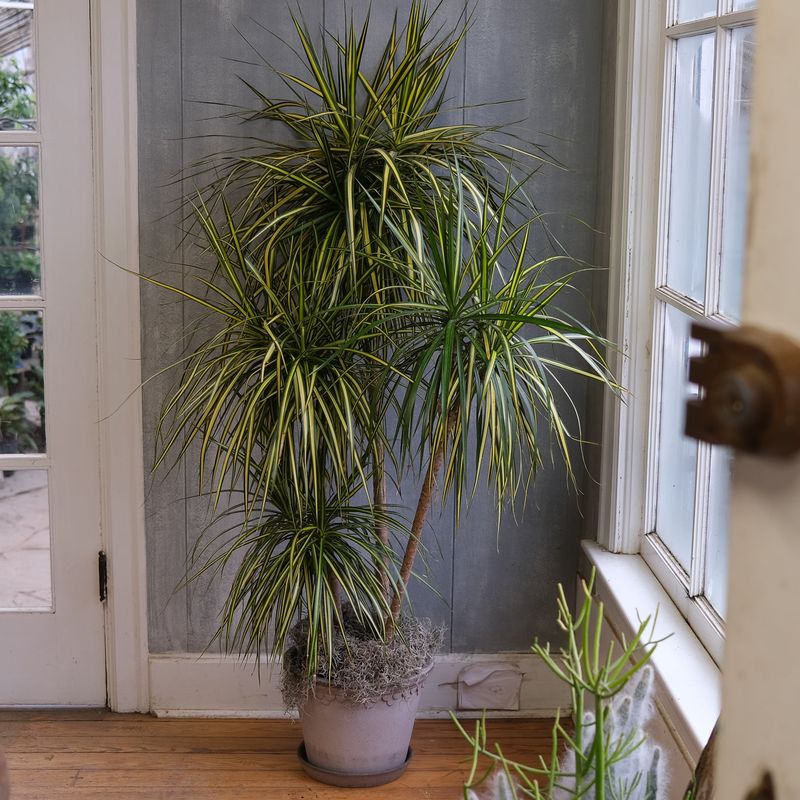
Forgetting to water your houseplants is something almost every plant owner has done at least once. With the Madagascar Dragon Tree, a missed watering day is not the end of the world.
This plant stores moisture in its thick stems and roots, giving it a natural buffer against dry spells that would stress out other tropical plants.
The best watering approach is to check the top 1 to 2 inches of soil with your finger before reaching for the watering can. If the soil still feels damp, hold off.
Only water when that top layer feels dry to the touch. This simple habit keeps the roots healthy and prevents one of the most common problems indoor plants face, which is root rot from consistently wet soil.
Root rot happens when water sits in the pot too long without draining properly. To avoid this, always use a pot with drainage holes and a well-draining potting mix.
The Madagascar Dragon Tree is far more forgiving of dry conditions than of overly wet ones, so when in doubt, wait an extra day or two before watering.
In Michigan homes, where indoor heating during winter can dry out the air and soil faster than expected, this drought tolerance is a major advantage.
You can go on a weekend trip without worrying about coming home to a wilted plant. That kind of easygoing reliability is hard to beat.
Its Narrow Leaves Create A Palm-Like Look
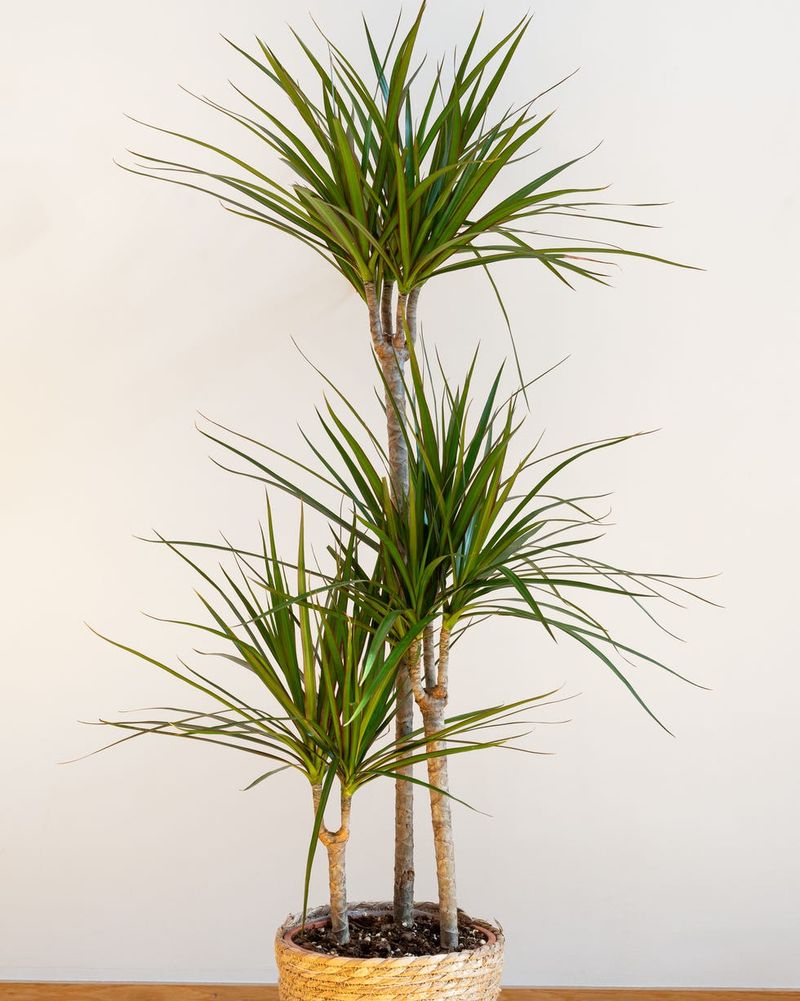
There is something undeniably eye-catching about the way this plant carries itself. The Madagascar Dragon Tree grows long, narrow, arching leaves that cluster together at the tips of its woody stems, creating a look that strongly resembles a miniature palm tree.
That tropical silhouette is part of what makes it such a popular decorative choice in Michigan homes and offices.
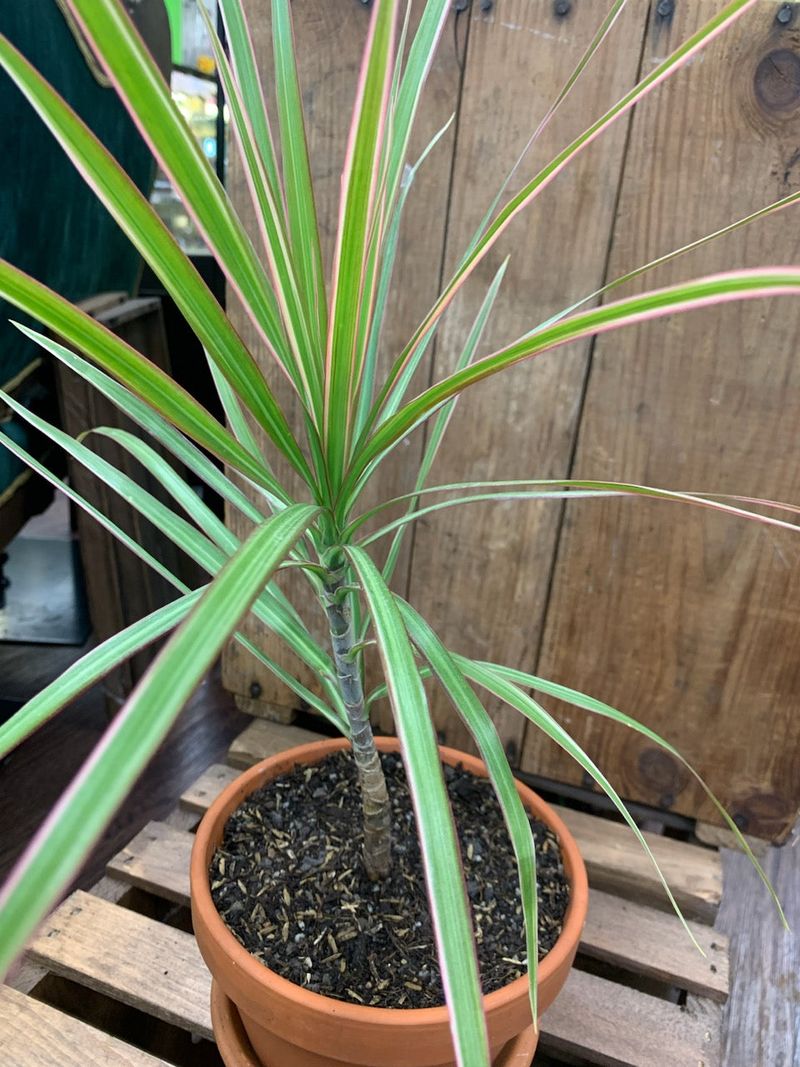
The leaves themselves are deep green with subtle red or purplish margins along the edges, adding a striking color contrast that makes the plant pop against neutral walls or wooden furniture.
Up close, those thin red borders give it an almost artistic quality, like nature drew fine lines along each leaf.
That palm-like appearance brings a relaxed, vacation-inspired vibe to any room. Interior designers often use plants like this to create a layered, tropical aesthetic indoors, especially in spaces that feel a bit plain or need a natural focal point.
In Michigan, where outdoor greenery disappears for months at a time, that visual energy is especially welcome.
Another fun detail is that the stems stay fairly slender and upright as the plant matures, which keeps the overall shape looking neat and intentional rather than wild or sprawling.
Whether placed in a modern minimalist corner or a cozy reading nook, the Madagascar Dragon Tree brings a sculptural quality that few other houseplants can match quite as effortlessly.
It Can Grow Into A Small Indoor Tree
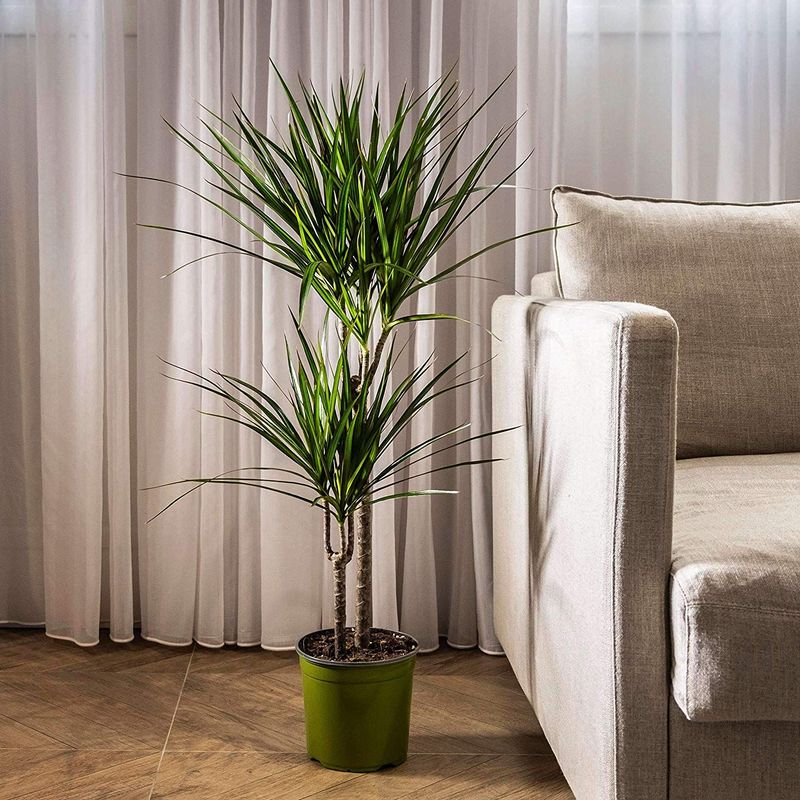
Most people start with a small Madagascar Dragon Tree on a shelf or tabletop, but give it a few years and some consistent care, and it will gradually transform into something much more impressive.
Indoors, this plant can slowly reach 4 to 6 feet tall, developing a genuinely tree-like structure with upright woody stems and layered clusters of leaves at the top.
That slow, steady growth is actually one of its charms. You watch it inch upward over months and seasons, and one day you realize it has become a proper floor plant that anchors an entire corner of the room.
In Michigan homes, where outdoor trees are bare and lifeless for half the year, having a lush indoor tree growing in your living room feels genuinely rewarding.
The tree-like form works especially well in larger rooms with high ceilings, where smaller plants might look a bit lost.
Placing it near a bright window or in a spacious corner gives it room to spread its upper leaves outward while the stem continues to climb upward naturally.
Because the growth rate is slow, you also will not feel rushed to repot or prune it constantly. A light trim here and there keeps it looking tidy, and the plant does the rest on its own timeline.
For patient plant lovers in Michigan who want something with genuine presence, this is a deeply satisfying long-term houseplant investment.
It Helps Add Greenery During Michigan Winters
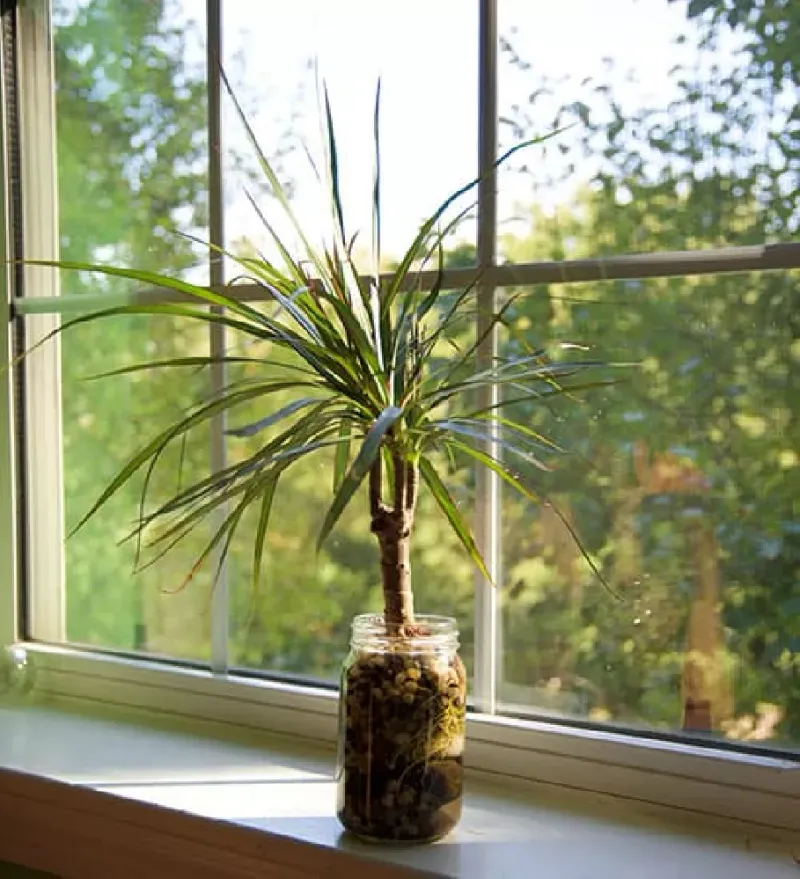
Michigan winters are no joke. From November through March, outdoor gardens go completely dormant under layers of snow and ice, and the landscape outside turns mostly grey and brown for months at a time.
That is exactly why evergreen houseplants like the Madagascar Dragon Tree become so valuable to Michigan residents during those long, cold stretches.
While everything outside loses its leaves and color, this plant stays lush, green, and full right inside your home.
Its year-round foliage brings consistent visual interest to living rooms, kitchens, and bedrooms, providing a refreshing burst of natural color that lifts the mood during the darkest months of the year.
There is real psychological value in surrounding yourself with living plants during winter. Studies have shown that indoor greenery can reduce stress and improve overall well-being, which matters a lot when you are stuck indoors for weeks at a time.
The Madagascar Dragon Tree delivers that benefit quietly and consistently without demanding much attention in return.
For Michigan homeowners who miss their gardens during the off-season, this plant serves as a small but meaningful connection to nature all year long.
Pairing it with a few other evergreen houseplants creates a genuine indoor garden that keeps your home feeling alive and vibrant even when the temperatures outside drop below zero.
It is one of the most practical and beautiful choices for winter greenery in Michigan.
It Prefers Warm Indoor Temperatures
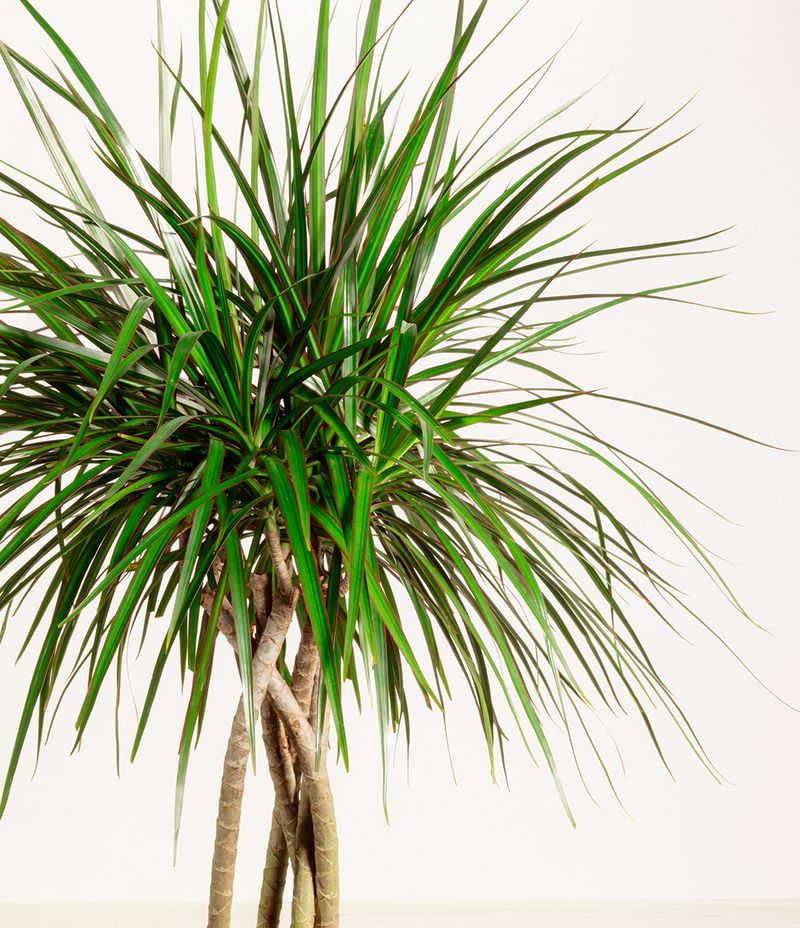
Coming from the warm tropics of Madagascar, it should come as no surprise that this plant is not a fan of cold drafts or chilly temperatures.
The Madagascar Dragon Tree grows best when indoor temperatures stay between 65 and 80 degrees Fahrenheit, which lines up almost perfectly with what most Michigan homes maintain year-round on the inside.
The tricky part comes during Michigan winters, when cold air sneaks in through gaps around doors and windows.
Placing the plant too close to a drafty window or an exterior door can expose it to temperature dips that stress the plant and cause leaf damage over time. Keeping it at least a few feet away from those cold zones makes a meaningful difference.
One easy rule to follow is to never place this plant directly on a cold floor near an exterior wall during winter months. The cold radiating from walls and floors can chill the roots even when the air temperature in the room feels fine.
A plant stand or a spot on a warmer interior shelf works much better. The good news is that Michigan homes are generally well-heated during winter, so maintaining the right temperature range is usually effortless.
As long as you keep the plant away from cold drafts and air conditioning vents in summer, it will stay perfectly comfortable.
Consistent warmth is honestly one of the easiest needs this plant has, making it a natural fit for everyday Michigan home life.
It Is Easy To Maintain With Occasional Pruning
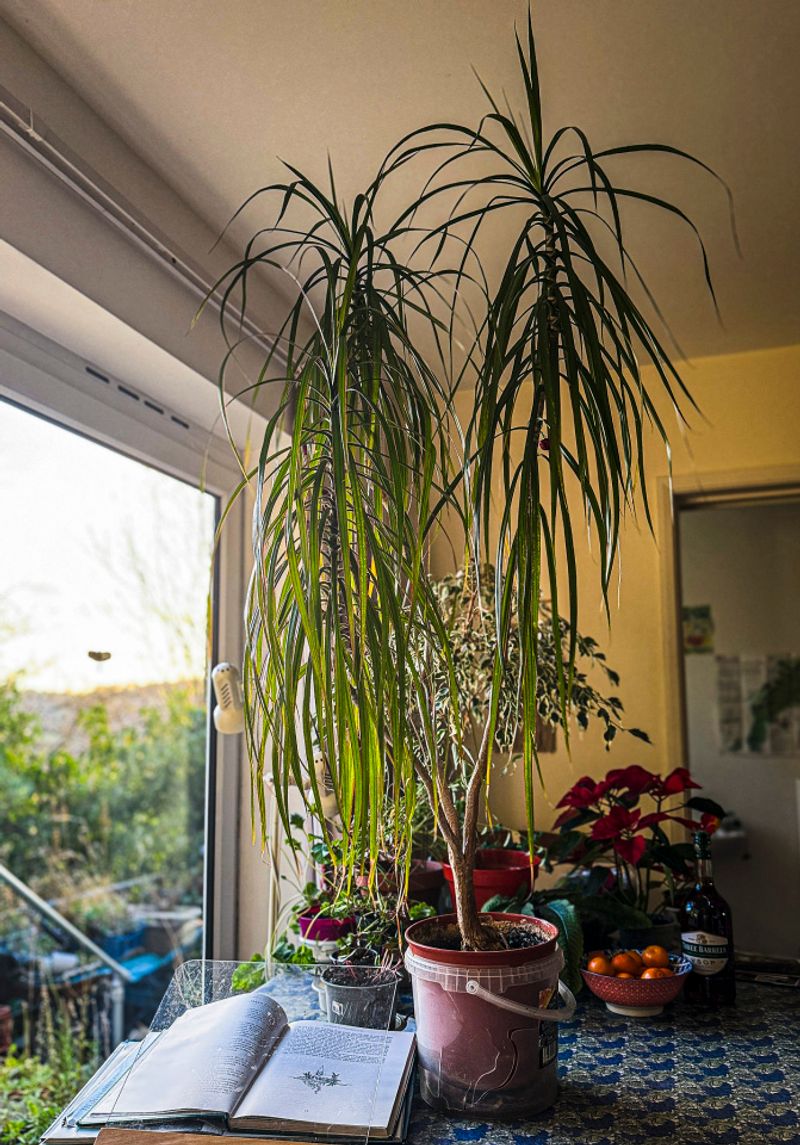
One of the most satisfying things about owning a Madagascar Dragon Tree is how straightforward it is to keep looking great. Unlike some houseplants that require constant fussing, this one stays manageable with just a little light pruning every now and then.
Trimming a stem back encourages the plant to push out new growth right near the cut, which keeps the overall shape full and balanced rather than tall and bare at the base.
You do not need any special tools or expertise to prune this plant. A clean pair of garden shears or sharp scissors works perfectly.
Cutting a stem at an angle just above a leaf node gives the plant a clean wound that heals quickly and redirects its energy into producing fresh new shoots nearby.
Pruning is also a great way to manage height if your Madagascar Dragon Tree starts getting too tall for its spot in your Michigan home.
Trimming the top encourages branching rather than continued upward growth, giving the plant a bushier, more compact appearance that works well in smaller rooms or tighter spaces.
The trimmed stem sections can even be used as cuttings to propagate new plants, which is a fun bonus for plant enthusiasts who want to grow their indoor collection. Place a cutting in water or moist soil and it will often root within a few weeks.
For Michigan plant lovers who enjoy a hands-on growing experience, pruning this plant is genuinely rewarding and completely stress-free.