The Hyacinth Planting Mistakes New York Gardeners Make Most Often
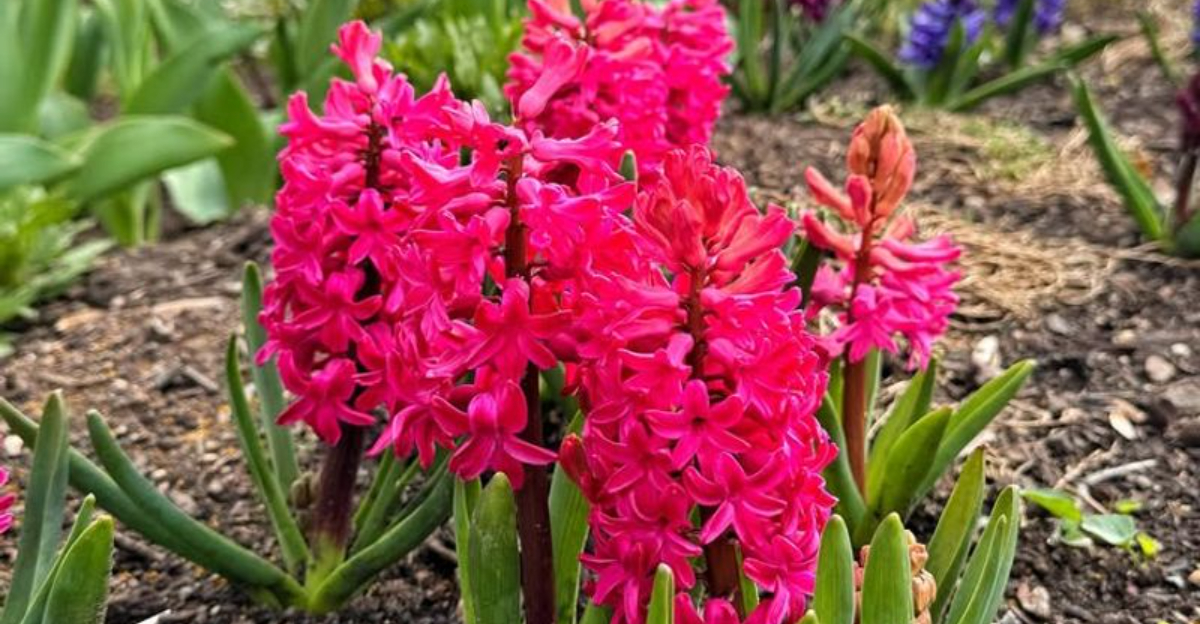
Hyacinths bring a burst of color and fragrance to New York gardens each spring, but many gardeners struggle to get these beautiful bulbs to thrive.
Understanding the most common mistakes can save you time, money, and frustration while ensuring your hyacinths bloom brilliantly year after year.
Whether you’re planting your first bulbs or wondering why your hyacinths aren’t performing as expected, avoiding these pitfalls will set you on the path to success.
Let’s explore the mistakes that trip up even experienced gardeners in the Empire State.
Planting Hyacinth Bulbs Too Shallow In The Soil
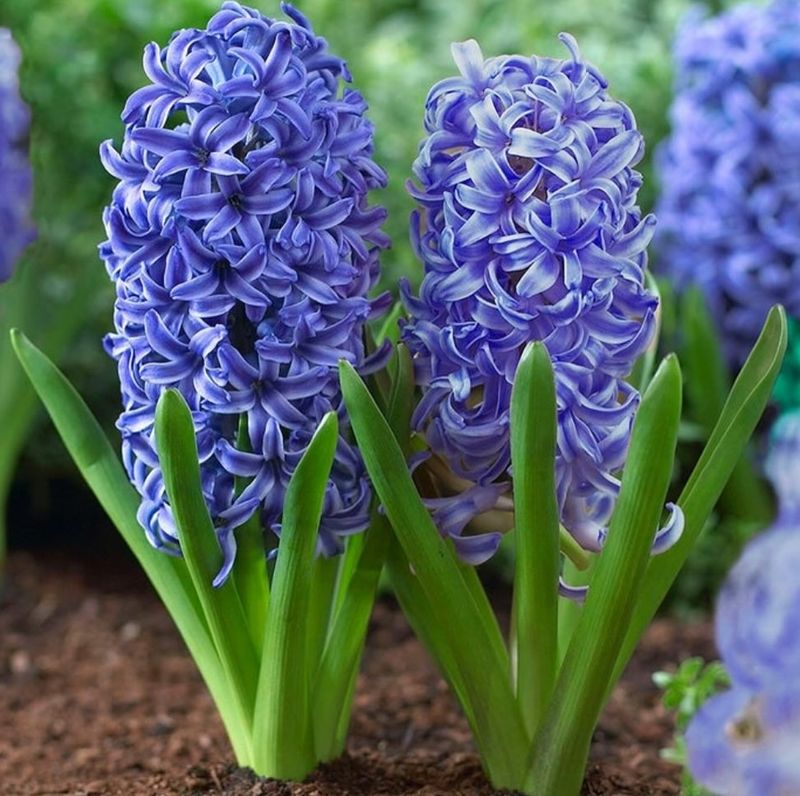
Many New York gardeners rush through the planting process and place their hyacinth bulbs just a few inches below the surface, thinking that’s enough.
However, shallow planting leaves bulbs vulnerable to temperature fluctuations, which can be extreme during New York winters.
When bulbs sit too close to the surface, they experience frost heaving, where freezing and thawing cycles push them up and out of the ground.
This exposure damages the bulbs and prevents proper root development, leading to weak stems and disappointing blooms come spring.
The ideal planting depth for hyacinth bulbs is about six to eight inches, measured from the bottom of the bulb to the soil surface.
This depth provides insulation against harsh winter temperatures while allowing the roots to establish a strong foundation.
When you plant at the correct depth, your hyacinths develop sturdy stems that can support their heavy flower clusters without flopping over.
Use a ruler or measuring stick while planting to ensure consistency, especially if you’re planting multiple bulbs.
Taking this extra moment to measure will reward you with healthier plants that return year after year with vibrant blooms.
Remember that proper depth also protects bulbs from curious squirrels and other critters that might otherwise dig them up for a snack.
Choosing Poor Drainage Locations For Hyacinth Beds
Picture this: you’ve selected the perfect sunny spot for your hyacinths, but after a rainstorm, water pools there for hours or even days.
This scenario spells trouble for hyacinth bulbs, which absolutely cannot tolerate sitting in waterlogged soil.
When bulbs remain wet for extended periods, they quickly develop rot, turning mushy and failing to produce any growth.
New York’s spring weather often brings heavy rains, making drainage even more critical for successful hyacinth cultivation.
Clay-heavy soils, common throughout much of New York State, compound this problem by holding water rather than allowing it to percolate through.
Before planting, test your chosen location by digging a hole about twelve inches deep and filling it with water.
If the water drains within a few hours, you’ve found a suitable spot.
If it remains for longer, consider amending the soil with compost and coarse sand, or create a raised bed to improve drainage.
Raised beds offer an excellent solution for challenging sites, elevating your bulbs above problem areas while providing better control over soil composition.
Even just raising the planting area by four to six inches can make a tremendous difference in how well your hyacinths perform throughout the growing season.
Skipping Essential Soil Amendment Before Planting Bulbs
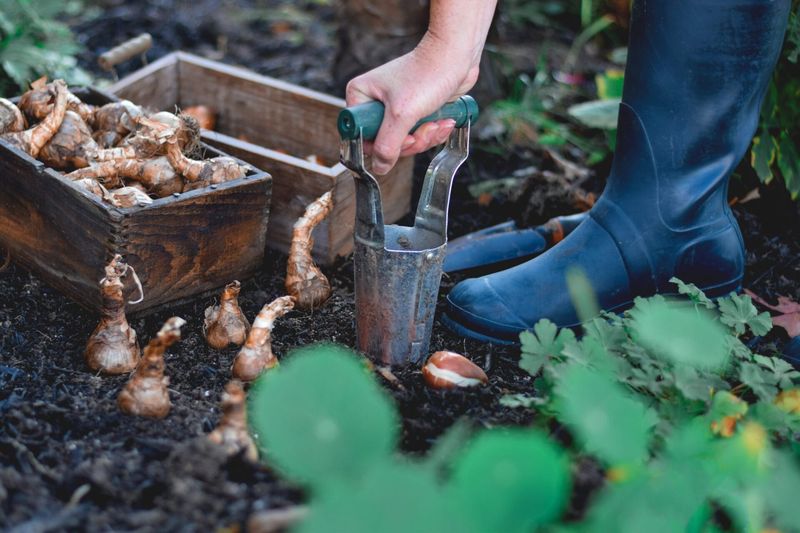
Have you ever wondered why some gardens burst with spectacular hyacinth displays while others produce lackluster results?
The secret often lies beneath the surface, in the quality and preparation of the soil itself.
Many gardeners simply dig holes and drop bulbs into whatever soil exists, assuming that’s sufficient for success.
Unfortunately, New York’s native soils vary widely and often lack the nutrients and structure that hyacinths need to flourish.
Hyacinths thrive in rich, loose soil that provides both nutrition and excellent drainage, conditions that don’t naturally exist in many yards.
Before planting, work several inches of well-aged compost or other organic matter into your planting area to improve soil structure and fertility.
This amendment creates air pockets that allow roots to spread easily while helping the soil retain just enough moisture without becoming soggy.
Adding a balanced bulb fertilizer at planting time gives your hyacinths the extra nutrients they need to develop strong roots and impressive flower spikes.
Think of soil amendment as building a foundation for your garden’s success, an investment that pays dividends for years to come.
Spending thirty minutes preparing your soil properly will yield far better results than hours spent trying to revive struggling plants later.
Planting Hyacinth Bulbs At The Wrong Time Of Year
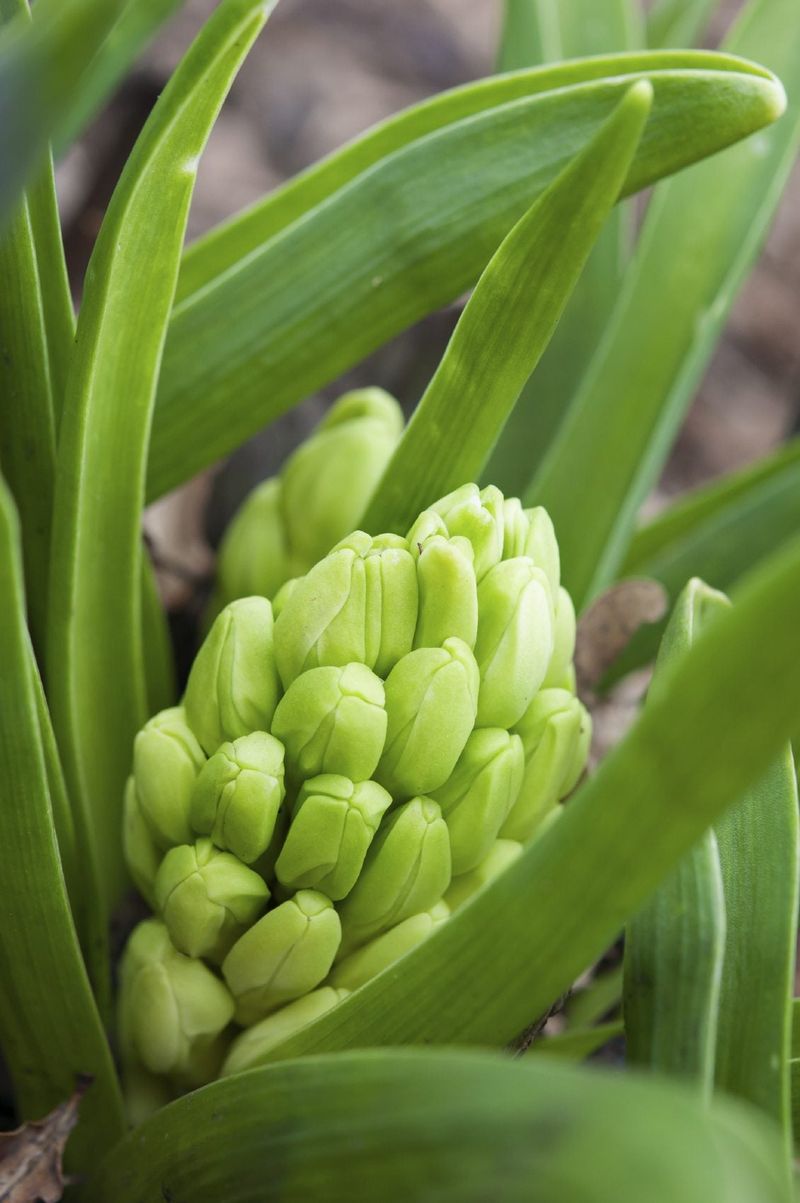
Timing truly is everything when it comes to planting hyacinth bulbs in New York’s climate.
Some eager gardeners purchase bulbs in early September and plant them immediately, only to watch them sprout prematurely before winter arrives.
Others procrastinate until late November or even December, when frozen ground makes planting nearly impossible and bulbs miss crucial root development time.
Both scenarios lead to disappointing results, with weak blooms or no flowers at all come spring.
The ideal planting window for hyacinths in New York falls between mid-October and early November, after temperatures have cooled but before the ground freezes solid.
This timing allows bulbs to establish roots during the cool autumn weeks without triggering premature top growth.
Hyacinths need several weeks of root development before winter’s deep freeze sets in, building the foundation for spring’s spectacular display.
If you plant too early during warm September weather, bulbs may send up shoots that will suffer damage from November’s first hard frost.
Waiting until the proper time requires patience, but it ensures your bulbs follow their natural growth cycle for optimal health and blooming.
Mark your calendar for mid-October and order bulbs in advance so they arrive exactly when you need them for planting.
Ignoring Proper Spacing Requirements Between Bulbs
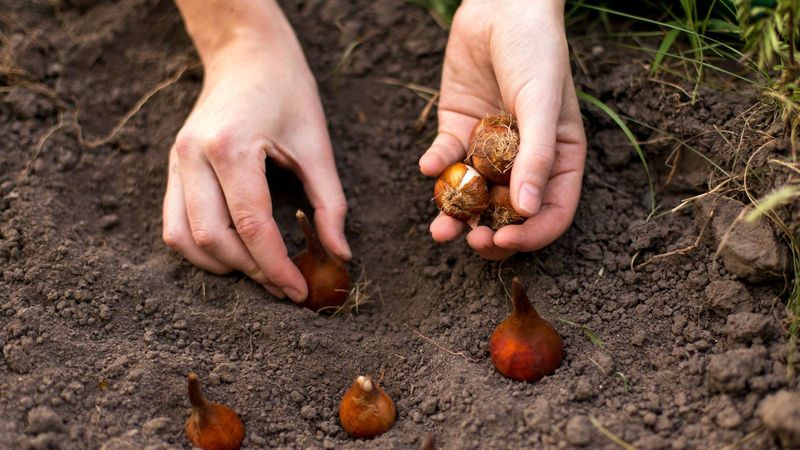
When excitement takes over, it’s tempting to cram as many bulbs as possible into your garden beds to create an instant impact.
However, overcrowding hyacinth bulbs creates more problems than it solves, despite the initial appeal of a dense planting.
Bulbs planted too closely together compete for nutrients, water, and space, resulting in smaller flowers and weaker plants overall.
Crowded conditions also restrict air circulation around emerging foliage, creating a perfect environment for fungal diseases to develop and spread rapidly.
In New York’s humid spring weather, good air flow becomes especially important for preventing moisture-related problems that can ruin your entire planting.
Hyacinth bulbs should be spaced four to six inches apart, measured from center to center, to give each plant adequate room to grow.
This spacing might seem generous when you’re planting small bulbs in autumn, but remember that mature plants will fill in beautifully by spring.
Proper spacing also makes it easier to work around your plants for weeding and allows you to interplant with other spring bloomers without creating chaos.
If you want a fuller look, plant in clusters or drifts rather than single rows, maintaining proper spacing within each grouping.
This approach creates natural-looking displays that appear abundant without sacrificing the health and vigor of individual plants.
Forgetting To Protect Bulbs From Wildlife And Pests
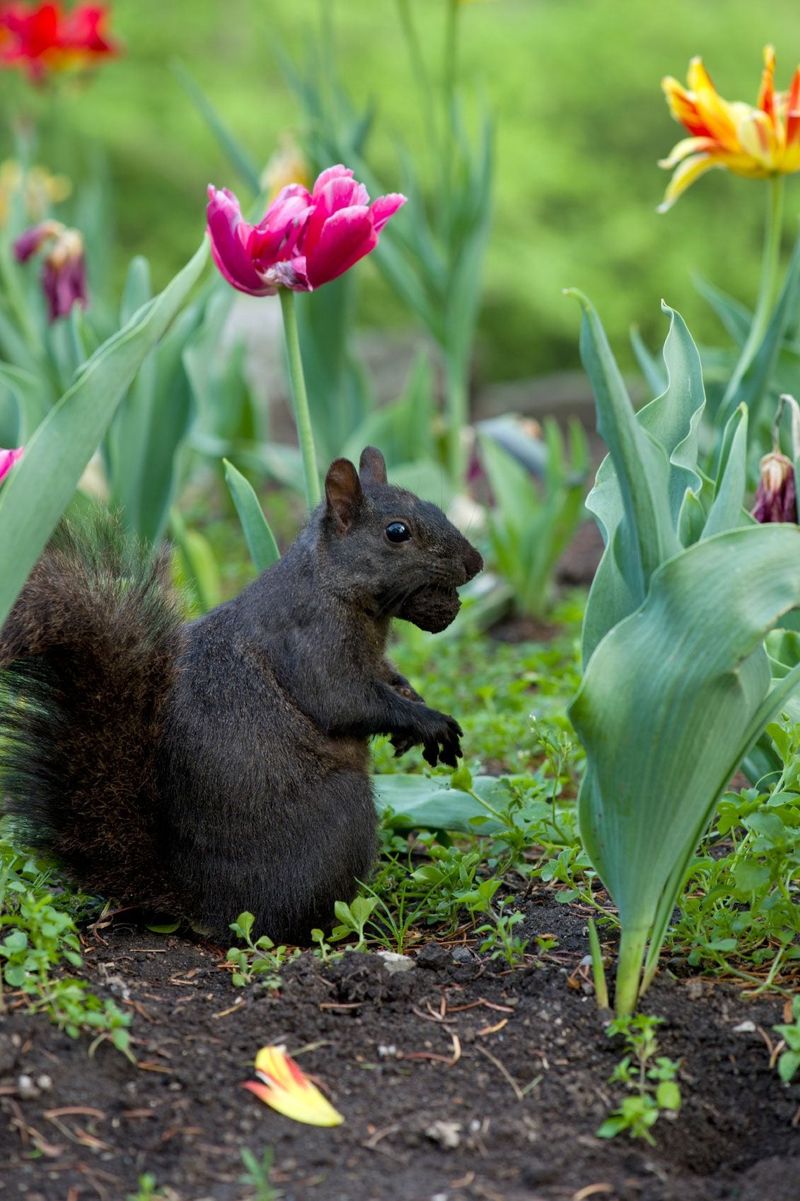
You’ve invested time and money selecting premium hyacinth bulbs, prepared your soil perfectly, and planted at exactly the right depth and spacing.
Then you wake up one morning to find your garden bed excavated, with bulbs scattered across the lawn or simply vanished.
Squirrels, chipmunks, and voles view freshly planted bulbs as a convenient food source, especially as they prepare for winter.
New York’s abundant wildlife population means that unprotected bulbs face serious threats, particularly in suburban and rural areas where animal activity runs high.
Many gardeners don’t realize the extent of this problem until they’ve lost an entire planting to hungry critters.
The solution involves creating physical barriers that prevent animals from reaching your bulbs while still allowing plants to grow through.
Cover newly planted beds with chicken wire or hardware cloth, securing the edges with landscape staples or rocks to prevent animals from pushing underneath.
Alternatively, plant bulbs in wire mesh cages or baskets that protect them underground while allowing roots and shoots to extend beyond the barrier.
Some gardeners report success with sprinkling cayenne pepper or using commercial repellents around planting areas, though these methods require frequent reapplication.
Taking preventive measures immediately after planting saves you from the heartbreak of discovering your bulbs have become someone’s winter snack.
Neglecting Post-Bloom Care And Foliage Management
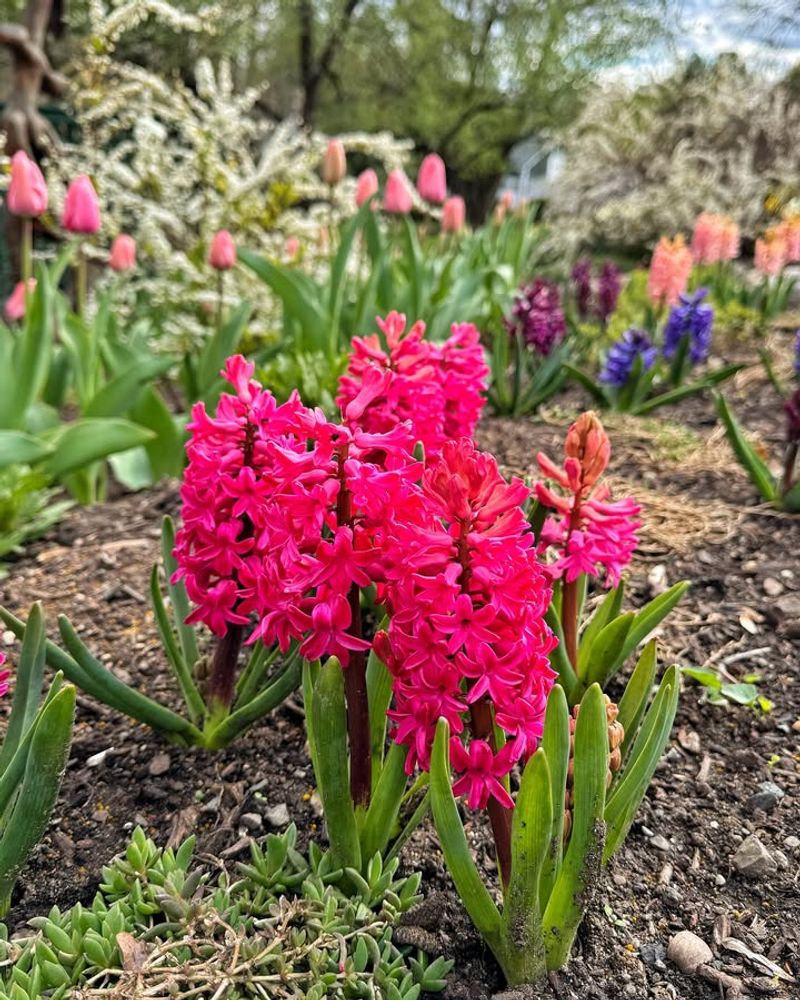
Once those gorgeous hyacinth blooms fade, many gardeners make the mistake of immediately cutting everything down to tidy up their gardens.
This seemingly harmless act of garden maintenance actually robs bulbs of the energy they need to bloom again next year.
After flowering finishes, hyacinth foliage continues working hard, photosynthesizing sunlight and sending nutrients back down into the bulb for storage.
This process, which takes six to eight weeks, prepares the bulb for dormancy and builds the resources necessary for next spring’s flower production.
When you remove green foliage prematurely, you interrupt this critical energy transfer, leaving bulbs weakened and less likely to produce quality blooms the following season.
Instead, allow the leaves to yellow and wither naturally, even though they may look untidy for several weeks.
You can remove spent flower stalks once blooms fade to prevent seed formation, which drains energy unnecessarily.
Interplanting hyacinths with later-blooming perennials helps disguise the declining foliage while maintaining an attractive garden appearance.
Some gardeners braid or bundle the leaves together to keep them neater, though this can reduce their effectiveness at gathering sunlight.
Patience during this post-bloom period ensures your hyacinths return stronger each year, building up bulb size and producing even more impressive flowers over time.