The Ideal Time To Prune Roses In Pennsylvania
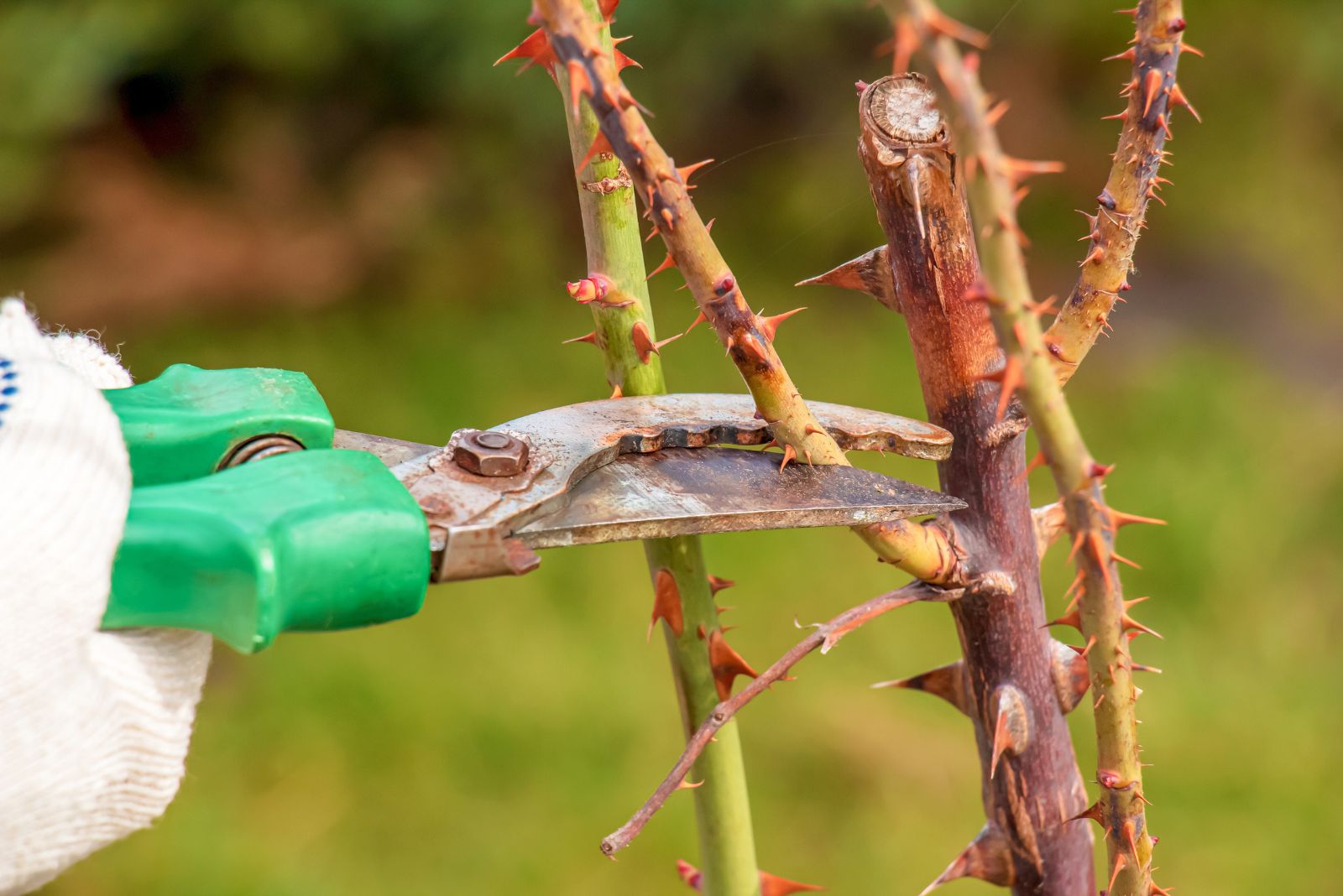
Pruning roses at the right time can make a huge difference in how healthy and beautiful your plants look all season long. In Pennsylvania, timing matters even more because weather can change quickly from cold to warm.
Prune too early and you risk frost damage. Wait too long and you may miss the chance to shape strong new growth.
Many gardeners feel unsure about when to start, which often leads to weak blooms or messy-looking bushes. The good news is that there’s a simple window that gives roses the best chance to thrive.
When done correctly, pruning helps improve airflow, boost flower production, and keep plants strong against disease.
If you want fuller blooms, healthier stems, and a rose garden that truly stands out this year, knowing the ideal pruning time is the first step to success.
1. Early Spring Pruning For Hybrid Teas
Hybrid tea roses need attention right when winter loosens its grip on Pennsylvania. Most gardeners find late March through early April works perfectly for these popular roses. The key is watching for when buds start swelling but haven’t opened yet.
Pennsylvania’s climate means waiting until the worst frost danger passes. Cutting too early leaves fresh cuts vulnerable to cold damage. Your roses might look messy after winter, but patience pays off when you time it right.
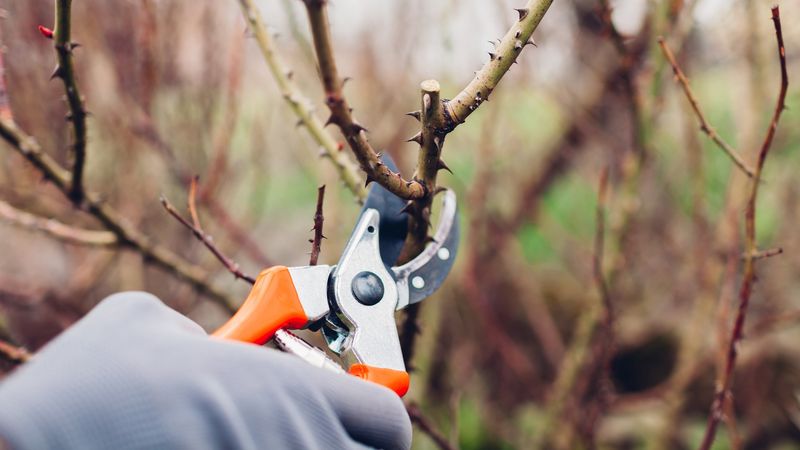
Start by removing any canes that look brown or shriveled from winter cold. These dry sections won’t recover no matter how long you wait. Next, cut away any stems thinner than a pencil because they rarely produce good blooms.
Make your cuts at a 45-degree angle about a quarter inch above an outward-facing bud. This angle helps water run off instead of sitting on the cut.
The outward-facing bud ensures new growth spreads away from the center, creating better air flow.
Hybrid teas in Pennsylvania typically get cut back to about 18 inches tall during spring pruning. Some gardeners go shorter in colder regions of the state. Taller cuts work fine in southeastern Pennsylvania where winters stay milder.
Clean your pruning tools between cuts to prevent spreading diseases. A quick wipe with rubbing alcohol does the job.
Sharp blades make cleaner cuts that heal faster, so keep your shears in good condition throughout the pruning season.
2. Summer Deadheading For Continuous Blooms
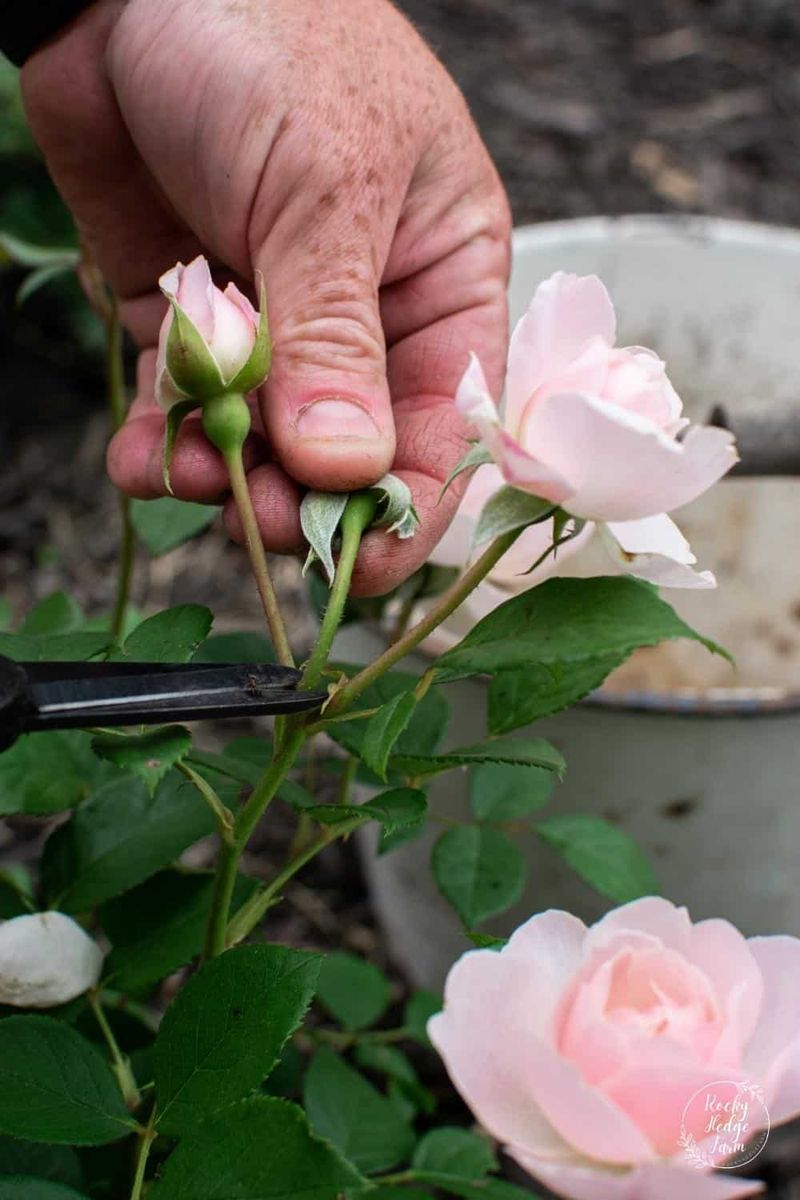
Removing spent flowers throughout summer keeps roses blooming from June through September in Pennsylvania. This process, called deadheading, isn’t heavy pruning but still counts as essential maintenance.
Your roses pour energy into making seeds after flowers fade, so snipping off old blooms redirects that energy into new flowers instead.
Check your roses every few days during peak blooming season. Look for flowers that have started browning or dropping petals.
Cut the stem just above the first leaf with five leaflets, making your cut at that familiar 45-degree angle.
Pennsylvania summers can get hot and humid, making this task more pleasant in early morning or evening.
Bring a bucket to collect the spent blooms, which keeps your garden tidy and prevents disease issues. Some gardeners add these clippings to compost piles.
Repeat bloomers like floribundas and grandifloras respond especially well to deadheading. You’ll see new flower buds forming within weeks of removing old ones.
Even once-blooming varieties benefit from removing faded flowers, though they won’t bloom again until next year.
Stop deadheading about six weeks before your area’s first expected frost. This timing lets roses form hips, which signals the plant to start hardening off for winter. In most of Pennsylvania, that means stopping around early September.
Summer deadheading also gives you chances to spot problems early. Watch for black spots on leaves, aphids on new growth, or unusual discoloration while you work.
3. Late Winter Pruning For Climbing Roses
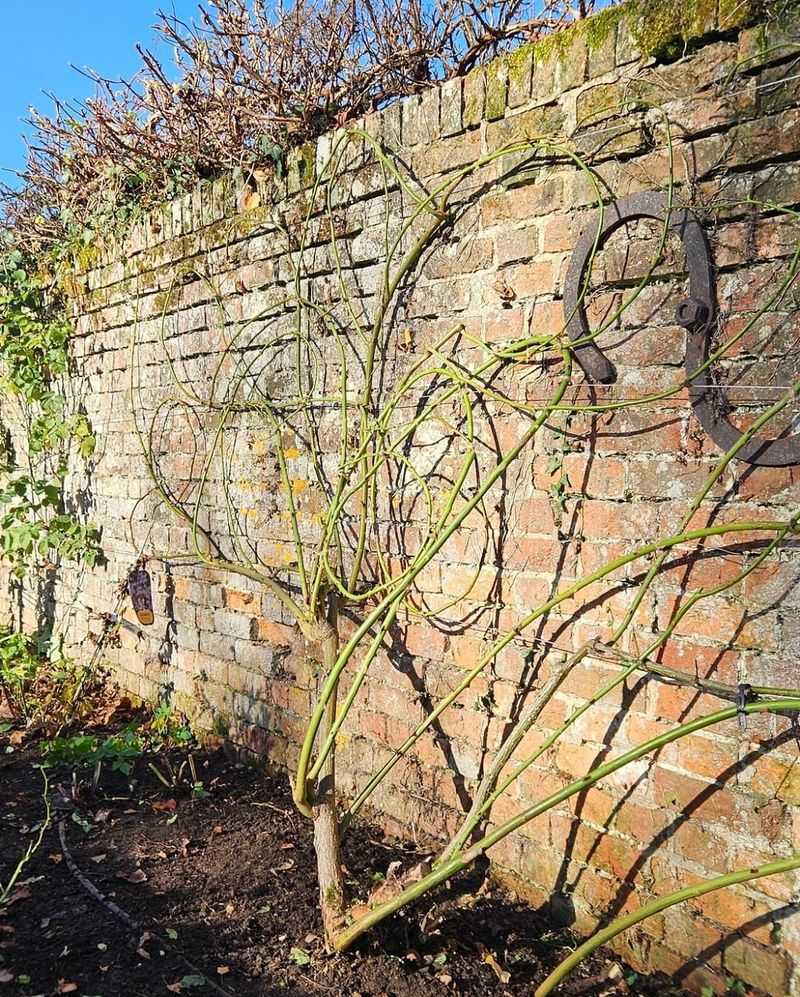
Climbing roses follow different rules than their bushy cousins in Pennsylvania gardens. February through early March works best for these vertical beauties.
Pruning them earlier than other rose types makes sense because climbers need extra time to develop new canes before blooming season arrives.
Pennsylvania’s unpredictable late winter weather means choosing a day when temperatures stay above freezing. Your cuts heal better in milder conditions.
Climbing roses produce flowers on older wood, so your goal isn’t cutting everything back like hybrid teas.
Remove any dry or damaged canes first, cutting them completely to the base. Next, identify the oldest thick canes and remove one or two entirely. This encourages fresh growth from the bottom while maintaining the plant’s structure.
Lateral branches growing off the main canes need trimming to about three to five buds. These shortened laterals produce most of your flowers.
Leave the main structural canes at their full length unless they’ve grown too tall for your space.
Training matters as much as pruning for climbers. Bend canes horizontally and secure them to supports while pruning.
Horizontal positioning encourages more flowering shoots along the entire length rather than just at the tips.
Pennsylvania gardeners with older climbing roses sometimes find canes as thick as broom handles. Use loppers instead of hand pruners for these tough cuts. A small pruning saw handles anything thicker than your thumb.
Don’t worry about perfect symmetry when pruning climbers. Natural, slightly wild growth looks better than overly manicured plants on most trellises and arbors.
4. Fall Cleanup Pruning Before Winter
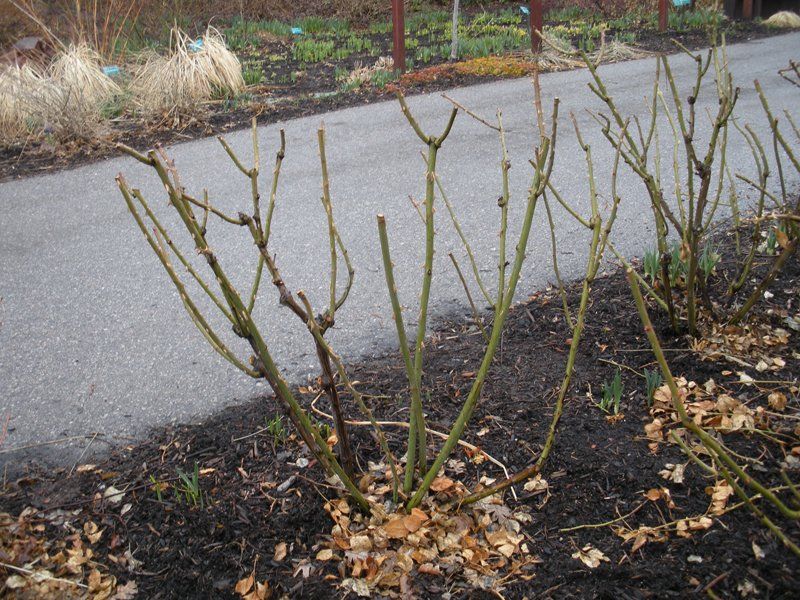
October brings lighter pruning work for Pennsylvania rose gardeners preparing plants for winter. This isn’t the major cutting back that happens in spring. Instead, you’re tidying up and reducing potential winter damage from heavy snow or ice.
Cut back long canes by about one-third of their height. This prevents them from whipping around in winter winds or breaking under snow weight.
Pennsylvania’s variable winter weather makes this precaution worthwhile, especially in exposed garden locations.
Remove any remaining leaves showing black spot or other diseases. These problems overwinter on fallen foliage and infected canes, then return to cause trouble next spring. Bag up and dispose of diseased material rather than composting it.
Thin out the center of each rose bush slightly to improve air circulation. Better airflow reduces fungal problems during Pennsylvania’s damp spring weather. Just don’t go overboard since you’ll do major shaping in spring.
Leave rose hips on the plant if you want winter interest or food for birds. These colorful seed pods look attractive against snow and provide nutrition for wildlife. If you prefer tidier plants, removing hips is fine too.
Some Pennsylvania gardeners skip fall pruning entirely, especially in colder northern counties. Heavy spring pruning removes any winter-damaged wood anyway. Experiment to see what works best in your specific microclimate.
After pruning, rake up all fallen leaves and debris from around your roses. Clean garden beds reduce pest and disease pressure next season. Many problems hide in leaf litter over winter, waiting to emerge when weather warms.
5. Pruning Shrub Roses In Early Spring
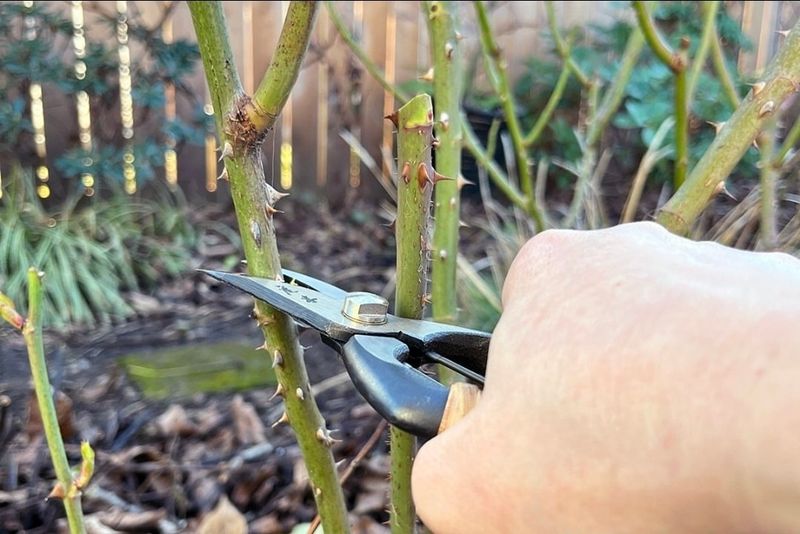
Shrub roses need less fussy care than hybrid teas, making them favorites for busy Pennsylvania gardeners. Early April typically brings perfect conditions for pruning these tough plants.
They bounce back quickly from pruning and forgive timing mistakes better than other rose types.
Start by stepping back and looking at the overall shape. Shrub roses should have a natural, rounded form rather than looking sculpted. Your pruning should enhance this natural shape, not fight against it.
Remove the three Ds first: dry, damaged, and diseased wood. Cut these problem canes all the way to the base where they emerge from the ground. Healthy wood shows green inside when you scratch it lightly with your thumbnail.
Thin out crowded centers by removing a few older canes completely. This opens up the plant for better air movement and light penetration.
Pennsylvania’s humid summers make good air circulation especially important for preventing fungal diseases.
Shorten the remaining canes by about one-third of their length. Make cuts just above outward-facing buds to encourage spreading growth.
Some shrub roses grow quite large in Pennsylvania’s fertile soil, so don’t hesitate to cut more if your plant has outgrown its space.
Landscape roses and the Knock Out series need minimal pruning. A light shaping in spring and occasional deadheading through summer keeps them looking great.
These varieties were bred for easy care, so overthinking their pruning actually causes more problems than it solves.
Shrub roses bloom on new growth, so spring pruning doesn’t reduce flowering. You’ll see plenty of blooms by June regardless of how much you cut.
6. Timing Adjustments For Pennsylvania Regions
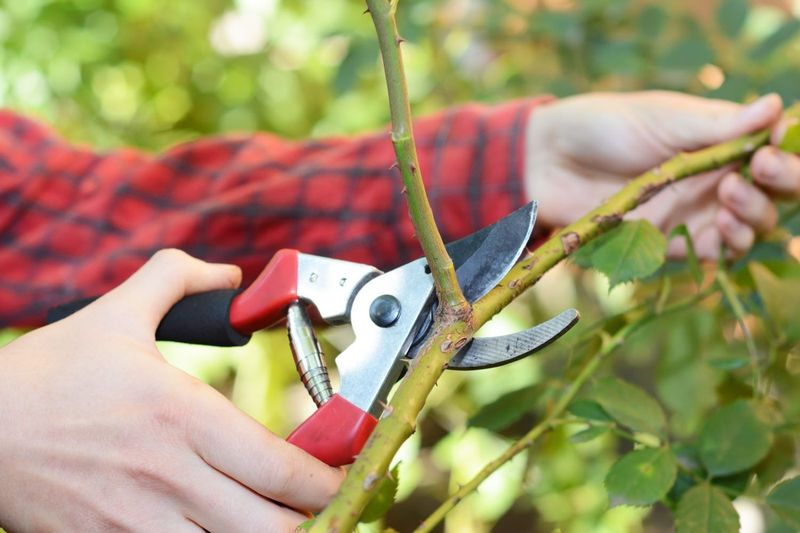
Pennsylvania stretches across several climate zones, making one-size-fits-all pruning dates impossible. Gardeners in Erie face different conditions than those in Philadelphia.
Understanding your local frost dates helps you prune at the perfect moment for your specific location.
Northern Pennsylvania counties often see frost into late April. Wait until mid-April for major rose pruning in these areas. Jumping the gun leads to frost damage on fresh cuts and tender new growth.
Southeastern Pennsylvania around Philadelphia enjoys milder springs. Gardeners there can often start pruning by mid-March. The growing season starts earlier and lasts longer in these warmer zones.
Central Pennsylvania falls somewhere in between these extremes. State College and Harrisburg gardeners typically prune in early April. Watch local weather patterns rather than just calendar dates for best results.
Elevation matters as much as latitude in Pennsylvania. Mountain gardens stay cooler longer than valley locations.
If your property sits at higher elevation, add a week or two to standard timing recommendations.
Microclimates within your own yard affect timing too. Roses planted against a south-facing wall warm up faster than those in open areas. You might prune protected roses a week before exposed ones.
Keep records of when you prune each year and how your roses respond. Pennsylvania weather varies considerably from year to year. Your own observations become more valuable than general guidelines after a few seasons.
Local rose societies and extension offices provide region-specific advice for Pennsylvania gardeners. These resources understand your area’s unique challenges and can offer timing suggestions based on decades of local experience.