The Ideal Watering Schedule For Plants In Arizona’s Desert Climate
Watering plants in Arizona is not about sticking to a simple calendar. Desert heat, dry air, intense sun, and seasonal monsoon shifts all change how quickly soil dries out.
What works in spring can completely fail by July, and overwatering is often just as damaging as letting plants go too dry. In this climate, roots need deep moisture followed by time to breathe, not daily surface sprinkles.
The right schedule depends on plant type, soil drainage, and the time of year, but there are clear patterns that help prevent stress, root rot, and wasted water.
Once you understand how Arizona’s desert conditions affect evaporation and root growth, watering becomes far more predictable.
A thoughtful routine keeps plants stronger, more resilient, and better prepared for extreme heat.
1. How Often To Water Plants In Winter In Arizona
Winter in Arizona catches a lot of new gardeners off guard. Most people assume plants need little to no water during the cooler months, but that’s not entirely true.
Even in January, your plants are still alive and slowly growing, which means they still need moisture to survive.
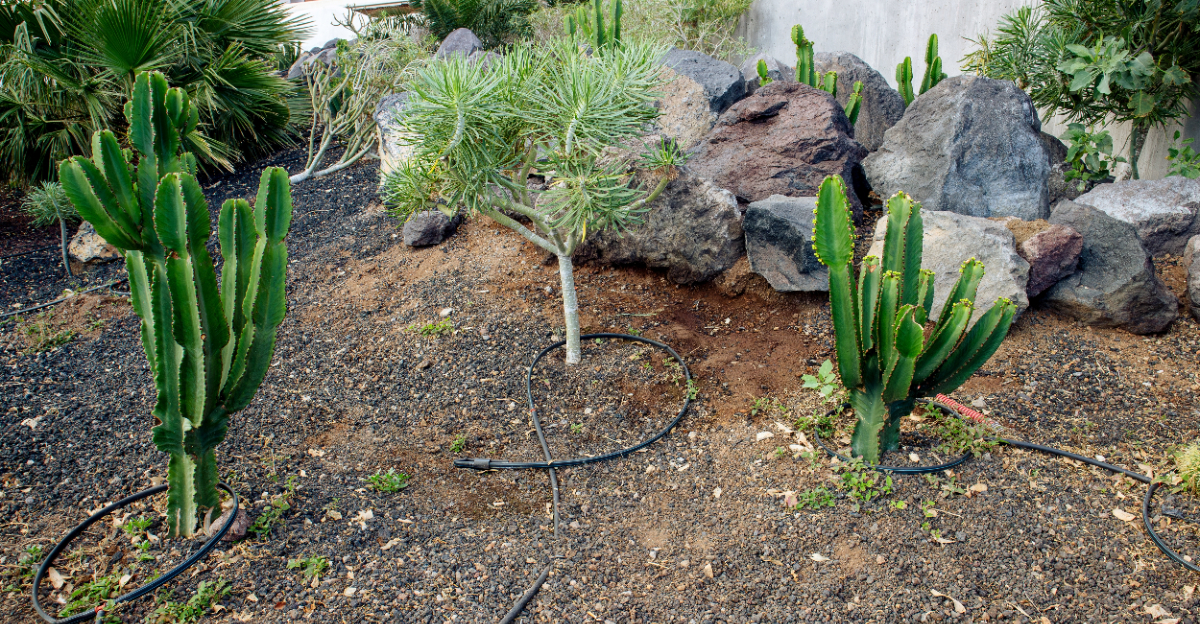
Established desert plants like palo verde trees and saguaro cacti can go weeks between waterings during winter. Watering once every three to four weeks is usually enough for drought-tolerant natives.
However, newly planted shrubs or trees may need water every ten to fourteen days since their roots haven’t fully spread yet.
Rainfall in Arizona during winter is unpredictable. Some years bring decent moisture, others stay completely dry.
Always check the soil before watering by pushing a finger two inches deep. If it feels dry, go ahead and water.
If there’s still moisture, wait a few more days.
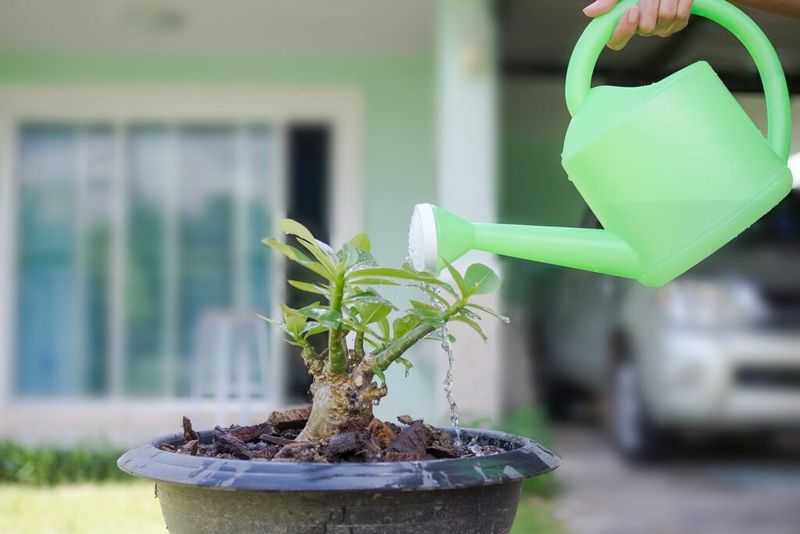
Container plants in Arizona need slightly more attention during winter because pots dry out faster than garden beds. Water them every seven to ten days, depending on their size and sun exposure.
Morning watering works best because it gives roots time to absorb moisture before temperatures drop at night.
Overwatering in winter is actually a bigger problem than underwatering in Arizona. Soggy soil in cold weather can cause root rot quickly.
Keep a simple calendar to track your watering days so you never accidentally double-water and stress your plants unnecessarily.
2. Spring Watering Frequency As Temperatures Begin To Rise
Spring in Arizona moves fast, and your plants feel every degree of that temperature climb. As February turns into March and March into April, daytime highs start creeping up quickly.
Plants that were resting through winter suddenly wake up and begin actively growing, which means their water needs increase significantly.
Early spring, when temperatures are still in the 60s and 70s, you can water established plants about once every one to two weeks. As April arrives and days start hitting the 80s and 90s, shift to watering every seven to ten days.
Your garden is telling you it needs more, and ignoring that can slow down blooming and new growth.
Spring is also prime planting season in Arizona. Newly installed plants need more frequent watering to get established before summer heat arrives.
Water new transplants every two to three days for the first two weeks, then gradually reduce frequency as roots begin anchoring into the soil.
Pay attention to your lawn during spring too. Bermuda grass wakes up in late March and starts demanding consistent moisture.
Water cool-season grass like ryegrass every three to four days as temperatures climb, because it will struggle once May hits.
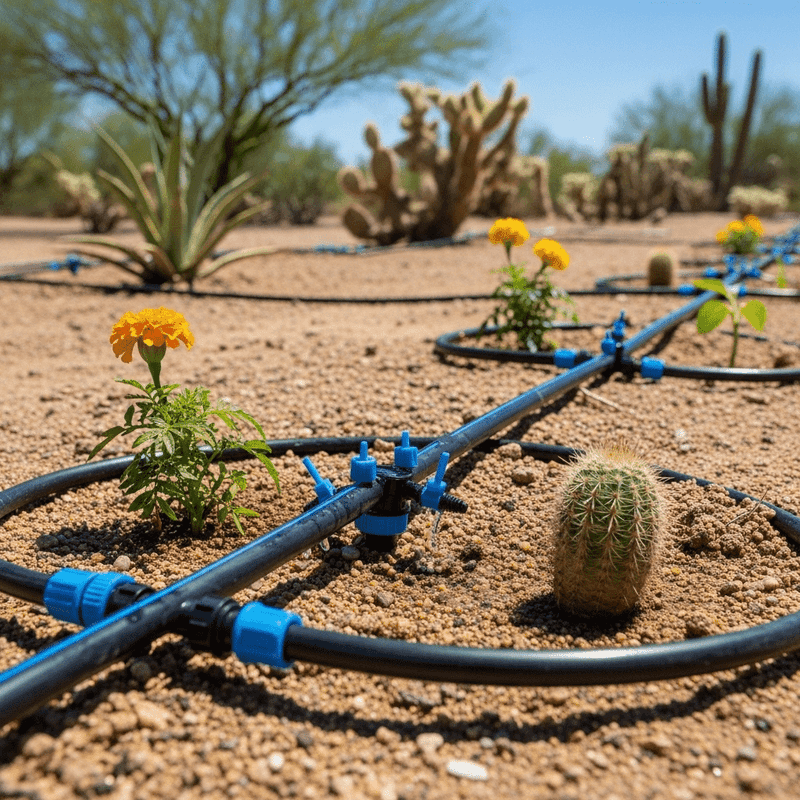
One smart spring habit is to check your irrigation system before the heat arrives. Broken emitters, clogged drip lines, and misaligned sprinkler heads are common after winter.
Catching these issues in spring saves your plants from suffering later when summer temperatures in Arizona become seriously unforgiving.
3. Early Summer Watering Before Extreme Heat Sets In
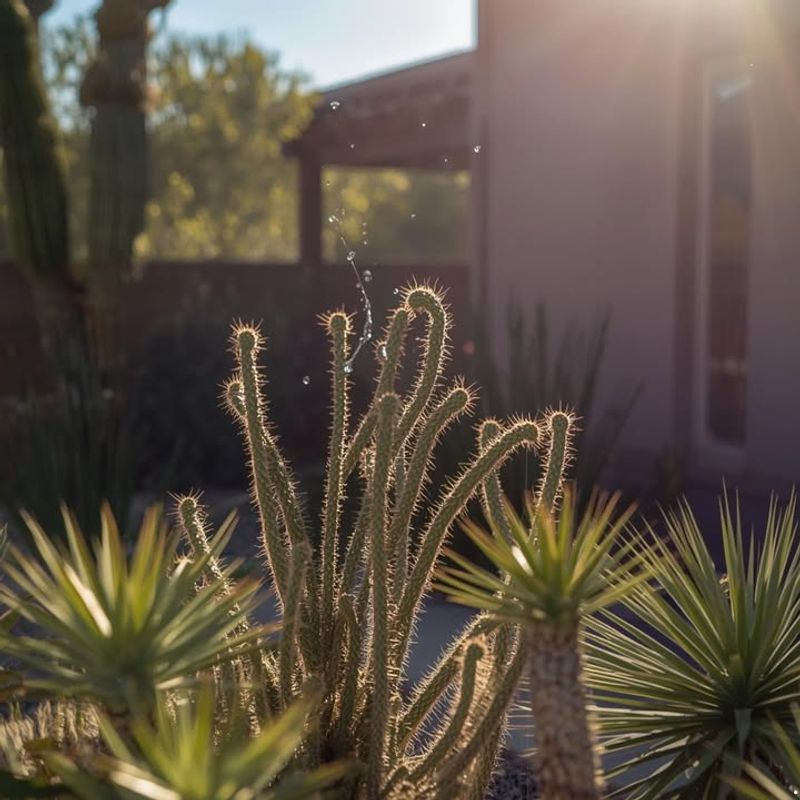
June in Arizona is a test of both your plants and your patience. Before the monsoon season brings any relief, temperatures regularly climb past 105 degrees Fahrenheit, and the air stays bone dry.
Early summer, meaning late May through mid-June, is when many gardeners make their most costly watering mistakes.
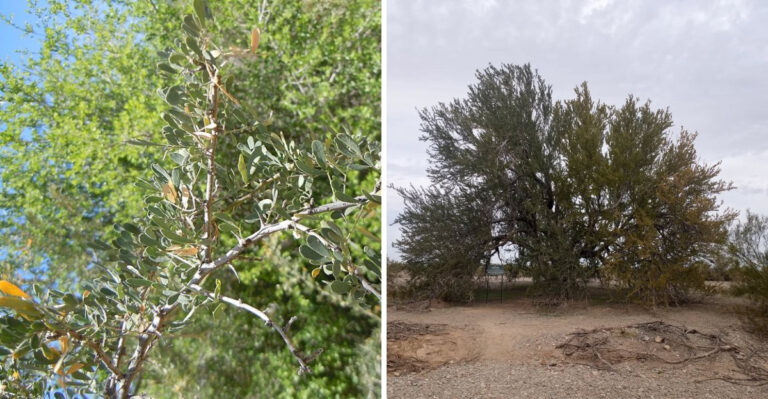
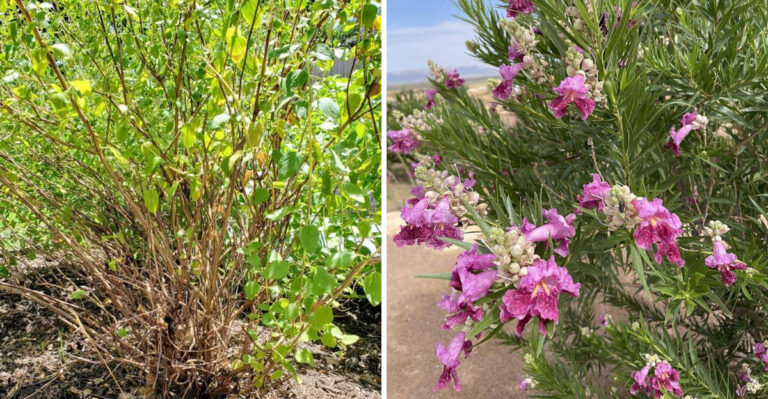
Established desert plants like desert willow, brittlebush, and agave are built for heat, but even they need more water than usual during this stretch.
Water them every five to seven days instead of weekly, and make sure each watering session runs long enough to soak the soil at least twelve to eighteen inches deep.
Shallow watering encourages roots to stay near the surface, where heat causes faster moisture loss.
Timing your watering sessions matters enormously in early Arizona summer. Early morning, ideally between 4 and 8 a.m., is the best window.
Watering midday means most of the moisture evaporates before roots can absorb it. Evening watering leaves foliage wet overnight, which can invite fungal issues.
Mulch becomes your best friend in early summer. A three to four inch layer of organic mulch around plant bases keeps soil cooler and retains moisture significantly longer.
In Arizona’s dry heat, mulch can reduce watering frequency by up to thirty percent, which saves both water and money.
Watch for wilting as an early warning sign. Plants that droop in the morning, not just midday, are signaling real thirst.
Midday wilting is normal in extreme heat, but morning drooping means your watering schedule needs an immediate adjustment.
4. Peak Summer Irrigation Timing During Triple Digit Days
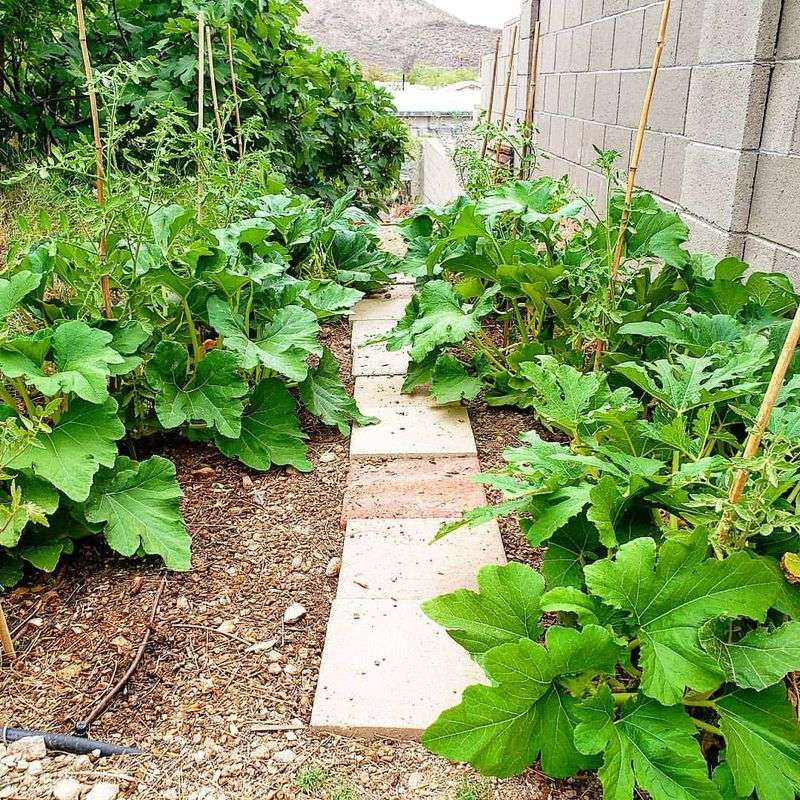
Triple digit heat in Arizona is not a warning, it is a daily reality from June through September. During peak summer, your watering schedule needs to be precise, consistent, and timed strategically.
Skipping even one watering cycle during a 110-degree stretch can stress plants severely.
For most established desert-adapted trees and shrubs in Arizona, watering every three to five days during peak summer is the standard recommendation. Deep watering is critical here.
Each session should saturate the soil down to eighteen to twenty-four inches so roots can access moisture even as the surface dries out rapidly between waterings.
Drip irrigation is far superior to overhead sprinklers during Arizona summers. Drip systems deliver water directly to root zones with minimal evaporation loss, which is crucial when outdoor temperatures hit 110 degrees or higher.
Set drip timers to run in the early morning hours for maximum efficiency and minimum water waste.
Monsoon season, which typically runs from mid-June through September in Arizona, can complicate your schedule. After a heavy monsoon storm drops an inch or more of rain, skip your next scheduled watering.
Let the soil dry slightly before resuming your regular cycle. Overwatering after monsoon rains is a surprisingly common mistake.
Grass lawns in Arizona during summer need water every one to two days depending on grass type. Bermuda grass handles heat well but still needs consistent moisture.
Check your soil moisture before each cycle rather than running on autopilot, because monsoon rain totals vary wildly from one neighborhood to the next across Arizona.
5. Fall Adjustments As Nights Start Cooling Down
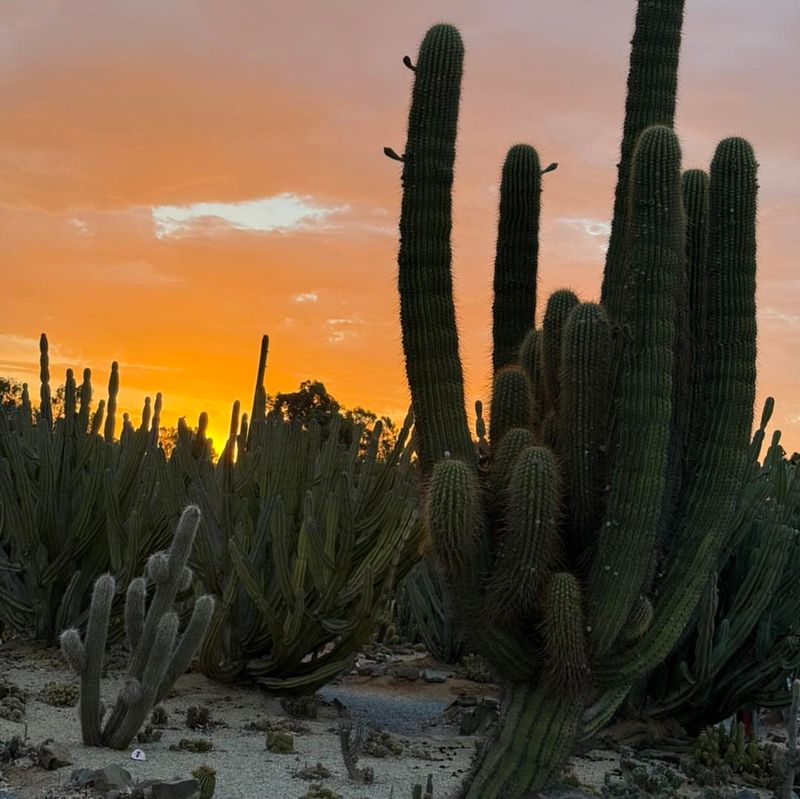
October in Arizona feels like a gift after the brutal summer. Temperatures finally start dropping, nights become comfortable, and plants begin recovering from months of intense heat stress.
Fall is also the season when many gardeners forget to adjust their watering schedules downward, which causes just as many problems as underwatering.
As daytime highs drop from the 90s into the 70s and 60s throughout October and November, your plants need noticeably less water. Established desert plants can shift back to weekly or every ten-day watering cycles.
Soil retains moisture much longer in cooler temperatures, so what worked in August will overwater your garden by November.
Fall is actually one of the best planting seasons in Arizona. Cooler temperatures and warm soil create ideal conditions for establishing new plants before winter.
Newly planted trees, shrubs, and perennials should be watered every two to three days for the first few weeks, then gradually reduced as roots settle in.
Lawns in Arizona go through a transition in fall. Bermuda grass starts going dormant as temperatures cool, while many homeowners overseed with ryegrass for a green winter lawn.
Freshly seeded ryegrass needs light, frequent watering, sometimes twice daily, until germination occurs. Once established, water it every three to four days through winter.
Adjusting your irrigation controller in fall is one of the most important maintenance tasks in Arizona. Reduce run times by twenty to thirty percent as October begins, and continue scaling back through November.
A well-adjusted system prevents waterlogged roots and keeps plants healthy heading into the cooler months.
6. How Soil Type Changes Your Watering Schedule
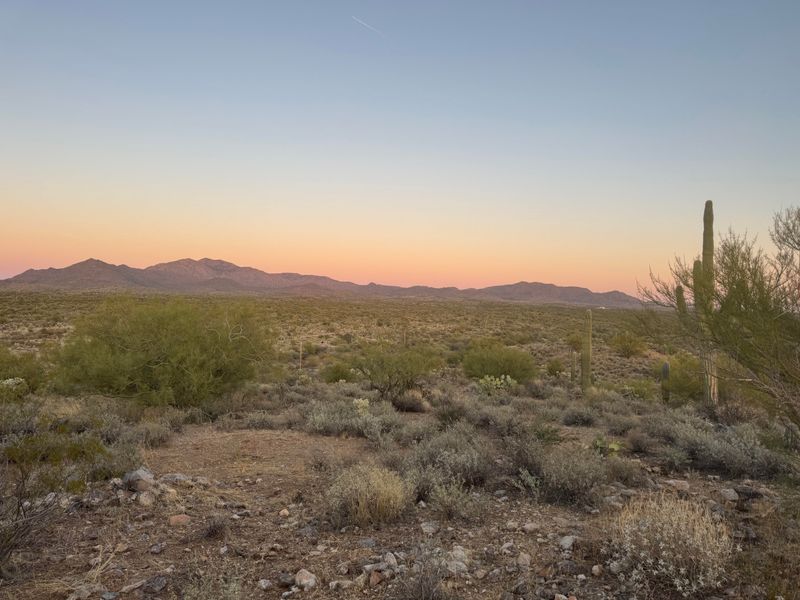
Soil type is one of the most overlooked factors in Arizona gardening, yet it controls everything about how often you need to water.
Arizona soil varies widely across the state, from sandy, fast-draining desert soil in Phoenix to clay-heavy ground in parts of Tucson and Flagstaff.
Knowing what you are working with changes your entire approach.
Sandy soil in Arizona drains extremely fast. Water passes through quickly, which means roots have a shorter window to absorb moisture before it disappears.
Gardeners with sandy soil often need to water more frequently but in shorter sessions. Adding compost and organic matter improves water retention significantly over time.
Clay soil holds water much longer, which sounds like a benefit but actually creates problems in Arizona. Overwatering clay soil leads to waterlogged roots, especially during monsoon season when rain adds to already saturated ground.
Plants in clay soil need less frequent watering, and the gap between sessions should be longer than sandy soil situations.
Caliche is another major soil challenge unique to Arizona. Caliche is a hardened calcium carbonate layer found beneath the surface that blocks drainage completely.
Water sits above caliche layers and can drown plant roots if you are not careful. Breaking through caliche when planting and adding gravel drainage layers helps prevent standing water issues.
A simple soil test can tell you a lot. Dig a hole twelve inches deep, fill it with water, and time how long it takes to drain.
Fast drainage under an hour means sandy soil. Slow drainage over four hours suggests clay or caliche.
Adjust your watering frequency based on what your soil actually does, not just what looks normal on the surface.
7. Container Plants Require A Different Watering Routine
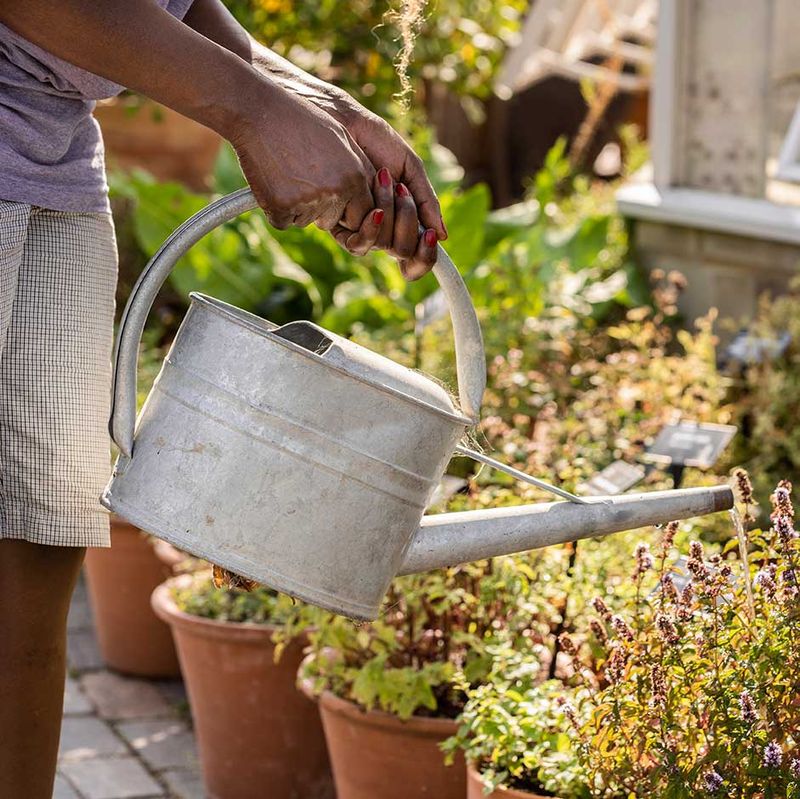
Container plants play by completely different rules than in-ground plants, especially in Arizona’s relentless heat. Pots heat up fast in direct sun, and that heat transfers directly to the roots.
A plant sitting in a black plastic pot on an Arizona patio in July can experience root zone temperatures that would shock even heat-tolerant species.
Watering frequency for containers in Arizona during summer can be as often as once or even twice daily for small pots in full sun.
Terracotta pots are beautiful but lose moisture through their walls quickly, which means more frequent watering compared to glazed ceramic or plastic containers.
Grouping pots together helps reduce individual moisture loss by creating a slightly more humid microclimate around them.
Checking soil moisture in containers requires a different method than garden beds. Push a finger one to two inches into the potting mix.
If it feels dry at that depth, water thoroughly until it drains from the bottom. If moisture is still present, wait another day before checking again.
Never water on a fixed schedule without actually testing the soil first.
Choosing the right potting mix matters enormously in Arizona. Standard potting soil holds too much moisture for succulents and cacti, while fast-draining cactus mix may dry too quickly for flowering annuals.
Match your potting mix to your plant type, and consider adding perlite to improve drainage for plants that hate wet feet.
Moving containers to afternoon shade during peak Arizona summer is one of the easiest ways to reduce watering frequency.
Even two to three hours of shade in the afternoon can cut moisture loss significantly and keep roots from overheating during the hottest part of the day.