The Indoor Herb Setup Everyone In Illinois Is Talking About

Illinois winters make growing fresh herbs outdoors nearly impossible, but that hasn’t stopped gardeners across the state from enjoying homegrown basil, mint, rosemary, and other favorites all year long.
In recent years, a simple yet highly effective indoor herb setup has become the go-to trend for Illinois homeowners who want fresh, vibrant flavors without battling freezing temperatures or snow-covered gardens.
This easy, budget-friendly system thrives even in low-light conditions, which makes it ideal for apartments, kitchen countertops, sunny windowsills, and cozy sunrooms throughout the Prairie State.
It’s convenient, beginner-friendly, and perfectly suited to the long winter months when gardeners crave something green and growing.
Here are ten fascinating facts about the indoor herb setup that has everyone in Illinois talking about winter gardening.
Why Illinois Winters Make Indoor Herb Gardens Essential
Harsh cold snaps and unpredictable snowstorms make outdoor gardening impossible for months across Illinois.
From November through March, temperatures regularly drop below freezing, leaving garden beds frozen solid and outdoor plants struggling to survive.
Fresh herbs from grocery stores can be expensive and often wilt within days of purchase.
Indoor herb setups solve this problem by bringing the garden inside where temperatures stay comfortable and controlled.
Windowsills, countertops, and shelving units become mini greenhouses that produce fresh flavors all winter long.
Illinois gardeners no longer have to choose between expensive store-bought herbs and going without their favorite seasonings.
The indoor setup protects delicate plants from frost, wind, and ice while providing consistent growing conditions.
Many Illinois homeowners have discovered they can grow more herbs indoors during winter than they ever could outside during summer.
The controlled environment means fewer pests, no weeds, and no weather-related surprises.
This setup has transformed how people think about winter gardening in the Midwest.
Instead of viewing cold months as a gardening break, Illinois residents now see winter as prime time for indoor herb production.
The convenience of snipping fresh basil or thyme just steps from the stove has made this system wildly popular across the state.
The Seven Herbs That Thrive In Illinois Indoor Setups
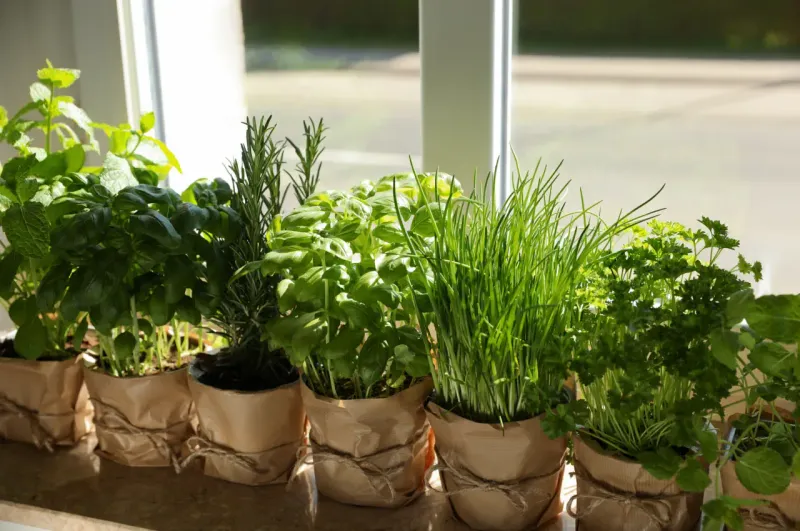
Basil tops the list as the most popular indoor herb for Illinois gardeners who crave fresh pesto and Italian dishes.
This warm-weather favorite actually grows better indoors during winter than outside during unpredictable spring weather.
Chives bounce back quickly after cutting and add mild onion flavor to everything from baked potatoes to scrambled eggs.
Parsley grows steadily indoors and provides both flat-leaf and curly varieties for different culinary needs.
Mint spreads enthusiastically in containers, making it perfect for indoor growing where it can’t take over the entire garden.
Thyme produces tiny leaves packed with flavor and tolerates the drier air common in heated Illinois homes.
Oregano develops stronger flavor when grown indoors under consistent conditions compared to outdoor plants stressed by weather changes.
Rosemary adapts well to indoor life and produces aromatic needles perfect for roasted vegetables and meat dishes.
These seven herbs share important characteristics that make them ideal for indoor growing throughout Illinois.
They tolerate lower light levels than fruiting plants like tomatoes or peppers.
Their compact root systems fit comfortably in standard pots without requiring huge containers.
Each herb produces usable leaves within weeks of planting, providing quick rewards for beginning gardeners.
The combination of these seven herbs covers most cooking needs and keeps Illinois kitchens stocked with fresh flavors all year.
Low-Light Solutions That Work In Illinois Homes
Many Illinois homes face north or have limited window space, creating challenges for traditional gardening.
The trending indoor herb setup addresses this issue with affordable grow lights that supplement natural sunlight.
LED grow lights have dropped dramatically in price over the past few years, making them accessible to average homeowners.
These specialized bulbs produce the exact light spectrum plants need for healthy growth without generating excessive heat.
A basic LED grow light setup costs less than dining out twice and lasts for years of continuous use.
Illinois gardeners report excellent results using grow lights for just 12 to 14 hours daily.
Simple timers automate the lighting schedule so herbs receive consistent light even when homeowners travel or work long hours.
South-facing windows provide the best natural light, but grow lights make any location viable for herb growing.
Basements, interior rooms, and north-facing kitchens all become potential herb gardens with proper lighting.
The lights mount easily above shelving units or attach to adjustable stands that position them at the perfect height.
Energy-efficient LED technology means the electricity cost stays minimal, usually just a few dollars monthly.
This lighting solution has removed the biggest barrier to indoor herb growing for Illinois residents.
No longer does success depend on having the perfect sunny window or ideal home orientation.
The Budget-Friendly Setup That Started The Trend
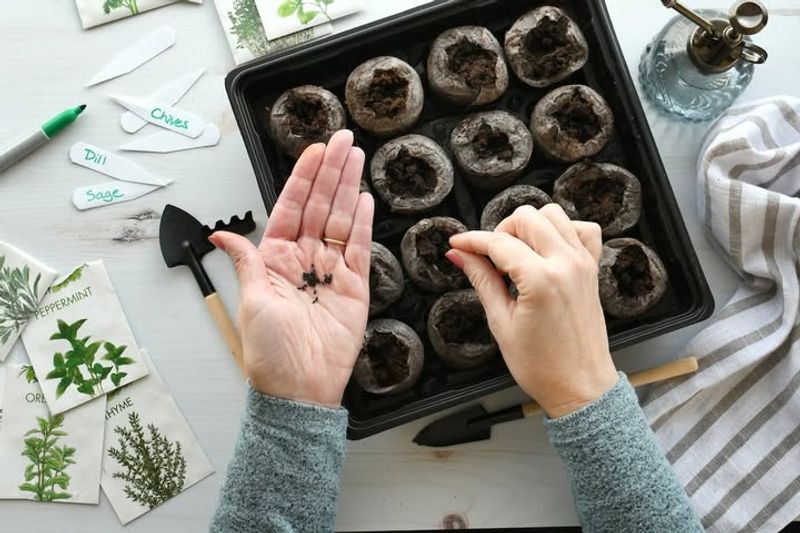
Illinois gardeners have embraced indoor herb growing partly because the startup costs remain surprisingly low.
Basic supplies include containers with drainage holes, potting soil, herb seeds or starter plants, and optional grow lights.
Recycled containers work perfectly well, from yogurt cups with holes poked in the bottom to old coffee cans.
A bag of quality potting mix costs around ten dollars and provides enough soil for a dozen herb pots.
Seed packets offer the most economical option, with each packet containing enough seeds to grow herbs for years.
Starter plants from garden centers cost slightly more but provide instant gratification with established growth.
The entire basic setup can be assembled for under fifty dollars, less than most people spend on groceries in a week.
Compared to buying fresh herbs at the store every week, the indoor setup pays for itself within two months.
Illinois homeowners appreciate that this hobby doesn’t require expensive equipment or specialized knowledge.
The simple approach focuses on meeting basic plant needs rather than creating complicated systems.
Many people start with just three or four herbs to test the process before expanding their collection.
This low-risk entry point has encouraged thousands of Illinois residents to try indoor herb growing for the first time.
The budget-friendly nature makes it accessible to renters, students, and families watching their spending carefully.
How Kitchen Windows Become Productive Garden Spaces
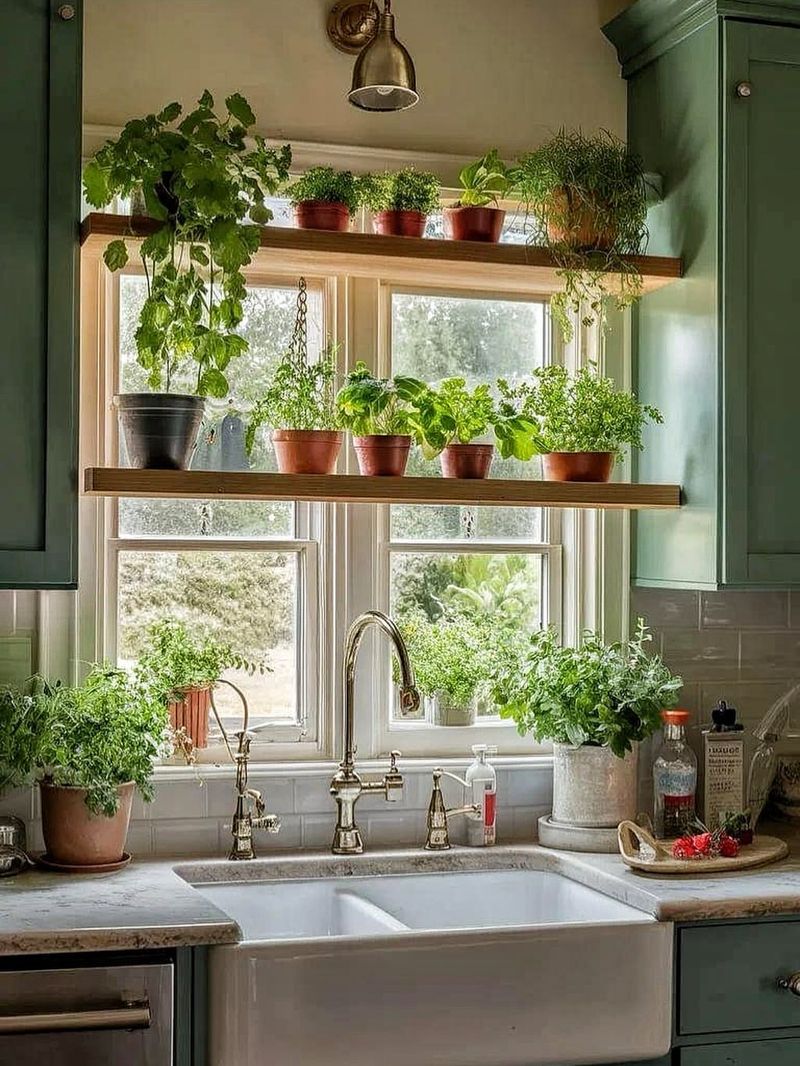
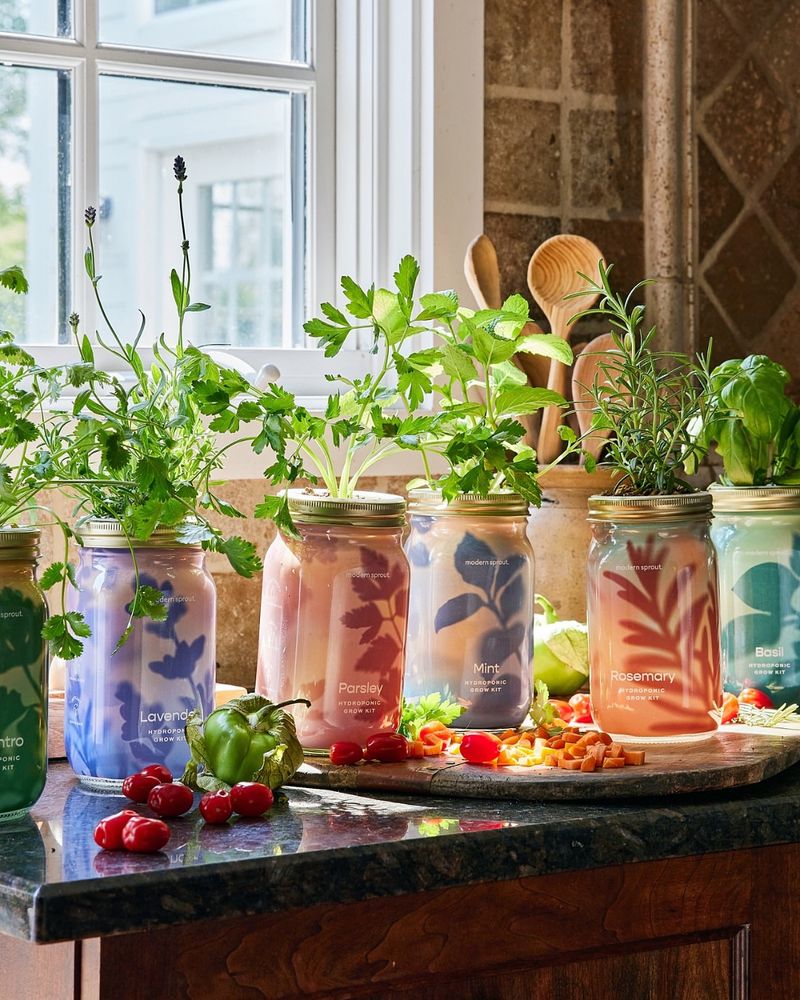
The kitchen window has emerged as the most popular location for indoor herb setups throughout Illinois.
Proximity to cooking areas means fresh herbs stay within arm’s reach when preparing meals.
Natural light from windows provides free energy for plant growth during the day.
Running water from the kitchen sink makes watering herbs quick and convenient.
Illinois gardeners have transformed ordinary windowsills into productive mini-farms that supply fresh seasonings daily.
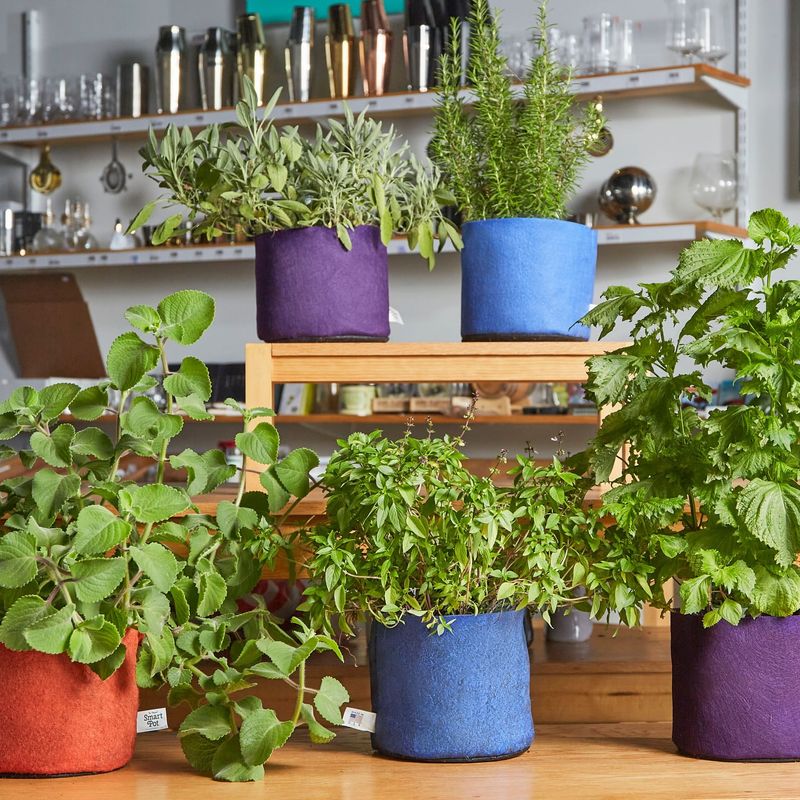
Tiered plant stands maximize vertical space, allowing multiple herb varieties to fit in a single window area.
Decorative pots and containers turn the functional herb garden into attractive kitchen decor.
The visual appeal of green growing plants brightens kitchens during gray Illinois winters.
Watching herbs grow and thrive provides a daily mood boost and connection to nature.
Children enjoy helping water plants and snipping herbs for family meals.
The kitchen location makes herb growing part of the daily routine rather than a separate chore.
Morning coffee time becomes an opportunity to check plant progress and pinch off fresh mint for tea.
Evening meal prep includes selecting which herbs to harvest for that night’s dinner.
This integration of gardening into normal kitchen activities has made the practice sustainable for busy Illinois families.
The window garden requires minimal extra time while providing maximum culinary benefits and visual enjoyment.
Temperature Control Advantages For Illinois Indoor Growers

Outdoor temperature swings in Illinois can stress plants and reduce herb production dramatically.
Spring nights might dip into the thirties while afternoons soar into the seventies, confusing plants about which season has arrived.
Indoor environments maintain steady temperatures that herbs prefer, typically between 65 and 75 degrees Fahrenheit.
This consistency allows plants to focus energy on leaf production rather than surviving temperature stress.
Basil particularly benefits from stable warmth, producing larger leaves with better flavor than outdoor plants facing cool nights.
Illinois homes naturally provide the Mediterranean-like conditions many popular herbs originally evolved to enjoy.
Central heating during winter keeps indoor spaces comfortably warm for both people and plants.
Air conditioning during summer prevents the extreme heat that can make outdoor herbs bolt and turn bitter.
The controlled environment eliminates the guesswork about when to plant or harvest based on weather forecasts.
Indoor herbs grow at predictable rates, making it easy to plan harvests around cooking needs.
Gardeners can start new herb plants any month of the year without worrying about frost dates or seasonal timing.
This year-round growing season has revolutionized herb gardening for Illinois residents.
The temperature stability indoors produces healthier plants with more robust flavor compared to stressed outdoor herbs.
Consistent growth rates mean a steady supply of fresh herbs rather than feast-or-famine harvests.
Watering Techniques That Prevent Common Mistakes
Overwatering causes more indoor herb failures than any other factor among Illinois gardeners.
Containers must have drainage holes to allow excess water to escape and prevent root rot.
The finger test provides a simple way to check soil moisture before watering.
Stick your finger one inch into the soil, and only water if it feels dry at that depth.
Most herbs prefer soil that dries slightly between waterings rather than staying constantly moist.
Illinois tap water works fine for herbs, though letting it sit overnight allows chlorine to dissipate.
Room-temperature water prevents shocking plant roots with cold liquid straight from winter pipes.
Watering from the bottom by placing pots in trays of water encourages deep root growth.
This technique also prevents water from splashing on leaves where it can cause fungal problems in humid indoor air.
Morning watering gives plants all day to absorb moisture before cooler nighttime temperatures arrive.
Herbs growing under lights may need water more frequently than those relying solely on window light.
The additional heat from grow lights increases evaporation and plant water uptake.
Checking plants every few days creates a routine that prevents both overwatering and drought stress.
Illinois gardeners have learned that slightly underwatering proves safer than overwatering since plants show thirst symptoms before serious damage occurs.
Harvesting Methods That Keep Plants Producing
Proper harvesting techniques encourage herbs to produce more leaves rather than flowering and declining.
The pinch-and-snip method removes just the top few inches of growth, promoting bushier plants.
Cutting stems just above a leaf node triggers the plant to send out two new branches from that point.
This creates fuller, more productive herbs compared to randomly pulling off leaves from various locations.
Illinois gardeners have learned to harvest regularly rather than waiting until plants become overgrown.
Frequent small harvests actually stimulate more vigorous growth than occasional large cuttings.
Most herbs can lose up to one-third of their foliage at once without suffering setbacks.
Morning harvesting captures herbs at peak flavor when essential oils concentrate in the leaves.
Clean scissors or pruning shears make neat cuts that heal quickly compared to tearing stems by hand.
Removing flower buds as soon as they appear keeps plants focused on leaf production.
Flowering signals the end of productive growth for many annual herbs like basil.
Pinching out these buds redirects plant energy back into making more flavorful leaves.
The continuous harvest cycle means Illinois kitchens always have fresh herbs available without overwhelming quantities to preserve.
Plants remain compact and manageable rather than becoming leggy and sparse.
This harvesting approach has helped Illinois indoor gardeners maintain productive herbs for months longer than expected.
Pest Prevention In Indoor Illinois Herb Gardens
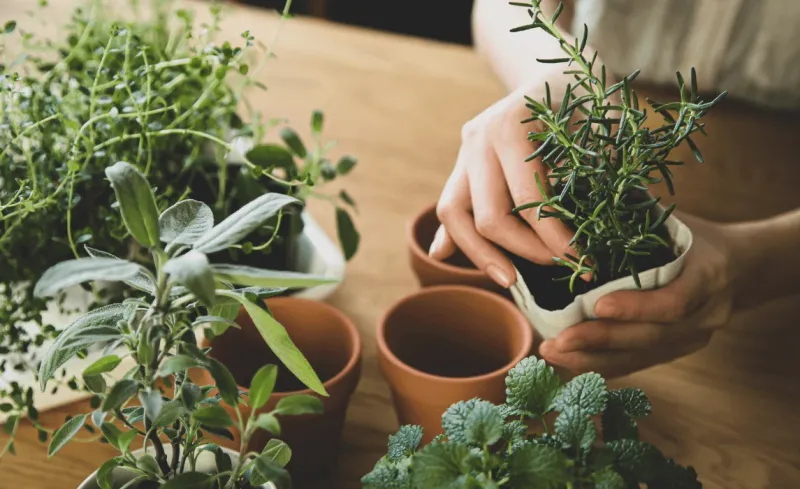
Indoor herb gardens face fewer pest problems than outdoor gardens, but prevention remains important.
Inspecting new plants carefully before bringing them inside prevents introducing pests to your collection.
Check the undersides of leaves and soil surface for tiny insects or webbing.
Quarantining new additions for a week allows time to spot any problems before mixing them with established herbs.
Good air circulation around plants discourages fungus gnats and other moisture-loving pests.
A small fan running on low speed strengthens plant stems while keeping air moving.
Illinois homes heated during winter can become quite dry, which actually helps prevent many common plant pests.
Spider mites and aphids struggle in low-humidity conditions that don’t bother herbs.
Keeping growing areas clean removes plant debris where pests might hide or breed.
Yellow sticky traps catch flying insects before populations explode into serious infestations.
These inexpensive cards hang near plants and monitor pest activity without using chemicals.
Neem oil spray provides organic pest control if problems do appear.
This natural product disrupts insect life cycles without leaving harmful residues on herbs you plan to eat.
Most Illinois indoor herb gardeners report minimal pest issues compared to outdoor growing.
The controlled environment and isolation from outdoor pest populations keeps herbs healthy and productive with little intervention needed.
Community And Social Media Sharing Among Illinois Herb Growers
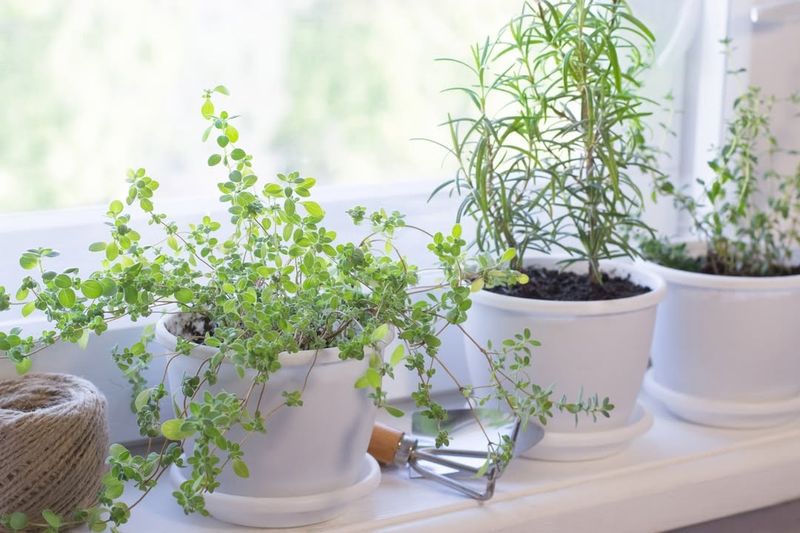
Social media has played a huge role in spreading indoor herb gardening enthusiasm across Illinois.
Facebook groups dedicated to Illinois gardening explode with photos of successful indoor herb setups during winter months.
Gardeners share tips about which varieties grow best, where to find supplies, and how to solve common problems.
This online community provides encouragement and troubleshooting advice that helps beginners succeed.
Seeing neighbors and friends post photos of fresh basil in January inspires others to start their own indoor gardens.
Local garden clubs have added indoor herb growing topics to winter meeting schedules.
Libraries throughout Illinois host workshops teaching the basics of indoor herb cultivation.
The shared knowledge has accelerated the learning curve for new indoor gardeners.
People discover creative solutions and shortcuts by learning from others’ experiences.
Recipe sharing has become intertwined with herb growing as gardeners post dishes featuring their homegrown ingredients.
This combination of gardening and cooking content creates engaging posts that inspire both hobbies.
The sense of community around indoor herb growing has made it more than just a practical way to get fresh seasonings.
Illinois residents have embraced it as a shared winter activity that connects people and brightens cold months with green growing things.