The Invasive Flowers You’ll Regret Planting In California Yards
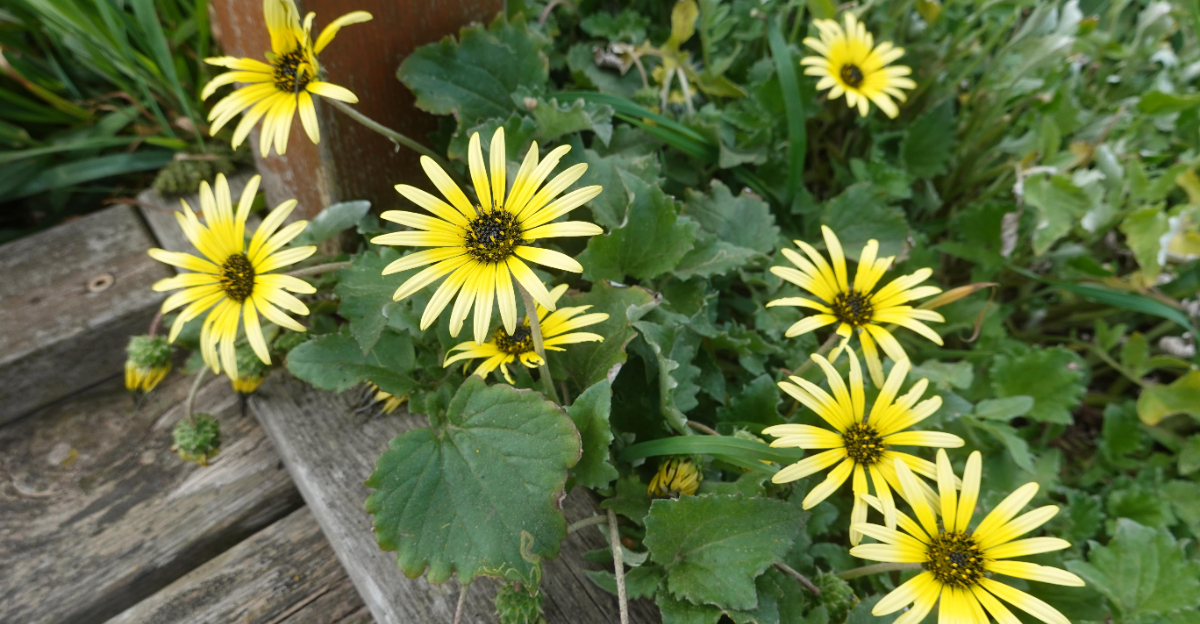
Some flowers arrive with gorgeous blooms and glowing nursery tags, then spend the next few seasons trying to conquer the entire yard. Cute at first.
Slightly terrifying later. California’s climate can give aggressive plants exactly the conditions they need to spread fast.
A flower that behaves politely elsewhere may become a full-blown garden menace once it settles into warm soil and a long growing season.
The trouble often begins quietly. A few extra seedlings appear, roots creep beyond the bed, and suddenly the plant is showing up where nobody invited it.
At that point, removal can feel less like gardening and more like a long-term negotiation.
That is why choosing flowers carefully matters so much. The prettiest option at the nursery is not always the friendliest one at home, especially when it has a talent for taking over every open patch of ground.
1. Mexican Daisy Spreads Far Beyond The Border
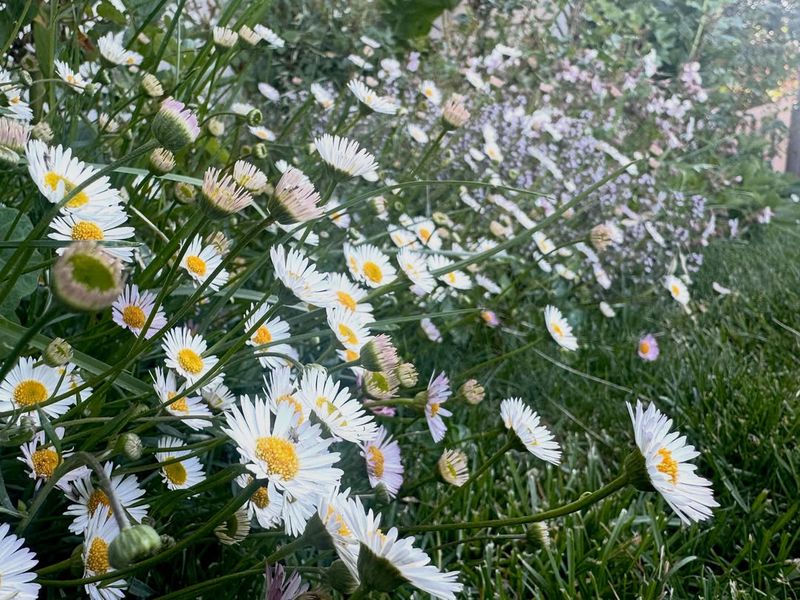
Walk through any older neighborhood in Southern or Central parts of California, and you will likely spot Mexican Daisy spilling over fences and sidewalks.
It looks harmless with its tiny white flowers and cheerful yellow centers. But do not let the size fool you.
This plant spreads aggressively through both seeds and root fragments. One small plant can turn into a large colony within a single growing season.
It grows in cracks, along roadsides, and in disturbed soil with very little water or care.
Gardeners often plant it as a low-maintenance ground cover, not realizing it will quickly escape the intended area.
Once it gets into native plant communities, it competes hard for light, water, and nutrients. Removing it takes repeated effort over several seasons.
If you already have it in your yard, hand-pulling before it sets seed is the most effective approach. Try to get the roots out completely, since broken pieces can regrow.
Replacing it with a native ground cover like yarrow or creeping sage gives you similar visual appeal without the spread.
Mexican Daisy is listed as invasive in many counties across the state. It may still be sold at some nurseries, so always check labels before buying. A little research now prevents a big problem later.
2. Gazania Can Escape Sunny Coastal Beds
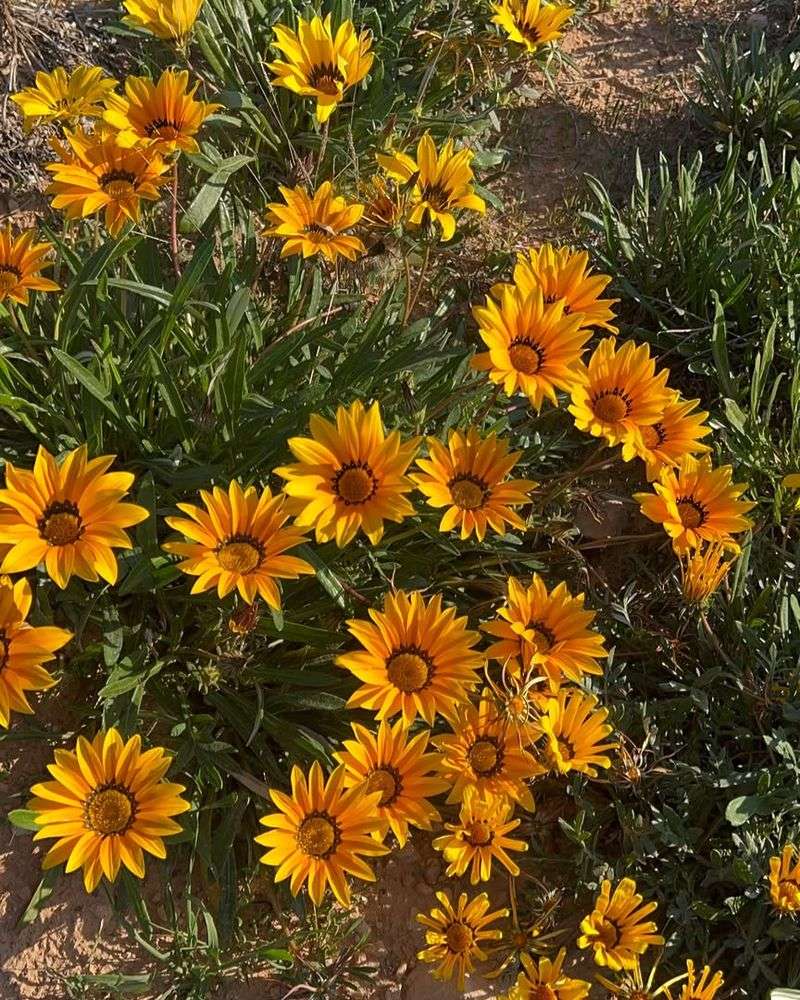
Gazania is one of those flowers that catches your eye at the garden center. The blooms are bold, the colors are vivid, and the plant handles drought like a champ.
It seems like the perfect choice for a sunny, dry yard near the coast. The problem is that it does not stay where you plant it.
Along coastal areas from San Diego up through the Bay Area, Gazania has naturalized in dunes, bluffs, and open grasslands.
It pushes out native plants that local wildlife depends on for food and shelter.
Seeds travel easily on the wind, and the plant roots quickly in sandy or disturbed soil. Even a single plant left to flower can spread dozens of seedlings across a wide area.
Once it gets into a natural area, it is very difficult to manage. Many coastal communities have organized removal efforts to pull Gazania from sensitive habitats.
Your California Garden Changes Every Week. Your Plan Should Too.
Gardening in California changes quickly throughout the season. Every Friday you’ll receive a simple weekly plan showing exactly what to plant, prune, fertilize, harvest, and protect so you never miss the right timing.
These projects take hundreds of volunteer hours every year. That is a big cost for what started as a garden flower.
If you love the look of bright, daisy-like blooms, consider planting native alternatives such as tidy tips or goldfields. Both are stunning in spring and support local pollinators.
They also stay where you plant them, which is a huge bonus for any gardener who wants beauty without the hassle.
3. Capeweed Turns Lawns Into A Seed Bank
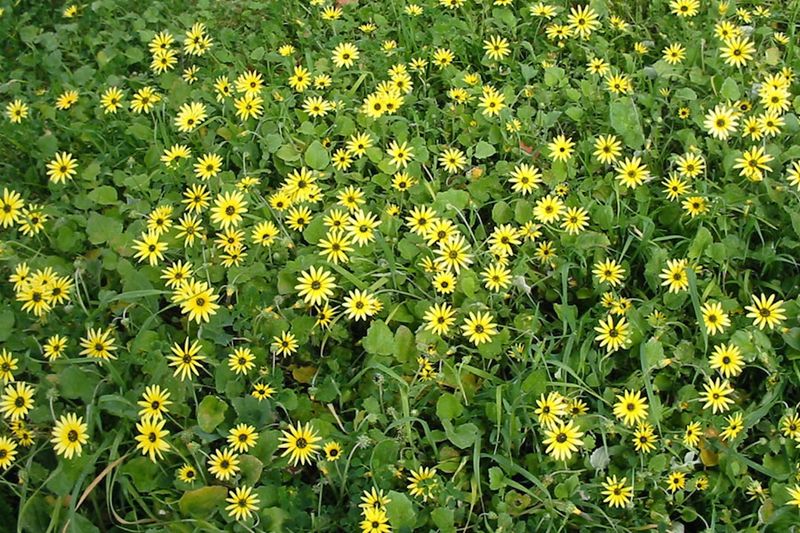
At first glance, Capeweed looks like a cheerful wildflower popping up in the grass. The yellow and white blooms are small and pretty, and the plant stays low to the ground.
Many homeowners do not even realize it is a weed until it has taken over a large section of the lawn.
Originally from South Africa, Capeweed arrived to California decades ago and has made itself very comfortable. It thrives in disturbed areas, roadsides, and lawns throughout the coastal and inland regions.
One plant can produce thousands of seeds each season, turning your yard into a seed bank for future infestations.
The seeds spread easily by wind, water, and even on shoes or pet fur. They can stay viable in the soil for several years, which means pulling the plant does not always solve the problem right away.
You may need to treat the area for multiple seasons to see real results.
Keeping your lawn healthy and dense is one of the best defenses against Capeweed. A thick turf makes it harder for seeds to find bare soil and germinate.
Regular mowing before the plant sets seed also helps slow its spread.
If you spot it early, hand-pulling works well when the soil is moist. Getting the taproot out in one piece is key to preventing regrowth.
Staying consistent with removal each spring gives you the best chance of keeping it under control.
4. Spanish Broom Flowers Before Taking Over
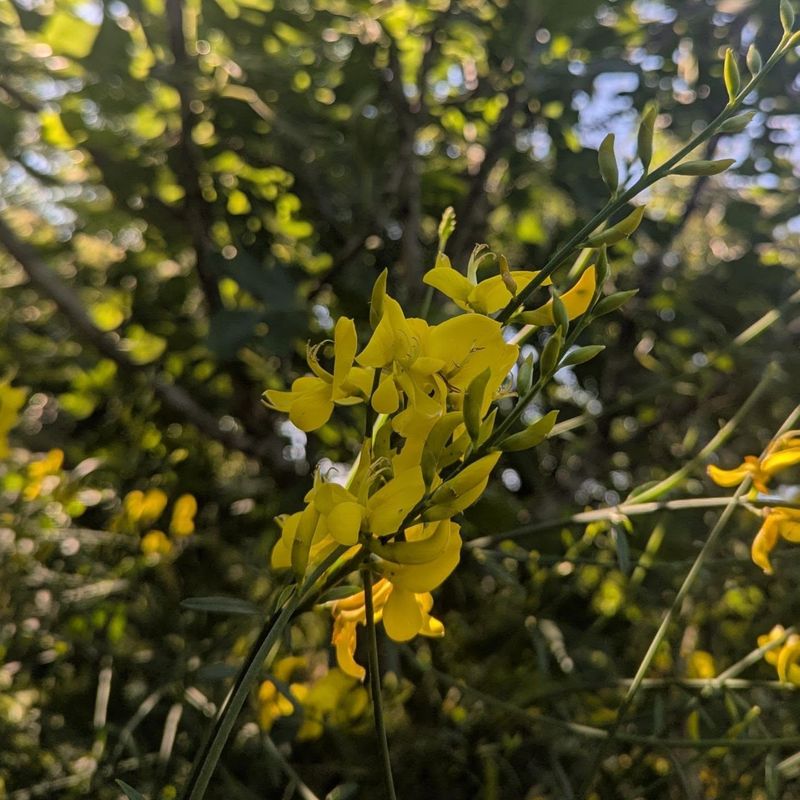
Few plants put on a show quite like Spanish Broom in full bloom. The bright yellow flowers cover every branch in spring, and the sweet scent can carry for quite a distance.
It looks like something you would find in a romantic European countryside painting.
But here, Spanish Broom is a serious problem. It grows fast, spreads aggressively, and produces large amounts of seeds that can remain viable in the soil for decades.
Once it gets established on a hillside or open slope, it crowds out native shrubs and grasses with ease.
It is especially common in foothill and mountain communities, where it has taken over large areas of chaparral habitat. The plant is also highly flammable when dry, which raises real concerns in fire-prone regions.
Many fire agencies have identified it as a threat to community safety.
Removing Spanish Broom requires cutting stems at the base and treating the cut with an appropriate herbicide to prevent resprouting.
Hand-pulling young plants before they develop thick roots is easier and more effective. Large infestations often require coordinated community removal efforts.
If you want a flowering shrub with a similar look, native options like Coyote Bush or Toyon offer seasonal interest and support local birds and insects.
They are tough, low-water plants that fit right into the natural landscape without taking it over.
5. Lantana Can Become A Problem In Mild Areas
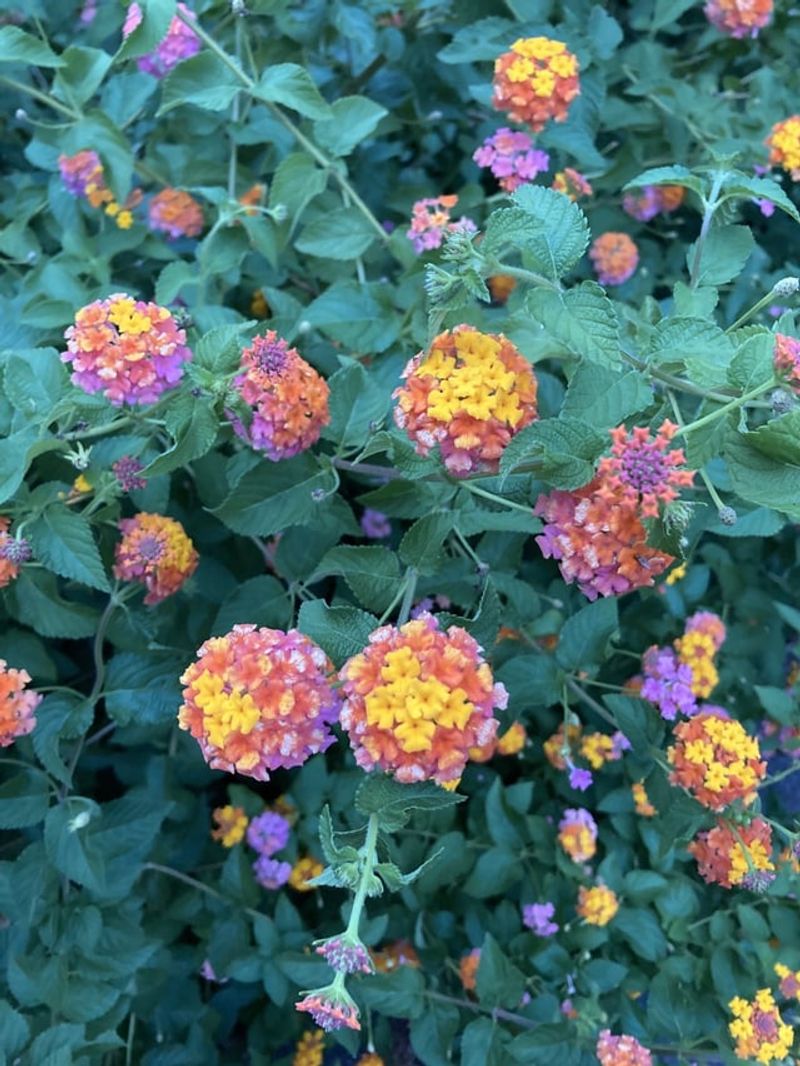
Lantana is one of the most popular flowering shrubs sold at garden centers across the country.
The clusters of tiny flowers come in a dazzling mix of colors, and the plant blooms almost nonstop in warm weather.
It handles heat and drought well, which makes it very appealing.
In cooler climates, Lantana behaves itself because frost cuts it back each winter. But in mild coastal and Southern regions where frost rarely visits, it can grow year-round without interruption.
That is where the trouble starts. Without a cold season to check its growth, Lantana can spread into natural areas and crowd out native vegetation.
Birds eat the small dark berries and spread seeds into wildlands, where the plant has been documented invading riparian zones and open scrublands.
It is listed as invasive in several Southern counties. The berries are also toxic to pets and children, so planting it near play areas or pet runs is not a great idea.
Many gardeners are surprised to learn this, since the plant is marketed so widely as a family-friendly garden staple.
If you love the long bloom season and heat tolerance, native plants like Woolly Blue Curls or Cleveland Sage offer similar benefits. Both are stunning, attract pollinators, and stay within reasonable boundaries.
Making the switch is easier than most gardeners expect, and the results are just as rewarding.
6. Red Valerian Self-Sows Into Cracks And Slopes
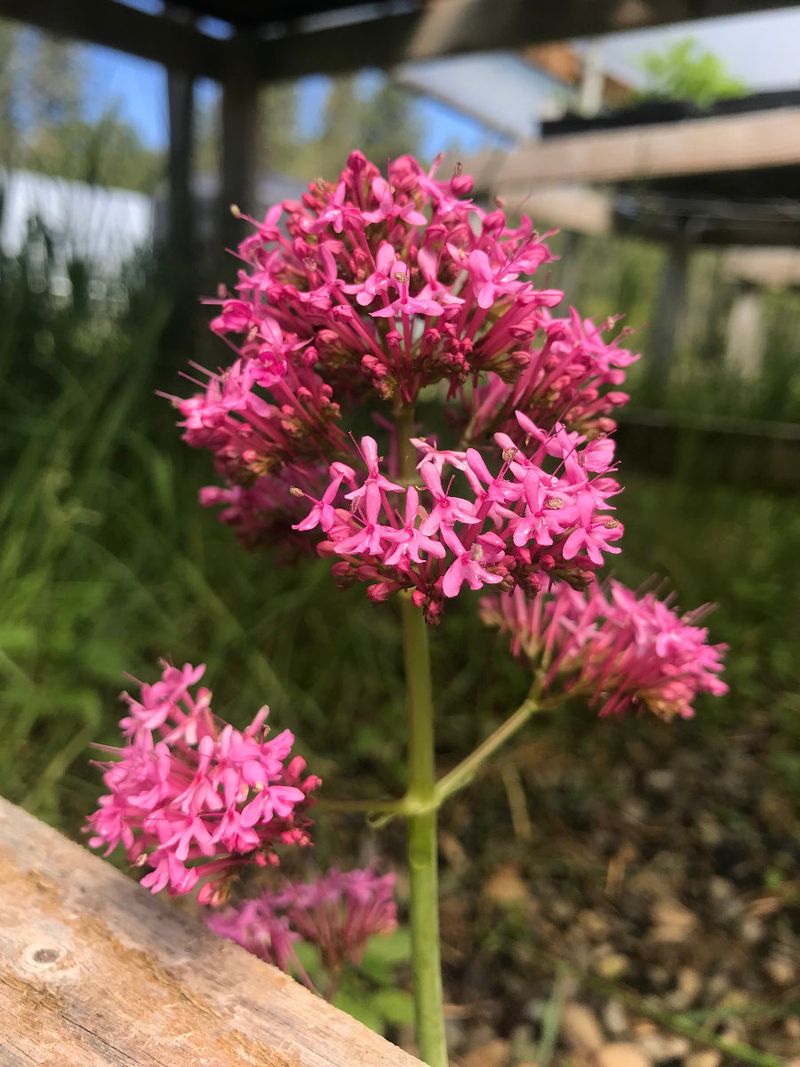
There is something charming about a plant that grows right out of a stone wall. Red Valerian does exactly that, and it looks beautiful doing it.
The rosy-red flower clusters bloom for months, and butterflies absolutely love them.
The charm fades, though, when you realize how freely this plant self-sows. A single plant can produce hundreds of feathery seeds that drift on the breeze and land in every crack, slope, and disturbed patch of soil nearby.
Before long, it shows up in places you never intended.
In mild coastal areas and warmer inland valleys, Red Valerian has naturalized along roadsides and in open fields.
It competes with native plants and can become very difficult to remove once it gets a foothold in rocky or sloped terrain.
Its deep taproot makes hand-pulling a real workout.
Deadheading spent flowers before they go to seed is the most effective way to keep it from spreading. Cut back the flower stalks regularly throughout the blooming season.
This takes some effort but makes a noticeable difference in how far the plant travels.
If you already have a large patch, repeated removal over two or three seasons is usually needed to see it decline.
Replacing it with native alternatives like penstemon or salvia gives you similar color and pollinator appeal.
Both plants are well-suited to the dry summers common across much of California.
7. Oxalis Looks Sweet Until It Spreads
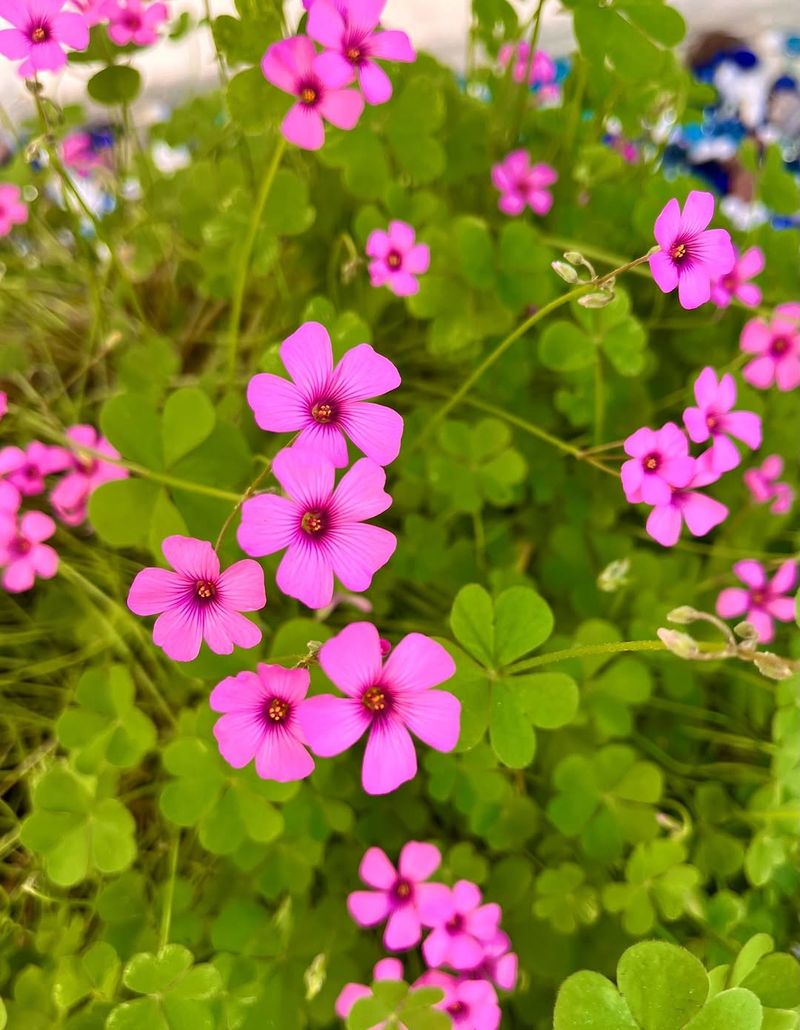
Oxalis has a reputation for being adorable. The little clover-shaped leaves and cheerful yellow or pink flowers make it look like something from a fairy tale garden.
Some gardeners even plant it on purpose, thinking it will stay neatly in one spot.
That is rarely what happens. There are many species of Oxalis, and several of them are notoriously hard to control.
The plant spreads through tiny bulblets that break off underground when you try to pull it out. Each little bulblet can grow into a new plant, which means digging often makes the problem worse.
It thrives in lawns, garden beds, and even container pots. It can squeeze in between other plants and slowly take over without much notice.
By the time most gardeners realize how far it has spread, it has already become a significant problem.
Removing Oxalis takes patience and persistence. Avoid tilling or digging deeply, since that spreads the bulblets around.
Smothering it with thick mulch or cardboard can help reduce populations over time, but it rarely works in just one season.
Some species, like Bermuda Buttercup, are considered invasive in parts of California and have been found in wildland areas beyond garden fences.
Checking with your local cooperative extension office can help you identify which species you have.
Knowing what you are dealing with makes removal much more effective and efficient.
8. Big Periwinkle Flowers While It Creeps
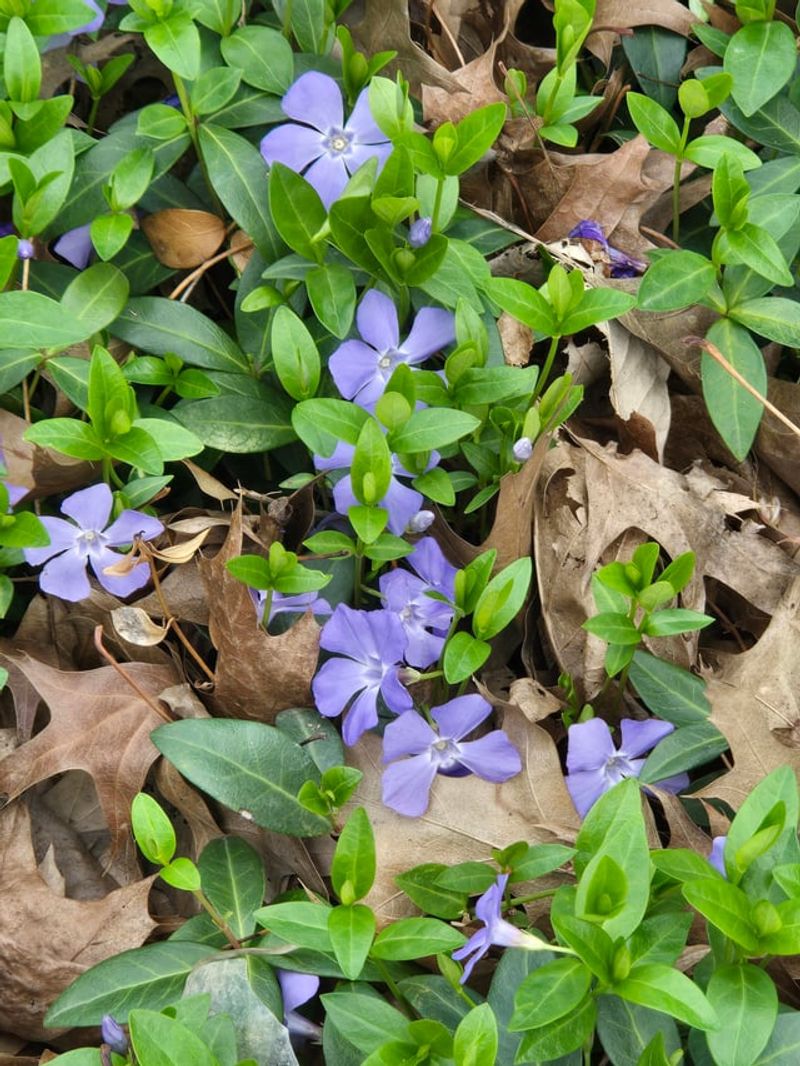
It seems like a dream come true for shady spots. Periwinkle covers the ground quickly, produces pretty purple-blue flowers in spring, and stays green year-round.
Many older gardens in California are full of it, planted decades ago before its invasive nature was widely understood.
The problem is that it spreads by long trailing stems that root wherever they touch the ground. It moves steadily outward from where it was planted, creeping into natural areas along stream banks, hillsides, and forest edges.
In shaded riparian zones, it forms dense mats that block out native plants entirely.
It has been documented invading wildlands, particularly in Northern regions where moist, shaded conditions suit it perfectly.
Once established in a natural area, it is extremely difficult to remove because every stem fragment left behind can sprout a new plant.
Large-scale removal efforts require repeated treatments over many years.
If you have Big Periwinkle in your yard, try to keep it contained by trimming back any stems that reach beyond your borders.
Never dump clippings in natural areas or green waste bins that go to compost facilities, since this can spread it further.
Bagging and disposing of it in the trash is the safer option. Native ground covers like Creeping Snowberry or Wild Ginger offer similar coverage in shady spots.
Both are low-maintenance, beautiful, and support local wildlife in ways that Big Periwinkle simply cannot match.
9. Peruvian Lily Can Spread Beyond The Bed
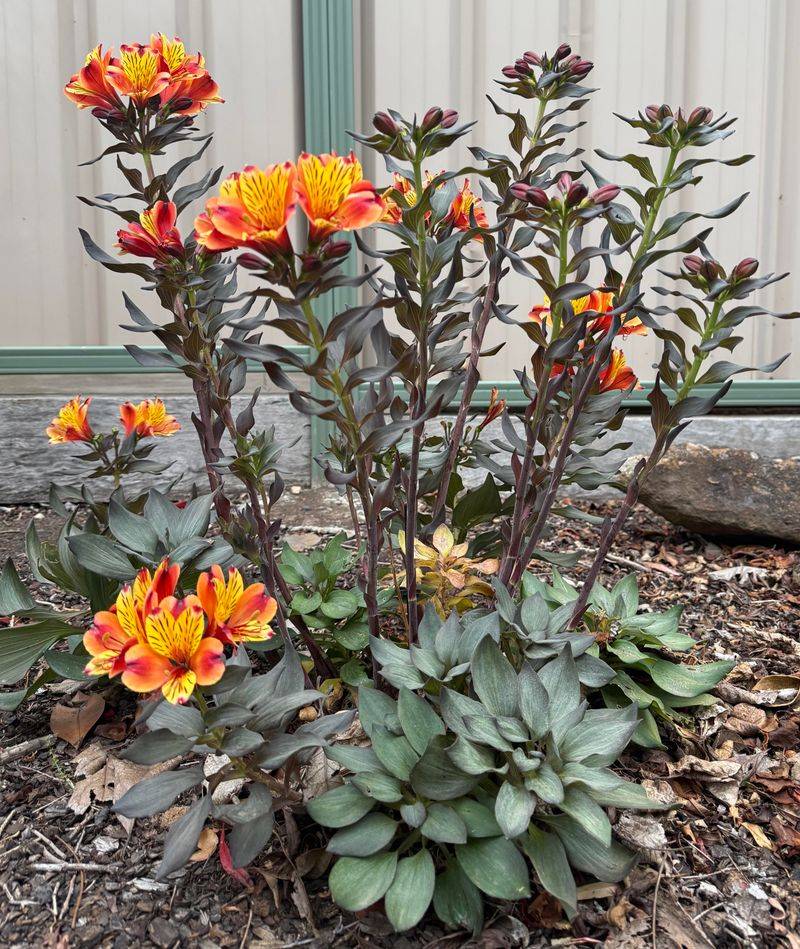
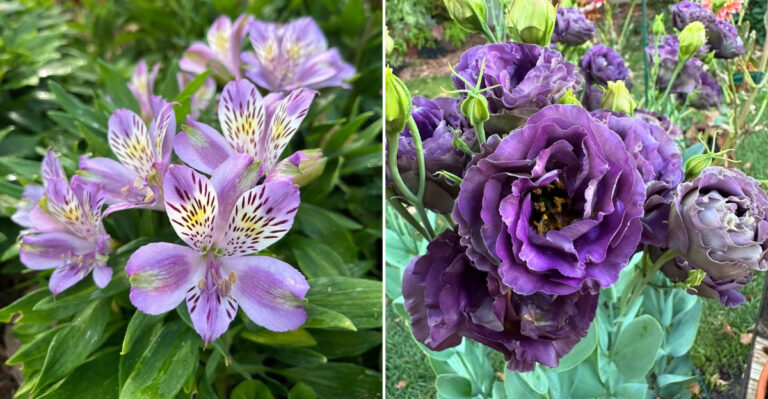
Peruvian Lily, also known as Alstroemeria, is a florist’s favorite. The flowers are long-lasting, colorful, and stunning in bouquets.
Many gardeners plant it thinking it will stay neatly in a bed and provide cut flowers all season long.
What they often discover is that the plant spreads through fleshy underground rhizomes that reach well beyond the original planting area.
In mild parts of the state, where the ground rarely freezes, those rhizomes keep growing year after year without any natural check. Over time, the plant can take over a large section of a garden.
In some cases, Peruvian Lily has escaped gardens and naturalized in disturbed areas near roadsides and coastal scrub.
It is not yet as widely flagged as some other plants on this list, but horticultural experts have raised concerns about its potential to spread further as the climate continues to warm.
Keeping it contained requires installing a root barrier around the planting area. Check the edges of the bed each season and remove any rhizomes that have crept beyond the barrier.
This takes only a few minutes each year but prevents a much bigger job later.
If you want long-blooming, cut-flower-worthy plants that stay in bounds, native options like Clarkia or Matilija Poppy are worth exploring.
Both are showstoppers in the garden and far less likely to wander into places they are not wanted.