The 7 Invasive Tree Pests Oregon Homeowners Should Watch For
Have you ever noticed unusual holes in your tree bark or tiny insects crawling around the leaves and wondered, “Is this normal or a problem?”
It can be tricky to tell, and sometimes by the time you notice, those little visitors have already caused damage.
Oregon’s trees face a few common threats that homeowners should keep an eye on, and spotting issues early can save a lot of time, money, and worry.
From beetles that bore into wood to tiny pests that munch on leaves, invasive insects can quietly take hold before anyone spots them.
The good news is that with a little awareness and some regular checks, it’s possible to protect your trees and keep your yard healthy.
By learning to recognize the signs of these pests, you’ll feel more confident caring for your trees. Even small actions, like inspecting branches or leaves, can make a big difference.
A little attention now can prevent bigger problems later and help your outdoor space stay vibrant and full of life.
1. Emerald Ash Borer
Ash trees are common in Oregon neighborhoods, lining streets and shading front yards with their graceful canopies.
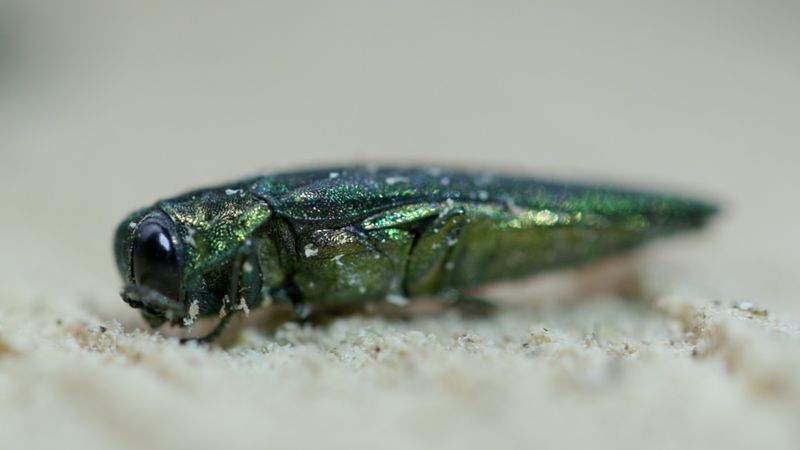
Unfortunately, they’re also the favorite target of the emerald ash borer, a metallic green beetle that’s been devastating ash populations across the country.
The adult beetles are small and pretty, but it’s the larvae that do the real damage, burrowing under the bark and cutting off the tree’s ability to move water and nutrients.
You might first notice that your ash tree’s canopy is thinning at the top, or that branches are dying back in odd patterns. Woodpeckers love to feast on the larvae, so if you see a lot of holes pecked into the bark, that’s a red flag.
Another telltale sign is D-shaped exit holes left by emerging adults, along with S-shaped tunnels visible if you peel back the bark.
Even subtle changes in leaf color or branch growth can signal trouble, so it’s worth keeping a close eye on your trees throughout the growing season.
This pest spreads through firewood, nursery stock, and even on vehicles, which is why Oregon has strict rules about moving ash wood. If you think your ash tree might be infested, contact the Oregon Department of Agriculture right away.
Early detection is critical, and there are treatment options available if you catch it in time. Don’t wait until the tree is completely gone—by then, it’s too late to save it.
Regular inspections and staying informed about local infestations can make a huge difference in protecting your neighborhood’s ash trees.
2. Asian Longhorned Beetle
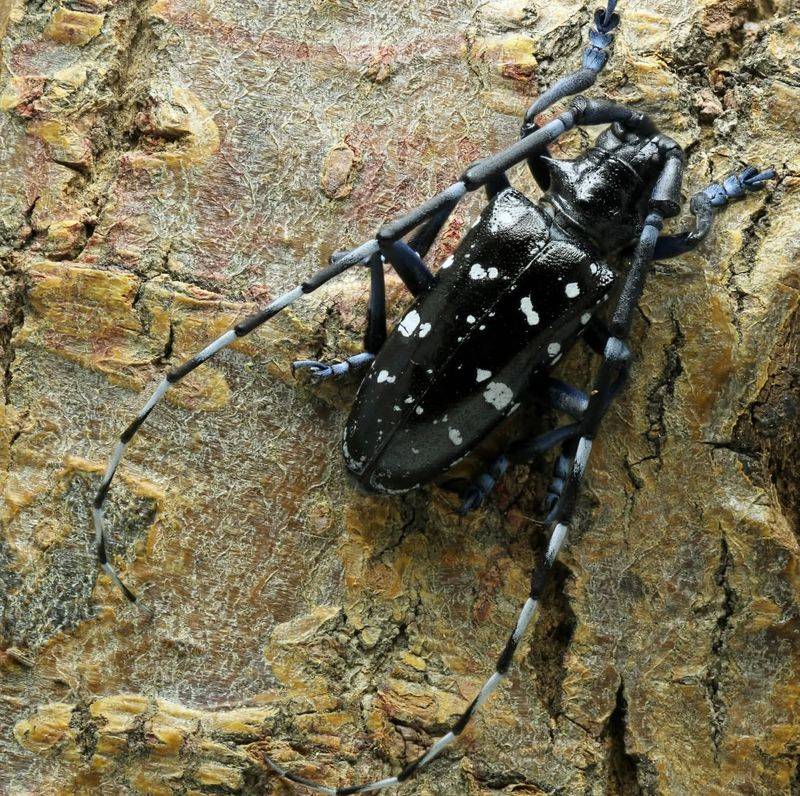
Picture a beetle the size of your thumb with long, striped antennae and a shiny black body dotted with white spots.
That’s the Asian longhorned beetle, and it’s one of the most destructive wood-boring insects on the planet.
It hasn’t been found in Oregon yet, but it’s been detected in other states, and experts are watching closely because it attacks a wide range of hardwood trees including maples, birches, willows, and elms.
The first thing homeowners usually spot is perfectly round exit holes about the size of a dime in the trunk or branches. You might also see sawdust-like material called frass collecting at the base of the tree or in branch crotches.
The beetles themselves are active in summer and fall, so that’s when you’re most likely to see them crawling on the bark or flying around.
Even small changes in leaf growth or branch dieback can hint at trouble, so it’s worth keeping a close eye on your trees throughout the warmer months.
This pest spreads mainly through infested wood products and firewood, which is why it’s so important to buy local firewood and never transport it across state lines.
If you ever see a beetle that matches this description, catch it if you can, take a photo, and report it immediately to the Oregon Department of Agriculture.
Early detection could prevent a full-blown infestation that would require quarantines and tree removals across entire neighborhoods. Staying vigilant and sharing information with neighbors can also help protect the wider community of trees.
3. Mediterranean Oak Borer
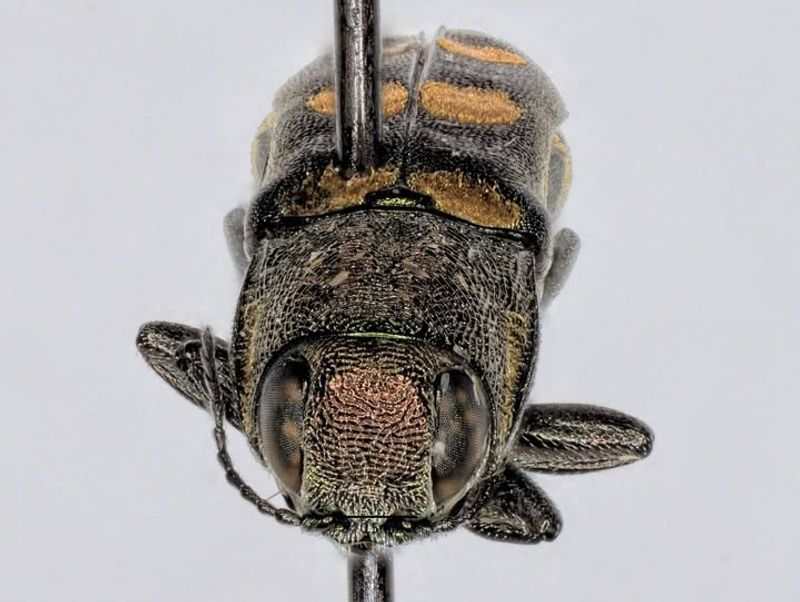
Oak trees are treasures in Oregon landscapes, offering shade, wildlife habitat, and that classic rugged beauty.
But there’s a beetle from Europe and North Africa that’s been quietly spreading through California, and it has its sights set on Oregon oaks.
The Mediterranean oak borer is a small, dark beetle whose larvae tunnel through the sapwood, weakening branches and sometimes killing entire trees over time.
Early symptoms are easy to miss because they look like general tree stress—leaves that wilt or turn brown, branches that die back slowly, or a canopy that just doesn’t look as full as it used to.
If you look closely at affected branches, you might see small, round exit holes and fine sawdust clinging to the bark.
The beetles prefer stressed or weakened trees, so drought-damaged oaks are especially vulnerable. Even minor cracks in the bark or unusual leaf drop can be early warning signs, so paying attention to small changes can make a big difference.
This pest spreads through infested firewood and nursery stock, so always inspect oak trees before you buy them and avoid moving oak wood from infested areas. If your oak tree starts declining for no obvious reason, have it inspected by a certified arborist who can look for signs of boring insects.
Reporting suspected infestations to Oregon State University Extension or ODA helps track the pest’s movement and protects other oaks in your community.
Staying proactive not only protects your trees but also helps preserve Oregon’s beautiful oak-lined streets and natural areas for everyone to enjoy.
4. Goldspotted Oak Borer
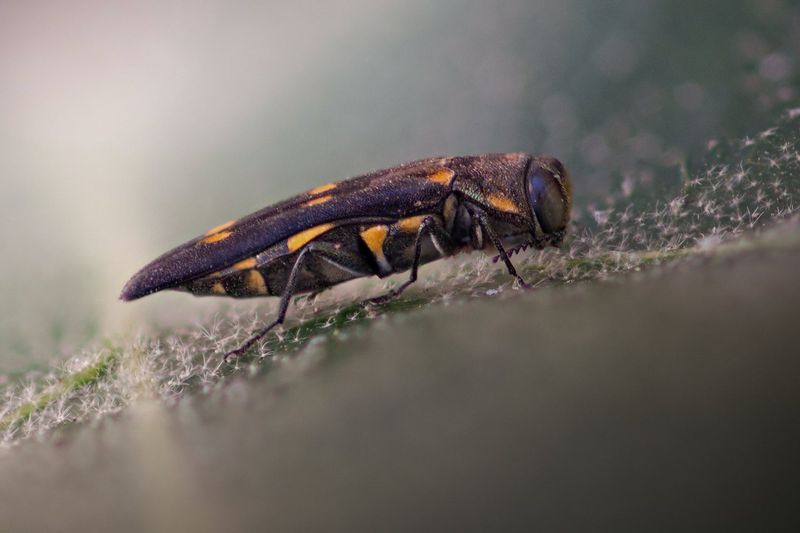
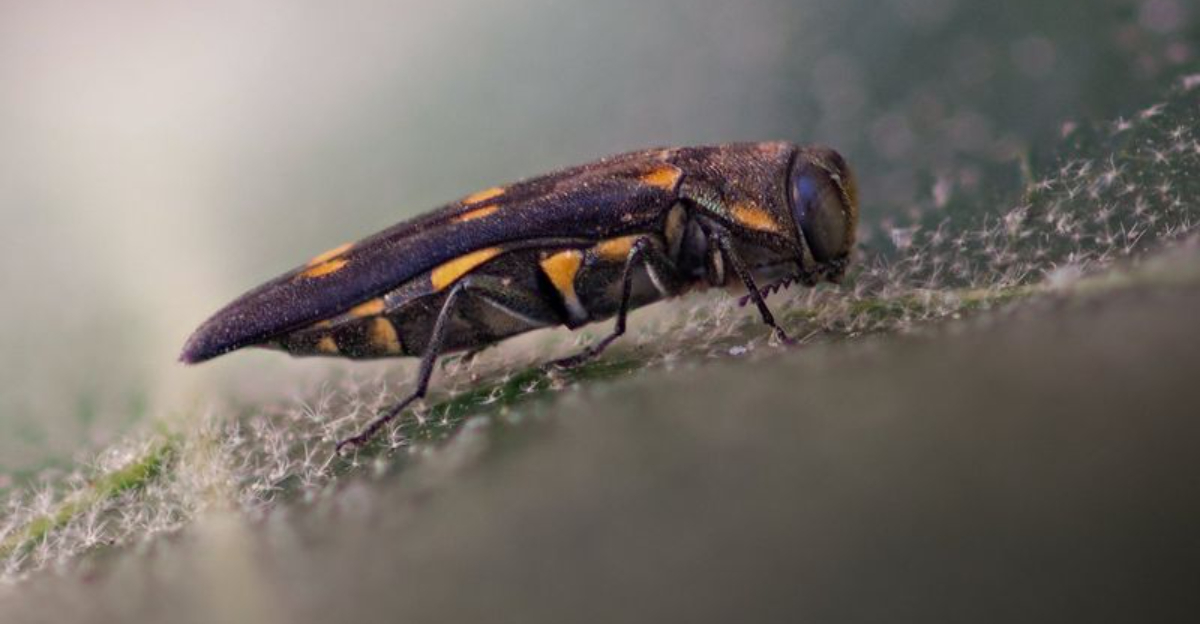
Another oak-killing beetle that Oregon homeowners need to know about is the goldspotted oak borer, a small, dark beetle with distinctive gold spots on its wing covers.
Native to southeastern Arizona, it’s been causing serious damage to oak trees in southern California, and there’s concern it could hitch a ride north on firewood or infested wood products.
What makes this pest particularly sneaky is that by the time you notice symptoms, the tree is often heavily infested.
You might see branches dying in the upper canopy, bark that’s stained dark from sap oozing out, or patches of bark that peel away to reveal winding galleries carved by the larvae.
Woodpeckers often strip away bark to get at the larvae, leaving large areas of exposed wood that look almost sculpted.
The beetles lay eggs in bark crevices, and the larvae burrow into the sapwood, disrupting the tree’s ability to transport water and nutrients. Trees usually decline over several years, but stressed trees can die much faster.
The best defense is prevention—never move oak firewood from infested areas, and keep your oak trees healthy through proper watering and mulching.
If you see unusual dieback or bark damage on your oaks, contact a local arborist or the Oregon Department of Agriculture for identification and guidance on next steps.
5. Spongy Moth
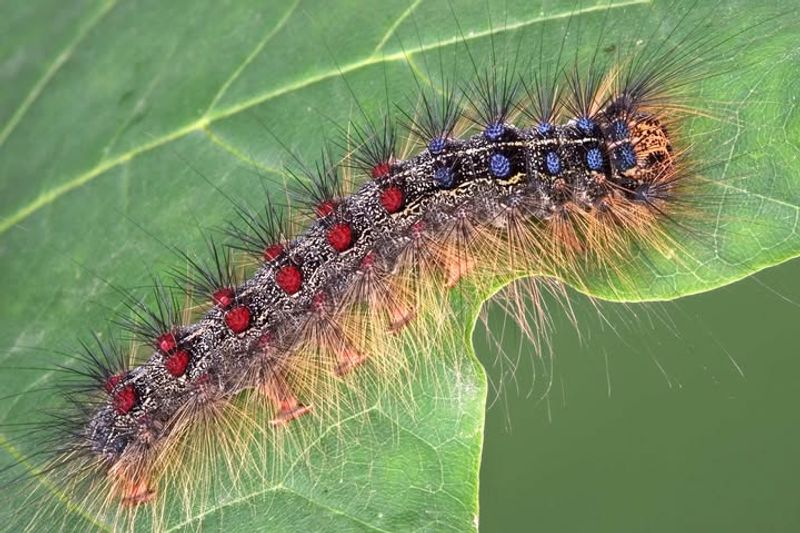
You might know this pest by its old name, gypsy moth, but it’s now officially called the spongy moth.
It’s a defoliating insect that’s already established in parts of the eastern United States and has been caught in traps in Oregon multiple times, which means we’re on high alert.
The caterpillars are voracious eaters, capable of stripping entire trees bare in just a few weeks when populations explode.
The first sign of trouble is usually the caterpillars themselves—fuzzy, with blue and red spots running down their backs, often seen crawling up tree trunks or dangling from branches on silken threads.
You might also notice ragged, chewed leaves or hear a faint sound like rain, which is actually caterpillar droppings hitting the ground.
The moths lay tan, fuzzy egg masses on tree bark, firewood, outdoor furniture, and even vehicles, which is how they spread to new areas.
While one year of defoliation usually won’t kill a healthy tree, repeated attacks weaken trees and make them vulnerable to disease and other pests. If you see egg masses, scrape them into soapy water to kill them.
If you find caterpillars or moths, report them to the Oregon Department of Agriculture immediately.
Oregon has an active trapping and eradication program, and your quick report could help stop an infestation before it gets out of control.
6. Bronze Birch Borer
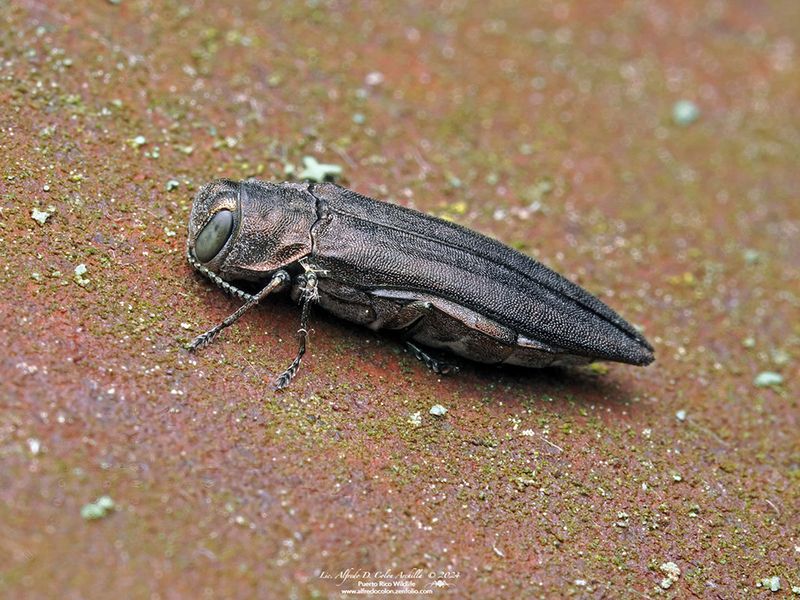
Birch trees are beloved in Oregon for their white bark and delicate leaves that shimmer in the breeze, but they’re also targets for the bronze birch borer, a native pest that becomes a serious problem when trees are stressed by heat, drought, or poor planting conditions.
The adult beetles are slender and metallic bronze, but it’s the larvae that do the damage, tunneling just under the bark and cutting off the flow of nutrients and water.
The top of the tree usually shows symptoms first—branches die back, leaves turn yellow or brown, and the canopy thins out noticeably. If you peel back some bark on a declining branch, you might see winding, serpentine galleries packed with sawdust.
Another clue is D-shaped exit holes, similar to those left by the emerald ash borer, but on birch trees instead of ash.
This pest spreads when adult beetles fly to new trees, so keeping your birches healthy is the best defense. Water them deeply during dry spells, mulch around the base, and avoid wounding the bark with lawn equipment.
If you notice dieback starting, have the tree inspected quickly—sometimes you can save it with proper care and targeted treatments. If the tree is too far gone, remove it promptly to prevent the beetles from spreading to other birches in your yard or neighborhood.
7. Japanese Beetle
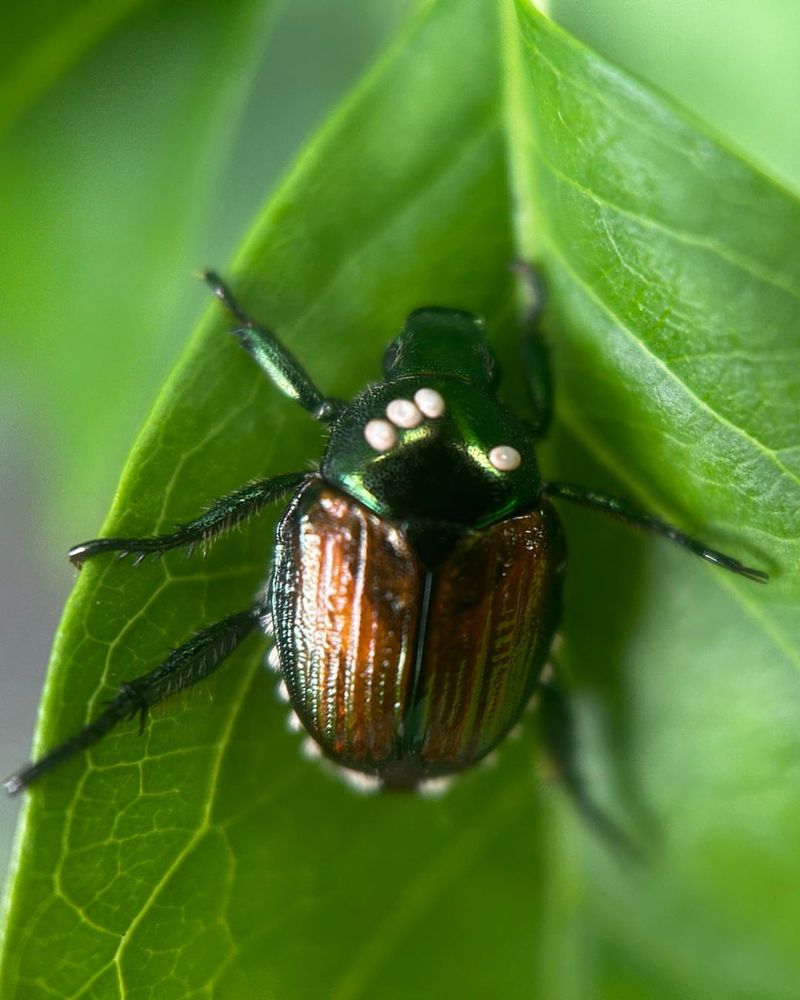
Japanese beetles are small but mighty when it comes to plant damage, and while they’re not widespread in Oregon yet, they’ve been detected in the state and are considered a serious threat.
These beetles are easy to identify—metallic green bodies with coppery-brown wing covers and tufts of white hair along the sides.
Both adults and larvae cause problems, with adults skeletonizing leaves and larvae feeding on grass roots.
You’ll usually notice the adults first, often feeding in groups on roses, fruit trees, maples, birches, and many other plants. They eat the soft tissue between the leaf veins, leaving behind a lacy skeleton that looks almost decorative until you realize your whole tree is being devoured.
The beetles are most active in summer, and on warm days you might see dozens of them clustered on a single plant.
Japanese beetles spread through infested soil, nursery plants, and even on vehicles, so inspect any plants you bring home and report any beetles you find to the Oregon Department of Agriculture.
Oregon has an active detection and eradication program, and early reports help prevent these pests from establishing permanent populations.
If you find them in your yard, hand-picking in the morning when they’re sluggish can help, but the most important thing is to report them so officials can take action to protect Oregon’s trees and gardens from a full-scale invasion.