The January Planning Errors That Cost Oregon Gardens All Season
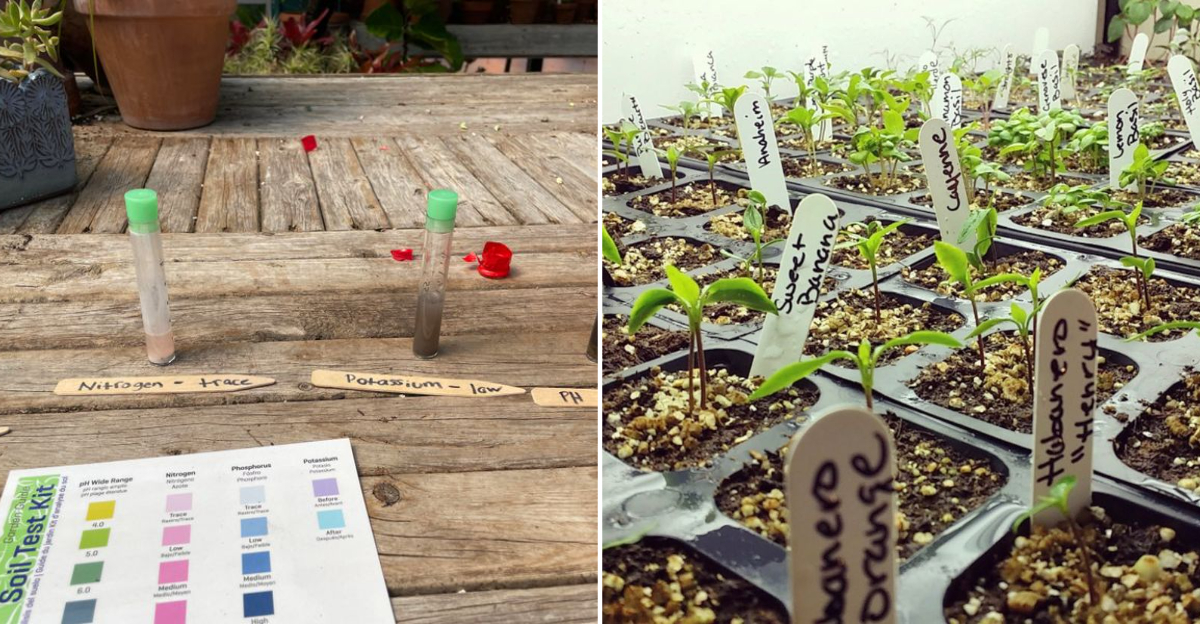
January might feel quiet in Oregon gardens, but the choices made now can make or break the entire growing season.
A few small planning mistakes this month can ripple through spring, summer, and even fall, leaving gardeners frustrated with crowded beds, struggling plants, or disappointing harvests.
Skipping soil prep, planting too early, or not thinking about sunlight and spacing might seem minor, but these errors can cost time, money, and energy later.
Even experienced gardeners sometimes fall into the trap of rushing into spring without a clear plan, only to realize weeks later that some plants are overcrowded or certain beds aren’t getting enough light.
By paying attention in January and thinking ahead, it’s possible to avoid common pitfalls and give your garden the best chance to thrive.
Simple steps like mapping out plant placement, checking soil quality, and planning for crop rotation can save headaches and improve yields.
Avoiding these early mistakes means healthier plants, fuller blooms, and tastier fruits and vegetables all season long.
1. Ignoring Soil Testing Before Spring Planting
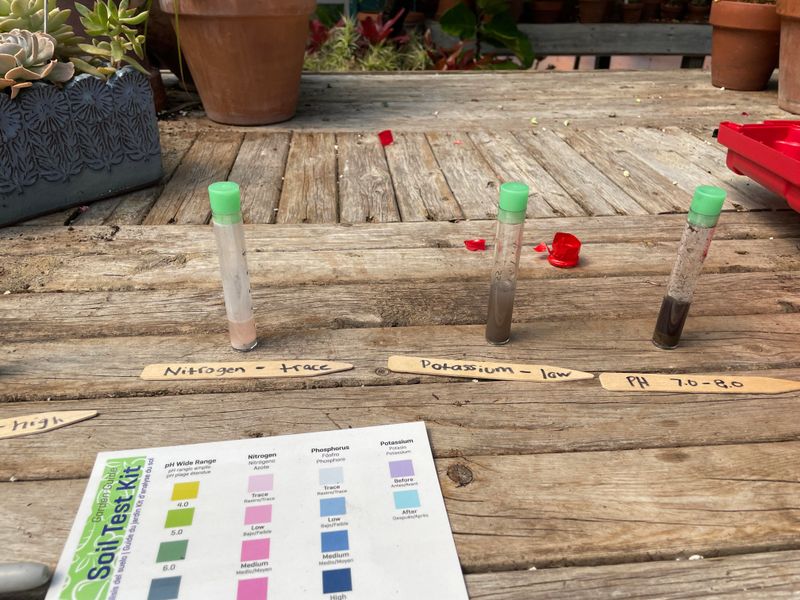
Most gardeners wait until March or April to think about their soil, but by then it’s already too late to make meaningful changes. January gives you the perfect window to test your soil and understand what nutrients your garden actually needs.
Oregon soils vary wildly depending on where you live, from acidic coastal areas to alkaline eastern regions.
When you skip soil testing in January, you end up guessing what amendments to add in spring. This guesswork often leads to imbalanced pH levels or nutrient deficiencies that show up as yellowing leaves, stunted growth, or poor fruit production.
By the time you notice these problems, you’ve already lost weeks of growing time.
Testing now gives you time to order the right amendments and apply them before the ground warms up. Lime takes months to adjust pH levels, so adding it in January means it will be ready when planting season arrives.
Compost and other organic matter also need time to break down and integrate into your soil structure.
You can pick up soil test kits at local extension offices or order them online. The small investment pays off with healthier plants and better harvests all season long.
2. Failing To Order Seeds And Starts Early Enough
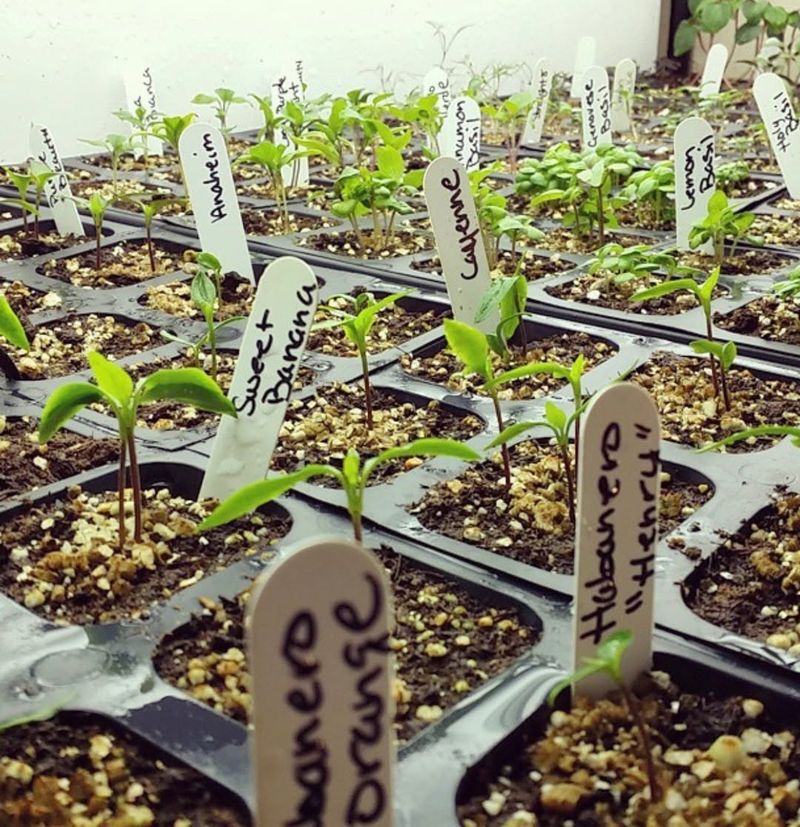
Picture this: March arrives, the weather warms up, and you suddenly remember you need seeds. You rush to the garden center only to find that the best varieties are already sold out.
This scenario plays out in Oregon gardens every single year, and it all comes down to poor January planning.
Seed companies and nurseries take orders on a first-come basis, and the most popular varieties disappear fast. Heirloom tomatoes, specialty peppers, and unique flower varieties often sell out by February.
When you wait too long, you end up settling for whatever is left rather than growing what you really want.
January is when serious gardeners sit down with seed catalogs and plan their entire season. They choose varieties suited to Oregon’s climate zones and order everything at once.
This approach ensures you get exactly what you want and gives you time to start seeds indoors at the right moment.
Beyond just availability, early ordering also helps you budget properly. Spreading out your garden expenses over several months feels much better than one big bill in March.
Plus, when those seed packets arrive in January, they remind you to prepare other aspects of your garden.
3. Neglecting To Prune Fruit Trees At The Right Time
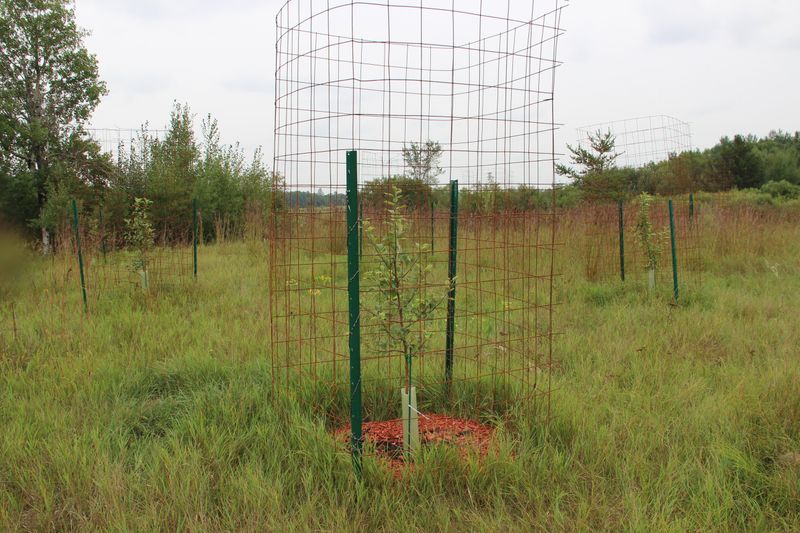
Fruit trees in Oregon need pruning during their dormant period, and January sits right in the sweet spot for this essential task. Many gardeners assume they can prune anytime before spring, but waiting until February or March often means you’ve missed the ideal window.
Sap starts rising earlier than most people think, especially during mild Oregon winters.
When you prune too late, trees lose valuable energy through the cuts. This energy should go toward producing fruit and new growth, not healing wounds.
Late pruning also increases the risk of disease because cuts don’t have time to seal properly before warm, wet spring weather arrives.
January pruning shapes your fruit trees for the entire growing season. Proper cuts improve air circulation, which reduces fungal problems common in Oregon’s damp climate.
Opening up the canopy also allows sunlight to reach developing fruit, leading to better flavor and color.
The work takes only a few hours per tree but impacts your harvest for years to come. Focus on removing dead branches, crossing limbs, and any growth pointing toward the tree’s center.
Clean, angled cuts heal faster and look more professional than jagged tears.
4. Overlooking Irrigation System Maintenance And Planning
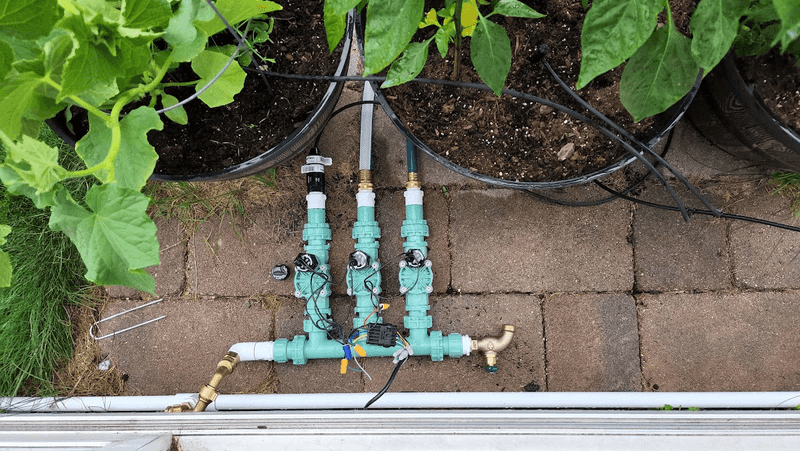
Your irrigation system sits idle all winter, and most gardeners don’t give it a second thought until they turn it on in April. By then, cracked pipes, clogged emitters, and broken timers reveal themselves as expensive emergencies.
January offers the perfect opportunity to inspect, repair, and upgrade your watering system before the rush of spring.
Oregon winters can be surprisingly hard on irrigation equipment. Freezing temperatures crack PVC pipes and damage backflow preventers.
Mice and other small creatures sometimes chew through drip lines looking for moisture. Checking everything now means you can order replacement parts at your leisure rather than paying rush shipping fees.
This month also gives you time to rethink your irrigation layout. Maybe last year’s vegetable garden struggled with uneven watering, or your new fruit trees need dedicated drip lines.
Drawing up plans in January means you can install improvements before planting begins.
Don’t forget about rain barrels and collection systems either. January maintenance ensures they’re ready to capture spring rainfall.
A little time spent now prevents the frustration of discovering problems when your newly planted seedlings desperately need water.
5. Missing The Window For Winter Vegetable Succession Planting
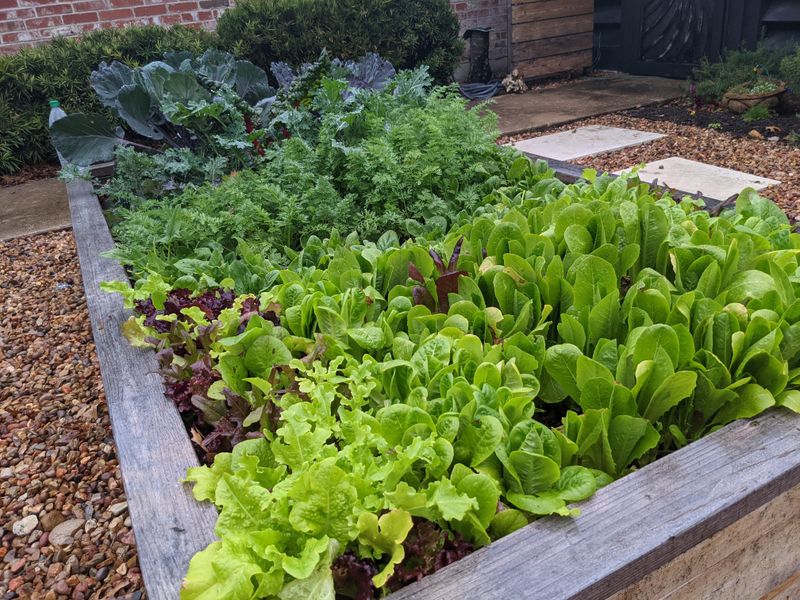
Oregon’s mild winters allow for year-round vegetable gardening if you plan correctly. January is actually prime time for starting certain cold-hardy crops that will mature in early spring.
Gardeners who think January is too early for any planting miss out on delicious harvests of peas, spinach, and broad beans.
These cool-season crops need to establish roots while the soil is still cold. When planted in January under cloches or in cold frames, they develop strong root systems that support vigorous growth once temperatures rise.
Waiting until March means your plants mature during hot weather, which causes bolting and bitter flavors.
Succession planting is the secret to continuous harvests, and January starts this cycle. Plant a small amount now, then more every two weeks through early spring.
This staggered approach means you’ll have fresh vegetables for months rather than one overwhelming harvest that you can’t possibly eat fast enough.
The strategy requires minimal effort but maximum planning. You need to know what varieties tolerate cold, where to plant them, and how to protect young seedlings from heavy rain.
Figuring this out in January sets you up for success rather than scrambling later.
6. Skipping Tool Maintenance And Inventory Checks
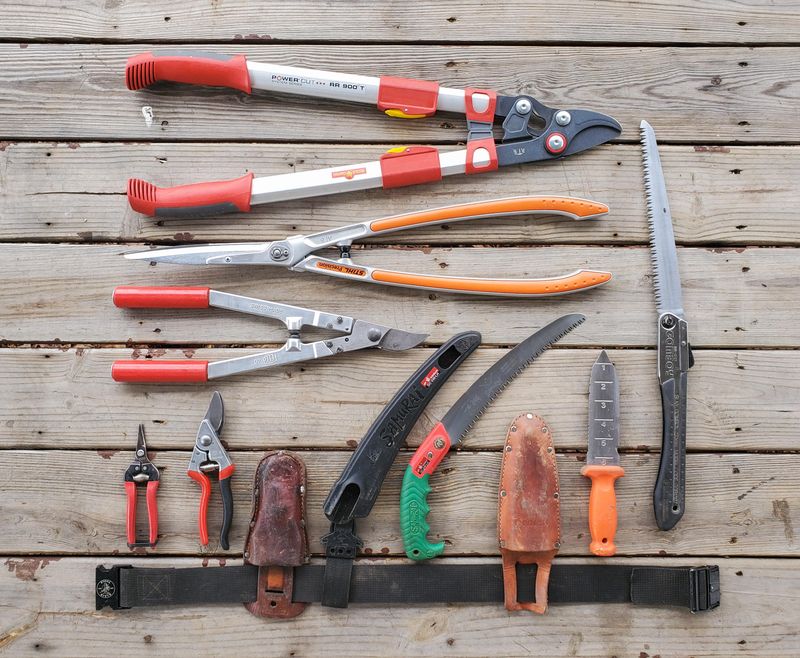
Garden tools take a beating during the growing season, and most people just toss them in the shed when fall ends. Come spring, you discover rusted blades, broken handles, and missing equipment right when you need everything to work perfectly.
January is the month to clean, sharpen, and repair every tool you own.
Rust prevention starts with a good cleaning. Scrub off caked-on dirt, then oil metal parts to prevent corrosion during damp Oregon winters.
Sharpen your pruners, hoes, and shovels so they’re ready for action. Sharp tools make gardening easier and cause less damage to plants.
This is also when you should take inventory of supplies. Do you have enough stakes for tomatoes?
Are your garden gloves worn out? Is there still potting soil from last year, or do you need to order more?
Making a list now prevents multiple trips to the garden center later.
Consider this time as an investment in efficiency. Well-maintained tools last decades instead of years.
Knowing exactly what you have and what you need eliminates waste and frustration. Plus, working in a warm garage or shed beats scrambling in the rain during March.
7. Forgetting To Plan For Pest And Disease Prevention
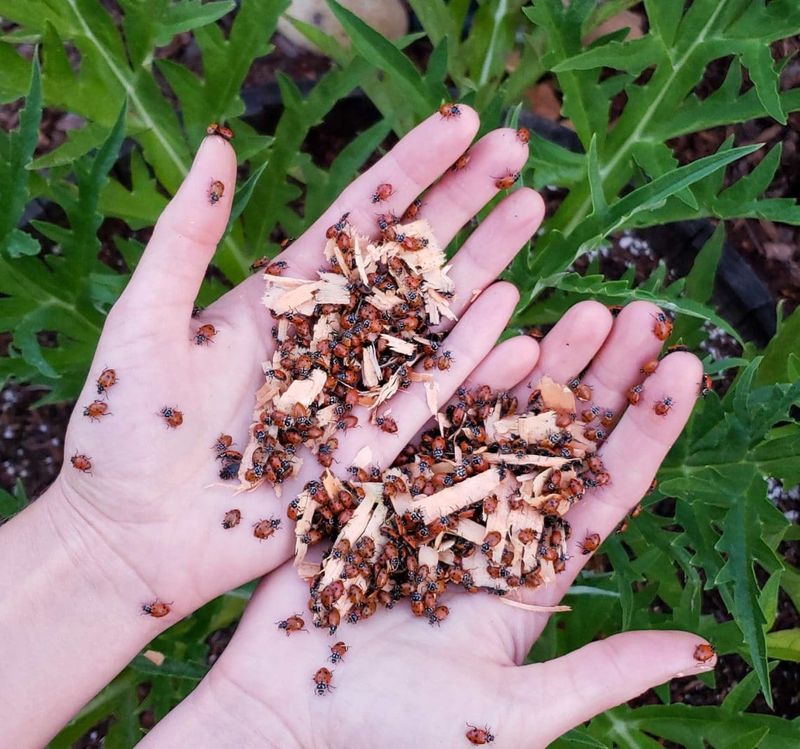
Pests and diseases don’t take vacations, and many overwinter in your garden beds, waiting to attack new plants in spring. January is when smart gardeners develop prevention strategies rather than waiting to react to problems later.
This proactive approach saves plants, reduces chemical use, and cuts down on frustration.
Start by cleaning up any remaining debris from last season. Old leaves, fallen fruit, and dead plant material harbor fungal spores and insect eggs.
Removing this material now reduces the pest pressure your garden will face in warmer months. Rake it up and either compost it properly or dispose of it away from growing areas.
Research common Oregon garden pests and diseases for your specific region. Coastal gardens face different challenges than those in the Willamette Valley or eastern Oregon.
Understanding what problems to expect helps you choose resistant plant varieties and prepare organic control methods.
January is also perfect for setting up physical barriers. Install copper tape around raised beds to deter slugs, or plan where you’ll place row covers to protect young plants from insects.
Order beneficial insects like ladybugs or predatory nematodes so they arrive when you need them most.