The January Tips That Make Oregon Christmas Cactus Bloom Again
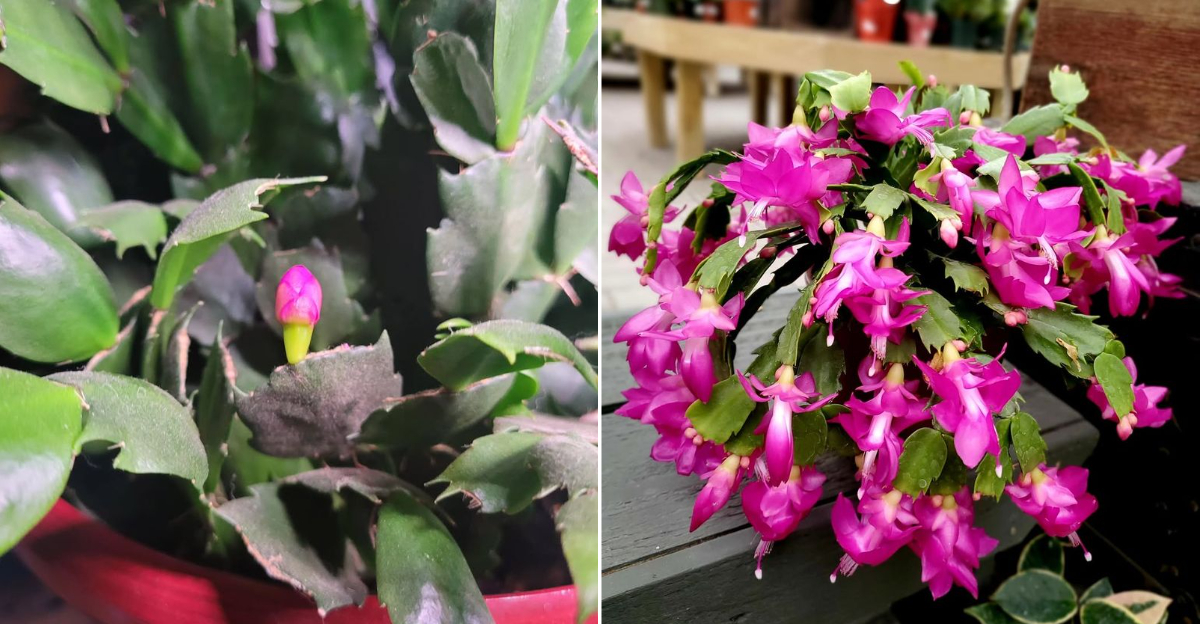
The holidays might be over, but that doesn’t mean the Christmas cactus has to take a break. If your plant didn’t bloom like it did last year, January is the perfect time to help it bounce back and get ready for next season’s flowers.
These little plants are surprisingly easy to pamper. A slightly brighter spot, careful watering, and a tiny bit of pruning can make a huge difference.
Think of it like giving your cactus a Oregon winter spa day, rest, recharge, and get ready to dazzle again.
Before long, buds start forming, promising those bright, cheerful flowers just when you want a little color in the winter months.
With just a little attention now, your Christmas cactus will be healthy, happy, and ready to put on a show next Oregon holiday season.
Watching it respond and bloom again is like a little gift that keeps on giving.
1. Give It Long Nights (Critical)

Christmas cactus plants are photoperiodic, which means they respond directly to the length of darkness they receive each night.
When your plant gets at least twelve to fourteen hours of total darkness every evening, it begins to shift gears from growing leaves to forming flower buds.
This isn’t just about turning off the overhead light—your cactus needs complete darkness, which means no table lamps, no glow from the hallway, and definitely no late-night scrolling on your phone next to the plant.
In Oregon homes during January, this is surprisingly easy to manage.
Our natural daylight already fades early, and if you place your Christmas cactus in a room that stays dark from about six in the evening until eight the next morning, you’re giving it exactly what it needs.
Some people move their plant to a spare bedroom or cover it gently with a cardboard box each night, which works beautifully as long as you’re consistent.
You’ll want to keep this routine going for about six weeks. That might sound like a long commitment, but once you see the first tiny red or pink buds starting to swell at the tips of those segmented leaves, you’ll know it was worth it.
The darkness signals to the plant that it’s time to bloom, mimicking the shorter days it would experience in its native Brazilian forests.
One thing to watch for is accidental light exposure. Even a porch light shining through a window or a nightlight in the hallway can interrupt the process, so choose your spot carefully and stick with it through February.
2. Keep It Cool
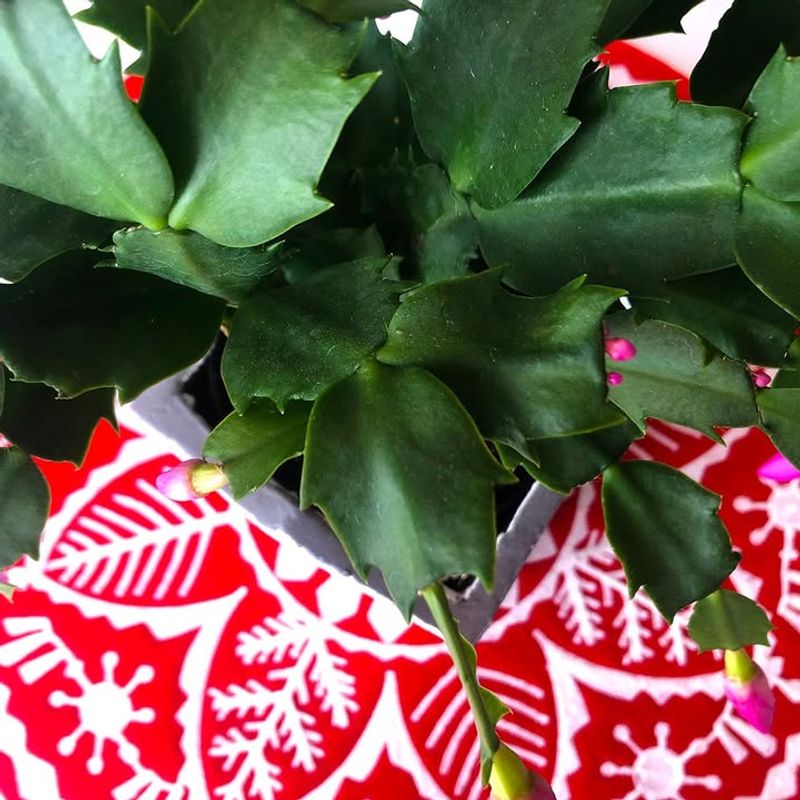
Temperature plays a huge role in bud formation, and cooler nighttime conditions are one of the best natural triggers you can offer your Christmas cactus.
Ideally, your plant should experience temperatures between fifty and sixty-five degrees Fahrenheit during the evening hours.
That might sound chilly, but it’s not uncomfortable—it’s just cooler than the cozy seventy-two degrees most of us keep our living rooms during the day.
If you have a bedroom, sunroom, or enclosed porch that stays a bit cooler at night, that’s the perfect spot.
In Oregon, many homes naturally cool down after sunset, especially if you turn the heat down before bed or if you live in an older house with single-pane windows.
Your Christmas cactus will absolutely thrive in that environment, and you’ll notice it responding within a few weeks.
Avoid placing your plant near heat vents, radiators, or fireplaces. Even though it might seem like a nice warm spot during the day, the constant warmth will confuse the plant and prevent it from setting buds.
Instead, look for a location that stays consistently cool but not freezing—anything below forty-five degrees can damage the leaves.
You don’t need a thermometer or any fancy equipment. Just feel the air in the room at night, and if it’s noticeably cooler than the rest of your house, that’s a good sign.
Combine this cooler temperature with the long dark nights, and your Christmas cactus will start preparing to bloom all over again, right when you need a little color during Oregon’s gray winter months.
3. Reduce Watering Slightly

During the bud-forming period, your Christmas cactus needs less water than it did during its active growing season.
Cutting back on watering helps the plant focus its energy on producing flowers instead of pushing out new leaf segments.
You’re not trying to dry it out completely—just letting the soil stay a little drier between waterings than you normally would.
Check the top inch or two of soil with your finger, and only water when it feels dry to the touch. In January, that might mean watering every ten to fourteen days instead of weekly, depending on how warm or humid your home is.
Oregon winters tend to be damp outside, but indoor heating can dry out the air, so pay attention to what your specific plant is telling you.
When you do water, give it a thorough drink until water runs out the drainage holes, then let it sit until the soil dries again. Avoid misting the leaves or keeping a saucer of standing water underneath the pot, as that can lead to root rot or fungal issues.
Your goal is to mimic the drier conditions the plant would experience in its natural habitat during the cooler months.
If you’re someone who tends to overwater houseplants, this is a great time to practice patience. It’s tempting to give your cactus a little extra love, but during this critical bud-setting phase, less really is more.
You’ll know you’re doing it right when the leaves stay plump and firm, and you start seeing those tiny bumps forming at the leaf tips—that’s your reward for holding back on the watering can.
4. Return To Normal Care After Buds Form
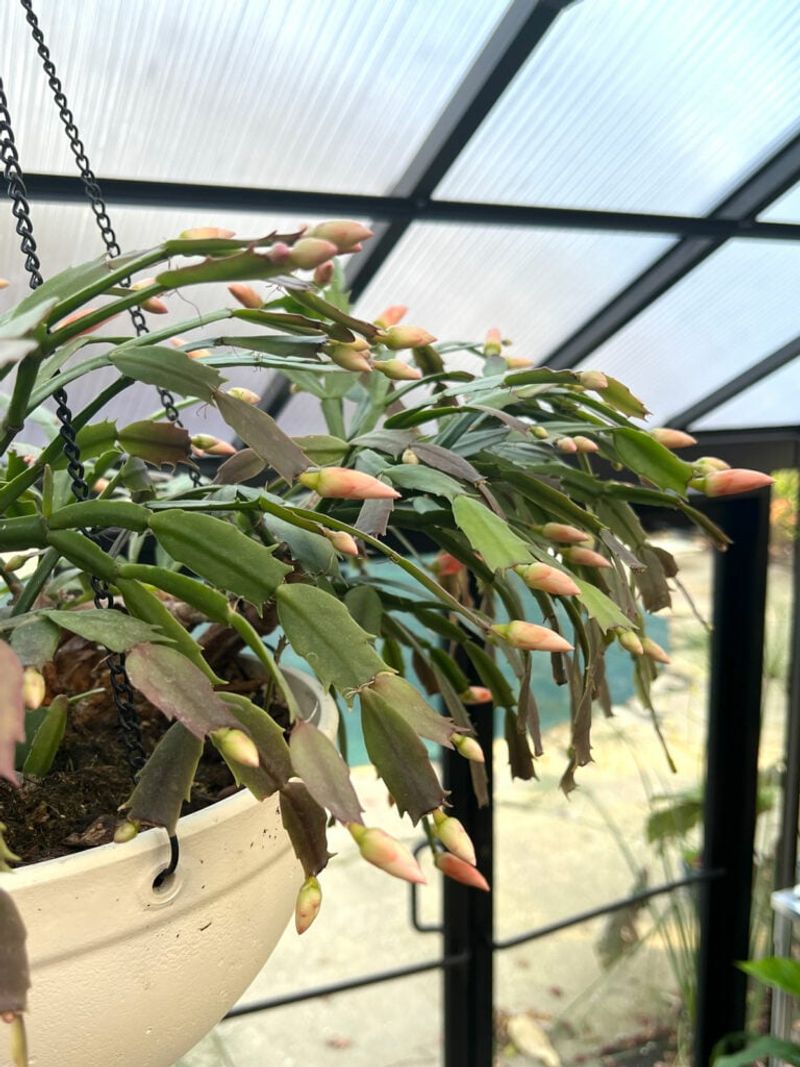
Once you see tiny buds starting to form at the tips of the leaf segments, it’s time to gradually shift back to your regular care routine.
This is an exciting moment—it means your plant has responded to the darkness, cooler temps, and reduced watering, and now it’s ready to put energy into opening those flowers.
You can move the plant back to a brighter location and stop worrying so much about strict darkness schedules.
Start watering a bit more frequently again, but don’t go overboard. The buds are delicate at this stage, and sudden changes in moisture can cause them to drop before they ever open.
Increase watering slowly over the course of a week or two, keeping the soil lightly moist but never soggy.
You’ll also want to bring the plant into a warmer, more comfortable room where you can enjoy watching the buds swell and eventually burst into color.
Bright, indirect light is perfect now. A spot near an east or west-facing window works beautifully, giving your Christmas cactus the energy it needs to fuel those blooms without scorching the leaves.
Avoid moving the plant around too much once the buds have formed—they’re sensitive to changes in light and temperature, and you don’t want to stress the plant after all the work you’ve both put in.
This is also a good time to start thinking about feeding. A very light application of a balanced, water-soluble fertilizer diluted to half strength can support blooming, but don’t overdo it.
Too much fertilizer can actually delay or reduce flowering, so a gentle touch is key during this final stage before the flowers open.
5. Why This Works Especially Well In Oregon Homes
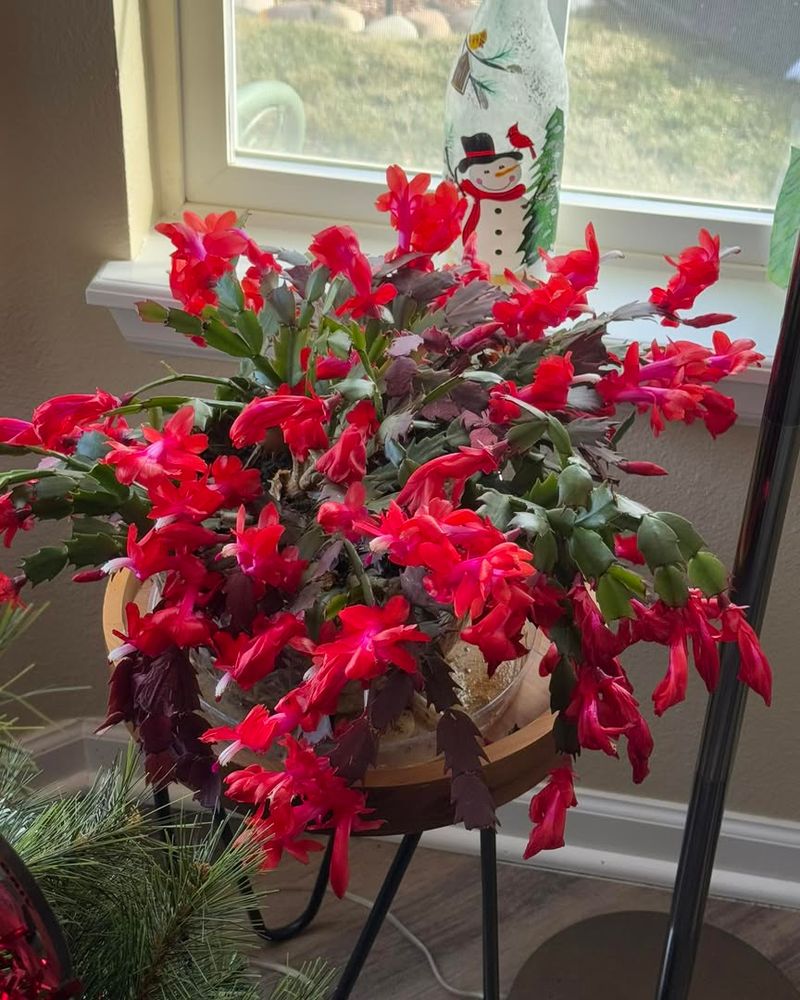
Oregon’s natural winter conditions are almost perfectly designed for reblooming Christmas cactus plants.
Our daylight hours are naturally short in January, the evenings are cool without being freezing, and most homes have that gentle, damp quality in the air that these plants love.
You’re not fighting against your environment—you’re working with it, which makes the whole process easier and more successful than it would be in a place with harsh winters or intense indoor heating.
Because the sun sets early and rises late, you don’t have to do much to create the long dark nights your cactus needs.
If you place your plant in a room where you naturally turn off the lights by seven or eight in the evening, you’re already giving it twelve to fourteen hours of darkness without any extra effort.
Add in the fact that many Oregon homes cool down naturally at night, especially if you lower the thermostat before bed, and you’ve created ideal conditions without even trying.
The mild, moist climate also means your Christmas cactus won’t dry out as quickly as it would in a desert or a home with forced-air heating running constantly.
You can reduce watering without worrying that the plant will shrivel up, and the ambient humidity helps keep the leaves plump and healthy even during the bud-forming phase.
It’s a sweet spot that makes Oregon one of the best places in the country to grow and rebloom these beautiful plants.
If you’ve struggled with reblooming in the past, don’t blame yourself—you might have just been in the wrong climate.
Here in Oregon, you’ve got nature on your side, and with just a little intentional care, your Christmas cactus will reward you with a stunning display of flowers right when the winter dreariness starts to feel heavy.
6. Common January Mistakes That Stop Blooming
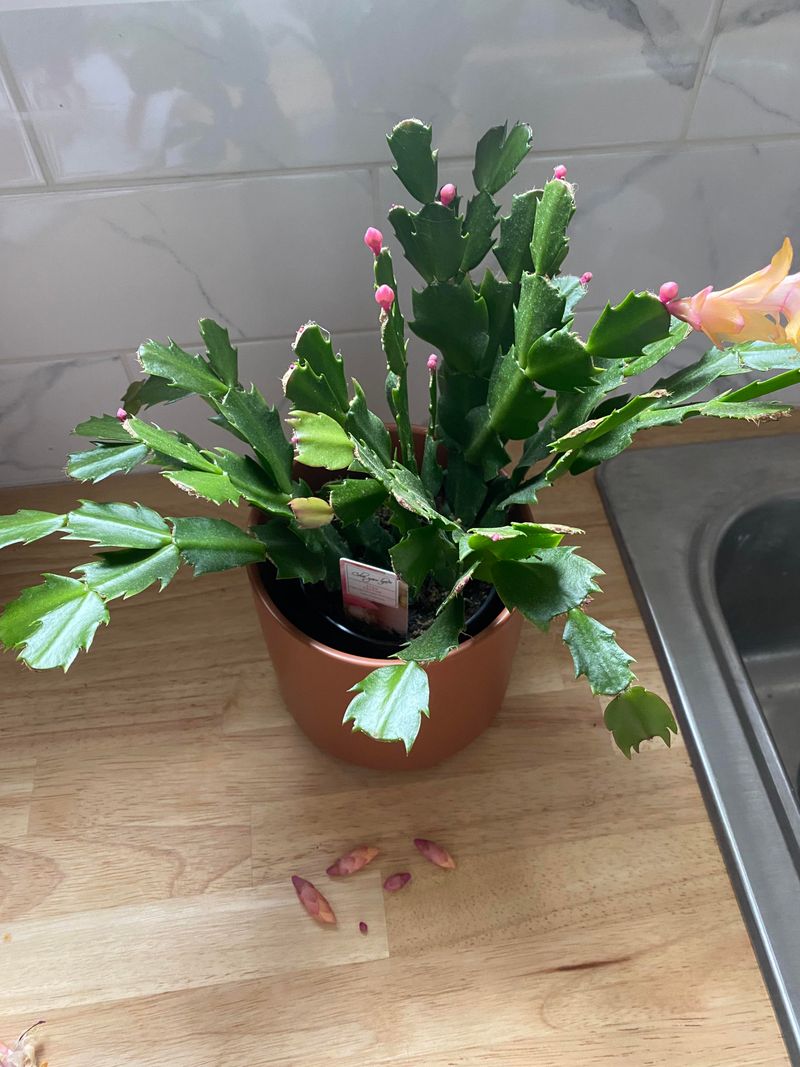
Even with the best intentions, it’s easy to make small mistakes that can prevent your Christmas cactus from reblooming.
One of the biggest errors is inconsistent darkness—if you cover your plant some nights but forget other nights, or if you leave a lamp on in the same room, the plant gets confused and won’t set buds.
Consistency is absolutely critical during the six-week dark period, so choose a routine and stick with it no matter what.
Another common mistake is overwatering during the bud-forming phase. It’s natural to want to pamper your plant, but too much water can cause the roots to rot or the buds to drop before they open.
If you’re someone who tends to water on a strict schedule, break that habit and let the soil guide you instead. Only water when the top inch or two feels dry, and resist the urge to give it just a little extra.
Placing your Christmas cactus in a spot that’s too warm is another blooming killer. If your plant is sitting on top of the fridge, near a heating vent, or in a sunny south-facing window, it’s getting too much warmth and light to trigger bud formation.
Move it to a cooler, darker location, and you’ll see a big difference within a few weeks.
Finally, don’t move your plant around once buds start forming. Christmas cactus can be surprisingly sensitive to changes in light, temperature, and even the angle of the pot.
If you’ve got buds forming, leave the plant exactly where it is until the flowers open. Shifting it to a prettier spot or rotating it for even growth can cause those precious buds to drop, and that’s heartbreaking after all your careful work.
7. How To Keep Blooms Lasting Longer

Once your Christmas cactus finally bursts into bloom, you’ll want to keep those gorgeous flowers around as long as possible.
The good news is that with just a little care, each flower can last for several days, and the entire blooming period can stretch out for weeks if conditions are right.
Start by keeping the plant in a location with bright, indirect light—not too dim, but definitely not in direct sun, which can cause the flowers to fade or wilt prematurely.
Temperature matters here too. Keep your blooming Christmas cactus in a room that stays between sixty-five and seventy degrees during the day, and slightly cooler at night.
Avoid placing it near heat sources, cold drafts, or exterior doors that open and close frequently. Stable conditions help the flowers stay fresh and vibrant, while sudden temperature swings can shorten their lifespan dramatically.
Watering during the blooming phase should be consistent but not excessive. Keep the soil lightly moist, watering whenever the top inch feels dry to the touch.
Don’t let the plant dry out completely, but also avoid keeping it soggy—both extremes can cause flowers to drop early.
A light feeding with diluted liquid fertilizer every two weeks can help support the blooming process, but don’t overdo it or you’ll encourage leaf growth instead of flower longevity.
Finally, resist the urge to move your plant around once it’s blooming. It’s tempting to show off those beautiful flowers by moving the pot to the dining table or the mantle, but Christmas cactus really prefers to stay put.
Even small changes in light or temperature can stress the plant and cause flowers to drop, so find a perfect spot and let it shine there until the last petal fades.