The Key Nutrient Missing In Many Ohio Gardens This Season
Ohio gardens keep showing a puzzling slowdown this season, with many signs leading back to a drop in nitrogen.
You can almost read it in the leaves, where the usual deep color fades into something tired and unsure.
The soil feels like it’s running on low power, forcing plants to work harder than they should for simple growth.
A single missing nutrient suddenly feels bigger when you see how quickly it reshapes the entire garden’s mood.
1. Heavy Rainfall Washes Nitrogen Away
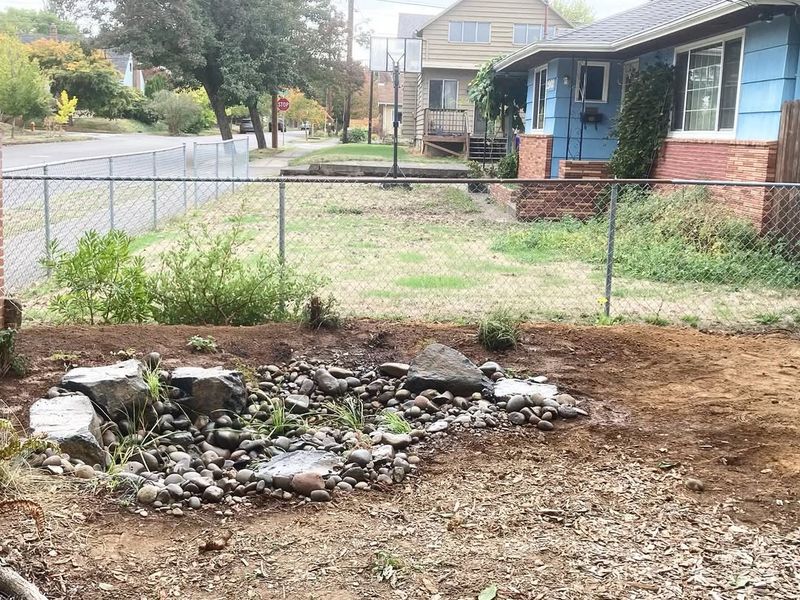
Ohio experienced unusually heavy rainfall patterns this growing season, creating serious problems for garden soil nutrition.
Nitrogen is highly soluble, meaning it dissolves easily in water and moves through soil layers quickly when excess moisture is present.
When storms dump several inches of rain in short periods, nitrogen leaches deep into the ground beyond where plant roots can reach it.
Gardens in Ohio with sandy or loose soil face even greater nitrogen loss because water drains through these soil types much faster than clay-based soils.
Heavy spring rains can strip away nitrogen that gardeners applied just weeks earlier, leaving plants starving for this essential nutrient during their most critical growth phases.
Raised beds and sloped gardens lose nitrogen faster because water runs off the surface before soaking in completely.
Protecting your nitrogen investment requires adding slow-release fertilizers or organic materials that hold nutrients better during wet weather conditions throughout the growing season.
2. Cool Spring Temperatures Slowed Soil Activity
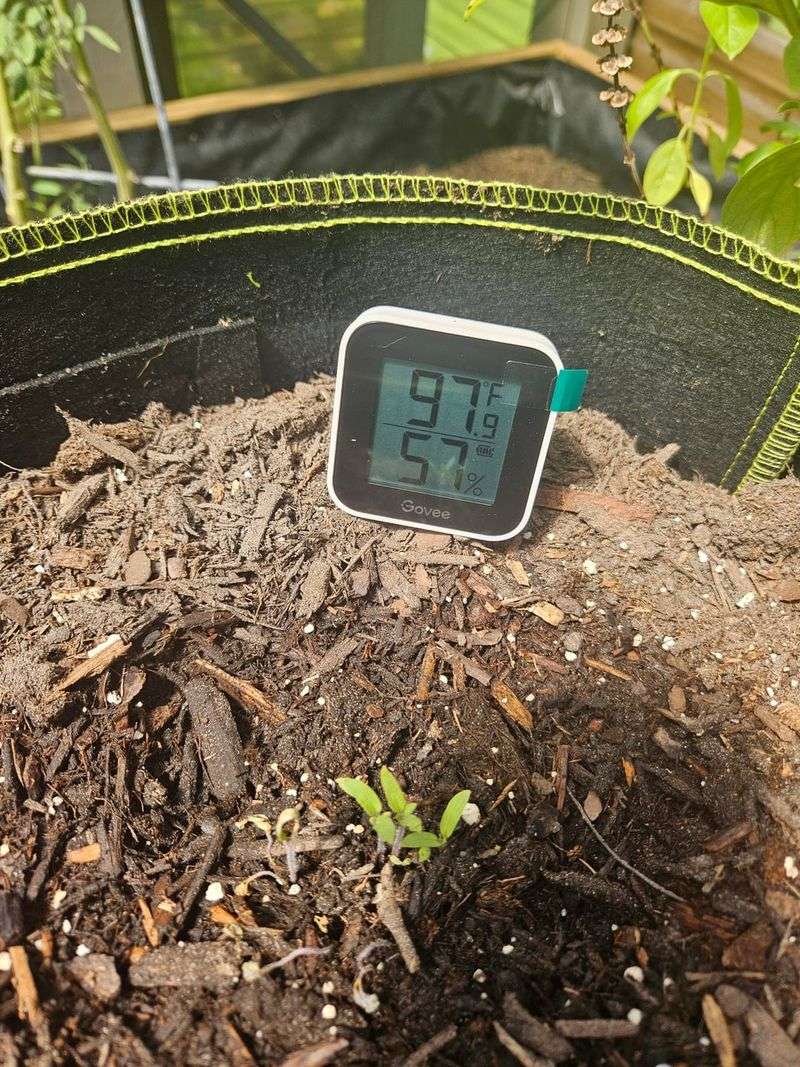
Spring arrived late across Ohio this year, bringing extended periods of cool temperatures that significantly impacted soil biology and nutrient availability for gardens.
Beneficial soil bacteria that convert organic matter into usable nitrogen become dormant when soil temperatures drop below fifty-five degrees Fahrenheit for extended periods.
Cold soil means these microscopic helpers cannot break down compost, manure, or plant residues into the nitrogen forms that vegetable and flower roots absorb.
Gardens throughout Ohio faced delayed planting schedules, but even after transplanting, the chilly soil continued limiting nitrogen release from organic sources for several weeks.
Plants installed during cool periods often show yellowing leaves not because nitrogen is absent, but because cold conditions prevent its transformation into accessible forms.
Soil warming techniques like black plastic mulch or row covers help raise temperatures faster, encouraging bacterial activity that releases nitrogen for hungry plants.
Understanding this temperature connection helps Ohio gardeners time their fertilizer applications more effectively based on actual soil conditions rather than calendar dates alone.
3. Last Year’s Crops Depleted Soil Reserves
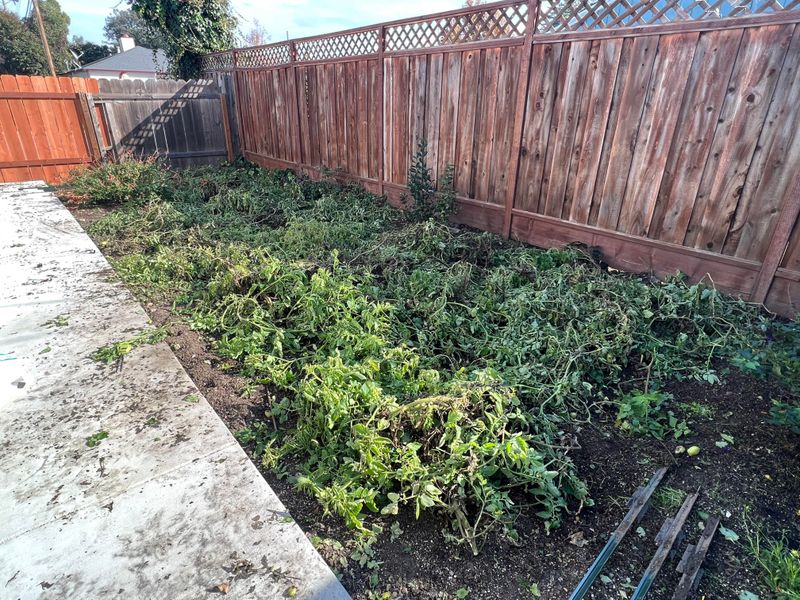
Many Ohio gardeners planted heavy-feeding crops last season without fully replenishing the nitrogen these plants removed from their garden beds during growth.
Tomatoes, corn, squash, and cabbage family members are notorious nitrogen consumers that pull large quantities of this nutrient from soil throughout their growing cycles.
Each harvest removes nitrogen from your garden permanently unless you deliberately add it back through compost, cover crops, or fertilizer applications before the next season.
Consecutive years of intensive vegetable production without adequate soil amendment create cumulative nitrogen deficits that become increasingly noticeable as deficiency symptoms appear earlier each season.
Ohio soils naturally contain moderate nitrogen levels, but repeated planting exhausts these reserves faster than natural decomposition processes can replace them in typical backyard gardens.
Crop rotation helps manage nitrogen by alternating heavy feeders with plants like beans and peas that actually add nitrogen back into soil through their roots.
Testing your soil every few years reveals exactly how much nitrogen remains available, allowing you to make informed decisions about amendments needed for successful gardens.
4. Insufficient Organic Matter Limits Nitrogen Storage
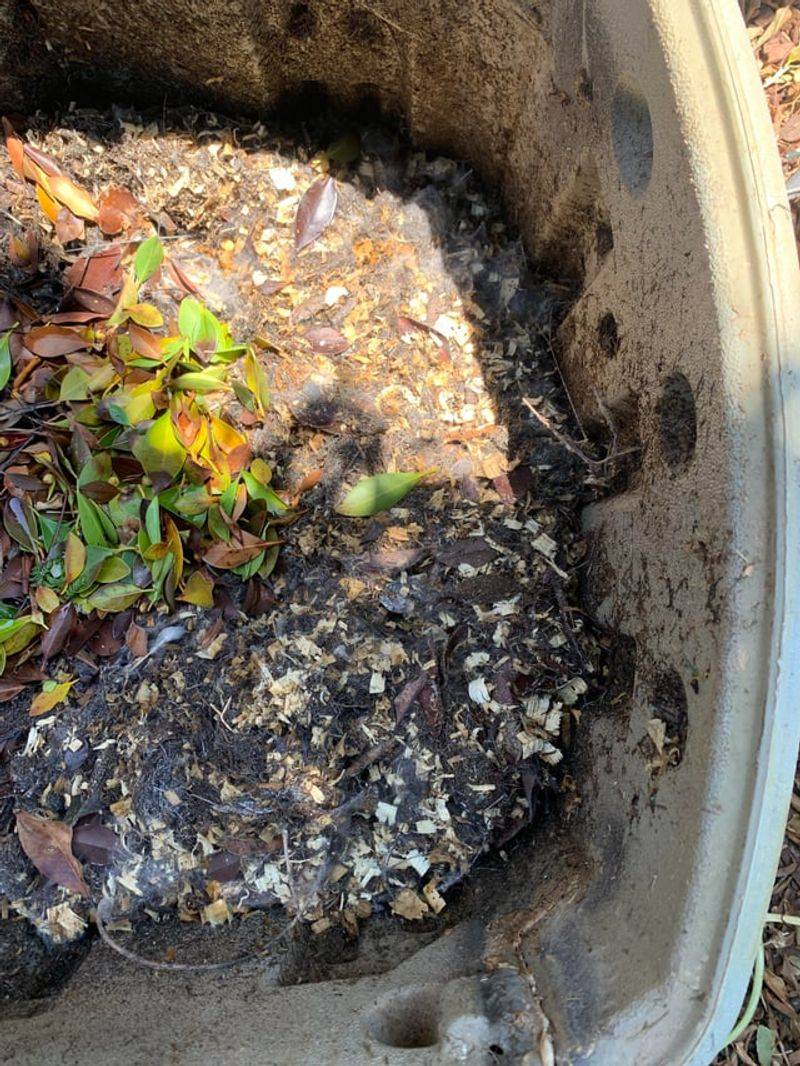
Gardens across Ohio often suffer from low organic matter content, which directly impacts the soil’s ability to hold and slowly release nitrogen for plant use.
Organic matter acts like a sponge, capturing nitrogen molecules and preventing them from washing away during heavy rains or irrigation that would otherwise leach nutrients.
Soils with less than three percent organic matter cannot maintain adequate nitrogen levels throughout the growing season, regardless of how much fertilizer gardeners initially apply.
Clay-heavy soils common in parts of Ohio naturally resist water movement but still need organic matter to support the beneficial organisms that create plant-available nitrogen.
Compost, aged manure, shredded leaves, and grass clippings all increase organic matter while simultaneously providing nitrogen that releases gradually as microorganisms break down these materials.
Building organic matter takes time and consistent effort, with most gardens requiring annual additions of two to three inches of compost worked into beds.
Ohio gardeners who prioritize organic matter development create resilient soils that maintain better nitrogen levels naturally, reducing dependence on synthetic fertilizers for healthy plant growth.
5. Compacted Soil Prevents Nitrogen Uptake

Soil compaction has become a widespread problem in Ohio gardens, especially in areas with heavy clay content or where gardeners frequently walk through beds.
Compacted soil squeezes out the air spaces that plant roots need to grow and that beneficial bacteria require to convert organic nitrogen into forms plants absorb.
Even when adequate nitrogen exists in compacted soil, plant roots cannot access it because they cannot penetrate the dense earth to reach nutrients.
Oxygen-starved soil also limits the activity of nitrifying bacteria that transform nitrogen from organic sources into nitrate, the primary form that vegetable and flower roots take up.
Gardens in Ohio with compacted soil often show nitrogen deficiency symptoms like yellowing leaves even after fertilizer applications because roots remain shallow and weak.
Breaking up compacted layers requires physically loosening soil with a garden fork or broadfork, working carefully to avoid damaging existing plant roots in established beds.
Adding organic matter while aerating soil provides long-term improvement by creating stable soil structure that resists re-compaction and maintains the pore spaces essential for healthy nitrogen cycling.
6. Mulch Decomposition Temporarily Ties Up Nitrogen
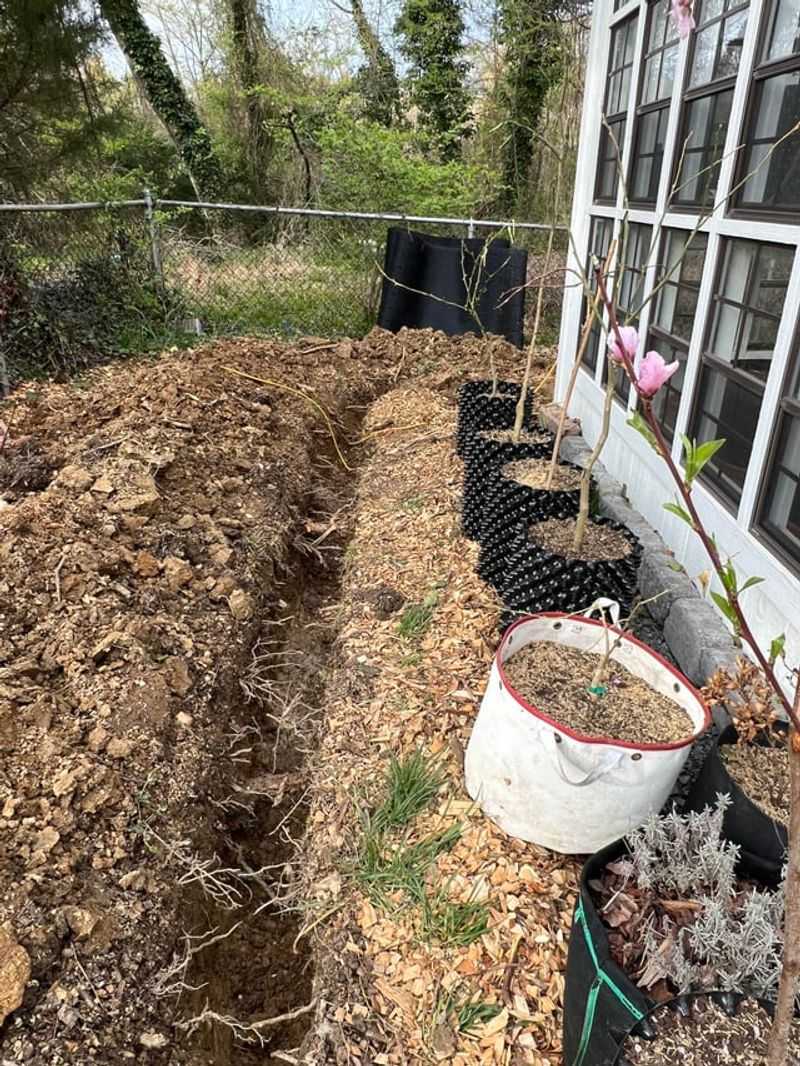
Many Ohio gardeners applied fresh wood chips, sawdust, or straw mulch this season without realizing these materials temporarily lock up nitrogen during their decomposition process.
Microorganisms breaking down high-carbon materials like wood need nitrogen for their own growth, so they pull it from surrounding soil, making it unavailable to plants.
This phenomenon, called nitrogen immobilization, can last several months until the mulch material breaks down sufficiently and microorganisms begin releasing nitrogen back into soil.
Gardens mulched with fresh materials often show nitrogen deficiency symptoms in a circular pattern around where the mulch contacts soil and plant stems in beds.
Composted or aged mulch materials cause fewer nitrogen problems because much of their initial decomposition already occurred before application to Ohio garden beds.
Gardeners can prevent mulch-related nitrogen deficiency by applying extra nitrogen fertilizer when using fresh wood products or by keeping mulch layers pulled back from plant stems.
Understanding this temporary nitrogen tie-up helps explain why well-mulched gardens sometimes struggle despite good gardening practices and regular care throughout the growing season in Ohio.
7. Poor Drainage Creates Anaerobic Conditions
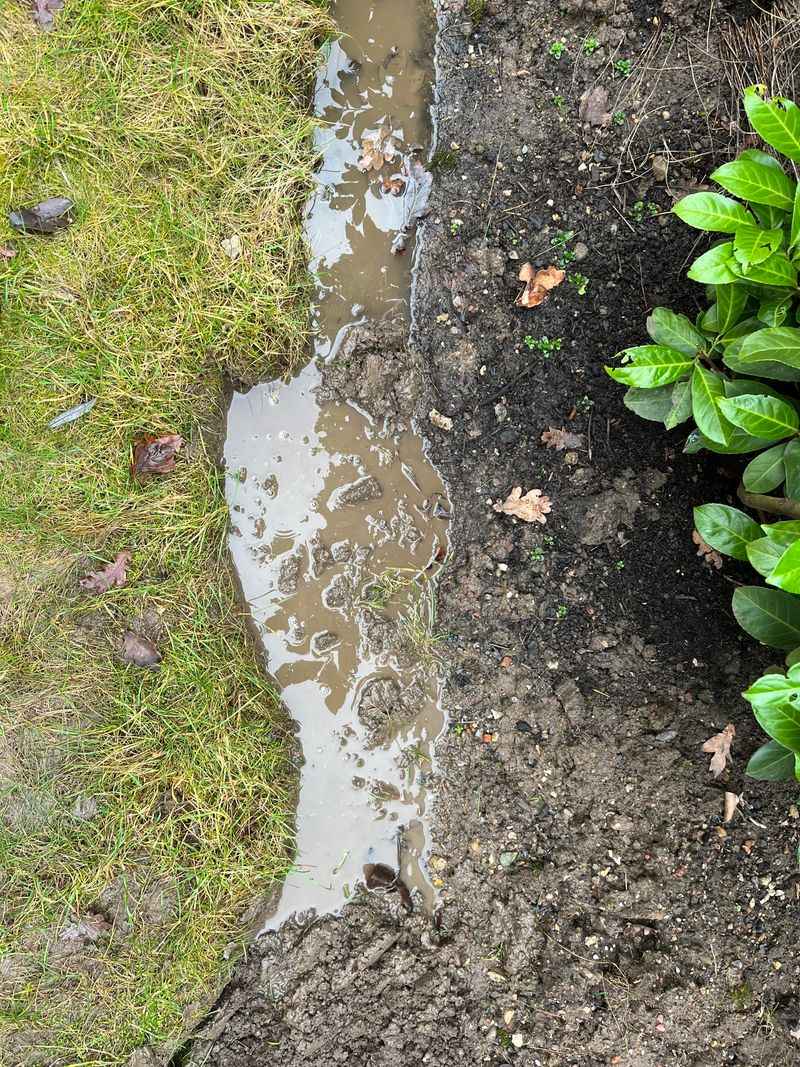
Poorly drained areas in Ohio gardens create waterlogged conditions that suffocate beneficial soil bacteria responsible for converting organic matter into plant-available nitrogen forms.
When soil remains saturated for extended periods, oxygen cannot reach the root zone, and different bacteria types emerge that actually remove nitrogen from soil through denitrification.
Denitrifying bacteria thrive in wet, oxygen-poor environments and convert nitrate nitrogen into nitrogen gas that escapes into the atmosphere, permanently removing it from gardens.
Low-lying areas, heavy clay soils, and gardens near downspouts or drainage paths face the greatest risk of nitrogen loss through these anaerobic conditions throughout Ohio.
Plants growing in poorly drained soil show multiple stress symptoms including yellowing leaves from nitrogen deficiency combined with wilting and stunted growth from root damage.
Improving drainage through raised beds, installing drainage tiles, or amending soil with compost helps maintain the aerobic conditions necessary for proper nitrogen cycling in gardens.
Ohio gardeners dealing with naturally wet sites should choose raised bed designs or select planting areas with better natural drainage to maintain healthy nitrogen levels for vegetables.
8. High-Carbon Cover Crops Depleted Nitrogen
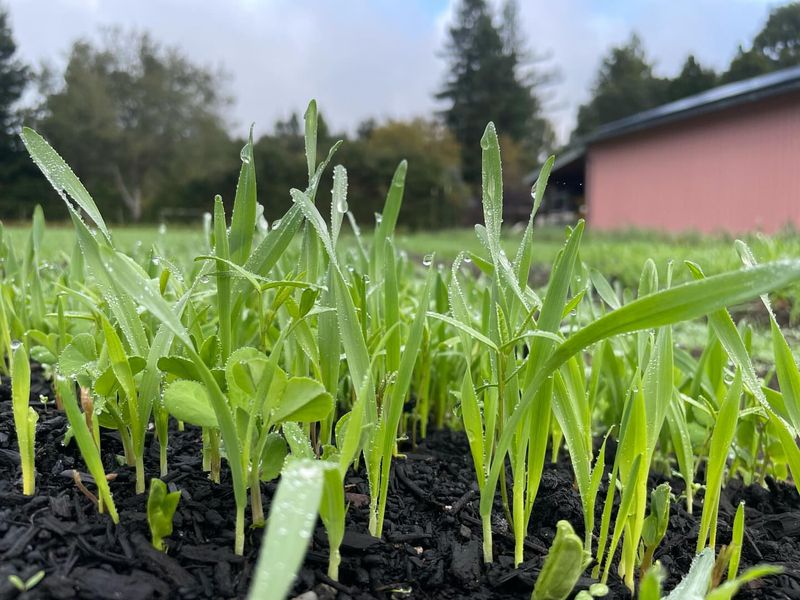
Some Ohio gardeners planted cover crops like rye, oats, or other grasses last fall to protect soil, but these high-carbon plants consume significant nitrogen during decomposition.
When turned under in spring, these cover crops need several weeks to break down, and during that time, decomposer organisms compete with garden plants for available nitrogen.
Grass-family cover crops contain much more carbon than nitrogen, creating an imbalance that temporarily locks up nitrogen until decomposition progresses through its initial hungry phases.
Gardens planted too soon after tilling in cover crops often show severe nitrogen deficiency because plants and microbes are competing for the same limited nutrient supply.
Legume cover crops like clover or vetch avoid this problem because they add nitrogen to soil rather than consuming it during their breakdown in Ohio gardens.
Gardeners using grass cover crops should either allow four to six weeks between tilling and planting or add extra nitrogen fertilizer to compensate for decomposition demands.
Understanding cover crop carbon-to-nitrogen ratios helps Ohio gardeners make better choices about which species to plant and when to terminate them before establishing vegetable and flower gardens.
9. Increased Pest Pressure Damaged Root Systems
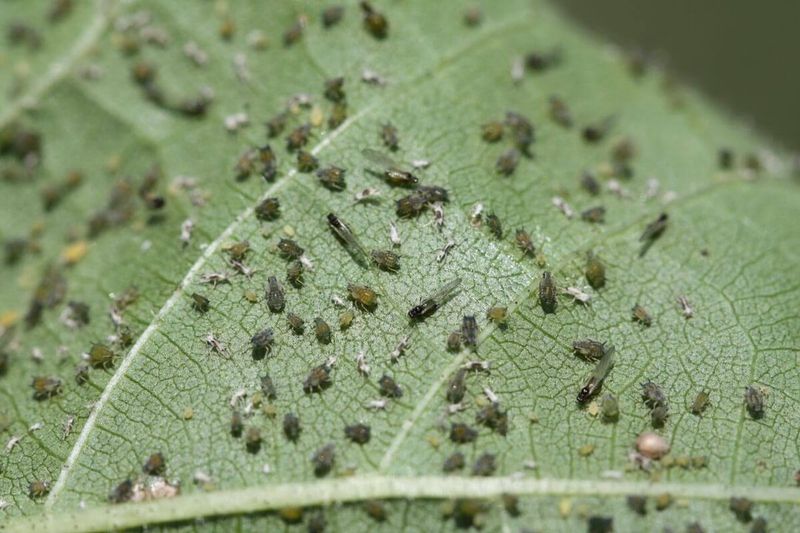
Ohio gardens faced unusually high populations of root-feeding pests this season, including grubs, wireworms, and root maggots that damage the very structures plants need for nitrogen uptake.
Even when adequate nitrogen exists in soil, plants with compromised root systems cannot absorb it efficiently, leading to deficiency symptoms in above-ground growth and foliage.
Root damage reduces the total surface area available for nutrient absorption and disrupts the fine root hairs that actually take up nitrogen and other dissolved nutrients.
Gardens showing patchy nitrogen deficiency where some plants thrive while nearby ones yellow often have localized pest problems affecting roots rather than actual soil nutrient variations.
Pest pressure increased across Ohio due to mild winter conditions that allowed more insects to survive and emerge in larger numbers during spring planting season.
Protecting roots through crop rotation, beneficial nematodes, or row covers helps ensure plants can access whatever nitrogen is present in your garden soil effectively.
Healthy root systems maximize nitrogen uptake efficiency, meaning plants can thrive on lower nitrogen levels compared to pest-stressed plants that waste nutrients through damaged tissue in Ohio.