The Last Chance To Prune These Georgia Trees Before Spring Growth Takes Off
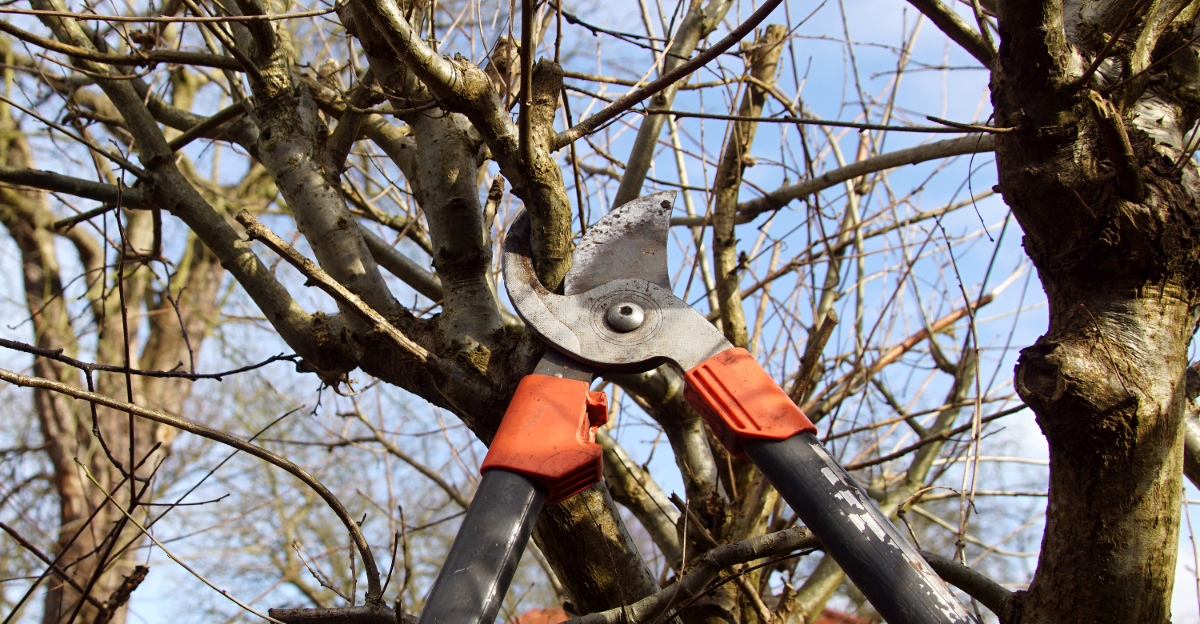
Late winter moves fast in Georgia, and once trees wake up for spring there is no turning back the clock on pruning mistakes.
Right now is the narrow window when certain trees can still be shaped safely, before fresh growth pushes out and seals in problems that could have been prevented with one careful cut.
When branches have been rubbing, crossing, or growing in awkward directions, this is the moment to correct them. Trees are still mostly dormant and less stressed by the process.
Wait too long and new buds will already be forming, which means trimming can redirect energy, slow blooming, or leave trees vulnerable during an important growth phase.
If pruning has been sitting on your to do list, this is the last practical chance to handle these Georgia trees properly before spring growth takes off and the season fully shifts.
1. Crape Myrtle Needs Shaping Before New Shoots Appear
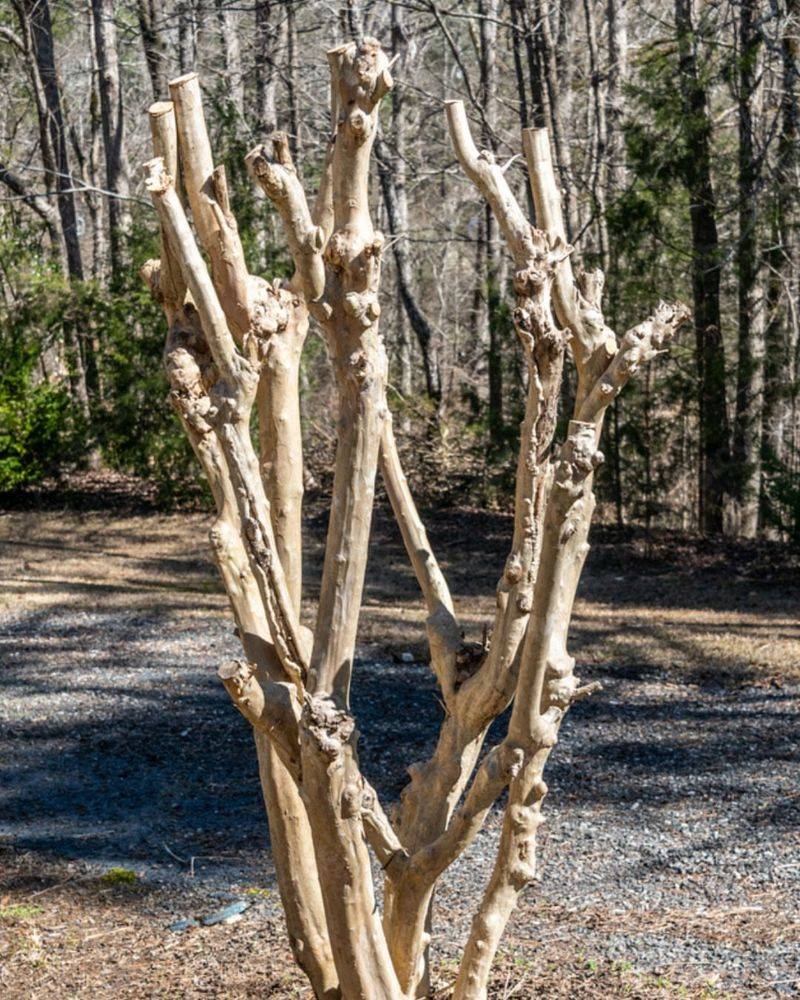
Crape myrtles stand as one of Georgia’s most beloved flowering trees, and right now they’re waiting for your attention. Pruning them before spring growth begins gives you complete control over their shape and ensures spectacular summer blooms.
The bare branches reveal exactly where cuts should go, making it simple to remove crossing limbs and suckers that crowd the center.
Many Georgia homeowners make the mistake of topping their crape myrtles, creating ugly knobs that ruin the tree’s natural form. Instead, focus on selective thinning that maintains graceful branching.
Remove any branches thinner than a pencil from the interior, and cut back to strong outward-facing buds on branches you want to shorten. This approach encourages better air circulation and reduces disease pressure during humid Georgia summers.
Late February through early March represents your ideal timeframe across most of Georgia. Waiting longer risks cutting into active growth, which wastes the tree’s energy and delays flowering.
The wounds heal quickly when made during dormancy, and you’ll see vigorous new shoots emerging exactly where you want them.
Pay special attention to removing any branches damaged by winter weather. Crape myrtles in Georgia occasionally face late freezes that can harm tender tips, so clean cuts now prevent problems later.
Your tree will reward careful pruning with an abundance of colorful blooms that last through summer.
2. Oak Trees Should Be Pruned While Fully Dormant
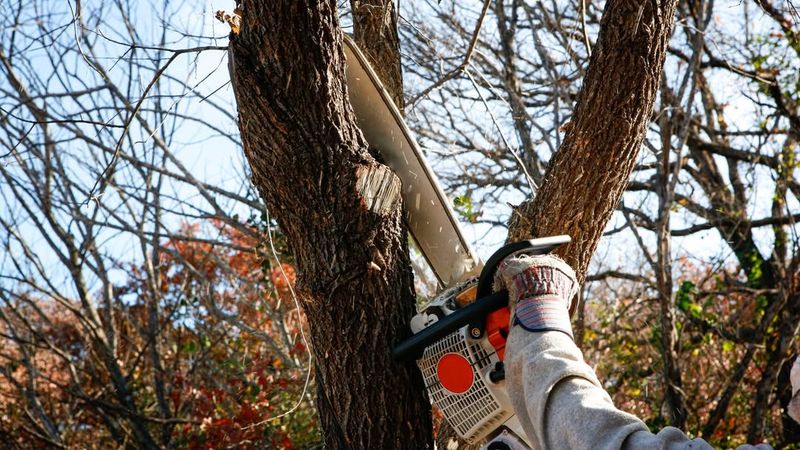
Georgia’s magnificent oaks require careful timing when it comes to pruning, and dormancy offers the safest window. These giants can develop serious problems if cut during the wrong season, particularly oak wilt disease that spreads rapidly through fresh wounds.
Pruning while trees remain fully dormant minimizes this risk and allows proper healing before growth resumes.
February stands as the best month for oak pruning throughout Georgia. Temperatures stay cool enough to keep trees dormant, yet you’re far enough from spring that sudden warm spells will not trigger premature growth.
Focus your efforts on correcting structural problems and eliminating limbs that threaten buildings or power lines. Avoid removing more than twenty five percent of the canopy in any single year.
Professional arborists recommend painting pruning wounds on oaks with a wound dressing, which differs from advice for most other trees. This practice helps prevent oak wilt beetles from detecting fresh cuts and spreading disease.
Georgia’s red oaks face higher risk than white oaks, so extra caution pays off.
Large oaks often need professional attention because of their size and the danger involved in working around massive branches. However, smaller specimens and lower limbs can be managed by homeowners with proper tools and technique.
Always make clean cuts just outside the branch collar, and never leave stubs that invite decay. Proper dormant-season pruning keeps your Georgia oaks healthy for generations.
3. Maple Trees Are Safer To Trim Before Sap Starts Flowing
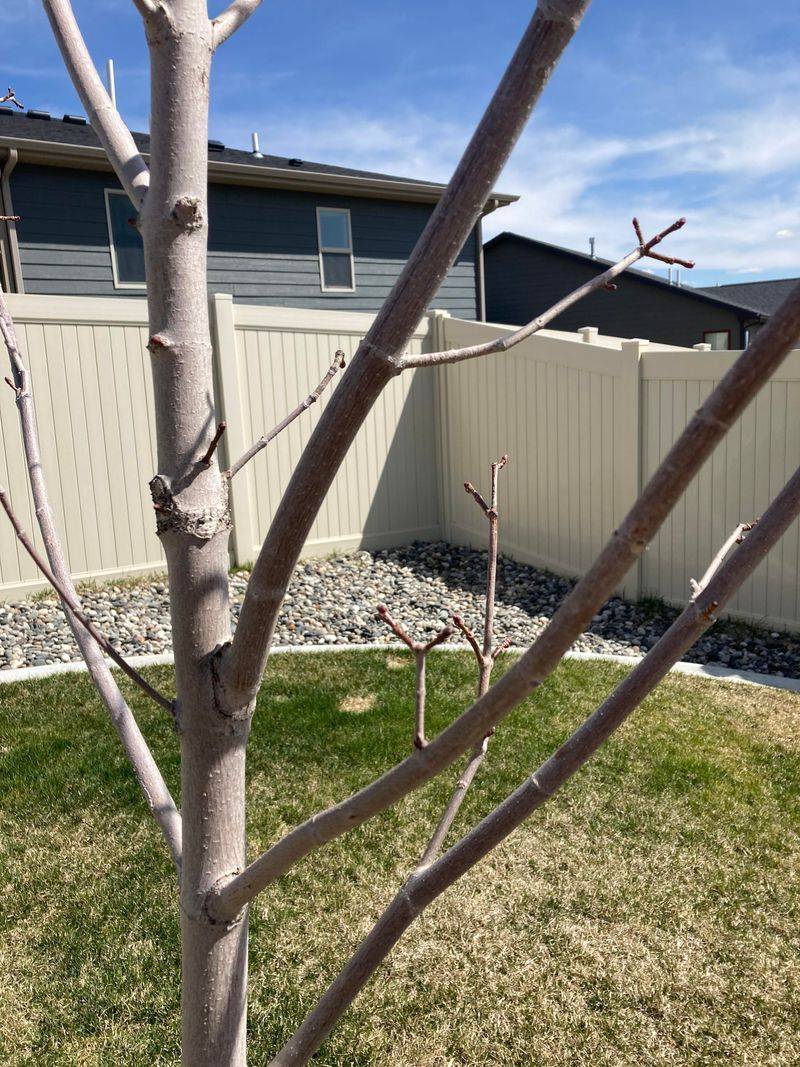
Timing becomes critical with maples because these trees produce tremendous amounts of sap once temperatures warm. Cutting into an actively flowing maple creates a messy situation and stresses the tree unnecessarily.
Georgia gardeners need to act quickly, as maples here often begin their sap flow earlier than northern varieties due to our milder climate.
The sap itself won’t harm the tree, but excessive bleeding wastes stored energy that should fuel spring growth. Pruning maples while they remain fully dormant prevents this issue entirely.
You’ll find the work much cleaner and more pleasant when branches aren’t dripping sap onto everything below. Focus on removing damaged limbs, correcting poor branch angles, and opening up dense areas that block sunlight.
Red maples and sugar maples both thrive in Georgia landscapes, and both respond well to late winter pruning. Watch for swelling buds as your signal that time is running short.
Once you notice buds beginning to plump, wrap up your maple pruning projects immediately. The window might be narrow, but the benefits last all season.
Structural pruning matters especially for younger maples that still need shaping. Establishing good branch spacing and strong angles now prevents problems as the tree matures.
Remove any branches that form narrow crotches, as these create weak points that can split under Georgia’s occasional ice storms.
Clean, precise cuts made during dormancy heal beautifully and set your maple up for vigorous spring growth.
4. Apple Trees Respond Best To Late Winter Pruning
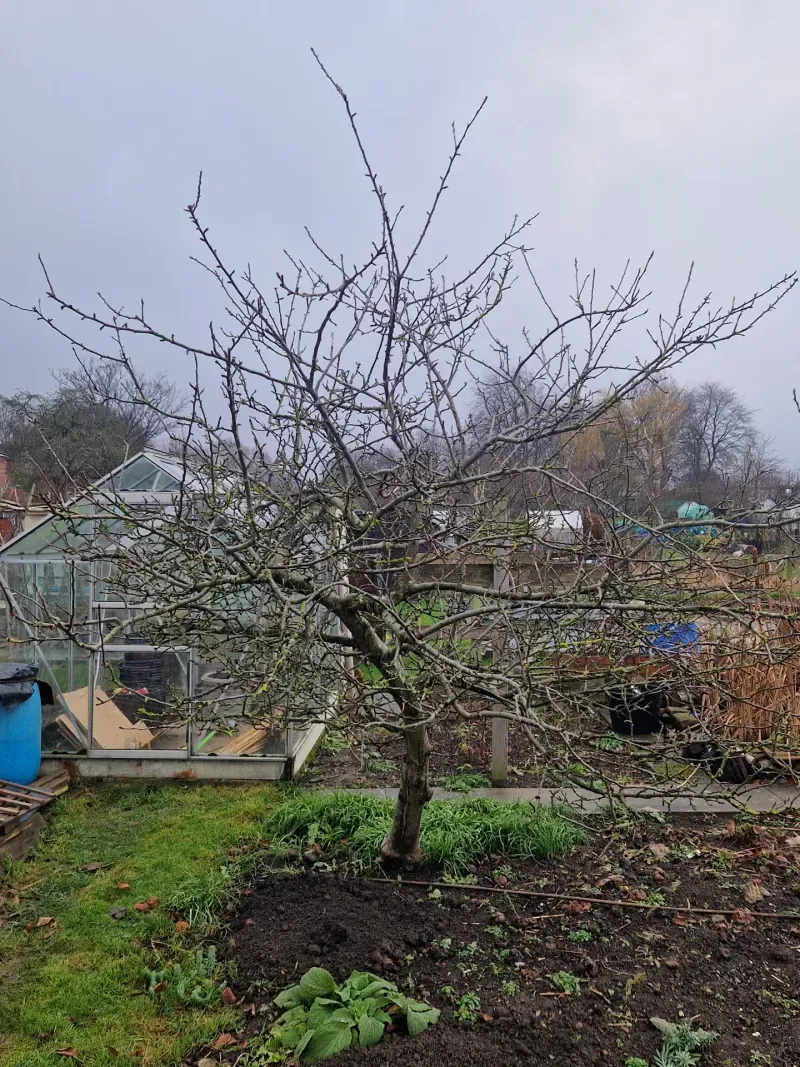
Georgia apple growers know that proper pruning directly impacts fruit production, and late winter offers the perfect opportunity.
Dormant apple trees reveal their branch structure completely, allowing you to identify fruiting wood and make smart decisions about what stays and what goes.
This visibility proves invaluable for maximizing your harvest.
Start by removing any diseased or damaged wood throughout the tree. Then focus on opening up the center to allow sunlight and air to reach all branches.
Apple trees produce fruit on spurs that develop on older wood, so avoid removing too many established branches. Instead, thin out excessive new growth and remove water sprouts that shoot straight up from main limbs.
North Georgia’s higher elevations can grow traditional apple varieties, while southern parts of the state need low-chill varieties adapted to warmer winters. Regardless of variety, the pruning principles remain the same.
Cut back to outward-facing buds to encourage spreading growth, and maintain a manageable height that allows easy harvesting. Removing about one-third of last year’s growth stimulates new fruiting wood.
Disease prevention drives much of apple pruning strategy. Thinning branches reduces humidity within the canopy, which discourages fungal problems common in Georgia’s humid climate.
Remove any branches that cross or rub together, as these wounds invite infection. Late winter pruning allows cuts to heal before spring rains arrive, giving your apple trees the healthiest start possible for the growing season ahead.
5. Rose Of Sharon Benefits From Late Winter Cleanup
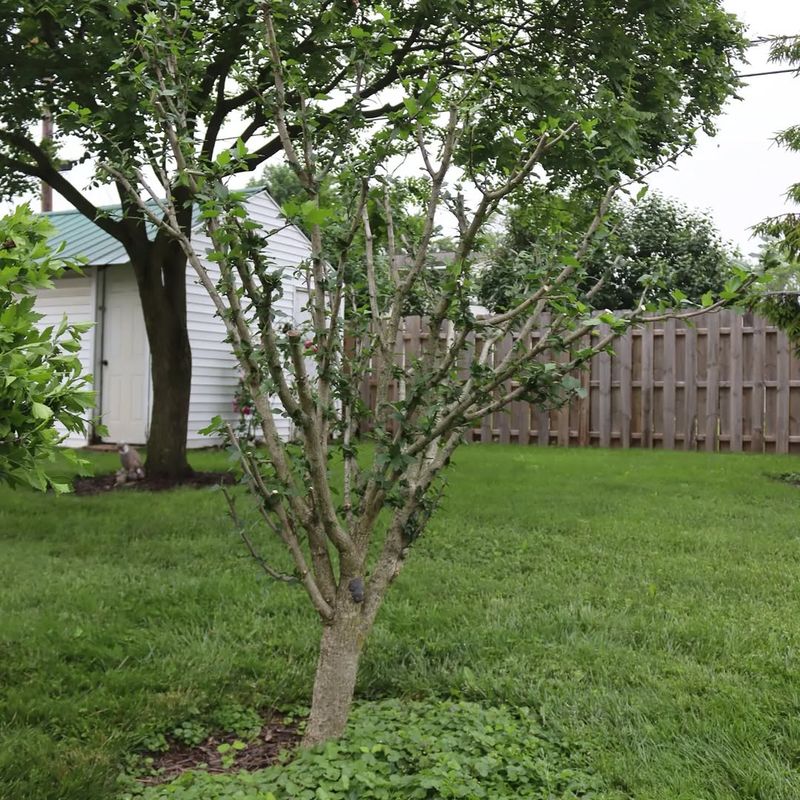
This tough flowering shrub thrives throughout Georgia, but it can become unruly without annual pruning. Late winter presents the ideal moment to shape your rose of Sharon and remove the previous year’s seed pods that cling to branches.
Cutting back now encourages bushier growth and more abundant blooms when summer arrives.
Rose of Sharon flowers on new wood, which means you can prune aggressively without sacrificing blooms. Many Georgia gardeners cut their plants back by one-third to one-half each year, creating compact specimens that produce flowers at eye level rather than high overhead.
This heavy pruning also prevents the excessive self-seeding that makes rose of Sharon weedy in some landscapes.
Focus your efforts on removing the oldest, woodiest stems completely at ground level. This rejuvenation pruning keeps plants vigorous and prevents the bare, leggy appearance that develops when rose of Sharon goes unpruned for years.
Leave younger, more flexible stems, shortening them to the height you prefer. New shoots will emerge from every cut, creating a full, rounded shape.
Georgia’s long growing season means rose of Sharon has plenty of time to produce new growth before flowering begins in midsummer. Don’t worry about pruning too hard during late winter.
These resilient shrubs bounce back quickly and reward bold cuts with spectacular displays of white, pink, or purple blooms that last for weeks and attract butterflies throughout the hottest months.
6. Dogwood Should Only Be Lightly Pruned Before Bloom
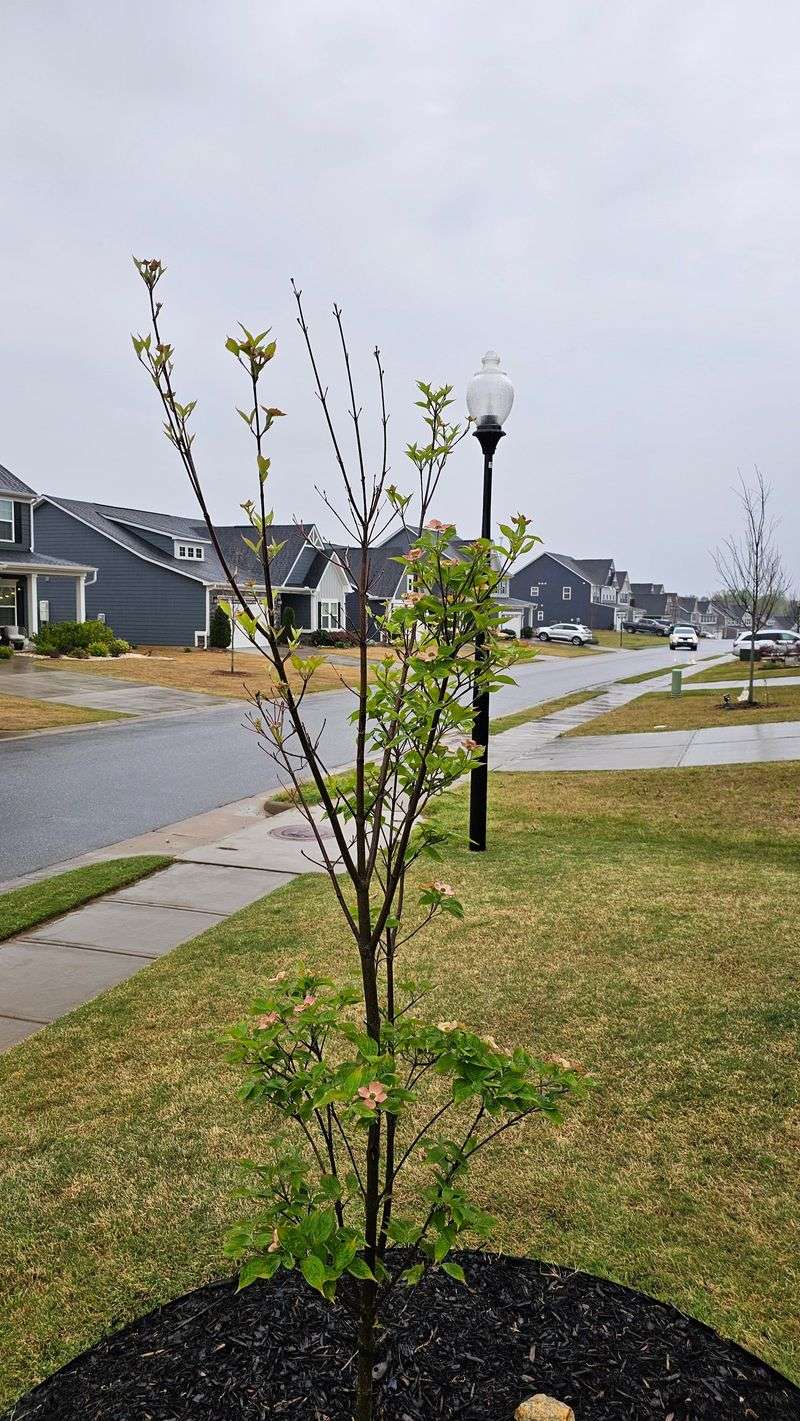
Georgia’s state tree deserves gentle treatment when it comes to pruning. Dogwoods bloom on old wood, and their flower buds form the previous summer, so aggressive pruning removes the very branches that should produce spring flowers.
Late winter allows you to make necessary corrections while preserving as many buds as possible.
Limit pruning to correcting crossing limbs and eliminating any growth that disrupts the tree’s natural layered form. Dogwoods develop their characteristic horizontal branching pattern without much help, and excessive pruning ruins this elegant structure.
Step back frequently while working to ensure you are enhancing rather than fighting the tree’s natural shape.
Watch for the small, rounded flower buds at branch tips as you work. These differ from the pointed leaf buds and should be preserved whenever possible.
If a branch must be removed, cut back to a main limb or the trunk rather than leaving stubs. Dogwoods are susceptible to diseases that enter through wounds, so clean cuts made during dormancy heal better than ragged breaks.
Anthracnose and powdery mildew both challenge dogwoods in Georgia, particularly in shaded, humid locations. Thinning interior branches improves air circulation, which helps prevent these problems.
However, remember that dogwoods naturally grow as understory trees and need some shade. Light pruning now, before blooms open, maintains health without sacrificing the spectacular spring display that makes dogwoods beloved throughout Georgia landscapes.
7. Pecan Trees Respond Best To Careful Dormant Season Cuts
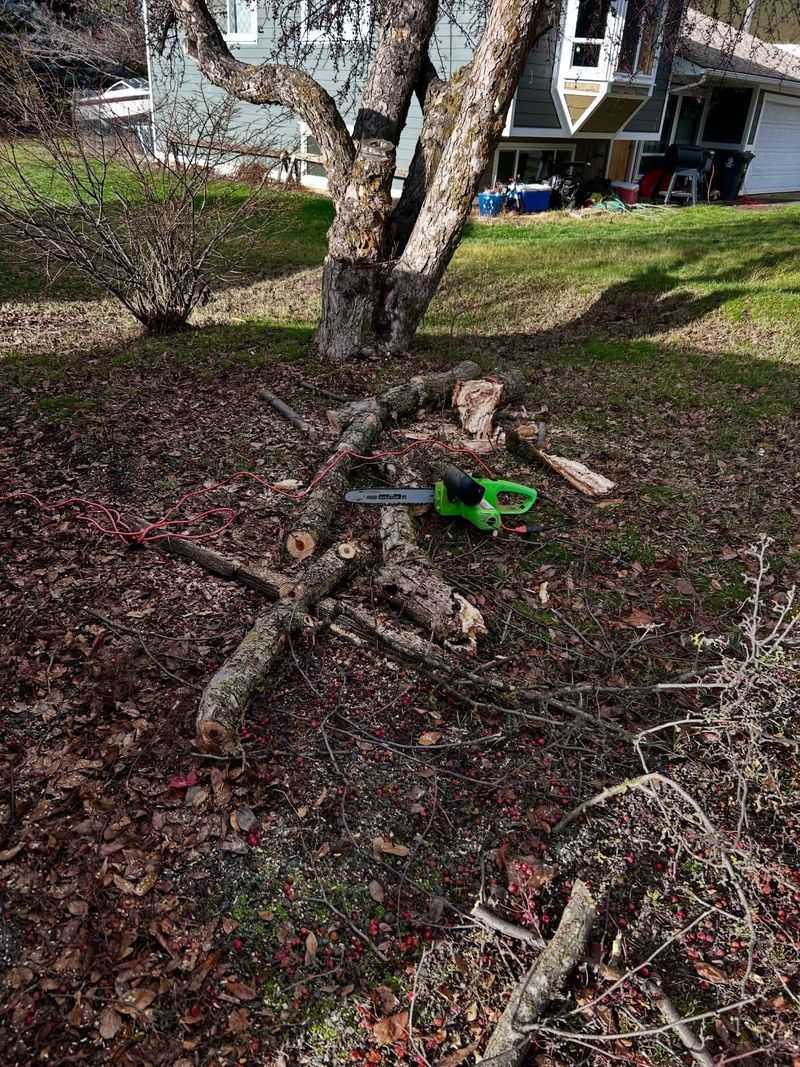
Commercial pecan orchards and backyard trees both benefit from dormant pruning, though the scale differs dramatically.
Georgia leads the nation in pecan production, and growers understand that proper pruning during winter months sets up trees for better nut production.
Homeowners with a single tree can apply the same principles on a smaller scale.
Pecan trees grow large, and their brittle wood makes them prone to storm damage. Winter pruning removes weak branches before they become hazards.
Focus on eliminating narrow crotches, removing branches that grow straight up or down, and thinning areas where limbs crowd together. Better light penetration throughout the canopy improves nut quality and reduces disease pressure.
Young pecans need training to develop strong structure, while mature trees require maintenance pruning to correct structural issues and improve airflow.
Never remove more than one quarter of the canopy in a single year, as pecans need their leaves to produce the energy that fills nuts.
Make cuts just outside the branch collar, and avoid leaving stubs that can lead to decay in the wood.
Late February through early March works well for pecan pruning across Georgia. Trees remain dormant, yet you’re close enough to spring that wounds begin healing quickly once growth starts.
Large pecans often require professional help because of their size and the danger of working at height. However, lower limbs and smaller trees can be managed by homeowners with proper equipment and technique.
8. Fig Trees Should Be Pruned After The Risk Of Hard Frost Begins To Fade
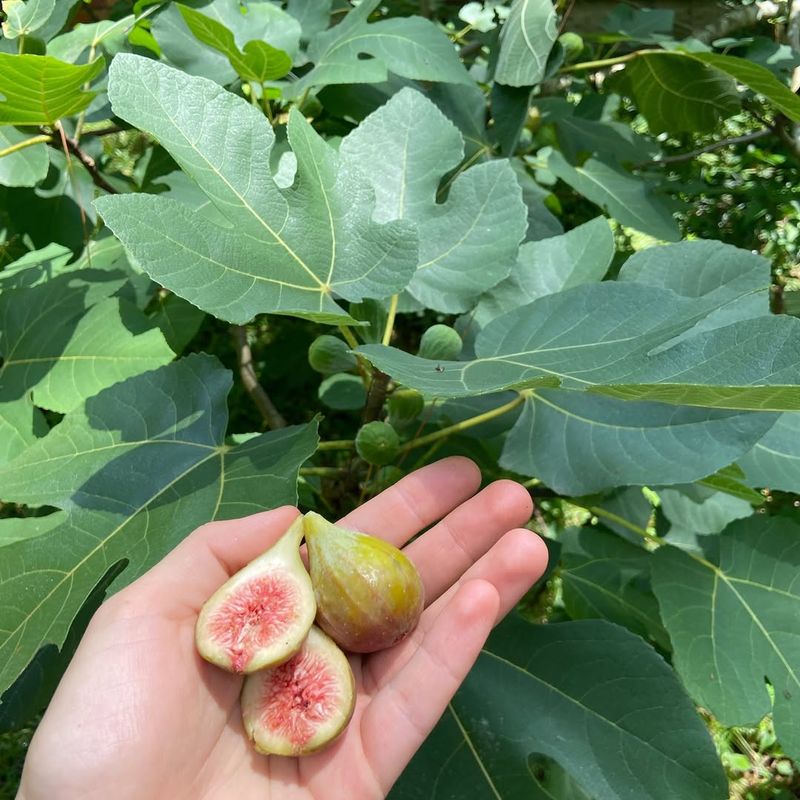
Figs thrive in Georgia’s climate, but occasional hard freezes can damage branches and complicate pruning decisions. Waiting until late winter allows you to assess cold damage accurately before making cuts.
Once temperatures warm slightly, it becomes easier to see which branches are truly viable, so you can prune with confidence instead of guessing.
Georgia gardeners grow figs successfully throughout the state, though northern areas face more freeze risk than coastal regions. Pruning strategy depends partly on whether your fig produces a main crop on old wood or focuses on a late summer crop on new growth.
Either way, late winter offers the chance to shape plants and remove unproductive wood before spring growth begins.
Cut back any branches damaged by winter cold, removing them completely to healthy wood. Then thin out the center of the plant to improve air circulation and light penetration.
Figs produce fruit on branch tips, so avoid removing too many ends if you want an early crop. However, figs also fruit prolifically on new wood, so even aggressive pruning won’t eliminate your harvest entirely.
Many Georgia fig growers maintain their trees as large shrubs rather than single-trunk specimens. This approach makes winter protection easier and provides backup trunks if cold damages the main stems.
Prune to maintain three to five strong trunks, removing suckers beyond this number. Late winter pruning, timed after hard freeze risk passes, gives your fig the best chance to produce abundant fruit through Georgia’s long, warm growing season.