The Late Winter Risks Oregon Tree Buds Face Before Spring
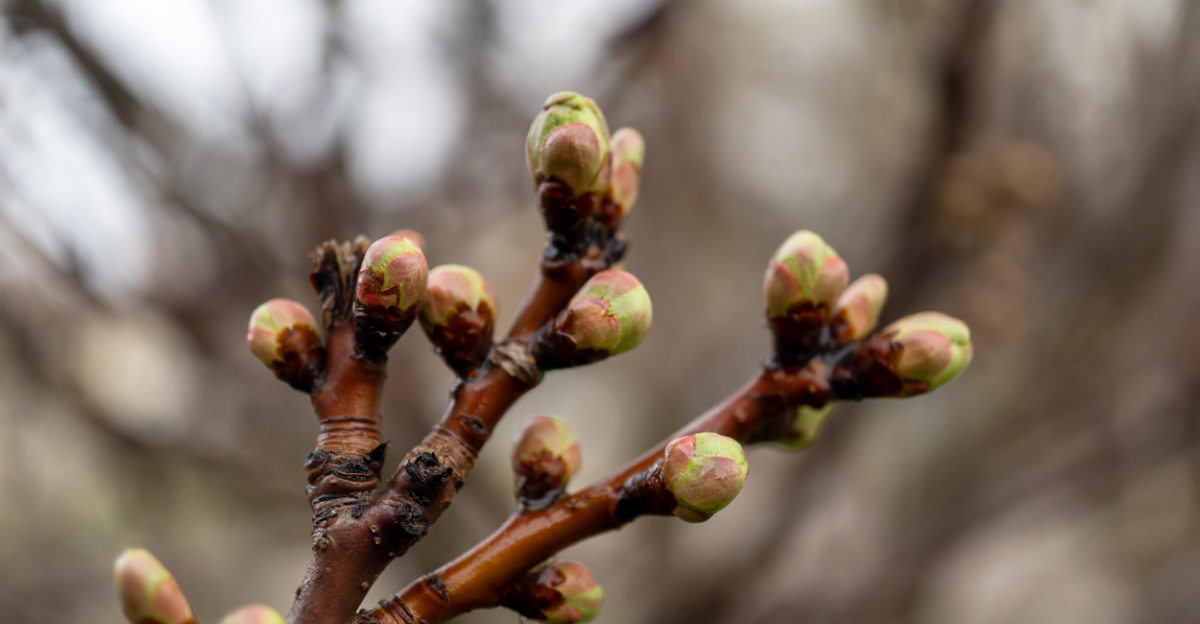
Tree buds may look small and quiet, but late winter can be a tense time for them in Oregon. Just as buds begin to swell and prepare for spring, sudden cold snaps, heavy rain, and temperature swings can put that delicate new growth at risk.
A warm spell might wake buds early, only for freezing nights to follow and cause damage that affects leaves, flowers, and even fruit later on. Excess moisture can also invite fungal problems right when tissues are most vulnerable.
It is a season of waiting and watching, where timing and weather play a big role in how trees perform once spring fully arrives.
1. Why Late Winter Threatens Buds
Walk outside on a mild February afternoon and you might think winter is nearly over. Temperatures climb into the fifties, birds start singing, and everything feels springlike.
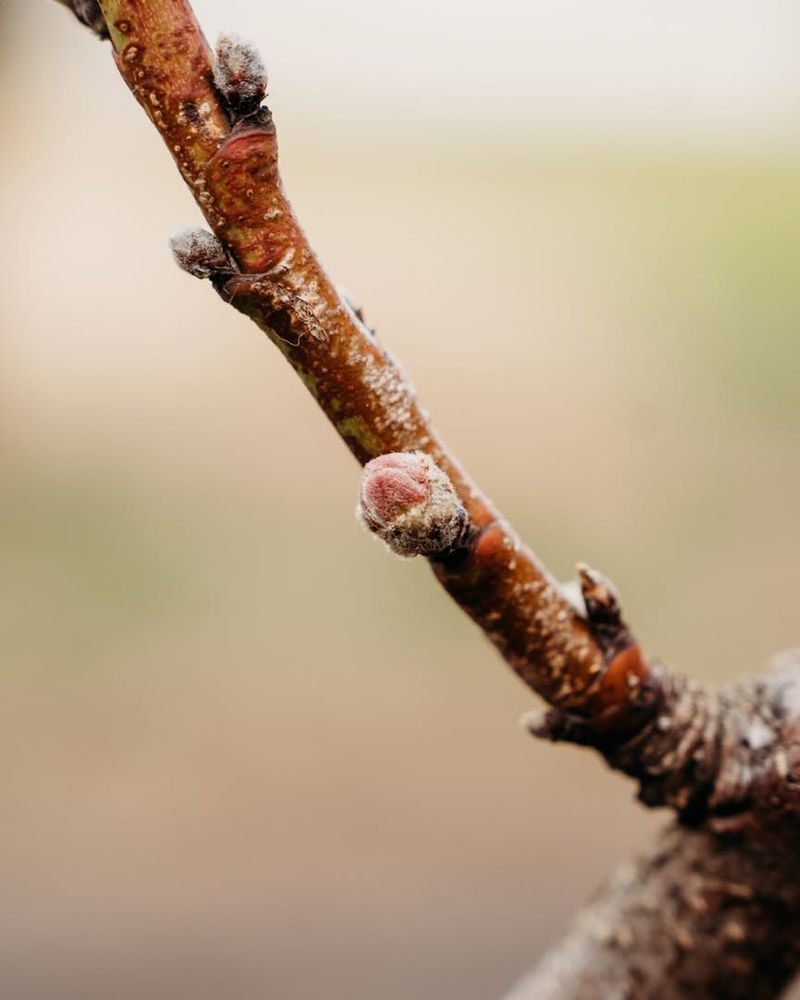
Your trees sense it too, sap begins moving, buds start swelling just slightly, preparing for the growth ahead.
But Oregon’s late winter is famously fickle. That warm stretch can vanish overnight, replaced by freezing temperatures or even snow.
Once buds have started responding to warmth, they become far more vulnerable to cold damage than they were in December.
This timing problem is uniquely stressful. Dormant buds can handle serious cold without issue.
But partially awakened buds lose that protection. The cells inside have begun changing, filling with water and starting metabolic processes.
When temperatures plunge again, ice crystals form inside delicate tissues, rupturing cells and killing developing flowers or leaves.
In Oregon, we see this pattern repeatedly, warm days followed by hard freezes. Your trees get caught in between, neither fully dormant nor safely growing.
Understanding this vulnerability helps you recognize why late winter damage happens and what you can realistically do to help your trees survive this tricky transition period.
2. Sudden Freeze Damage
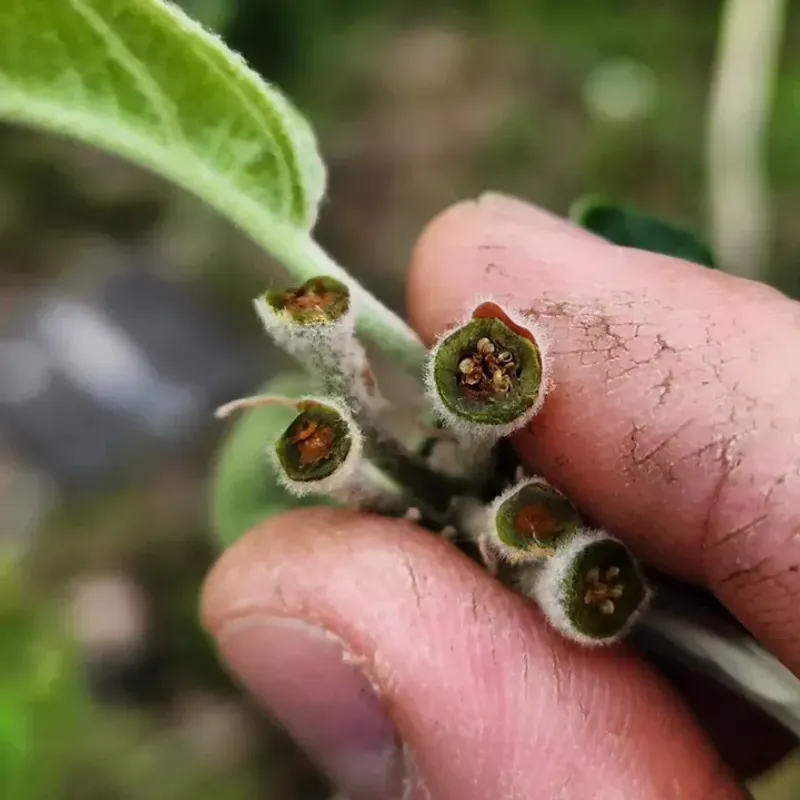
You check the weather forecast and see a warm weekend ahead, maybe even reaching sixty degrees. Then suddenly Tuesday’s forecast shows overnight lows dropping to twenty-five.
This whiplash pattern is classic Oregon late winter, and it’s brutal on tree buds.
When temperatures swing dramatically, buds don’t have time to re-harden. If they’ve begun swelling during warm days, the sudden freeze catches them exposed.
The damage shows up later as blackened bud centers, failure to open in spring, or flowers that emerge deformed and unable to set fruit.
Fruit trees are especially vulnerable. Apples, pears, cherries, and plums all develop their flower buds through winter, and a single hard freeze at the wrong moment can destroy your entire crop.
Ornamental trees suffer too, magnolias, flowering cherries, and dogwoods may bloom poorly or not at all after freeze damage.
Watch for rapid temperature drops after mild spells. If your forecast shows this pattern, consider covering smaller trees with frost blankets overnight.
For larger trees, there’s less you can do except ensure they’re well-watered beforehand, since moist soil holds heat better than dry ground and can moderate temperature swings slightly around the root zone.
3. Early Bud Swell Risks
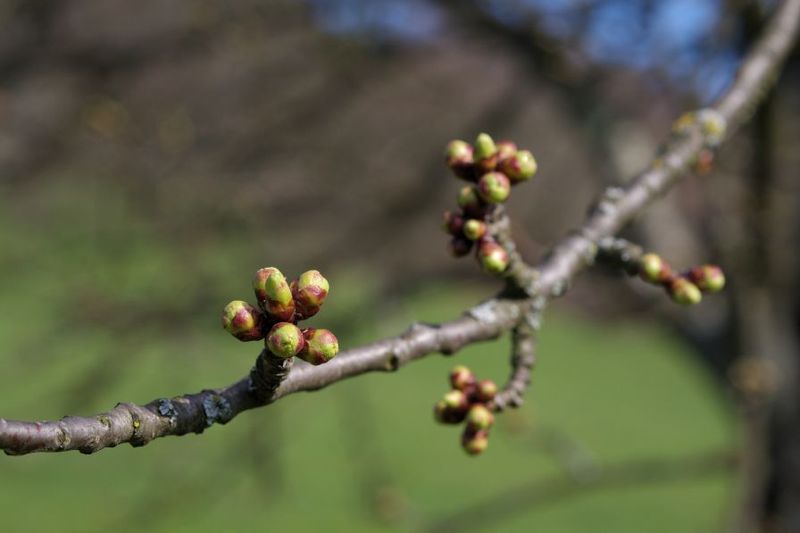
Some years, January feels almost like April. Temperatures stay mild week after week, rain falls gently instead of freezing, and your trees respond exactly as they’re programmed to, they start waking up.
Buds swell visibly, turning from tight brown nubs into plump green tips. This early awakening feels wrong because it is. Oregon typically has several more weeks of potential freezing weather ahead.
Once buds swell significantly, they’ve lost most of their cold tolerance. They’re committed to growing now, and any return to winter conditions can cause serious harm.
Early bud swell is particularly common in our warmer valleys, Willamette, Rogue, even parts of the Columbia Gorge. Coastal areas see it too, where maritime influence keeps temperatures moderate.
But nowhere in Oregon is truly safe from late cold snaps through early March.
You can’t stop buds from swelling when weather turns warm, but you can avoid making it worse. Don’t fertilize trees in late winter, which encourages growth.
And don’t water heavily unless actually needed, excess moisture combined with warmth signals trees that spring has arrived, triggering earlier bud break than would happen naturally in slightly drier conditions.
4. Frost During Bud Break
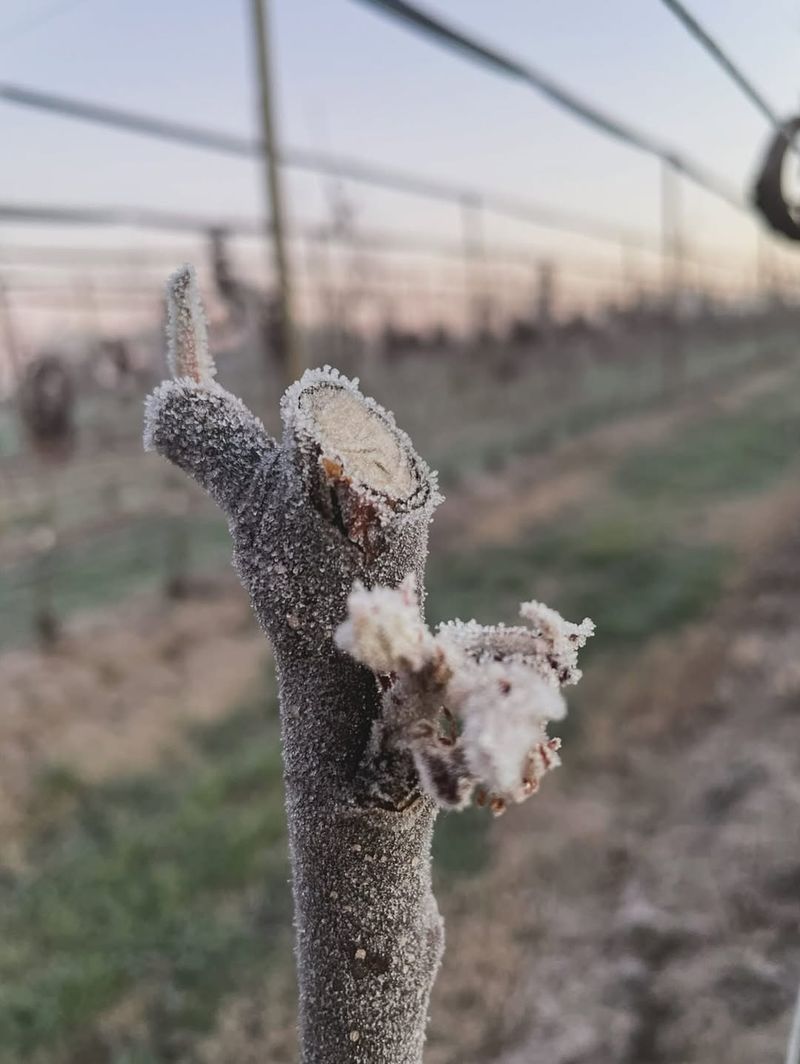
The absolute worst timing for frost is right when buds are breaking, that magical moment when green tissue first emerges and leaves begin unfolding.
At this stage, plant cells are fully active, filled with water, and completely unprotected. Even a light frost can cause devastating damage.
Bud break usually happens in March or early April in Oregon, depending on your location and the tree species. But our weather doesn’t reliably stay frost-free until mid-April in many areas, and some higher elevations see frost risk into May.
This creates a dangerous window when tender new growth is exposed to freezing temperatures.
Frost damage during bud break looks dramatic. Emerging leaves turn black at the edges, curl up, or die completely.
Flowers brown and drop without setting fruit. The tree may push out replacement growth, but it’s often weaker, and the setback affects the whole growing season.
Check your local frost dates and know your property’s cold spots, low areas, north-facing slopes, and open spaces where cold air settles. If frost threatens during bud break, running sprinklers overnight can actually protect buds, since freezing water releases heat.
It sounds counterintuitive, but a thin ice coating at thirty-two degrees protects tissue better than dry air at twenty-eight degrees.
5. Rain Stress
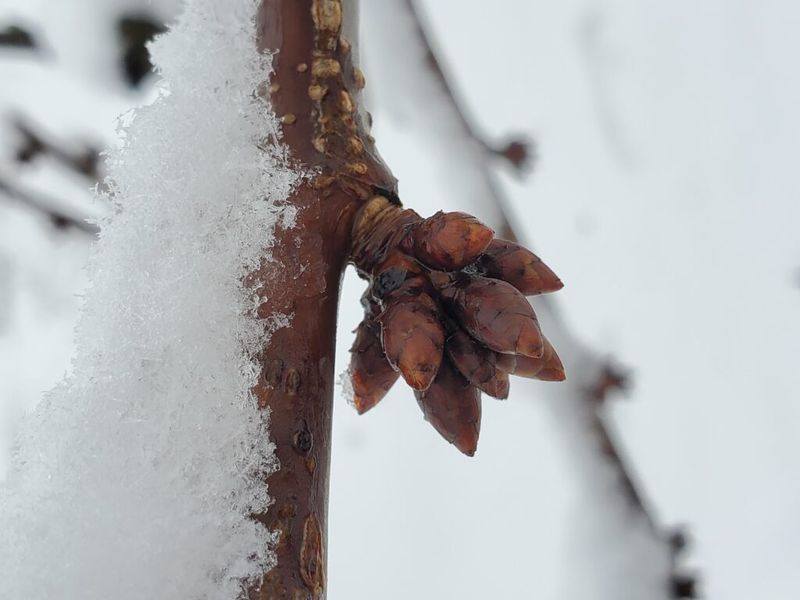
Oregon’s late winter brings plenty of precipitation, and while trees need moisture, too much at the wrong time creates problems. Heavy rain can physically damage swelling buds, breaking them off or bruising delicate tissues just as they’re becoming active.
Snow is particularly tricky. A February snowfall might seem harmless since trees are still dormant, but if buds have already started swelling, the weight and cold together create compound stress.
Branches bend under snow load, buds get crushed against other branches, and freezing moisture penetrates protective bud scales.
Prolonged wet conditions also encourage fungal problems. Bud scales that should protect developing tissues become waterlogged and less effective.
Spores that have been dormant all winter suddenly find perfect conditions to germinate and infect vulnerable buds as they begin opening.
After heavy snow, gently brush off branches if you can safely reach them, especially on younger trees. Focus on branches with visible bud swell.
For rain, ensure good drainage around your trees so roots aren’t sitting in saturated soil, which compounds stress. Avoid working around trees when soil is muddy, compaction damages roots and reduces their ability to support buds through challenging weather.
Sometimes the kindest thing you can do is simply leave trees alone and let them handle conditions naturally.
6. Fungal Disease Risk
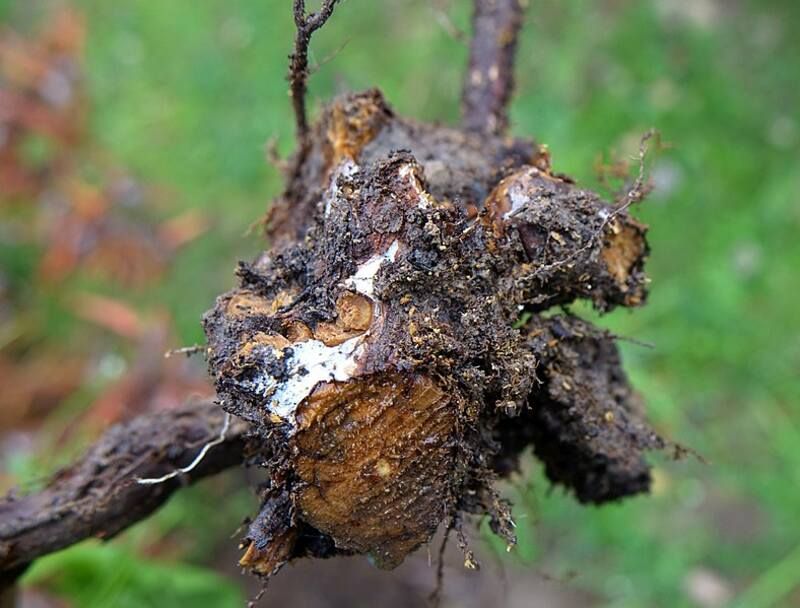
Late winter’s combination of cool temperatures and high humidity creates ideal conditions for fungal diseases that target buds. Spores have been waiting all winter, and as soon as buds begin swelling and temperatures rise slightly, these pathogens become active.
Oregon’s wet climate makes this risk especially serious.
Several fungi specifically attack buds during this vulnerable period. Brown rot affects stone fruits like cherries and plums, causing buds to rot before they open.
Fire blight can infect pear and apple buds during wet spring weather. Various mildews and blights target ornamental trees, disfiguring or killing buds before they develop properly.
Infected buds often look normal at first, then suddenly turn brown, fail to open, or produce distorted growth. By the time you notice symptoms, the damage is done for that year.
Prevention is your only real option, and it starts with good cultural practices throughout the year.
Prune out any dead or diseased wood before buds swell, removing overwintering fungal spores. Improve air circulation by thinning crowded branches. Avoid overhead watering that keeps buds wet for extended periods.
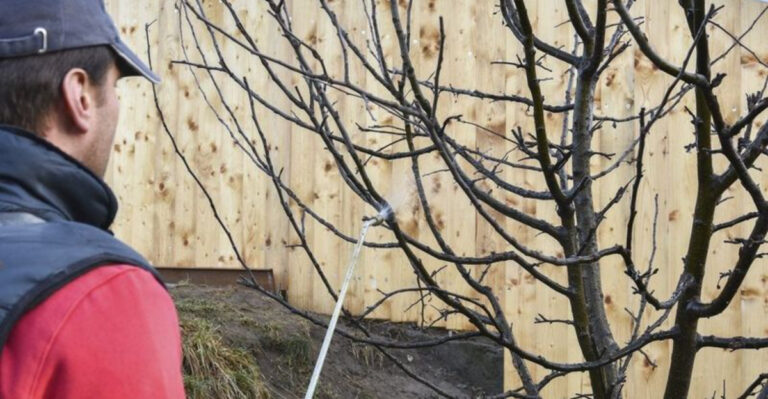
For fruit trees with a history of disease problems, consider dormant sprays of copper or lime sulfur in late winter before buds break, these can significantly reduce fungal populations and protect emerging growth during this critical high-risk period.
7. How To Protect Buds
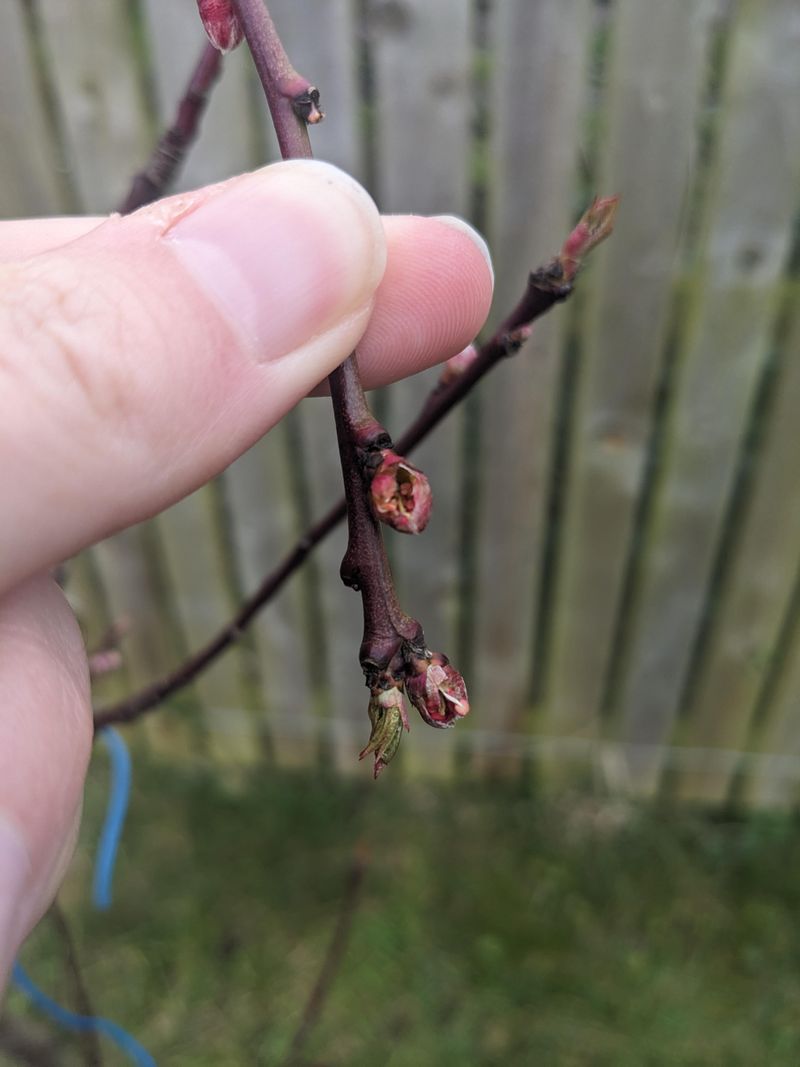
You can’t control Oregon’s weather, but you can take steps that help trees handle late winter stress better. Healthy trees with strong root systems and good structure survive bud-threatening conditions far better than stressed, neglected trees.
Most protection happens through basic good care rather than emergency interventions.
Start by ensuring adequate soil moisture through winter. Trees need water even when dormant, and well-hydrated trees handle cold stress better.
Water deeply every few weeks if rain has been scarce, especially before predicted cold snaps. Moist soil moderates temperature swings around roots and supports trees’ natural defenses.
Mulch helps too. A three-inch layer of wood chips or compost around the root zone insulates soil, maintains moisture, and moderates temperature fluctuations.
Keep mulch a few inches away from the trunk itself to prevent rot, but cover the entire root area outward to the drip line.
For smaller trees or particularly valuable specimens, frost blankets provide direct protection during cold snaps. Drape fabric over the tree before sunset on nights when frost threatens, creating a barrier that traps ground heat.
Remove covers during the day so trees don’t overheat. Avoid plastic, which can cause more damage than it prevents by trapping moisture and creating extreme temperature swings underneath the covering.
8. Healthy Buds, Strong Spring
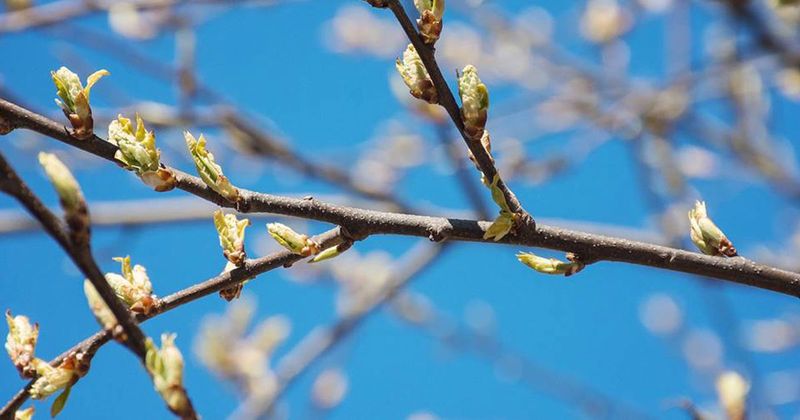
The payoff for protecting buds through late winter comes in spring when your trees leaf out beautifully and bloom abundantly. Healthy bud development during these critical weeks determines your entire growing season.
Trees that survive late winter stress without damage grow vigorously, flower heavily, and produce better fruit crops.
As temperatures finally stabilize in April, watch your trees closely. Healthy buds will swell gradually, then break cleanly with fresh green growth.
Damaged buds might fail to open, or produce weak, distorted leaves. Assess the damage honestly, most trees can recover from moderate bud loss, though fruit production may suffer this year.
If many buds were damaged, reduce your expectations and help trees recover. Avoid heavy pruning, which removes remaining healthy buds and forces trees to work harder.
Fertilize lightly once growth begins, supporting new development without overstimulating stressed trees. Water consistently through spring and summer, since damaged trees have fewer leaves for photosynthesis and need extra support.
Remember that surviving late winter successfully builds tree resilience for future years. Trees that come through these challenges develop stronger wood, better root systems, and improved stress tolerance.
Your attention to bud protection now creates healthier, more productive trees for many seasons ahead. Each year you help your trees through this vulnerable transition strengthens them for whatever Oregon’s unpredictable weather brings next.