The Lavender Garden Trend Spreading Through North Carolina
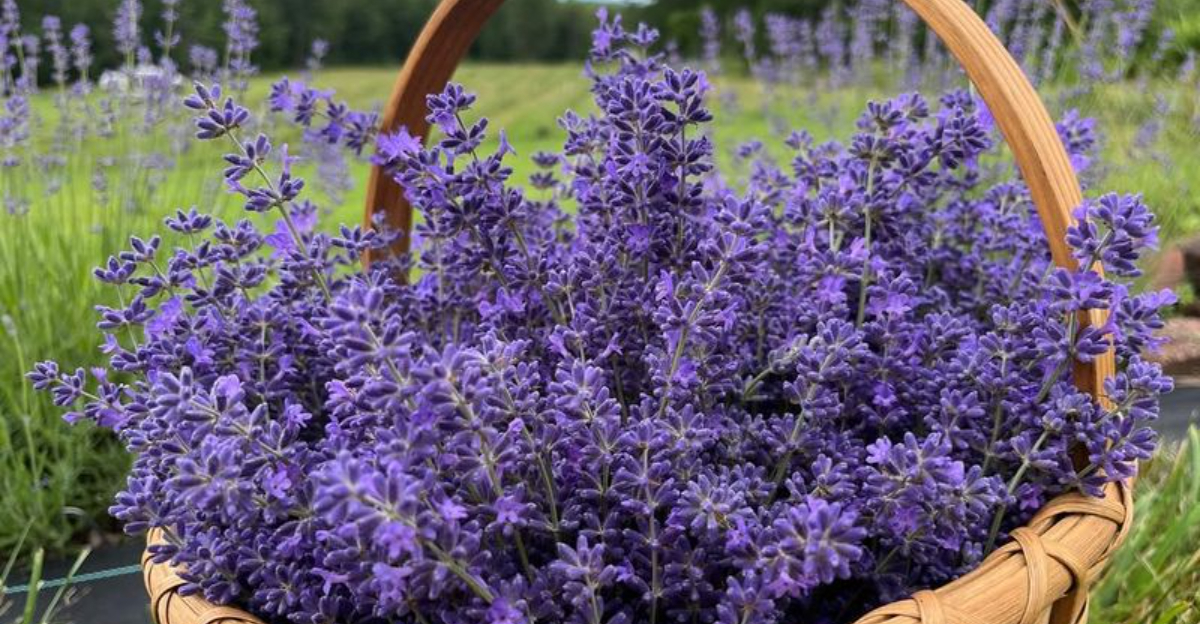
North Carolina yards are filling with lavender lately, and it feels so calming to see those gentle purple blooms covering porches, pathways, and sunny backyard corners.
People love how easy it is to grow, and the scent alone makes the whole space feel a little more peaceful after long, busy days.
It’s become one of those trends that quietly settles in and stays because it brings a simple kind of beauty that everyone can enjoy without trying too hard.
1. Lavender Thrives in North Carolina’s Climate
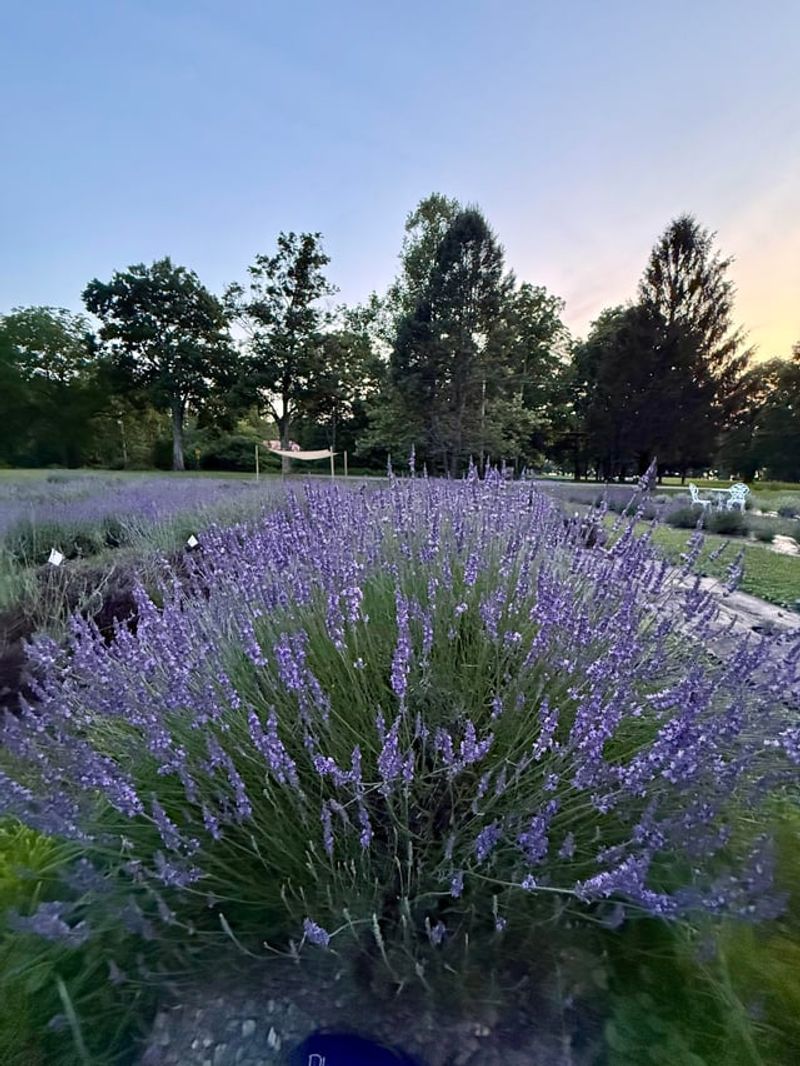
Many gardeners across North Carolina discover that lavender adapts beautifully to the state’s unique weather patterns, growing strong through hot summers and mild winters.
English lavender varieties handle the humidity better than most people expect, especially when planted in spots with excellent drainage and plenty of morning sunlight.
Spanish lavender also performs wonderfully here, blooming earlier in spring and adding vibrant color to gardens throughout the Piedmont and coastal regions of the state.
Soil preparation makes all the difference, so mixing sand or gravel into clay-heavy earth helps roots stay healthy and prevents waterlogging during rainy seasons.
Raised beds work perfectly for North Carolina gardeners who want to control soil quality and ensure their lavender plants receive ideal growing conditions year-round.
Local garden centers now stock lavender varieties specifically chosen for this region, making it easier than ever to start your own fragrant backyard paradise.
Experienced growers recommend planting in early spring or fall, giving roots time to establish before the summer heat arrives or winter cold settles in across the state.
2. Multiple Lavender Varieties Suit Different Gardens
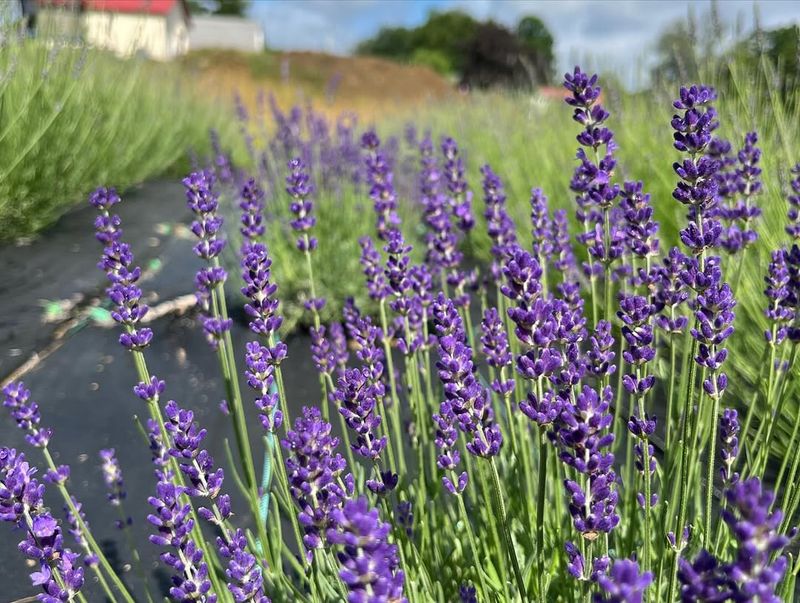
Choosing the right lavender variety transforms your North Carolina garden from ordinary to extraordinary, with each type offering unique colors, scents, and growing habits.
English lavender remains the most popular choice because it produces the sweetest fragrance and handles the state’s temperature swings better than more delicate varieties.
French lavender creates stunning displays with its distinctive pineapple-shaped flower heads, though it needs extra winter protection in the mountain regions of North Carolina.
Spanish lavender blooms earlier than other types, giving gardeners an extended season of color and attracting pollinators when few other flowers are available yet.
Lavandin hybrids grow larger and produce more flowers, making them perfect for people who want to harvest bundles for drying, crafts, or homemade products.
Choosing compact varieties works wonderfully for container gardens on apartment balconies or small patios throughout cities like Charlotte, Raleigh, and Asheville across the state.
Mixing several varieties creates a garden with staggered blooming times, ensuring you enjoy lavender flowers from late spring all the way through early fall months.
3. Lavender Attracts Beneficial Pollinators
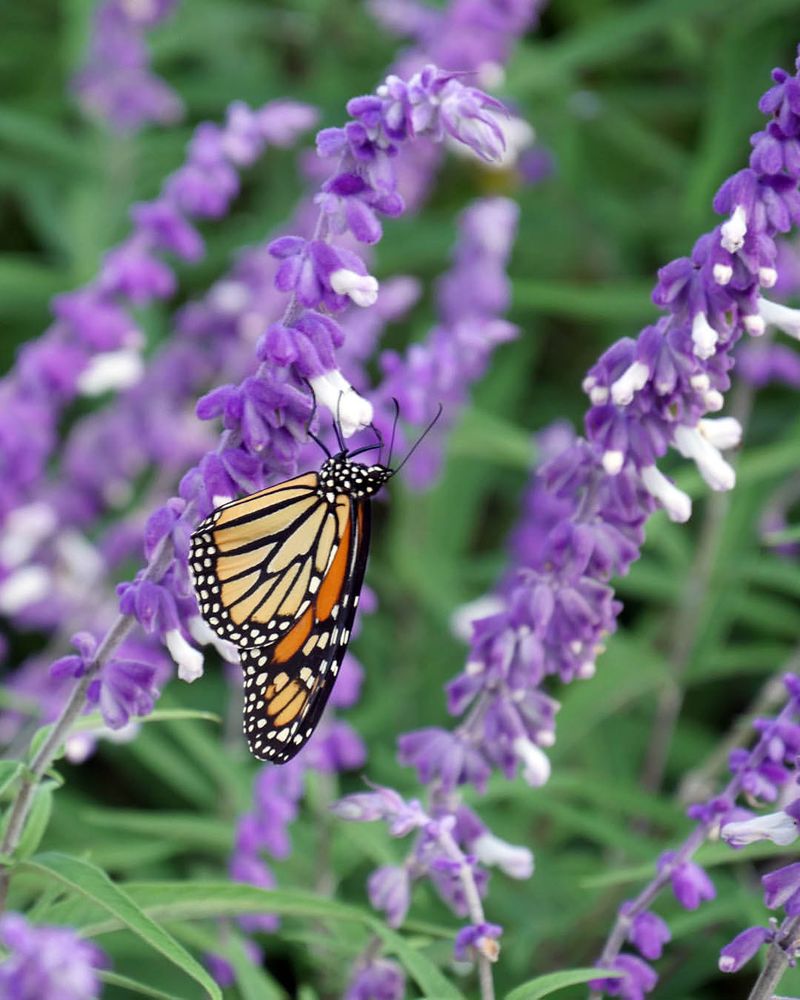
Bees absolutely adore lavender flowers, buzzing happily from bloom to bloom and helping pollinate vegetables, fruits, and other plants throughout your entire North Carolina garden space.
Butterflies find lavender irresistible too, with monarchs, swallowtails, and painted ladies visiting regularly to sip nectar and rest on the fragrant purple flower spikes.
Hummingbirds occasionally stop by lavender plants, especially when other nectar sources run low during hot summer afternoons across gardens in the Tar Heel State.
Creating a pollinator-friendly garden helps local ecosystems thrive while reducing the need for chemical fertilizers and pesticides that harm beneficial insects and wildlife around homes.
Lavender blooms provide food when many native plants have finished flowering, offering crucial late-season nutrition for bees preparing their hives for winter months ahead.
Planting lavender near vegetable gardens increases crop yields naturally because more pollinators visit your tomatoes, peppers, squash, and other food plants that need insect help.
Children love watching butterflies and bees work among lavender flowers, making these gardens perfect educational spaces for families living anywhere throughout beautiful North Carolina today.
4. Lavender Requires Minimal Water Once Established
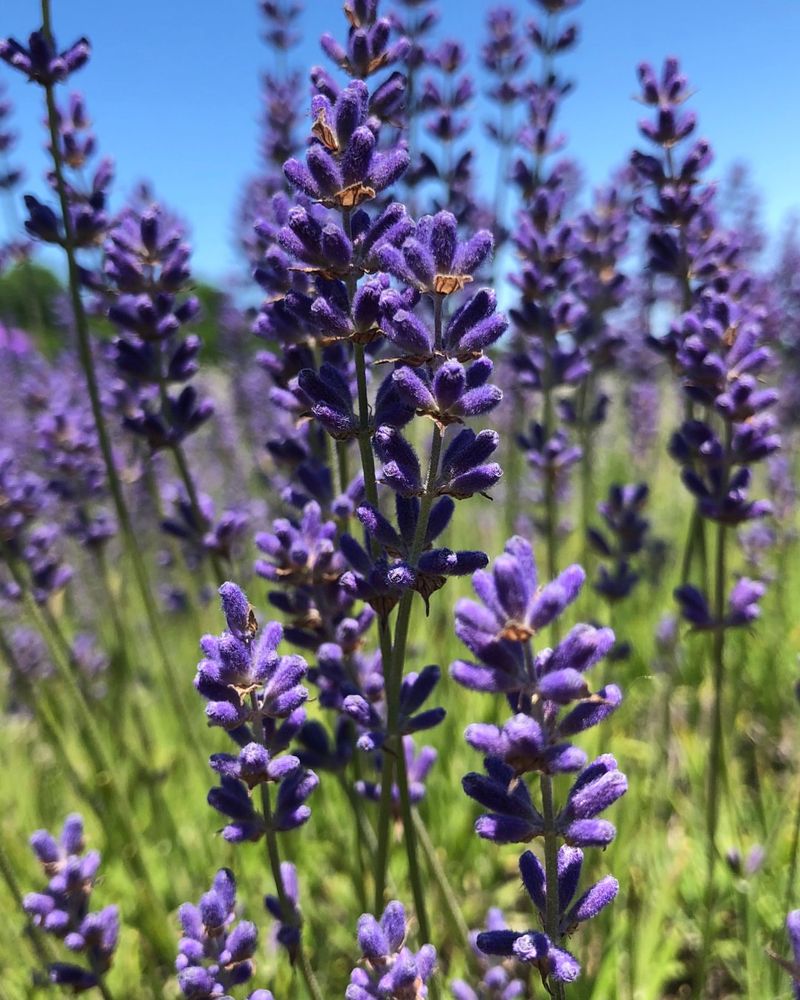
Established lavender plants handle drought remarkably well, making them ideal for North Carolina gardeners who want beautiful landscapes without constantly running sprinklers or worrying about water bills.
Overwatering kills more lavender plants than underwatering does, so letting soil dry completely between waterings encourages strong root systems and prevents root rot problems.
New plants need regular moisture during their first growing season, but once roots establish deeply, lavender survives on rainfall alone throughout most of the state.
Mulching around plants helps retain moisture during establishment but should be kept away from stems to prevent fungal diseases that thrive in damp conditions near plant bases.
Sandy soils found in coastal North Carolina drain perfectly for lavender, while clay soils in other regions require amendments to prevent water from pooling around sensitive roots.
Drip irrigation systems work better than overhead sprinklers because keeping foliage dry reduces disease risks and ensures water reaches roots without wasting precious resources on evaporation.
Sustainable gardening practices become easier with lavender, helping families reduce water consumption while maintaining gorgeous landscapes that neighbors admire throughout the year across North Carolina communities.
5. Harvesting Lavender Creates Endless Possibilities
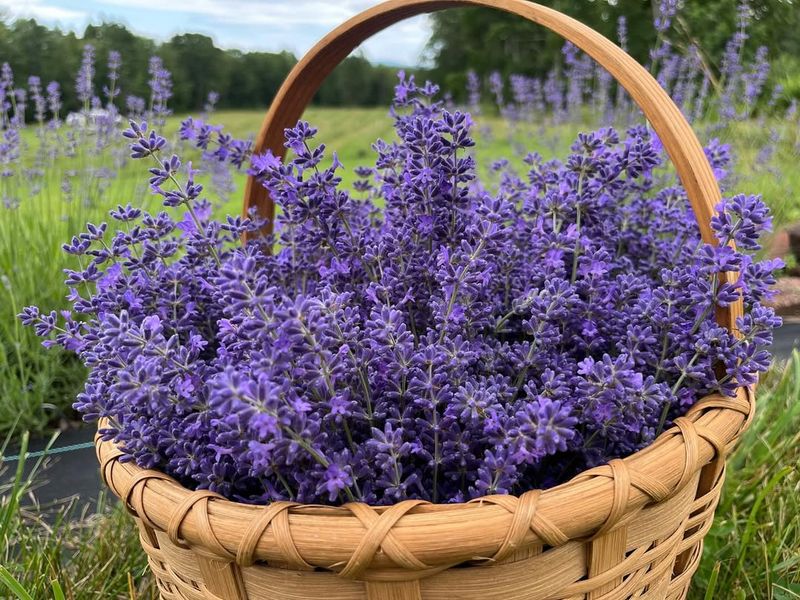
Cutting lavender at the perfect time preserves maximum fragrance and color, with the best moment being just as flowers open but before they fully mature completely.
Morning harvests work best because essential oils concentrate in flower buds overnight, giving you the strongest scent possible for whatever projects you plan to create.
Bundles tied with twine and hung upside down in dark, well-ventilated spaces dry beautifully within two weeks, preserving color and fragrance for months of enjoyment.
Dried lavender fills sachets that freshen drawers, closets, and cars while naturally repelling moths and other pests without harsh chemicals throughout your North Carolina home.
Culinary lavender adds unique flavor to cookies, lemonade, honey, and even savory dishes, though using food-grade varieties ensures safety when cooking for family and friends.
Crafters across the state create wreaths, wands, and arrangements using dried lavender stems, turning simple harvests into beautiful decorations or thoughtful handmade gifts for loved ones.
Selling fresh or dried lavender bundles at farmers markets provides extra income for families, with demand growing steadily as more people discover this plant’s versatility.
6. Lavender Gardens Support Mental Wellness
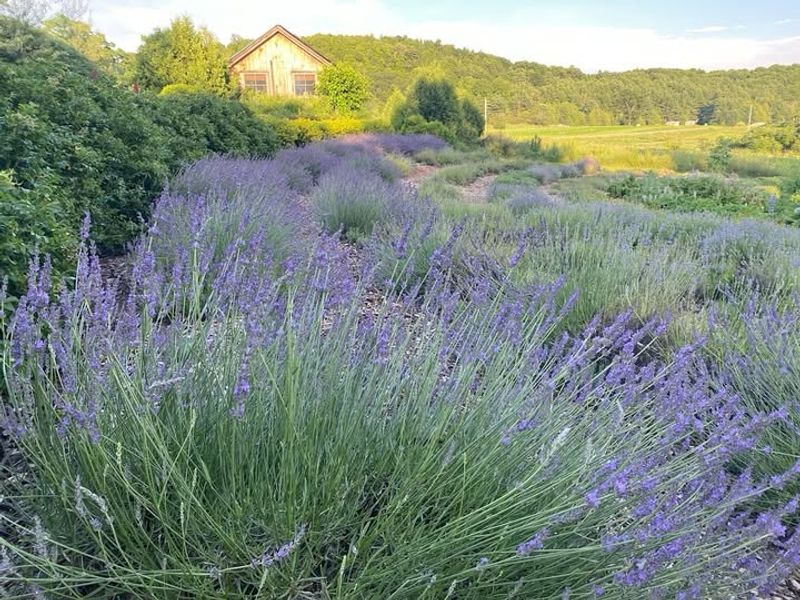
Scientific research confirms that lavender’s scent reduces anxiety and promotes relaxation, making gardens filled with this plant perfect retreats after stressful days at work or school.
Spending time among lavender plants lowers blood pressure naturally, offering health benefits without medications while creating peaceful outdoor spaces for meditation and quiet reflection throughout North Carolina.
Gardening itself provides therapeutic benefits, with the physical activity, fresh air, and sense of accomplishment improving mood and overall mental health for people of all ages.
Families discover that tending lavender together creates bonding opportunities, teaching children responsibility while building shared memories in beautiful outdoor spaces around their homes across the state.
Aromatherapy practitioners recommend lavender for sleep problems, with dried flowers placed near pillows helping people fall asleep faster and wake feeling more rested each morning.
Creating a sensory garden with lavender benefits individuals with autism, dementia, or other conditions by providing calming scents, interesting textures, and visually soothing purple colors.
Many North Carolina residents design lavender meditation gardens specifically for mental wellness, combining comfortable seating, walking paths, and fragrant plants into personal sanctuaries that promote peace and healing.
7. Commercial Lavender Farms Are Growing Statewide
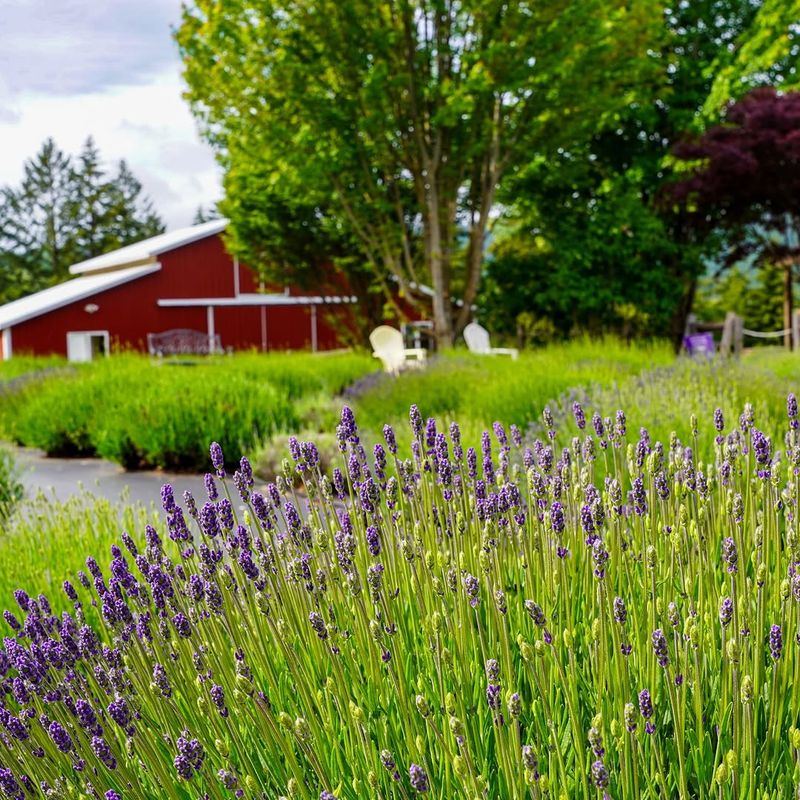
Entrepreneurs across North Carolina recognize lavender’s commercial potential, opening farms that welcome visitors for tours, workshops, and seasonal festivals celebrating this remarkable plant’s many uses.
Agritourism opportunities bloom alongside lavender fields, with families traveling from cities to experience farm life, pick their own flowers, and learn about sustainable agriculture firsthand.
Farm shops sell lavender products including essential oils, soaps, lotions, and culinary items, providing income streams that help small farms thrive in the state’s changing agricultural landscape.
Wedding venues featuring lavender fields attract couples seeking romantic outdoor ceremony locations with naturally beautiful backdrops that require minimal decoration and create stunning photographs effortlessly.
Educational programs teach visitors about beekeeping, essential oil distillation, and organic farming practices, connecting urban residents with agricultural traditions that shaped North Carolina’s history and culture.
Seasonal employment opportunities arise during harvest time, when farms need extra hands to cut, bundle, and process lavender before flowers lose their peak fragrance and color.
Supporting local lavender farms strengthens regional economies while reducing environmental impacts associated with shipping products long distances from other states or countries around the world today.
8. Lavender Complements Other Garden Plants Perfectly
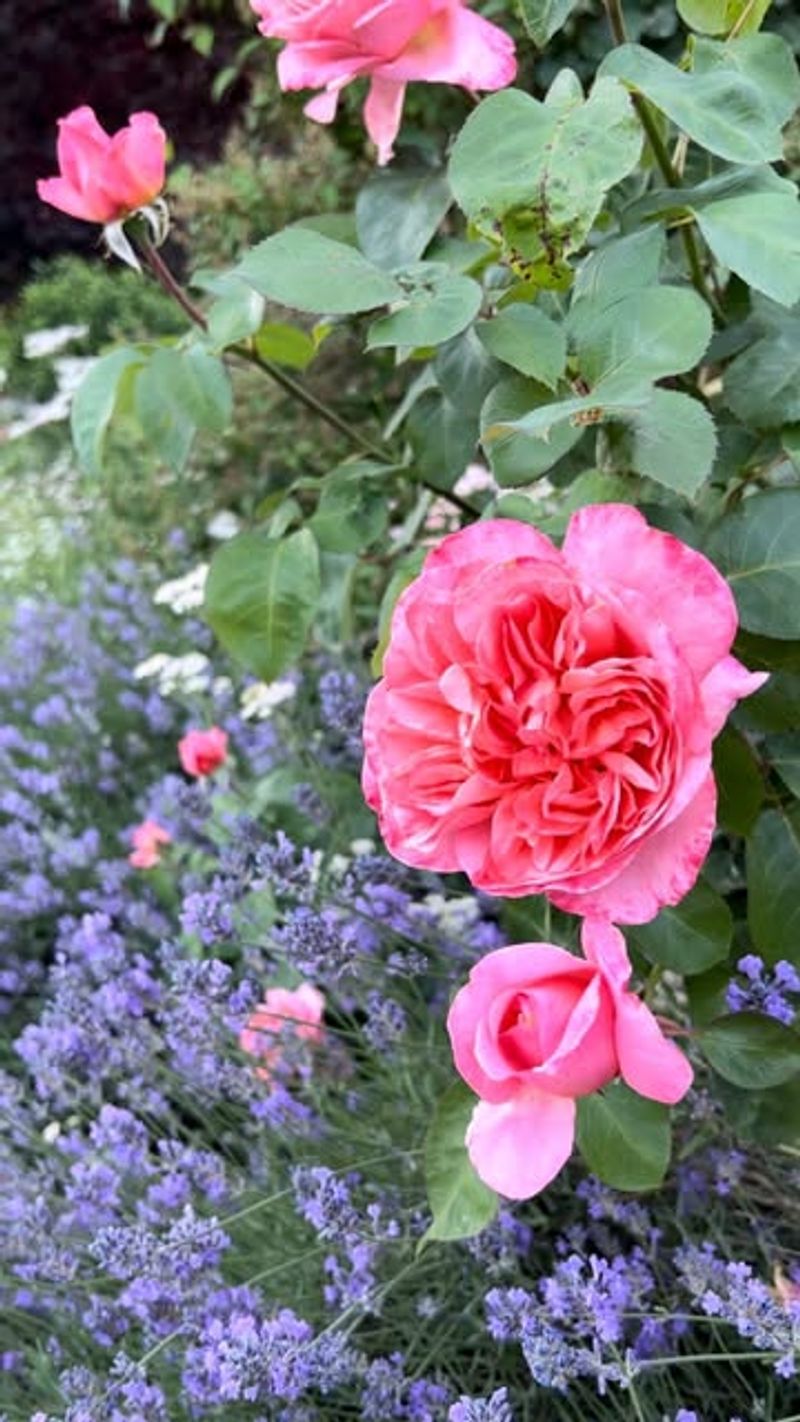
Roses and lavender make classic companion planting partners, with lavender’s pest-repelling properties protecting roses while purple blooms complement pink, red, and white flower colors beautifully.
Herb gardens benefit from lavender additions because similar growing requirements mean all plants thrive together, simplifying care while creating functional spaces for cooking and crafting.
Ornamental grasses provide textural contrast to lavender’s compact form, with their flowing movement and neutral colors making purple blooms stand out even more dramatically throughout the season.
Salvia, catmint, and other purple-flowering perennials create monochromatic gardens that feel cohesive and sophisticated, appealing to gardeners who prefer elegant, coordinated color schemes across North Carolina landscapes.
Contrasting colors like yellow coreopsis or orange echinacea planted near lavender create vibrant, eye-catching displays that attract even more pollinators to gardens throughout the growing season.
Evergreen shrubs provide structure and winter interest after lavender finishes blooming, ensuring gardens remain attractive year-round rather than looking empty during colder months across the state.
Designing mixed borders with lavender, perennials, and shrubs creates low-maintenance landscapes that look professionally designed while requiring far less water and care than traditional grass lawns need.
9. Lavender Products Offer Natural Home Solutions
Homemade cleaning products using lavender essential oil cut through grease effectively while leaving homes smelling fresh without harsh chemical odors that irritate sensitive noses and lungs.
Natural bug sprays combining lavender oil with water and witch hazel repel mosquitoes and other pests, protecting families during outdoor activities throughout North Carolina’s warm summer months.
Lavender-infused vinegar makes an excellent fabric softener alternative, reducing static cling and adding pleasant scent to laundry without synthetic fragrances or unnecessary plastic bottle waste.
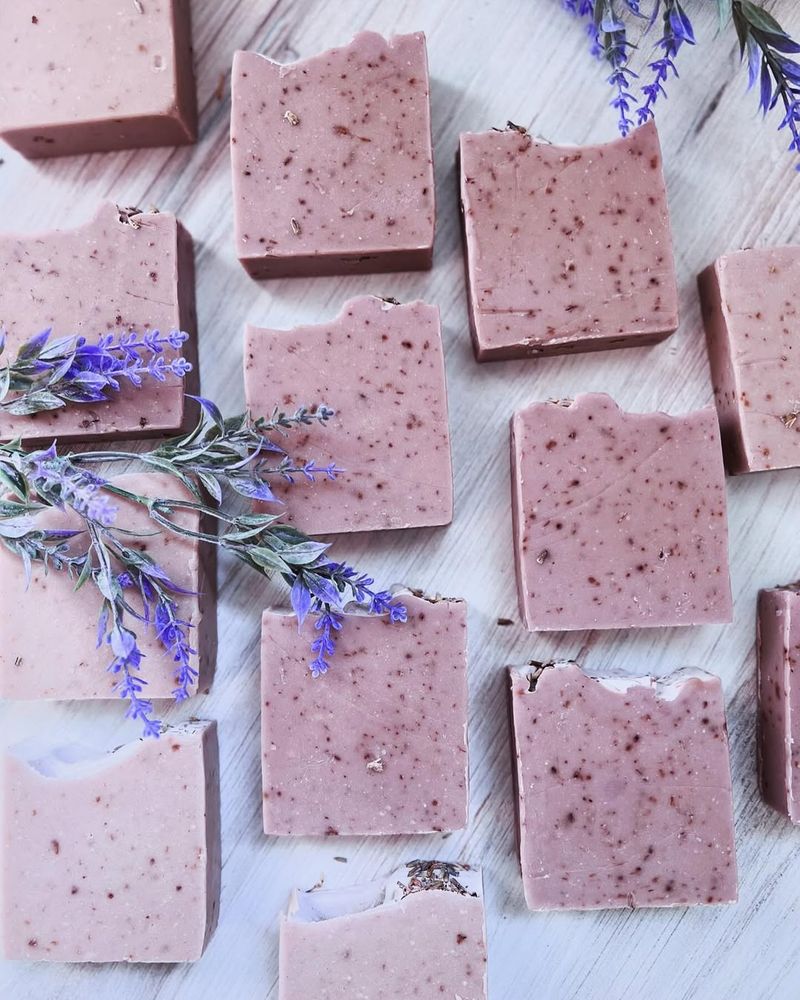
DIY beauty products like sugar scrubs, bath salts, and face masks incorporate lavender for its anti-inflammatory properties and soothing effects on skin irritations and minor blemishes.
Pet owners create gentle lavender sprays for dog beds and cat carriers, helping anxious animals feel calmer during stressful situations like thunderstorms or veterinary visits around the state.
Making your own lavender products saves money compared to purchasing commercial versions, while ensuring you know exactly what ingredients touch your family’s skin and enter your home.
Sharing homemade lavender creations as gifts delights friends and family, with personalized soaps, sachets, or oils showing thoughtfulness and creativity that store-bought presents rarely match today.
10. Starting a Lavender Garden Costs Less Than Expected
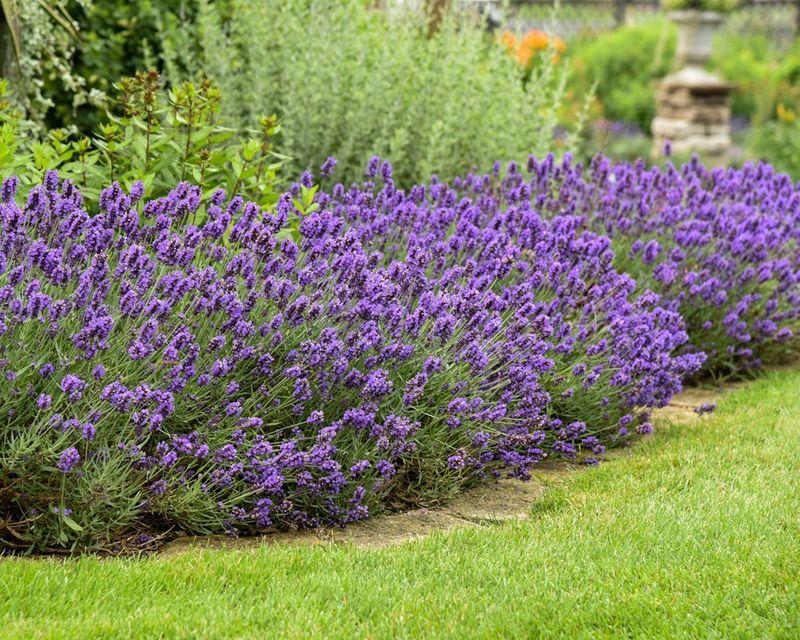
Small starter plants cost just a few dollars each at garden centers throughout North Carolina, making lavender gardening accessible even for families on tight budgets today.
Growing lavender from cuttings taken from established plants provides free new plants, with simple propagation techniques that beginners master quickly using online tutorials or gardening books.
Seeds offer the most economical starting point, though patience becomes necessary since lavender grows slowly from seed and may not bloom until the second growing season.
Repurposing containers like old buckets, crates, or wooden boxes creates charming lavender planters without spending money on expensive decorative pots from specialty garden stores across the state.
Soil amendments like sand and compost often come free from local sources, with municipalities offering compost programs and construction sites giving away excess sand to residents.
Basic gardening tools suffice for lavender cultivation, with no specialized equipment needed beyond pruning shears, a small shovel, and perhaps a watering can for new plants.
Investing minimal money upfront yields years of enjoyment, harvests, and beauty, making lavender one of the best value plants for North Carolina gardeners seeking maximum returns.