The Leafy Greens Georgia Gardeners Start From Seed In March
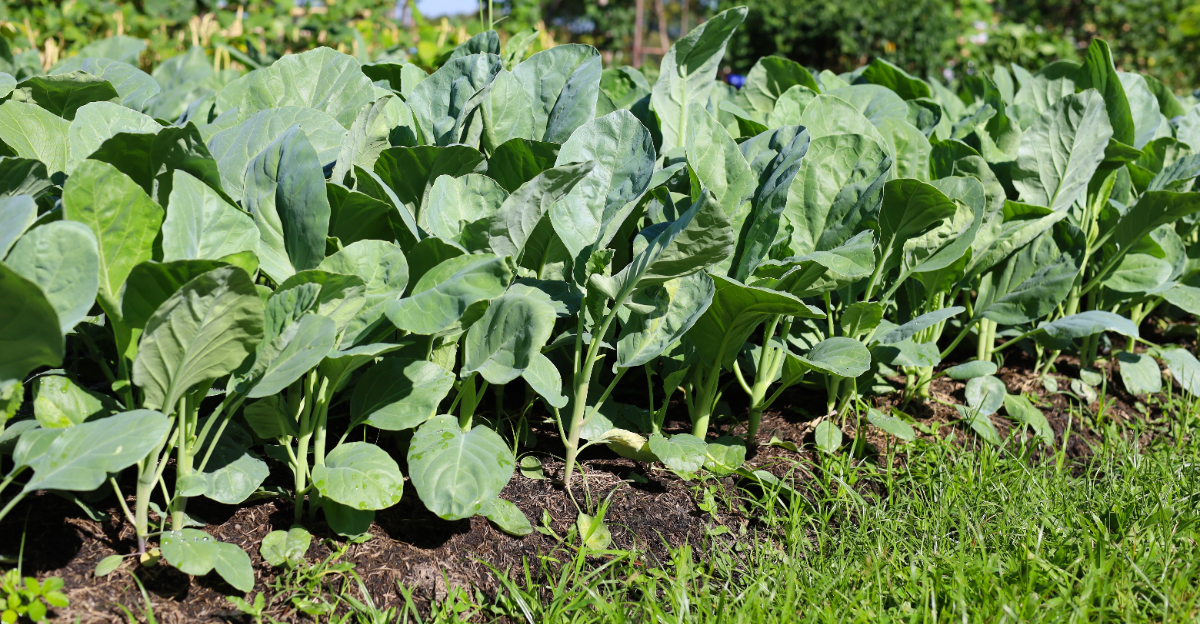
March is when many Georgia gardeners start turning their attention back to the vegetable garden. As the soil slowly warms and the days grow longer, it becomes the perfect window to sow some of the quickest and most reliable leafy greens directly from seed.
These cool-season crops thrive in the mild conditions of early spring and often grow faster than many people expect. Within just a few weeks, small seedlings can turn into fresh, tender harvests ready for the kitchen.
Starting them from seed is also simple, inexpensive, and surprisingly rewarding, even for gardeners with limited space. Raised beds, small garden plots, and even containers can produce plenty of leafy greens this time of year.
By choosing the right varieties to plant in March, Georgia gardeners can enjoy steady harvests well before the heat of late spring begins to slow these cool-loving crops down.
1. Spinach Seeds Sprout Quickly In Cool Early Spring Soil
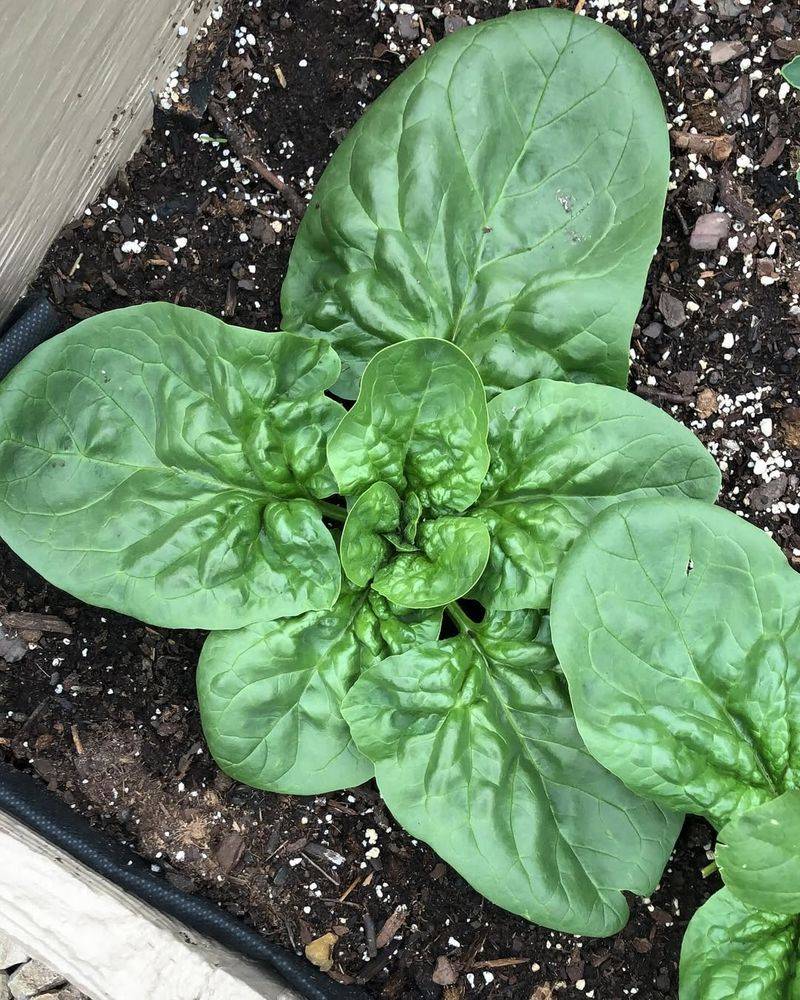
Spinach doesn’t wait around once the soil temperature hits around 40 to 50 degrees Fahrenheit. In Georgia’s central and northern regions, March mornings still carry that crisp edge that spinach absolutely loves.
Push seeds about a quarter inch deep and keep the bed evenly moist, and you can expect germination in as little as seven to ten days.
Bloomsdale and Giant Winter are two varieties worth planting here. Both handle Georgia’s unpredictable early spring swings without much fuss.
Thin seedlings to about four to six inches apart so each plant gets room to fill out properly.
Spinach bolts fast once heat arrives, so the goal is to harvest before late April. Snip outer leaves regularly to extend your picking window by a couple of weeks.
Sandy or loamy soil drains well and warms faster, which works in your favor. Add a layer of compost before sowing to keep moisture consistent without waterlogging the roots.
If you’re in South Georgia, get seeds in the ground right at the start of March before temperatures climb. One inch of water weekly keeps growth steady.
Raised beds speed things up nicely and make thinning seedlings much easier when the time comes.
A light layer of mulch can also help keep the soil cooler a little longer, giving spinach in Georgia a few extra days of productive harvest before the warmer weather pushes it to bolt.
2. Loose Leaf Lettuce Grows Fast From Seed In Mild March Weather
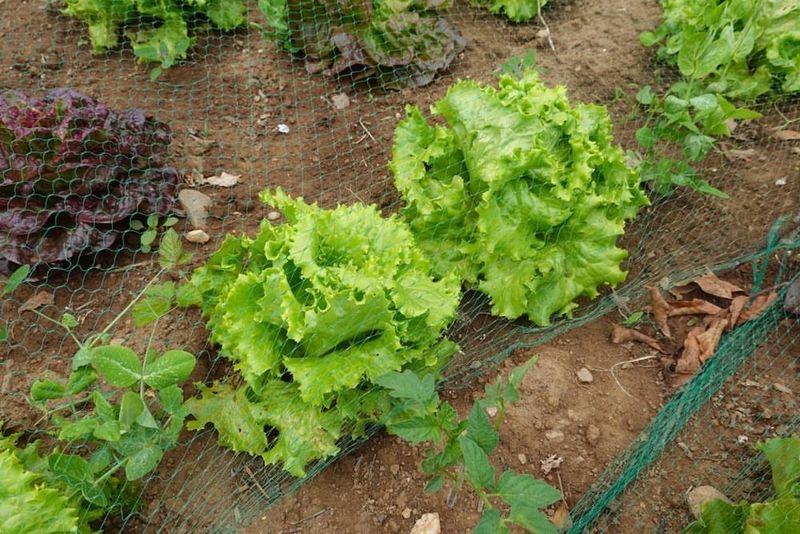
Cut-and-come-again lettuce is one of the most satisfying things you can grow in a Georgia spring garden.
Sow a short row every ten days through March, and you’ll have a steady supply of fresh salad greens instead of one big harvest that overwhelms your kitchen all at once.
Varieties like Red Sails, Black Seeded Simpson, and Butterhead all perform well here. Scatter seeds thinly on the soil surface, press them in lightly, and barely cover with fine soil since lettuce needs light to germinate well.
Consistent moisture matters most in the first week.
Seedlings emerge fast, sometimes within five to eight days when soil temps sit around 60 degrees. Georgia’s central regions are ideal for direct sowing in early March, while northern mountain areas might benefit from waiting until mid-month.
Thin plants to about six inches apart once they’re a couple inches tall. Lettuce roots are shallow, so avoid deep watering that disturbs them.
A thin layer of straw mulch holds moisture and keeps soil temperatures stable on warmer afternoons. Harvest outer leaves starting at about three to four weeks after germination.
Full heads take a bit longer. Afternoon shade from a fence or taller plants actually extends the season when temperatures start climbing toward late spring.
Regular harvesting keeps plants producing longer, so frequent light picking often gives Georgia gardeners a much bigger total harvest than waiting to cut full heads all at once.
3. Arugula Seeds Germinate Rapidly And Produce Tender Leaves Early
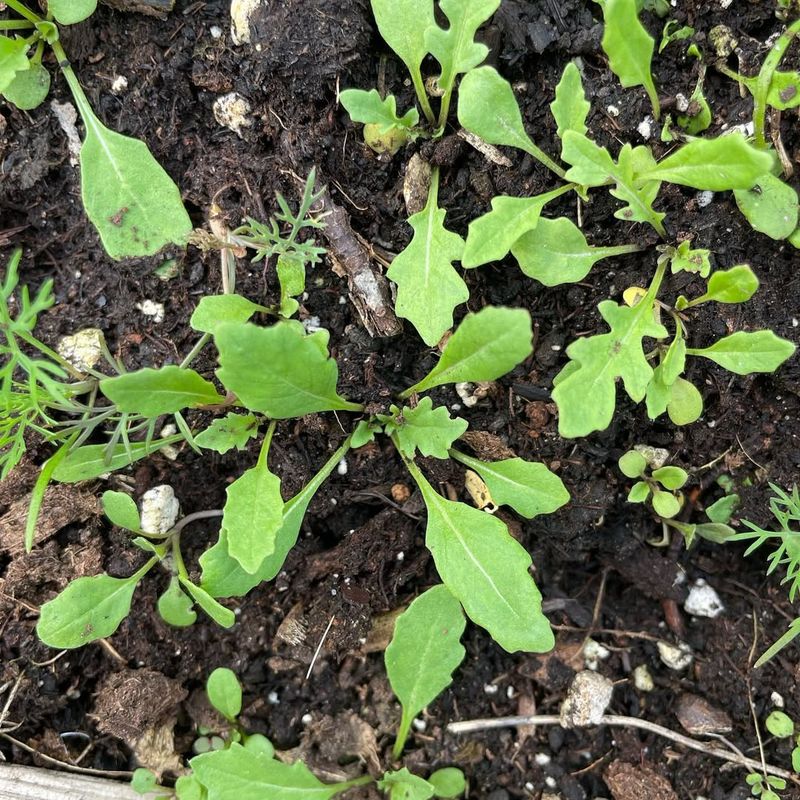
Arugula is the garden overachiever of early spring. Seeds can germinate in as few as five to seven days, and before you know it, you’re snipping peppery leaves into pasta and salads well ahead of most other greens in your garden.
Broadcast seeds thinly across a prepared bed, rake them in barely a quarter inch, and water gently. Arugula doesn’t need perfect soil, but it does appreciate loose, well-draining ground.
Georgia’s March soil in most regions is already workable and close to the right temperature range of 45 to 65 degrees Fahrenheit.
Thinning matters here. Crowded arugula gets leggy and bitter faster than plants given proper spacing of about four to six inches.
Harvest leaves young and small for the mildest flavor. Older leaves turn sharply peppery, which some cooks love but others find too intense.
Succession planting every couple of weeks stretches your harvest window before the heat of late spring sends arugula to seed. In South Georgia, wrap up your last sowing by mid-March.
Further north in Georgia, you can push into early April. Arugula bolts quickly once daytime highs consistently hit the mid-70s, so timing your rows and harvesting often keeps the plant producing longer than most gardeners expect from such a fast-moving green.
A light afternoon shade in warmer parts of Georgia can also slow bolting a little, helping arugula stay tender and productive for a few extra harvests.
4. Swiss Chard Seeds Establish Strong Plants As Temperatures Begin Warming
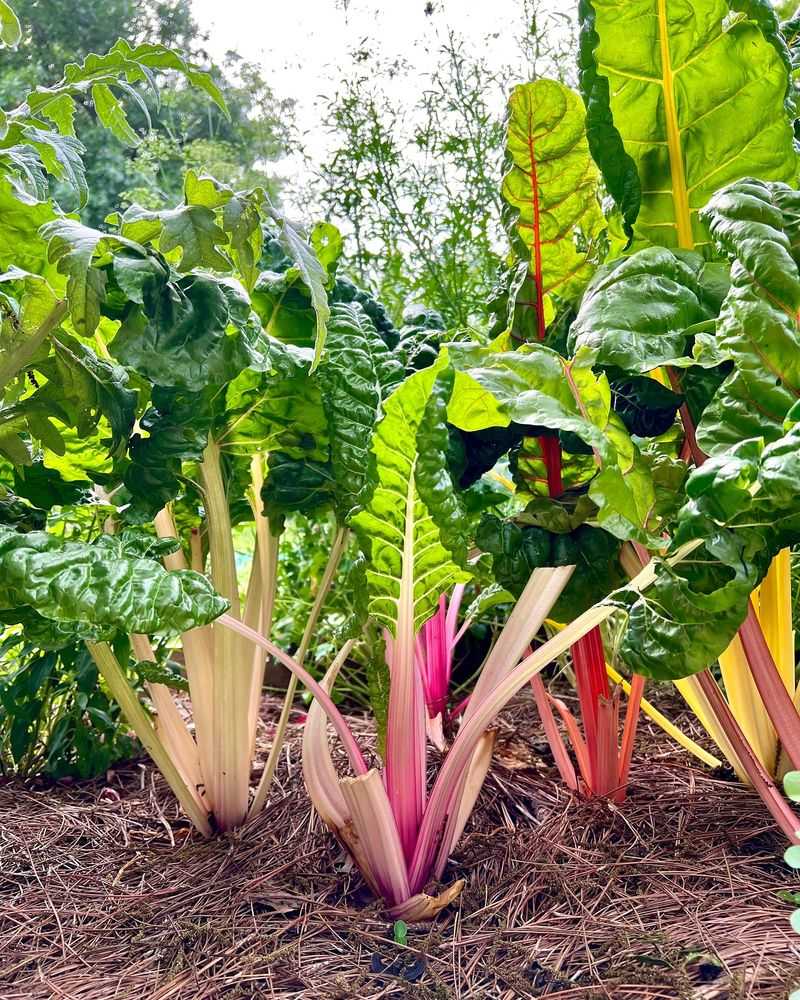
Swiss chard is one of those greens that bridges early spring and early summer without skipping a beat. Start seeds in March across most of Georgia and you’ll have plants that are well-rooted and thriving by the time warmer weather arrives.
That head start matters a lot once heat begins building in May.
Sow seeds about half an inch deep and six inches apart. Each chard seed is actually a cluster of seeds, so expect multiple sprouts from one spot.
Thin to the strongest seedling once they reach a few inches tall. Rainbow chard varieties like Bright Lights add some real color to the garden alongside their great flavor.
Chard tolerates a wider temperature range than spinach or lettuce, which makes it a smart choice for Georgia gardeners who want greens that won’t immediately bolt. Keep soil consistently moist through germination, which usually takes seven to fourteen days.
A soil pH around 6.0 to 6.5 supports healthy growth. Harvest outer stalks regularly starting when plants reach about ten inches tall.
Cutting from the outside leaves the center growing. Plants can produce through summer if given afternoon shade and consistent watering during peak heat.
Start now in March, and you’re setting up a green that will keep contributing to your table well past the typical spring season window most leafy greens offer.
5. Kale Seeds Thrive When Started During Cool Early Spring Conditions
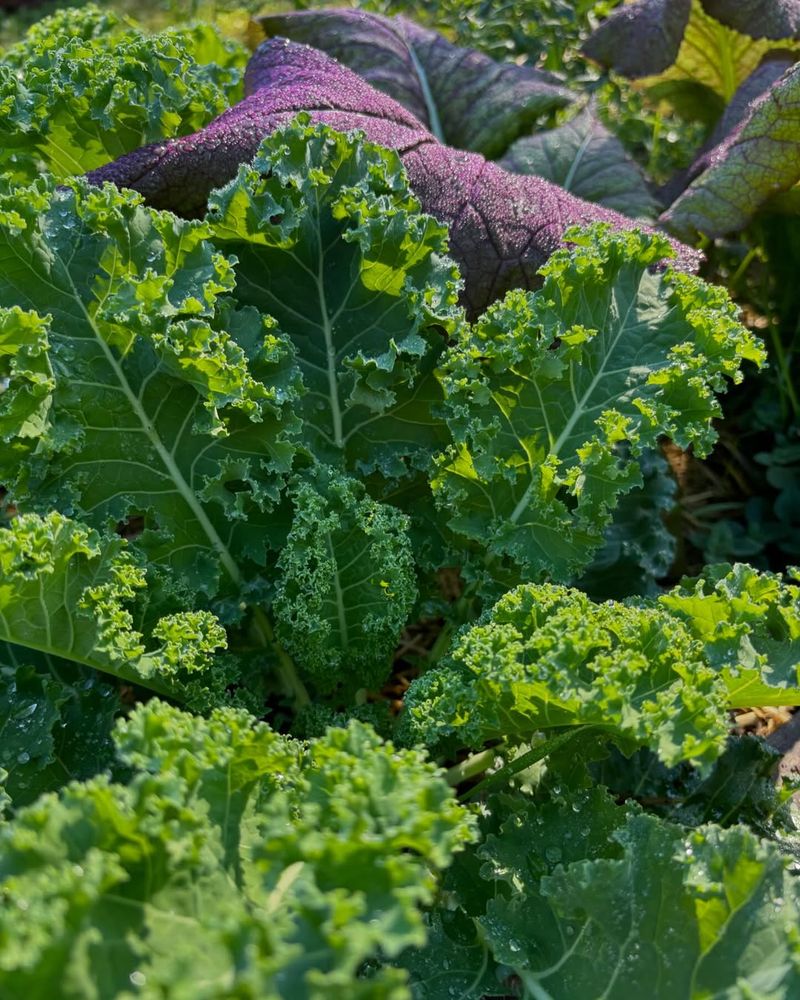
Kale planted in March hits a sweet spot in Georgia’s calendar. Cool nights and mild days push kale to grow steadily without bolting, and the plants have enough time to develop strong roots before summer heat becomes a real challenge.
Lacinato, Red Russian, and Winterbor are all solid choices for Georgia gardens.
Sow seeds a quarter to half an inch deep and keep rows about eighteen inches apart if you want full-sized plants. For baby kale leaves, you can plant more densely and harvest young.
Seeds typically germinate in five to ten days when soil temperature sits between 45 and 75 degrees Fahrenheit.
Kale actually tastes better after a light frost, which you might still catch in northern Georgia during early March. Cold exposure triggers the plant to convert starches into sugars, giving leaves a sweeter, less bitter flavor.
Water deeply once or twice a week rather than shallow daily watering. Deep roots handle Georgia’s occasional dry spells far better.
Thin seedlings to twelve to eighteen inches once they’re established to prevent crowding and disease. Mulching around plants conserves moisture and keeps soil cooler as spring progresses.
Harvest outer leaves continuously and the center keeps pushing new growth. With good care, kale started now in Georgia can produce well into early summer before heat finally slows it down.
6. Mustard Greens Grow Quickly From Seed In Early Spring Beds
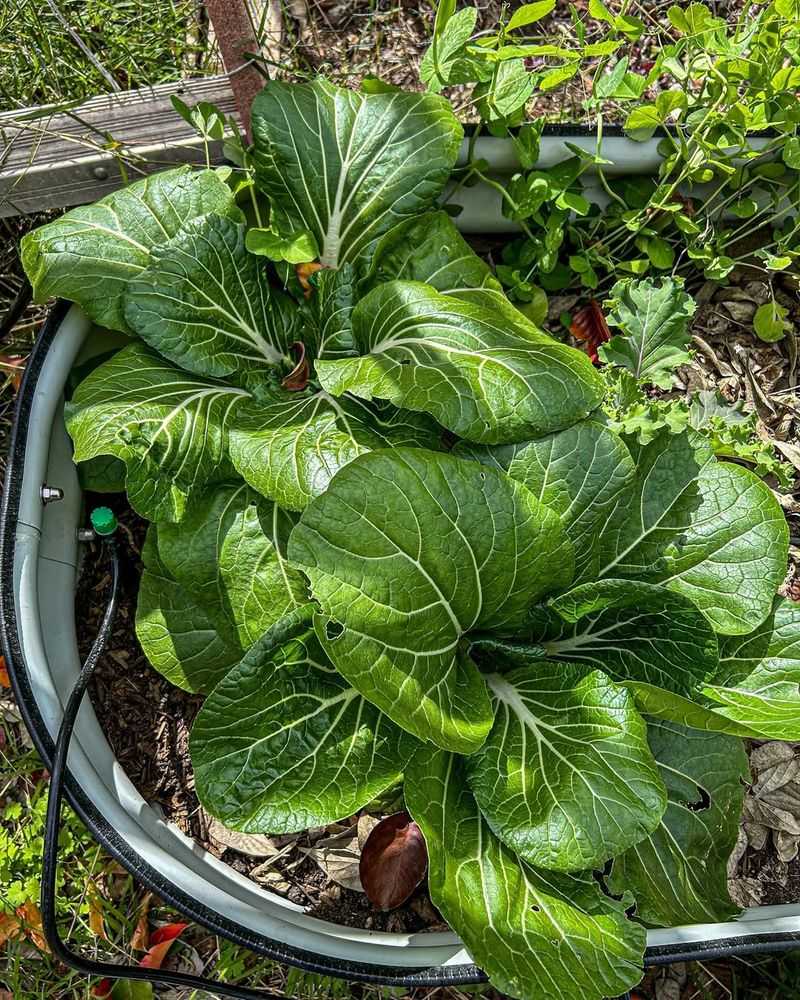
Mustard greens are old-school Southern garden staples, and they earn that reputation every spring. Drop seeds in the ground in early March, and these plants take off like they’re in a hurry.
Germination can happen in as little as three to five days under ideal Georgia spring conditions, which is faster than almost anything else in the cool-season garden.
Southern Giant Curled, Red Giant, and Florida Broadleaf are all well-suited to Georgia’s climate. Scatter seeds about a quarter inch deep and thin plants to four to six inches apart once they’ve sprouted and are a couple inches tall.
Crowded plants compete for nutrients and produce smaller leaves.
Mustard greens prefer a soil pH around 6.0 to 6.5. Work in compost before planting to improve both drainage and fertility.
Consistent watering, roughly one inch per week, keeps leaves tender rather than tough and overly pungent. In South Georgia, get seeds in the ground right at the start of March to beat the warming trend.
Harvest outer leaves young for the mildest flavor. Letting plants mature longer intensifies the spicy, peppery bite that traditional Southern cooking relies on.
Mustard greens also work well as a quick cover crop between other plantings, adding organic matter back to the soil when turned under after harvest season wraps up in late spring.
7. Collard Greens Develop Well When Sown At The Start Of Spring
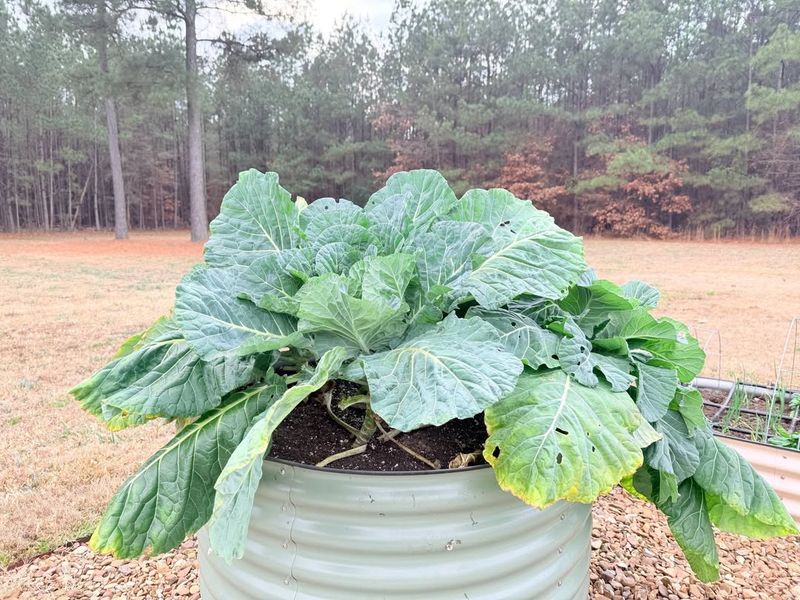
Collards have fed Georgia families for generations, and planting from seed in March keeps that tradition going strong. Georgia Southern, Vates, and Top Bunch are three varieties that local gardeners have trusted for decades.
All three establish well from direct sowing in early spring soil.
Press seeds about a quarter to half an inch deep and space rows eighteen to twenty-four inches apart. Germination takes around five to ten days depending on soil temperature.
Once seedlings reach three to four inches tall, thin them to twelve to eighteen inches apart so each plant has room to spread its broad leaves without competition.
Collards are tougher than many spring greens. They handle a light frost without any real trouble, which makes March sowing in Georgia’s northern counties a reasonable bet even when temperatures dip unexpectedly.
Water regularly at the base of plants rather than overhead to reduce the chance of fungal issues. Compost worked into the bed before planting provides a slow-release nutrient source that supports steady growth over several weeks.
Harvest outer leaves once plants reach about ten inches tall. Young leaves are tender and mild; larger older leaves have the bold flavor most Southern recipes call for.
A well-tended collard patch started from seed in March can produce harvests clear through early summer across much of Georgia.
8. Turnip Greens Produce Harvestable Leaves Soon After Early Spring Sowing
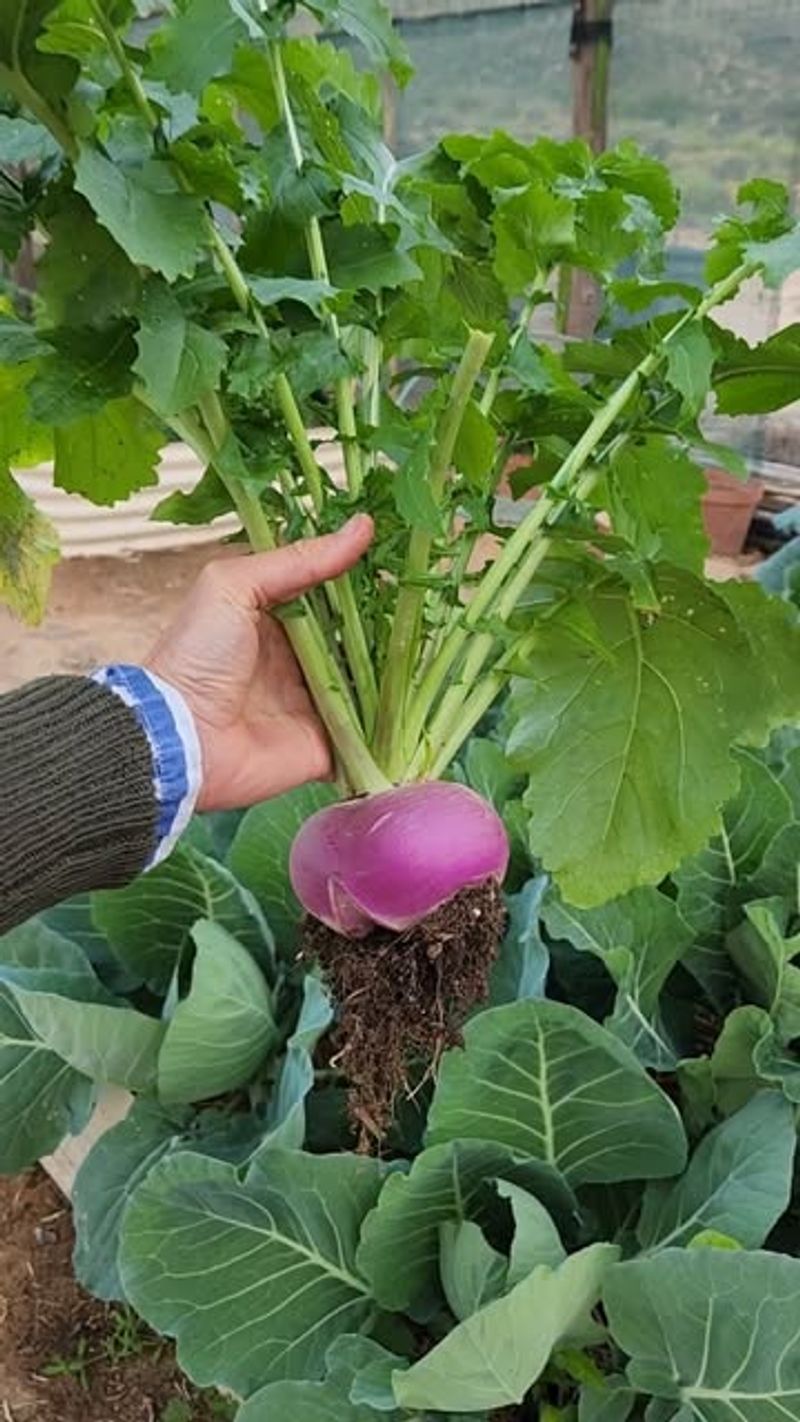
Turnip greens might be the fastest payoff in the spring garden. Sow seeds in early March and you can be harvesting tender young leaves in as little as four to five weeks.
That’s quicker than almost any other green covered here, and the roots keep developing underneath for a bonus harvest later.
Broadcast seeds thinly or sow in rows about half an inch deep. Turnip seeds are small, so scatter a bit more generously than you think you need, then thin to four to six inches apart once plants are up.
Thinned seedlings are edible, so nothing gets wasted in the process.
Across Georgia’s central and southern regions, March is prime time for turnip greens. Soil is workable and cool enough to support fast, healthy germination without the seeds sitting dormant and rotting.
Aim for consistent soil moisture, especially in the first two weeks after sowing. Purple Top White Globe is a popular variety that delivers both tasty greens and a decent-sized root.
Seven Top is another option grown specifically for its leaf production rather than the root. Harvest outer leaves regularly and the plant keeps producing.
Turnip greens have a slightly bitter, earthy flavor that mellows with cooking. A quick braise with a little smoked meat is a Georgia kitchen classic that starts right here in the March garden.