The 9 Longest Blooming Flowers For California Gardens
Gardening in California feels like a cheat code for plant lovers, but let’s be honest: watching your favorite petals shrivel up after two weeks of glory is a total heartbreak.
You deserve a backyard that stays dressed to impress even when the July sun decides to turn the thermostat up to “searing.” Luckily, the Golden State offers a perfect stage for floral overachievers that simply refuse to quit.
If you’re tired of high-maintenance divas that bloom for a blink before disappearing, it is time to pivot toward the marathon runners of the botanical world.
We are talking about hardy, sun-drenched beauties that keep the color coming through summer heat and crisp autumn mornings alike.
Grab your favorite trowel and maybe a cold drink, because your garden is about to transform into a year-round paradise. These picks are ready to work overtime so you don’t have to.
1. Santa Barbara Daisy
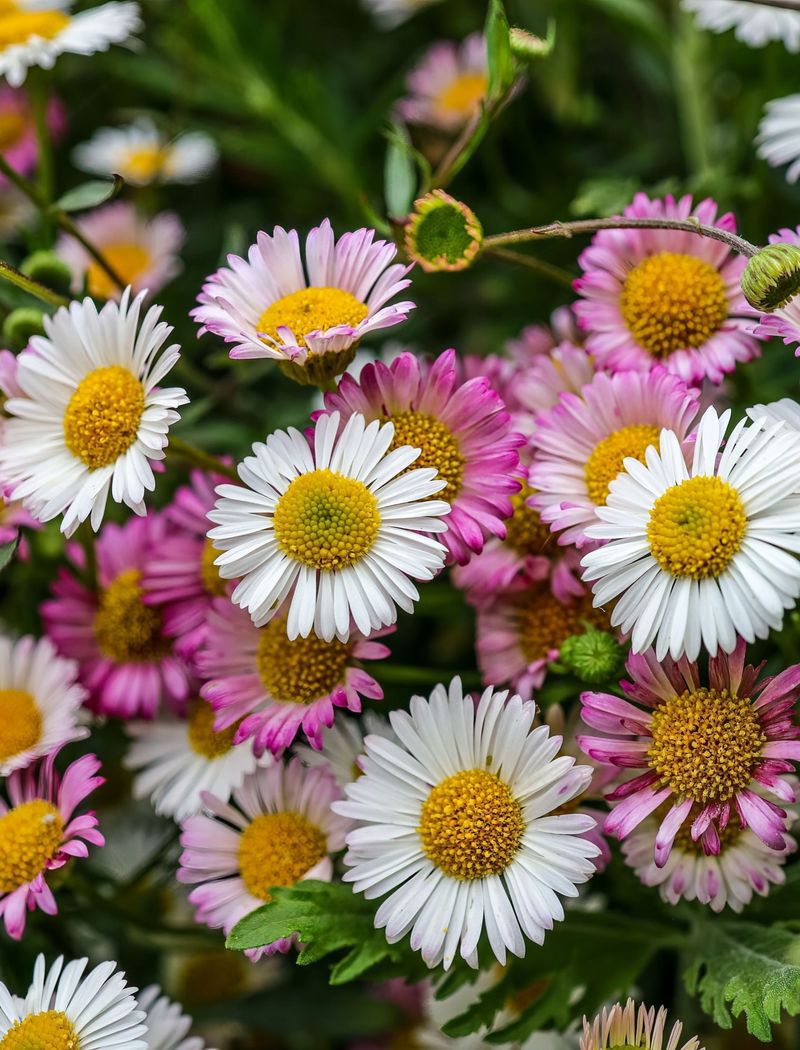
Few plants bring as much cheerful energy to a California garden as the Santa Barbara Daisy. Its tiny, daisy-like flowers cover the plant in waves of pink and white from early spring all the way through fall, and in mild coastal areas, blooms can even appear in winter.
That is an impressive run for any flower.
Also known as Erigeron karvinskianus, this plant is a tough little performer. It spreads easily along garden borders, spills beautifully over retaining walls, and fills in spaces that other plants ignore.
It handles drought reasonably well once established, which makes it a smart choice for water-conscious California gardeners.
Caring for Santa Barbara Daisy is refreshingly simple. Cut it back hard once or twice a year and it bounces back fuller and more floriferous than before.
It thrives in full sun but can handle light shade. Pollinators absolutely love it, so expect butterflies and bees to visit regularly.
Plant it along pathways or in containers for a relaxed, cottage-garden look that feels right at home across California.
2. California Fuchsia
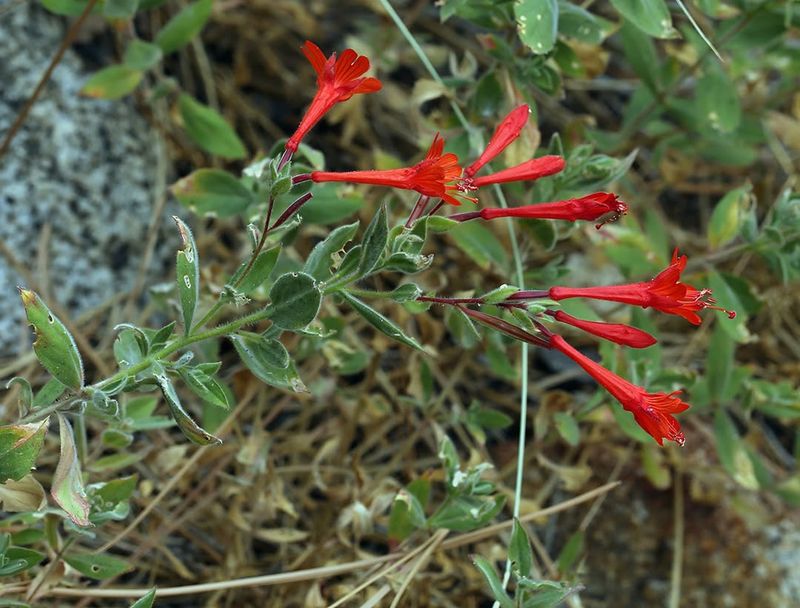
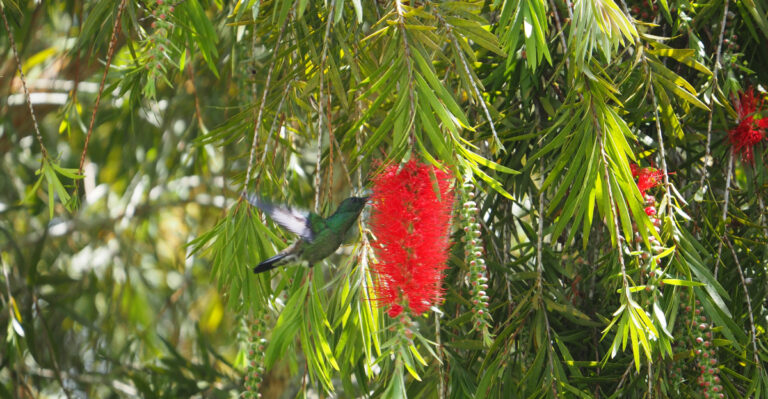
If you want a plant that hummingbirds will flock to, California Fuchsia is your answer. This native California beauty explodes with vibrant orange-red tubular flowers in late summer and fall, right when most other plants are starting to slow down.
It fills a gap in the garden calendar that few other plants can match.
Botanically known as Epilobium canum, California Fuchsia is built for the California climate. It handles heat, drought, and poor soil without much fuss.
The silvery-green foliage looks attractive even before the blooms arrive, giving the plant a tidy, eye-catching presence all season long.
Planting California Fuchsia along sunny slopes or in raised beds works especially well. It spreads through underground runners, so give it some room to roam or use it as a ground cover on dry hillsides.
Cut it back to the ground in late winter and it will return with fresh, vigorous growth each spring. For California gardeners who want low maintenance and high visual impact, this native plant is one of the smartest picks on the list.
3. Lantana
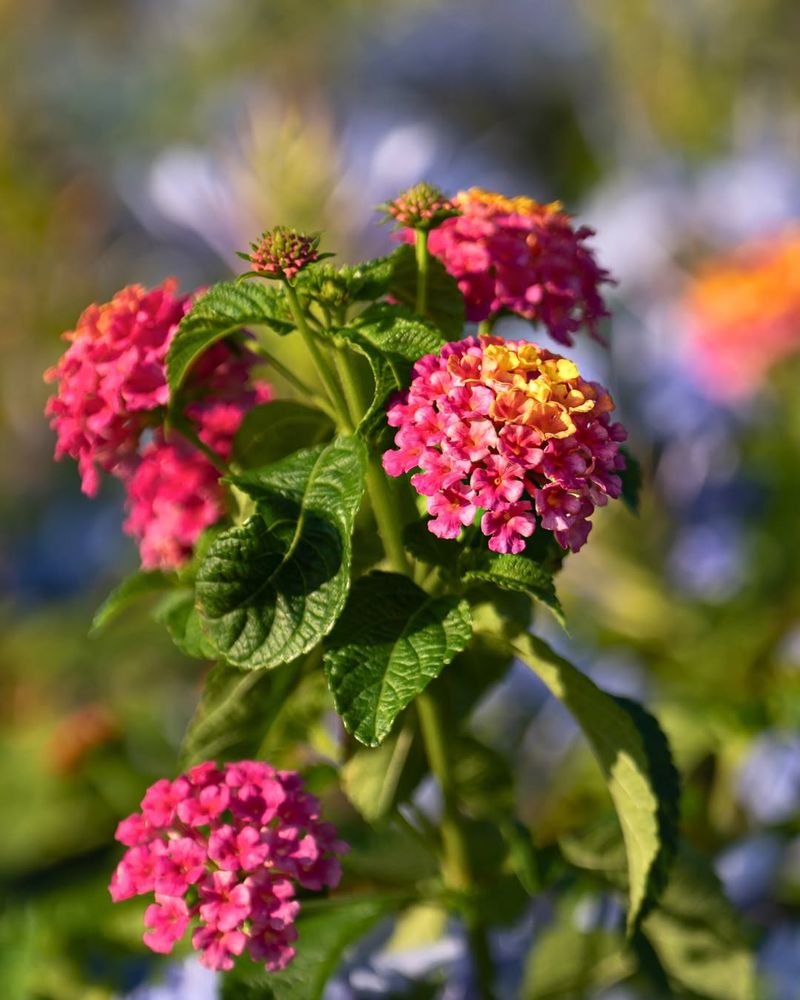
Walk through almost any sunny California neighborhood in summer and you will likely spot Lantana in full, glorious bloom. This heat-loving plant produces rounded clusters of tiny flowers in combinations of yellow, orange, pink, red, and white.
It blooms from spring through fall without much encouragement, and in the warmest parts of California, it can flower nearly year-round.
Lantana is one of those plants that rewards neglect. It handles drought, poor soil, and intense heat with remarkable ease.
Butterflies are drawn to its nectar-rich flowers, making it a great choice for pollinator gardens. Birds enjoy the small berries that follow the blooms, adding even more wildlife interest to your yard.
Planting Lantana in a sunny spot with well-drained soil is really all it takes to get started. It works beautifully as a ground cover, in containers, or trailing over garden walls.
Deadheading is not strictly necessary, but a light trim mid-season keeps it looking tidy and encourages fresh blooms. Just be aware that Lantana can spread aggressively in some California regions, so check with local guidelines before planting near natural areas.
4. Mystic Spires Salvia
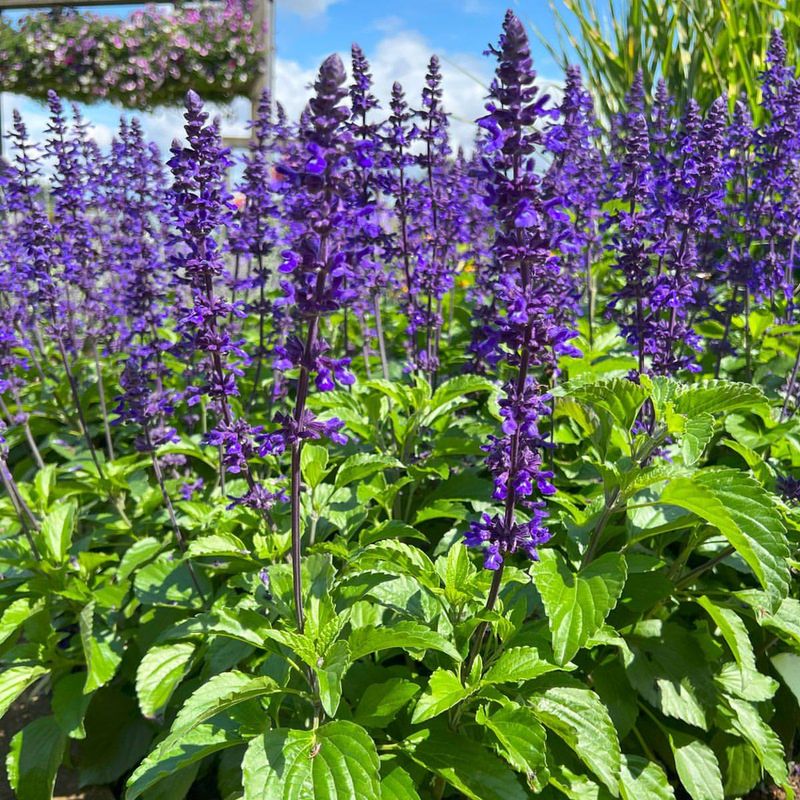
There is something almost electric about the deep blue-violet flower spikes of Mystic Spires Salvia rising above a garden bed.
This hybrid salvia is one of the longest-blooming varieties you can find, producing its dramatic spires from spring through fall with barely a break in between.
It is the kind of plant that makes a garden look professionally designed with very little effort.
Mystic Spires Salvia grows to about three to four feet tall, making it a standout in the back of a border or as a focal point in a mixed planting. It handles the heat of California summers well and is reasonably drought-tolerant once established.
Hummingbirds and bees treat it like a favorite restaurant, returning to it again and again throughout the season.
To keep Mystic Spires blooming at its best, deadhead spent flower spikes regularly and give it a moderate trim in late fall. It prefers full sun and well-drained soil.
Pair it with lighter-colored flowers like white Shasta daisies or pale yellow coreopsis for a striking color contrast that looks beautiful from spring all the way into November across California gardens.
5. Bougainvillea
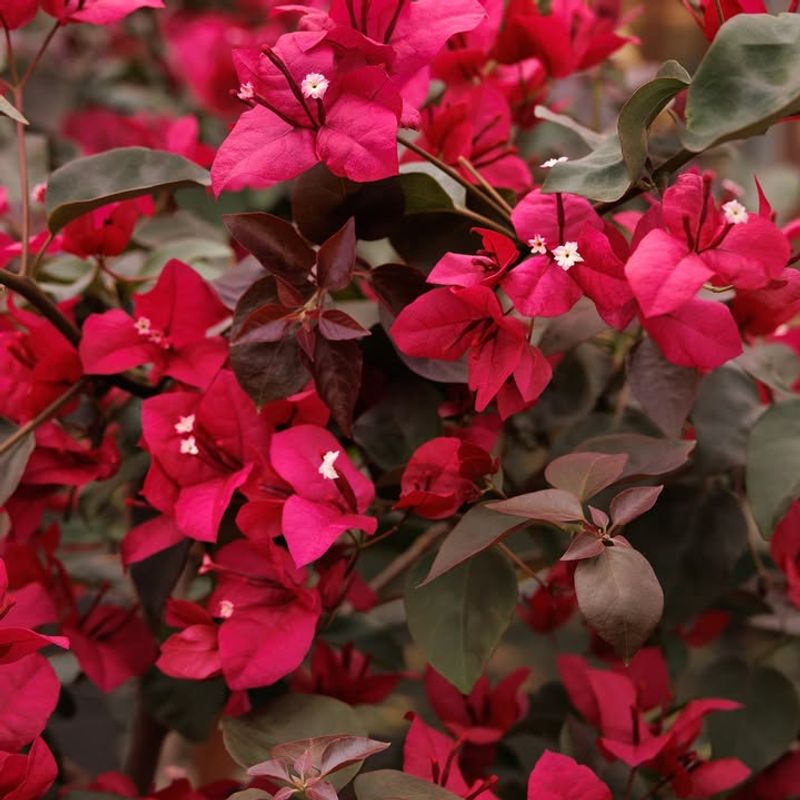
Bougainvillea is practically synonymous with California living. Drive through any Southern California neighborhood and you will see its vivid magenta, orange, red, or purple bracts cascading over fences, climbing walls, and spilling from hillside gardens.
What most people call the flowers are actually colorful bracts, which are modified leaves surrounding tiny white blooms. And they put on a show for months.
In frost-free parts of California, Bougainvillea can bloom almost continuously throughout the year. In cooler inland areas, expect a stunning display from spring through fall.
It is a sun worshipper that actually blooms more intensely when it experiences mild water stress, so ease up on irrigation once it is established and watch the color intensity increase.
Bougainvillea is not a plant you ignore once it gets going. It grows vigorously and needs regular pruning to keep it in shape.
The thorny stems make gloves essential when trimming. Plant it against a sunny wall or train it over a pergola for maximum effect.
For California gardeners who want bold, dramatic color without constant watering, Bougainvillea is hard to beat and endlessly rewarding.
6. Rozanne Geranium
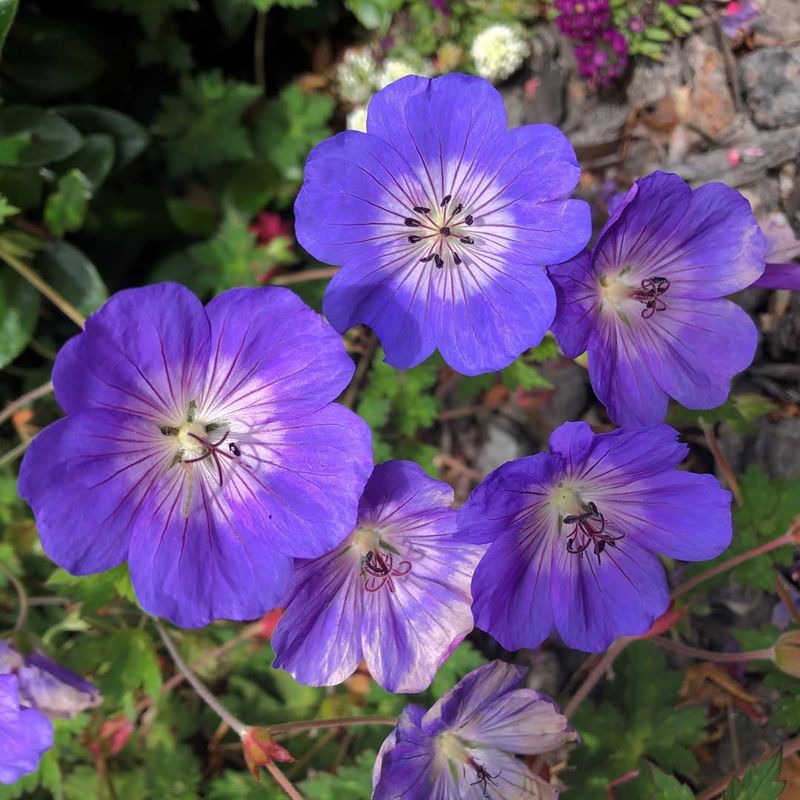
Rozanne Geranium earned the title of Plant of the Century from the Royal Horticultural Society, and one look at it in full bloom makes it easy to understand why.
Its violet-blue flowers with pale centers bloom from late spring all the way through fall, creating a soft, sprawling carpet of color that works in almost any garden setting.
It is a crowd-pleaser through and through.
This hardy geranium stays low and mounding, typically reaching about six to twelve inches tall and spreading up to eighteen inches wide. That makes it perfect for the front of a border, between stepping stones, or as a ground cover under taller plants.
It handles California’s warm summers without complaint and stays attractive even when it is not in peak bloom.
Rozanne Geranium is refreshingly low-maintenance. It does not need frequent deadheading, though a light trim mid-summer can encourage a fresh flush of blooms.
Plant it in full sun to partial shade in well-drained soil. It pairs beautifully with ornamental grasses and other perennials in California cottage gardens.
Once established, it comes back reliably year after year, making it a true long-term investment for your garden.
7. Cape Honeysuckle
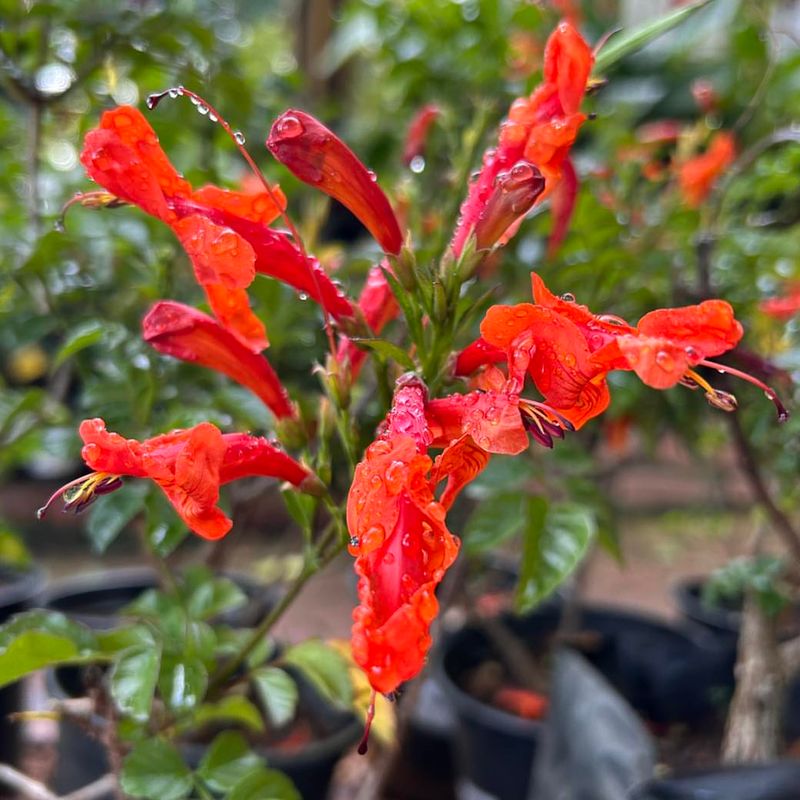
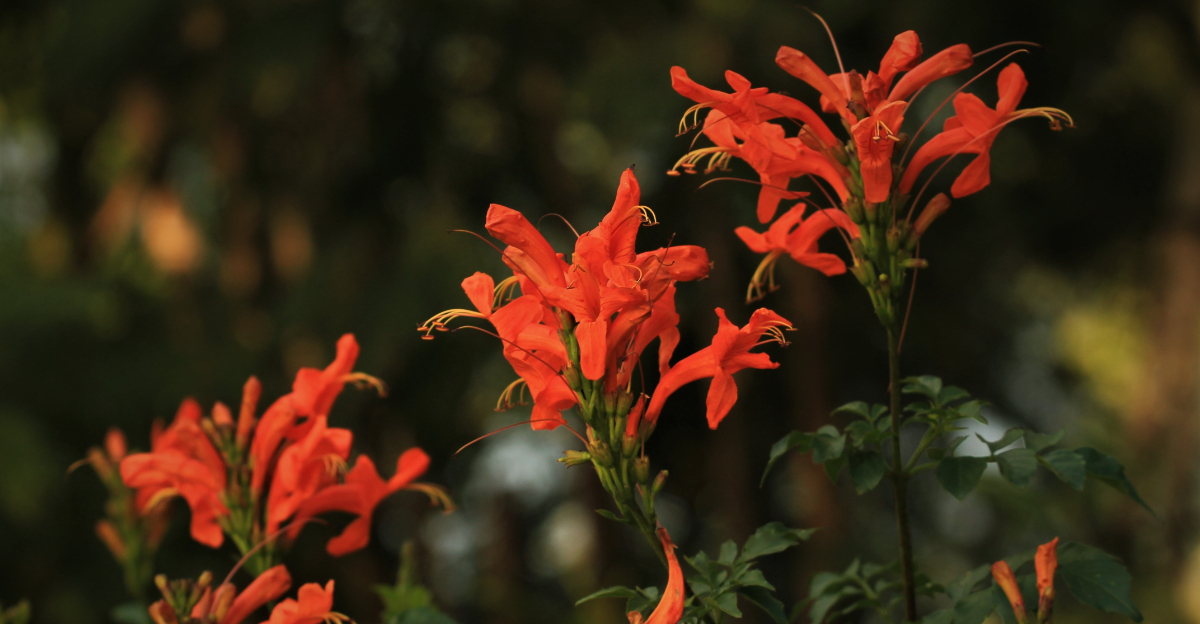
Cape Honeysuckle brings a tropical flair to California gardens with its clusters of brilliant orange tubular flowers. Despite the name, it is not a true honeysuckle but a South African native that has found a very happy home in California’s warm climate.
It blooms heavily in fall and winter, which makes it especially valuable when most other plants have finished for the season.
Known botanically as Tecoma capensis, Cape Honeysuckle can be grown as a sprawling shrub, a hedge, or a climbing vine depending on how you train it. It handles heat, drought, and coastal conditions with ease.
Hummingbirds are particularly fond of the long tubular flowers, so planting it near a window or patio gives you a front-row seat to their visits.
Cape Honeysuckle grows vigorously and can spread if left unchecked, so plan for regular pruning to keep it contained. It thrives in full sun and tolerates poor soil, making it ideal for tough spots in the garden.
In frost-free parts of California, it can bloom almost year-round. For gardeners who want reliable winter color without much fuss, Cape Honeysuckle is an outstanding and underrated choice.
8. Island Snapdragon
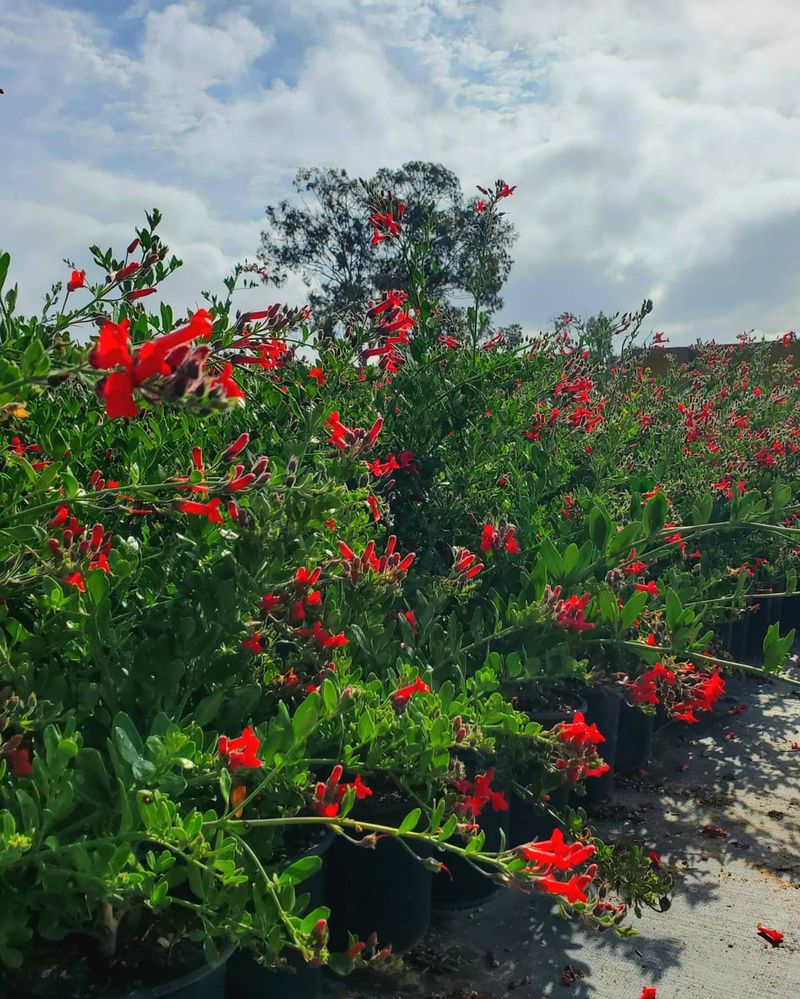
Not many plants can claim to bloom almost every single month of the year in California, but Island Snapdragon comes remarkably close.
This California native, also known as Gambelia speciosa, produces tubular flowers in shades of red, pink, and coral that hummingbirds simply cannot resist.
It is one of those plants that earns its spot in the garden by working harder than almost anything else.
Island Snapdragon is native to the Channel Islands off the California coast, and it thrives in conditions that mirror that environment: full sun, excellent drainage, and restrained watering.
Once established, it is highly drought-tolerant, which makes it a natural fit for water-wise California gardens.
It tends to sprawl attractively, making it useful as a ground cover or for cascading over walls and raised beds.
Pruning Island Snapdragon lightly after each main bloom flush encourages continued flowering and keeps the plant from becoming too woody. It can be short-lived but often self-seeds, so new plants appear to replace older ones naturally.
For California gardeners who want a native plant with near year-round blooms and serious wildlife value, Island Snapdragon is a genuinely exciting find that deserves far more attention.
9. Blanket Flower
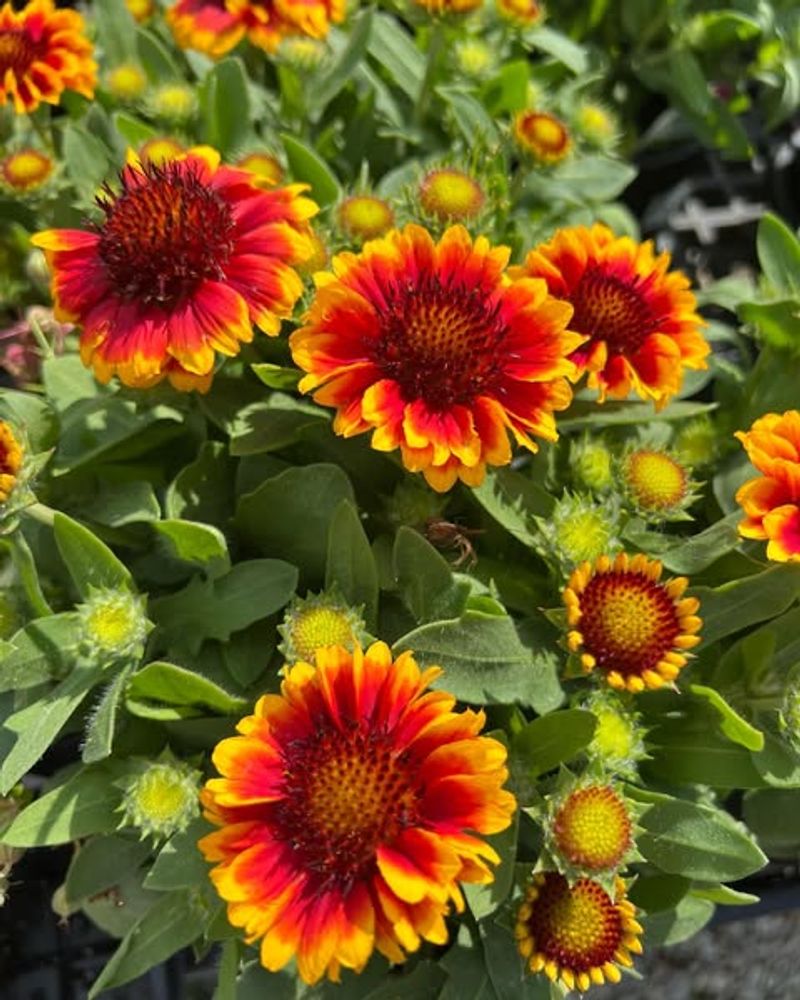
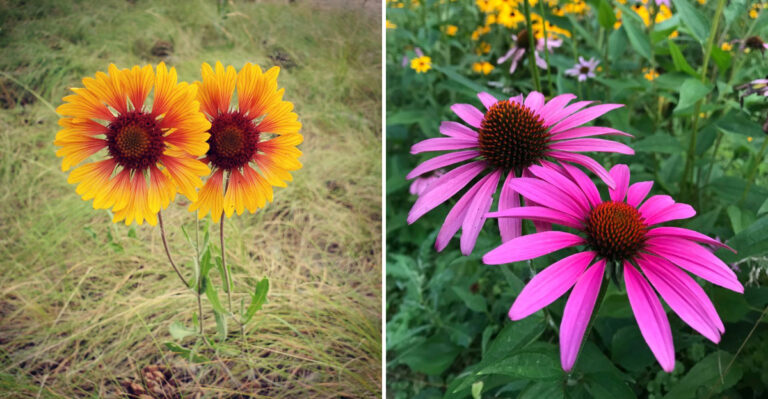
Blanket Flower, or Gaillardia, looks like it was painted by someone who loved bold color and was not afraid to use it. The daisy-like flowers feature fiery combinations of red, orange, and yellow that seem to glow in the California sunshine.
They bloom from late spring through fall and attract butterflies and bees all season long, adding life and movement to the garden.
One of the best things about Blanket Flower is how unfussy it is. It thrives in full sun, handles poor and sandy soil, and is quite drought-tolerant once established.
Those are exactly the qualities California gardeners look for, especially in regions that face summer water restrictions. It is a plant that asks for very little and gives back a tremendous amount of color.
Deadheading spent blooms regularly keeps Blanket Flower producing fresh flowers throughout the season. Divide the clumps every two to three years to keep the plant vigorous and blooming well.
It works beautifully in sunny borders, wildflower meadows, and coastal gardens across California. Pair it with blue salvias or ornamental grasses for a color combination that looks vibrant and natural from the first warm days of spring right through autumn.