The Low-Maintenance Arizona Ground Cover That Butterflies Can’t Resist
Butterflies don’t just show up anywhere in Arizona, and that’s the part most people don’t realize at first. A yard can look perfectly fine, yet still feel empty because nothing is actually drawn to it.
That quiet, still feeling is usually what pushes people to rethink what they’re planting.
Ground cover often gets overlooked, even though it can completely change how a space feels when it finally fills in. When it grows well and holds up through heat, it does more than cover bare spots.
It starts to create a setting that feels active instead of flat, without adding extra work.
The shift is subtle at first, then it becomes obvious. Movement, color, and that sense of life start to show up in ways that weren’t there before, and it all comes down to choosing the right plant for the job.
1. Trailing Lantana Is The Plant Arizona Butterflies Keep Returning To
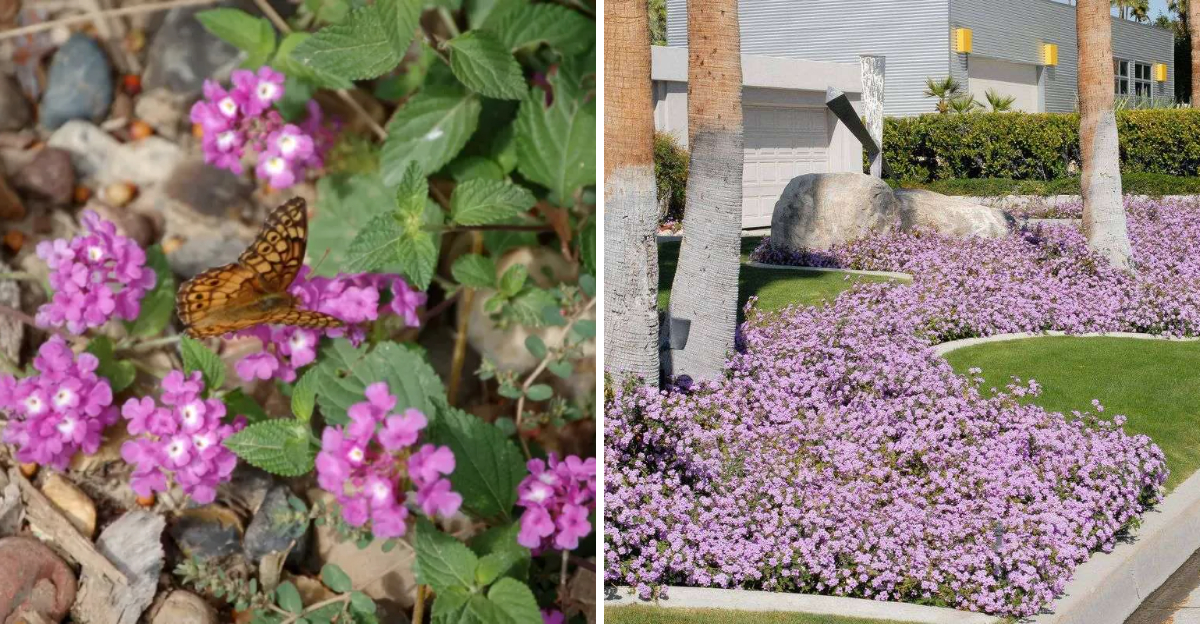
Walk through almost any established Arizona neighborhood in summer, and you’ll spot it hugging the ground along driveways, spilling over retaining walls, and filling in the gaps between boulders.
Trailing lantana has that kind of quiet presence — nothing flashy about the plant itself, but those flower clusters are impossible to ignore, especially when a painted lady or swallowtail is parked right on top of one.
Native to tropical regions but perfectly at home in Arizona’s brutal heat, this plant has been quietly earning its reputation for decades. Gardeners in Phoenix, Mesa, and Tucson keep coming back to it not because someone told them to, but because it actually works.
It spreads low and wide, fills space efficiently, and doesn’t demand much in return.
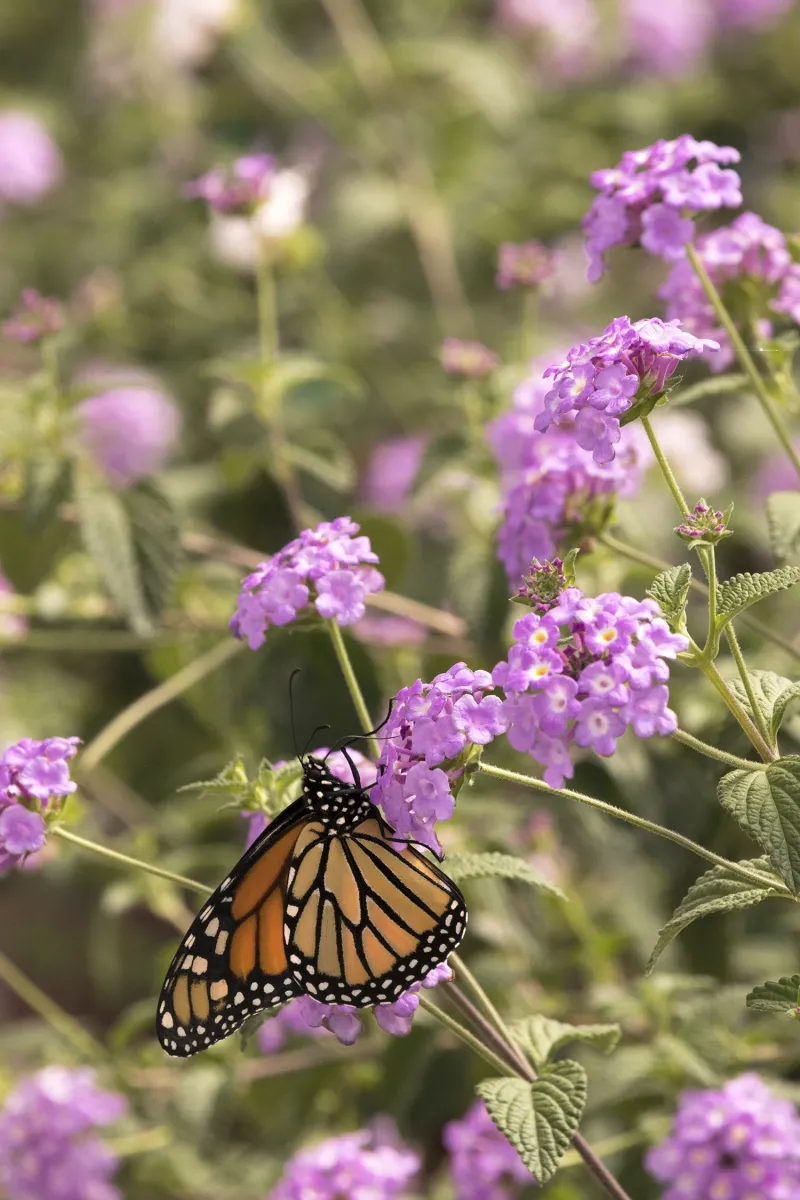
Butterflies aren’t just passing through when they visit trailing lantana — they linger. The flower clusters offer a stable landing pad and a reliable nectar source, which is exactly what pollinators look for when they’re working a garden.
Monarch butterflies, queens, skippers, and sulphurs all show up regularly wherever this plant is growing.
Part of what makes trailing lantana so appealing in Arizona landscapes is how well it handles the conditions that send other plants into a tailspin. Rocky soil, full afternoon sun, and weeks without rain don’t slow it down.
Instead of struggling, it just keeps blooming and spreading, making it one of the most dependable butterfly plants you can put in the ground here.
2. Bright Nectar-Rich Flowers Keep Butterflies Visiting In Warm Conditions
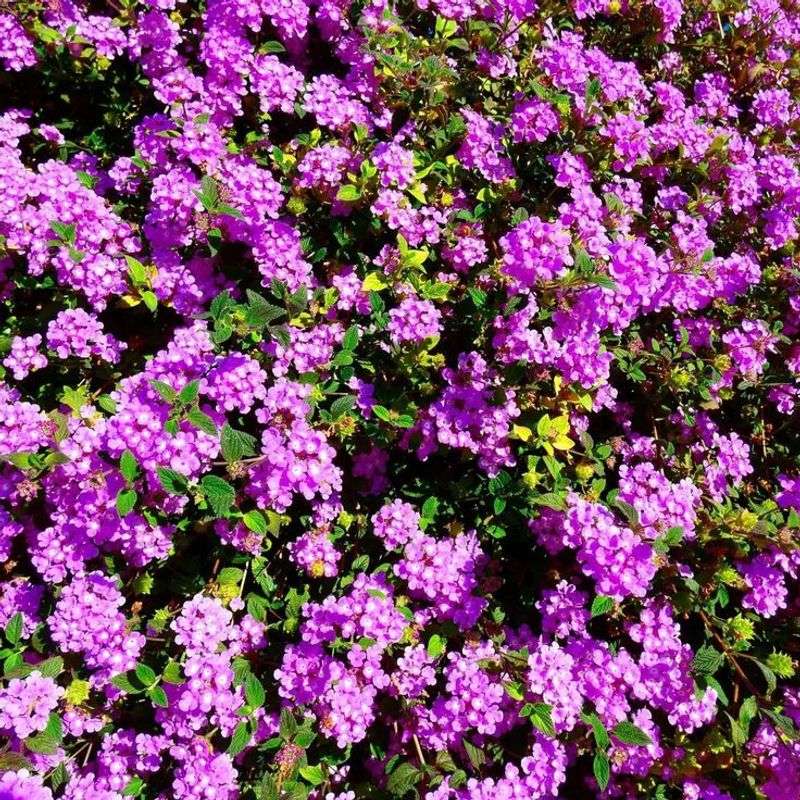
Lantana flowers are basically a buffet for butterflies. Each tiny bloom in a cluster produces nectar, and since the clusters hold dozens of individual flowers at once, a single plant gives butterflies a reason to stay put and feed for a while instead of moving on quickly.
Color matters too. Trailing lantana typically produces flowers in combinations of pink, yellow, orange, and lavender — shades that butterflies are naturally drawn to.
Research on pollinator behavior consistently shows that butterflies favor warm-toned, clustered flowers, and trailing lantana fits that description almost perfectly. Arizona gardeners who add this plant often notice an uptick in butterfly activity within the first season.
What’s interesting is that the flower clusters change color slightly as individual blooms age, which means a single cluster can show multiple shades at once.
Butterflies tend to land on the newer, brighter blooms first since those are producing the most nectar, but the visual effect from a few feet away is a constantly shifting mix of color that makes the plant look almost alive with movement.
In Arizona’s warm climate, nectar production stays strong well into fall.
Cooler regions see lantana slow down significantly as temperatures drop, but in the low desert around Phoenix or Yuma, the flowers keep coming until a frost actually hits — which sometimes doesn’t happen until December or later.
That extended nectar availability is a genuine advantage for butterflies trying to fuel up before winter.
3. Long Bloom Season Supports Butterfly Activity From Spring Through Fall
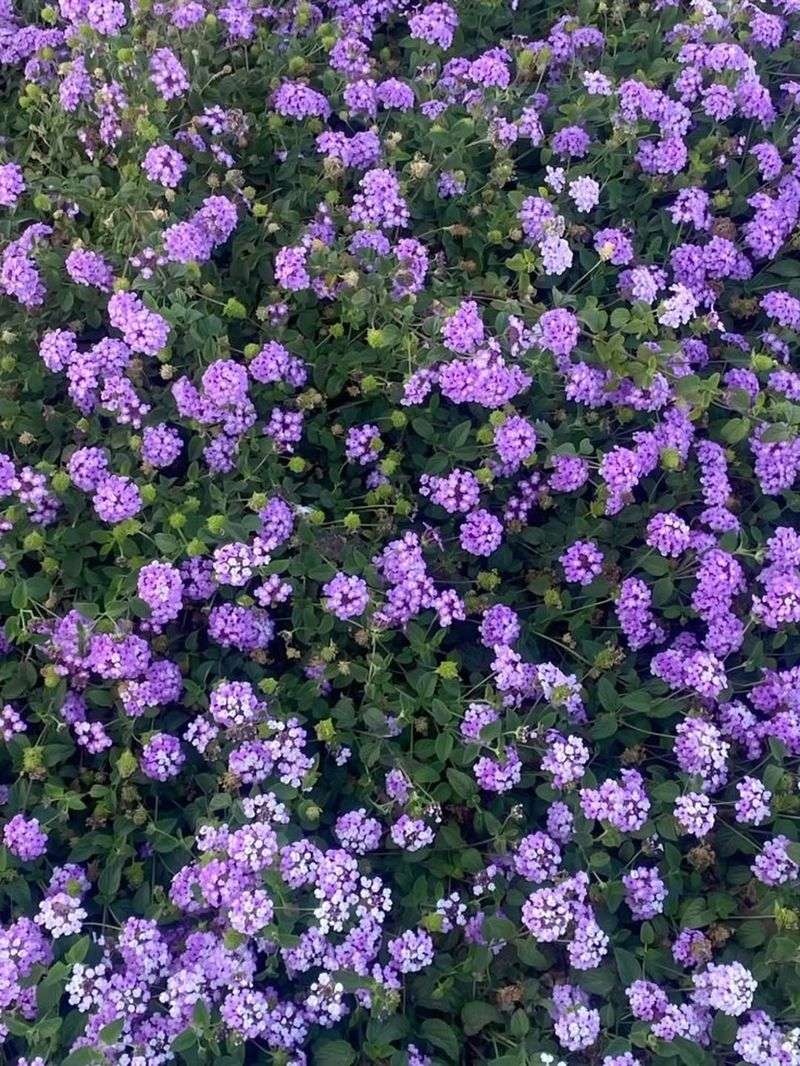
Spring blooms are great, but a plant that only performs for six weeks and then goes quiet isn’t doing much for your local butterfly population.
Trailing lantana operates on a completely different schedule — it kicks off in early spring and keeps producing flowers through the hottest months of summer and well into fall, which is rare for any plant dealing with Arizona conditions.
That long season matters more than most people realize. Butterflies don’t just need nectar once — they need it consistently throughout their active period.
In Arizona, that active period can stretch from March all the way through November depending on the species. A plant that blooms the entire time provides reliable support instead of leaving pollinators to search for alternatives mid-season.
Gardeners in Tucson often notice that their trailing lantana actually seems to bloom harder in summer heat rather than slowing down. While other flowering plants go dormant or drop their blooms during July and August, lantana is often at its peak.
That timing lines up perfectly with when many butterfly species are most active in southern Arizona.
Planting trailing lantana alongside other staggered bloomers can create a nearly year-round pollinator corridor in your yard. Pair it with something that blooms heavily in late winter or very early spring, and you’ll have covered almost every gap in the calendar.
For Arizona gardeners interested in supporting butterflies beyond just aesthetics, that kind of seasonal planning makes a real difference in how many species visit and how often they come back.
4. Drought Tolerance Keeps Flowers Coming With Minimal Water
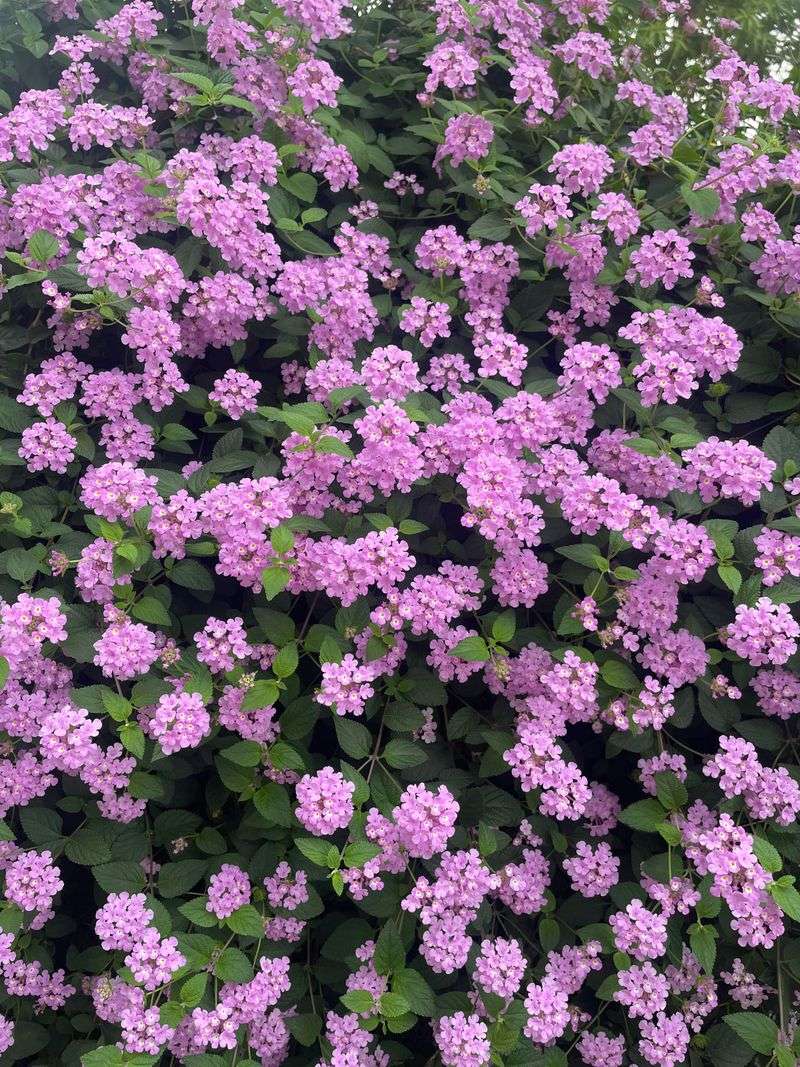
Arizona summers are not kind to thirsty plants. When temperatures climb past 110 degrees in Phoenix or Yuma, a lot of flowering plants simply stop blooming to conserve energy.
Trailing lantana doesn’t play by those rules. Its root system is built to find and hold moisture efficiently, which means it keeps pushing out flowers even when the soil is bone dry on the surface.
Established plants in Arizona typically need watering only every couple of weeks during summer, and in cooler months, you can stretch that even further.
Compare that to a lawn or many ornamental shrubs that need water two or three times a week just to survive, and the difference becomes obvious pretty quickly.
For anyone dealing with water restrictions or trying to cut their utility bill, that efficiency adds up fast.
Young plants do need more consistent moisture during their first summer while the roots are getting established.
Watering deeply once or twice a week during that first season helps the plant build the kind of root system that will carry it through dry spells for years afterward.
After that first summer, most Arizona gardeners find they can step back significantly and let the plant manage itself.
Drought tolerance also means fewer emergency interventions. You won’t come home from a vacation to find a wilted, stressed plant that dropped all its blooms.
Trailing lantana holds up during those stretches when life gets busy and the garden gets less attention, which is exactly the kind of reliability most Arizona homeowners are looking for in a landscape plant.
5. Low Spreading Growth Makes Easy Landing Spots For Butterflies
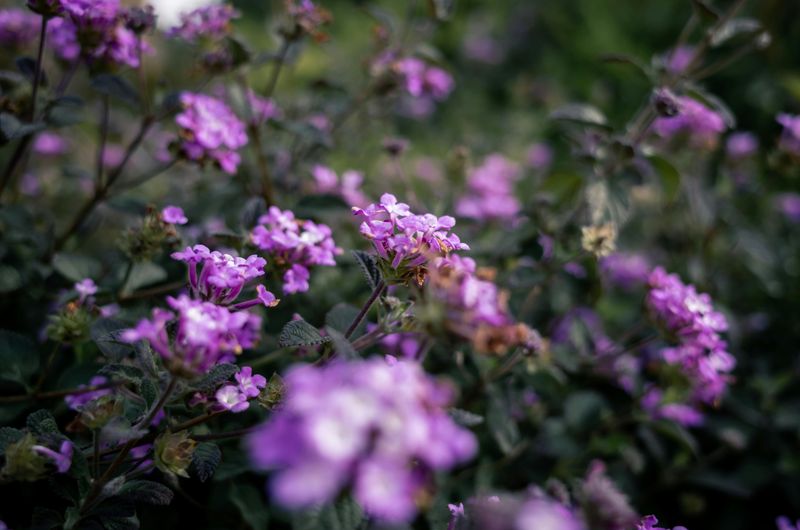
Butterflies are picky about where they land. Tall, swaying stems or flowers that bob around in the wind make feeding difficult, and most butterflies will pass those plants by in favor of something more stable.
Trailing lantana grows low and dense, usually staying under two feet tall while spreading several feet wide, which creates a broad, stable platform that butterflies can land on without struggling.
That spreading growth habit also means more flowers per square foot than you’d get from a taller, more upright plant. A single trailing lantana can cover four to six feet of ground in a few seasons, and the entire surface of that spread tends to be covered in bloom clusters during peak season.
From a butterfly’s perspective, that’s an enormous feeding station concentrated in one easy-to-navigate spot.
In Arizona landscapes, that low profile is also a practical advantage for homeowners.
Ground cover that stays under two feet doesn’t block sightlines, doesn’t interfere with irrigation heads, and doesn’t need constant trimming to keep it from overwhelming neighboring plants.
It fills space horizontally rather than vertically, which is often exactly what a sloped yard, a planting strip, or a rock garden needs.
Watch a queen butterfly or a Gulf fritillary work across a large patch of trailing lantana and you’ll understand why the plant is so effective. They move methodically from cluster to cluster, barely lifting off between stops.
That kind of efficient feeding behavior is only possible when the plant offers a wide, accessible surface — and trailing lantana delivers that better than almost anything else growing in Arizona yards.
6. Strong Heat Tolerance Maintains Blooms Through Arizona Summers
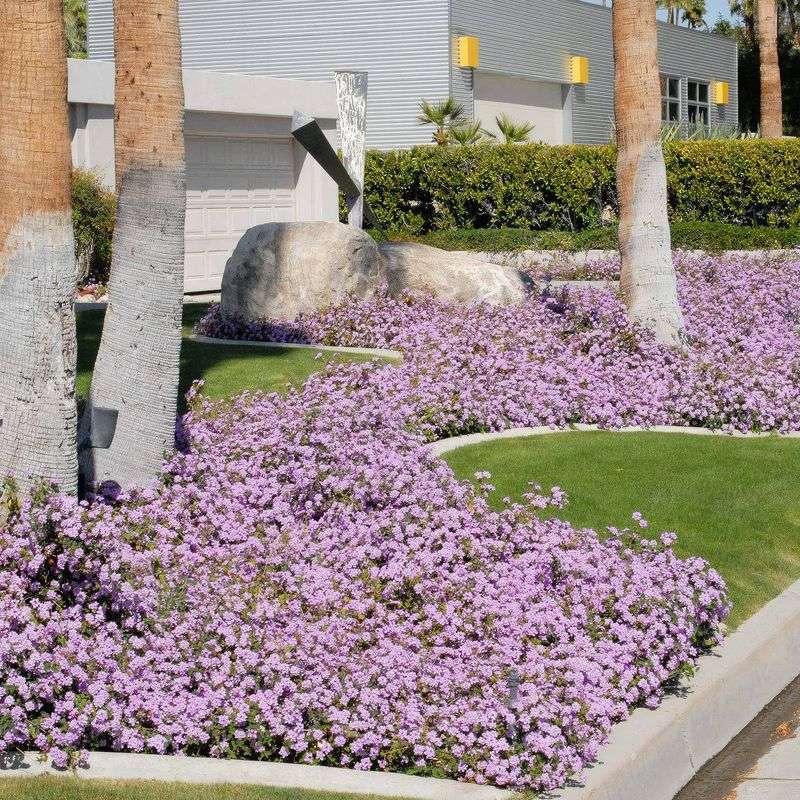
Summer in Arizona is genuinely brutal, and most plants know it. By July, plenty of flowering plants have shut down production entirely, leaving yards looking washed out and pollinators scrambling for food.
Trailing lantana does the opposite — it leans into the heat and often looks its best when everything around it is struggling.
Plants that can handle extreme heat without dropping their blooms are genuinely valuable in Arizona, and trailing lantana earns that status through consistent performance. It doesn’t just survive summer — it actively blooms through it.
That’s not something you can say about most flowering ground covers, and it’s a big reason why this plant shows up in so many Arizona landscapes from Flagstaff’s lower elevations all the way down to the Sonoran Desert floor.
Heat tolerance in plants comes down to how well they manage water loss and maintain cellular function at high temperatures.
Trailing lantana has evolved mechanisms that allow it to do both effectively, which is why it keeps producing flowers when the thermometer hits triple digits.
Other ornamentals start dropping buds and curling leaves, while lantana just keeps going.
Afternoon sun exposure in Arizona can be intense enough to scorch plants that aren’t truly adapted to it. Trailing lantana actually prefers full sun and performs noticeably better in exposed spots than in shaded ones.
Planting it in a south or west-facing area where it gets maximum sun exposure — the kind of spot most gardeners avoid for delicate plants — tends to produce the most vigorous growth and the most flowers, which means more butterflies throughout the season.
7. Light Pruning Encourages Fuller Growth And More Flowers
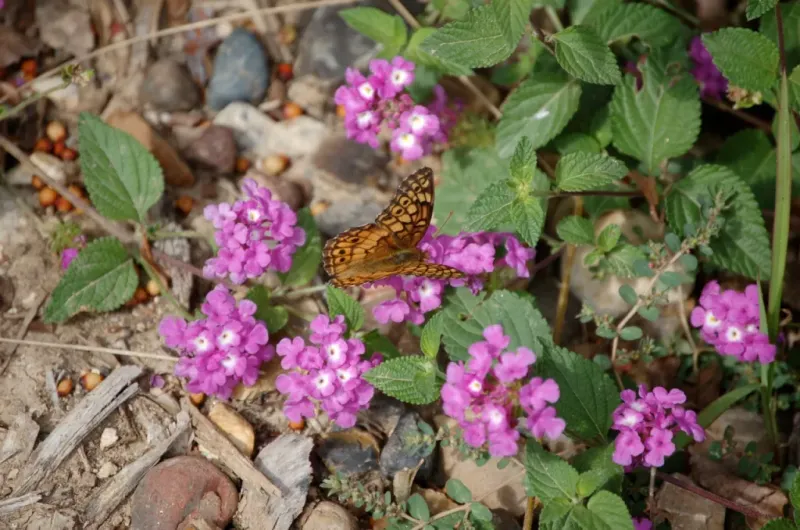
Left completely alone, trailing lantana will still bloom and spread — but give it a light trim a couple of times a year and the difference is noticeable. Pruning stimulates new growth, and new growth is where the fresh flower buds form.
More buds mean more open flowers, which means more nectar available for the butterflies visiting your Arizona yard.
Timing matters more than technique with lantana. A light cutback in late winter before new growth starts is the most important one.
Cutting stems back by about a third removes any woody or frost-damaged growth from winter and signals the plant to push out a flush of new shoots.
Those new shoots branch out more than the older stems did, which is what creates that fuller, denser appearance gardeners are usually going for.
A second light trim in midsummer can reinvigorate a plant that’s been blooming hard since spring. By July, some of the older stems start looking a bit ragged, and a quick pass with pruners freshens things up and triggers another round of blooms.
Don’t cut back too aggressively in summer heat though — removing too much at once stresses the plant during the hardest part of the year.
No special tools or training required here. A pair of hand pruners and about twenty minutes is all it takes to maintain a mature trailing lantana in most Arizona yards.
Wear gloves since the sap can irritate skin, and that’s really the only caution worth mentioning. Keep it simple, keep it light, and the plant will reward you with a fuller canopy and a longer, more productive bloom cycle every season.