The Low-Stress Way To Care For Desert Roses In Arizona
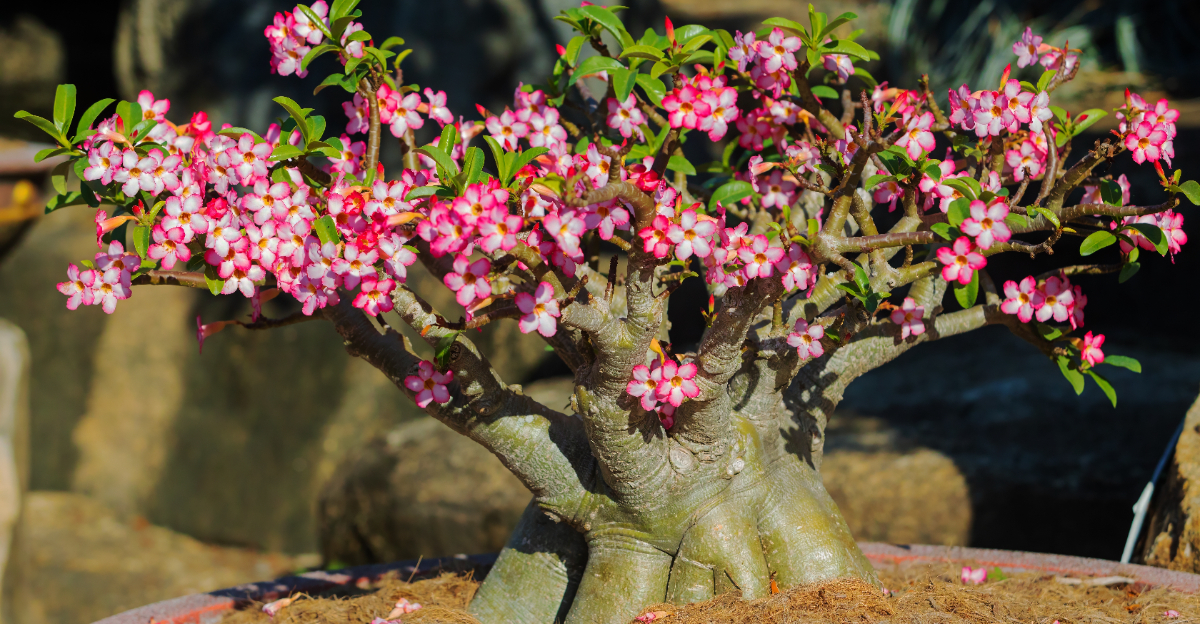
Desert roses can look intimidating in Arizona, but they don’t have to feel stressful. Most problems show up only after too much fuss or the wrong kind of care.
These plants prefer a calm, predictable routine that matches desert conditions. Heat, light, and dry air already suit them, so the goal stays simple: avoid overdoing anything.
Once desert roses settle into a rhythm, they respond better to small, steady care choices than to constant attention. Gardeners often notice stronger stems, healthier growth, and better bloom cycles once stress drops out of the equation.
Low-stress care does not mean neglect. It means understanding what desert roses actually need in Arizona and leaving the rest alone.
When care feels lighter and more intentional, these plants reward you by staying resilient, balanced, and far easier to enjoy through the season.
1. Give Desert Roses Full Sun, But Let Them Adjust Slowly
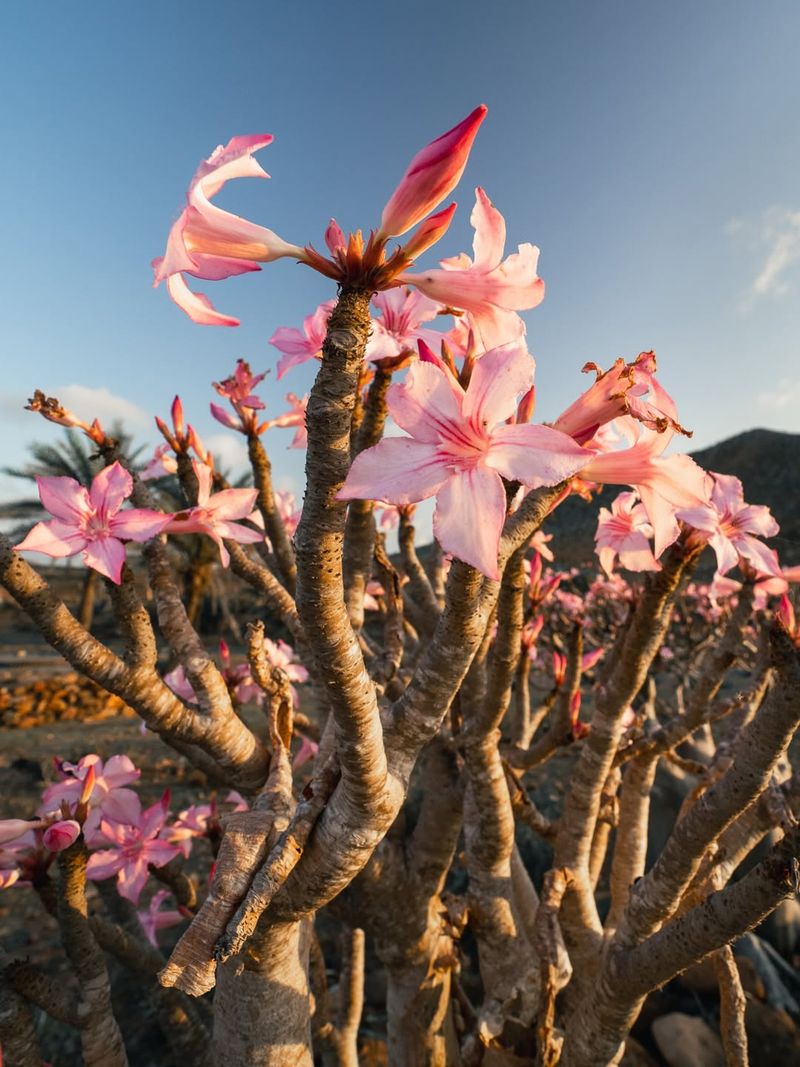
Bright light is absolutely essential for desert roses to develop their characteristic thick trunks and produce abundant blooms throughout the warm months. Arizona provides plenty of sunshine, which these plants crave after originating in regions where intense light is the norm year-round.
However, rushing a newly purchased or recently moved plant into full blazing sun can cause leaf burn and stress that sets back growth for weeks.
Start by placing your desert rose in a spot that receives morning sun and afternoon shade for the first two weeks. This gentler introduction allows the plant to build up protective compounds in its leaves without getting scorched.
Gradually increase sun exposure by moving the plant to brighter locations or removing shade cloth over the course of a month.
Once fully acclimated, desert roses in Arizona handle six to eight hours of direct sunlight beautifully, especially during spring and fall. During the peak summer months in Phoenix or Tucson, providing a bit of afternoon shade can prevent leaf stress when temperatures soar above 110 degrees.
Container plants have more flexibility since you can move them to slightly shadier spots during extreme heat waves.
Watch for signs that your plant needs adjustment, such as leaves turning yellow or developing brown crispy edges, which indicate too much sun too fast. Conversely, stretched growth and few flowers suggest insufficient light.
Arizona gardeners have a real advantage since our consistent sunshine matches what desert roses need, making it easier to find that perfect bright spot where your plant will flourish season after season without constant repositioning or worry.
2. Water Deeply, Then Let The Soil Dry Out Completely
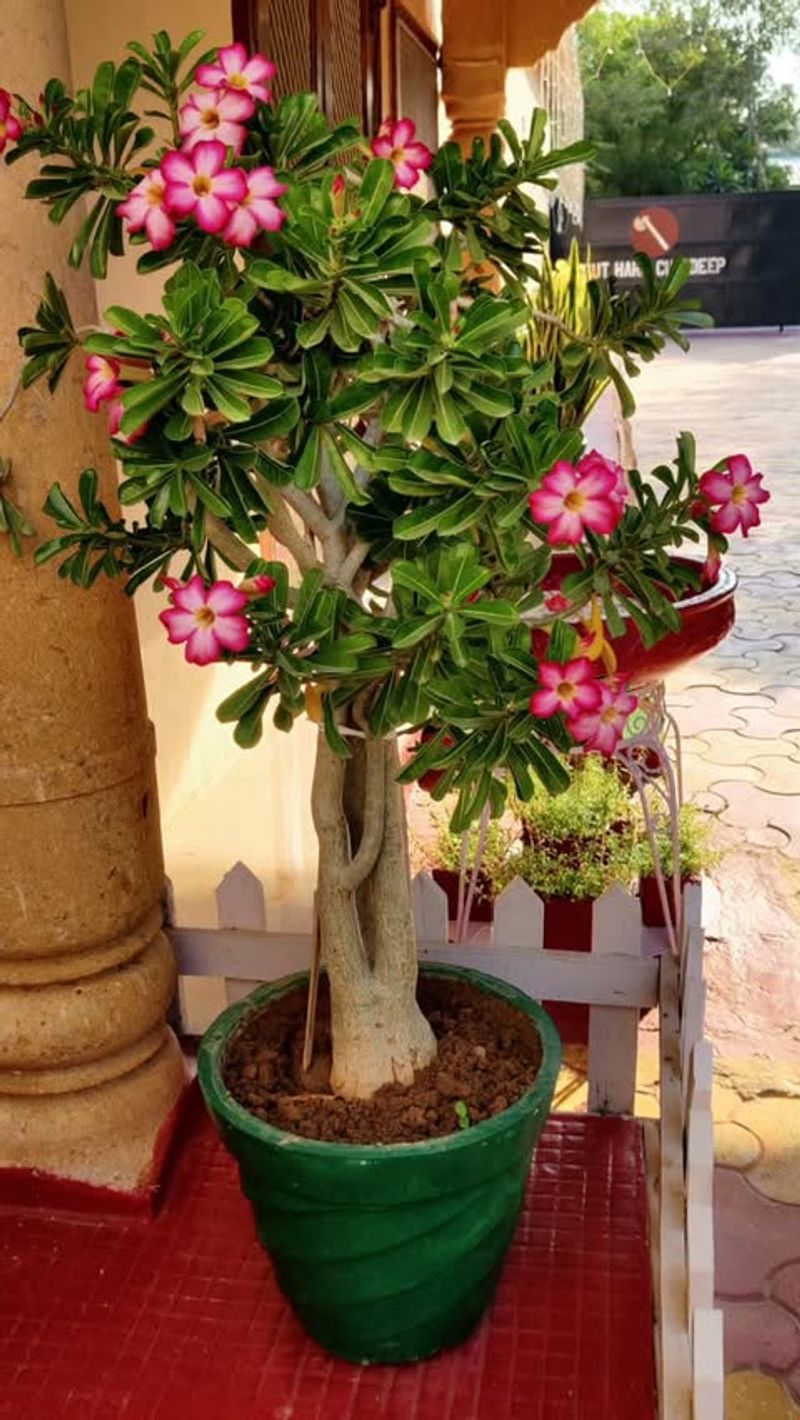
Understanding the watering rhythm of desert roses removes much of the guesswork and anxiety from their care, especially in Arizona’s arid climate. These succulents store water in their swollen trunks, which means they handle drought far better than soggy conditions.
The biggest mistake gardeners make is watering too frequently, treating desert roses like typical flowering plants that need constant moisture.
When you do water, make it count by soaking the soil thoroughly until water runs freely from drainage holes. This deep watering encourages roots to grow downward and helps flush out any accumulated salts from Arizona’s hard water.
Then comes the important part: wait until the soil dries out completely before watering again, which might take a week or even two depending on temperatures and container size.
Check soil moisture by sticking your finger two inches down or lifting the pot to feel its weight. During Arizona’s hot summer months from May through September, desert roses actively grow and need more frequent watering, perhaps once a week.
As temperatures cool in fall and winter, cut back dramatically since the plant enters a rest period and uses very little water.
Many Tucson and Phoenix gardeners find that watering every two to three weeks during winter is plenty, sometimes even less. The thick trunk acts as a reservoir, so your plant won’t suffer if you forget occasionally.
Root problems develop from too much water, not too little, so when in doubt, wait another few days before reaching for the watering can and your desert rose will thank you with healthy growth.
3. Use Fast-Draining Soil To Avoid Root Stress
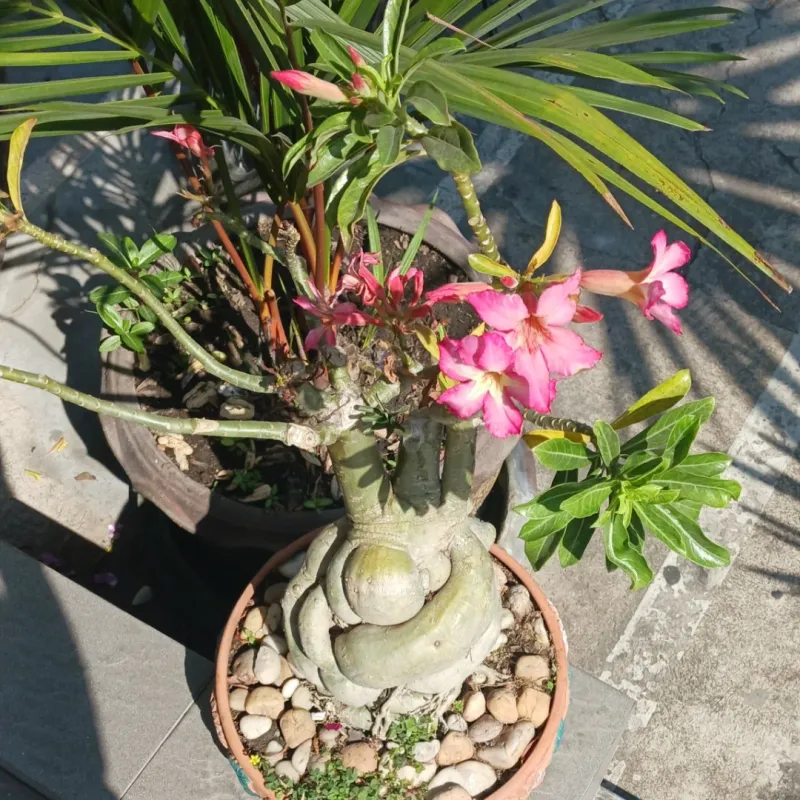
Soil choice makes an enormous difference in how well desert roses perform, yet it’s often overlooked by gardeners who assume regular potting mix will work fine. Standard garden soil or moisture-retaining potting mixes hold water far too long for these succulents, creating conditions where roots sit wet and eventually develop problems.
Arizona’s low humidity means we already have an advantage, but proper soil takes that benefit even further.
Look for cactus and succulent mixes at garden centers throughout Phoenix, Tucson, and other Arizona cities, as these blends contain extra sand, perlite, or pumice that allows water to drain through quickly. You can also create your own mix by combining regular potting soil with coarse sand and perlite in equal parts, which gives roots the air circulation they need between waterings.
The goal is soil that dries out within a few days rather than staying damp for a week or more. When you water, excess moisture should drain away immediately, not pool on the surface or turn the soil into mud.
This fast-draining environment mimics the rocky, sandy soils where desert roses grow naturally in their native habitats.
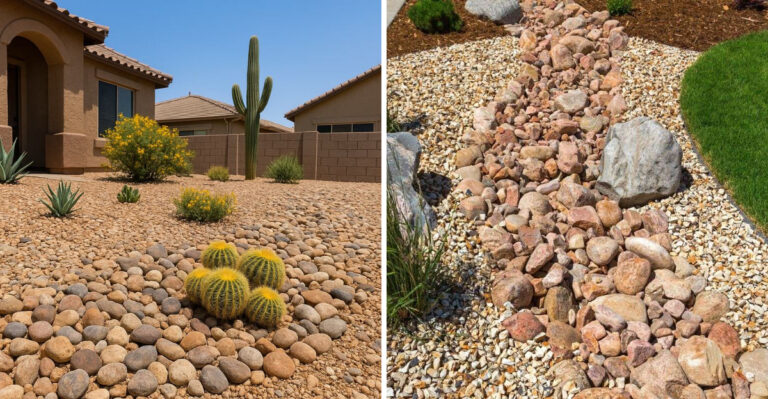
For container plants, terracotta pots work wonderfully since they’re porous and allow soil to dry faster than plastic or glazed ceramic. If planting in the ground in Arizona, amend your native soil with plenty of sand and gravel to improve drainage, especially if you have heavier clay soil in some areas.
Getting the soil right from the start prevents countless problems down the road and lets you focus on enjoying your plant’s growth rather than worrying about its roots.
4. Keep Winter Care Light And Avoid Cold, Wet Roots
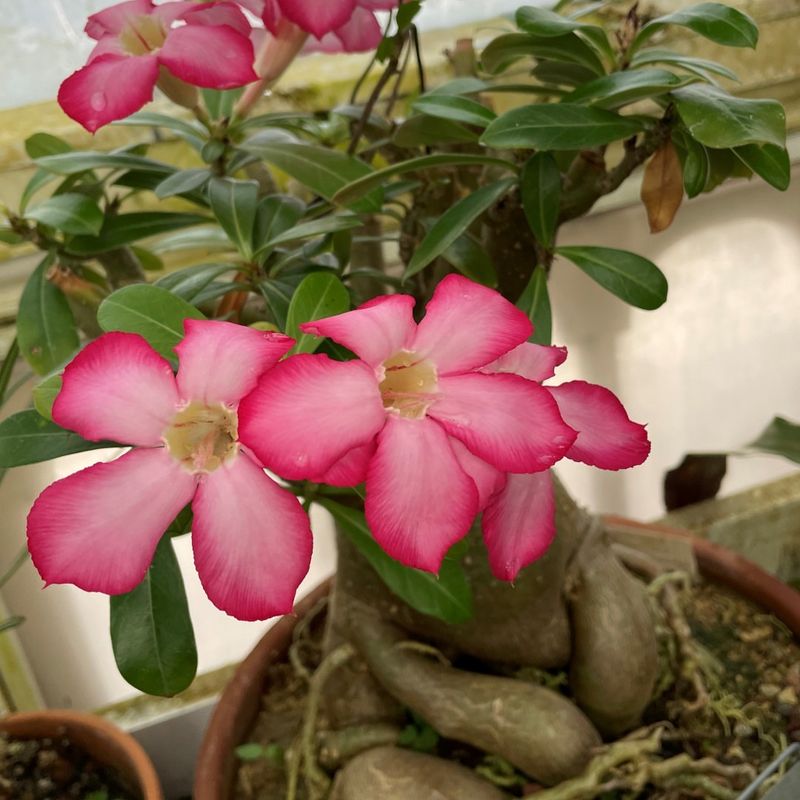
Winter transforms how you care for desert roses in Arizona, requiring a completely different mindset than the active growing season. As temperatures drop and days shorten, these plants naturally slow down and enter a dormant or semi-dormant period where they need very little attention.
Fighting this natural cycle by continuing regular watering and feeding actually creates stress rather than helping the plant.
Most of Arizona stays warm enough that desert roses can remain outdoors year-round, but occasional cold snaps require attention. Temperatures below 40 degrees cause leaf drop, which is normal and not a reason to panic.
However, frost can damage the trunk and roots, especially when combined with wet soil that holds cold longer than dry soil.
Reduce watering drastically once nighttime temperatures consistently stay below 60 degrees, which typically happens in November or December across much of Arizona. During winter months, water only enough to prevent the trunk from shriveling, which might mean once every three to four weeks or even less.
The combination of cold temperatures and wet roots creates the worst possible conditions, so keeping soil on the dry side protects your plant during chilly nights.
If frost threatens in your area, move container plants under eaves or cover them with frost cloth overnight. In-ground plants benefit from a thick layer of mulch around the base, which insulates roots from temperature swings.
By March or April, as Arizona warms up again, you’ll see new growth emerging and can gradually resume more regular watering, but patience during the quiet winter months keeps your desert rose healthy and ready for another spectacular blooming season.
5. Prune Only When Growth Is Active And Temperatures Are Warm
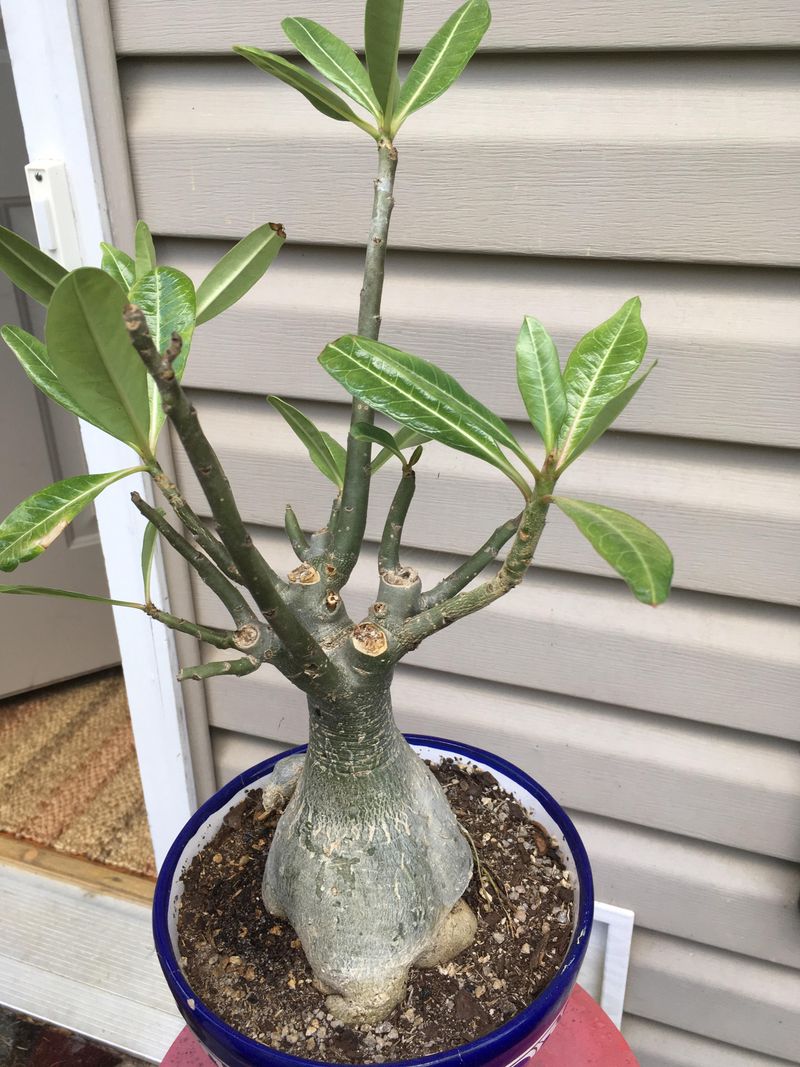
Knowing when to prune makes all the difference between a plant that bounces back quickly and one that struggles for months afterward. Desert roses respond best to pruning during their active growing season when warm temperatures and longer days give them energy to heal cuts and push out new branches.
In Arizona, this window typically runs from late March through August, when nighttime temperatures stay consistently above 60 degrees.
Avoid the temptation to prune during fall or winter, even if the plant looks leggy or overgrown. Cuts made during dormancy heal slowly and provide entry points for problems since the plant isn’t actively growing to seal wounds.
Wait until you see fresh green growth emerging in spring, which signals that your desert rose is ready for shaping.
When you do prune, use clean, sharp shears to make cuts just above a leaf node or branch junction.
Desert roses naturally develop thick, sculptural trunks that become more interesting with age, so focus on removing damaged growth, crossing branches, or excessively long shoots that spoil the plant’s shape. Many Arizona gardeners prune lightly after the first flush of spring blooms to encourage branching and more flower production later in the season.
The plant’s milky sap is mildly irritating, so wearing gloves makes sense during pruning sessions. After cutting, allow wounds to dry in the air rather than applying sealants, as desert roses heal naturally in our dry Arizona climate.
Pruning during warm, active growth means your plant quickly sprouts new branches exactly where you want them, creating a fuller, more attractive shape without the stress of slow healing during cooler months.
6. Feed Lightly During The Growing Season, Not Year-Round
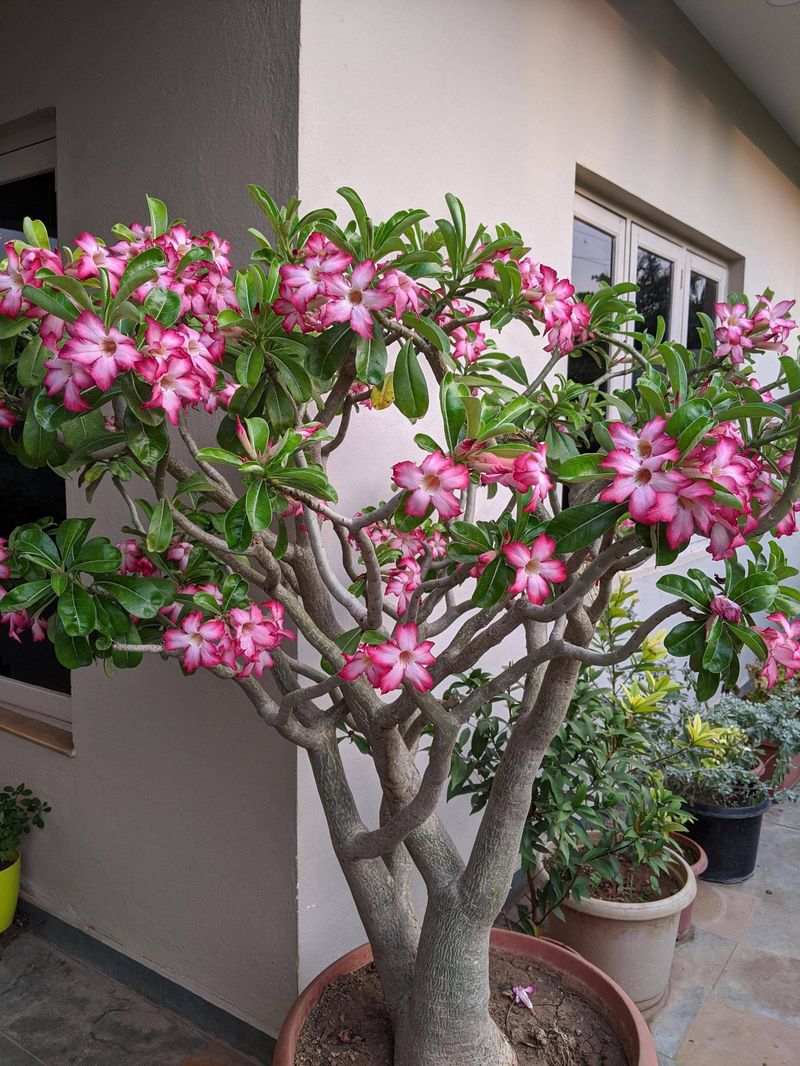
Fertilizing at the right times and in the right amounts keeps desert roses healthy without pushing them into weak, overly lush growth that’s prone to problems. These plants aren’t heavy feeders like roses or vegetables, so a light touch works far better than aggressive fertilizing schedules.
Many Arizona gardeners make the mistake of feeding year-round, which wastes fertilizer and can actually harm plants during their natural rest period.
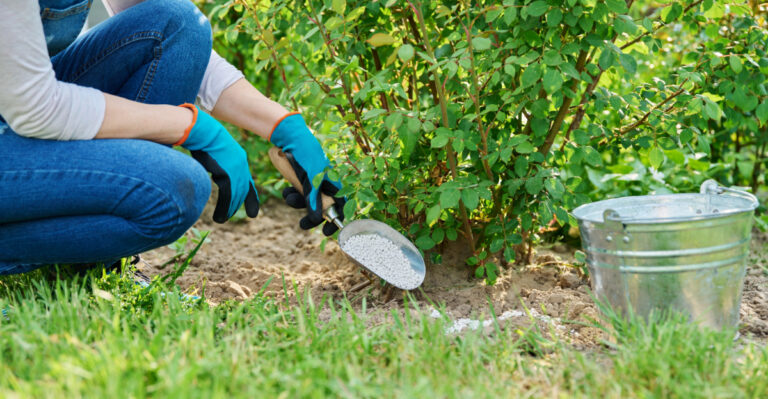
Begin feeding in spring once new growth appears and temperatures warm up consistently, usually around March or April depending on your location in Arizona. Use a balanced fertilizer formulated for flowering plants or succulents, diluted to half the recommended strength.
Applying weaker solutions more frequently causes less stress than occasional full-strength doses that can burn roots or create salt buildup in our already mineral-rich Arizona water.
Feed every two to three weeks during the active growing season from spring through early fall, then stop completely once temperatures begin cooling in October or November. Desert roses use very few nutrients during winter dormancy, so continued feeding serves no purpose and can interfere with the plant’s natural rest cycle.
Container plants may need slightly more frequent feeding than in-ground plants since nutrients wash out with watering.
Watch for signs of overfeeding, such as lots of leafy growth but few flowers, or white crusty deposits on the soil surface from salt accumulation. If you see these signs, flush the soil with plain water and reduce fertilizer frequency.
By matching your feeding schedule to the plant’s natural rhythm of active growth and rest, you support healthy development without creating stress or wasting products on a plant that isn’t using them anyway.
7. Let Desert Roses Rest When Growth Naturally Slows
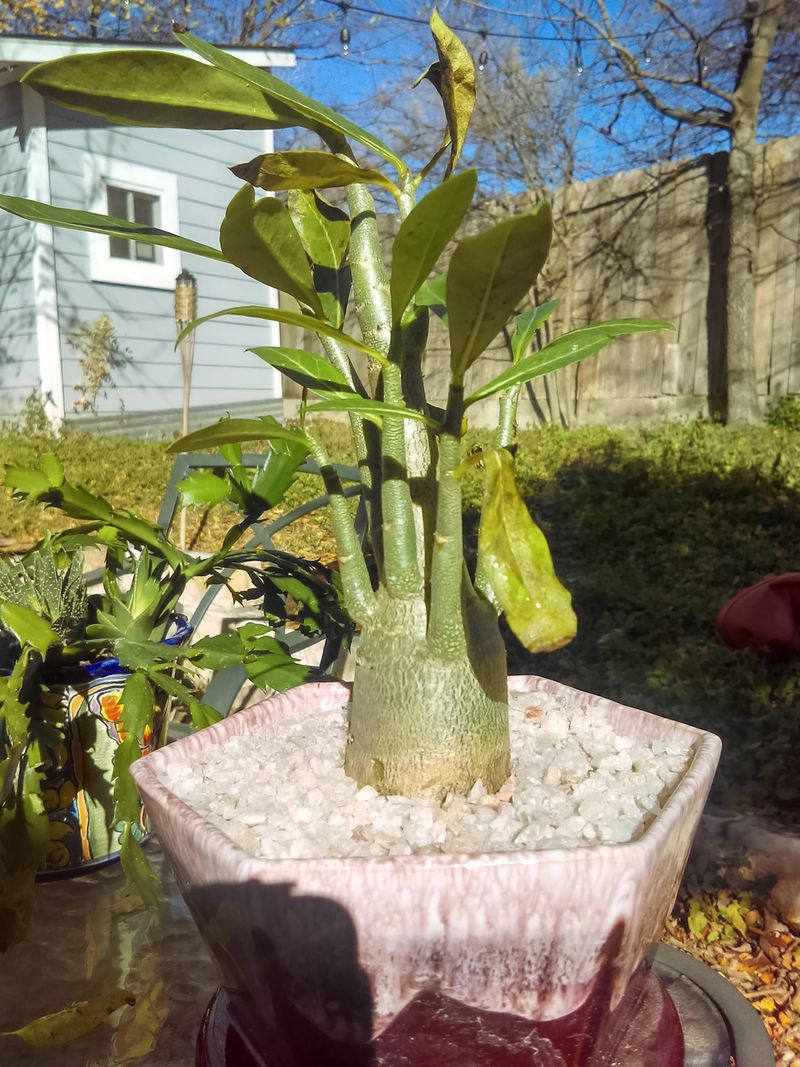
Accepting and working with the natural rest period is perhaps the most important yet most ignored aspect of desert rose care in Arizona. These plants evolved in regions with distinct wet and dry seasons, and they carry that genetic programming even when growing in our gardens.
Fighting their need for rest by continuing summer care routines into winter creates stressed plants that never reach their full potential.
As fall arrives and temperatures cool, you’ll notice your desert rose slowing down with fewer new leaves and no flower buds forming. Some leaves may yellow and drop, which is completely normal and not a sign of problems.
This is the plant’s way of conserving energy and preparing for a quieter period, much like deciduous trees dropping leaves before winter.
Respect this natural rhythm by drastically reducing watering, stopping all fertilizer, and resisting the urge to fuss over the plant. Many Arizona gardeners worry when their previously lush desert rose looks sparse and dormant during winter months, but this rest period is actually essential for long-term health and spectacular spring blooming.
The plant is recharging underground, building energy reserves in its trunk and roots for the next growing season.
By late winter or early spring in Phoenix, Tucson, and surrounding areas, you’ll see signs of awakening as tiny new leaves emerge from branch tips. This signals the end of dormancy and the beginning of a new growth cycle.
Plants that receive proper winter rest bloom more abundantly and grow more vigorously than those pushed to stay active year-round. Embracing this natural pattern removes stress from both you and your desert rose, creating a simple care routine that works with nature rather than against it.