The Low-Water Container Garden Trend Sweeping Oklahoma This Winter

Oklahoma winters can be surprisingly harsh on traditional gardens, with sudden freezes, biting winds, and long stretches of dry weather that leave many plants struggling to survive.
But gardeners across the state have discovered a smarter, more resilient way to keep their green spaces vibrant and thriving without constantly battling the elements or wasting precious water.
Low-water container gardens are now appearing on porches, patios, and balconies from Tulsa to Oklahoma City, showing that it’s possible to enjoy lush, colorful plants even during the coldest and driest months of the year.
These clever setups rely on pots filled with drought-tolerant plants that require minimal watering, making them ideal for busy homeowners or apartment dwellers who want a beautiful, low-maintenance garden that still stands out.
By combining the right containers, soil mixes, and hardy plant selections, these gardens prove that winter greenery in Oklahoma doesn’t have to be a struggle — it can be simple, practical, and stunning.
Water Bills Drop Dramatically

Families across Oklahoma are watching their monthly water bills shrink thanks to container gardens that barely need any watering at all.
Traditional in-ground gardens can guzzle hundreds of gallons every week, especially during dry spells when the soil just soaks it all up.
Container gardens filled with succulents, lavender, and native grasses might only need watering once every week or two, even less in winter when plants naturally slow down.
One Tulsa homeowner reported cutting her outdoor water use by nearly sixty percent after switching to drought-tolerant containers last year.
The savings add up fast, leaving more money in your pocket for other things you enjoy.
Plus, you’re doing something good for the environment by conserving a resource that’s becoming more precious every year.
Oklahoma has faced serious droughts in recent years, making water conservation a priority for many communities.
Container gardens let you enjoy beautiful plants without the guilt of wasting water during shortages.
Your neighbors might even start asking for tips when they see how lush your pots look with so little effort.
Saving money while helping the planet? That’s a win-win situation everyone can get behind.
Perfect For Small Spaces

Not everyone has a big backyard for traditional gardening, but that doesn’t mean you can’t grow your own fresh herbs or colorful flowers.
Container gardens work beautifully on apartment balconies, tiny patios, or even doorsteps where space is limited.
You can stack pots on shelves, hang them from railings, or arrange them in creative ways that maximize every inch available.
Urban dwellers in Norman and Edmond are discovering that a few well-placed containers can transform a boring concrete space into a mini oasis.
Small cherry tomatoes, basil, thyme, and compact peppers all thrive in pots that fit comfortably on a balcony railing.
The best part is you can move them around whenever you want, finding the perfect spot that gets just the right amount of sunlight.
Renters especially love this trend because they can take their gardens with them when they move to a new place.
No need to dig up a landlord’s yard or leave behind months of hard work.
Container gardens are portable, flexible, and perfect for anyone who wants to grow plants without needing a massive outdoor area.
Even a windowsill can become a productive garden spot with the right containers and plant choices.
Winter Protection Becomes Easy
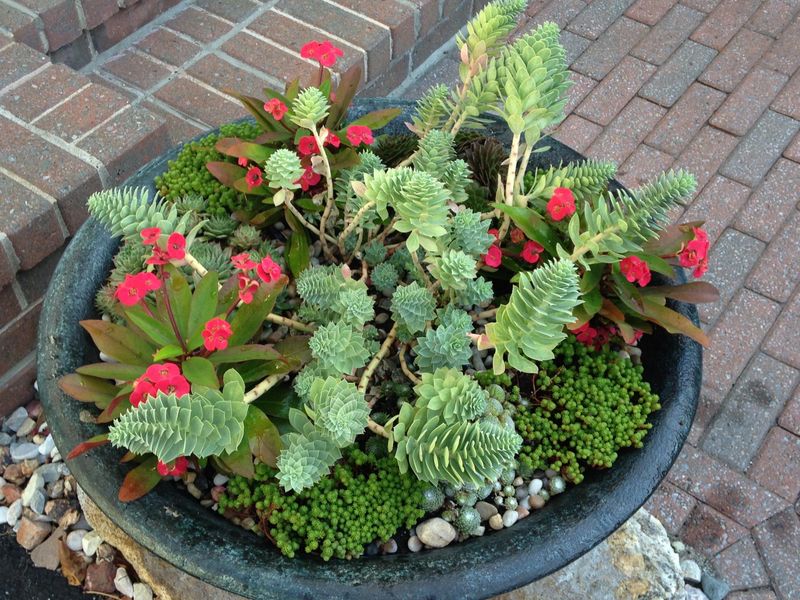
Oklahoma winters can surprise you with sudden freezes that would normally send gardeners scrambling to cover everything in sight.
Container gardens make protecting your plants incredibly simple because you can just pick them up and move them to safer spots.
Tuck them against a south-facing wall, slide them under an overhang, or bring them into a garage during the worst cold snaps.
Traditional gardens stay put no matter what, leaving you to wrestle with frost blankets and hope for the best.
With containers, you’re in complete control of where your plants spend each night.
Many Oklahoma gardeners keep their pots on wheeled plant stands, making it even easier to roll everything to shelter when the forecast looks nasty.
Drought-tolerant plants in containers are already tough by nature, but giving them a little extra protection during harsh weather helps them bounce back faster come spring.
You can also group pots together to create a microclimate that keeps them slightly warmer than if they were spread out.
This flexibility means your garden can survive Oklahoma’s unpredictable winter swings without constant worry or backbreaking work.
Peace of mind and healthy plants—what more could you ask for during the cold season?
Native Plants Thrive Naturally
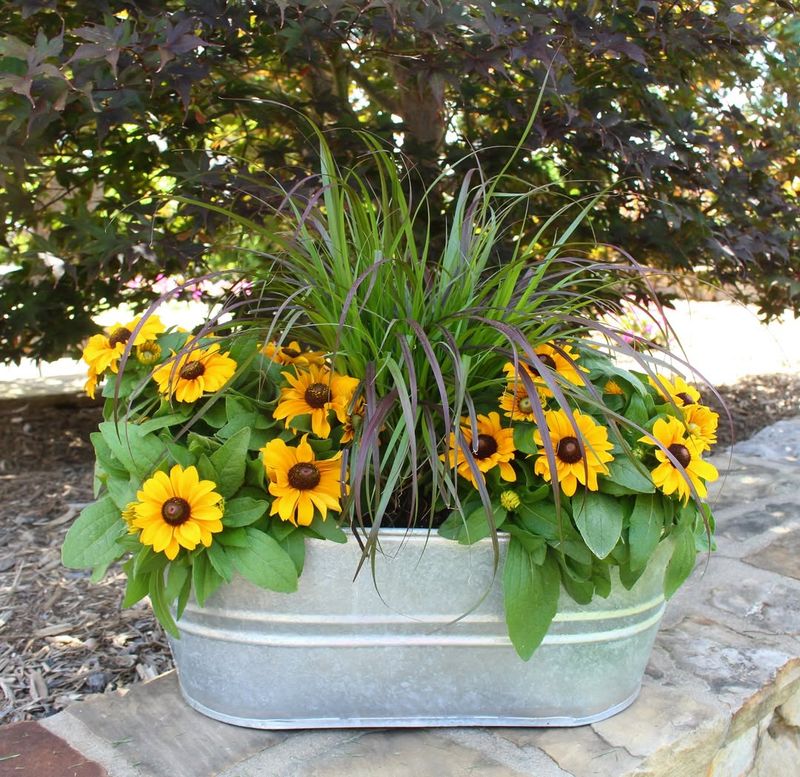
Oklahoma’s native plants have spent thousands of years adapting to the state’s challenging climate, so they’re naturally built for surviving with minimal water and care.
Putting these tough beauties in containers gives you all their benefits without needing to redesign your entire yard.
Little bluestem grass, purple coneflowers, and black-eyed Susans all do wonderfully in pots and look gorgeous throughout the seasons.
Native plants also support local wildlife like butterflies, bees, and songbirds that depend on familiar food sources.
By choosing natives for your container garden, you’re creating tiny wildlife habitats right on your patio or balcony.
These plants already know how to handle Oklahoma’s hot summers and cold winters, so they won’t throw a fit when conditions get tough.
Many gardeners find that native species actually perform better in containers than exotic imports that struggle with our climate.
You’ll spend less time fussing over finicky plants and more time enjoying the natural beauty they bring to your space.
Plus, native plants often have deeper cultural and historical connections to the region, making your garden feel more rooted in place.
Supporting local ecosystems while keeping maintenance low? That’s smart gardening at its finest.
Soil Quality Stays Consistent
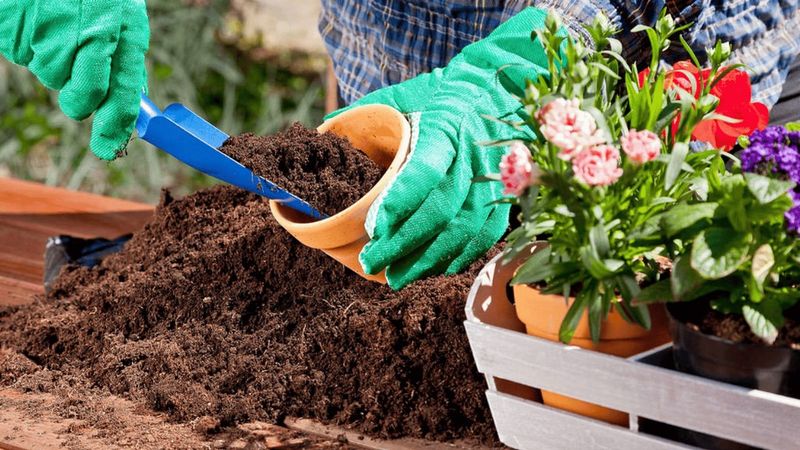
Anyone who’s tried traditional gardening in Oklahoma knows that soil quality can vary wildly from one spot to another in the same yard.
Clay-heavy patches, sandy areas, and compacted sections all create different challenges that require lots of amendments and patience.
Container gardens let you skip all that frustration by starting with perfectly balanced potting mix designed exactly for plant needs.
You control every aspect of what goes into your pots, from drainage materials to nutrient levels, ensuring your plants get the ideal growing medium.
This consistency means healthier plants that grow more vigorously because they’re not fighting poor soil conditions.
Drought-tolerant species especially appreciate well-draining soil that prevents root rot during occasional rainy periods.
In-ground gardens often need years of soil building before they reach optimal conditions, but containers give you that perfect environment right from day one.
You can even customize the soil mix for different plants in different pots, giving each one exactly what it prefers.
Succulents get extra gritty mix, while herbs might get something with more organic matter mixed in.
This level of control is nearly impossible to achieve in traditional garden beds.
Better soil means stronger plants that need less attention and still look amazing all winter long.
Pest Problems Decrease Significantly
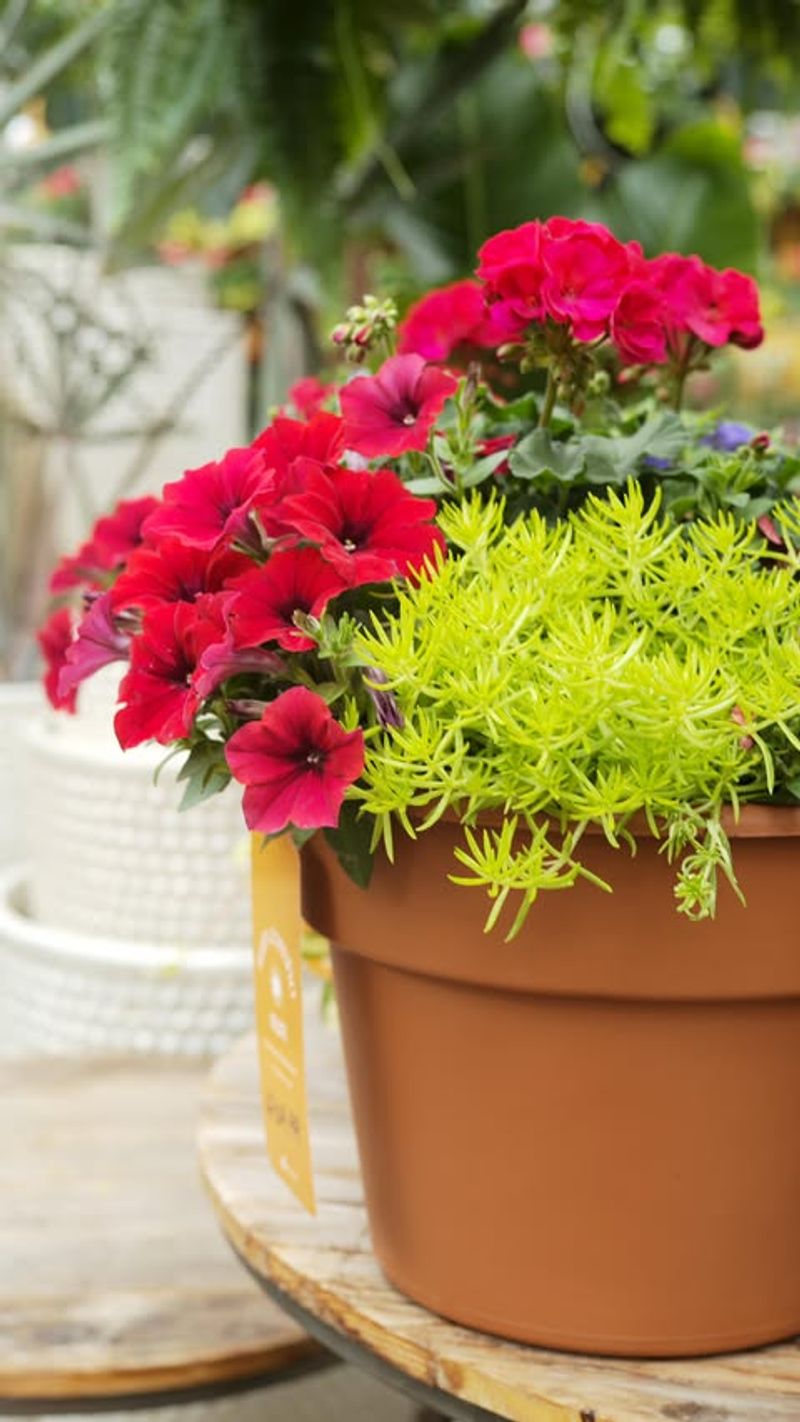
Ground-dwelling pests like slugs, snails, and certain beetles have a much harder time reaching plants that sit several feet off the ground in containers.
Raising your garden up onto tables, stands, or shelves creates a natural barrier that many common garden pests simply can’t cross.
Oklahoma gardeners dealing with rabbits, armadillos, or other critters find that containers offer excellent protection without needing fences or chemicals.
Soil-borne diseases also become less of an issue when you’re using fresh potting mix instead of native ground soil that might harbor problems.
Each container becomes its own isolated environment, so if one plant does develop an issue, it won’t spread to your entire garden overnight.
This containment makes managing any problems much simpler and less stressful.
Drought-tolerant plants tend to have tougher leaves and stems that many pests find less appealing anyway, adding another layer of natural protection.
You’ll spend less time battling infestations and more time actually enjoying your garden.
Many folks appreciate being able to garden without constantly spraying pesticides or setting traps around their outdoor spaces.
Container gardens offer a cleaner, more controlled growing environment that benefits both you and your plants.
Fewer pests mean healthier plants and less frustration throughout the growing season.
Maintenance Time Drops Dramatically
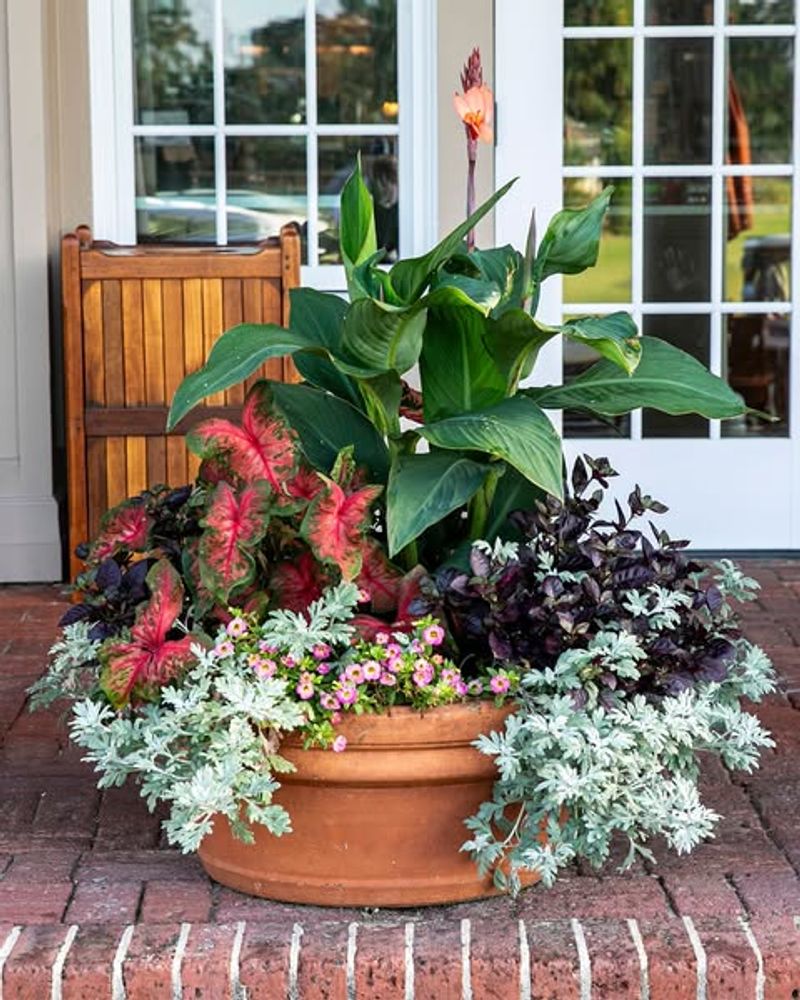
Busy families and working professionals across Oklahoma are choosing container gardens because they fit perfectly into hectic schedules that leave little time for yard work.
Traditional gardens demand regular weeding, mulching, edging, and constant attention to keep them looking decent.
Container gardens filled with drought-tolerant plants might only need checking once a week, with watering every ten days or so during winter.
Weeds rarely become a problem in containers since you’re starting with clean potting soil rather than weed-seed-filled ground dirt.
The occasional stray seed might blow in, but pulling it takes seconds compared to battling an entire garden bed full of invasive plants.
You’ll also skip the backbreaking work of tilling, amending large areas of soil, or dealing with underground root systems spreading everywhere.
Many Oklahoma gardeners report spending just fifteen to twenty minutes per week maintaining their entire container setup, including watering and light pruning.
That leaves plenty of time for other hobbies, family activities, or simply relaxing outside enjoying the plants you’ve grown.
Drought-tolerant species are naturally low-fuss, evolved to survive with minimal intervention from humans.
Combining their tough nature with the convenience of containers creates a gardening system that practically takes care of itself.
More time enjoying, less time working—that’s the container garden promise.
Creative Design Opportunities Expand
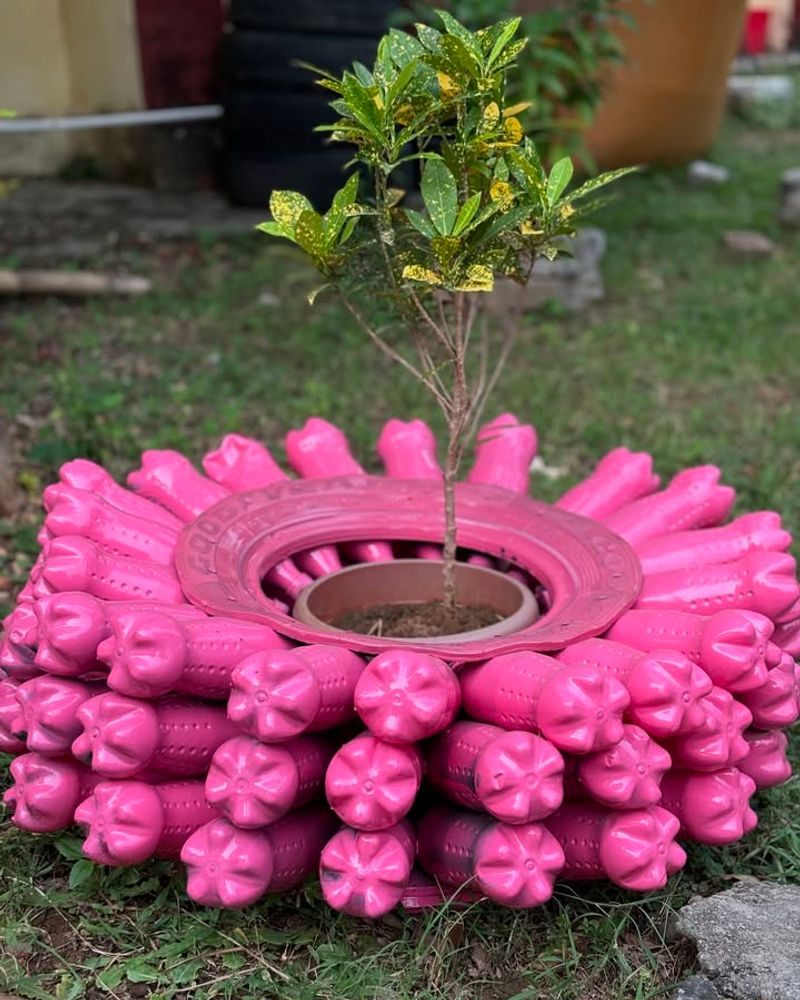
Container gardens let your creativity shine in ways that traditional in-ground gardens simply can’t match.
You can mix and match pot colors, sizes, materials, and styles to create a unique display that reflects your personal taste perfectly.
Bright ceramic pots might sit next to rustic terracotta, with modern geometric planters adding contrast and visual interest.
Oklahoma gardeners are getting playful with their arrangements, creating tiered displays, color-coordinated groupings, or even themed collections that change with the seasons.
Old watering cans, vintage buckets, and repurposed crates all become potential planters when you think outside the traditional pot.
This flexibility lets you express yourself artistically while still growing practical herbs or beautiful flowers.
You can easily rearrange containers whenever you want a fresh look, something impossible with permanent garden beds.
Feeling like your patio needs a new vibe? Just move a few pots around and instantly transform the space.
Winter containers can feature evergreen textures and cool-season interest, then swap out for bright summer displays when warm weather returns.
The design possibilities are truly endless, limited only by your imagination and the containers you can find.
Your garden becomes a living art installation that evolves and changes as your tastes develop over time.
Food Production Stays Possible Year-Round
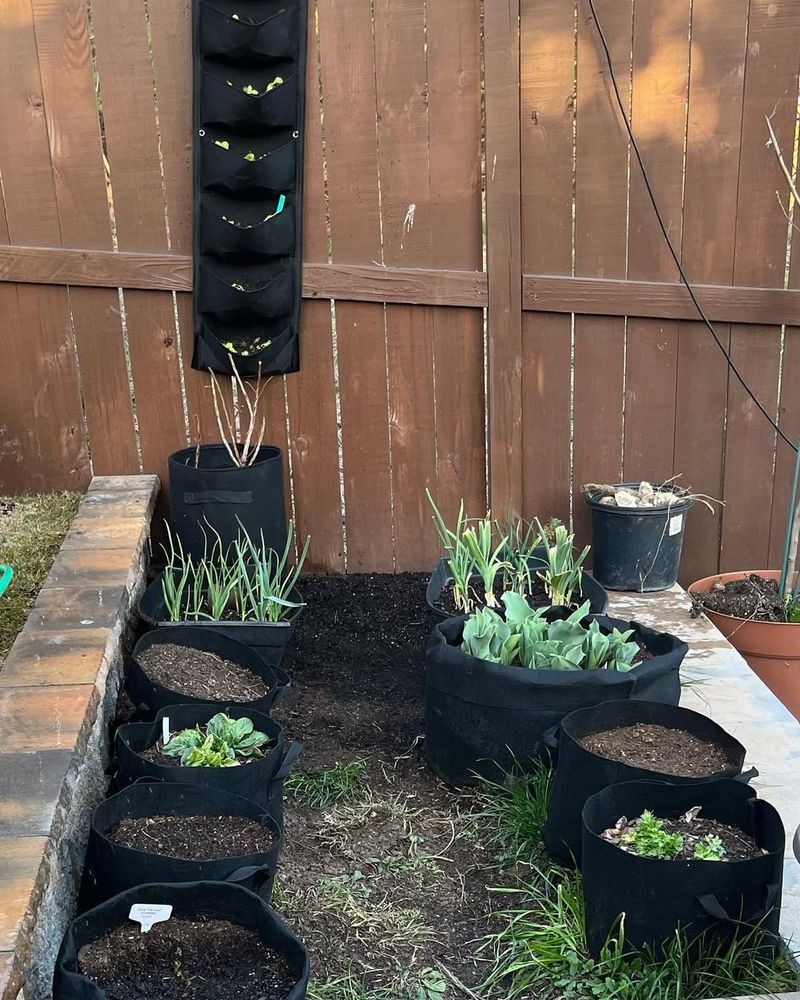
Growing your own food doesn’t have to stop just because temperatures drop and traditional gardens go dormant for winter.
Container gardens filled with cold-hardy herbs and vegetables keep producing fresh ingredients right through Oklahoma’s colder months.
Rosemary, thyme, sage, and kale all handle chilly weather beautifully when planted in pots that can be moved to protected spots during hard freezes.
Imagine stepping outside on a cold January morning to snip fresh herbs for your breakfast eggs or evening soup.
That convenience is priceless, and it tastes so much better than anything you’d buy at the grocery store.
Many drought-tolerant food plants are also Mediterranean natives that actually prefer cooler temperatures and don’t mind Oklahoma’s winter conditions at all.
Container growing also lets you extend seasons by bringing pots into a garage or covered porch during the absolute worst weather.
This flexibility means you can keep harvesting weeks or even months longer than traditional gardeners.
Compact vegetable varieties bred specifically for containers produce surprisingly generous yields from small spaces.
Cherry tomatoes, lettuce, spinach, and radishes all work wonderfully in pots with proper care.
Fresh food, lower grocery bills, and the satisfaction of growing your own—all from a few simple containers on your patio.
Environmental Impact Shrinks Considerably
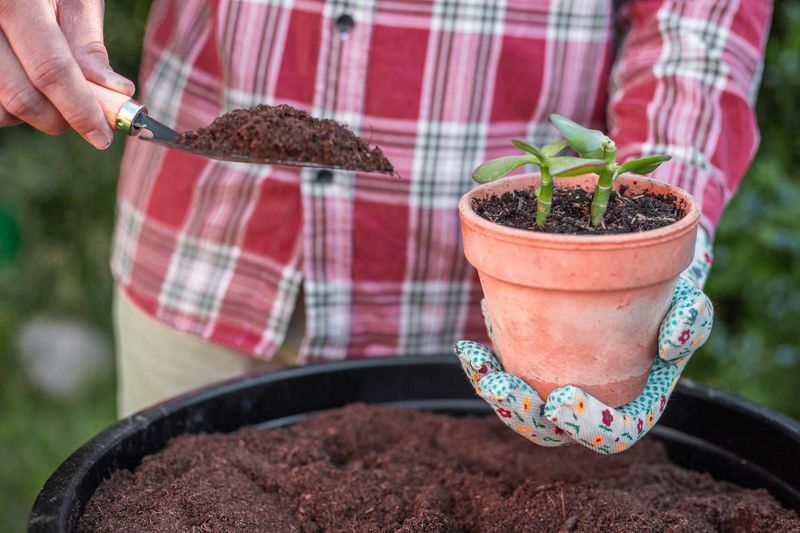
Choosing low-water container gardens represents a meaningful step toward more sustainable living that reduces your environmental footprint in multiple ways.
Water conservation is the most obvious benefit, but you’re also reducing chemical runoff since containers don’t drain into groundwater systems the way in-ground gardens do.
Smaller scale gardening means less fertilizer, fewer pesticides, and reduced resource consumption overall.
Many Oklahoma gardeners are using recycled containers, reclaimed wood planters, or repurposed household items, keeping materials out of landfills while creating beautiful gardens.
Drought-tolerant native plants support local ecosystems and require no shipping from distant nurseries, cutting down on transportation emissions.
You’re essentially creating a micro-ecosystem that works with nature rather than against it.
Container gardens also reduce lawn areas that would otherwise need mowing, saving gas and reducing air pollution from lawn equipment.
Every pot you add is one less patch of thirsty grass demanding weekly attention and resources.
Climate-conscious families appreciate being able to garden in ways that align with their values about conservation and sustainability.
Small actions add up when entire communities start making similar choices.
Your container garden becomes part of a larger movement toward smarter, gentler ways of interacting with the natural world around us.