The Low-Water Hedge Arizona Gardeners Are Choosing Over Privet
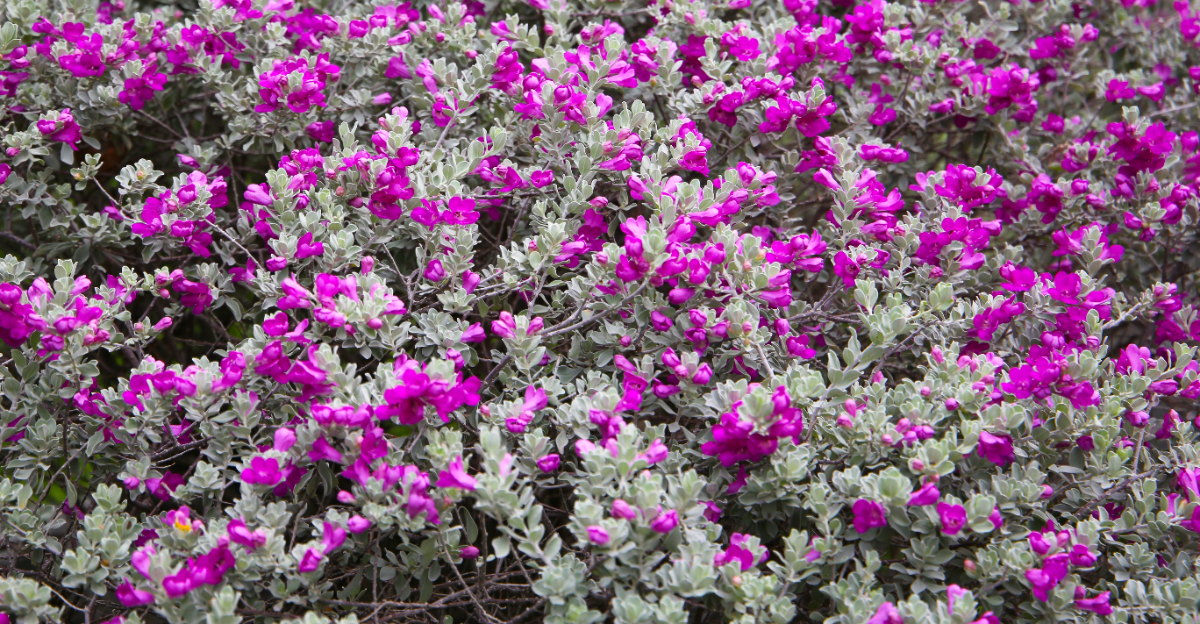
Privet has filled hedges for years, but it is no longer the automatic choice for every landscape.
If you are planning a new privacy screen or thinking about replacing an older hedge, it is worth looking beyond familiar options.
Some shrubs need less water, require fewer trims, and handle intense heat with much less effort. Choosing the right plant now can save you plenty of work later.
That is why more Arizona gardeners are moving away from privet in favor of a lower-water shrub. It creates a dense evergreen screen, tolerates harsh desert conditions well, and even adds seasonal color when humidity rises.
Before planting another row of privet, compare how both shrubs perform through long, hot summers. The differences become much more noticeable after just a few growing seasons.
1. Texas Ranger Is The Plant Behind The Switch
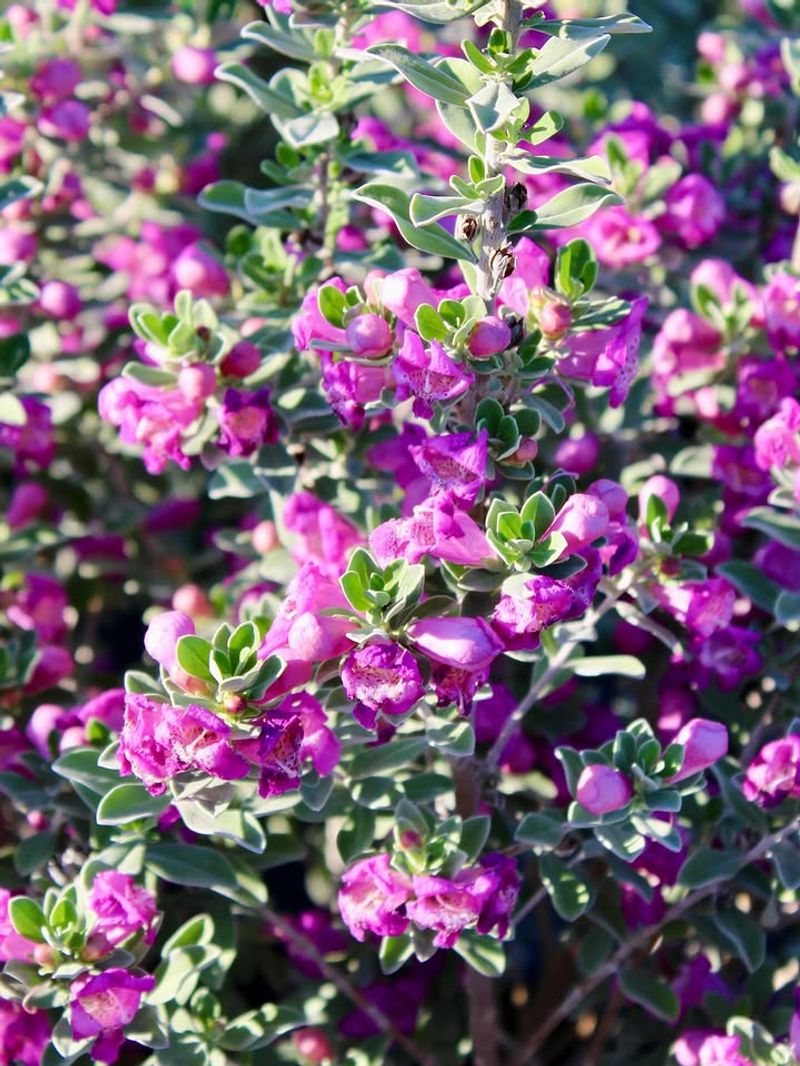
Purple flowers in the middle of summer heat? That is exactly what Texas Ranger delivers.
Officially known as Leucophyllum frutescens, this tough native shrub puts on a stunning floral show right when most plants give up. It thrives in dry, rocky soil and asks for very little in return.
Privet needs regular water, regular trimming, and still manages to look scraggly by August. Texas Ranger handles triple-digit temperatures without flinching.
Its silvery-gray foliage looks clean and attractive even between bloom cycles.
Gardeners in the desert Southwest have trusted this plant for decades. It grows naturally in rocky terrain from Texas into northern Mexico, which makes it well-adapted to similar climates.
Arizona conditions closely mirror its native range.
Beyond toughness, it brings real visual appeal. Blooms appear after monsoon rains or humidity spikes, almost like the plant is responding to the weather.
That unpredictability keeps the garden feeling alive and dynamic through the season.
Mature plants reach six to eight feet tall and wide, depending on the variety. Smaller cultivars like ‘Green Cloud’ and ‘Compacta’ are available for tighter spaces.
Each variety holds its own in heat, drought, and reflected sun from walls or pavement.
2. Choose A Location With Full Sun
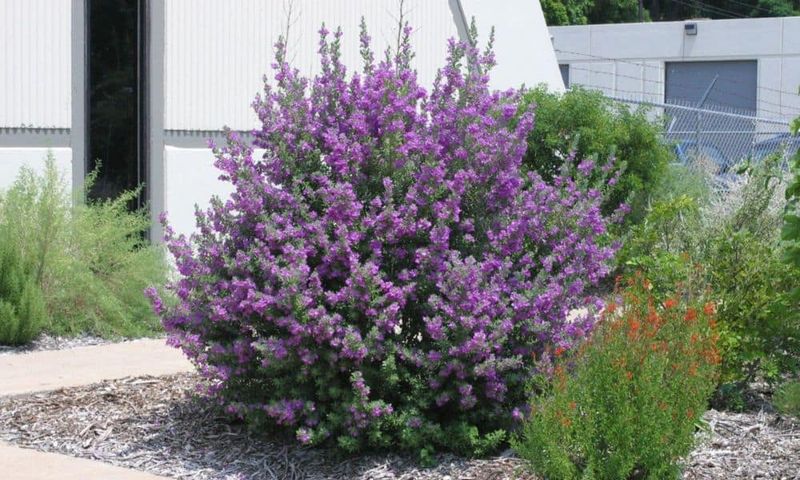
Shade is not a friend to Texas Ranger. Put it in a shady spot and you will get weak, floppy growth with far fewer blooms.
Full sun, meaning at least six to eight hours of direct sunlight daily, is where this shrub truly performs.
South-facing and west-facing exposures work especially well in hot climates. Reflected heat from block walls or concrete actually benefits Texas Ranger rather than harming it.
Most plants wilt under those conditions, but this one leans in.
Avoid planting under large trees or near roof overhangs that block afternoon sun. Even partial shade can reduce bloom frequency noticeably.
Consistent sun exposure also encourages the compact, dense shape that makes Texas Ranger such a clean-looking hedge.
Good sun placement also speeds up establishment. A plant getting full sun dries out faster between waterings, which naturally trains the roots to search deeper into the soil.
Deeper roots mean better drought tolerance over time.
Check your yard at different times of day before choosing a planting spot. A location that looks sunny in the morning might be shaded by a fence or structure by afternoon.
Your Arizona Garden Changes Every Week. Your Plan Should Too.
Gardening in Arizona changes quickly throughout the season. Every Friday you’ll receive a simple weekly plan showing exactly what to plant, prune, fertilize, harvest, and protect so you never miss the right timing.
Mark where the sun hits longest and plant there.
3. Plant In Fast-Draining Soil
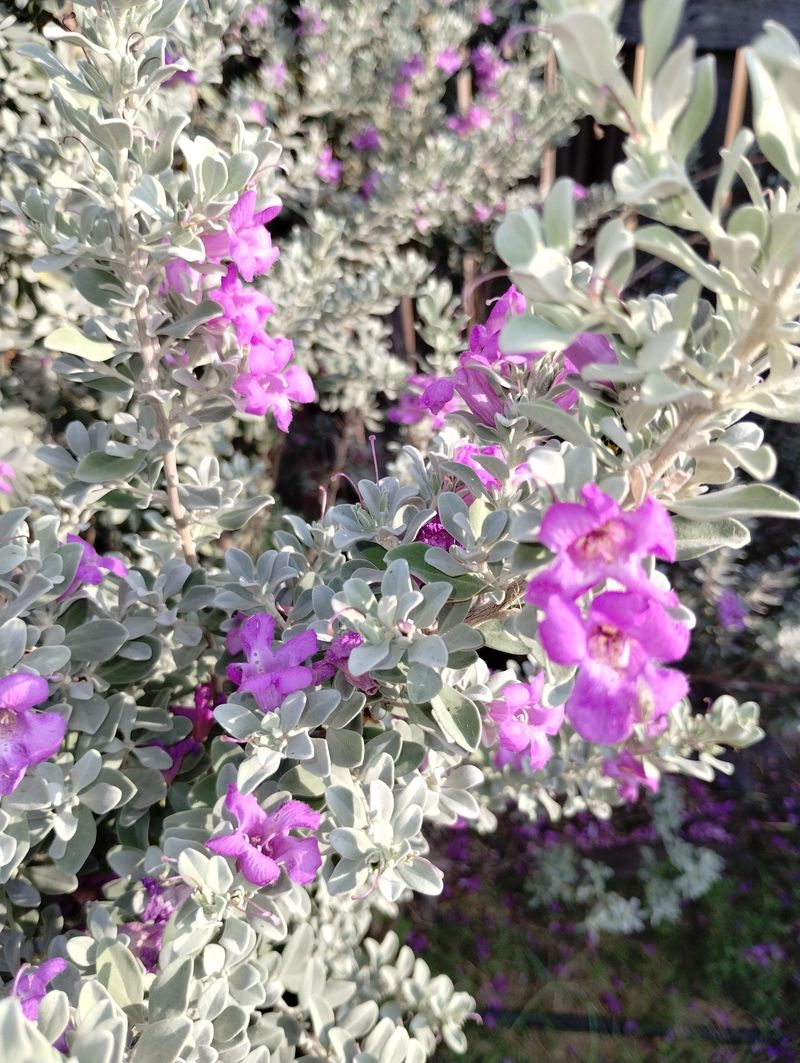
Wet feet are a real problem for Texas Ranger. Soil that holds moisture too long around the root zone can cause root rot, which weakens the plant significantly over time.
Fast-draining soil is not just preferred, it is genuinely necessary for long-term success.
Sandy loam or gravelly native soil works well. Heavy clay soil is the main obstacle in some areas.
If your yard has dense clay, amend it with coarse sand or decomposed granite before planting to improve drainage noticeably.
Raised planting beds are another solid option where drainage is poor. Elevating the root zone even a few inches above grade helps excess water move away from the plant.
Berms work well for this purpose in flat yards with slow-draining soil.
Avoid adding organic compost in large amounts. It breaks down and retains moisture, which works against the drainage Texas Ranger needs.
A small amount mixed into the backfill is acceptable, but keep it minimal.
Decomposed granite mulch around the base improves drainage while reflecting heat and reducing weed competition. It also gives the planting area a clean, finished look that suits desert landscaping styles well.
Gravel mulch is widely available at landscape supply yards throughout the region.
Getting the soil right before planting saves a lot of frustration later. A plant in the right soil establishes faster and requires far less corrective care down the road.
4. Leave Enough Space For Mature Growth
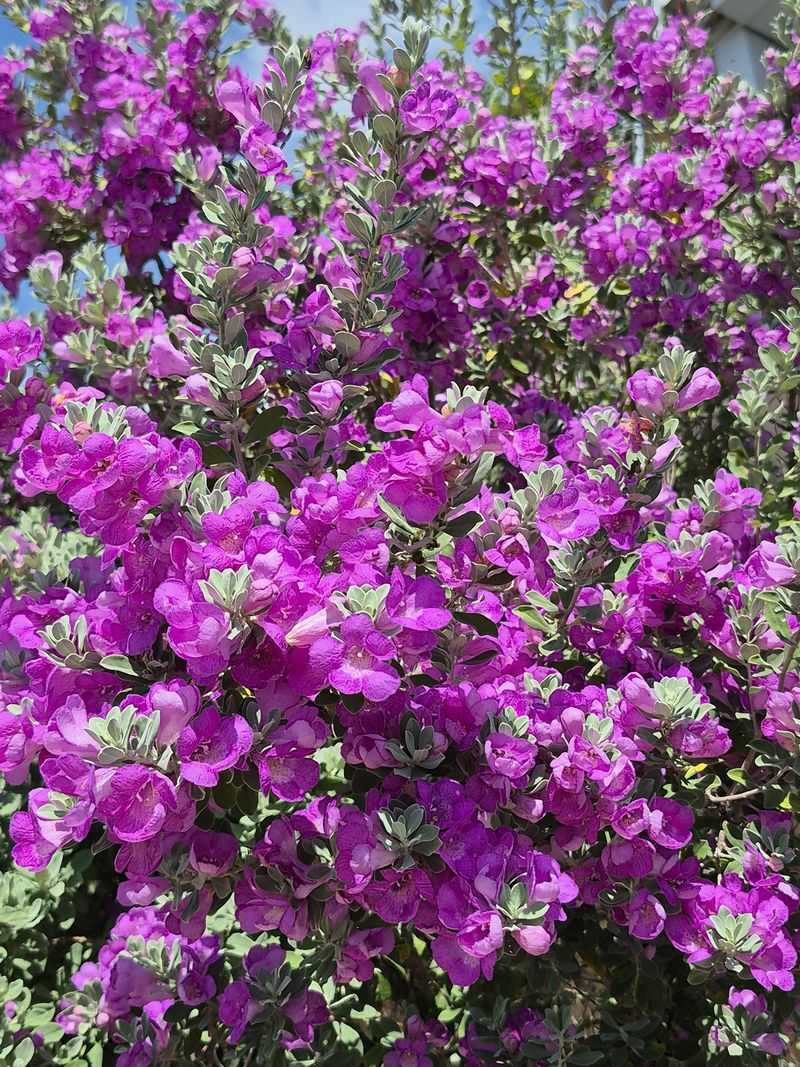
One of the most common planting mistakes is spacing shrubs too close together. Texas Ranger looks small at the nursery, but given a few years, many varieties spread five to eight feet wide.
Crowding plants early leads to poor airflow and dense, tangled growth that is harder to manage.
Standard spacing for a privacy hedge is roughly four to six feet between plants, depending on the variety. Compact cultivars can be placed a bit closer.
Check the mature spread listed on the plant tag and plan accordingly before digging.
Adequate spacing also reduces competition for water and nutrients in the soil. When plants are too close, root systems overlap and each plant receives less of what it needs.
Giving each shrub its own space lets roots spread freely and anchor more deeply into the ground.
Spacing also affects bloom performance. Plants with good airflow around them tend to flower more consistently.
Crowded plants can develop a dense interior that blocks light from reaching inner branches, reducing overall vitality over time.
Mark your spacing with stakes and string before planting. Walk the line and visualize the mature hedge.
Adjust spacing if needed before any soil gets turned. It is much easier to move a stake than to transplant an established shrub.
5. Water Regularly Until Roots Become Established
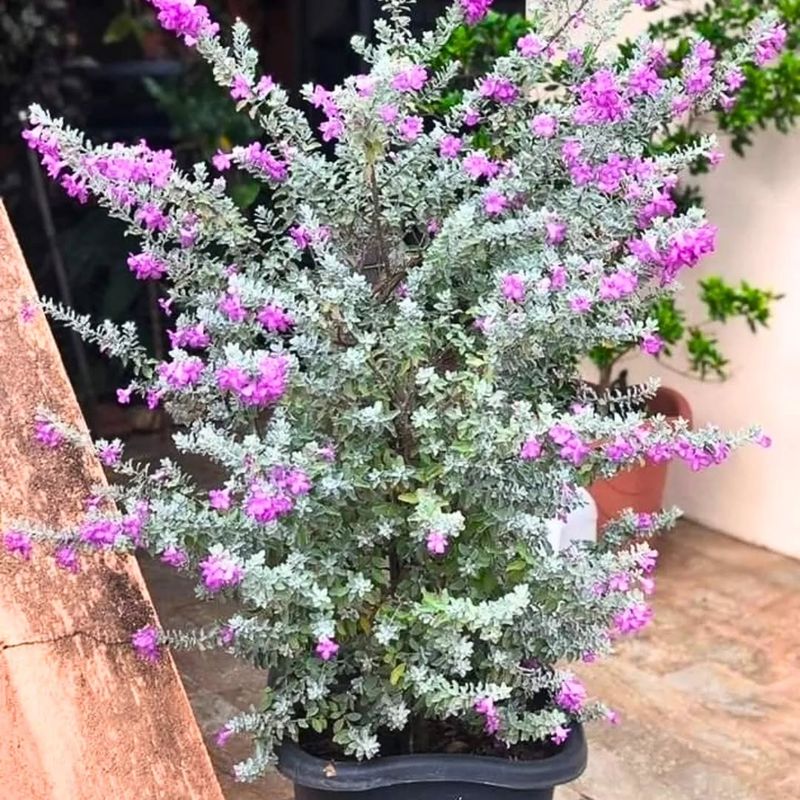
Drought tolerance does not kick in on day one. Newly planted Texas Ranger needs regular watering during the first growing season to develop a strong root system.
Skipping this step is the main reason young plants struggle or fail to thrive after transplanting.
Water deeply two to three times per week for the first month after planting. Deep watering encourages roots to follow moisture downward rather than staying near the surface.
Shallow roots make plants more vulnerable during dry spells later on.
After the first month, taper watering to once or twice a week through the warm season. Watch the plant for signs of stress like drooping or leaf curl, which can signal the plant needs more water.
Adjust frequency based on temperature and rainfall.
By the end of the first full growing season, most plants are significantly more self-sufficient. Established Texas Ranger can often survive on rainfall alone in many desert climates, though occasional deep watering during extended dry periods helps maintain good health.
Drip irrigation works well for establishment watering. It delivers moisture directly to the root zone and reduces evaporation compared to overhead sprinklers.
Set emitters about six to twelve inches from the main stem and adjust placement as the plant grows.
6. Trim Lightly To Keep A Natural Shape
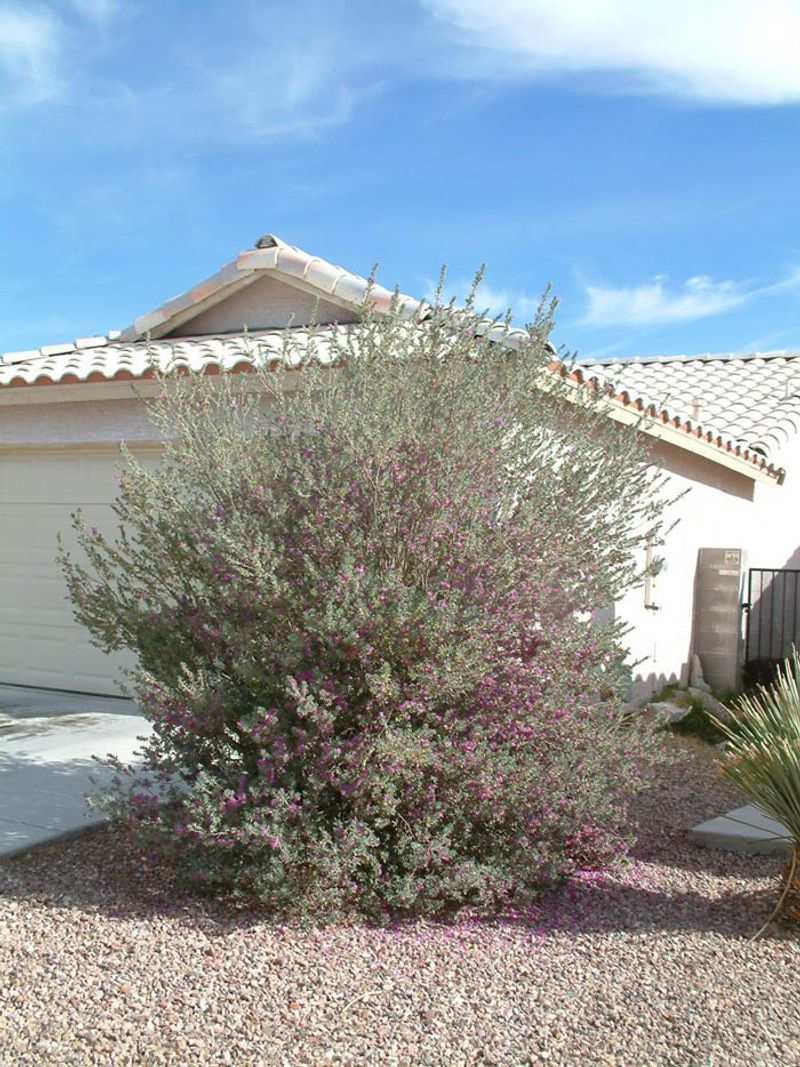
Heavy shearing is the wrong approach with Texas Ranger. Aggressive flat-top trimming removes the branch tips where blooms develop, which means fewer flowers and a less attractive plant overall.
Light, selective pruning preserves the natural arching shape that makes this shrub so appealing.
Hand pruners work better than hedge shears for most light shaping. Remove any crossing branches or stems that are growing in an awkward direction.
Step back frequently to check the overall silhouette as you work.
Aim for a rounded, slightly informal profile rather than a rigid geometric shape. Texas Ranger looks best when it retains its natural mounding form.
Forcing it into a boxy hedge takes away much of its character and can stress the plant over time.
Trim after a bloom cycle ends rather than mid-bloom. Cutting while the plant is actively flowering shortens the display unnecessarily.
Waiting until blooms fade gives you a clean window to shape without sacrificing color.
Remove any broken or damaged wood whenever you notice it, regardless of season. Clearing away damaged growth improves airflow and keeps the plant looking tidy.
It also makes it easier to see the overall structure while you work.
Light trimming two or three times a year is typically enough to maintain a clean hedge.
7. Wait Until Spring For Heavy Pruning
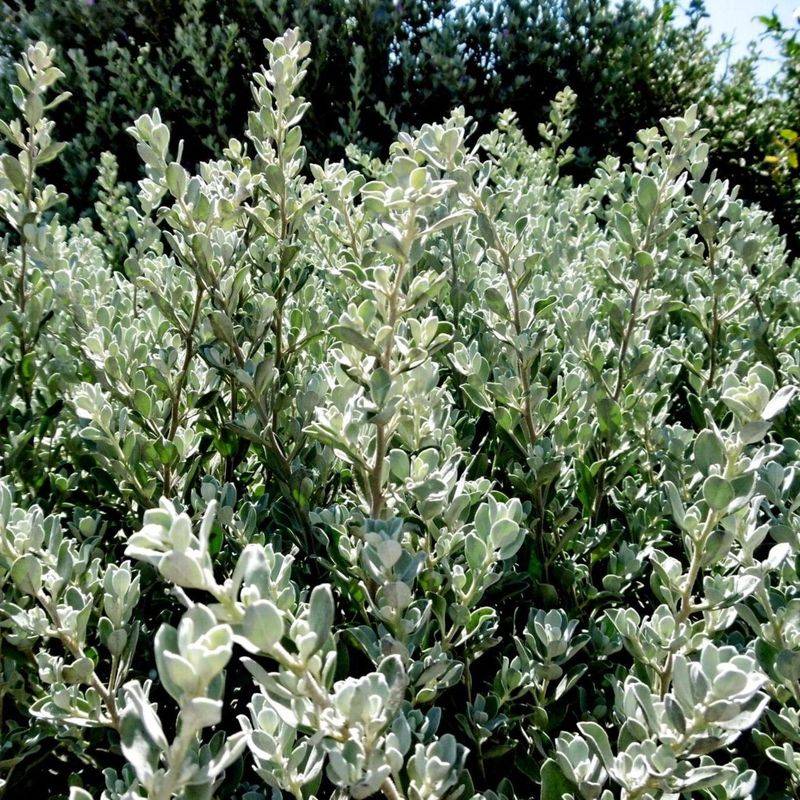
Timing matters more than technique when it comes to heavy pruning. Cutting Texas Ranger back hard in fall or winter exposes fresh growth right before cold weather arrives.
New growth pushed out by pruning is tender and more susceptible to frost damage than hardened stems.
Spring is the right window for any significant size reduction. Wait until nighttime temperatures are consistently above freezing and new growth is just beginning to emerge.
Pruning at this point gives the plant an entire warm season to recover and fill back in.
Heavy pruning means removing one-third or more of the plant’s overall size. It is sometimes necessary when a shrub has grown too large for its space or developed a leggy, open structure.
Done in spring, recovery is typically strong and relatively fast.
Avoid pruning right before or during a bloom period. Cutting back heavily during peak flowering removes the very stems that carry buds.
Waiting until after the main spring bloom cycle protects the floral display while still allowing timely reshaping.
Use sharp, clean loppers for thicker stems. Dull tools crush rather than cut cleanly, which leaves rough wounds that take longer to callous over.