The Low-Water Yard Trend Spreading Across California In 2026
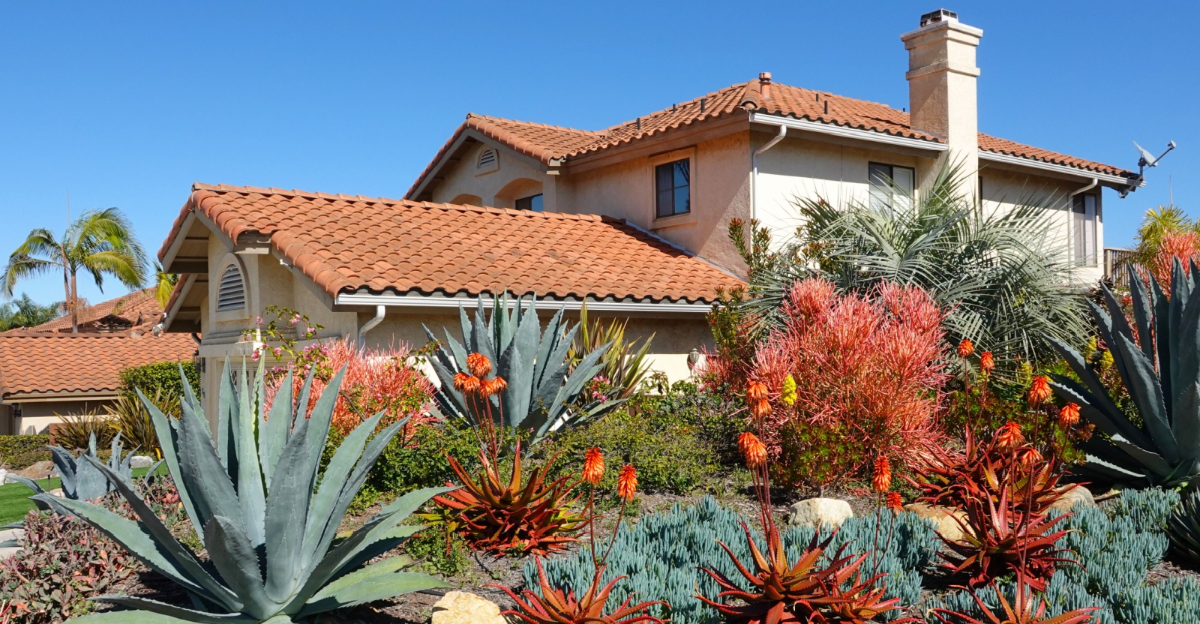
California homeowners are reimagining what a beautiful yard can be.
With summers hotter than ever, rising water costs, and ongoing drought concerns, traditional lawns and thirsty ornamentals are falling out of favor.
Across the state, from foggy coastal valleys to sun-baked inland foothills, homeowners are turning to low-water landscaping to save water, reduce maintenance, and still create visually stunning outdoor spaces.
Native plants, drought-tolerant shrubs, efficient irrigation, and creative groundcover are transforming yards into colorful, pollinator-friendly gardens that thrive under California’s Mediterranean climate.
In 2026, low-water yards aren’t just practical – they’re stylish, sustainable, and a clear statement that smart landscaping can look incredible while conserving one of the state’s most precious resources.
1. California Lawns Are Shrinking: Why Drought Drives Change
For decades, a lush green lawn was the gold standard of curb appeal in California. That picture is changing fast.
Ongoing drought cycles have pushed water agencies to impose restrictions, and many homeowners are responding by tearing out their turf for good.
California’s Mediterranean climate means long, dry summers with little rainfall. Grass lawns, especially cool-season varieties, demand enormous amounts of water during those dry months just to stay alive.
When water costs climb and restrictions tighten, keeping a lawn green becomes expensive and stressful.
State legislation is accelerating the shift. Assembly Bill 1572 phases out ornamental turf irrigation in non-residential spaces starting in 2027, signaling that the era of purely decorative grass is winding down.
Governor Newsom’s California Water Plan 2028 targets millions of additional acre-feet of water supply by 2040, with landscape efficiency playing a key role.
Homeowners who remove their lawns often receive rebates from local water agencies, making the switch financially attractive. Smaller lawns also mean less mowing, less fertilizing, and fewer chemicals running into storm drains.
Across California, shrinking lawns are becoming a symbol of smart, forward-thinking homeownership rather than neglect.
2. Xeriscaping Becomes Mainstream
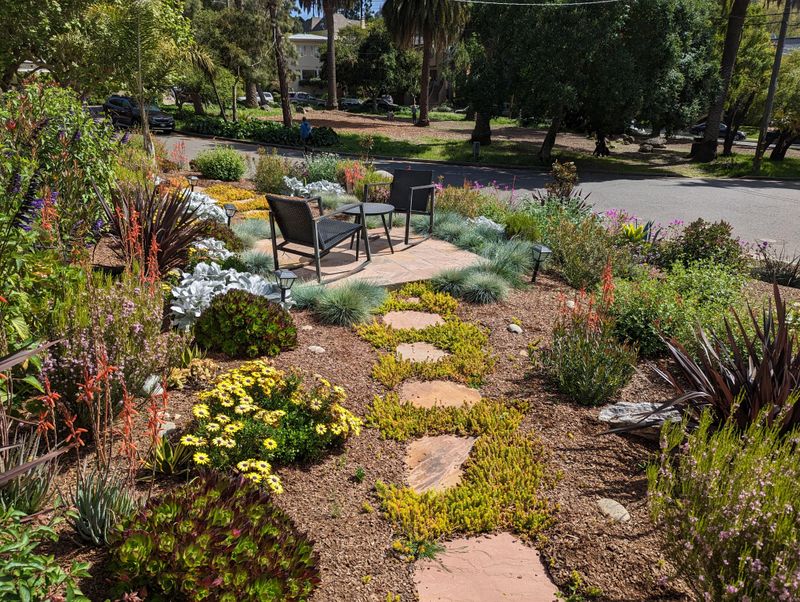
Not long ago, xeriscaping sounded like a niche concept reserved for desert landscapers in Arizona or Nevada.
Today, California homeowners are embracing it as one of the most practical and visually appealing yard design approaches available.
Xeriscaping is not just about cactus and gravel. The approach involves choosing plants suited to your local climate, improving soil to retain moisture, reducing lawn areas, and using efficient irrigation.
Done well, a xeriscaped yard can look lush, colorful, and inviting while using significantly less water than a traditional landscape.
Many California cities now offer free design consultations and plant vouchers specifically for homeowners who want to xeriscape.
Los Angeles Department of Water and Power’s Landscape Efficiency Assistance Program, for example, provides no-cost yard makeovers for qualifying residents, removing the financial barrier that once kept many people on the sidelines.
Xeriscaping also reduces the time spent on yard maintenance. Without a thirsty lawn demanding weekly attention, homeowners report spending far less time watering and mowing.
The design flexibility is another draw – xeriscaped yards can reflect a homeowner’s personal style while still honoring California’s water reality. This trend is no longer fringe; it is firmly in the mainstream.
3. Native Plants Lead The Way
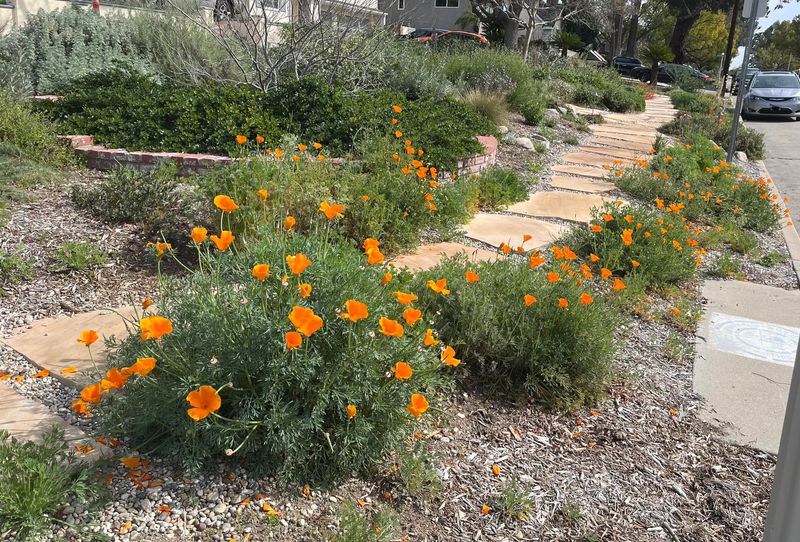
California’s native plants evolved over thousands of years in the state’s unique climate, developing deep roots and efficient water use strategies that no imported species can easily match.
That natural resilience is exactly why they are leading the low-water landscaping movement in 2026.
Plants like California poppy, toyon, ceanothus, and buckwheat thrive with minimal irrigation once established. They are also adapted to local soils, which means less need for fertilizers and soil amendments.
Many native species bloom brilliantly in spring and summer, offering real seasonal color without the water cost of traditional ornamentals.
Wildlife benefits are a bonus that many homeowners find genuinely exciting. Native plants support local bees, butterflies, and birds that co-evolved with those species over generations.
A yard filled with natives becomes a small but meaningful habitat patch in an increasingly urbanized state.
Getting started with native plants is easier than ever. Nurseries across California now stock a wide range of regionally appropriate species, and UC Cooperative Extension offices publish free planting guides tailored to specific counties and climate zones.
Choosing the right native plants for your zip code – rather than a one-size-fits-all list – makes a real difference in how well they perform long term.
4. Drip Irrigation Is Key To Water Efficiency
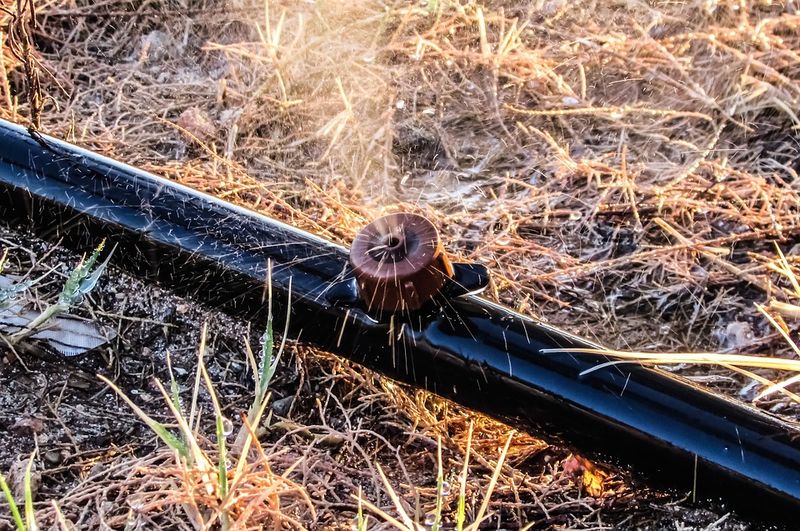
Sprinklers spray water into the air, lose moisture to evaporation, and often water sidewalks and driveways just as generously as they water plants.
Drip irrigation takes a completely different approach, delivering water slowly and directly to the root zone where plants actually need it.
For low-water yards, drip systems are a game changer. They can reduce outdoor water use by a substantial margin compared to traditional sprinklers, especially during California’s hot, dry summers.
Drip lines also reduce weed germination because they keep the soil surface dry, cutting down on weeding time and effort.
Installing a basic drip system is a manageable weekend project for most homeowners. Starter kits are widely available at hardware stores and include tubing, emitters, and connectors.
For larger yards or more complex planting arrangements, a professional irrigation contractor can design a system that accounts for different plant water needs across multiple zones.
Maintenance is straightforward. Periodically checking emitters for clogs and adjusting the schedule seasonally – watering less in cooler months and more in peak summer heat – keeps the system running efficiently.
Pairing a drip system with a smart controller adds another layer of precision, ensuring water is applied only when conditions actually call for it rather than on a fixed schedule regardless of weather.
5. From Turf To Mulch: Alternatives That Work
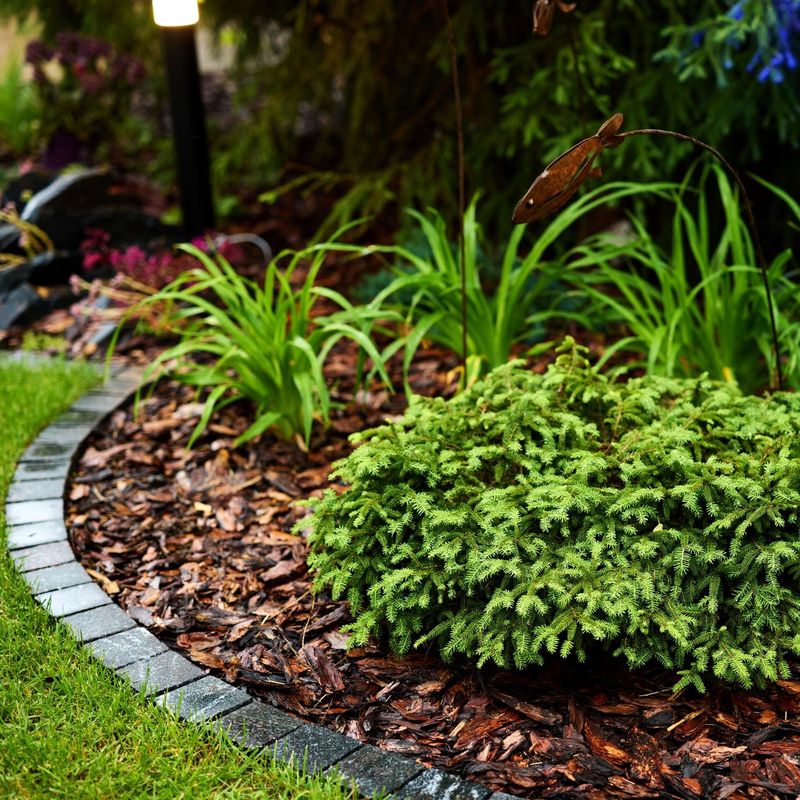
Pulling out a lawn and replacing it with bare dirt is never the goal. The real magic happens when homeowners discover just how many attractive, functional alternatives exist for covering the ground once the turf is gone.
Mulch is one of the most popular choices, and for good reason. A three-to-four-inch layer of wood chip or shredded bark mulch suppresses weeds, retains soil moisture, moderates soil temperature, and gradually breaks down to improve soil health.
It is inexpensive, easy to install, and looks clean and natural in almost any yard style.
Decomposed granite offers a more structured, low-maintenance option that works especially well in contemporary or desert-inspired designs.
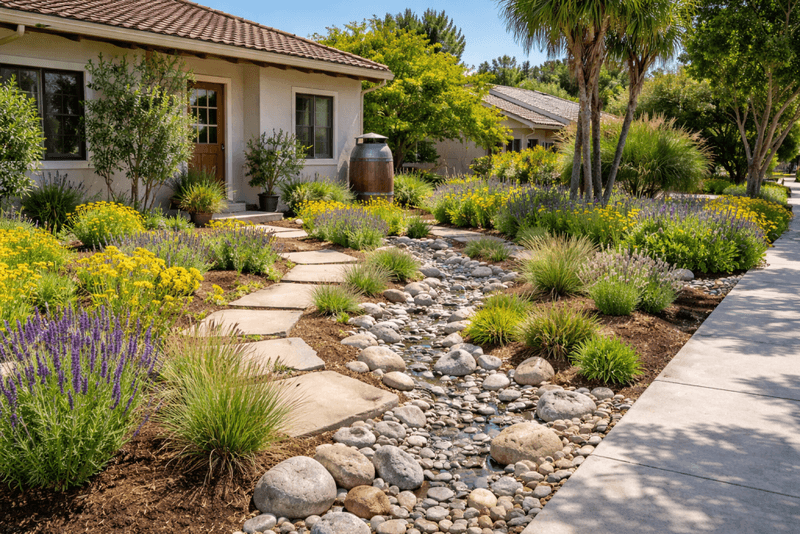
Gravel and river rock are similarly durable and can define pathways, borders, and planting beds with a polished look.
Ground cover plants like dymondia, creeping thyme, or clover can replace turf in areas where a green, living surface is still preferred – with a fraction of the water requirement.
Permeable hardscaping, such as flagstone or permeable pavers, is another alternative gaining traction in California yards. These surfaces allow rainwater to soak into the ground rather than running off into storm drains, supporting groundwater recharge.
Mixing several of these materials creates a layered, visually interesting yard that functions beautifully through every season.
6. The Rise Of Drought-Tolerant Shrubs And Perennials
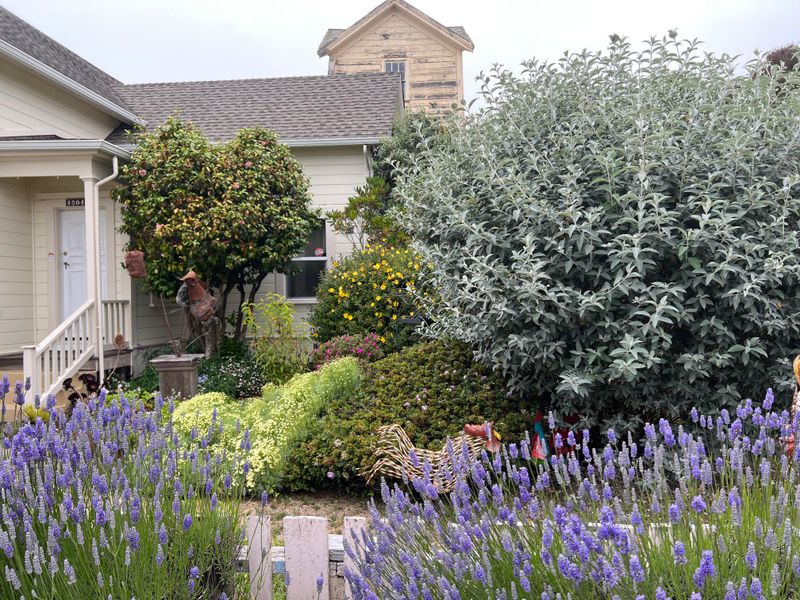
Shrubs and perennials that handle dry conditions with ease have become the backbone of California’s low-water yard movement.
These plants come back year after year, require minimal care once established, and deliver reliable color, texture, and structure throughout the growing season.
Lavender is one of the most recognized choices, thriving in California’s sun-baked summers with almost no supplemental water once its root system is established.
Russian sage, with its feathery silver foliage and violet-blue flower spikes, has surged in popularity for similar reasons.
Salvias – especially the California native and Mediterranean varieties – are another reliable group, blooming prolifically and attracting hummingbirds with little water input.
Agave and aloe provide dramatic architectural interest, offering bold shapes and textures that hold visual weight in a landscape even when nothing is in bloom.
Ornamental grasses like deer grass and blue oat grass add softness and movement, swaying gently in the breeze without demanding irrigation.
Choosing a mix of early, mid, and late-season bloomers ensures the yard offers visual interest across multiple months rather than peaking all at once.
Planting in groupings rather than scattering individual plants across a bed creates a more cohesive look and makes irrigation more efficient.
These shrubs and perennials are proving that drought tolerance and beauty genuinely go hand in hand.
7. Smart Watering Tech Gains Popularity
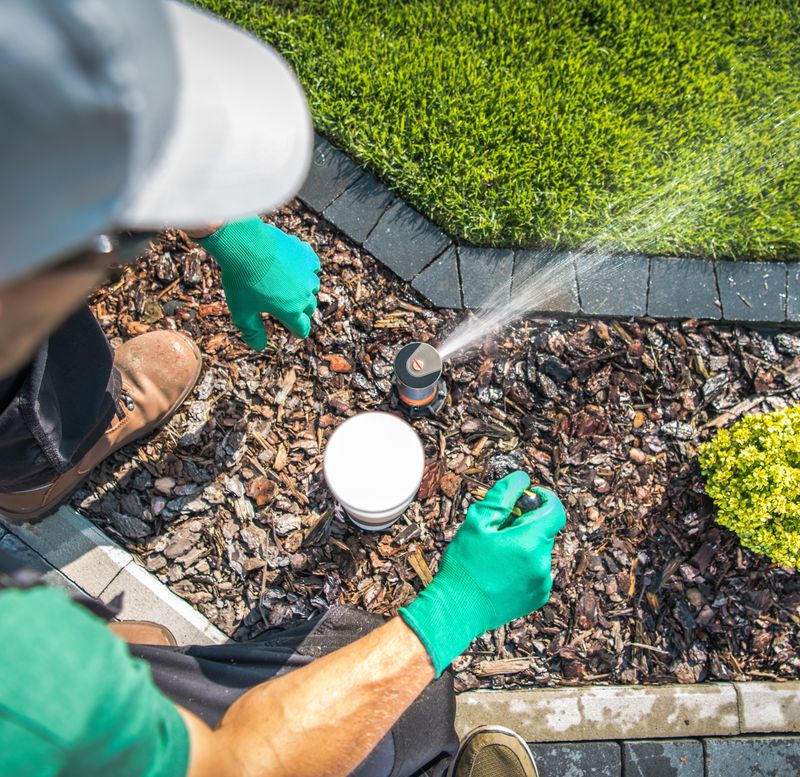
Technology has quietly transformed how California homeowners water their yards, and in 2026, smart irrigation controllers have moved from luxury gadget to practical necessity for anyone serious about water conservation.
Unlike traditional timers that run on a fixed schedule no matter what the weather is doing, smart controllers connect to local weather data and soil moisture sensors to water only when plants actually need it.
If rain is in the forecast, the system holds off.
If a heat wave hits, it adjusts accordingly. The result is a yard that gets the right amount of water at the right time, without any manual intervention from the homeowner.
Many California water utilities now offer rebates specifically for smart irrigation controllers, recognizing their proven ability to reduce outdoor water use.
Some programs even provide the devices at no cost to qualifying customers.
Installation is generally straightforward, and most systems are managed through an easy-to-use smartphone app.
Beyond water savings, smart controllers offer peace of mind. Homeowners traveling or busy with work can monitor and adjust their irrigation remotely, catching problems like a broken emitter or an unusually high water reading before they turn into costly issues.
As water rates continue rising across California, the return on investment for smart watering technology becomes increasingly hard to ignore.
8. Climate Change And Water Shortages Shape Yard Design
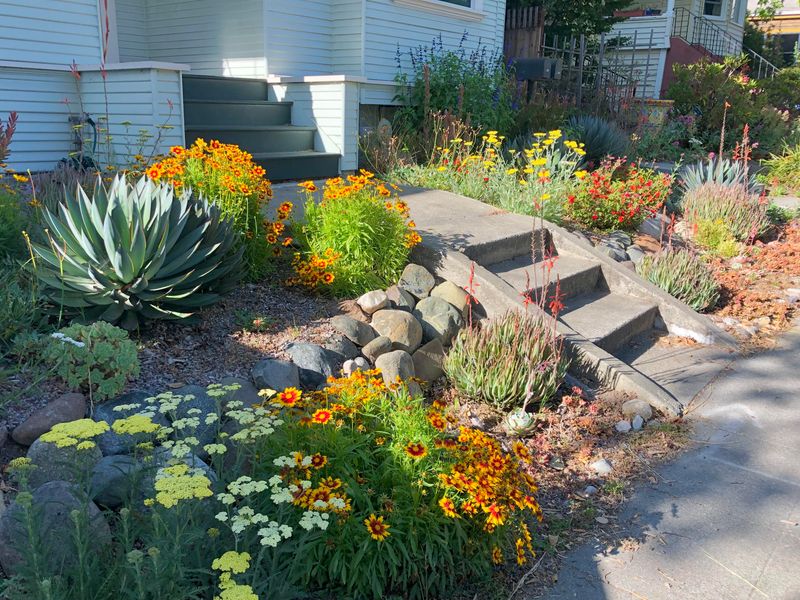
Yard design in California has never been purely aesthetic.
The state’s climate has always imposed limits, but those limits are becoming more pronounced as warming temperatures and shifting precipitation patterns redefine what is realistic to grow and maintain.
Extended heat waves are pushing more homeowners to choose plants with deeper root systems that can access soil moisture during long dry spells.
At the same time, intense winter storms – when they do arrive – are prompting interest in rain gardens and bioswales that capture and direct runoff rather than letting it wash away.
Adapting to both extremes is shaping a new kind of yard design that is genuinely climate-responsive.
Soil health is getting more attention as part of this shift. Compacted, nutrient-depleted soils struggle to retain moisture and support plant root systems during drought stress.
Homeowners and landscapers are increasingly incorporating compost and organic matter into planting beds to build soil structure that holds water more effectively between irrigation cycles.
Shade trees are also being reconsidered as a water-smart strategy. Strategically placed trees reduce soil evaporation, cool the microclimate around the home, and cut energy costs for air conditioning.
Choosing species adapted to California’s climate – such as valley oak or blue palo verde — means the tree itself requires minimal water once established while delivering lasting environmental benefits.
9. Pollinator-Friendly Choices Still Thrive
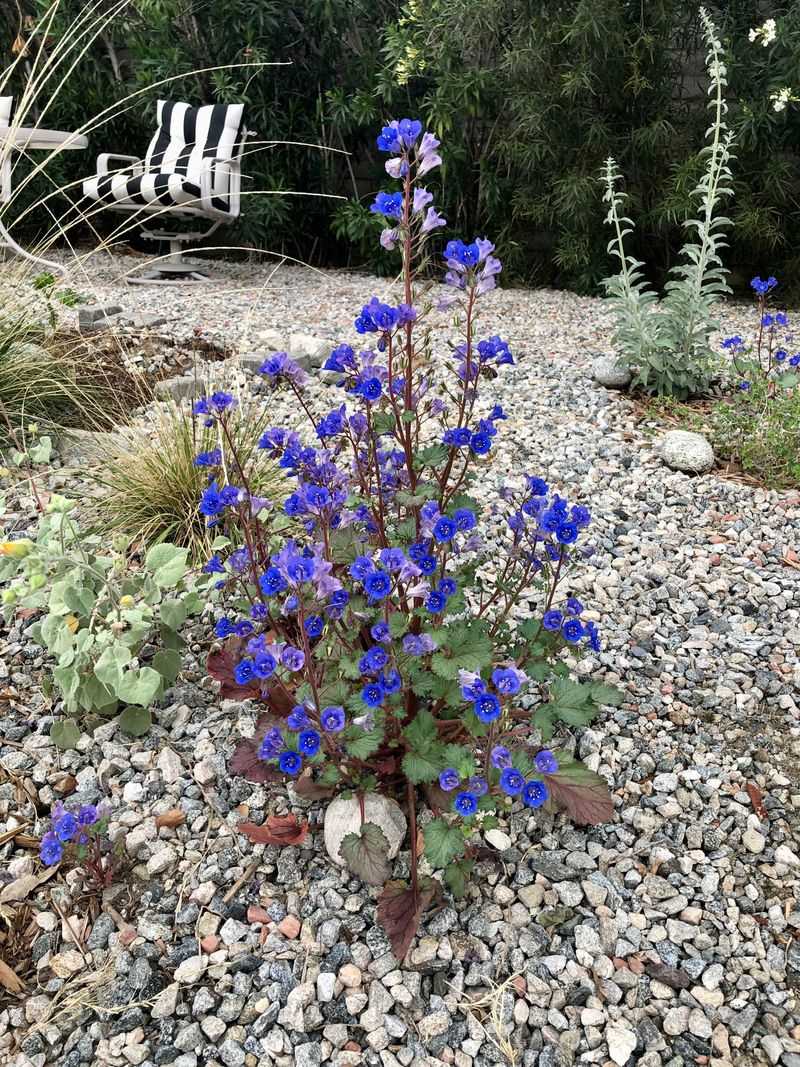
One of the most common worries about switching to a low-water yard is losing the lively, colorful garden that attracts bees, butterflies, and hummingbirds. The good news is that many of the best drought-tolerant plants are also among the most attractive to pollinators.
Native wildflowers like phacelia, clarkia, and California poppy are magnets for native bees and provide early-season pollen when few other sources are available.
Planting these in drifts – groups of the same species rather than single scattered plants – makes it easier for pollinators to find and work them efficiently.
They also reseed themselves naturally in many California climates, meaning the display can renew each year with little effort from the gardener.
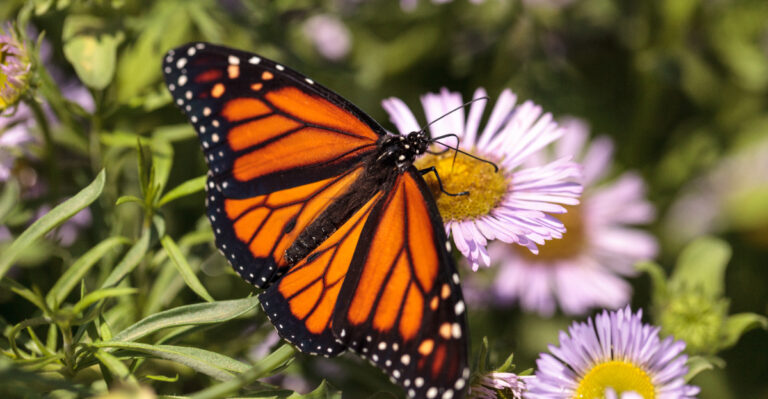
Hummingbirds flock to salvias, penstemons, and monkeyflowers, all of which are well-suited to California’s dry summers. Milkweed, essential for monarch butterfly reproduction, is native to California and thrives with minimal water in sunny spots.
Including a small water feature or shallow dish with clean water adds another resource that benefits both birds and beneficial insects.
Designing for pollinators does not require a wild, unkempt yard.
Thoughtful plant selection, staggered bloom times, and a mix of flower shapes to serve different pollinator species can create a yard that is both tidy and ecologically vibrant, proving that water-smart design and wildlife support are entirely compatible goals.
10. Community And Curb Appeal Benefits
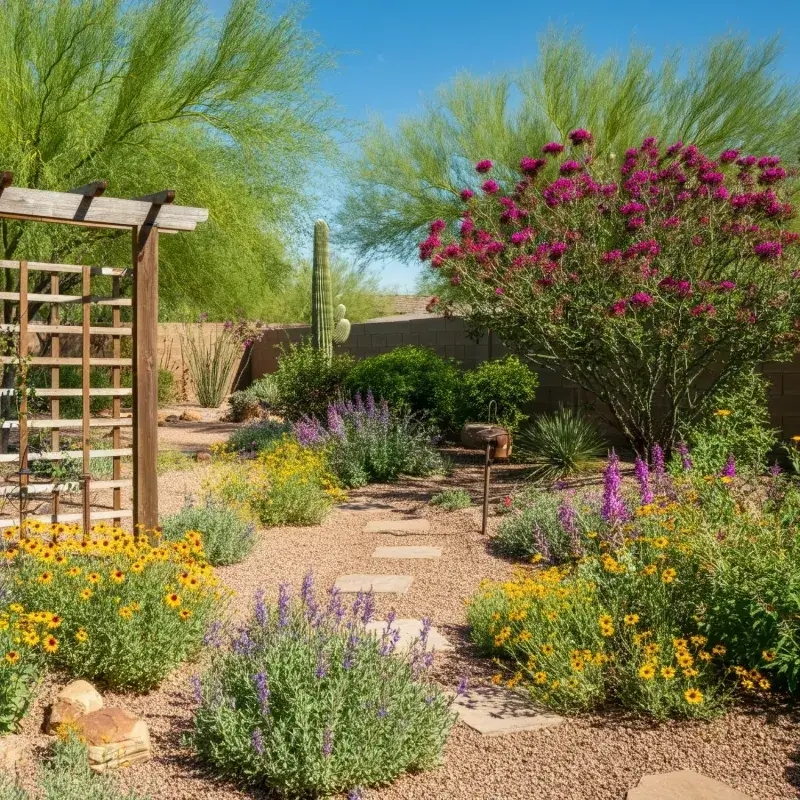
When one homeowner replaces a thirsty lawn with a thoughtfully designed low-water yard, the effect is noticeable. When an entire block does it, the transformation is remarkable.
Community-wide adoption of low-water landscaping is creating new neighborhood aesthetics across California that are earning admiration rather than skepticism.
Curb appeal no longer depends on a perfectly manicured green lawn.
Neighbors are discovering that gravel pathways, flowering native shrubs, and decorative boulders can look just as polished and welcoming as traditional turf – sometimes more so.
Real estate professionals in water-stressed California markets are beginning to recognize drought-tolerant yards as a selling point rather than a drawback, particularly as buyers factor ongoing water costs into their decisions.
Community workshops hosted by local water agencies and extension offices are helping homeowners make the transition with confidence.
Free design consultations, plant giveaways, and neighborhood demonstration gardens give residents a chance to see what is possible before committing to a full yard makeover.
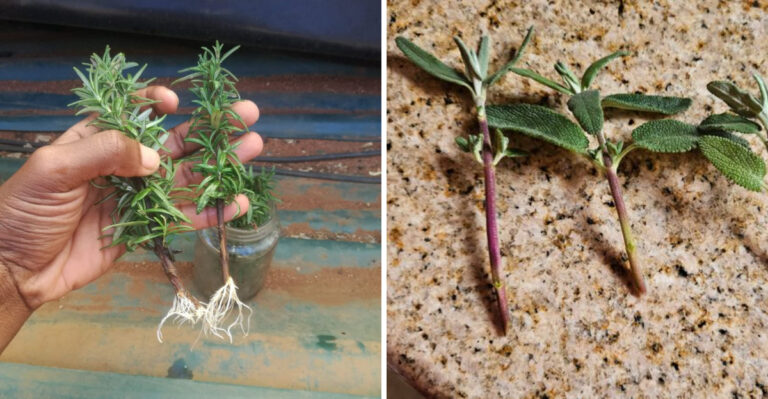
These programs also build social connection, with neighbors sharing plants, swapping cuttings, and encouraging each other through the process.
The collective water savings add up quickly. When multiple households in a neighborhood reduce outdoor water use, the impact on local water supply is meaningful and measurable.
Community participation turns individual yard decisions into a shared act of environmental responsibility, giving California neighborhoods a sense of purpose and pride that goes well beyond aesthetics.