The Main Mistake Some North Carolina Gardeners Makes When Growing Potatoes
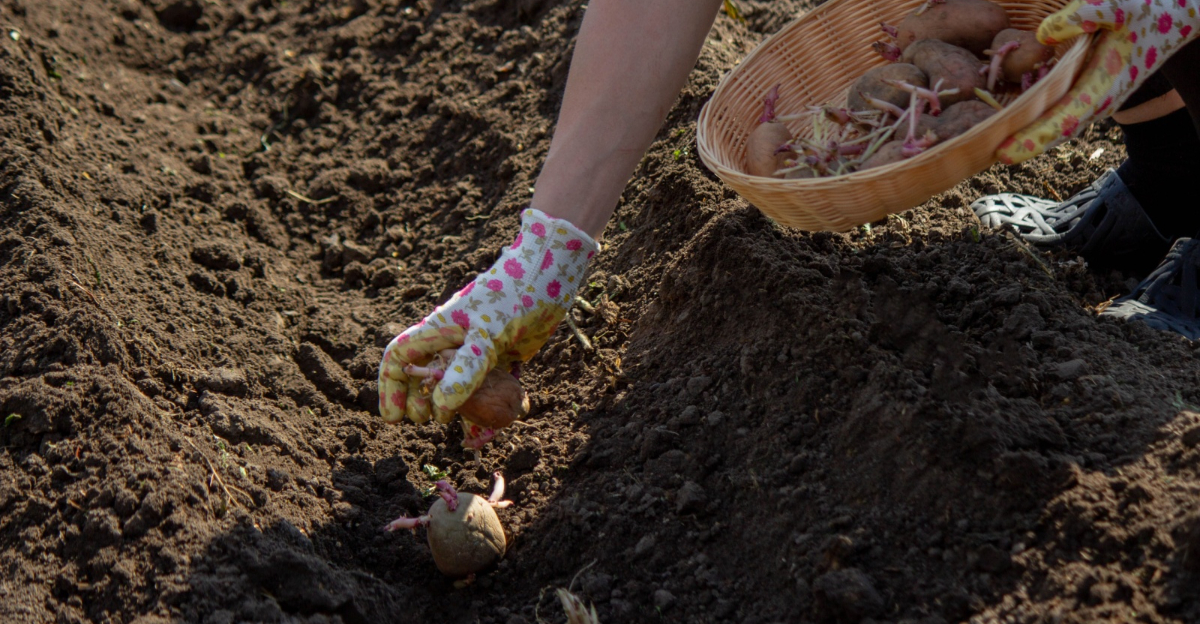
Potatoes have a way of making gardeners feel wildly optimistic. You tuck a few pieces into the ground, picture a big harvest later on, and suddenly you are mentally assigning them to roasted potatoes, potato salad, and maybe a very smug dinner conversation.
In North Carolina, that excitement is completely understandable. Potatoes can be a rewarding crop, but they are also one of those vegetables that quietly punish bad timing.
The biggest trouble often starts before the plants even get going. A lot of gardeners wait just a little too long, thinking warmer weather will help.
Potatoes do not really share that opinion. Once spring starts speeding up, the window for getting them in the ground can close faster than people expect.
That one delay can shape the whole season, affecting growth, tuber development, and harvest size. It is a simple mistake, but wow, it can be an expensive one in garden terms.
1. Why Late Planting Causes Problems So Quickly
Missing the right planting window in spring can set a potato crop back in ways that are hard to recover from, even when everything else in the garden looks fine.
Potatoes are a cool-season crop, which means they do their best growing when soil and air temperatures are still on the moderate side.
Once conditions warm up past what potatoes prefer, the plants shift their energy in ways that do not favor strong tuber development underground.
In North Carolina, that shift can happen surprisingly fast. What feels like a long, comfortable spring can shrink to just a few weeks once February and March pass.
Gardeners who wait until the weather feels reliably warm often find they have already missed the sweet spot that potatoes need to get established and start forming tubers.
The problem shows up gradually at first. Plants may look healthy above ground for a while, but if the soil is warming quickly beneath the surface, tuber formation can slow or stall before a good harvest has a chance to develop.
Roots and tubers need a certain stretch of cooler soil to size up properly, and late planting cuts that window short.
Experienced vegetable gardeners in North Carolina often say that potato timing feels counterintuitive at first.
Planting when the air still has a chill to it can feel too early, but that early start is exactly what gives potatoes enough cool growing time before summer heat begins pressing in from all sides.
2. Warm Weather Changes The Way Potatoes Grow
Soil temperature plays a much bigger role in potato development than many home gardeners realize.
When ground temperatures climb above the range that potatoes prefer for tuber formation, the plant’s priorities start to shift in ways that can reduce yield.
Instead of putting energy into sizing up tubers underground, the plant may focus more on keeping its foliage going in the heat, which is not where gardeners want the effort going.
North Carolina’s spring warmth arrives on its own schedule, and it does not always give gardeners much warning.
Your North Carolina Garden Changes Every Week. Your Plan Should Too.
Gardening in North Carolina changes quickly throughout the season. Every Friday you’ll receive a simple weekly plan showing exactly what to plant, prune, fertilize, harvest, and protect so you never miss the right timing.
In the Piedmont and Coastal Plain especially, temperatures can rise steadily through April and into May, pushing soil conditions past what potato crops handle well.
The mountains tend to stay cooler longer, giving growers there a slightly wider window, but even mountain gardens feel the pressure of warming weather eventually.
When tubers are still small and the soil is already warming, the results at harvest time can be disappointing.
Gardeners may find smaller potatoes than expected, or fewer of them, even when the plants looked green and growing above ground throughout the season.
That disconnect between what the plant looks like and what is actually happening underground is one of the trickier parts of growing potatoes in a state where spring warmth comes on strong.
Paying attention to soil temperature, not just air temperature, gives gardeners a more accurate picture of what their potato crop is actually experiencing day to day.
3. Early Timing Gives Potatoes A Better Start
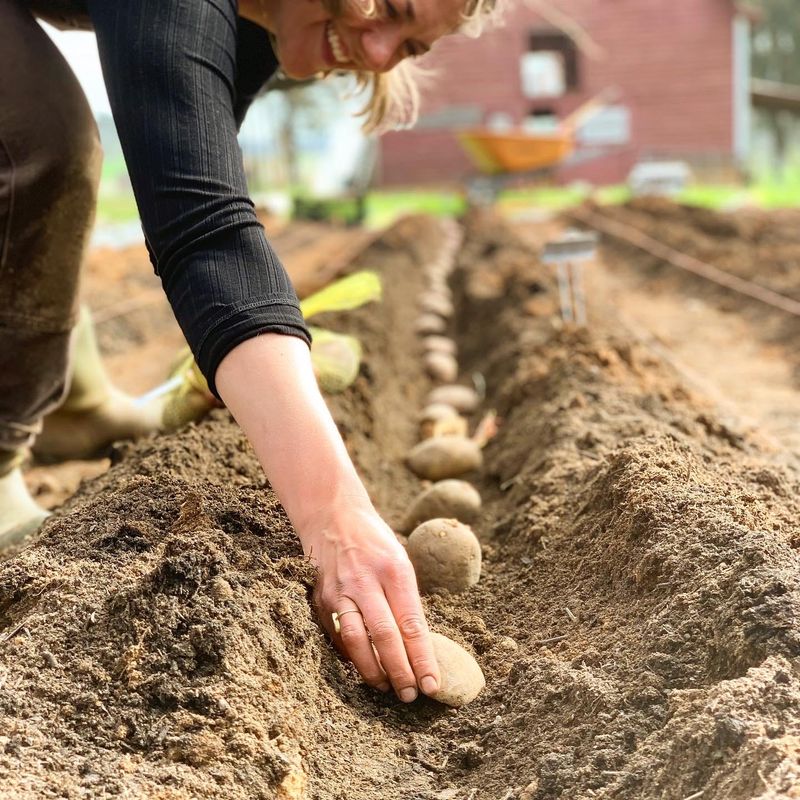
Planting a few weeks earlier than feels comfortable can genuinely change the outcome of a potato crop in North Carolina.
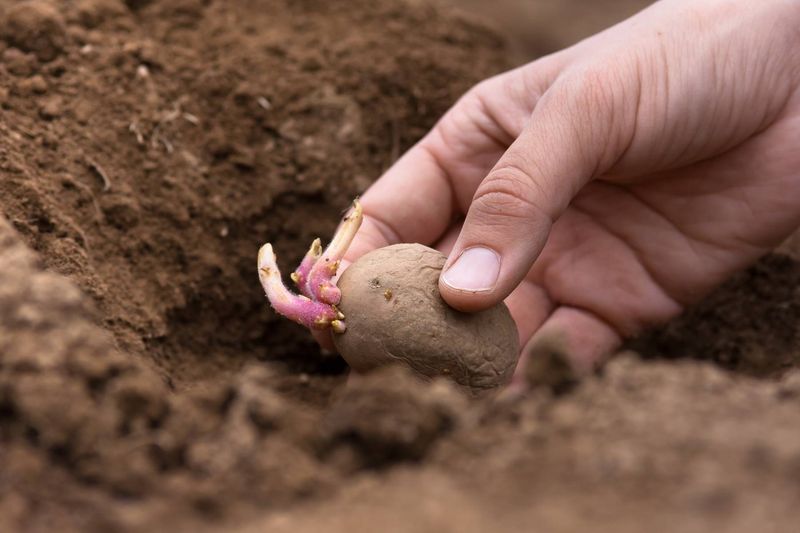
When seed potatoes go into the ground while soil is still cool but workable, they have more time to sprout, establish roots, and begin forming tubers before warmer weather moves in.
That extra lead time adds up in meaningful ways by the time harvest season arrives.
Most gardening guidance from North Carolina horticulture resources suggests getting seed potatoes in the ground somewhere between late January and mid-March, depending on the region and local conditions.
The Coastal Plain tends to allow earlier planting, while the Piedmont and mountain areas may need to wait a bit longer based on frost risk and soil readiness.
Checking local frost date information and soil temperature can help narrow down the right window for a specific area.
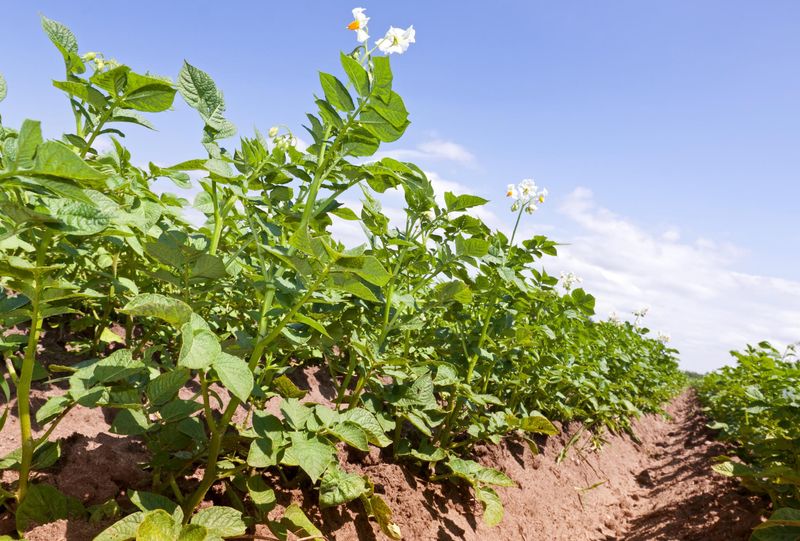
Gardeners who plant early often notice that their potato plants are well established and already forming tubers by the time the heat of late spring settles in.
That head start means the crop can do much of its underground work during the cooler part of the season, which is exactly when potatoes perform at their best.
It can take a small mental shift to trust an early planting date, especially when the mornings still feel cold.
But potatoes are more cold-tolerant than many people expect, and giving them that earlier start is one of the most practical steps a North Carolina gardener can take toward a stronger harvest.
4. North Carolina Spring Timing Matters More Than Many Think
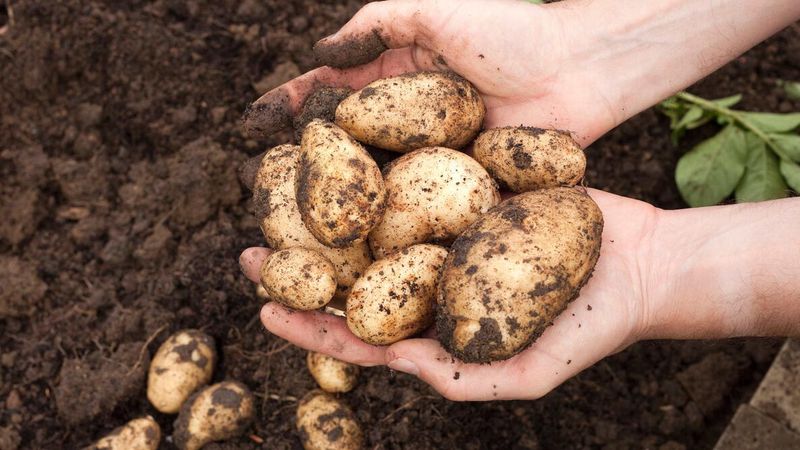
North Carolina stretches across a wide range of climates, and that geographic variety means spring does not arrive the same way in every part of the state.
The Coastal Plain warms up earliest, sometimes giving gardeners there a planting opportunity as early as late January or early February.
The Piedmont follows a bit behind, and the mountain counties can stay cold enough to delay planting well into March or even early April in some years.
That regional variation is part of why timing matters so much.
A gardener in the Coastal Plain who plants in mid-February is working with the season, while someone in the same state planting in April may already be pushing against warming conditions that make tuber development harder.
North Carolina’s diversity is one of its strengths as a gardening state, but it also means that general advice needs to be adjusted for local conditions.
Many gardeners underestimate how much spring timing affects their potato results because they focus on what the calendar says rather than what the soil and weather are actually doing.
Watching for soil temperatures in the range of 45 to 55 degrees Fahrenheit, combined with knowing local frost date patterns, gives a much clearer signal than the date alone.
North Carolina Cooperative Extension offices across the state offer region-specific planting calendars that can be genuinely helpful for gardeners trying to figure out the right window for their county.
Using those local resources takes some of the guesswork out of spring planting decisions.
5. Waiting Too Long Can Shrink Your Harvest
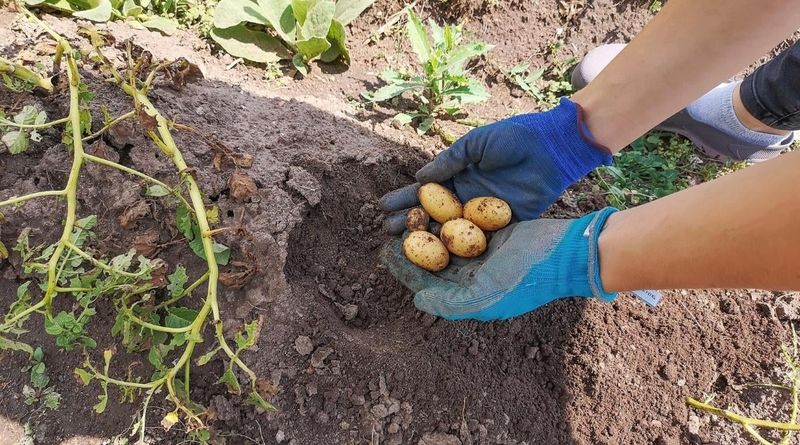
Harvest size is one of the clearest ways that late planting shows its effects.
When potatoes do not have enough cool growing time to develop fully underground, the tubers that do form tend to be smaller than what the same variety might produce under better-timed conditions.
A garden that looked productive all spring can still yield a underwhelming bucket at harvest if the timing was off from the start.
Potatoes need a stretch of time to go through their full development cycle, from sprouting and establishing roots to forming and sizing up tubers.
When that cycle gets compressed by warm weather arriving before the plant is ready, the tubers simply do not have the time or the right conditions to reach their potential.
The plant is not failing because of poor soil or lack of water – it is working against a calendar that has already moved past what it needs.
In North Carolina, where late spring can bring heat fairly quickly, that compression of the growing cycle is a real concern for home gardeners.
Varieties that need a longer growing season may struggle more noticeably than early-maturing types, which is one reason some gardeners in the state prefer shorter-season varieties that can finish their development before conditions turn unfavorable.
Choosing the right variety and pairing it with the right planting date gives a crop its best realistic shot at producing well. Either piece of the equation on its own is less effective than combining both into a thoughtful planting plan.
6. Heat Arrives Faster Than Potatoes Prefer
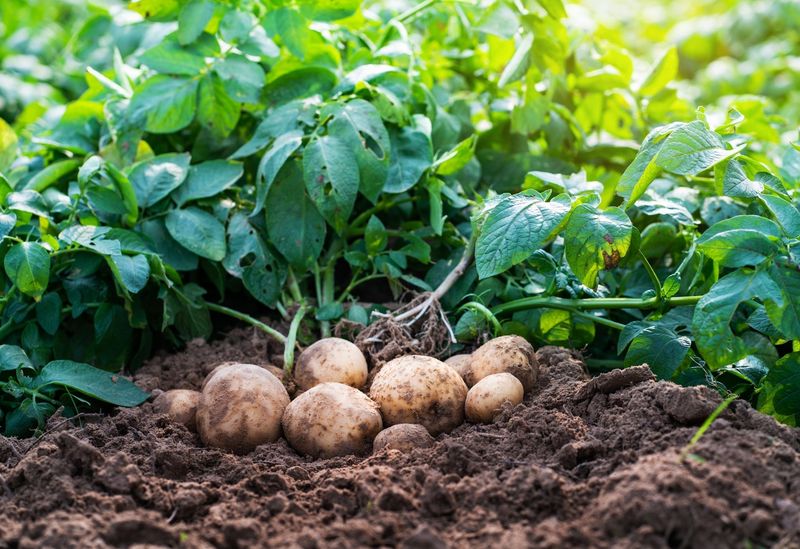
Spring in North Carolina can feel generous one week and surprisingly warm the next.
Temperatures that seem mild in late February or March can give way to stretches of genuine heat by late April or May, and that transition often catches gardeners off guard.
Potatoes, which do best in cooler conditions, are among the crops most affected when that shift happens while they are still in a critical part of their development.
Tuber formation is particularly sensitive to heat. Research from university horticulture programs has shown that soil temperatures above about 80 degrees Fahrenheit can slow or interrupt tuber development in meaningful ways.
North Carolina’s spring can push soil temperatures into that range faster than many gardeners expect, especially in areas with sandy soils or limited shade.
By the time a late-planted crop is ready to start forming tubers, the soil may already be too warm for ideal development.
Mulching can help moderate soil temperature and is a useful tool for potato growers in North Carolina.
Applying straw or another suitable mulch material around potato plants helps keep the soil underneath cooler for longer, which can support better tuber development even as air temperatures rise.
It is not a complete solution for a late planting, but it can help reduce some of the stress that comes with warming conditions.
Getting plants in the ground early enough that they are already well into tuber formation before the heat arrives is still the most effective strategy for North Carolina home gardeners.
7. The Best Potato Season Starts Earlier Than Expected
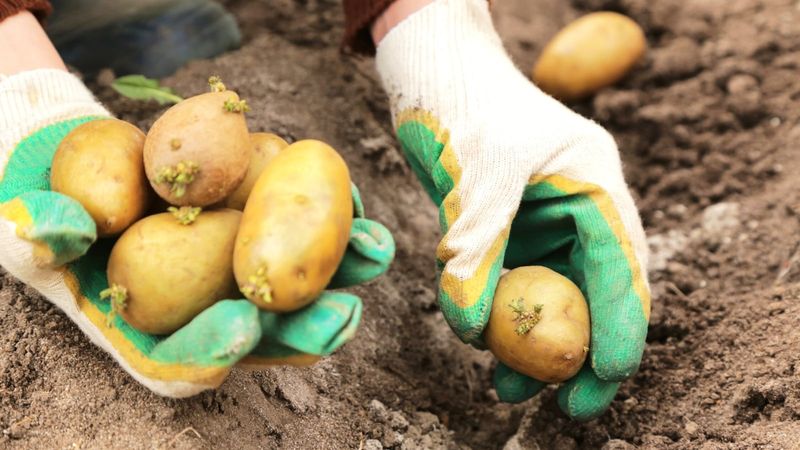
Adjusting the start of potato season by even two or three weeks can produce noticeably different results in a North Carolina garden.
Gardeners who shift their planting date earlier, even when the mornings still feel cool and the soil seems cold, often find that their plants catch up quickly once conditions are right.
They can then go on to produce a stronger crop than they did in previous years with later planting dates.
Seed potatoes tolerate cool soil reasonably well, and a light frost after planting is usually not a serious setback for tubers already in the ground. The bigger risk tends to come from waiting too long rather than from starting a bit early.
Foliage that emerges and gets hit by a late frost can be set back temporarily, but most potato plants recover when the weather stabilizes. Missing the cool growing window entirely is a harder problem to work around.
Planning ahead also helps.
Ordering seed potatoes early, preparing garden beds in late winter, and having a planting date in mind before the season starts makes it easier to act when conditions are right rather than scrambling once the ideal window has already begun to close.
North Carolina gardeners who treat potato planting like a spring race – one where getting off the starting line early is part of the strategy – tend to come away with better results.
A successful potato harvest in North Carolina is very much possible, and it often comes down to respecting the timing that cool-season crops genuinely need to perform well.