The March Deer Damage Pattern In Ohio (Why They Suddenly Hit Shrubs Hard)
March in Ohio changes the mood of a garden fast. Snow pulls back, shrubs push soft new tips, and everything starts to wake.
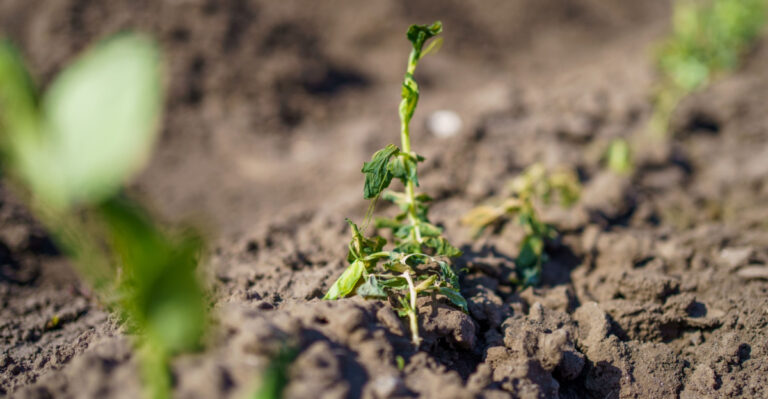
Then one morning, those fresh shoots are gone. Twigs look torn, edges appear chewed, and damage seems to spread across the yard in just a few nights.
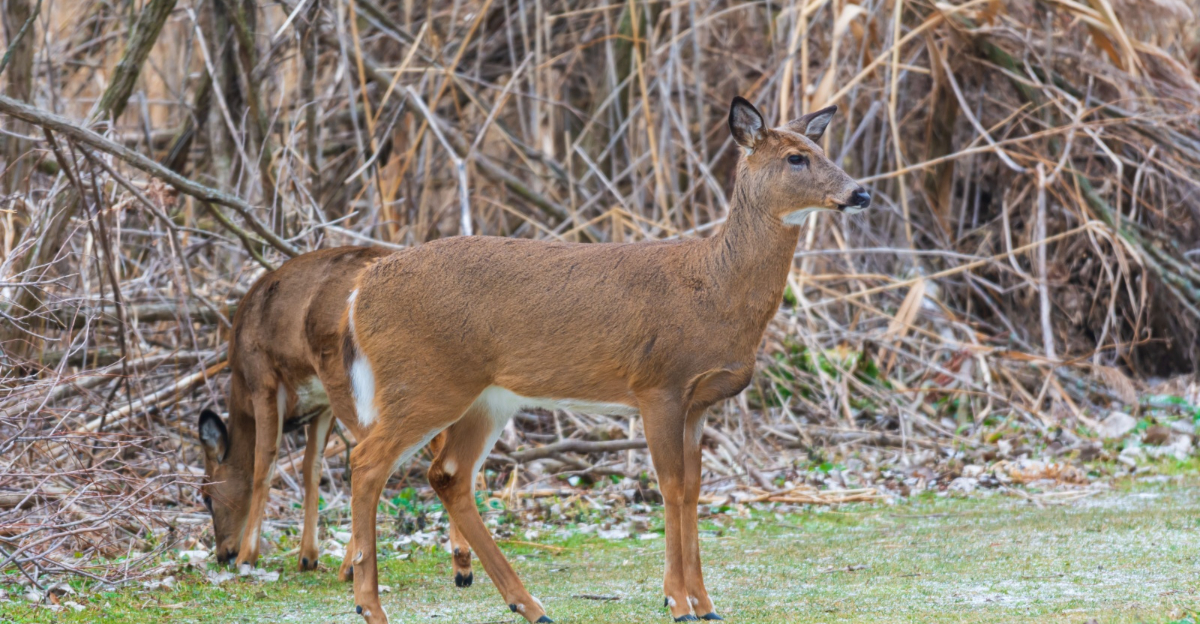
This does not happen at random. Each March, deer follow a clear feeding rhythm as winter food fades and early growth becomes easy to reach and full of moisture.
Many gardeners feel caught off guard, watching favorite shrubs take the hit again and again. The pattern repeats across neighborhoods, often before people realize what is happening.
A closer look at this early spring surge can reveal why deer suddenly focus so heavily on shrubs during this short but critical window.
1. Food Scarcity Pushes Deer Toward Shrubs In Early Spring
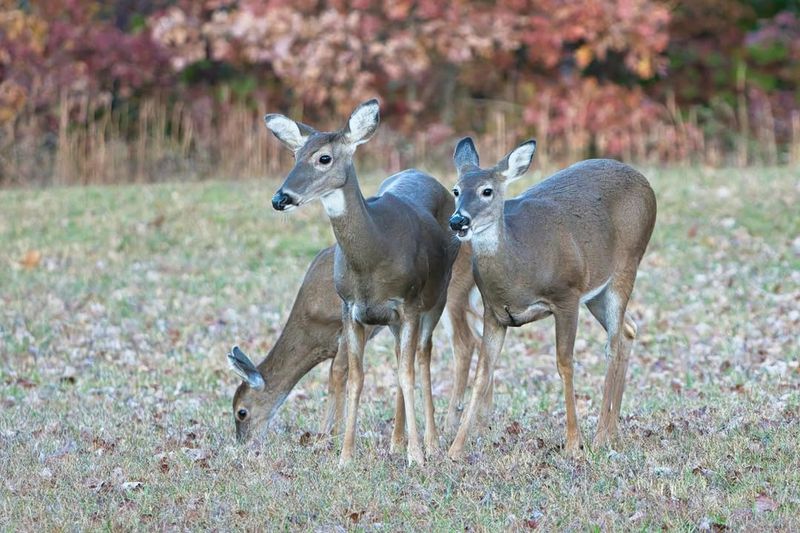
Winter depletes natural food sources across Ohio’s woodlands and fields. By March, acorns have been consumed, herbaceous plants remain dormant, and woody browse in forests has been heavily used.
Deer face genuine nutritional challenges as their winter reserves dwindle.
Suburban and residential landscapes become critical feeding areas during this transition period. Your foundation plantings, ornamental shrubs, and landscape plants represent concentrated food sources that deer can access easily.
Unlike wild areas where competition is high, residential yards often provide less browsing pressure from other deer.
Ohio’s mixed hardwood forests typically green up later than landscape shrubs. This timing difference makes your yard plants especially attractive.
Deer move from woodlots into neighborhoods seeking the earliest available nutrition.
Research from Ohio State University Extension shows that deer increase their range and feeding time in late winter and early spring. They must replenish fat reserves and prepare for fawning season.
Your shrubs become emergency food supplies during this critical window when natural forage remains scarce across Ohio’s landscape.
2. Early Leaf Emergence Makes Shrubs A Nutritious Target
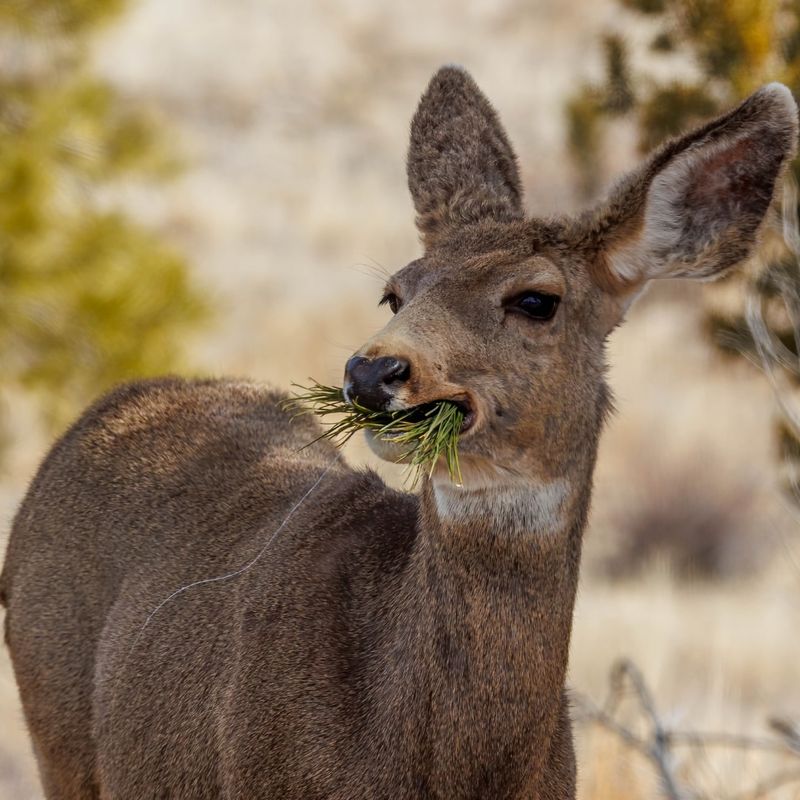
March brings fluctuating temperatures that trigger early bud break on many landscape shrubs. Forsythia, spirea, and hydrangea start showing green growth while wild plants remain dormant.
This early emergence signals high nutritional value to hungry deer.
Tender new growth contains significantly more protein and moisture than dormant woody stems. Buds and emerging leaves offer digestible nutrition that deer desperately need after winter.
The soft tissue is easy to consume and provides better energy return than fibrous dormant browse.
Deer possess excellent sensory abilities that help them locate nutritious food sources. They can detect the chemical changes in plants as buds swell and leaves begin emerging.
Your shrubs essentially advertise their nutritional value through scent and visual cues that deer recognize instinctively.
According to wildlife research, early spring browse can contain two to three times more protein than dormant winter twigs. This nutritional boost is critical for does preparing to give birth and bucks recovering from the rut.
Ohio’s cultivated landscape shrubs provide this premium nutrition weeks before native plants offer similar value, making them irresistible targets for browsing deer.
3. Protein Needs Increase Browsing Activity After Winter
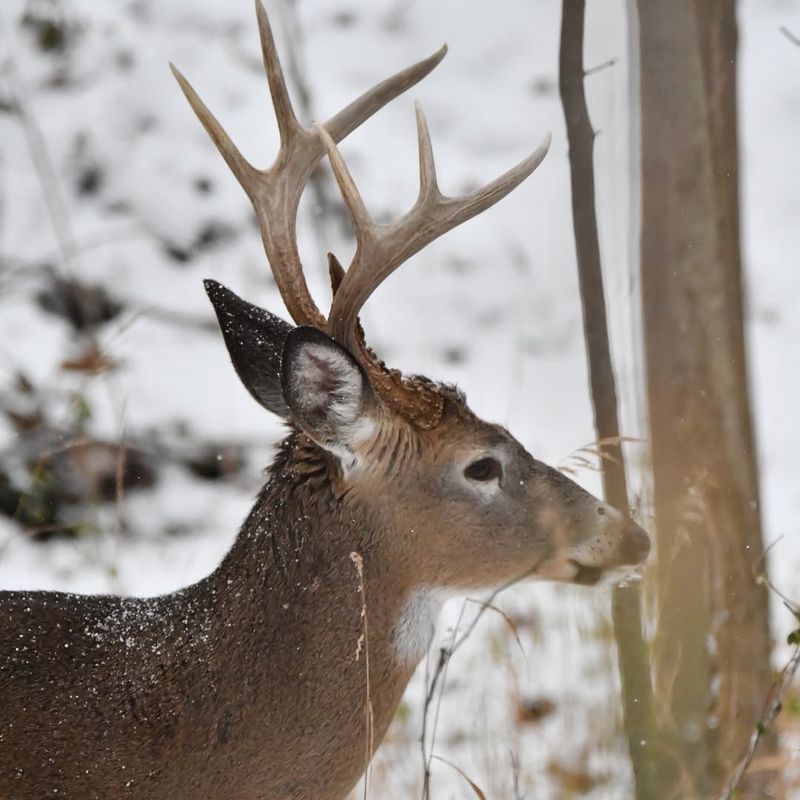
Deer metabolism shifts dramatically as winter ends and spring approaches. Does carrying fawns require substantial protein to support fetal development during the final weeks of gestation.
Bucks need protein to begin antler growth, which typically starts in April. These biological demands drive increased feeding behavior throughout March.
Winter survival depletes body fat and muscle mass in Ohio’s deer population. Studies show that deer can lose fifteen to twenty percent of their body weight during harsh winters.
Even mild winters require significant energy expenditure simply to maintain body temperature and find food.
Spring represents a recovery period when deer actively seek protein-rich foods to rebuild body condition. Landscape shrubs with emerging growth provide concentrated protein sources.
Deer increase their feeding time and range during this period, spending more hours browsing and traveling farther from bedding areas.
Research from wildlife agencies indicates that deer require approximately sixteen percent protein in their diet for optimal health during spring. Natural browse in Ohio woodlands typically provides only six to eight percent protein in early March.
Your landscape shrubs with fresh growth can offer twelve to fifteen percent protein, making them preferred feeding sites during this nutritional bottleneck.
4. Shrubs With Extended Leaf Growth Are Preferred Food
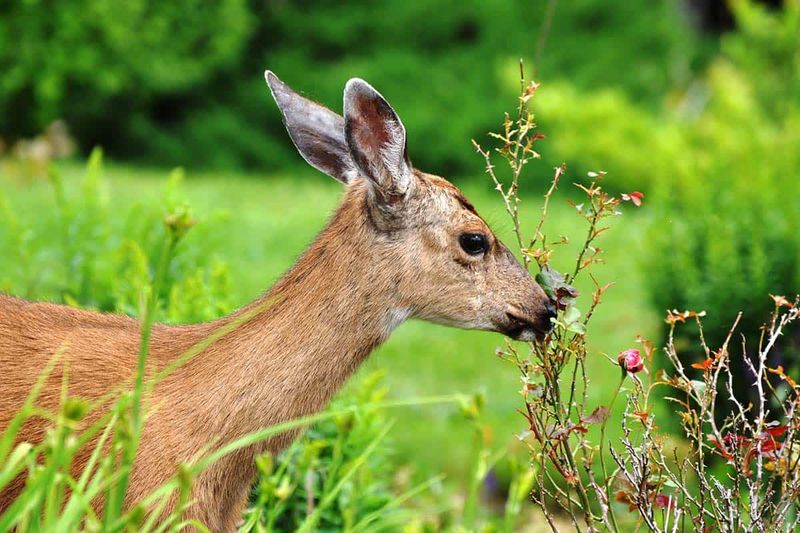
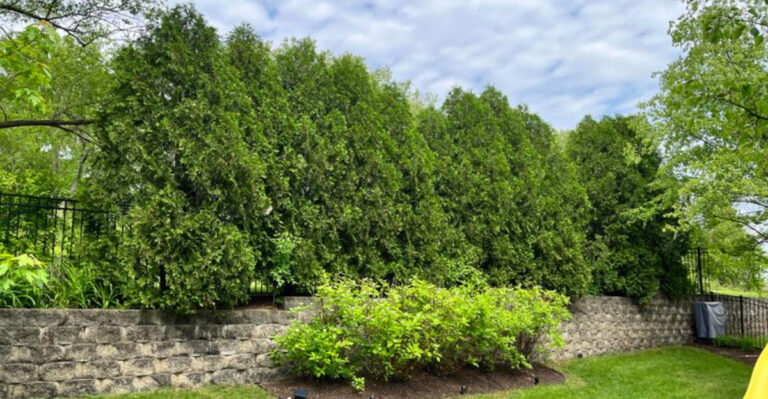
Certain shrub species retain foliage through winter or produce early spring growth that deer find particularly appealing. Arborvitae, yew, and rhododendron maintain green leaves year-round in Ohio landscapes.
These evergreen shrubs become magnets for hungry deer when other food sources are exhausted.
Deciduous shrubs that leaf out early face especially heavy browsing pressure. Serviceberry, viburnum, and oakleaf hydrangea break dormancy earlier than many native plants.
Deer quickly locate these early producers and return repeatedly to feed on new growth as it emerges.
The extended availability of palatable foliage on certain shrubs creates concentrated browsing damage. Deer establish feeding patterns and return to reliable food sources.
Your landscape essentially becomes a feeding station if it contains preferred species.
Ohio State University Extension maintains lists of deer-resistant and deer-preferred plants based on years of observation and research. Preferred species like hostas, euonymus, and azaleas consistently show heavy damage.
Shrubs with early or persistent foliage experience the most intense March browsing because they provide food when alternatives are limited. Understanding which plants in your Ohio landscape attract the most attention helps explain sudden damage patterns.
5. Habitat Edge Areas See Higher Deer Browse Pressure
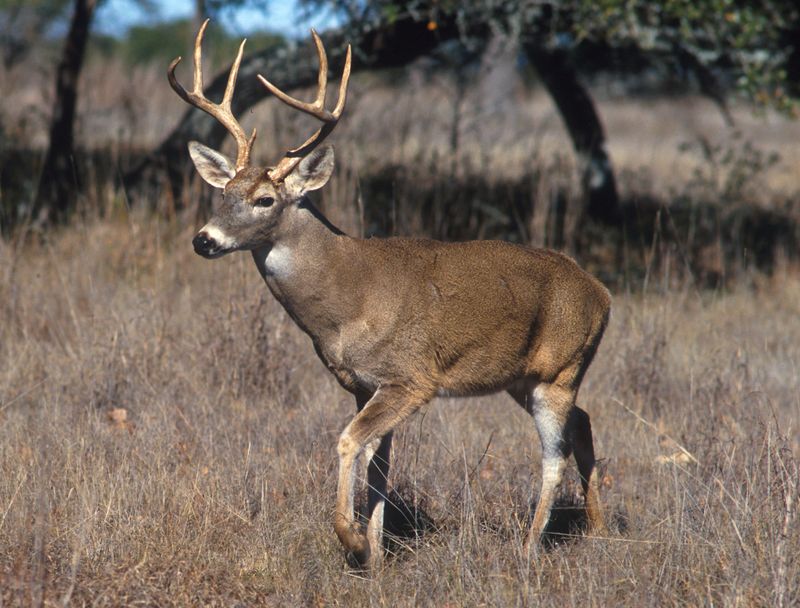
Properties bordering woodlands, parks, or natural areas experience disproportionate deer damage. These edge habitats provide deer with security cover close to feeding opportunities.
Your shrubs become convenient food sources that deer can access quickly before returning to protective cover.
Deer are edge species by nature, preferring transition zones between forests and open areas. Ohio’s suburban development creates extensive edge habitat as neighborhoods expand into formerly rural areas.
These edges concentrate deer activity and increase browsing pressure on landscape plants.
Travel corridors connecting woodland patches often run through residential areas. Deer follow established routes between bedding and feeding areas.
Properties located along these corridors see repeated visits from the same deer groups, resulting in severe cumulative damage to shrubs.
Wildlife studies show that deer density can be three to four times higher in suburban edge habitats compared to deep forest interiors. Ohio’s fragmented landscape creates ideal conditions for high deer populations.
March browsing damage appears suddenly intense because multiple deer are using your property as part of their regular movement pattern, concentrating feeding pressure on a limited number of shrubs during the critical early spring period.
6. Deer Are Generalists And Eat What Is Available Now
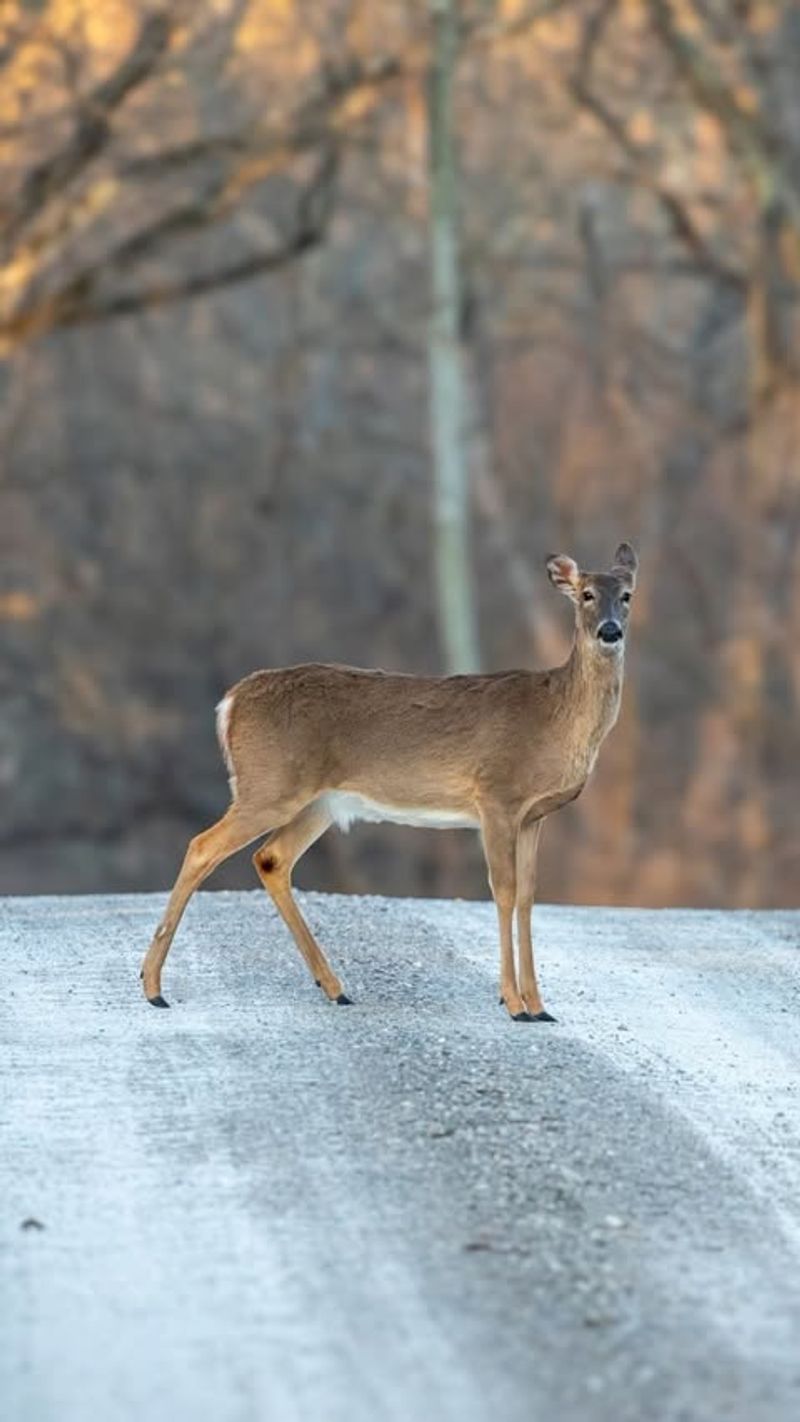
White-tailed deer possess remarkable dietary flexibility that helps them survive across diverse habitats. Unlike specialized herbivores, deer consume hundreds of different plant species depending on availability and season.
This generalist strategy means they readily switch to whatever food sources are accessible.
March represents a transition period when preferred natural foods are depleted but spring growth has barely begun. Deer shift their attention to previously ignored plants simply because options are limited.
Shrubs that seemed untouched all winter suddenly show damage as deer expand their feeding choices.
The concept of deer-resistant plants becomes less reliable during food scarcity. Plants that deer normally avoid due to texture, taste, or toxicity become acceptable when hunger increases.
Ohio gardeners often report damage to supposedly resistant species during March when deer are most desperate.
Behavioral research shows that deer learn to exploit new food sources when traditional ones fail. Young deer, in particular, experiment with different plants and share this information with herd members through observation.
Your landscape shrubs may have been discovered recently by local deer populations adjusting to seasonal food limitations. This opportunistic feeding behavior explains why damage can appear suddenly on plants that seemed safe in previous years.
7. Mild Winters Can Intensify Early Spring Foraging
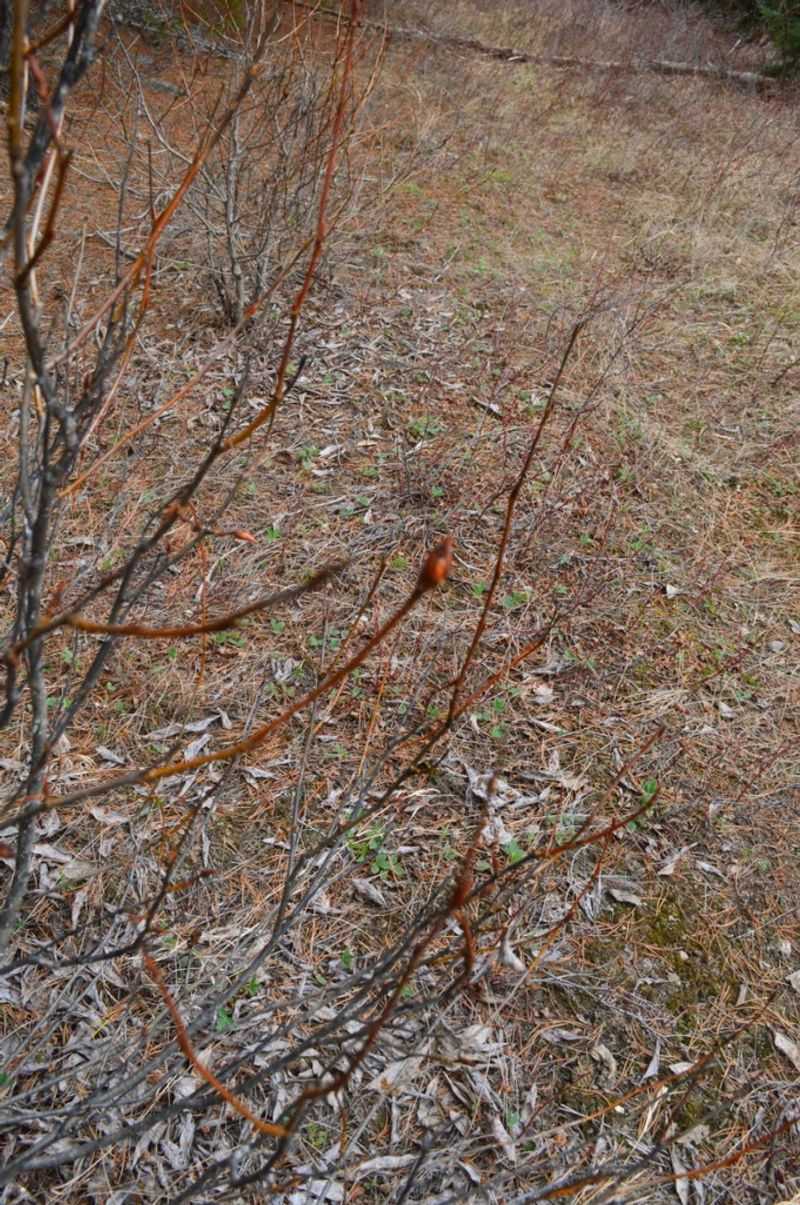
Ohio experiences variable winter conditions that significantly affect deer survival and spring behavior. Mild winters with reduced snow cover allow more deer to survive, increasing population density heading into spring.
Higher survival rates mean more deer competing for available food sources in March.
Warm winter weather can also trigger early plant growth, drawing deer into landscapes sooner than normal. Fluctuating temperatures cause repeated freeze-thaw cycles that stress plants and make them more vulnerable to browsing damage.
Deer take advantage of any early growth opportunity these conditions create.
Conversely, mild conditions may deplete natural food sources faster if deer remain highly active throughout winter. Reduced snow cover allows easier access to browse, meaning woodland food supplies are exhausted earlier.
By March, deer have consumed more natural forage than during harsh winters when deep snow limits movement and feeding.
Climate data from Ohio shows increasing winter temperature variability in recent decades. This unpredictability affects both deer populations and plant phenology.
Wildlife managers note that mild winters followed by normal March conditions create peak browsing pressure as robust deer populations seek food during the traditional late-winter scarcity period, intensifying damage to residential landscape shrubs across Ohio.
8. High Deer Densities Amplify Damage To Young Shrubs
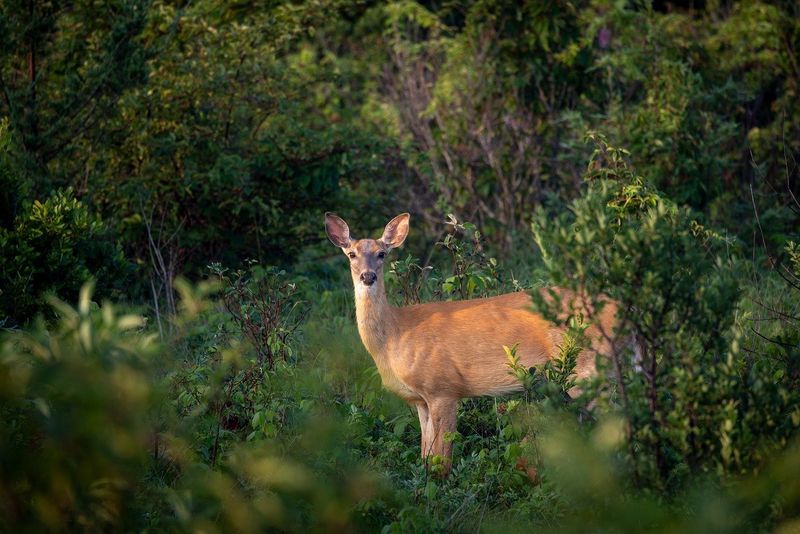
Ohio supports some of the highest white-tailed deer densities in the eastern United States. Many suburban and rural areas maintain populations exceeding fifty deer per square mile, well above the ecological carrying capacity.
These elevated numbers create intense competition for food resources, especially during March scarcity.
Young shrubs and recent landscape installations suffer disproportionately from high deer pressure. Newly planted shrubs lack the size and root reserves to recover quickly from repeated browsing.
March damage can be particularly severe because plants are just breaking dormancy and lack energy for regrowth.
Repeated browsing by multiple deer prevents shrubs from developing properly. Each deer may only take a few bites, but when ten or twenty deer visit your property over several days, the cumulative damage becomes devastating.
This explains why damage can appear suddenly and completely strip shrubs within a short period.
Wildlife management data shows that deer populations in many Ohio counties remain above target levels despite hunting pressure. Suburban areas where hunting is restricted often harbor the highest densities.
Understanding that you may be dealing with a large local deer population helps explain severe March damage and underscores the need for protective measures like fencing or repellents during this critical browsing period.