The Meaning Behind Seeing Cardinals In Your North Carolina Yard
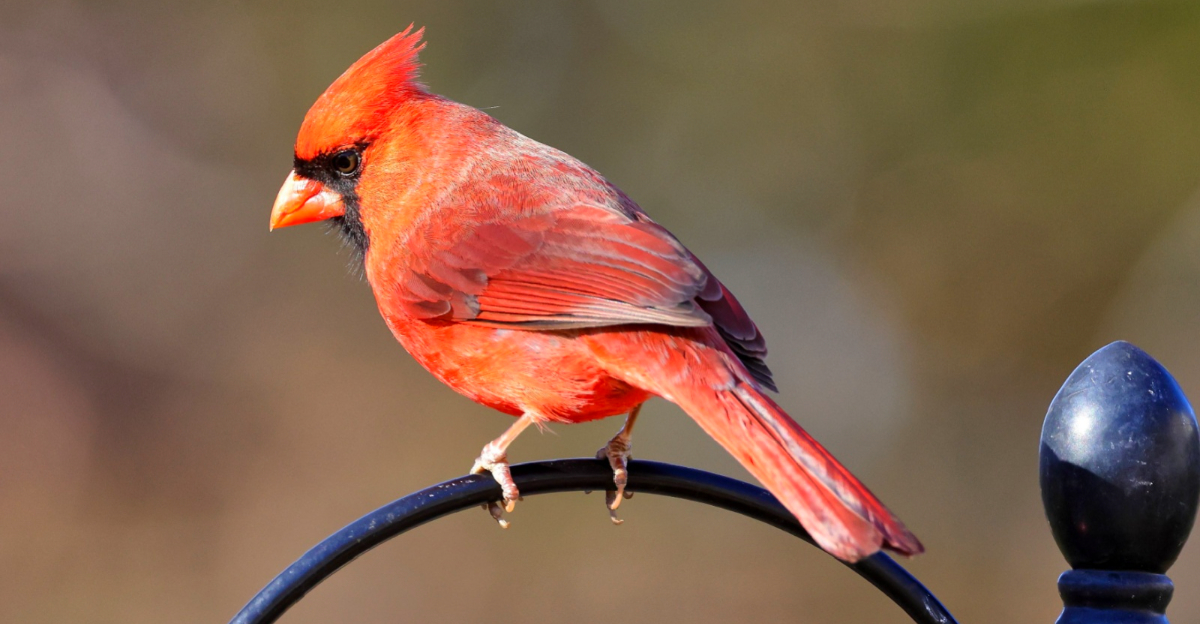
That flash of bright red in the corner of your yard can be hard to ignore. One moment everything feels ordinary, and the next, a Northern Cardinal lands nearby and seems to demand your attention.
Across North Carolina, these birds show up in every season, from quiet winter mornings to lively summer gardens.
With a mix of shrubs, trees, and backyard feeders, many North Carolina yards offer exactly what cardinals need to stay close year-round.
It is no surprise that seeing one often feels meaningful, leaving people to wonder what is behind the moment, both in nature and on a more personal level.
1. A Sign Of Loved Ones And Lasting Connections
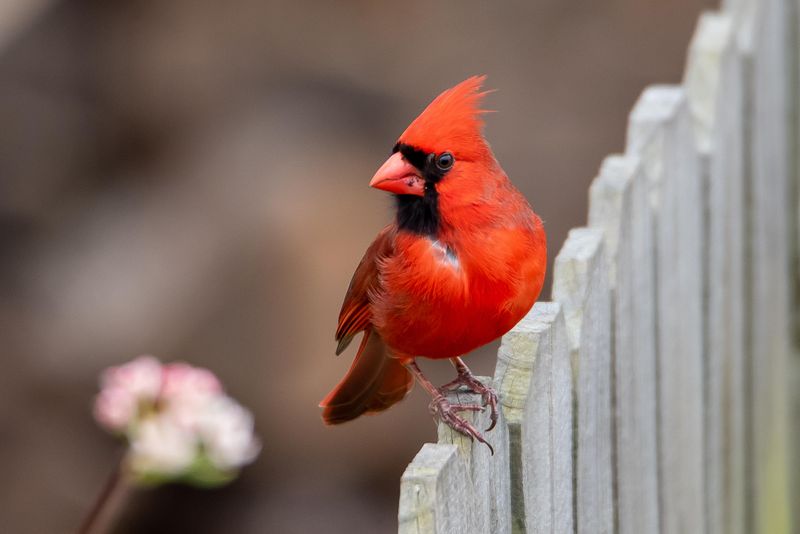
Early on a quiet winter morning in North Carolina, many people step outside and spot a flash of red that makes them pause mid-step. For a lot of folks, that moment carries weight that goes well beyond birdwatching.
The idea that cardinals carry messages from those who have passed is one of the most widely shared beliefs across the American South, and it runs deep in North Carolina communities.
Many people report seeing a cardinal shortly after losing someone close, whether a parent, a spouse, or a dear friend. The timing feels too meaningful to brush aside.
While there is no scientific evidence supporting this belief, the emotional comfort it brings is very real and widely respected.
The phrase “when cardinals appear, loved ones are near” has been passed down through generations and shows up on memorial cards, garden stones, and sympathy gifts throughout the state.
Whether or not you hold spiritual beliefs, the cardinal has a way of showing up at quiet, reflective moments that feel oddly well-timed.
Part of what makes this belief so enduring is the cardinal’s visibility. Its bold red color stands out in any season, making it hard to miss.
When grief is fresh and the world feels gray, that burst of red can genuinely feel like a small, warm reminder that love does not disappear.
2. Dense Shrubs And Trees As Safe Shelter For Cardinals
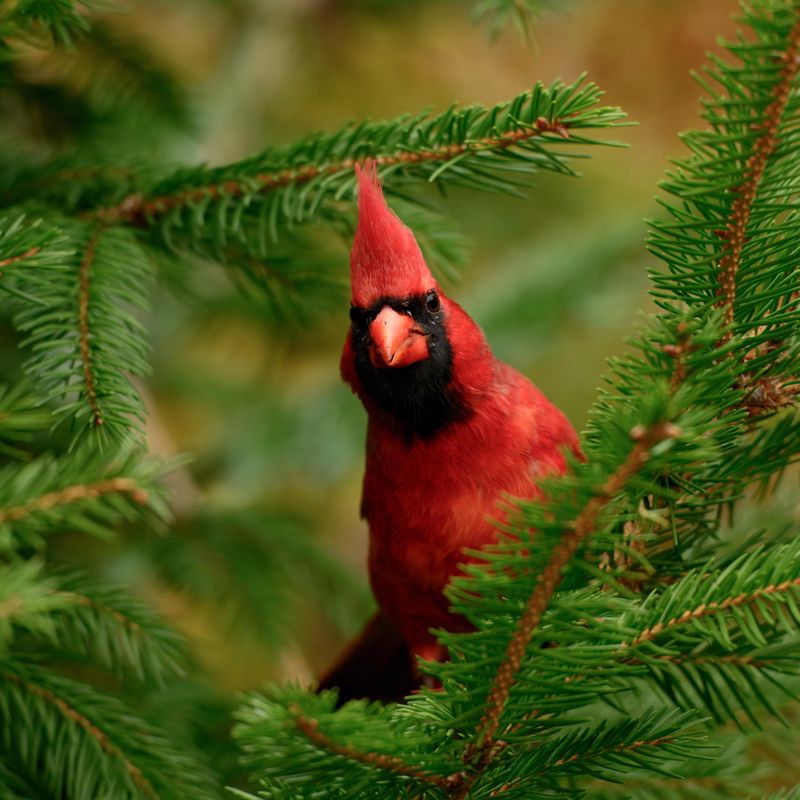
Cardinals are not open-field birds. Walk through almost any North Carolina neighborhood with mature landscaping, and you will likely spot one darting between shrubs or disappearing into the thick base of an evergreen.
Shelter is one of the most critical factors that determines whether cardinals settle into a yard or simply pass through.
Native plants like Eastern red cedar, wax myrtle, and American holly are especially valuable because they provide dense, layered cover that cardinals use for both roosting and escaping predators.
These plants grow well across much of North Carolina and offer the kind of thick, branching structure cardinals strongly prefer.
Planting a mix of evergreen and deciduous shrubs gives them year-round options.
Cardinals tend to stay close to the edges of wooded areas rather than venturing into wide open spaces.
This means a yard that borders a tree line, has a hedgerow, or includes layered plantings along a fence is far more likely to attract them consistently.
Height variety matters too, since cardinals use both low shrubs and mid-level branches throughout the day.
In colder months across North Carolina, dense shrubs also serve as windbreaks and thermal cover, helping cardinals survive overnight temperature drops.
A yard designed with layered native plantings does not just look beautiful, it quietly becomes a reliable refuge that cardinals return to season after season.
3. A Symbol Of Hope And Seasonal Renewal
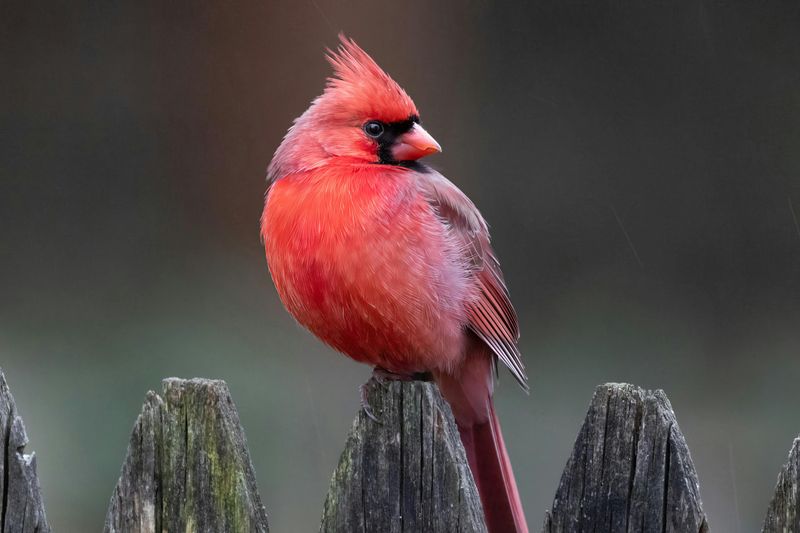
Few things signal the turning of a season quite like hearing a cardinal’s sharp, cheerful whistle on a still February morning in North Carolina.
Long before the forsythia blooms or the dogwoods open, cardinals are already singing at full volume, staking territory and announcing that something new is on its way.
Many people hear that song and feel something lift inside them.
Cardinals are commonly seen as symbols of hope, particularly during the darker stretch between late fall and early spring. Their bright red feathers against bare gray branches create one of the most visually striking contrasts in the natural world.
That image alone, a single red bird on a cold morning, has inspired countless poems, paintings, and personal reflections.
The symbolism of renewal tied to cardinals may also connect to their behavior. Cardinals are among the first birds to begin singing as days grow longer, often starting their dawn chorus weeks before most other species.
That early voice is a quiet signal that the earth is waking up again, even when it does not look like it yet.
Across North Carolina, where winters can range from mild to surprisingly cold depending on the region, that reassurance carries real meaning.
Spotting a cardinal in January or February can feel like a small but genuine promise that warmer, brighter days are coming, which is sometimes exactly what a person needs to hear.
4. Seeds That Naturally Attract Cardinals To Your Yard
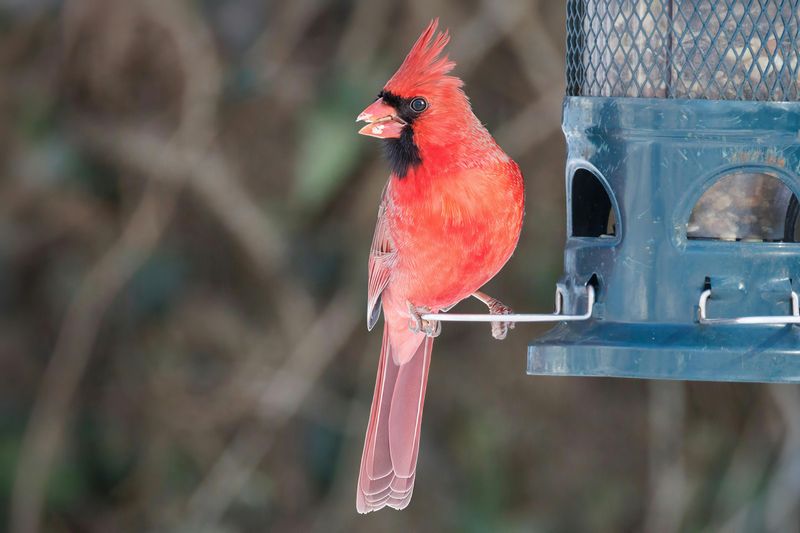
Sunflower seeds are practically a cardinal magnet. Black-oil sunflower seeds in particular have a thin shell that cardinals can crack open easily with their thick, cone-shaped bills, which are built precisely for seed-crushing.
If you want to see more cardinals in your North Carolina yard, a feeder stocked with black-oil sunflower seeds is one of the most reliable ways to make that happen.
Safflower seeds are another strong option that cardinals seem to enjoy.
An added bonus is that many common feeder competitors, including squirrels and European starlings, tend to leave safflower alone, which means the seeds last longer and cardinals get more access.
Offering both types in a tray-style feeder placed near shrubs gives cardinals a comfortable, low-stress feeding spot.
Beyond feeders, planting native seed-producing plants is a natural and low-maintenance approach. Coneflowers, sunflowers, and native grasses all produce seeds that cardinals forage from directly.
These plants also support insects during summer, which cardinals feed to their young, so they serve a double purpose in a North Carolina yard.
Cardinals are ground feeders as much as feeder birds, so scattering seeds on a low platform or even directly on the ground can work well.
Placing feeding areas close to shrub cover gives them the sense of security they need to eat comfortably and return regularly throughout the year.
5. A Reflection Of Loyalty And Strong Pair Bonds
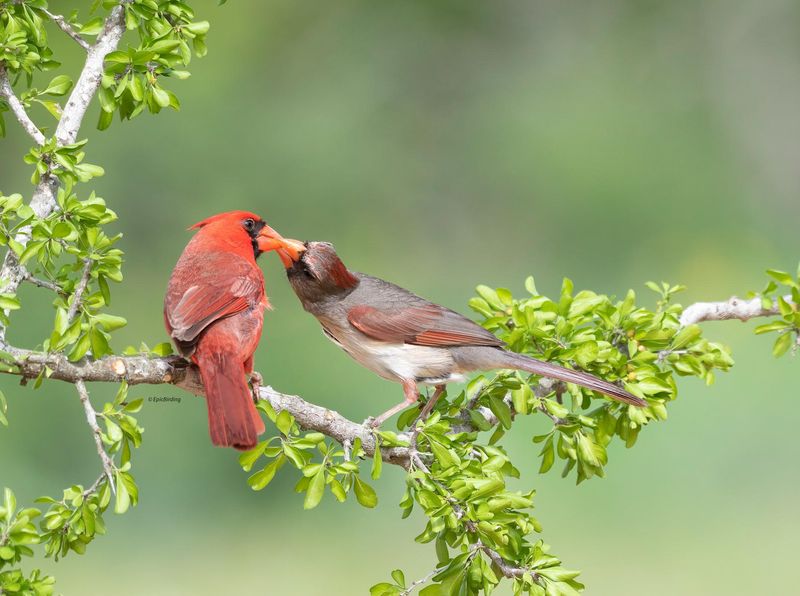
Watching a male cardinal gently pass a seed to his mate, bill to bill, is one of the most quietly moving things a backyard observer in North Carolina can witness.
This behavior, called mate-feeding, is part of the courtship ritual cardinals are known for, and it happens right in plain view at feeders and garden plants across the state each spring.
Cardinals are generally monogamous within a breeding season and often re-pair with the same mate in subsequent years when both birds return to the same territory.
This tendency has made them a widely recognized symbol of loyalty, devotion, and the kind of love that shows up in small, consistent acts rather than grand gestures.
In many cultural traditions and folk beliefs, seeing a pair of cardinals together is considered especially meaningful, sometimes interpreted as a reflection of a strong relationship or a reminder to nurture the bonds that matter most.
Whether you find meaning in that symbolism or simply enjoy watching them interact, the pair bond cardinals display is genuinely fascinating from a behavioral standpoint.
For North Carolina residents who watch their yards closely, spotting a mated pair visiting a feeder together or moving through the garden side by side is a small, reliable pleasure.
It is a reminder that some of the most enduring forms of connection, in nature and in life, are built on steady presence rather than grand gestures.
6. A Reliable Water Source That Draws Visiting Cardinals
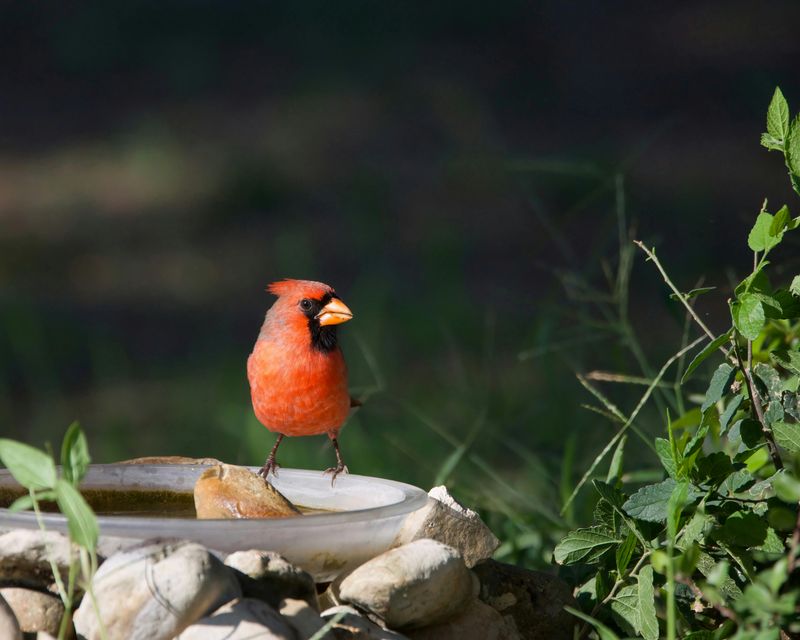
Cardinals need fresh water year-round, not just during the dry heat of a North Carolina summer. A clean, accessible birdbath can be just as effective at drawing cardinals into a yard as a well-stocked feeder.
Water is used for drinking and bathing, and cardinals seem to visit water sources with consistent regularity when they feel safe doing so.
Shallow birdbaths work best since cardinals prefer water that is no deeper than two to three inches. Placing a few flat stones inside a deeper bath can make it more suitable.
The surface texture also matters, as birds are more likely to use a bath with a slightly rough bottom that gives them better footing rather than a slick ceramic surface.
Keeping the water clean is important. Stagnant or dirty water can harbor bacteria and parasites that harm birds, so changing the water every few days is a simple but meaningful step.
During North Carolina winters, a birdbath heater or a heated bath can make your yard one of very few places nearby where cardinals can access liquid water when temperatures dip below freezing.
Position the birdbath within a short flight of shrubs or trees so cardinals can approach cautiously and retreat quickly if needed.
That sense of security, knowing cover is close, makes a significant difference in whether birds choose to visit regularly or move on to a yard that feels less exposed and more protected.
7. A Source Of Comfort During Times Of Change
Life in North Carolina moves through seasons of all kinds, not just the ones on a calendar. People go through job changes, losses, moves, and moments of deep uncertainty that can make the world feel unstable.
It is during those stretches that many people report noticing cardinals more, or finding unexpected comfort in their presence.
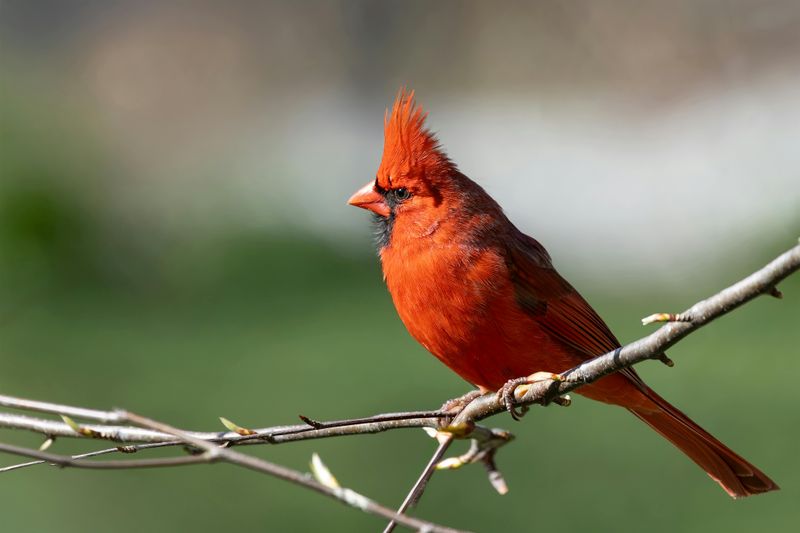
There is something grounding about a cardinal. Its routine is simple and visible: it arrives at the feeder, sings from the same branch, and goes about its day with a kind of unhurried steadiness.
For someone who feels like everything around them is shifting, watching that small red bird move through its familiar patterns can feel oddly reassuring.
Many grief counselors and spiritual guides acknowledge the role that nature plays in emotional healing, and cardinals come up often in those conversations.
They are visible, they are consistent, and they are beautiful in a way that pulls attention away from worry for at least a moment.
That brief shift in focus can matter more than it sounds.
Across North Carolina, where community and nature are closely woven into daily life, the cardinal has taken on a quiet role as a symbol of steadiness.
Seeing one during a hard season does not fix anything, but it can serve as a small, unexpected reminder that some things remain constant, that the natural world keeps showing up, and that beauty persists even when life feels heavy.
8. A Safer Space That Supports Nesting Cardinals
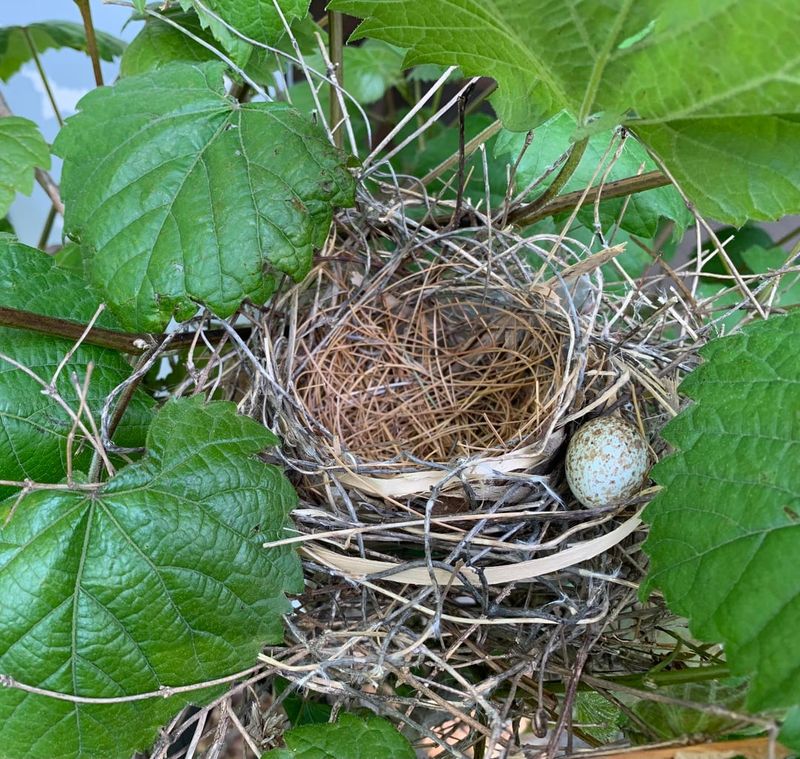
Cardinals build open-cup nests tucked into the forks of dense shrubs or low tree branches, typically between three and ten feet off the ground.
In North Carolina, nesting season can stretch from March through August, with some pairs raising two or even three broods in a single year.
Creating a yard that supports nesting requires more than a feeder and a birdbath.
The female cardinal does most of the nest-building, weaving together twigs, bark strips, grasses, and leaves into a sturdy cup. She tends to choose locations with thick surrounding foliage that hides the nest from above and from the sides.
Native shrubs like spicebush, beautyberry, and viburnum provide exactly the kind of layered, leafy cover she looks for when selecting a site.
Reducing disturbances during nesting season is one of the most helpful things a North Carolina homeowner can do.
Keeping cats indoors, limiting loud yard work near known nesting areas, and avoiding heavy pruning between spring and late summer all make a meaningful difference.
Cardinals are sensitive to repeated disruptions near the nest and may abandon a site if pressure becomes too consistent.
A yard that successfully hosts nesting cardinals becomes part of their territory year after year. Once a pair raises young in a location they consider safe, they are likely to return the following season.
That kind of loyalty, a cardinal family choosing your yard, is one of the most rewarding things a North Carolina backyard can offer.