The Meaning Behind Seeing Cardinals In Your Ohio Yard
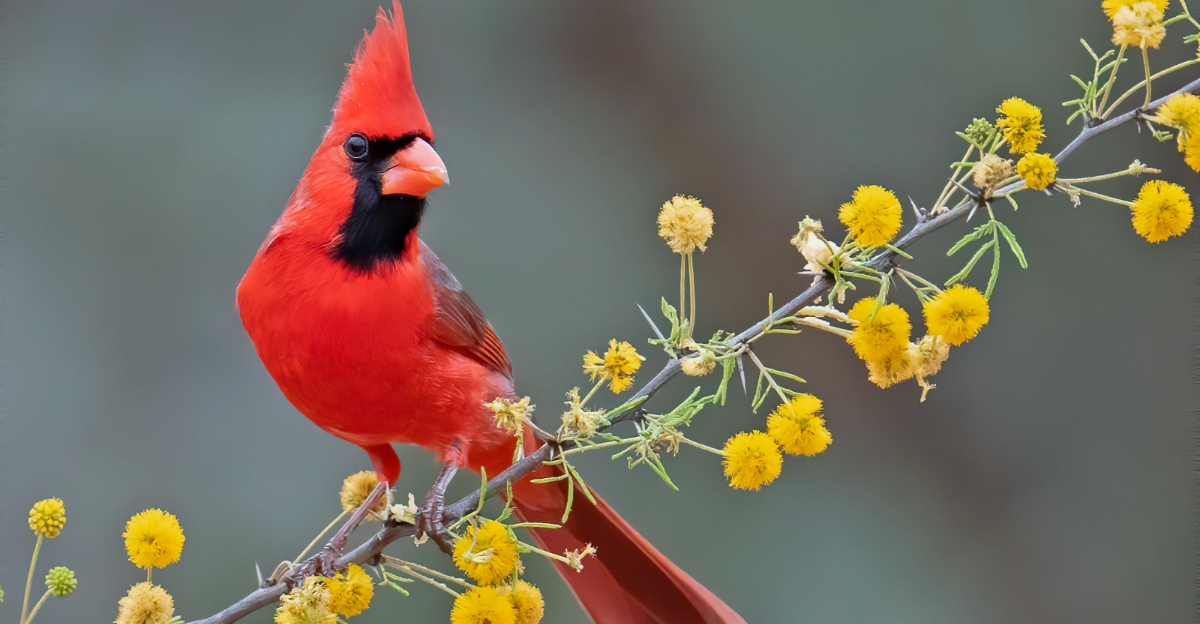
Ever wonder why a flash of crimson against a gray Ohio sky feels like a personal message?
There is something undeniably magnetic about a Northern Cardinal perched on a snow-dusted branch or brightening a quiet March morning at the feeder.
In the Buckeye State, these birds are more than just our state symbol; they are a constant, vivid presence that seems to command our attention no matter the season.
For many Ohioans, a cardinal’s visit carries a weight that goes beyond simple birdwatching.
Whether you view their arrival through the lens of habitat science – searching for the perfect mix of Buckeye-grown seeds, water, and shelter – or through the deeply held spiritual beliefs passed down for generations, these encounters feel meaningful.
Understanding what draws these scarlet beauties to your yard, and the cultural stories they carry with them, reveals why the cardinal remains Ohio’s most cherished backyard guest.
1. A Safer Yard During Cardinal Nesting Season
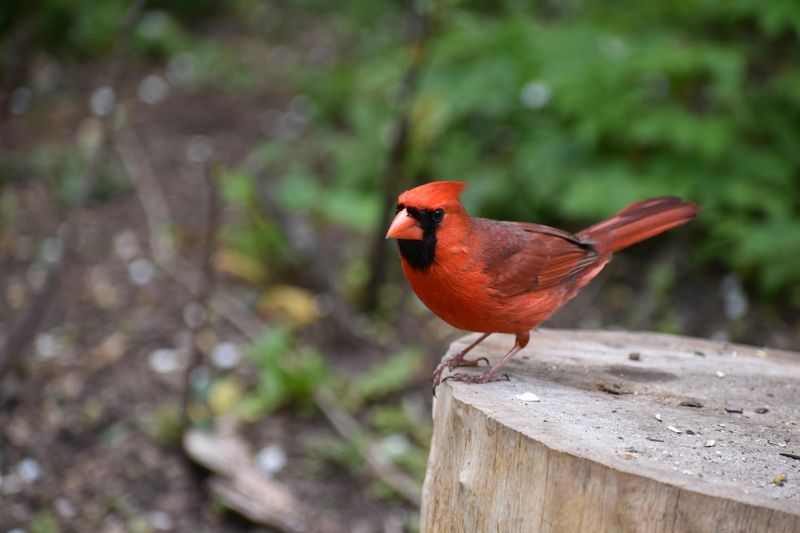
Spring arrives in Ohio and suddenly the male cardinal’s song grows louder, more persistent, and more territorial.
That increased activity around your yard is often one of the clearest signs that nesting season is underway, and for cardinals that season can begin surprisingly early and stretch well beyond the heart of spring.
When you notice them spending more time near shrubby areas or low branches, it often means your yard offers the kind of layered cover they need to raise a family.
Female cardinals build their cup-shaped nests in dense shrubs, small trees, or tangled vines, usually between about one and fifteen feet off the ground.
Plants like spicebush and hawthorn can offer the kind of cover they use, and tangled vegetation often gives them the privacy they prefer.
The female does most of the nest construction, weaving together grasses, bark strips, and leaves over the course of several days.
A cardinal’s choice to nest near your home is a quiet compliment to the habitat you have created. It signals that your yard feels sheltered, with enough cover and structure to support nesting activity.
Cardinals may raise more than one brood in a season, so a nesting pair can stay active in the same general area for quite a while.
Keeping cats indoors during nesting season makes a real difference, and avoiding heavy pruning of dense shrubs helps protect active nests.
2. Dense Shrubs And Trees Create Better Cover For Cardinals
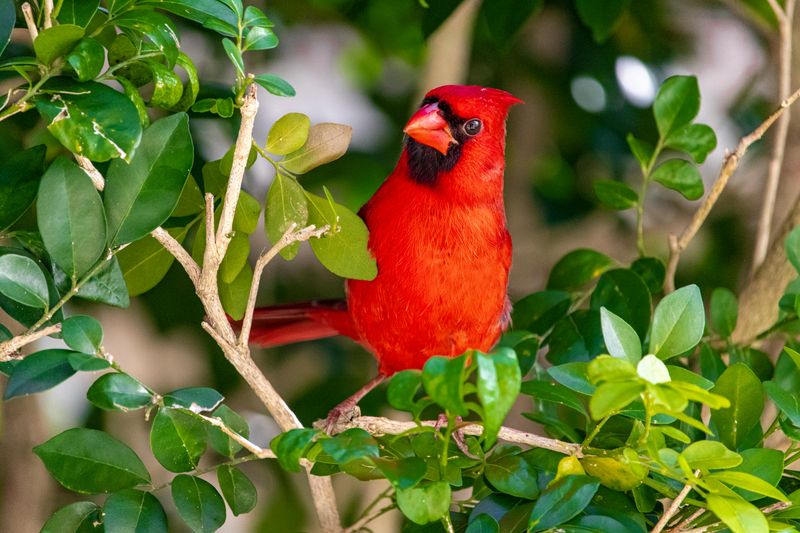
Walk through any Ohio woodland edge in the cooler months and you will likely spot a cardinal tucked into a thick shrub, sheltering from wind or cold.
Cardinals are year-round residents, which means they rely on dependable cover through every season, and the structure of your yard’s plantings has a direct effect on how often they visit.
A yard with layered vegetation – low shrubs, mid-height plants, and taller trees – offers the kind of habitat they genuinely prefer.
Native Ohio shrubs like gray dogwood, elderberry, and viburnums do double duty by providing both cover and food. Cardinals use dense shrub thickets not only for nesting but also for roosting overnight and escaping predators.
A yard that feels open and manicured, with little shrubby undergrowth, tends to attract fewer cardinals than one with more naturalistic planting layers.
Evergreen shrubs and trees are especially valuable in winter, when leafless deciduous plants offer less protection from wind and cold. Hollies, Eastern redcedars, and white pines give cardinals reliable shelter when temperatures drop.
Planting a mix of deciduous and evergreen species creates a yard that stays functional for cardinals across every season.
Seeing a cardinal regularly in your yard often reflects the quality of the cover you have provided, sometimes without even realizing it.
Whether you planted those shrubs for privacy, curb appeal, or wildlife, the result is the same: a space that feels secure and welcoming to one of Ohio’s most familiar birds.
3. A Visit From A Loved One Who Has Passed
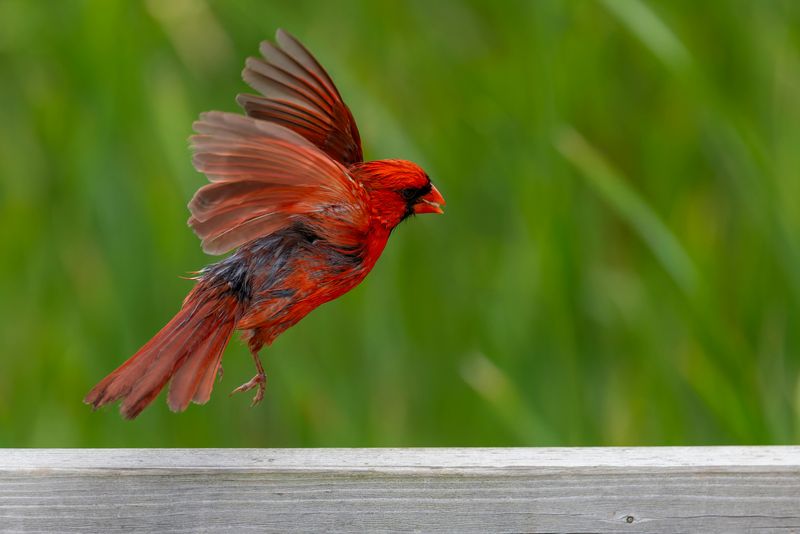
There is a moment many Ohio families describe in almost the same way: a cardinal appears on the back fence or at the feeder on a day when grief feels especially heavy, and something about its presence brings unexpected comfort.
The belief that cardinals carry messages from loved ones who have passed is one of the most widely shared and deeply felt interpretations of a cardinal visit, spanning many different backgrounds, faiths, and traditions across the country.
The idea has roots in various cultural and spiritual traditions, where the cardinal’s striking red color is associated with life, vitality, and the enduring energy of the soul.
Many people describe feeling a sudden sense of calm or recognition when a cardinal appears at a meaningful moment – on a birthday, an anniversary, or just a hard day when comfort was needed most.
These experiences are personal and real to the people who have them, even if they cannot be measured scientifically.
Some families have started keeping small journals or sharing photos when a cardinal visits at a meaningful time. Others have planted cardinal-friendly shrubs or feeders as living memorials to someone they loved.
The act of tending a yard with that person in mind can turn a simple birdfeeder into something quietly sacred.
Whether or not you hold this belief personally, it is worth understanding why it resonates so deeply for so many Ohioans.
The cardinal’s visibility, its year-round presence, and its habit of appearing suddenly in quiet moments make it a natural vessel for that kind of emotional meaning.
4. A Sign Of Hope In Difficult Times
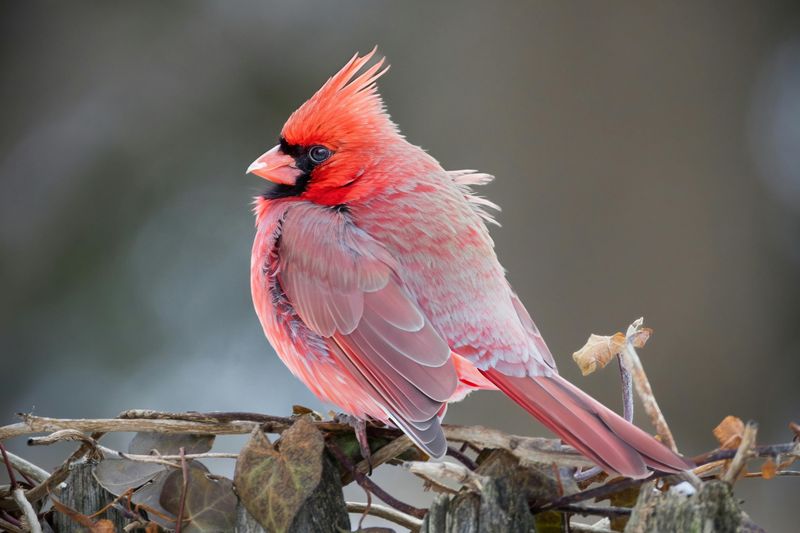
January in Ohio can feel relentless – gray skies, frozen ground, and weeks of cold that seem to stretch without end.
Against that backdrop, a flash of red at the feeder or in the bare branches of a backyard tree carries a kind of visual warmth that is hard to explain but easy to feel.
Cardinals are year-round Ohio residents, and their willingness to stay through the harshest winters has long made them symbols of endurance and hope.
Unlike many songbirds that head south when temperatures drop, cardinals remain in Ohio communities through ice storms, heavy snow, and bitter cold.
Watching one crack open a sunflower seed on a frigid morning, unbothered and purposeful, can genuinely lift a person’s mood.
There is something grounding about seeing a living thing thrive in conditions that feel inhospitable.
For people going through personal hardship – illness, loss, loneliness, or uncertainty – a cardinal’s sudden appearance can feel like a small but meaningful signal that things will improve. This interpretation is not tied to any single religion or culture.
It shows up across many different communities in Ohio and reflects something universal about the human need to find meaning in the natural world during tough times.
Cardinals also tend to sing more actively in late winter as days grow slightly longer, which means their cheerful, clear whistles often return before any other obvious signs of spring.
That song, heard on a cold February morning through a kitchen window, has a way of making the season feel just a little more survivable for many Ohio residents.
5. A Yard That Offers The Food Cardinals Look For
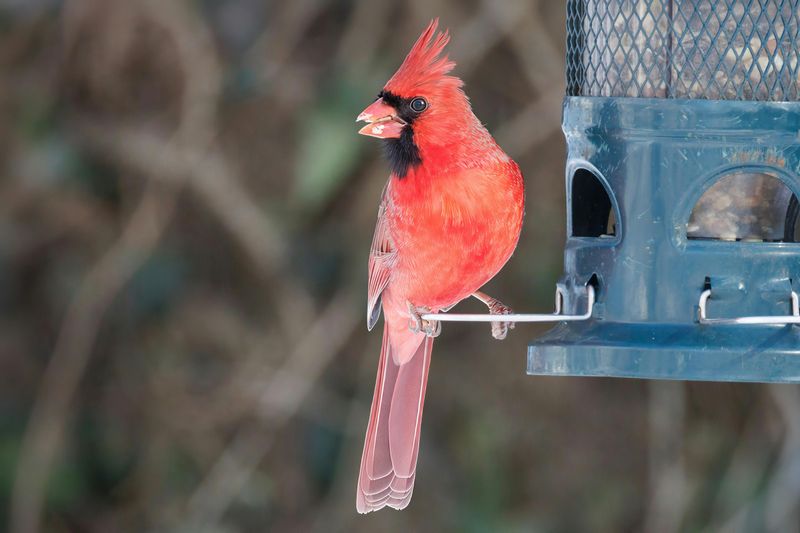
Cardinals are not picky eaters, but they do have clear preferences, and a yard that meets those preferences will see them far more often than one that does not.
Sunflower seeds – particularly black-oil sunflower seeds – are among the most reliable ways to attract cardinals in Ohio.
Their strong, thick beaks are built for cracking hard seeds, and they will visit platform feeders, hopper feeders, and ground feeding areas where seeds have fallen.
Beyond feeders, native plants play a huge role in keeping cardinals well-fed throughout the year. Dogwood berries, serviceberries, wild grape, sumac, and native grasses all provide natural food that cardinals seek out seasonally.
A yard that combines feeder offerings with native fruiting shrubs and seed-producing plants gives cardinals reasons to visit in every season, not just winter.
Cardinals also eat insects, especially during the warmer months when they are feeding nestlings. A yard with healthy soil, leaf litter, and native plants tends to support more insect life, which in turn supports the birds that depend on those insects.
Reducing pesticide use helps keep that food chain intact for nesting pairs raising young.
When cardinals show up consistently at your yard, it often reflects the food diversity you have cultivated – whether intentionally or not.
Noticing which plants they gravitate toward can actually help you make smarter planting choices going forward.
A cardinal’s regular presence at your feeder or shrubs is essentially a vote of confidence in the food resources your Ohio yard provides.
6. A Water Source That Makes Your Yard More Appealing
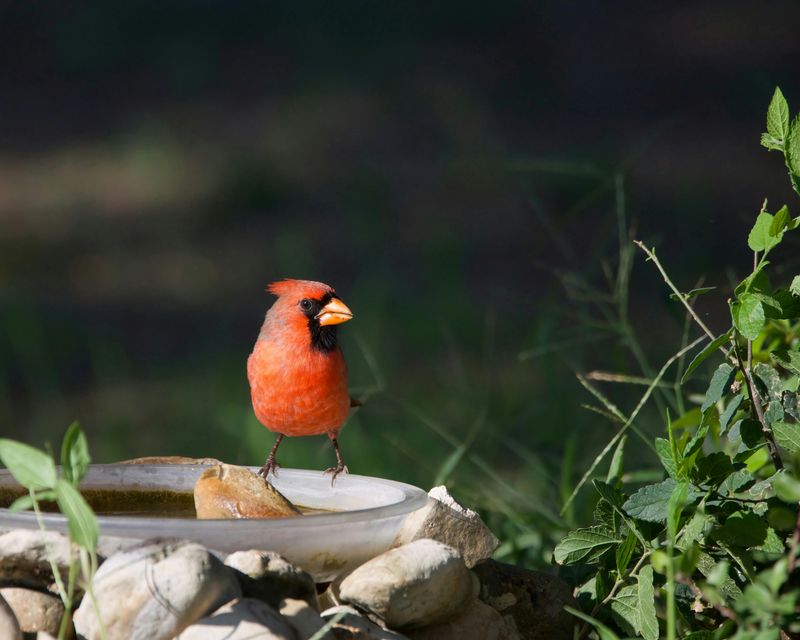
Food and cover get most of the attention when people talk about attracting birds, but water is just as essential – and often harder for birds to find in suburban Ohio yards.
Cardinals need fresh water year-round for drinking and bathing, and a reliable water source can make your yard noticeably more attractive to them, especially during dry summer stretches or frozen winter periods.
Shallow birdbaths work well for cardinals since they prefer water that is only one to two inches deep.
Moving water is even more effective – a small dripper or wiggler attachment creates ripple and sound that helps birds locate the bath from a distance.
Cardinals, like most songbirds, are drawn to the sound of moving water and will investigate it even when they might otherwise pass a yard by.
In Ohio winters, a heated birdbath can become one of the most valuable features in a yard. Natural water sources freeze over for weeks at a time, leaving birds without easy access to fresh water.
Providing an open, heated bath during January and February can attract cardinals that might not otherwise visit regularly.
Keeping the birdbath clean matters too. Algae buildup and stagnant water can discourage use and create conditions that are unhealthy for birds.
A quick rinse and refill every few days during warmer months keeps the bath inviting.
When a cardinal lingers at your birdbath long enough to bathe – shaking water from its feathers in the afternoon sun – it is one of those small yard moments that feels genuinely rewarding.
7. A Gentle Nudge To Pay Attention To The Present
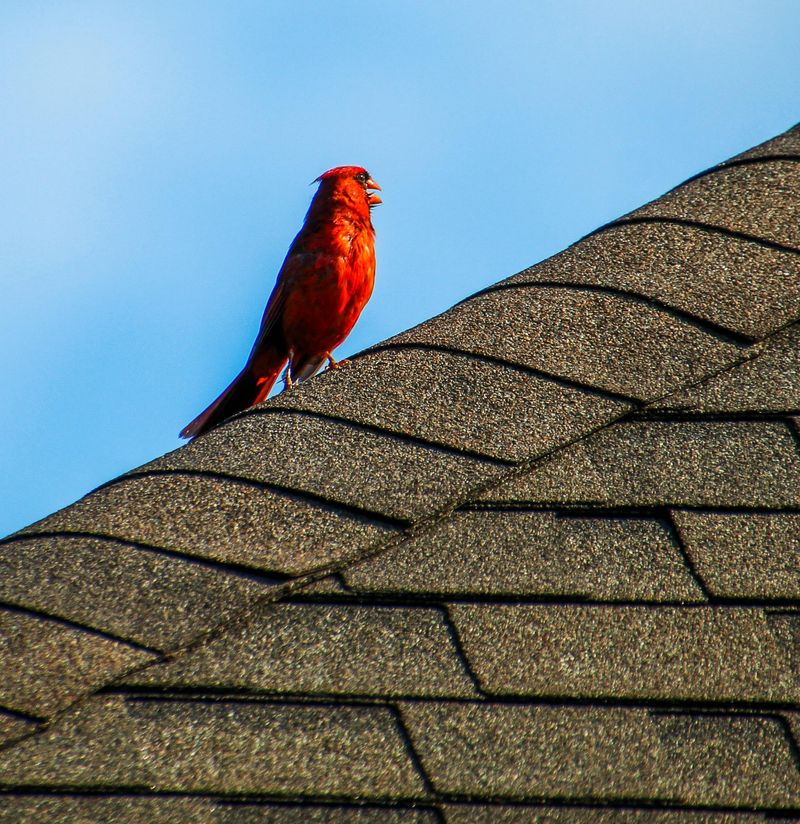
Most people spot a cardinal not because they were looking for one, but because something bright and red caught their eye at an unexpected moment.
You are washing dishes, scrolling through your phone, or staring out the window during a long work call, and suddenly there it is – a vivid red bird sitting perfectly still, looking back at you.
That kind of interruption has a way of pulling you completely out of your thoughts and into the present moment.
Cardinals seem to have a particular talent for appearing when you are mentally somewhere else. Whether that is coincidence or something more is a matter of personal belief, but the effect can feel real either way.
For a few seconds, or maybe longer, the mental noise quiets down and you are simply watching a bird. That kind of spontaneous stillness is something many people rarely experience in a busy day.
Some people who practice mindfulness or meditation describe the cardinal as a natural reminder to slow down, breathe, and notice what is actually happening around them.
In Ohio yards where the pace of suburban life can feel relentless, a cardinal at the feeder can serve as a small but effective reset.
There is no need to make that feeling sound mystical to appreciate it. Research on nature exposure and everyday encounters with birds does suggest that these moments can support better mood and mental well-being more broadly.
The cardinal does not know it is helping you – but the pause it creates can still feel meaningful.
8. A Reminder To Appreciate Life’s Small Wonders
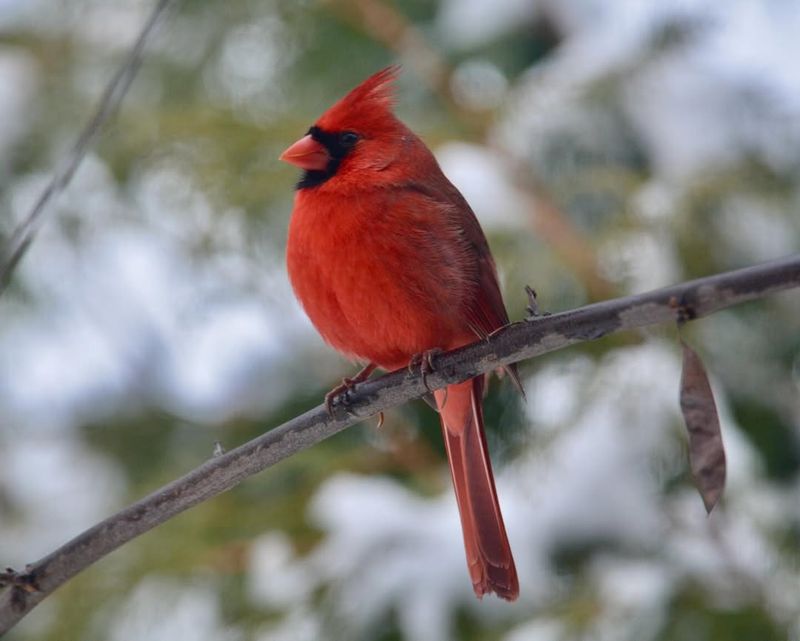
Some of the most meaningful moments in an Ohio yard do not involve anything dramatic – just a cardinal landing on the fence post you walk past every morning, or a pair of them chasing each other through the shrubs on a warm April afternoon.
Cardinals are common enough in Ohio that it would be easy to stop noticing them, yet most people never quite do.
Something about their color and their song keeps them feeling special even after years of regular sightings.
That persistent sense of wonder is worth paying attention to. In a world full of noise and urgency, the cardinal offers something quiet and consistent: a reminder that beauty has not gone anywhere, it is just waiting to be noticed.
The female cardinal, often overlooked in favor of the male’s brilliant red, carries her own quiet elegance in warm brown tones with red-tinged wings and crest – a different kind of beauty that rewards a slower, more patient look.
Cardinals have been Ohio’s state bird since 1933, which speaks to how deeply woven they are into the fabric of everyday Ohio life.
Generations of Ohioans have grown up watching them at feeders, hearing their clear whistled songs on summer mornings, and feeling that small lift of recognition when one appears.
That continuity across time and family is itself a kind of wonder.
Noticing a cardinal – really noticing it, not just registering it and moving on – is a small act that connects you to the natural world in a way that is genuinely good for you.
Ohio yards, even modest ones, can hold that kind of quiet magic if you give yourself a moment to look.