The Meaning Behind Seeing Northern Cardinals In Your Georgia Yard
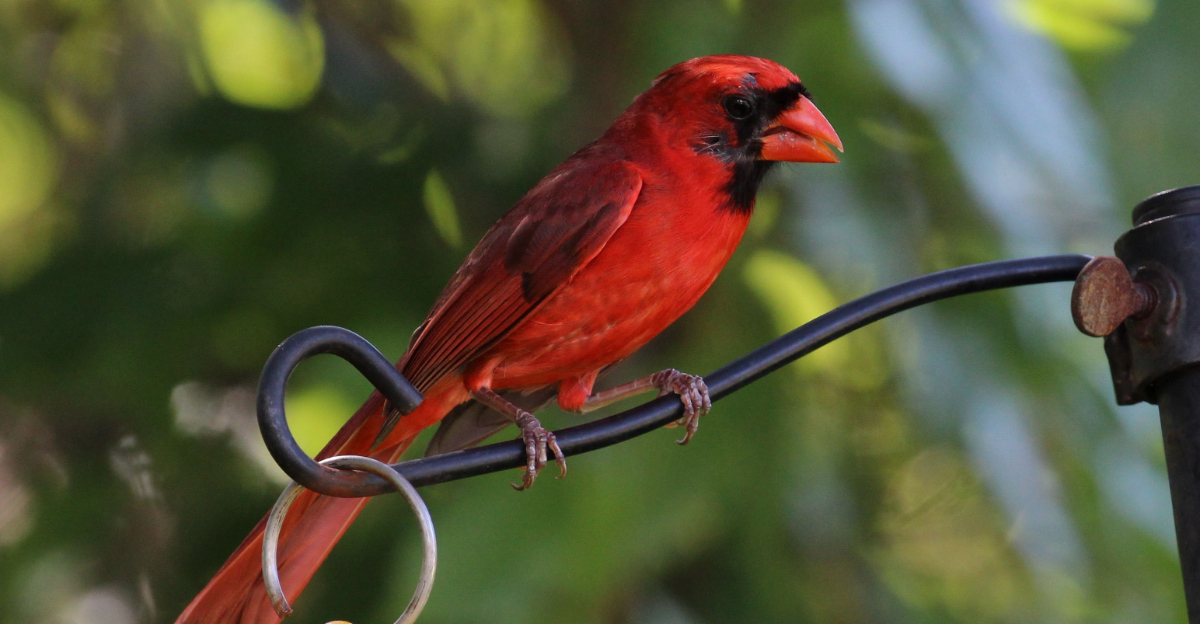
A flash of bright red moves through your Georgia yard, and for a moment, everything else fades into the background. Northern cardinals have a way of standing out, not just because of their color, but because of how often they seem to appear at just the right time.
Whether it is a quick visit or a regular sight near your favorite spot, it rarely feels random.
In Georgia, these birds are a familiar part of the landscape, yet their behavior can still feel personal. They return to the same areas, stay close to cover, and often show up when the yard feels calm and settled.
It is easy to start wondering what draws them in and why they choose certain spaces over others.
Once you begin paying attention to their patterns, those visits start to feel more intentional, turning a simple sighting into something that holds a bit more meaning.
1. Food Is Easy To Find In The Area
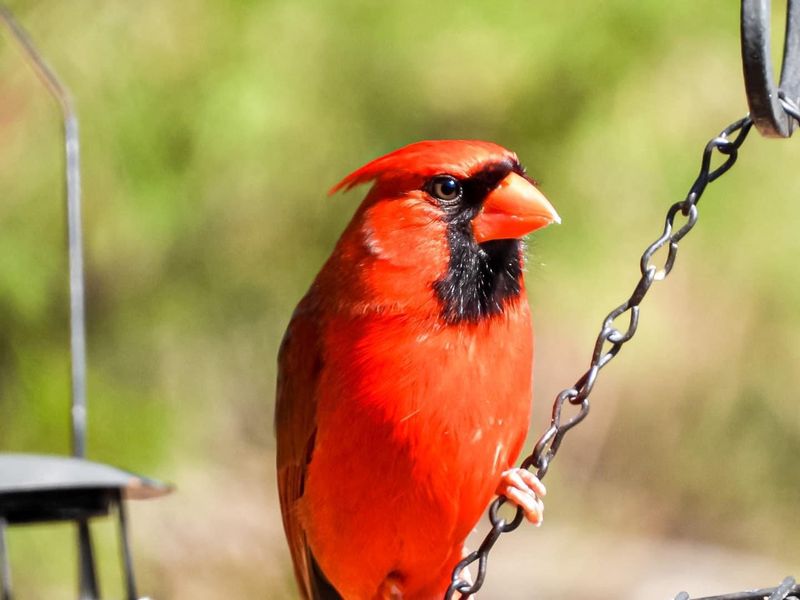
Cardinals are not picky, but they are smart about where they spend their energy. If a red cardinal keeps showing up in your Georgia yard, there is a solid chance the food situation nearby is working in your favor.
Sunflower seeds, especially the black oil kind, are like a welcome sign to these birds. Platform feeders and hopper feeders work best because cardinals prefer to eat while sitting, not clinging.
Beyond feeders, natural food sources matter just as much. Berry-producing shrubs like beautyberry, dogwood, and holly are common across Georgia and give cardinals something to snack on throughout the seasons.
Wild seeds from grasses and weeds also fill their diet, so a yard that is not completely manicured actually helps attract them.
Cardinals tend to feed in the early morning and again close to dusk, so those are the best times to watch for them. If you spot a male and female visiting your feeder together, that pairing behavior tells you food is plentiful enough to support a bonded pair.
A male cardinal will sometimes carry food directly to a female during courtship, which is a behavior worth watching for in late winter and early spring here in Georgia.
Keeping your feeders clean and stocked consistently signals to nearby birds that your yard is reliable. Once cardinals learn they can count on your space for a meal, they tend to return on a regular schedule without much convincing.
2. Safe Nesting Spots Are Close By
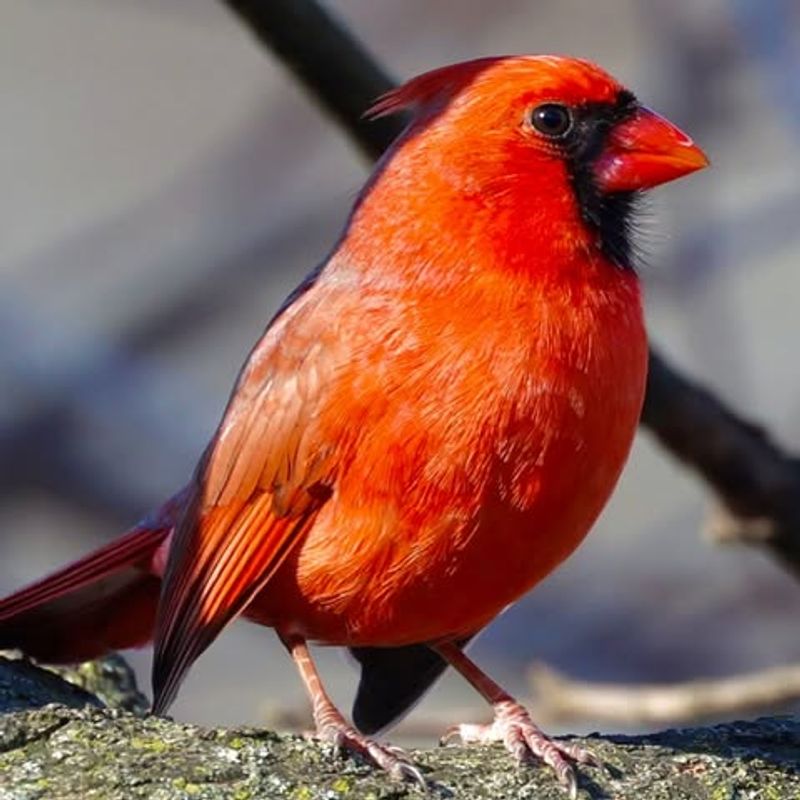
Not every yard gets chosen as nesting territory. Cardinals are selective, and when they settle near your Georgia home, it usually means the surrounding landscape offers something valuable: cover, privacy, and a sense of security.
Female cardinals do all the nest building, and they look for dense shrubs, tangled vines, or low tree branches where a nest will stay hidden from predators.
Common nesting plants across Georgia include privet, hawthorn, rose bushes, and young cedar trees. Cardinals build their cup-shaped nests between three and ten feet off the ground, which puts them well within viewing range if you know where to look.
Nesting season here typically runs from March through August, with some pairs raising two or even three broods in a single year.
A yard with layered plantings, meaning a mix of ground cover, mid-level shrubs, and taller trees, gives cardinals exactly the kind of habitat they look for. Open lawn space alone will not cut it.
Structure and density in your plantings signal to cardinals that your yard is worth settling near.
If you have spotted a cardinal carrying nesting material, small twigs, strips of bark, or plant fibers, that is a strong signal a nest is being built nearby.
Avoid trimming shrubs heavily during spring and summer to give nesting birds the best chance of raising their young without disruption.
Georgia yards with natural structure tend to attract and hold cardinals season after season.
3. The Yard Feels Safe Enough To Stay
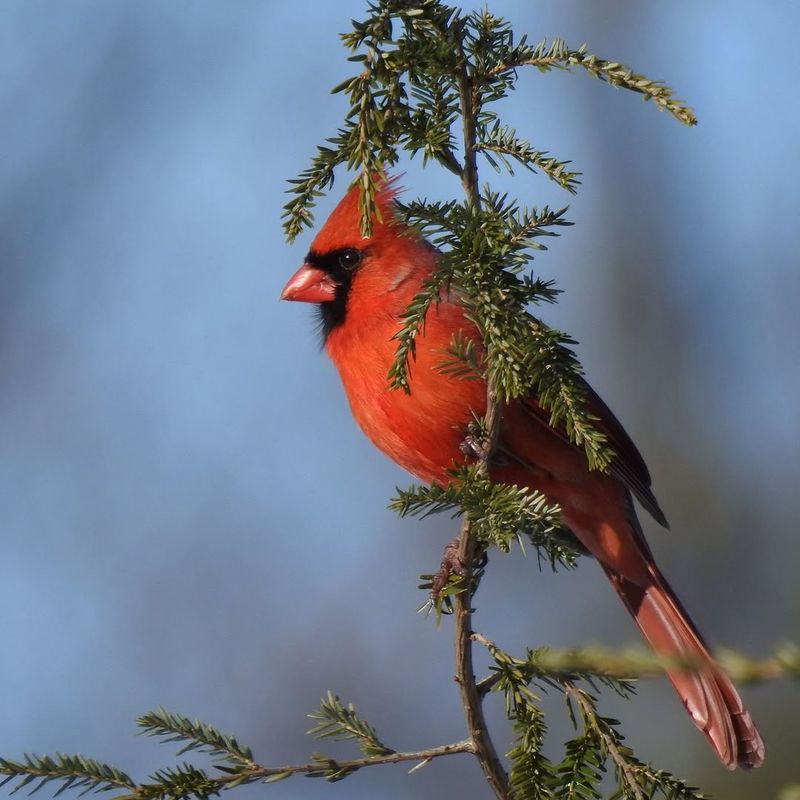
Cardinals are cautious birds by nature. Loud noise, heavy foot traffic, or the constant presence of outdoor cats can push them away from a yard entirely.
When you see cardinals lingering, foraging on the ground, or sitting still in the open, that behavior is actually a sign of comfort. Your yard has passed their safety check.
Predator pressure plays a big role in where cardinals choose to spend time. Hawks, snakes, and outdoor cats are among the biggest threats to cardinals in Georgia neighborhoods.
A yard with natural escape cover nearby, like a hedgerow or a cluster of dense shrubs, gives cardinals a place to retreat quickly if something startles them. That security keeps them coming back.
Noise levels matter too. Yards near quiet streets or with tall privacy plantings tend to attract more bird activity overall.
Cardinals are not going to stick around a yard that feels chaotic or unpredictable. If your outdoor space is calm and consistent, birds pick up on that quickly.
One thing many Georgia gardeners notice is that cardinals will actually alert you to threats in the yard.
Their sharp, metallic chip call is an alarm note, and hearing it repeatedly usually means something has disturbed them nearby.
Learning that call helps you understand what is going on in your yard even when you are not looking directly at the birds. A yard that cardinals feel safe in is genuinely a healthier, more balanced outdoor space overall.
4. Pairs Start Forming In Early Spring
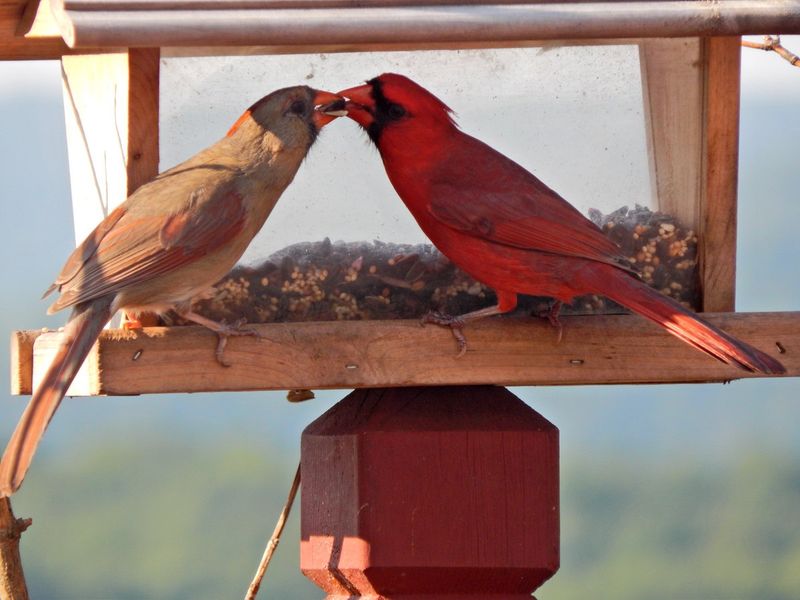
Seeing two cardinals together, especially a bright red male and a brownish-red female, is one of the more exciting signs that spring is getting close in Georgia.
Cardinal pairs usually start bonding in late February or early March here, which is earlier than many people expect.
Watching courtship behavior gives you a front-row seat to one of nature’s more interesting rituals.
Male cardinals put on quite a show during courtship. They sing loudly, often from high, exposed perches, to announce their territory and attract a mate.
Both males and females actually sing, which is unusual among North American songbirds. If you are hearing rich, whistling notes from your yard in late winter, cardinals are likely the source.
One of the most recognizable courtship behaviors is mate feeding, where the male picks up a seed and passes it directly to the female beak to beak. It looks almost like a kiss, and if you catch it at your feeder, it is genuinely worth stopping to watch.
This behavior strengthens the pair bond before nesting begins.
Cardinal pairs in Georgia tend to stay within a relatively small home range, often less than a few acres. Once a pair bonds and successfully raises young in an area, they frequently return to the same general territory the following year.
Spotting a pair early in spring is a strong signal that your yard may be part of their established home range, which is a real sign of a welcoming outdoor space.
5. Dense Shrubs Give Them Cover
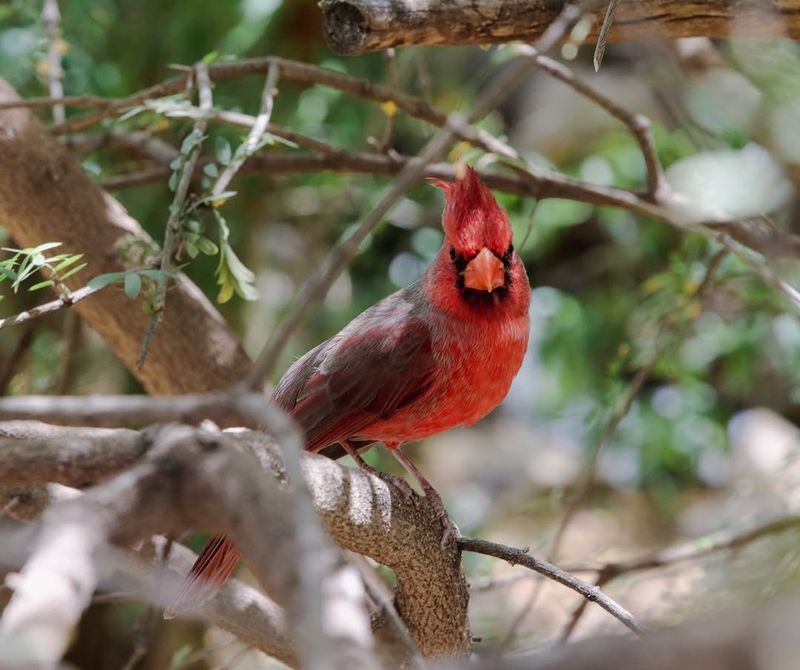
Walk through almost any established Georgia neighborhood and you will notice something: the yards with the most cardinals almost always have thick, layered shrubs. Cover is not optional for cardinals.
It is a requirement. Dense plantings give them a place to hide from predators, escape bad weather, and roost safely at night.
Holly bushes are a standout choice across Georgia because they offer both shelter and food at the same time. Wax myrtle, native azalea, and wild plum thickets are also heavily used by cardinals throughout the state.
These plants give the yard a natural, lived-in feel while quietly doing important work for local wildlife.
Cardinals tend to roost communally in winter, with small groups gathering inside dense evergreens or thick shrub clusters after dark. American holly and Eastern red cedar are two plants you will often find serving as overnight roosting spots for cardinals in Georgia yards.
Keeping these plants trimmed too aggressively removes exactly the kind of interior density that makes them useful.
Adding a shrub border along a fence line or property edge creates a natural corridor that cardinals use to move through a neighborhood without exposing themselves in open space.
Even a few well-placed shrubs can make a meaningful difference in how often cardinals visit and how long they stay.
If your yard currently lacks that mid-level structure, planting a couple of native shrubs this season could noticeably increase cardinal activity within just a year or two.
6. Water Keeps Them Coming Back
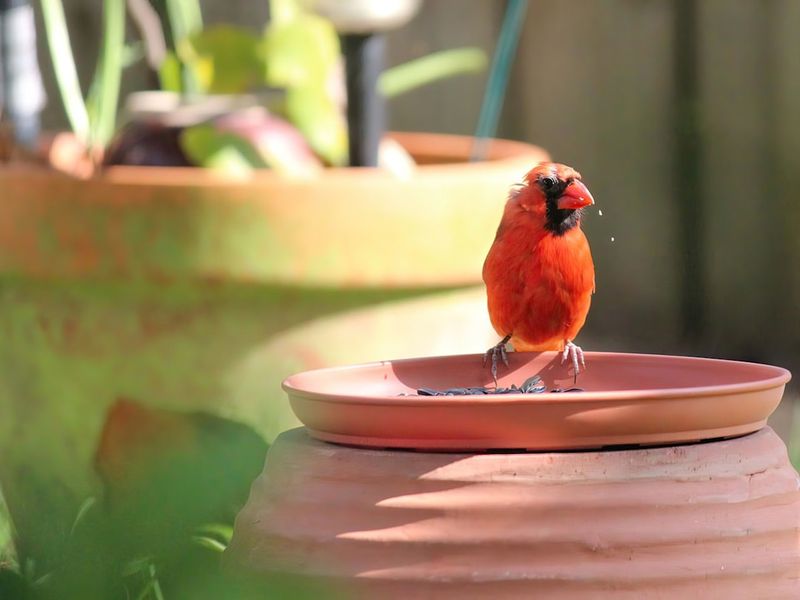
A reliable water source might be the single most underrated thing you can add to a Georgia yard for attracting cardinals.
Food gets most of the attention, but fresh, clean water draws birds in consistently, especially during Georgia summers when heat builds up fast and natural water sources dry out.
Cardinals prefer shallow water, typically no more than two inches deep. A wide, flat bird bath with a rough surface works well because it gives them stable footing while bathing.
Placing the bath near shrubs or low branches gives cardinals a quick escape route, which makes them far more likely to actually use it rather than just approach and fly off.
Moving water is even more effective. A simple dripper attachment or a small solar-powered fountain creates sound that travels through the yard and pulls birds in from a distance.
Cardinals are drawn to the sound of dripping or trickling water, and you may notice them arriving more quickly when the water is in motion compared to a still bath.
During Georgia winters, water can become surprisingly scarce when temperatures dip below freezing for a few days. A heated bird bath or even just refreshing the water daily during cold snaps keeps your yard on the cardinals radar year-round.
Birds that find consistent water at your property tend to treat it as a home base, returning morning and evening and bringing others along over time. Clean water is simple, affordable, and genuinely effective at building a loyal group of yard visitors.
7. Regular Sightings Show A Healthy Space
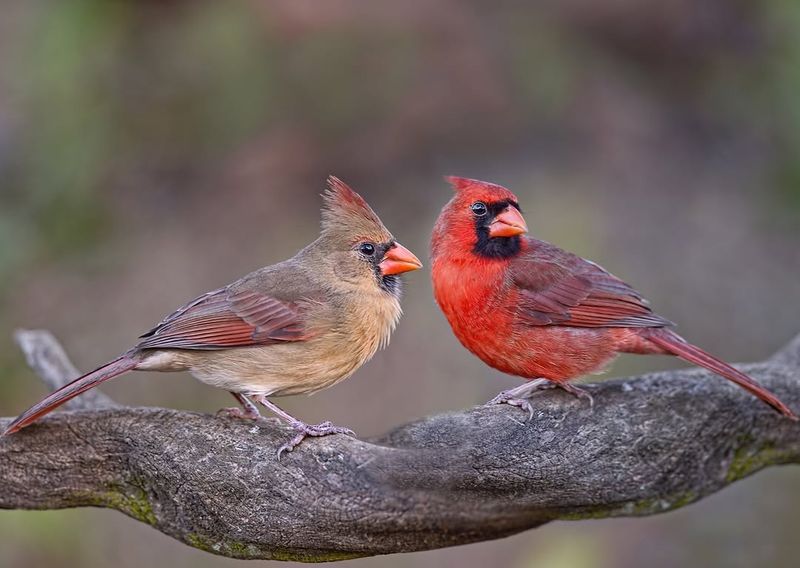
Seeing cardinals on a regular basis in your Georgia yard is not just enjoyable. It is actually a signal that your outdoor space supports real wildlife.
Cardinals are what biologists sometimes call indicator species, meaning their consistent presence points to a balanced, healthy local environment. Sparse or absent bird activity often reflects a yard or neighborhood with limited food, shelter, or water resources.
Yards that attract cardinals regularly tend to share a few common traits: native plantings, reduced pesticide use, reliable food and water sources, and enough natural structure to support nesting and roosting.
Pesticides are worth mentioning specifically because they reduce insect populations, and cardinals feed insects to their nestlings almost exclusively during the first weeks after hatching.
A yard with healthy insect activity supports the full cardinal life cycle, not just adult birds visiting a feeder.
Georgia has a strong year-round cardinal population, so unlike some migratory species, the cardinals you see in December are likely the same birds you watched in July.
Building a relationship with resident cardinals over multiple seasons gives you a genuine sense of how your yard changes and improves over time.
Noticing more cardinals than you used to see is a real marker of progress in creating a wildlife-friendly space. Each improvement, whether a new shrub, a cleaner feeder, or a fresh water source, adds up.
Cardinals reward those small efforts visibly and consistently, which makes them one of the most satisfying birds to attract and observe right here in Georgia.